Why Indonesia for Clownfish Diving?
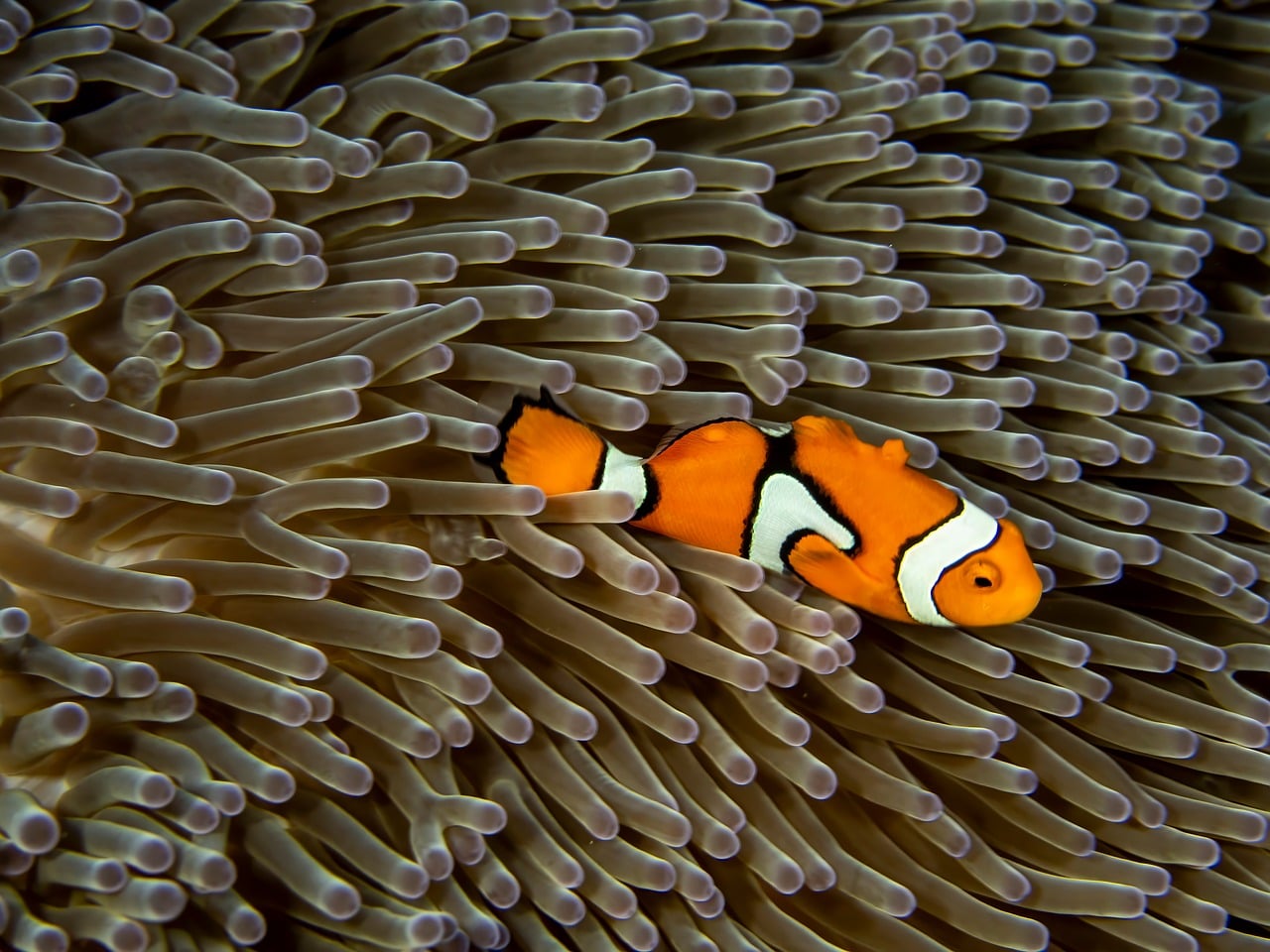
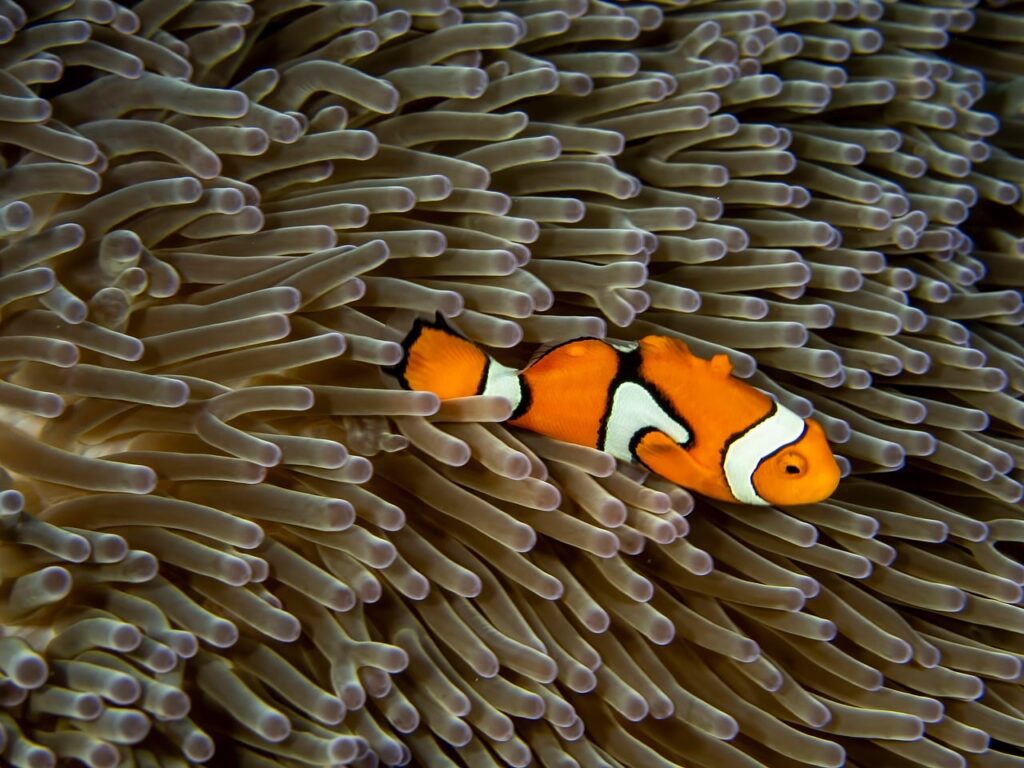
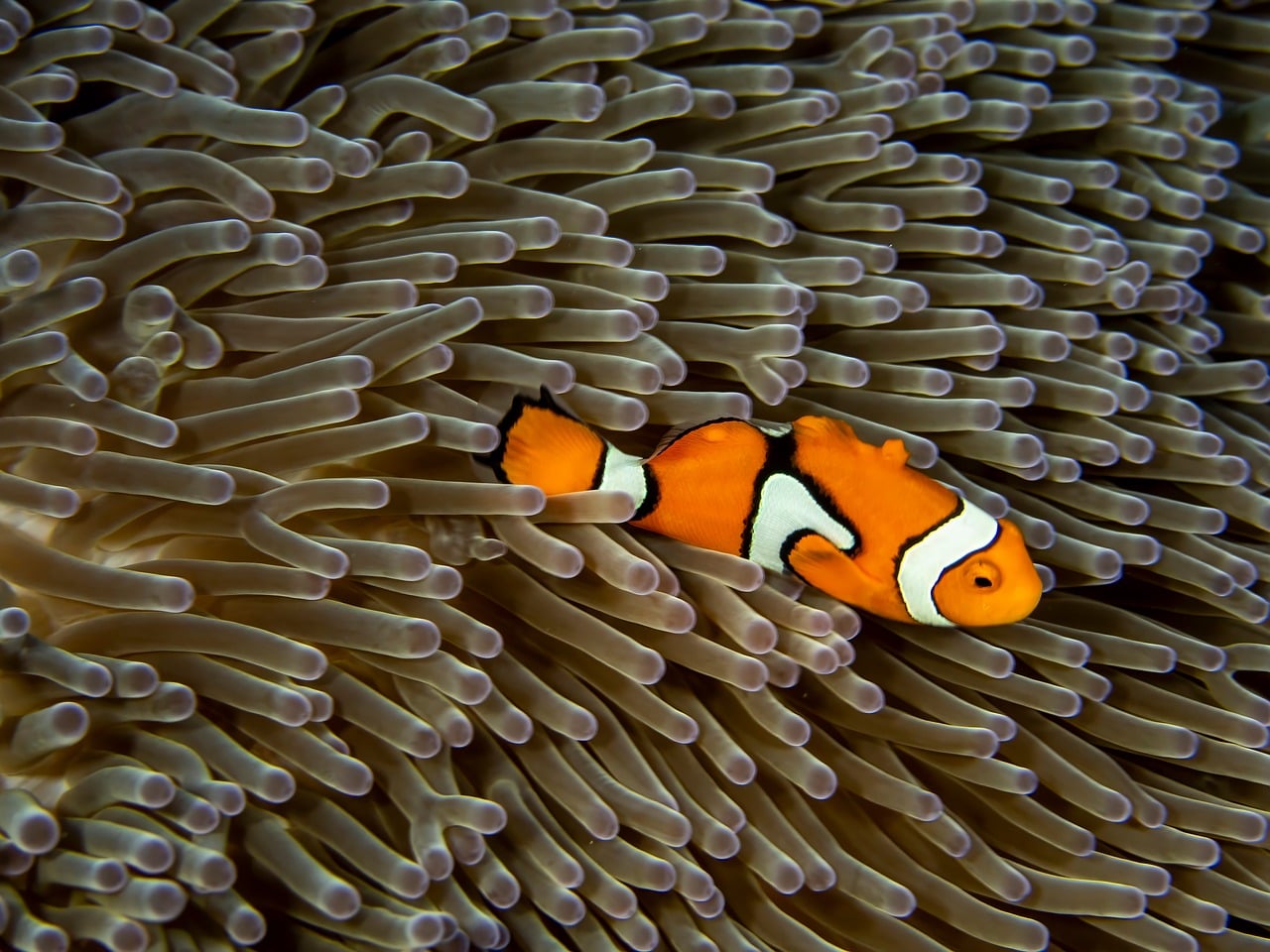
If you’re putting together an Indonesia diving itinerary for clownfish, you’re starting in the right place. Indonesia sits at the heart of the Coral Triangle, the global bullseye for marine biodiversity. That’s not marketing talkâit’s a biological fact. The country hosts more clownfish species than anywhere else on the planet: false clownfish (the Nemo kind), tomato clownfish, skunk clownfish, and several regional endemics you won’t see in the Philippines or Maldives.
What makes this practical for a diver is the combination of visibility, water temperature, and dive site access. Surface temps hover around 27-30°C year-round. Currents vary by region, but most sites are workable for an intermediate diver with decent buoyancy. Indonesia also has strict marine lawsâtouching coral, feeding fish, and harassing marine life can get you fined or banned from park entry. That means healthier anemones and less stressed clownfish. They’re actually in their homes, not hiding behind a curtain of diver damage. That’s the kind of environment where you can spend a full 60-minute dive watching a single anemone and come up satisfied.

Best Time to Plan Your Indonesia Diving Itinerary
Timing matters more than most divers realize. Indonesia has two broad seasons, and they flip differently across the archipelago.
Dry Season (April to October): This is the sweet spot for most regions. Visibility hits 25-40 meters. Seas are calm. Currents are predictable. Liveaboards run full schedules. The catch is higher demand and higher prices, especially in Raja Ampat and Komodo. You’ll need to book 6-9 months ahead for peak spots.
Wet Season (November to March): Rain varies by location. In Raja Ampat, this is still good divingâthe rain comes in short bursts. In Komodo, seas get rougher and visibility drops. Lembeh Strait is fine year-round because it’s a protected channel. Prices are lower. Sites are emptier. If you’re on a budget or flexible with dates, wet season can work, but you trade reliability for value.
My rule: if you’re building a single 12-day itinerary, aim for May or September. You get dry-season conditions with shoulder-season pricing. Don’t overthink it. Pick a window and adjust your region choice around it.
Top Dive Regions for Clownfish Encounters
You can’t hit all of Indonesia in one trip. Here are the regions that deliver for clownfish diving, ranked by practicality and outcome.
- Raja Ampat: The gold standard. Highest clownfish diversity. Remote, expensive, worth it. Requires a liveaboard or resort stay. Best months: October to April.
- Komodo National Park: Big currents, big marine life, healthy anemone fields. Best for experienced divers. North Komodo is easier. South Komodo is for thrill-seekers. Best months: April to October.
- Lembeh Strait: Macro heaven. You’ll see rare clownfish species and bizarre critters. Muck diving, not reef diving. Best months: year-round, but February to May is calmest.
- Tulamben, Bali: Shore-based wreck diving with the Liberty Wreck. Clownfish live right on the wreck. Cheap, easy, reliable. Best months: April to October.
- Bunaken, North Sulawesi: Beginner-friendly. Clear water, shallow walls, clownfish at 5-15 meters. Good for quick trips or warm-up dives. Best months: April to October.
Regional transit takes time. You’re not island-hopping like the Caribbean. Factor in flight connections, boat transfers, and the occasional weather delay.
Raja Ampat: The Unrivaled Clownfish Hotspot
Raja Ampat is not a weekend tripâit’s a destination. You fly into Sorong, then take a 2-4 hour boat to your liveaboard or resort. The effort pays off in clownfish density and species variety. I’ve counted six different clownfish species on a single dive at Cape Kri. That’s not normal. Most reefs hold one or two.
Key sites include Cape Kri for sheer biomass, Manta Ridge for cleaning stations and overhangs, and Blue Magic for pinnacle dives with schooling fish wrapping around anemones. If you’re a photographer, you’ll burn through memory cards fast. Travelers who need reliable underwater storage may want a high-capacity memory card to avoid running out of space mid-dive.
Mistakes to avoid: Not booking early. The best liveaboard spots fill 8-12 months ahead. Underestimating currentsâsome sites rip hard, so bring a reef hook and know how to use it. And skipping a dive because it’s “just another anemone.” It’s not. Each site has different lighting, background, and fish behavior.
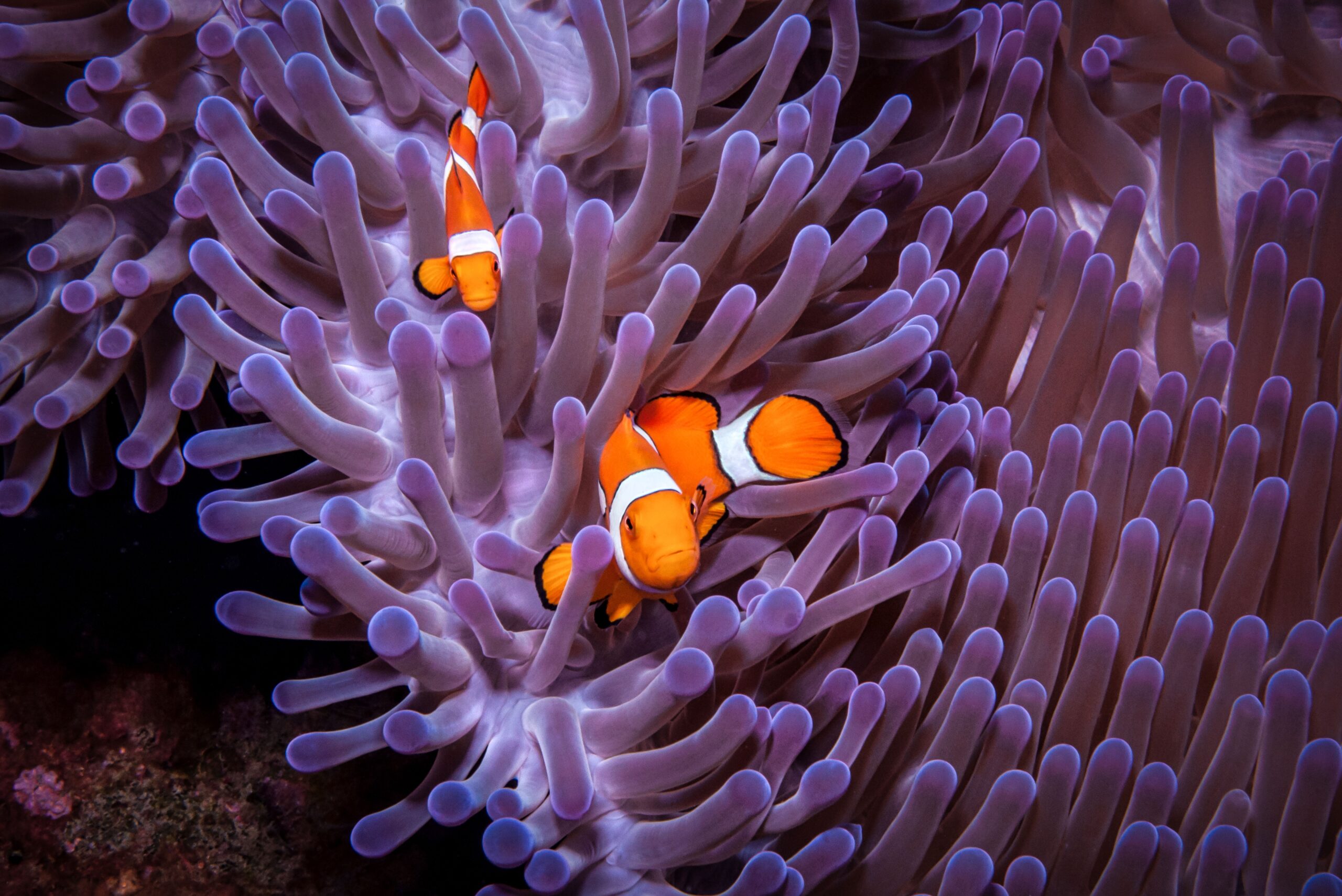
Land-based options exist at places like Papua Explorers or Raja Ampat Dive Lodge, but they tie you to a specific area. Liveaboards let you cover more ground. If you have the budget, do a 7-10 day liveaboard. If not, pick a resort and accept you’ll miss the outer atolls.

Komodo National Park: Clownfish with Currents
Komodo is where diving gets athletic. Currents here are strongâ3-4 knots isn’t unusual. That’s not a problem if you’re comfortable with drift diving and have good buoyancy. It’s dangerous if you’re not.
North Komodo (sites like Batu Bolong, Manta Point, Siaba Besar) has cleaner water and more relaxed currents. Clownfish are plentiful in the shallow reef flats. South Komodo (Tatawa Besar, Cannibal Rock, Torpedo Alley) has heavier currents and bigger drop-offs. You’ll see larger anemone fields and sometimes more clownfish per square meter, but you’ll also spend half the dive holding a reef hook.
Here’s the practical tip: hire a local dive guide who knows the current patterns. They’ll pick sites based on tide and wind direction. Rent a reef hookâthe rental ones are built for the conditions. And don’t touch the anemones. The current already stresses them. Your fin or hand can kill them.
Lembeh Strait: Macro Clownfish Photography
Lembeh Strait is not for everyone. It’s muck divingâblack volcanic sand, weird critters, and the kind of photography that requires patience. But if you want to photograph clownfish in their full bizarre glory, Lembeh delivers.
Species here include the hairy or spiny clownfish and the pink skunk clownfish. They live in anemones on the muck bottom, not on a coral wall. That means you’re shooting down, not out. Lighting is tricky. You need strobes or a macro video light. Most standard dive lights don’t cut it. A simple way to improve results is to bring a macro dive light that offers a tight, focused beam for close-up shots.
Operators like NAD Lembeh and Critters@Lembeh specialize in guided macro dives. They know where the anemones sit and how to approach without stirring silt. If you’re serious about underwater photography, Lembeh is worth the extra flight to Manado.
Gear to bring: A compact camera with a macro mode or a mirrorless setup with a 60mm or 100mm macro lens. A good dive light with a tight beam. A focus light to help the camera lock on. And an exposure suitâ3mm is fine for warm water, but bring a hood or rash guard to avoid friction burns from kneeling on the bottom.
Tulamben: Night Diving with Clownfish
Tulamben is the most accessible clownfish dive in Indonesia. The Liberty Wreck sits just 30 meters from shore. You wade in from a black sand beach. Max depth is 30 meters, but clownfish cluster around the wreck at 15-20 meters.
Night diving here changes everything. During the day, clownfish hover near their anemone, darting in and out. At night, they become sluggish. They float just above the anemone, sometimes centimeters from your mask. Their coloration shiftsâthey get pale. It’s the only time you’ll see their full body pattern without constant movement.
Practical tip: Bring a primary dive light with at least 1000 lumens and a backup. Don’t cheap outâa $20 flashlight will die on the second dive. Frequent users may benefit from a high-lumen dive light that stays reliable dive after dive. Also, wear a full wetsuit even if the water is warm. The wreck has sharp metal edges and you’ll bump into it in the dark.
Bunaken: Easy, Reliable Clownfish Sites
Bunaken is your backup plan and your warm-up dive all in one. It’s a marine park with wall dives starting at 5 meters and dropping to 40+. Clownfish hang out in the shallow coral gardens and along the wall edges. You don’t need to be a hero to see them.
Sites like Lekuan 1, 2, and 3 have healthy anemone beds at 10-15 meters. Currents are mild. Visibility is usually 25-35 meters. It’s a good place to dial in your buoyancy before you hit Raja Ampat or Komodo.
Logistics: fly to Manado, then a 30-minute car ride to the harbor, then a 15-minute boat to the park. Stay at a resort or homestay on the island. Budget 3-4 days for Bunaken. It’s not a destination for a weekâyou’ll run out of new sitesâbut it’s a perfect add-on to a Lembeh trip.
Sample 12-Day Indonesia Diving Itinerary
This itinerary combines Bali, Komodo, and Raja Ampat. It’s fast but realistic. Adjust based on your budget and stamina.
- Day 1: Fly into Denpasar, Bali. Overnight in Tulamben or just south.
- Day 2: Two morning dives at Liberty Wreck. Afternoon transfer to Labuan Bajo, Flores.
- Day 3-5: Three days in Komodo. Two-tank dives each day. Focus on North Komodo for clownfish. Use a local operator or a short liveaboard.
- Day 6: Fly Labuan Bajo to Sorong. Overnight in Sorong.
- Day 7-10: Four-day Raja Ampat liveaboard or resort package. Hit Cape Kri, Manta Ridge, Blue Magic.
- Day 11: Fly Sorong back to Denpasar. Rest day or surface interval.
- Day 12: Depart Indonesia.
Rough budget (excluding flights to Indonesia): $2,500-$4,000 per person. That covers liveaboard, resorts, local flights, and meals. Yes, it’s expensive. That’s the nature of remote diving. Book early to lock in prices.

Gear You Should Bring for a Clownfish Dive Trip
Don’t rely on rental gear in remote Indonesia. It’s often mismatched, poorly maintained, or too small. Bring your own for comfort and reliability.
- Reef-safe sunscreen: Get zinc-based, no oxybenzone. Some marine parks confiscate non-reef-safe sunscreen at entry. Brands like Stream2Sea or Badger work.
- Dive computer: A basic one is fine. Don’t rentâthe rental ones are usually beat up with lagging batteries. A Suunto Zoop or similar is fine.
- Underwater camera or GoPro: If you want to photograph clownfish, a GoPro with a red filter or a compact camera with manual controls works. For serious macro, bring a proper rig with strobes.
- Signal buoy (SMB): Essential for drift dives in Komodo. Get a bright orange or yellow one. Practice deploying it before you arrive.
- Wetsuit: 3mm for most regions. 5mm if you’re diving Komodo in July-August when upwelling can drop temps to 24°C. I prefer a 3mm full suit plus a 3mm shorty for double layering when needed.
Common Mistakes to Avoid When Diving with Clownfish
Even experienced divers mess these up. Don’t be that person.
1. Touching or hovering over anemones. Anemones are animals. Physical contact kills them. Your fins or knees can also damage them. Keep your hands tucked. If your buoyancy is shaky, practice in a pool or shallow site before you hit the big reefs.
2. Ignoring currents. Clownfish are weak swimmers. In strong currents, they hide deep inside the anemone. You’ll miss them if you’re drifting by at 2 knots. Pick sites with moderate current or plan your dive to spend time on the lee side of the reef.
3. Poor buoyancy control. You can’t get close to clownfish for photos if you’re bouncing up and down. They’ll retreat. Spend the first few minutes of each dive hovering at 3 meters. Calm yourself. Then descend slowly.
4. Skipping night dives. This is the biggest mistake. Night diving with clownfish is completely different. You see behavior you can’t see during the day. And the photos are incredible because the fish are still and the background is black.
Who This Itinerary Is Best For and Who Should Skip
Best for: Experienced divers (50+ dives) who are comfortable with currents and drift diving. Divers with an interest in underwater photography or marine biology. People who can afford remote travel and don’t mind long transit days.
Who should skip: Beginners under 20 dives. Anyone uncomfortable with open-ocean diving. Divers on a tight budget who can’t afford liveaboards. If that’s you, choose a single region like Bunaken or Tulamben and stay put. You’ll still see clownfishâyou just won’t see the full diversity.
Final Tips for Booking Your Indonesia Clownfish Trip
Three things matter most: timing, booking lead time, and realistic logistics.
Book dive operators directly if you can. Many liveaboard companies offer early-bird discounts 12 months out. For resorts, use a booking platform but check cancellation policiesâweather can disrupt transfers. Buy gear before you arrive; Indonesia has limited dive shops outside of Bali. For longer trips, consider a dive gear travel bag to keep your equipment organized and protected during transit.
Plan around transit. Indonesia is big. Flying from Komodo to Raja Ampat isn’t a short hop. Budget a full day for each transfer. Don’t try to cram too many regions into one trip. Two regions is the sweet spot. Three is for hardcore divers with flexible schedules.
And finally, manage expectations. You will see clownfish. You will see healthy anemones. But you’ll also deal with some bad weather, rough crossings, and the occasional equipment failure. That’s diving. Embrace it. The clownfish will still be there.