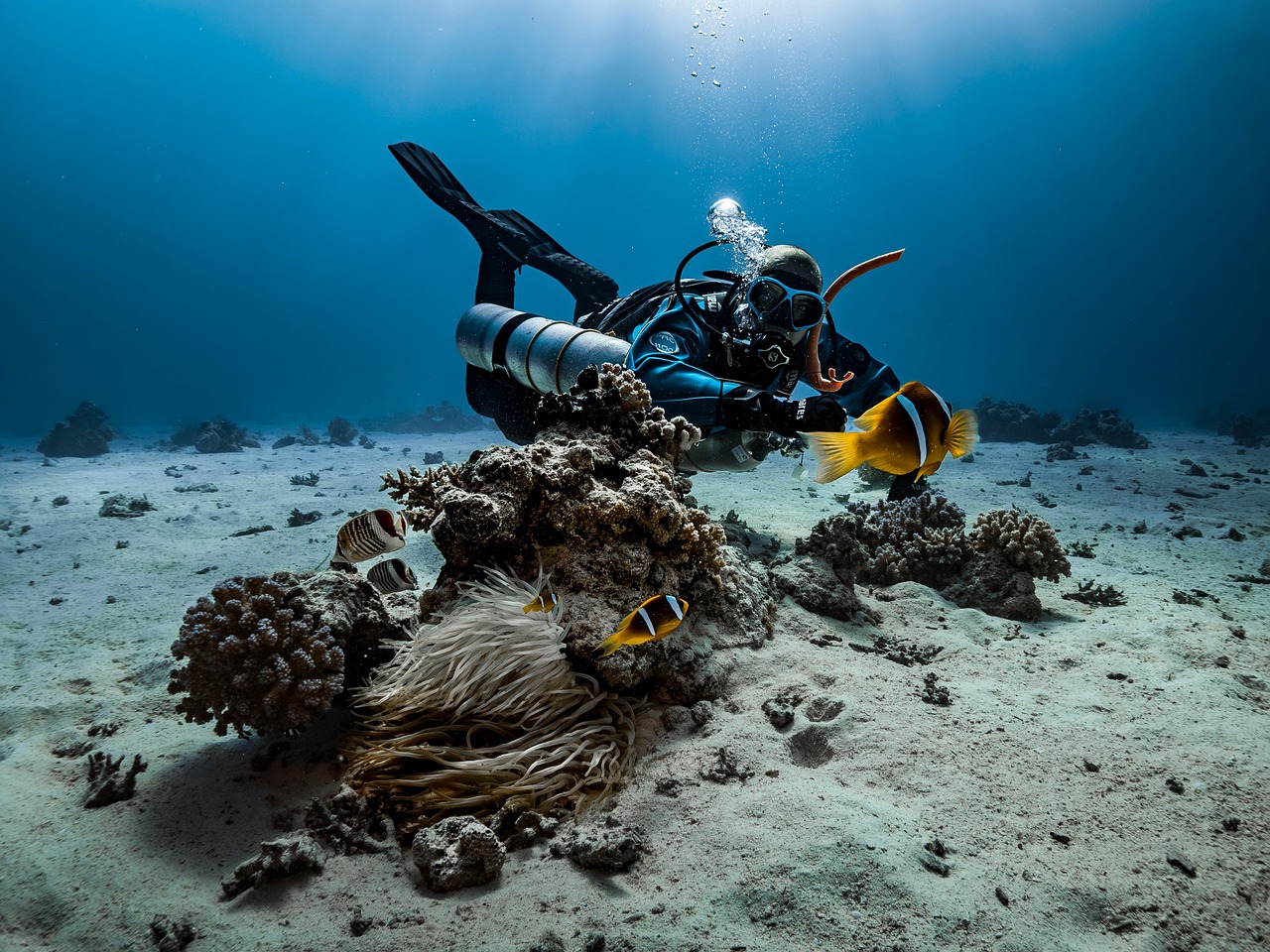
Why Coral Restoration Matters Right Now
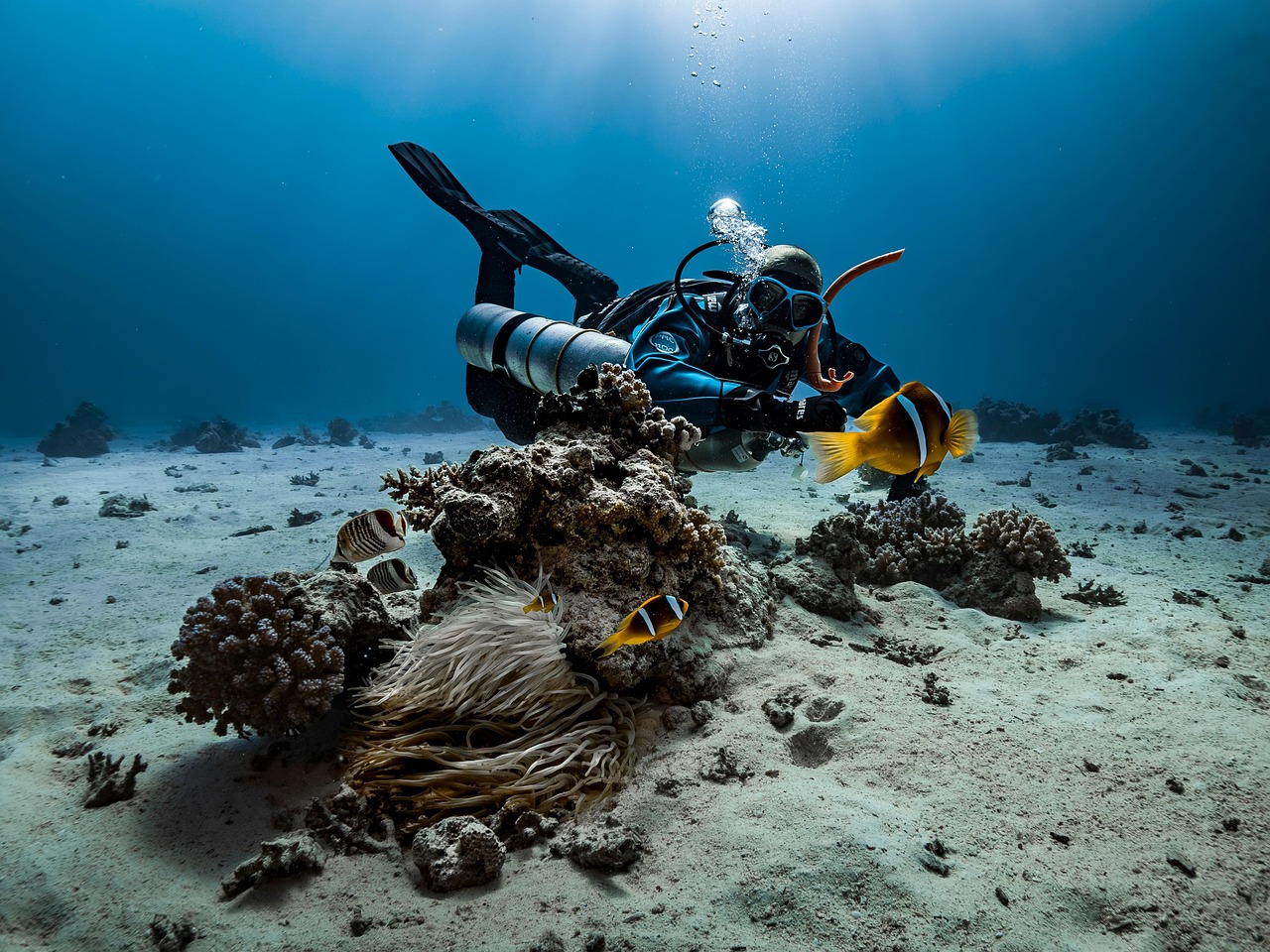
If you’ve spent any time in the water over the last decade, you’ve seen it firsthand. Coral reefs aren’t what they used to be. Bleaching events are coming faster and hitting harder. Water temperatures keep climbing. Pollution and overfishing stack additional stress on top of that. The numbers are grim â we’ve lost roughly half the world’s coral cover since the 1950s.
But here’s the thing you don’t always hear: people are getting better at fixing reefs. Not just talking about it, not just setting up nurseries that look good in photos. I mean actually improving coral cover, increasing genetic diversity, and buying these ecosystems time. Coral restoration techniques have evolved from experimental side projects into legitimate, scalable interventions.
This isn’t a silver bullet. Restoration won’t save reefs if we don’t address climate change and water quality. But it is a critical tool. Understanding which methods actually work, which ones are worth funding, and which ones volunteers can realistically participate in â that’s what this article is about. I’ve spent years around coral projects, from small volunteer dives to large research-led operations. The techniques here are field-tested, not theoretical.

Coral Gardening: The Old Reliable
If you’ve heard of any restoration method, it’s probably this one. Coral gardening has been around since the 1990s, and it’s still the most widespread approach. The basic workflow: collect small coral fragments â naturally broken pieces, not wild colonies â and grow them in a nursery. That nursery can be in the ocean (in-situ) or in tanks on land (ex-situ). Once the fragments reach a certain size, you outplant them onto degraded reef substrate.
It sounds simple because it is. That’s both the strength and the limitation.
The advantages are real. It works for a wide range of species. It’s accessible to trained divers and community groups. Survival rates, when done right, are solid â often above 60 percent after the first year. And you can target specific sites, like popular dive spots or areas hit by boat damage.
The downside is labor. Every fragment needs to be cleaned, monitored, and maintained. Algae overgrows nurseries fast. Storms break structures. It takes a lot of people-hours to scale up. You’re also limited by the genetic diversity of whatever fragments you start with. If all your pieces came from one or two parent colonies, you’re creating a monoculture that’s vulnerable to disease.
A common mistake beginners make is collecting fragments from the wild without permits. In most places, that’s illegal for good reason. Stick to permitted nurseries or work with an established organization. If you’re looking to get involved, visiting a coral nursery is the best entry point. Some operations offer guided tours or volunteer dives. It’s a practical way to see the technique in action before committing to a project. Travelers who need a reliable way to record observations underwater may want a simple dive slate for taking notes.
Microfragmentation and Fusion: A Game Changer
This one changed how I think about restoration timelines. Microfragmentation is exactly what it sounds like â cutting coral into very small pieces, sometimes as tiny as one square centimeter. The idea is counterintuitive to anyone who thinks corals grow slowly. But when you cut them that small, they heal fast. Really fast. The tissue expands rapidly because the coral is essentially trying to cover its exposed skeleton.
The real magic happens when you place multiple microfragments from the same species close together. They start fusing. Within months, you have a single large colony that would have taken years to grow naturally. David Vaughan’s work at the Mote Marine Laboratory was a turning point here. His team showed that you could grow massive boulder corals in two years instead of decades.
This technique works best for fast-growing branching corals like Acropora. It’s less effective for slow-growing massive species like Porites, which don’t spread as aggressively from small cuts. You also need lab space or land-based tanks. You can’t do it on a reef. That means more infrastructure and higher upfront cost.
The payoff is genetic diversity. Since you can work with many parent colonies, the outplanted reef has a more natural mix of genotypes. That matters for resilience. A reef with low genetic diversity is one disease outbreak away from collapse. Microfragmentation lets you avoid that, but it requires more skill and equipment than standard coral gardening. Beginners may benefit from a reef-safe mineral sunscreen to protect both skin and the corals they handle during dives.
Larval Propagation: Restoring from the Ground Up
Larval propagation is the closest thing we have to letting nature do the work. Instead of growing fragments, you collect coral spawn during mass spawning events, raise the larvae in a lab, and settle them onto prepared substrates before outplanting. It’s a full-lifecycle approach.
The success rates are impressive. Because you start with millions of larvae, you get high genetic diversity right out of the gate. The corals also develop naturally, with no human selection pressure. That matters for long-term adaptation.
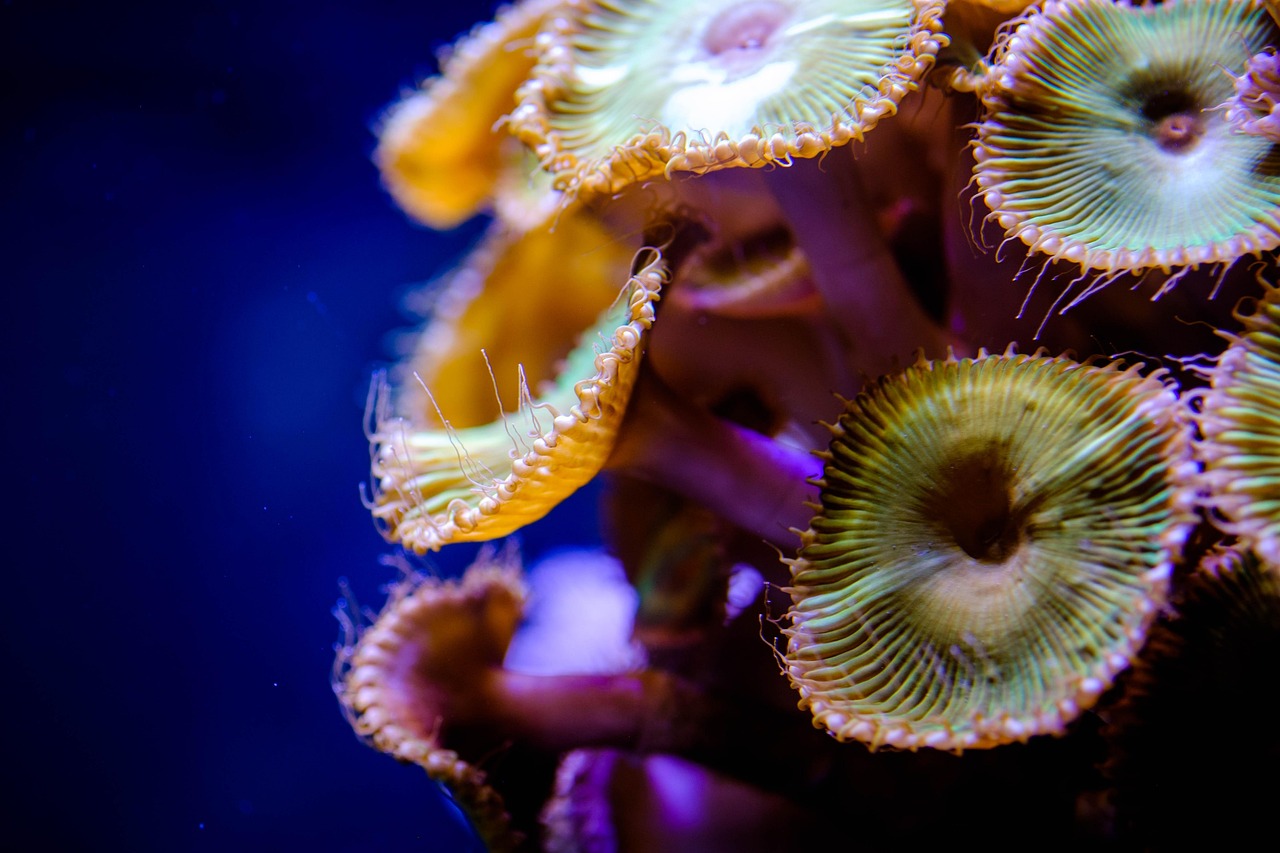
But this isn’t something a weekend dive group can pull off. You need to know when spawning happens â which varies by species and location â and you need lab facilities with running seawater and controlled lighting. You also need someone who can identify coral spawn and collect it without contaminating the sample. The equipment costs add up fast. Large organizations like SECORE and the Coral Restoration Foundation run these programs because they have the budget and expertise.
That said, the field is getting more accessible. Some groups now offer workshops on larval propagation, and there are field guides that cover the entire process. If you’re serious about restoration and have institutional backing, this is the method with the highest long-term payoff. It’s also the most scalable, which is why it’s getting the most research funding right now.
Direct Transplantation: When and Where It Works
This method gets the most criticism, partly for good reason. Direct transplantation means taking wild coral fragments from a healthy area and moving them to a degraded one. It’s fast. You can see results in hours. That’s also the problem.
Moving corals around disrupts the genetic structure of both the source and the target reef. You risk diluting local adaptations that took centuries to develop. And if you take too many fragments from the source reef, you damage it. Many early restoration projects did exactly this, and that’s why regulations got stricter.
There are situations where direct transplantation makes sense. Emergency response after ship groundings or storm damage, for example. If a reef has been physically crushed and fragments are lying on the sand, moving them back onto rock can save them. The alternative is letting them die. In those cases, the benefit outweighs the risk.
If you’re considering this approach, source responsibly. Never take more than 10 percent of any single colony. Get permits. Keep detailed records of where each fragment came from. And only do it when other methods aren’t feasible. This is not a routine restoration technique. It’s a last resort.

Comparing Techniques: A Quick Decision Guide
Every restoration project is different. The right technique depends on your budget, timeline, skill level, and the coral species you’re working with. Here’s a rough framework I use when helping people decide:
Coral Gardening
– Best for: Community groups, dive operators, small budgets
– Cost: Low to moderate
– Time to visible impact: 1-2 years
– Species: Most branching and plating corals
– Scalability: Labor-limited
Microfragmentation and Fusion
– Best for: Labs, research institutions, high-budget projects
– Cost: Moderate to high
– Time to visible impact: 6-12 months
– Species: Fast-growing branching and massive corals
– Scalability: Infrastructure-limited
Larval Propagation
– Best for: Large organizations, government programs
– Cost: High
– Time to visible impact: 2-3 years
– Species: Any broadcast spawner
– Scalability: Very high once infrastructure is in place
Direct Transplantation
– Best for: Emergency response only
– Cost: Low
– Time to visible impact: Immediate
– Species: Any, but risky
– Scalability: Not recommended for long-term projects
If you’re starting out, coral gardening is usually the right call. It’s proven, forgiving, and teaches you the basics of handling corals. If you have lab access and want to push genetics, go with microfragmentation. Larval propagation is the long-term play for those with resources. Direct transplantation should be your emergency button, not your strategy.
Common Mistakes in Coral Restoration Projects
I’ve seen projects fail for the same reasons repeatedly. Here are the most common mistakes and how to avoid them.
Single genotype outplanting. Planting corals from one parent colony creates a vulnerable reef. If disease hits, everything dies. Always aim for at least 10 parent colonies as your source pool. More is better.
Outplanting on unstable substrate. Loose rubble and sand kill corals. The fragments get buried or knocked over. Check the bottom composition before you commit. Hard, stable rock is non-negotiable.
Ignoring herbivores. Parrotfish and sea urchins keep algae in check. Without them, your outplants get smothered. If the herbivore population is low, you’re fighting a losing battle. Consider addressing that first.
Poor site selection. High sedimentation, murky water, and strong wave action are dealbreakers. Pick a site with clear water, moderate current, and minimal human disturbance. Survey it during different seasons to see how conditions change.
Skipping monitoring. Outplanting is the easy part. Monitoring for two to three years afterward is the actual work. Without data, you can’t tell if your technique is working. Set up permanent photo transects and revisit them quarterly.
The Role of Technology in Modern Restoration
Tech gets a lot of hype in conservation, but some tools are genuinely useful. I’ve seen underwater drones used for site surveys that would have taken divers days to complete. The imagery is consistent and you don’t have to worry about decompression limits. For large-scale monitoring, drones are worth the investment.
3D-printed reef structures are another emerging tool. These aren’t artificial reefs in the old sense â concrete blocks or sunken ships. They’re designed with microhabitats that mimic natural reef surfaces. Some projects print ceramic tiles with textures that coral larvae prefer for settlement. The early results are promising, but the cost is still high.
AI-based coral health assessment is getting better, too. There are now apps that can identify coral species and bleaching severity from photos. It’s not replacing field surveys yet, but it’s useful for crowdsourcing data from volunteer divers. The more data points we have, the better we can track changes over time.
None of this replaces good manual technique. But if you have the budget and expertise, integrating these tools can save time and improve accuracy. Just don’t let the shiny tech distract you from the basics.
How to Choose a Restoration Project to Support
Maybe you’re not running a project. Maybe you want to visit one, volunteer, or donate. How do you know which ones are worth your time or money?
Look for scientific transparency. Legitimate projects publish their methods and results. If they can’t tell you their outplant survival rates over multiple years, that’s a red flag. One-year survival data is easy. Three-year data tells you something real.
Check for long-term monitoring. A project that outplants and walks away is not doing restoration. They’re doing decoration. Real projects have monitoring schedules, maintenance protocols, and exit strategies.
Ask about community involvement. The best projects train local divers, hire local staff, and share data with the community. If the project is run entirely by fly-in researchers with no local engagement, it’s less likely to have lasting impact.
Don’t be afraid to ask hard questions. How many corals are still alive after two years? What species are you using, and why? What’s your plan for the next bleaching event? If the answers are vague, keep looking.

Essential Gear for Participating in Restoration Dives
If you’re going to spend time in the water working on coral projects, a few pieces of gear make the difference between a productive day and a frustrating one.
Reef-safe sunscreen. Standard sunscreens contain oxybenzone and octinoxate, which damage coral. Mineral-based options are widely available now. Use them even if the project doesn’t require it. Your skin isn’t that important.
Dive gloves. Coral cuts get infected fast. Gloves protect your hands and make handling fragments easier. Get a pair that fits snugly, not baggy. Frequent users may benefit from a good pair of dive gloves for handling sharp fragments.
Underwater writing slates. You’ll need to record data on site counts, fragment sizes, and transplant locations. A plastic slate with a pencil attached is cheap and works fine. Don’t trust memory â you’ll forget details after the second dive.
Mesh collection bags. For carrying fragments from the nursery to the outplant site. Get bags with small openings so nothing slips out, and make sure they attach securely to your BC.
None of this is expensive. It’s just practical stuff that reduces friction during the dive. The less time you spend fumbling with gear, the more time you spend putting coral back on the reef.
What the Future of Coral Restoration Looks Like
The trend is toward hybridization â combining techniques. You might see a project using larval propagation to seed a reef with diverse genotypes, then outplanting microfragments to fill gaps. Or a nursery that uses both in-situ tables and land-based tanks so they can switch methods as conditions change.
Assisted gene flow is another developing area. Selecting parent colonies from warmer, more acidic waters and outplanting their offspring in cooler sites. It’s controversial because it moves genes across regions that were naturally isolated. But as climate change accelerates, some argue it’s necessary. I expect more research on this in the next five years.
Scaling up nursery networks is the biggest practical need right now. We know how to grow corals. The bottleneck is getting enough nurseries in enough locations to make a difference at reef scale. Government funding and private investment are starting to flow toward that.
No single technique will solve everything. The best approach depends on local conditions, available species, and the specific problem you’re trying to fix. That’s not a satisfying answer for people who want a universal solution, but it’s the honest one.
Final Thoughts: Start with the Right Technique for Your Situation
If you take one thing from this, let it be this: there is no best coral restoration technique. There is only the best technique for your reef, your budget, and your team. Coral gardening is reliable and accessible. Microfragmentation speeds up growth. Larval propagation maximizes diversity. Direct transplantation has narrow but legitimate uses.
Assess your situation honestly. What are your goals? What resources do you have? What constraints are you working under? Answer those questions first, then pick the method that fits.
If you’re new to this, find a local project and ask if they need help. See the process firsthand before you commit to a strategy. And if you’re already running a project, keep good data. That’s how the field improves.
Save this guide if it was useful. Share it with someone else who’s trying to figure out where to start. And if you’re out there on the reef next week, give those tiny fragments a little room to grow.