Introduction
If you’ve ever stood in front of a tank of clownfish at your local fish store, you know the struggle. Two fish look almost identicalâsame orange body, same white stripes, same waddling swim. One is labeled ‘True Percula,’ the other ‘Ocellaris.’ The price difference can be significant. The online debate is endless.
I’ve spent years keeping, breeding, and observing both percula vs ocellaris clownfish. The differences are subtle, but they matter. Knowing which one fits your tank isn’t just about getting the cheaper fish. It affects temperament, tankmate compatibility, long-term health, and whether you’ll see natural hosting behavior. This guide walks through appearance, cost, hardiness, and real-world experience so you can decide with confidence.
By the end, you’ll know exactly which species belongs in your setupâand which one to skip.

Quick Side-by-Side Overview: Percula vs Ocellaris
Let’s get the basics out of the way. Amphiprion percula is the true percula clownfish, and Amphiprion ocellaris is the false percula or common clownfish. In the wild, perculas are found in a narrow band around northern Australia and parts of Melanesia, while ocellaris ranges much more broadly from the Indian Ocean to Southeast Asia. That geographical difference shapes a lot of their captive behavior and hardiness.
Physically, perculas usually have thicker black bars separating the white stripes from the orange. Their orange can be slightly deeperâalmost a burnt orange. Ocellaris tends to have thinner black margins and a brighter, cleaner orange. Perculas also reach a slightly smaller adult size, topping out around 3 inches versus 3.5 inches for ocellaris. Temperament-wise, perculas have a reputation for being a bit more assertive, while ocellaris is the more laid-back beginner-friendly option.
Those are the headlines. Let’s dig into the details that actually matter when you’re staring at two fish in a bag.
Appearance and Coloring: What to Look For
This is where most people get tripped up. The visual differences between percula and ocellaris are real, but they’re subtle enough that even experienced hobbyists can misidentify them in a store tankâespecially with LED lighting that flatters everything.
The most reliable clue is the black outlining. On a true percula, the black borders around the white bars are noticeably thicker, sometimes almost as wide as the stripe itself. On an ocellaris, the black margins are thinner and sometimes incomplete, especially toward the belly. The orange color also varies. Wild perculas often have a richer orange that leans slightly toward amber. Tank-raised ocellaris tend to be a brighter, punchier orange. But keep in mind that diet, lighting, and stress levels all affect color, so this isn’t a foolproof test.
Another difference is in the dorsal fin. Perculas have a more rounded dorsal fin that sits higher on the body. Ocellaris has a slightly more pointed dorsal, though you need the fish side by side to see it. Some enthusiasts claim the eye shape is differentâpercula eyes are supposedly larger and rounderâbut I’ve never found that reliable without a camera or calipers.
Here’s the uncomfortable truth: captive breeding has blurred these lines. Many tank-raised perculas look more like ocellaris because of mixed lineage or selective pressure. If you want a guaranteed true percula, you’re better off going with a wild-caught specimen from a reputable source, but that comes with its own risks. Designer morphs like Snowflake, DaVinci, or Platinum ocellaris are still ocellarisâno matter how fancy the name. Don’t let a retailer sell you a ‘percula’ that’s really a designer ocellaris. Check the black margins.
The takeaway here: if appearance is your priority and you want that classic bold-striped look, percula delivers. For a bright, active fish that’s easier to find and identify, ocellaris wins.
Size and Growth Rate: Does It Matter for Your Tank?
The size difference between these two species is small, but it matters in smaller setups. A fully grown percula female tops out around 3 inches. An ocellaris female can reach 3.5 inches, sometimes a hair over 4 inches in exceptional cases. That half-inch doesn’t sound like much, but in a 10- or 15-gallon tank, every inch of swimming room counts.
Growth rate is similar for both under good conditionsâclean water, stable temperature, regular feeding. Juveniles grow at about a half-inch per month for the first six months, then slow down as they mature. By the end of the first year, most are close to full size.
If you’re planning a nano tank under 20 gallons, size matters for two reasons. First, a larger fish needs more space to swim and establish territory. Second, a larger fish produces more waste, which can spike nitrates faster in a small system. I’ve seen plenty of hobbyists put a pair of ocellaris in a 10-gallon and end up with aggression issues as the female grew. For a single fish, either species works in a 10-gallon, but a pair really needs at least 20 gallonsâand if you go with ocellaris, lean toward the 20 long rather than a high cube.
The half-inch difference is not a dealbreaker for most setups, but it’s one more reason ocellaris is more forgiving in smaller tanks.
Temperament and Behavior: Which Is Easier to Keep?
This is the area where experience splits. I’ve kept both species in community tanks and species-only setups, and the behavioral differences are consistent enough to matter.
Ocellaris is the Labrador retriever of clownfish. They’re hardy, adaptable, and generally peaceful. In a community tank, they’ll stake out a territoryâoften a powerhead or a coralâbut they usually leave other fish alone. I’ve kept them with gobies, dartfish, and even small angelfish without issues. They’re less likely to pester timid tankmates and more likely to accept a variety of hosts, including non-anemone corals.
Perculas, by contrast, are a bit more intense. They’re more likely to hold a grudge against a new fish and can become nippy, especially during feeding time. In a tank without an anemone, they seem more prone to digging in the sand or chasing tankmates. They’re not aggressive in the damsel sense, but they do have a shorter fuse. If you’re building a peaceful community tank, ocellaris is the safer bet.
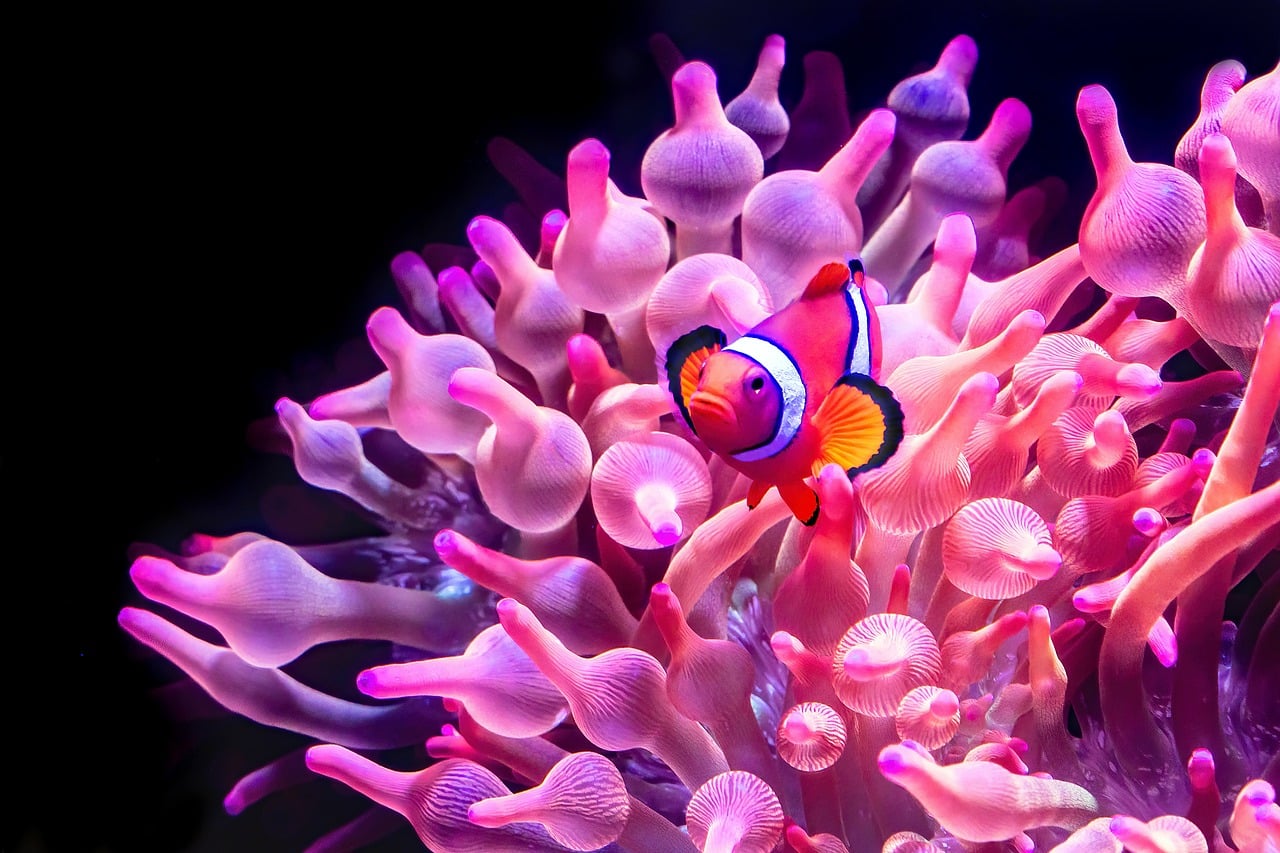
One behavioral difference I’ve noticed: perculas are more likely to host an anemone immediately. Ocellaris will eventually if conditions are right, but perculas seem to have a stronger instinct. That can be great if you want to see natural hosting, but it also means perculas are more frustrated if there’s no host available. I’ve seen perculas relentlessly try to host a filter intake or a coral skeleton, sometimes to the point of stressing themselves out.
Bottom line: If you want a community fish that gets along with everyone, go ocellaris. If you want a slightly more feisty, independent fish and you enjoy working with a stronger personality, percula is the choice.
Hardiness and Disease Resistance: Who Lives Longer?
This is where ocellaris pulls ahead in a meaningful way. Ocellaris is widely considered the hardier speciesâmore tolerant of water parameter swings, more forgiving of beginner mistakes, and less prone to stress-related diseases.
Wild-caught perculas come from a very specific, stable environment in the Coral Sea. They’re adapted to consistent water conditions. In a home aquarium, especially one that’s still maturing, that lack of adaptability can cause problems. They’re more susceptible to Brooklynella (clownfish disease) and flukes, particularly in the first few weeks after import. If you don’t quarantine and prophylactically treat wild perculas, you’re taking a real risk.
Tank-raised ocellaris, on the other hand, are among the easiest marine fish to keep. They’ve been bred in captivity for generations and are used to fluctuating conditions. I’ve seen ocellaris survive nitrates of 40 ppm for weeks without visible stress. I’ve never seen a percula tolerate that.
Lifespan is similar for both species when kept wellâ6 to 10 years is reasonable, with some individuals pushing past 12 years. The path to that lifespan is much smoother with ocellaris. Fewer disease scares, fewer water change emergencies, more forgiveness.
Practical rule: if you’re new to marine fish or your tank is less than six months old, buy tank-raised ocellaris. If you’re experienced and have a mature, stable system, wild percula can be rewardingâbut quarantine them for at least four weeks and be ready to treat for parasites.
Cost and Availability: What to Expect at the LFS
Here’s the pricing reality you’ll see at most local fish stores and online retailers.
Tank-raised ocellaris are the cheapest and most common. Expect to pay $20â$40 for a standard specimen. Designer morphsâSnowflake, DaVinci, Black Iceârange from $50 to $150 depending on the pattern and source. But again, those are all ocellaris.
True perculas cost more. Wild-caught perculas usually run $40â$80 per fish, sometimes more for large females or rare color variants. Tank-raised perculas are available but less common, and they typically sit around $50â$70. The price difference partly reflects availabilityâperculas are less abundant in the tradeâbut it also reflects demand from serious hobbyists who want the ‘real’ thing.
Availability is another factor. You can walk into almost any saltwater store and find ocellaris. Perculas are hit-or-miss. If you’re planning a tank and you want perculas, you may need to special order them or buy online. That means paying shipping and sometimes getting a fish that’s been in a bag for 24 hours.
A quick note on quality: don’t buy the cheapest fish you can find. A sick ocellaris at $15 is not a bargainâit’s a future headache. Pay a few extra dollars for a fish that’s eating, active, and from a reputable source. Having a gentle treatment option like a reef-safe quarantine medication on hand is worth considering, especially if you buy wild-caught fish. It’s a mild, safe treatment for flukes and protozoans that won’t crash your cycle.
For most hobbyists, the best value is a tank-raised ocellaris from a store that keeps their fish in stable, clean systems. That’s your baseline. If you want the prestige of a true percula, expect to pay more and plan for a longer sourcing process.

Tank Requirements and Aquascaping Tips for Each Species
Both species need the same basic setup: stable water, good filtration, and plenty of hiding spots. But a few nuances make a difference.
Tank size: A single fish can live happily in a 10-gallon, but I don’t recommend it long-term for a pair. Give a pair at least 20 gallons. For a community tank with other fish, 30 gallons or more is safer. Ocellaris is slightly more forgiving of smaller tanks because they’re less territorial. Perculas in tight quarters with other fish tend to get grumpy.
Aquascaping: Provide multiple caves, overhangs, and crevices with live rock. This gives the clownfish places to retreat and breaks up line-of-sight, which reduces aggression. If you want to see natural hosting, add a bubble-tip anemone (Entacmaea quadricolor). Perculas will usually move in within days. Ocellaris may take weeks or months, and some individuals never host. If you don’t want an anemone, provide a large coral like a frogspawn or a hammer coral, or even a clay pot turned on its side.
Filtration and flow: Neither species needs strong current. Moderate flow from a canister filter or a powerhead is fine. Perculas actually seem to prefer calmer areas of the tank. Ocellaris will swim through moderate flow but also stick to calm zones. Overpowering flow stresses both species.
Lighting: Standard reef lighting is fine, but neither species relies on light directly. If you’re keeping an anemone, you’ll need stronger lighting for the anemone’s health, not the fish.
One practical tip: if you’re setting up a new tank, cycle it fully before adding perculas. They don’t handle cycling stress well. Ocellaris can survive a fish-in cycle with frequent water changes, but I still don’t recommend it. Cycle your tank, mature it for a month, then add fish.

Breeding and Pairing: Key Differences for Hobbyist Breeders
If you’re thinking about breeding clownfish, the choice between percula and ocellaris matters more than you might expect.
Both species are protandrous hermaphroditesâall are born male, and the largest fish in the group transitions to female. To form a pair, you either buy a proven mated pair or raise two juveniles together and let them pair naturally. The latter takes time but is more reliable.
Ocellaris is the standard for captive breeding. They’re easier to get to spawn, more tolerant of handling, and the fry are hardier. Most of the clownfish in the trade come from ocellaris lines. If you’re a beginner breeder, this is the species to start with.
Perculas breed in captivity but require more stable conditions. Slight temperature swings or poor water quality will shut down spawning. The eggs are also more sensitive to fungal infections. That said, if you manage it, percula fry are just as rewardingâand there’s a niche market for tank-raised perculas among serious hobbyists.
Avoid the temptation to cross the two species. They won’t hybridize naturally, and forcing it is unethical. Also, never mix the two in the same tankâyou’ll get aggression, not breeding.
Breeding is a long-term commitment. If that’s your goal, start with ocellaris to learn the process, then graduate to percula once you have the system dialed in.
Common Mistakes When Choosing Between Percula and Ocellaris
I’ve seen hobbyists make the same errors over and over. Here are the ones to avoid.
First, buying based solely on price. The cheapest fish in the store is often stressed, diseased, or wild-caught and still adjusting. Paying a bit more for a healthy, tank-raised fish saves you money on treatments and stress down the line.
Second, assuming ‘false percula’ means it’s a percula. That’s a common retail label for ocellaris, and it’s misleading. A true percula is only Amphiprion percula. If the price is low and it’s labeled false percula, you’re buying ocellaris.
Third, mixing the two species in the same tank. I’ve seen people try to keep a pair of perculas with a single ocellaris for ‘variety.’ That ends in relentless aggression, usually with the ocellaris getting beaten up or killed. Stick to one species per tank.
Fourth, choosing a wild-caught percula for a newly cycled tank. That’s a recipe for disease. Wait until your tank has been stable for at least six months before adding wild perculas.
The biggest mistake overall? Not thinking about tankmates and tank size before you buy. A percula in a 10-gallon with a firefish is going to be stressed. Plan your community first, then pick the clownfish that fits.
Final Verdict: Which Clownfish Should You Choose?
Let me put this simply. If you’re a beginner, if you have a community tank, or if you want the easiest possible experience with the least risk, buy a tank-raised ocellaris. It’s hardier, cheaper, more available, and more forgiving. You will not regret it.
If you’re an experienced keeper, if you want the classic true percula appearance with thick black bands and deeper color, and if you have a mature, stable tank, go with a wild-caught or tank-raised percula. You’ll get a fish with a bit more personality and a look that stands out. Just be ready to quarantine and treat for parasites, and don’t expect it to share a tank with timid fish.
For the best of both worlds: a pair of tank-raised perculas in a 30-gallon with a bubble-tip anemone. That setup is stunning and surprisingly manageable if you’ve got some experience under your belt.
The bottom line is this: both fish are beautiful, rewarding, and long-lived. The right choice depends on your goals, not on a debate thread. If you’re unsure, start with ocellaris. You can always upgrade later.
Frequently Asked Questions About Percula vs Ocellaris
Can percula and ocellaris live together?
No. They will compete for territory and likely fight, sometimes to the death. Keep only one species per tank.
Which one hosts anemones better?
Percula is more reliable. They’re more likely to host an anemone quickly and enthusiastically. Ocellaris may host eventually, but they’re also happy with coral or artificial hosts.
Are designer morphs like Snowflake Ocellaris the same as Percula?
No. Snowflake, DaVinci, and other designer morphs are all ocellaris. The name refers to the pattern, not the species. A true percula is only Amphiprion percula.
Is a ‘True Percula’ different from a ‘False Percula’?
Yes. A true percula is Amphiprion percula. A false percula is actually an ocellaris sold under a misleading label. Don’t rely on the name at the storeâlook at the black margins and dorsal fin shape.
What’s the lifespan difference?
Both can live 6â10+ years with proper care. The main variable is health at purchase and long-term water quality, not species. Ocellaris is more likely to reach the upper end of that range simply because they’re harder to kill.
Conclusion: My Recommendation After Years of Observation
I’ve kept both percula and ocellaris in multiple tanks over a decade. My ocellaris were the heart of my community reefâthey hosted a frogspawn coral, never bothered the gobies, and were the first to the food every morning. My percula pair was a different story. They were stunning, with thick black bands and a deep orange that looked almost unnatural under reef lights. But they were also more demanding. They bullied a small blenny I added later, and I had to rehome it. They required more stable water and more careful feeding schedules. For hobbyists who want to recreate that stable, high-quality environment, regularly checking parameters with a reliable saltwater aquarium test kit can help maintain the consistency that perculas demand.
Both experiences were rewarding in their own way. If I were building a new tank today, I’d choose based on the setup: ocellaris for a peaceful community, percula for a dedicated species tank where they can be the star.
Whichever you choose, prioritize health over price. A healthy fish from a clean system is worth every extra dollar. And if you’re still unsure, start with ocellaris. You can always add a percula laterâjust not to the same tank.
Got a question or a story of your own? Drop a comment below. I read every one.
