Introduction
If you’re a relatively new diver hoping to find clownfish scuba diving on your next trip, you’re not alone. These small, brightly colored fish are one of the most popular things to spot on a reef. They’re not scattered around randomlyâthey live in a very specific relationship with sea anemones, and anemones themselves are picky about where they settle. That actually makes clownfish a lot more predictable than most divers realize. This guide covers the practical side of finding themâwhere to look, when to dive, what gear helps, and the common mistakes that waste your time underwater. No fluff here, just real-world advice from someone who’s spent a lot of hours scanning reef slopes for these fish.

Why Clownfish Are Easier to Find Than You Think
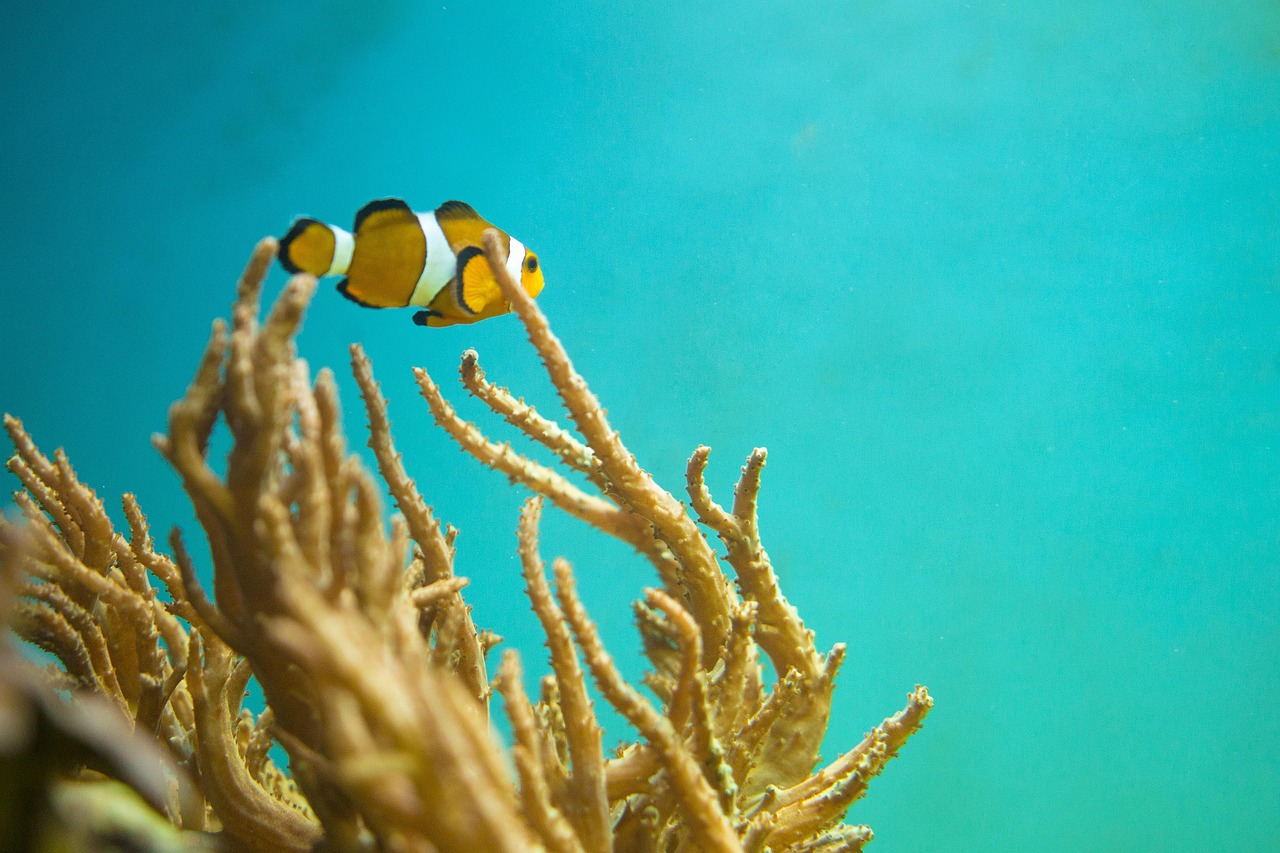
The biggest advantage you have as a diver looking for clownfish is that they don’t move around much. They’re site-attached, spending their whole adult lives in and around a single host anemone. Find the right anemone, and you have a very high chance of finding the fish. Most clownfish species prefer shallow water, typically between 2 and 20 meters deep, which puts them well within the comfort zone for any entry-level diver. They tend to hang out in sheltered areas: calm lagoons, the leeward side of coral bommies, and shallow reef flats where the current is minimal. Geographically, your best bets are the Indo-Pacific regionâThailand, Indonesia, the Philippines, and the Great Barrier Reefâplus parts of the Red Sea. Once you learn to recognize a host anemone, your success rate for finding clownfish goes up considerably. It’s not really luckâit’s just knowing what to look for and where.
The Best Reef Zones for Spotting Clownfish
Not every part of a reef is equally likely to hold anemones. Understanding the reef zones can save you a lot of unnecessary finning. Here’s where to focus your attention:
- Reef flats: These shallow, sandy areas near the shore can host anemones, especially where there’s some hard substrate or small coral heads. They’re easy to explore because of the shallow depth, but be careful not to stir up silt.
- Reef slopes: Your best bet overall. Anemones frequently settle on the sandy edges just below the main coral structure or near the base of coral bommies. A depth of 5 to 12 meters on the slope is a sweet spot. I’ve found a lot of clownfish on the reef slope around 5 meters off Koh Tao, tucked under ledges or next to overhangs.
- Lagoons: Calm, protected lagoons with patch reefs are excellent habitats. Anemones here are often larger and easier to spot because the water is clearer and less surgey. Check the edges of the patches, not the center.
- Overhangs and ledges: Anemones often hide under overhangs or deep under plate corals. They’re not always out in the open. Always shine a dive light into dark crevicesâyou might be surprised what you find.
The key is to scan the transition zones between sand and coral, and check any shaded nooks. Anemones tend to avoid direct strong current, so they prefer areas where the reef provides some shelter.
Anemone Species You Should Know
Knowing your anemones is half the battle. Not every anemone hosts clownfish, and the ones that do have distinct appearances. Here are the main host species you’re likely to encounter:
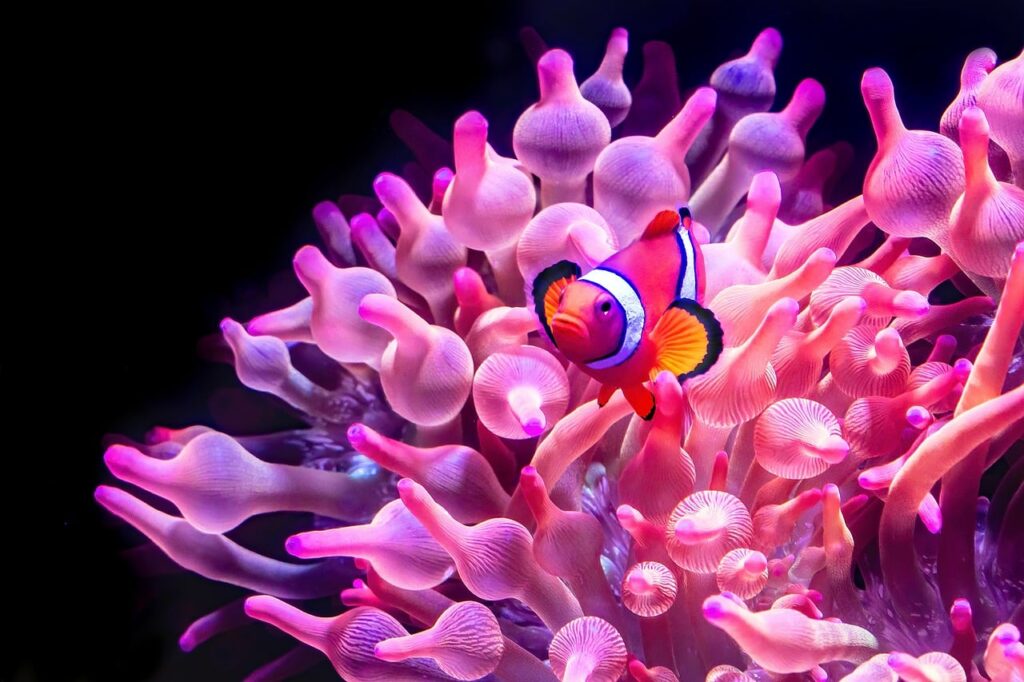
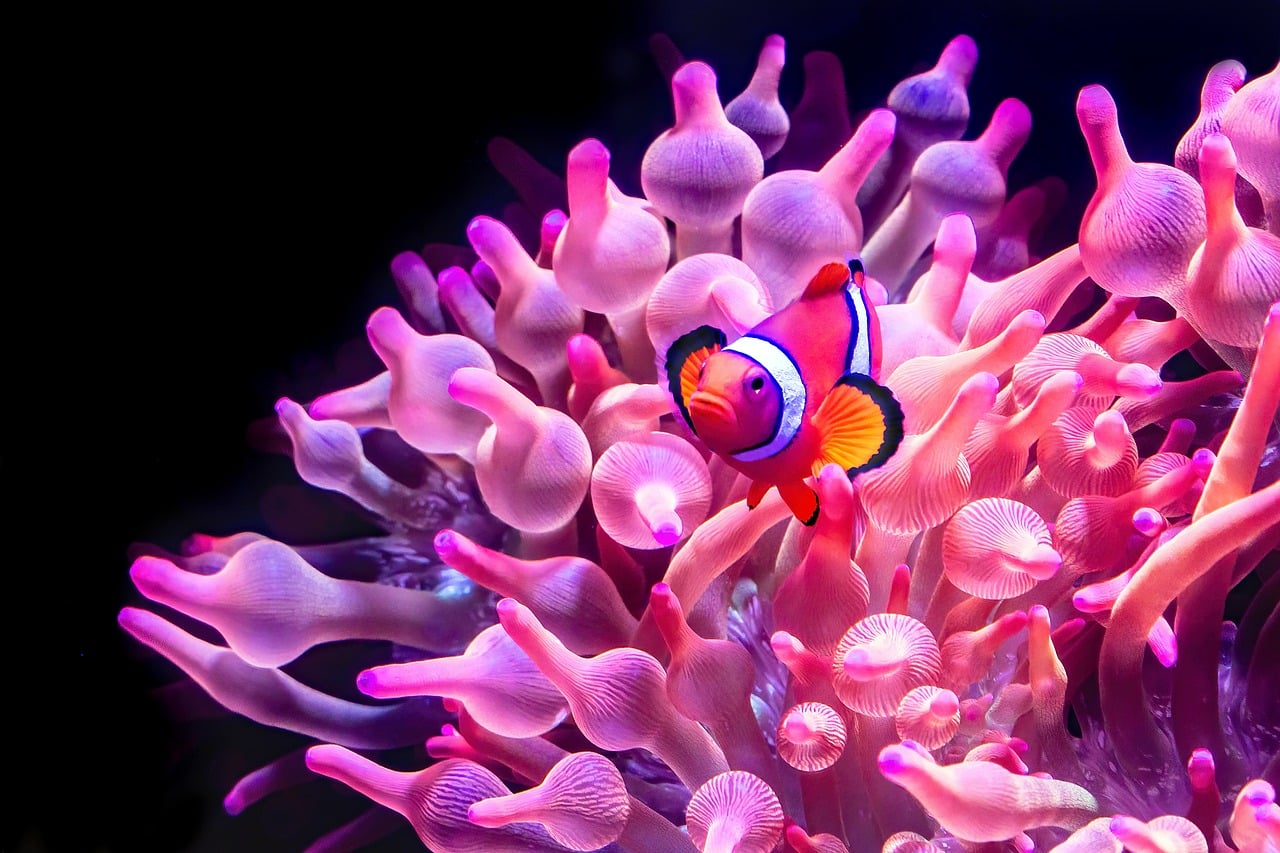
- Bubble-tip anemone (Entacmaea quadricolor): The most common host. Its tentacles have bulbous tips that look like little bubbles, especially in good light. Colors vary from green and brown to pinkish. Often found on reef slopes and a favorite of the common clownfish (Amphiprion ocellaris).
- Carpet anemone (Stichodactyla gigantea or Stichodactyla mertensii): Large, flat anemones that look like a fleshy carpet on the sand or rock. Their tentacles are short and sticky. They’re home to species like the clownfish (Amphiprion percula). Hard to miss because of their size.
- Magnificent anemone (Heteractis magnifica): As the name suggests, this one is large and showy, with long, waving tentacles that often have purple or blue tips. It tends to attach to exposed rock or coral and is a preferred host for the orange clownfish (Amphiprion perideraion).
- Sebae anemone (Heteractis crispa): Has long, thin tentacles that often curl at the ends. Usually found in sandy areas or on rubble. Hosts several clownfish species, including Clark’s anemonefish.
Being able to quickly identify these anemones saves you from scanning every coral head. Focus on these four and you’ll cut down your search time quite a bit.
Essential Gear for Clownfish Spotting
The right gear makes a real difference, especially when you’re trying to spot small critters. Here’s what I’d recommend for any beginner diver serious about finding clownfish:
- Good mask with clear glass: Not about brand names. You want a mask that fits well, doesn’t fog easily, and has tempered glass for clarity. Low-quality masks can distort vision, making it harder to pick out anemones at a distance. A comfortable mask also means less time flooding and clearing it. Travelers who need a reliable mask might consider this tempered glass scuba mask.
- Dive light: This is a big one. Anemones love to tuck themselves under overhangs, plate corals, and ledges. In bright sunlight, these shadows are impossible to see into without a light. A small, bright dive light (at least 500 lumens) will reveal anemones you’d otherwise swim right past. For longer trips, a reliable bright scuba dive light is worth packing.
- Camera with macro capability: Even a basic compact waterproof camera with a macro mode is enough to get decent shots of clownfish. If you’re serious about photography, a camera with a dedicated macro lens or a diopter attachment is better. The key is getting close without scaring the fish. Beginners might like an underwater camera with macro mode.
- Reef-safe gloves (where allowed): In some locations, gloves are prohibited for conservation reasons. Where they’re allowed, thin gloves can protect your hands from sharp coral branches or the stinging anemone tentacles if you accidentally brush against them. Always check local regulations first.
Honestly, the dive light is the single most important piece of gear for this task. Spend the money on a decent one. It’ll surprise you how many more creatures you see.

Dive Timing: Best Conditions and Seasons
Visibility and current are the two factors that matter most. In clear water (10 meters or more of visibility), you can spot anemones from a distance. In poor visibility, you’re basically scanning blindly. Plan your dives for early mornings when the water tends to be calmest and the sun is lower, reducing surface glare. Midday sun can create harsh shadows that hide anemones under ledges. Current is another issue. Anemones close up in strong current to avoid damage, making them harder to see. Try to aim for slack tide or days with minimal current. Seasonally, the dry season in most tropical destinations offers the best visibility. In the Pacific, that’s typically November to April. In the Red Sea, it’s April to October. Surgeâthe back-and-forth movement of water in shallow areasâcan make anemones sway and blend into the background. Diving on the leeward side of the reef when there’s swell on the other side usually gives you calmer conditions and easier spotting.
How to Search a Reef Without Wasting Air
Air consumption is a real concern for beginners. The last thing you want is to run out of air while you’re still searching. Here’s an efficient approach:
- Swim along a depth contour: Pick a depth, say 8 meters, and follow that line of the reef. Don’t zigzag all over. This systematic approach covers more ground without wasting effort.
- Pause at likely spots: When you see a promising areaâa coral bommie with sandy edges, a dark overhang, a plate coralâstop and hover for a few seconds. Look carefully. Anemones often sit right at the edge of these features.
- Use a grid pattern: If the reef is large, mentally split it into sections. Swim one pass along the top, then drop down a meter and swim back in the opposite direction. This covers the whole vertical profile.
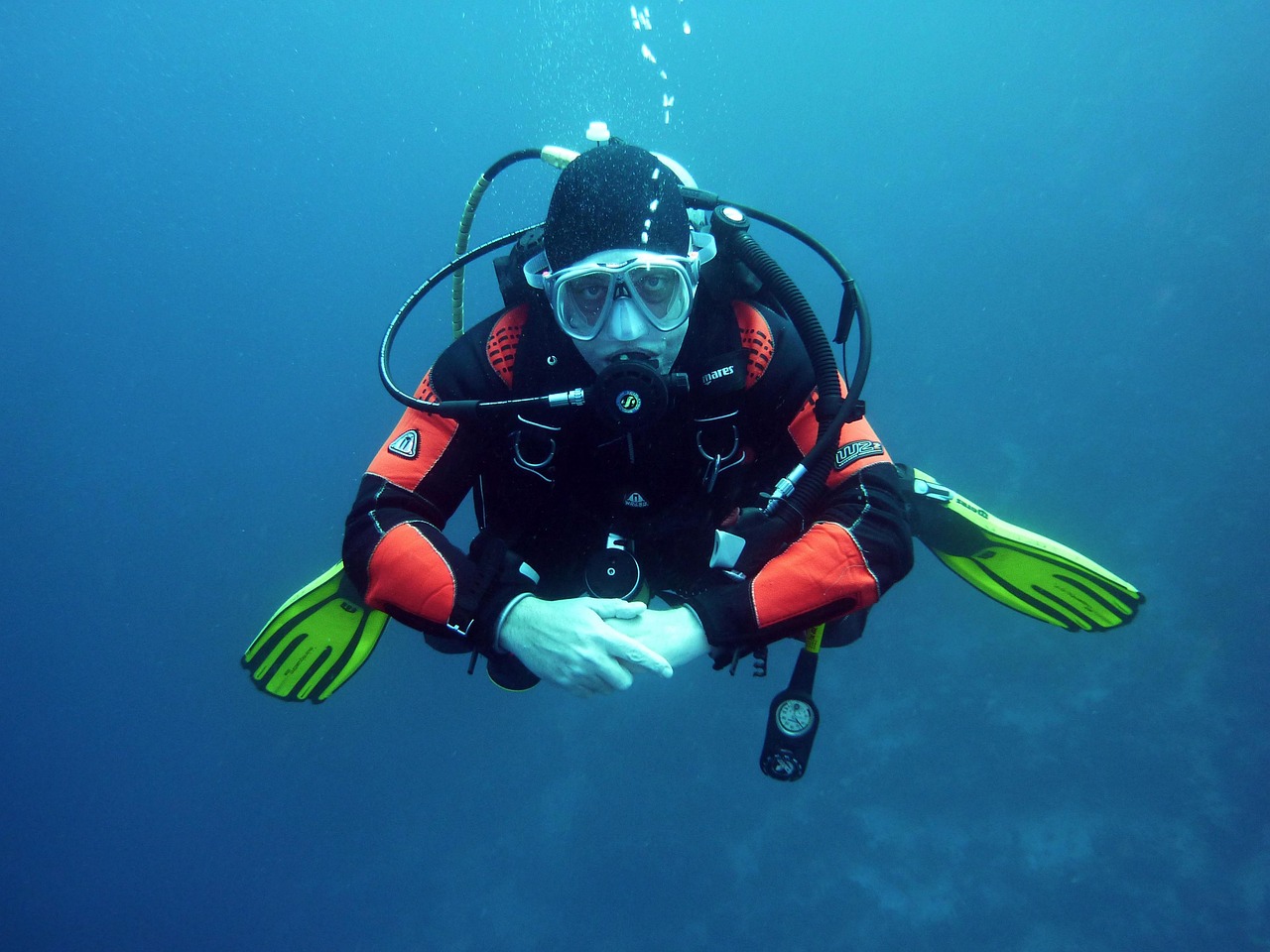
- Control your buoyancy: Fins that kick up sand or break coral are a disaster for spotting and for the reef. Practice hovering in place so you can get close without touching anything. Good buoyancy also means you’re not finning constantly, which saves air.
The difference between a random drift and a structured search is efficiency. With a plan, you’ll cover more area, stay longer, and see more.
Common Mistakes Beginners Make
Here are the things I see most often when diving with beginners who can’t find clownfish:
- Swimming too fast: You’re in a hurry to see everything, so you miss the small details. Slow down. A reasonable pace is about 0.5 meters per secondâbarely a crawl. If you see a promising area, stop.
- Looking at large coral instead of anemones: Beginners often scan the big brain corals and branching corals. Anemones are usually on the substrate between corals, not on the corals themselves. Shift your gaze downward and outward.
- Ignoring overhangs and plate corals: Your natural line of sight is straight ahead. Force yourself to look up and under. This is where the dive light comes in.
- Not checking under plate corals: Large mushroom or plate corals create dark spaces underneath. Anemones love these spots. You have to get low and shine a light in there.
- Failing to recognize anemones in low light: In dim conditions, anemones look like a lump of algae or a dead coral. Use your light. The tentacles and coloration will become obvious.
These are easy fixes. Slow down, use your light, and look in unexpected places.
How to Approach Clownfish Without Scaring Them
Clownfish are territorial, but they’re not really shy. If you approach calmly and slowly, they’ll often come out to look at you. Here’s how to do it right:
- Move slowly and deliberately: Avoid sudden movements. When you see an anemone, slow your breathing, reduce your fin kicks, and glide in smoothly.
- Keep your fins away from the anemone: Fin kicks near the anemone can damage it or cause it to close up. This stresses the fish and ruins your sighting. Hover above or to the side, never directly above the anemone.
- Start at a distance of about 1.5 meters: Let the fish get used to you. They’ll often dash out, assess you, and then retreat. After a few seconds, they usually relax and you can edge a bit closer.
- Use a hand signal to alert your buddy: A simple point with one finger at the anemone, then a finger wiggling motion mimics the fish. This is a common dive signal for clownfish.
- Never touch the anemone or the fish: Anemones are fragile and can be injured by human touch. Clownfish have a protective mucus layer that you can disturb. Look, photograph, but don’t touch.
Good etiquette gives you a longer, more peaceful encounter and helps protect the reef for the future.
Best Destinations for Beginner Clownfish Dives
Some spots are just better than others for reliable, easy clownfish sightings. Here are my top recommendations for beginners:
- Similan Islands, Thailand: These granite boulders are covered in coral and host a huge variety of anemones. The water is warm, visibility is often 20 meters, and depths are shallow. Common clownfish (Amphiprion ocellaris) are abundant. Best for: affordable liveaboard trips and high success rates.
- Rainbow Reef, Fiji: Famous for its soft coral, Rainbow Reef also has numerous carpet anemones. You’ll find the Fiji clownfish and the barrier reef clownfish. Visibility is excellent. Best for: photographers who want clear water and vibrant backgrounds.
- Raja Ampat, Indonesia: The epicenter of marine biodiversity. You’ll find multiple clownfish species, including the rare occelaris and skunk clownfish. Currents can be strong, so go with a guide who knows the calm sites. Best for: seeing the highest number of species in one trip.
- Red Sea (e.g., Marsa Alam, Hurghada): Famous for its abundant anemones, especially magnificent and bubble-tip varieties. The clownfish here are often very bold. Shallow fringing reefs make them easy to access. Best for: year-round diving with warm water and fewer crowds.
For each location, look for dive operators with small groups and a good reputation for marine life spotting. Don’t just book the cheapest optionâask about their guides’ experience with finding anemones.
Recording Your Spotting: Photography Tips
Good photographs of clownfish are achievable without professional gear. Here’s what matters most:
- Shutter speed: Clownfish twitch and dart. Set your camera to at least 1/125th of a second to freeze motion. Faster is better if you have enough light.
- Aperture: Use a moderate aperture like f/5.6 or f/8. This gives enough depth of field to keep the fish and its anemone in focus without blurring the background completely.
- Lighting: Natural light is fine in shallow water, but a strobe or video light will bring out the orange and white colors that get washed out by the blue. A single off-camera strobe is ideal for macro shots.
- Framing: Get eye level with the fish. Hover at the same height as the anemone. Shoot slightly upward to get a more engaging shot. Avoid shooting straight downâit flattens the image.
If you’re using a compact camera like a GoPro or a Sony RX100, set it to macro mode and hold it steady. A tray with handles and a light will improve your results a lot. For those wanting to step up, an underwater compact camera with macro mode is a practical choice.
What to Do If You Don’t Find Clownfish
Sometimes you just don’t get lucky. Strong currents, poor visibility, or a recent storm can all push anemones to close up or disappear. If your search comes up empty, don’t let it ruin the dive. Here’s what to do:
- Check with local guides: Before your dive, ask the dive center’s staff where the anemones have been seen recently. They keep track. If there’s been a storm, they’ll know which sites are best.
- Look for alternative species: Many other small fish share the same habitat. Damselfish, gobies, and blennies are often found in the same areas. They’re not as famous, but they’re just as interesting to watch.
- Wait for better conditions: If you’re on a liveaboard or staying for multiple days, postpone your clownfish hunt for a day with better visibility. One successful dive is better than three frustrating ones.
- Accept the reality: Not every dive will have clownfish. That’s just how it goes. Focus on enjoying the reef for what it offers that day and come back another time.
This is normal. A good diver knows when to switch targets and enjoy the dive anyway.

Final Tips for Your Next Dive Trip
To wrap things up: research the anemone species at your destination before you even pack your gear. Dive with a buddy so you can cover more ground. Move slowly and use a dive light to uncover hidden anemones. Carry a camera if you want to record the encounter, but don’t let it distract you from the experience itself. And rememberâclownfish are predictable if you know their habitat. The more you dive, the better you’ll get at reading the reef. If you need to gear up, a reliable LED dive light can be a simple way to boost your success rate on the next dive.