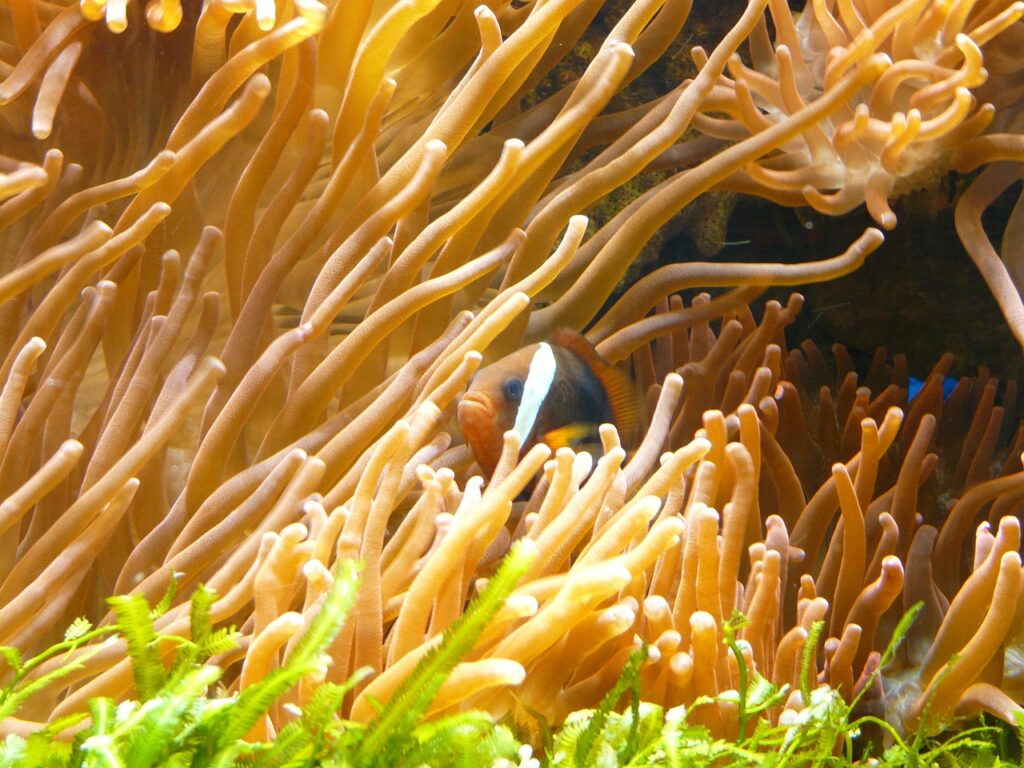
Introduction
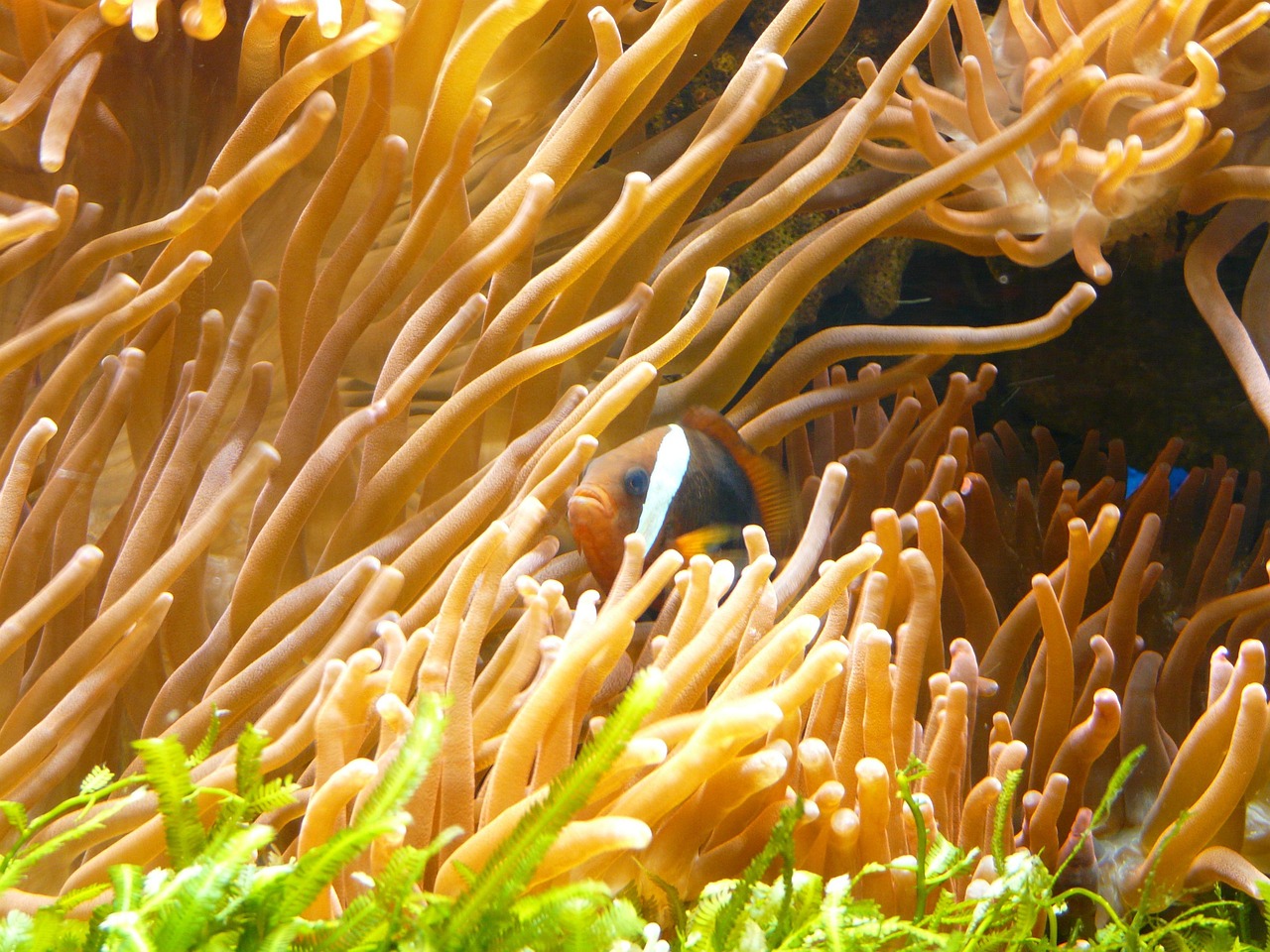
If youâve spent any time browsing clownfish at your local fish store or scrolling through vendor lists online, youâve probably run into the true percula false percula difference. Itâs one of the most common points of confusion in the marine hobby, and for good reasonâthese two fish look almost identical to the untrained eye. But theyâre not the same, and knowing the difference matters if you want the right fish for your tank.
This guide is a straight comparison between the True Percula Clownfish (Amphiprion percula) and the False Percula Clownfish (Amphiprion ocellaris). Weâll cover visual ID, temperament, care, pricing, and which one actually fits your setup. No fluff. Just practical info that helps you make a smarter purchase.

At a Glance: Quick Comparison Table
Before we dig into the details, hereâs a side-by-side look at the key differences. Use this as a quick reference when youâre at the store or comparing photos online.
| Trait | True Percula (A. percula) | False Percula (A. ocellaris) |
|---|---|---|
| Color Intensity | Deeper, richer orange | Slightly lighter, more vibrant orange |
| Black Outlining | Thick black bands between white stripes | Thin or absent black outlining |
| Fin Shape | More rounded dorsal fin | Slightly more pointed dorsal fin |
| Typical Size | 3 to 3.5 inches | 3 to 3.5 inches |
| Eye Color | Darker, sometimes blackish ring | Lighter, orange ring around pupil |
| Host Anemone Preference | Heteractis magnifica or Entacmaea quadricolor | Less picky; often hosts in corals or rocks |
| Temperament | Bolder, more territorial | Generally calmer |
| Hardiness | Moderateâneeds stable conditions | Highâmore forgiving for beginners |
| Price Range | $30â$60+ | $15â$40 |
Why the Confusion? A Brief Background on the Names
The naming mess goes back decades. When the aquarium trade first started importing clownfish, sellers lumped both species under âPerculaâ because they look so similar. The True Percula was the original, but the False Perculaâalso called the Ocellaris Clownfishâbecame the one most people actually bought. When Finding Nemo hit theaters in 2003, it cemented the Ocellaris as the star. But marketing materials called it a âclownfish,â and many hobbyists assumed it was a Percula.
Hereâs the deal: the Ocellaris is the fish you see in most home aquariums. The True Percula is less common, often more expensive, and comes with a few more demands. If you bought a clownfish at a big-box pet store, youâve almost certainly got an Ocellaris. If you bought one from a specialty breeder and paid a premium, you might have a True Percula. But even then, mislabeling is common. Some vendors knowingly sell Ocellaris as âPerculaâ to justify a higher price.
Knowing the true percula false percula difference protects you from overpaying and helps you pick the right fish for your experience level.
Visual Identification: How to Tell Them Apart
This is where most hobbyists get tripped up. You canât rely on color aloneâlighting, diet, and stress all affect how orange a fish looks. Instead, focus on these structural details.
Black Outlining
This is the most reliable visual cue. True Percula has thick, bold black lines between its white stripes. The black outlining is often wide enough to be obvious, even from a few feet away. False Percula has much thinner black borders, and in some captive-bred strains, the black outlining is barely visible or completely absent.
Fin Shape
Look at the dorsal finâthe one on top. True Percula has a more rounded, almost stubby dorsal fin. False Perculaâs dorsal fin is slightly more pointed, tapering toward the back. Itâs subtle, but once you see it side by side, itâs consistent.
Eye Color
Check the ring around the pupil. True Percula usually has a darker, grayish-black ring. False Percula has a lighter, orange-colored ring that blends more with the body. This is harder to spot on juveniles, so donât rely on it as your only identifier.
Juvenile vs Adult Changes
Hereâs a common mistake: people assume juveniles look like mini adults. They donât. Young True Percula can have very thin black outlining that thickens as they mature. Young False Percula sometimes show more black than they will as adults. If youâre buying small juveniles, ask the vendor for a photo of the parents if possible. That gives you a much better idea of what youâre getting.
Mistake to avoid: donât judge based on a single photo under blue LED lighting. Always ask for a photo under white light, or better yet, see the fish in person. For those comparing fish photos online, a full spectrum aquarium light can help you see true colors when photographing your own tank.
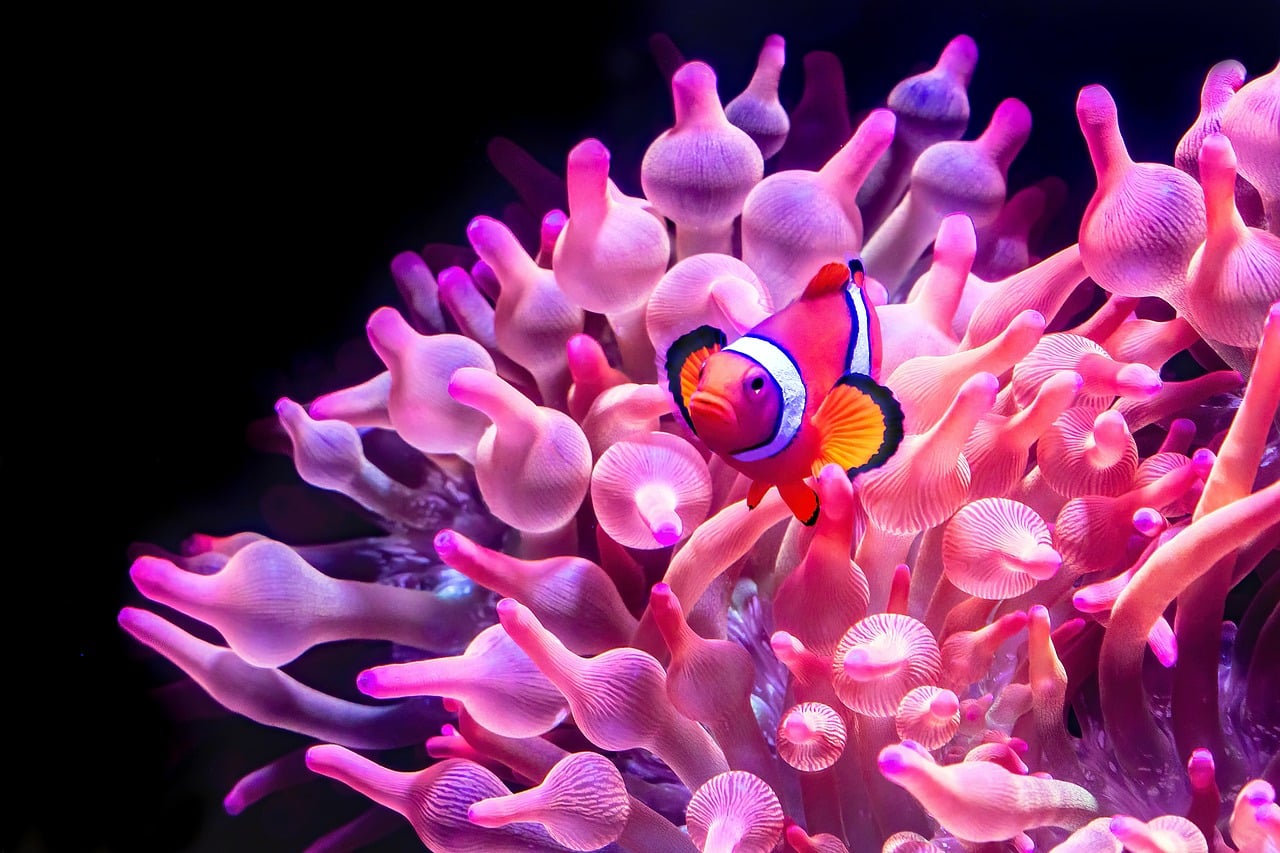
Temperament and Behavior Differences
If youâre keeping a community tank, temperament matters more than appearance. Hereâs the real-world breakdown.
True Percula is bolder. Itâs more likely to swim out in the open, claim territory, and chase other fish away from its preferred spot. If you have a smaller tank or keep timid species like firefish or gobies, a True Percula can cause problems. Itâs not vicious, but it doesnât back down.
False Percula is more laid-back. It still establishes a territory, but itâs less aggressive about defending it. In larger tanks with plenty of rockwork, an Ocellaris will usually ignore tankmates once it has its corner. This makes it a safer choice for mixed communities.
Pairing behavior is similar for both. They form monogamous pairs, and the female becomes the larger, more dominant fish. But True Percula pairs are more likely to harass each other during pairing, and if you introduce two fish at different sizes, the smaller one may get bullied to death. Ocellaris pairs tend to form more smoothly, especially if you buy a bonded pair from a reputable breeder.
If you want a single clownfish, go with False Percula. If you want a pair to breed, both can work, but False Percula gives you an easier time.

Anemone Host Preferences: A Practical Consideration
Hosting behavior is one of the coolest things about clownfish, but itâs also where many beginners make a costly mistake.
True Percula has a strong preference for specific host anemones, particularly the Magnificent Anemone (Heteractis magnifica) and the Leathery Anemone (Entacmaea quadricolor). These are not beginner-friendly anemones. Magnificent anemones are notoriously difficult to keepâthey need intense lighting, pristine water, and stable parameters. Some experienced reefers wonât even try them.
False Percula is much less picky. It will host in a wide range of anemones, including the Bubble-Tip Anemone (which is easier to keep). But itâs also perfectly happy hosting in corals like Frogspawn, Hammer, or even just a nice crevice in the rockwork. Many Ocellaris never host in an anemone at all, and they live perfectly healthy lives.
Practical advice: donât buy an anemone just because you have a clownfish. If your clownfish is hosting in a coral, leave it alone. Forcing an anemone into your tank for the aesthetic is a quick way to kill both the anemone and stress your fish. If you do want an anemone, start with a Bubble-Tip Anemone and pair it with a False Percula. Your success rate will be much higher.
If you decide to go the anemone route, anemone care kits with target feeding tools and low-flow feeding stations make maintenance much more manageable.
Care Requirements: Do They Need Different Treatment?
Short answer: no, but temperament affects your tank layout.
Both species need the same basic parameters:
- Temperature: 74â78°F
- Salinity: 1.023â1.025 specific gravity
- pH: 8.1â8.4
- Ammonia/Nitrite: 0
- Nitrate: under 20 ppm
Minimum tank size for a pair is 20 gallons, but 30 is more comfortable. Theyâre not heavy swimmers, but they appreciate some open water above the rockwork.
Feeding is identical. Both are omnivores. Offer a varied diet of frozen mysis, brine shrimp, high-quality pellets, and occasional seaweed. Twice a day for adults, three times for juveniles. A variety pack of fish foods can help ensure your clownfish gets a balanced diet from the start.
Hereâs the mistake to avoid: judging health by color intensity. A deep orange fish isnât necessarily healthyâit could be a True Percula thatâs stressed from shipping. A pale fish isnât necessarily sickâit could be an Ocellaris under bad lighting. Instead, look at behavior. Is it eating? Is it swimming normally? Are its fins clamped? Color is a secondary indicator, not a primary one.
The main practical difference is tank layout. True Percula needs more rockwork and hiding spots because itâs more territorial. If you have an aggressive tankmate, True Percula will hold its ground, but it also needs escape routes. False Percula is more flexibleâyou can get away with a simpler aquascape.
Which One Is Hardier for Beginners?
False Percula wins this category by a wide margin. Itâs one of the hardiest marine fish you can buy. It tolerates minor fluctuations in water quality, adapts to different tank sizes, and recovers quickly from shipping stress. If youâre new to saltwater, this is the fish you want.
True Percula is not fragile, but itâs less forgiving. Itâs more sensitive to ammonia spikes, temperature swings, and poor acclimation. If your tank isnât fully cycled or youâre still dialing in your parameters, a True Percula will likely show signs of stressâclamped fins, loss of appetite, or ich outbreaks.
Hereâs the rule of thumb: if youâve been reefing for less than a year, buy a False Percula. If youâve kept clownfish before and want the more striking look, go ahead with True Perculaâbut only if your tank is stable and mature (at least 6 months old).
Price and Availability: What to Expect at the LFS
False Percula (Ocellaris) is widely available and cheap. Expect to pay $15 to $40 at most local fish stores. Captive-bred specimens are especially common, and many LFSs carry them year-round. Wild-caught Ocellaris can run slightly higher, but for most hobbyists, captive-bred is the better choiceâless stress, fewer parasites, and easier acclimation.
True Percula is less common. Youâll typically find it at specialty stores or through online breeders. Prices range from $30 to $60 for a standard captive-bred specimen, and wild-caught ones can cost over $100. If you see a âPerculaâ listed for $20, itâs almost certainly an Ocellaris being sold under the wrong name.
Availability varies by region. In coastal areas with strong marine hobby scenes, True Percula is easier to find. Inland, most stores stock only Ocellaris. If youâre set on True Percula, youâll probably need to order online.
Whenever possible, buy captive-bred. Theyâre hardier, tank-raised, and donât contribute to wild reef depletion. Many online vendors specialize in captive-bred clownfish. Look for breeders with transparent parent photos and clear species labeling.
Breeding Considerations for Each Species
If youâre thinking about breeding, the choice matters.
False Percula is the easier option. Pairs form quickly, spawn more frequently (every 10â14 days once established), and produce larger clutchesâusually 200 to 400 eggs per spawn. Fry survival rates are higher because the parents are less likely to eat the eggs, and the fry are more resilient during the first few weeks. If youâre new to clownfish breeding, start with Ocellaris.
True Percula is more challenging. Pairs can be picky about bonding, and they may reject mates even after weeks of cohabitation. Spawning happens less frequently, and clutch sizes are smallerâ100 to 200 eggs. The fry are slightly more delicate and require more precise water parameters during the larval stage.
That said, True Percula fry fetch higher prices if you plan to sell them. Some breeders continue working with True Percula specifically for the premium market. But for most hobbyists, the effort-to-reward ratio favors False Percula.
Mistake to avoid: donât mix species in a breeding setup. A True Percula and a False Percula will not produce viable offspring. Theyâre separate species, and crosses rarely survive past the larval stage. Stick to one species per tank.

Common Mistakes When Buying a âPerculaâ Clownfish
Here are the pitfalls I see most often. Avoid these, and youâll save money and frustration.
Paying Premium for a Mislabeled Ocellaris
This is the biggest one. If your LFS has a tank labeled âPerculaâ and theyâre charging $40, look closely at the black outlining. If itâs thin or absent, itâs an Ocellaris. Walk away unless youâre okay paying a markup for convenience.
Mixing Species in the Same Tank
Some hobbyists think they can keep both species together because they look similar. They canât. Mixing True Percula and False Percula almost always results in aggression. The larger or more dominant fish will harass the other until one is stressed to death or jumps out. Pick one species and stick with it.
Choosing Based on Color Alone
Color varies with diet, lighting, and stress. A True Percula under blue LEDs looks darker than an Ocellaris under white light, but the same fish under identical conditions tells a different story. Use morphologyâfin shape, black outlining, eye ringânot just color.
Ignoring Background Morphology
Some captive-bred strains of Ocellaris have been selectively bred to mimic True Percula. These âdesignerâ strains can have thick black outlining, making them nearly impossible to tell apart from True Percula unless you know the lineage. If the vendor doesnât provide parent photos or breeder information, assume itâs an Ocellaris.
Quick fix for all these mistakes: buy from a reputable vendor that clearly labels the species and provides breeder info. If they canât tell you whether itâs A. percula or A. ocellaris, pass.
Final Verdict: Which Clownfish Should You Choose?
Hereâs the bottom line, broken down by your situation.
Choose False Percula (Ocellaris) if:
- Youâre new to saltwater
- You want a calm tankmate in a community setup
- Youâre on a tighter budget
- You want to try breeding without fuss
- You want a fish thatâs forgiving of beginner mistakes
Choose True Percula if:
- You have an established, stable tank
- You want the look with thicker black outlining
- Youâre experienced with keeping clownfish
- Youâre willing to pay more for the premium appearance
For most readers, the practical choice is the False Percula. Itâs easier, cheaper, and more versatile. The True Percula is a beautiful fish, but itâs a specialistâs choice. If youâre not sure, start with an Ocellaris. You can always add a True Percula later if you upgrade to a larger tank.
When youâre ready to buy, look for captive-bred specimens from a breeder you trust. Many online vendors offer healthy, tank-raised Ocellaris at reasonable prices. If you prefer the look of True Percula, check out specialty breeders that stock true A. percula with documented lineage.
Browse captive-bred clownfish options to find a healthy, well-documented specimen for your tank.