Why the Philippines Is a Top Destination for Clownfish Diving
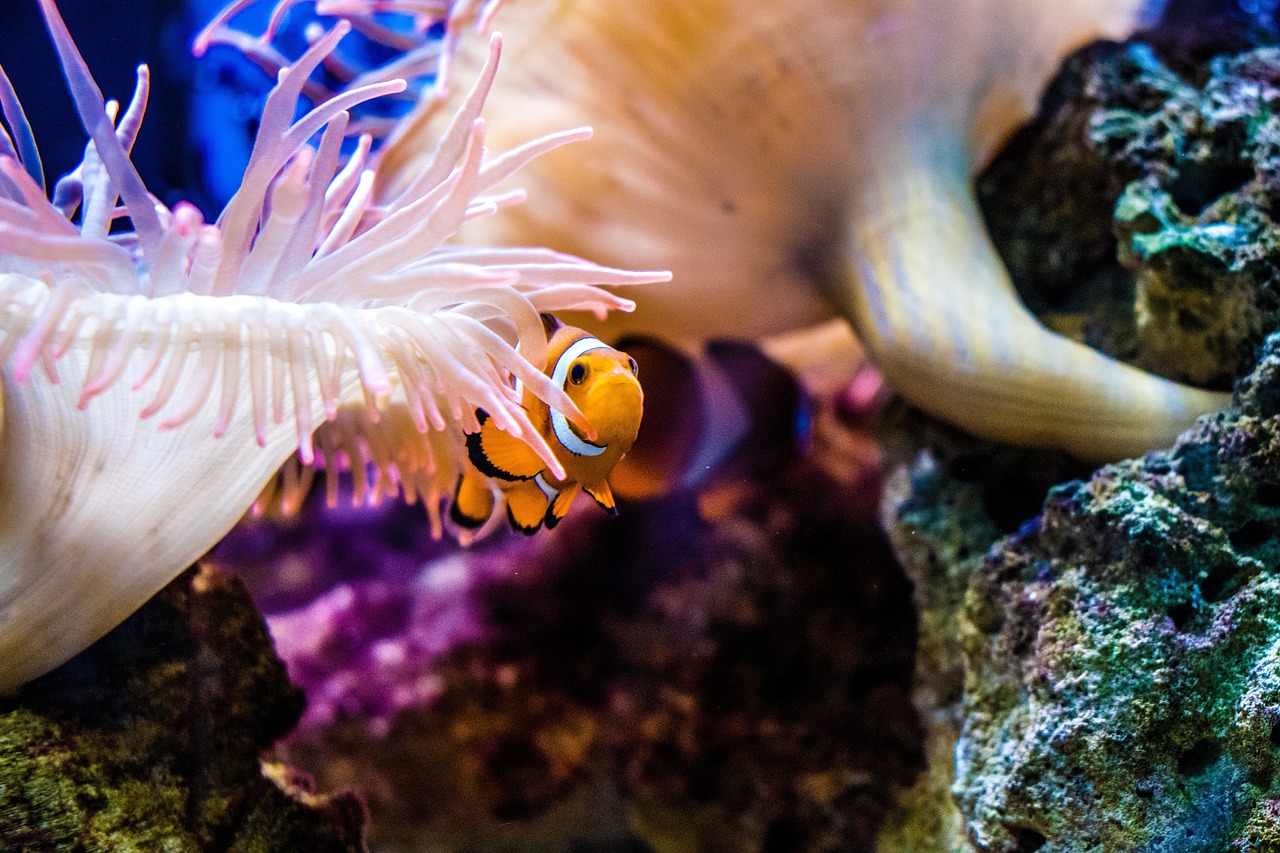
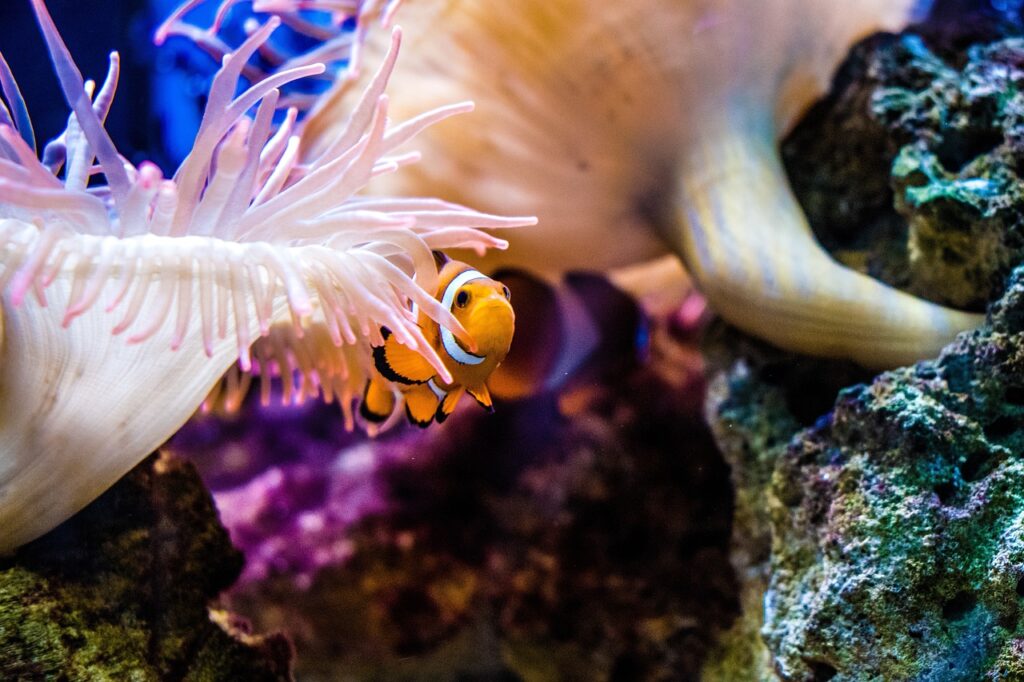
If you’re planning a trip specifically for clownfish encounters, the Philippines should be near the top of your list. It’s not just about finding Nemo. It’s about seeing multiple species of anemonefish in their natural habitat, often on dives that are accessible to recreational divers with minimal experience. The biodiversity here is exceptional. You’ll find false clown anemonefish, skunk clownfish, red and black anemonefish, and even the rarer Clark’s anemonefish. Water temperatures sit between 26-30°C year-round, so you rarely need more than a 3mm wetsuit, and visibility often exceeds 20 meters during the dry season. For philippines clownfish diving, Palawan is a strong starting point, but other regions offer unique advantages depending on what you’re after.

Palawan: The Crown Jewel for Anemonefish Encounters
Palawan is the most famous diving region in the Philippines, and for good reason. The concentration of healthy anemones and resident clownfish is impressive. In El Nido, sites like Secret Lagoon and Miniloc offer shallow, protected reefs where you can spend an entire dive watching a single anemone. The false clownfish here are remarkably tolerant of divers, allowing for close encounters without spooking them. Coron is a bit different. Barracuda Lake has a unique thermocline environment where you’ll find a different mix of species, including saddleback clownfish. Siete Pecados has a current-swept reef that requires a bit more skill but rewards you with large colonies of skunk clownfish. For the truly dedicated, Tubbataha Reefs is a liveaboard-only destination. It’s advanced diving, but the sheer density of clownfish families across multiple species is unmatched. You’ll need to book a liveaboard well in advance, typically from March to June.
El Nido vs. Coron vs. Tubbataha
Here’s a quick breakdown to help you decide:
- El Nido: Best for beginners and very close encounters. Shallow, calm dives. Expect false clownfish and some saddlebacks.
- Coron: Great for wreck lovers who also want clownfish. More current, better for skunk and Clark’s anemonefish. You can do day trips easily.
- Tubbataha: Only for experienced divers. Liveaboard required. Highest density and diversity of clownfish. Book a year in advance.
Beyond Palawan: Other Philippine Regions for Clownfish Diving
Palawan is the star, but the supporting cast is strong. Anilao, about three hours from Manila, has thriving anemone gardens perfect for macro photographers. The conditions are often muck-like, meaning you’ll find unusual species like anemone shrimp hiding in the same anemones. Moalboal in Cebu is famous for its sardine run, but the clownfish in the shallow reef near Pescador Island are fantastic. You can combine a clownfish dive with a drift dive over the sardines. Dumaguete and Apo Island offer a more relaxed, less crowded experience with excellent macro life. Balicasag Island off Bohol is another gem. The coral walls are covered in anemones, and you can get incredibly close with a macro lens. For beginners, Anilao is the safest bet. For photographers, Balicasag or Anilao are better. For a unique experience, Moalboal lets you pair clownfish with one of the ocean’s great spectacles.
Best Time of Year to Dive for Clownfish Sightings
The dry season from November to May offers the best visibility across most of the Philippines. In Palawan, this means calm seas and clear water, often exceeding 30 meters. The trade-off is that this is also peak tourist season. Resorts and dive boats book up fast, and accommodation prices are higher. The shoulder months of October and June can be excellent. You’ll still get good visibility, but with fewer divers. The wet season from June to October brings lower visibility, especially in Palawan, and a higher chance of canceled trips due to storms. However, this is also the best time for muck diving and macro life, which may appeal to dedicated photographers. If your primary goal is clear, long encounters with clownfish, stick to the dry season. If you want a quieter trip and are flexible with weather, consider the shoulder months.
Essential Gear for Your Clownfish Dive Trip
Having the right gear makes a real difference. I’ve seen divers miss a shot because their mask kept fogging, or they couldn’t get close enough without stirring up sediment. Here’s what I recommend based on common problems I’ve encountered:
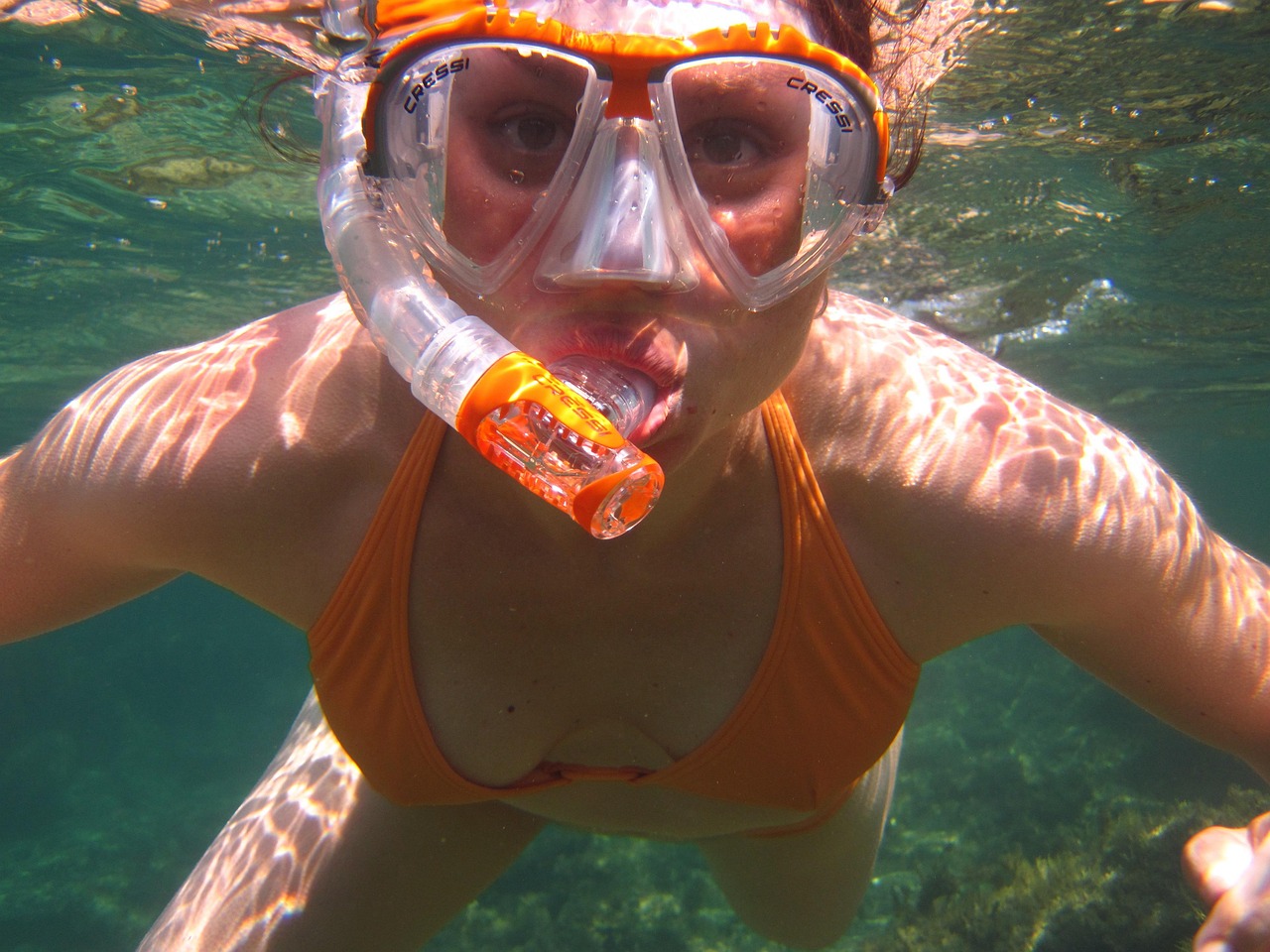
- Dive Mask (e.g., TUSA M-212): A good mask prevents fogging and allows you to see the small details in the anemone. Spend the extra money on a low-volume mask with a comfortable skirt.
- Underwater Camera (e.g., GoPro Hero 12): You want to capture the moment. The Hero 12 is compact, handles low light reasonably well, and offers excellent stabilization for video. For stills, it won’t replace a DSLR, but it delivers shareable shots.
- Reef-Safe Sunscreen (e.g., Stream2Sea): This is non-negotiable. Most local guides will ask you to use it, and it protects the very anemones you’re there to see. Don’t be that diver who uses spray-on chemical sunscreen.
- Dive Computer (e.g., Suunto Zoop): When you’re fixated on a clownfish, it’s easy to lose track of your depth and time. A reliable computer keeps you safe and lets you focus on the dive.
- Dive Light (e.g., Orcatorch D510): Anemones and clownfish can look dull at depth without artificial light. A small torch brings out the colors and helps you spot tiny shrimp hiding in the tentacles.

How to Book a Clownfish-Specific Dive Tour in Palawan
You don’t need a specialized tour company to find clownfish, but you do need to communicate clearly. When booking a day trip from Puerto Princesa, El Nido, or Coron, ask the operator directly: “Do your dive guides know where the healthy anemone sites are?” and “Can you guarantee we’ll spend some time at an anemone site?” Most reputable operators will say yes, but confirming is always wise. For a more structured experience, look for liveaboard options that specifically list “macro” or “anemone” sites in their itinerary. Tubbataha operators offering 5-7 day trips are your best bet for density. For day trips, check reviews on forums like Scubaboard or the operator’s own website. Look for recent trip reports that mention clownfish or anemones. Book at least 2-3 months in advance for peak season. For liveaboards, book 6-12 months out.
Common Mistakes Divers Make When Seeking Clownfish in the Philippines
I’ve seen divers make the same mistakes repeatedly. Here’s what to avoid:
- Rushing the dive: Clownfish have a defined territory. If you swim past quickly, you’ll miss them. Slow down. Spend 15 minutes at a single anemone and watch the colony.
- Expecting clownfish in every anemone: Not all anemones host clownfish. Some are empty, some host shrimp only. If you see a large carpet anemone without a clownfish, it’s normal.
- Ignoring current or surge: Anemones are often in current-swept areas. If you can’t hold position, you won’t get a good look. Use a reef hook or learn to read the current before you jump in.
- Not using a local guide: Local guides know exactly where the fish are. I’ve watched divers swim right past a golden clownfish in El Nido because they were fixated on finding “Nemo.” The guide spotted it in seconds.
- Overbooking sites: Don’t try to hit five different sites in one day. Pick two or three good ones and spend quality time at each. You’ll see more behavior and get better photos.
Photography Tips: Getting the Best Shots of Anemonefish
You don’t need a massive camera rig to get great shots. Here’s what works in the real world:
- Use aperture priority (f/8): This gives you enough depth of field to keep both the fish and the anemone tentacles sharp.
- Get a macro lens or wet lens: Clownfish are small. A wet lens for your GoPro or a dedicated macro setting on your camera will make a huge difference.
- Be patient: Clownfish are territorial but curious. If you stay still, they’ll often swim right up to your lens. If you move too fast, they’ll dart into the anemone and stay there.
- Use a dive light or strobe: Anemones filter out a lot of light. A small video light will bring out the orange and white stripes in a way that natural light at depth won’t.
- Shoot from below: If you can, position yourself slightly lower than the anemone and shoot upward. This gives a sense of size and shows the fish in their environment.
Accommodation Recommendations for Easy Access to Dive Sites
You want to minimize travel time and maximize dive time. In El Nido, staying in a resort near the main lagoon is ideal. El Nido Resorts (Miniloc or Pangulasian) offer direct access to the dive sites without a long boat ride. They’re expensive but worth it for the convenience. For budget options, hostels and guesthouses in El Nido town are fine, but expect a 20-30 minute boat trip to sites each morning. In Coron, Club Paradise Palawan on Dimakya Island is a great base for the best reefs, but day trips from Coron town are easier. If you’re budget-conscious, look for a dive resort that offers packages including accommodation, meals, and guided dives. This simplifies logistics. For essential non-dive gear, consider a travel safe for your passport and cash, or a quality dry bag for keeping camera gear dry on the boat.

Final Checklist for Your Philippines Clownfish Diving Trip
Before you leave, run through this list quickly:
- Pre-book: Flights, accommodation, and dive tours. Peak season booking is non-negotiable.
- Pack gear: Mask, sunscreen, camera, dive computer, logbook, reef hook.
- Safety: Dive insurance, emergency contact info, and a plan for medical care if needed.
- Reef etiquette: Don’t touch the anemones. No gloves. Maintain neutral buoyancy.
Book your dive tour early, especially for peak season from December to May. The best sites fill up fast, and you don’t want to end up on a crowded boat with a guide who doesn’t know where the anemones are. Plan ahead, communicate with your operator, and you’ll have one of the best clownfish diving experiences of your life.