
Introduction
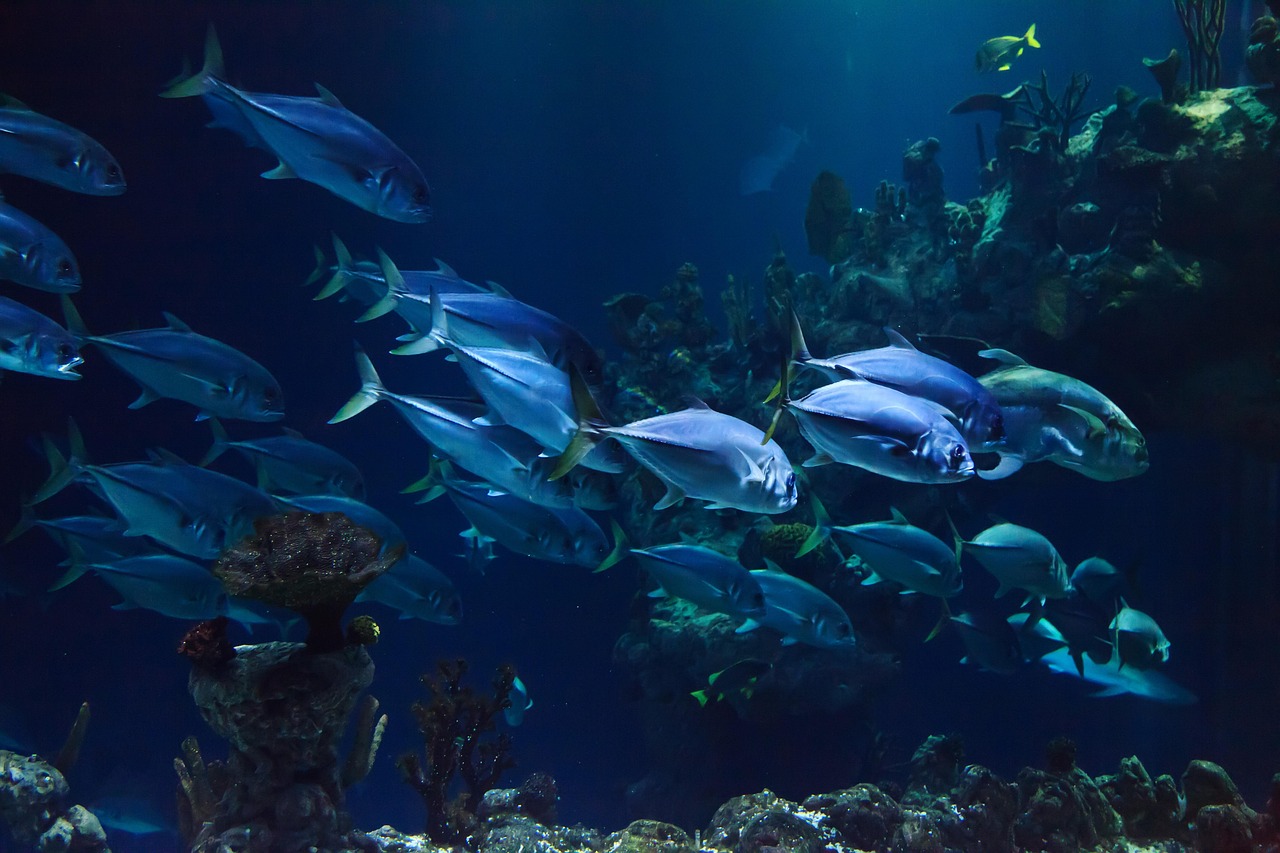
If your bottom time is spent drifting over coral heads and through sandy cuts at 60 feet or less, you don’t need the same dive computer as someone pushing 200 feet on trimix. Reef diving has its own demandsâshallow depths, long repetitive dives, bright tropical sunlight, and the need for simple, reliable data at a glance.
Finding the best dive computer for reef diving comes down to what actually matters in that environment. After plenty of hours testing computers on real reef dives across the Caribbean, the Pacific, and the Red Sea, I have a solid sense of which models earn their place in your gear bag. This article breaks down the top options, explains what features actually matter for reef diving, and helps you decide which computer fits your dive style and budget.

What Makes a Dive Computer “Great for Reef Diving”?
Not all dive computers are created equal. The features that make a computer excellent for tec diving or deep wrecks are often wasted on reef dives. Here’s what actually matters when your typical dive is between 30 and 80 feet.
Depth rating. Most reef dives never exceed 100 feet. A computer rated to 330 feet is overkill. That’s not a problem, but it often means you’re paying for capability you’ll never use. A 130-foot depth rating is plenty for 99 percent of recreational reef diving.
Screen readability in bright sunlight. This is probably the most overlooked feature. Reef dives happen in clear, shallow water where the sun is blazing. A dim LCD screen becomes nearly unreadable when you surface between dives or swim through sunlit patches. A high-contrast display or an LED backlight that cuts through glare makes a real difference. Travelers who often dive in sunny conditions may want to check out dive computers with high-contrast displays.
Battery life. Reef diving often means multiple dives per day over a week-long trip. You want a computer that can handle at least a full week of diving without needing a recharge. User-replaceable batteries give you the freedom to swap on the boat. Rechargeable batteries work too, but you need to remember to charge every night.
Ease of use with gloves. Even in warm water, many reef divers wear thin gloves for protection against fire coral or urchins. Buttons that are tiny or require precise pressure are annoying. Large, positive-action buttons make scrolling through menus much easier.
Algorithm reliability. For reef diving, you don’t need the most aggressive algorithm on the market. You need something well-tested that handles repetitive shallow dives sensibly without giving you crazy short no-deco limits or punishing you for diving conservatively. Bühlmann-based algorithms are widely trusted. RGBM works fine too, but some divers find it too conservative on shallow repetitive profiles.
The computers in this review were chosen because they perform well in these conditions. I’ve used every one of them on real reef dives, and these are the ones I’d recommend to a diver who wants to spend more time looking at fish and less time fiddling with menu screens.
Quick Picks: Best Dive Computer for Reef Diving at a Glance
- Best Overall: Suunto Zoop Novo â Reliable, easy to read, and built for recreational depths. The deep stops feature is a nice bonus for reef divers doing repetitive back-to-back dives.
- Best for Techies Who Still Dive Reefs: Shearwater Peregrine â Color display, Bühlmann algorithm, and a user interface that’s a pleasure to use. Overkill for pure reef diving, but worth it if you plan to move into tec later.
- Best Budget: Cressi Leonardo â Simple, affordable, and gets the job done. No frills, no fuss. Perfect for the diver who just needs depth, time, and no-deco limits.
- Best Premium All-Rounder: Garmin Descent Mk2i â Expensive but packs air integration, GPS, and dive logging into a watch format. Great for divers who also want a fitness smartwatch.
- Best Value with Air Integration: Oceanic Geo 4.0 â A solid mid-range computer that supports air integration without breaking the bank. The OLED display is crisp and readable in sun.

The 5 Best Dive Computers for Reef Diving
1. Suunto Zoop Novo
Price range: $250 â $300
Key specs: Depth rating 150m (492ft), Suunto RGBM algorithm, user-replaceable battery (AA), large dot-matrix display.
What it excels at for reef diving: The Zoop Novo is the workhorse of recreational diving. The screen is huge and easy to read in direct sun. The buttons are large and clickyâperfect for gloves. The AA battery lasts for months of regular diving, so you can leave it in your bag for a year and still have power when you unpack at the resort. The algorithm is conservative, which is actually a good thing for reef divers doing three or four dives a day. Deep stops are included, and while they’re not strictly necessary for shallow reef dives, they add a layer of conservatism that nervous divers will appreciate.
Trade-offs: The Zoop Novo is bulky. It looks like a small computer monitor strapped to your wrist. If you prefer a sleek watch form factor, this isn’t it. The RGBM algorithm is also more conservative than Bühlmann, which means you’ll hit no-deco limits slightly faster on repetitive dives. For most reef diving this is a non-issue, but if you’re used to a computer with Bühlmann ZHL-16C, you might find it annoying.

Who should avoid it: Divers who want air integration, a color display, or a wristwatch form factor. This is a dedicated dive computer, and it looks like one.
Check the current price on Amazon here.
2. Shearwater Peregrine
Price range: $500 â $600
Key specs: Depth rating 120m (394ft), Bühlmann ZHL-16C algorithm with GF, full-color LCD display, rechargeable battery.
What it excels at for reef diving: The Peregrine is the best value in dive computers right now. It’s just as at home on a reef as it is on a deep wreck. The color display is bright and crisp, and you can customize the data fields to show exactly what you want. The Bühlmann algorithm is widely considered the gold standard for decompression modeling. You can adjust the gradient factors to make it more or less conservative. That flexibility is overkill for most reef divers but welcome if you like to tune your computer to your comfort level. Battery life is good for about 20 hours of dive time, which translates to a week of diving on a single charge.
Trade-offs: The Peregrine doesn’t support air integration. If you want tank pressure displayed on your computer, you’ll need to step up to the Perdix or Teric. The rechargeable battery is convenient, but you have to remember to charge it. If you forget, you’re stuck on surface interval with a dead computer.
Who should avoid it: Pure budget buyers who can’t justify the price jump from a Zoop Novo. Also, divers who absolutely need air integration on the wrist.
Check the current price on Amazon here.
3. Cressi Leonardo
Price range: $150 â $200
Key specs: Depth rating 120m (394ft), Cressi RGBM algorithm, user-replaceable battery (CR2430), simple backlit LCD display.
What it excels at for reef diving: The Leonardo is the simplest computer on this list. It shows depth, dive time, no-deco time, and oxygen partial pressure if you’re using nitrox. That’s all you need for 95 percent of recreational reef dives. The battery lasts for years, not months, because the computer only uses power underwater. The algorithm is conservative and reliable. The price is hard to beat.
Trade-offs: The screen is small and not the easiest to read in bright sunlight. The backlight is dim. The buttons are tiny and stiff, making it annoying to operate with gloves. There’s no dive log storage, so you can’t download your dives later. The Leonardo is a tool, not a gadget.
Who should avoid it: Divers who want data logging, large easy-to-read screens, or a computer they can use with thick gloves. Also not great for divers who use high-oxygen nitrox mixes or want to track multiple gas switches.
Check the current price on Amazon here.
4. Garmin Descent Mk2i
Price range: $1,000 â $1,200
Key specs: Depth rating 100m (328ft) for recreational mode, up to 200 feet for tec mode, Bühlmann ZHL-16C algorithm, color AMOLED display, rechargeable battery, air integration, GPS, compass.
What it excels at for reef diving: The Mk2i is a smartwatch first and a dive computer second. If you want a single device that tracks your steps, sends notifications, and handles your dives, this is it. The display is gorgeous in sunlight and easy to read underwater. Air integration is seamless, and the tank pressure transmitter works reliably. The dive logging and ocean mapping features are excellent for planning surface intervals and tracking your dive history.
Trade-offs: It’s expensive. Really expensive. If you’re purely a recreational reef diver, you’re paying for a lot of capabilities you’ll never use. The battery is rechargeable, and if you use GPS heavily or wear it as a smartwatch, you’ll be charging it every week. The touchscreen works, but it can be finicky when wet.
Who should avoid it: Budget-conscious recreational divers or anyone who doesn’t need a smartwatch. Also, divers who prefer a dedicated dive computer with simpler operation.
Check the current price on Amazon here.
5. Oceanic Geo 4.0
Price range: $350 â $450
Key specs: Depth rating 100m (328ft), Bühlmann ZHL-8 ADT MB algorithm, OLED display, user-replaceable battery (CR2), optional air integration.
What it excels at for reef diving: The Geo 4.0 hits a sweet spot between price and capability. The OLED display is sharp and readable in sunlight, with excellent contrast. The Bühlmann algorithm is well-respected, and the adjustable microbubble levels let you fine-tune conservatism for repetitive reef dives. It supports optional air integration, so you can add a transmitter later if you want tank pressure on your wrist. The battery is user-replaceable, which is a big plus for frequent travelers.
Trade-offs: Air integration is optional, but the transmitter is sold separately and isn’t cheap. The screen is smaller than the Zoop Novo and Peregrine. Some divers find the menu system less intuitive than other models.
Who should avoid it: Divers who want air integration out of the box without buying extra gear. Also, anyone who prefers a larger display or a wristwatch form factor.
Check the current price on Amazon here.

Dive Computer Features to Prioritize for Reef Dives
When choosing a dive computer for reef diving, you can ignore a lot of the advanced features that tec divers obsess over. Here’s what actually matters.
Algorithm type. Bühlmann ZHL-16C is the most widely trusted algorithm in recreational diving. It’s well-researched and predictable. RGBM algorithms (Suunto, Cressi) are more conservative and can feel restrictive if you do multiple dives close together. Neither is wrong, but if you plan to do five shallow reef dives in a day, a Bühlmann computer will give you more bottom time before hitting no-deco limits.
Display type. Color OLED screens look fantastic but consume more battery. Monochrome LCDs are easier to read in bright sun and last longer. Dot-matrix displays (like the Zoop Novo) offer the best balance of readability and battery life. Avoid computers with tiny low-contrast screens if you’ll be diving in tropical sunlight.
Battery type. User-replaceable batteries (AA, CR2430, CR2) are a huge advantage for reef divers who travel. You can carry spares and swap them on the boat. Rechargeable batteries work fine, but you need to plan charging around your dive schedule. Nothing kills a dive day faster than a dead battery you forgot to charge overnight.
Air integration. Nice to have, but not necessary for reef diving. If you’re comfortable checking your SPG (submersible pressure gauge), you can save significant money by skipping air integration. The transmitters are expensive and add complexity.
Dive log storage. Most modern computers can store dozens of dives. For reef diving, you don’t need a massive logbook in the computer itself. As long as it can hold a week’s worth of dives, you’re fine.
Dive Computer Comparison: Key Specs Side-by-Side
| Model | Max Depth | Algorithm | Battery Life | Display Type | Price |
|---|---|---|---|---|---|
| Suunto Zoop Novo | 150m | RGBM | AA, months | Dot-matrix LCD | $250-300 |
| Shearwater Peregrine | 120m | Bühlmann ZHL-16C | Rechargeable, 20h dive | Color LCD | $500-600 |
| Cressi Leonardo | 120m | Cressi RGBM | CR2430, years | Backlit LCD | $150-200 |
| Garmin Descent Mk2i | 100m (rec) | Bühlmann ZHL-16C | Rechargeable, days | AMOLED | $1,000-1,200 |
| Oceanic Geo 4.0 | 100m | Bühlmann ZHL-8 ADT MB | CR2, months | OLED | $350-450 |
Common Mistakes When Buying a Dive Computer for Reef Diving
I see the same mistakes over and over when divers buy their first or second computer for reef diving. They’re easy to avoid once you know what to look for.
Buying a heavy tec computer for shallow dives. A Shearwater Perdix or Garmin Descent Mk2i is overkill if you never go below 80 feet. You’re paying for trimix support, multiple gas switching, and advanced deco algorithms you’ll never use. That money is better spent on a nice camera, a good dive light, or an extra day of boat diving.
Ignoring screen readability in bright sun. This is the most common complaint I hear from recreational divers who bought a cheap computer with a dim LCD. You can’t read it on the surface between dives, and it washes out in sunlit water. Test the screen in a bright room or read reviews from real users before buying.
Not considering glove use. If you dive in places with fire coral, urchins, or even cold water, you’ll wear gloves. A computer with tiny recessed buttons is frustrating. Look for computers with raised, positive-action buttons you can press with a gloved finger.
Choosing based on price alone. The cheapest computer might save you money upfront, but if the algorithm is poorly tuned or the battery dies on a trip, you’ll regret it. The Cressi Leonardo is an exception because it’s reliable and simple. But some bargain-bin computers cut corners on algorithm validation and display quality. Stick with established brands like Suunto, Shearwater, Cressi, Oceanic, or Garmin and you’ll be fine.
How to Choose the Right Dive Computer for Your Style
Here’s a quick decision framework that works for most recreational reef divers.
Ask yourself three questions: How deep do I actually dive? How often do I dive? What’s my budget? If you rarely go past 60 feet and dive once a year on vacation, a Cressi Leonardo or Suunto Zoop Novo is all you need. If you dive multiple times a year and want better screen quality and algorithm control, the Shearwater Peregrine is worth the jump. If you want a smartwatch that also dives and have the budget, the Garmin Descent Mk2i is excellent.
Scenario breakdown:
- Beginner or infrequent diver: Cressi Leonardo. Simple, cheap, and gets the job done. Upgrade later if you get hooked.
- Regular tropical diver (1-2 trips per year): Suunto Zoop Novo. Reliable, easy to read, and the battery never dies.
- Diver who plans to move into tec or wants a premium experience: Shearwater Peregrine. The best value in dive computers right now.
- All-in-one watch diver: Garmin Descent Mk2i. Expensive, but it does everything.
- Diver who wants air integration without a high price: Oceanic Geo 4.0. Good screen, good algorithm, optional integration.
Final Thoughts: Which Dive Computer Is Best for Your Next Reef Trip?
For most recreational reef divers, the Suunto Zoop Novo is the best all-around choice. It’s reliable, easy to use, and the screen is excellent in bright sunlight. The conservative algorithm actually works in your favor during multi-dive days. If you want a color display and don’t mind spending more, the Shearwater Peregrine is a fantastic upgrade that will serve you well if you ever decide to take your diving deeper.
The dive computer you choose will be on your wrist every minute of every dive. Make sure it fits your needs, not the marketing hype. For a broader look, you can browse dive computers suited for reef diving online to compare deals before you buy.