Introduction
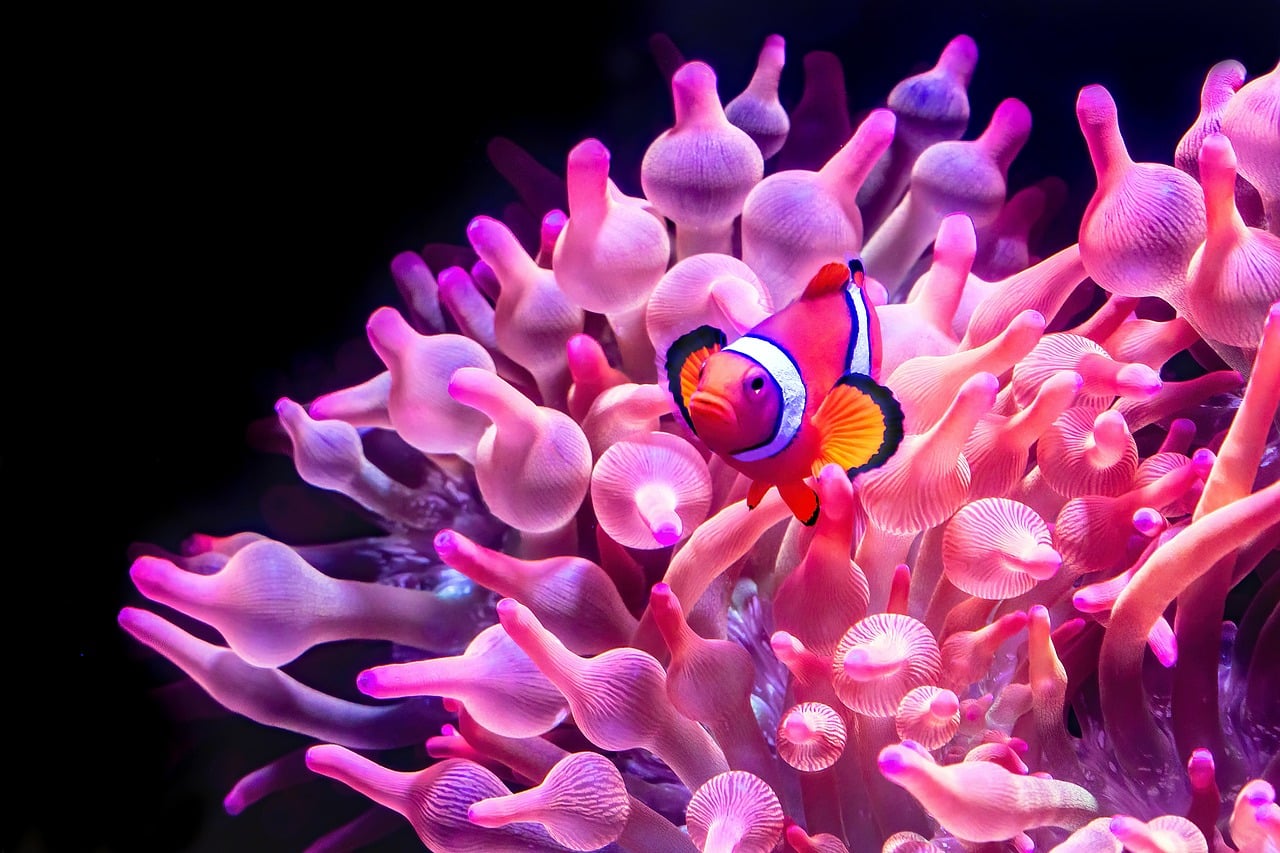
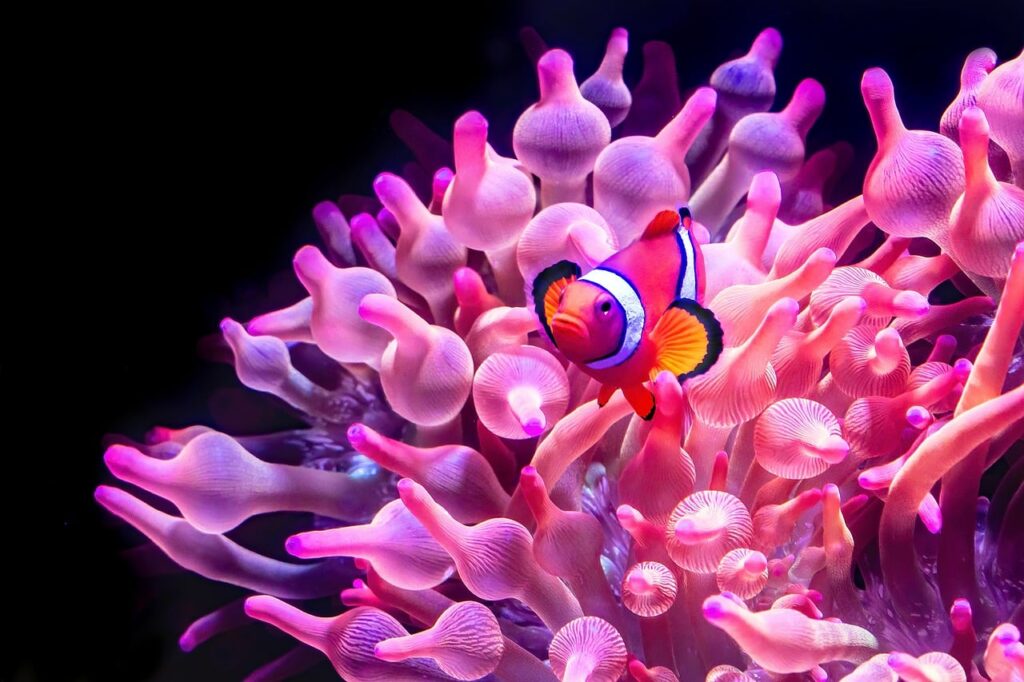
The tomato clownfish, Amphiprion frenatus, is a striking and hardy species that often catches the eye of reef hobbyists looking for something bolder than the common ocellaris. That bright red-orange body with a single white vertical bar is distinctive, and their robust nature makes them appealing to both beginners and experienced keepers. But tomato clownfish care comes with a few wrinkles that set this species apart from other clowns. They are more aggressive, more territorial, and have a stronger drive to host an anemone or a suitable substitute. Treating them like a standard clownfish will likely lead to problemsâwith tank mates, stress, or stunted growth. This guide covers what you actually need to know: tank setup, water parameters, diet, tank mate compatibility, and common mistakes. Whether you’re planning your first tank or adding to an established system, knowing these specifics upfront will save you time, money, and frustration.

Natural Habitat and Origin
Tomato clownfish are native to the Indo-Pacific region, with a range stretching from the Great Barrier Reef north to Micronesia and west to the Ryukyu Islands. They have a fairly defined territory and are absent from the central Pacific and Indian Ocean. In the wild, they inhabit shallow reefs, lagoons, and sheltered bays, typically at depths of 1 to 12 meters. They are almost always associated with the bubble-tip anemone (Entacmaea quadricolor), which provides protection and a nesting site.
This habitat preference translates directly into aquarium care. Because they naturally live in warm, stable, low-current environments, tomato clownfish do best in well-established tanks with consistent water parameters. They can tolerate some variation, but sudden swings in temperature or salinity will stress them out, often triggering aggression or disease. Providing a hostâwhether a bubble-tip anemone or a large rock caveâhelps them feel secure. A fish that feels exposed will spend more time hiding and may become defensive. The more closely you replicate the conditions they evolved in, the better they’ll settle in and thrive.
Tank Size and Setup Requirements
Minimum tank size for a single tomato clownfish pair is 30 gallons. I’d recommend 40 gallons or larger if you plan on keeping other fish. The reason isn’t just swimming spaceâit’s aggression management. Tomato clownfish are territorial, and a larger tank gives other fish room to avoid conflict. In a 20-gallon tank, that territorial behavior becomes constant pressure on any tank mate.
For the setup itself, use a mix of live rock to create caves, overhangs, and visual barriers. These fish like to claim a specific area, so breaking up the line of sight with rock work reduces aggression. Leave open swimming space in the front or centerâthey aren’t shy fish and will patrol their territory regularly.
Filtration should be robust but not excessive in flow. A good protein skimmer paired with live rock biological filtration works well. For water movement, aim for moderate flowâenough to keep detritus suspended but not so strong that the fish are constantly fighting current. A pair of small powerheads on a wavemaker timer works well. Avoid direct flow toward their preferred resting spot or host anemone.

One essential tip: set up and cycle the tank fully before adding the clownfish. Tomato clownfish are not as sensitive as some other marine species, but they can still show stress in an uncycled tank with ammonia or nitrite spikes. A fully cycled tank (4â6 weeks) gives you a stable baseline. Hobbyists starting a new tank may find a API Reef Master Test Kit useful for tracking parameters during the cycle.
Water Parameters for Tomato Clownfish
Tomato clownfish are forgiving, but stable parameters beat perfect numbers every time. Aim for these ranges:
- Temperature: 74â79°F
- Salinity: 1.020â1.025 specific gravity
- pH: 8.1â8.4
- Ammonia: 0 ppm
- Nitrite: 0 ppm
- Nitrate: <20 ppm (lower is better)
The most common mistake I see is chasing perfect numbers with rapid adjustments. If your salinity drifts from 1.024 to 1.022 over a week, that’s fineâit’s the big swings that cause problems. A sudden 0.005 change in specific gravity within 24 hours can stress a tomato clownfish enough to trigger brooklynella or ich. Slow, gradual changes are what matter.
For reliable measurement, avoid swing-arm hydrometersâthey’re inaccurate and can cause long-term drift. A refractometer designed for saltwater aquariums is a more accurate choice and inexpensive insurance. Calibrate it monthly with RO/DI water and you’ll have confidence in your readings. Same goes for temperature: use a quality heater with a controller, not just the thermostat built into the heater itself.
Diet and Feeding Schedule
Tomato clownfish are omnivores with a preference for meaty foods. In the wild, they eat zooplankton, small crustaceans, algae, and the occasional anemone leftovers. In the aquarium, you want to replicate that variety.
Feed small amounts 2â3 times daily. A good rule: only offer what they can consume in about two minutes. Overfeeding is the most common water quality mistake, and tomato clownfish are opportunisticâthey’ll keep eating as long as food is available.
Base their diet around a high-quality pellet like Hikari Marine S or similar marine formula. Supplement with frozen mysis shrimp, spirulina-enriched brine shrimp, and the occasional treat of chopped krill or shrimp. A couple of times per week, offer a small piece of nori or a marine pellet with spirulina to ensure they get plant matter.
One common mistake: relying solely on dry food. A strict pellet diet over months will lead to faded color and potential digestive issues. Frozen mysis is not optionalâit should be a regular part of their rotation. For convenience, frozen mysis shrimp is a good option that retains more nutrients than freeze-dried varieties.
Temperament and Tank Mates
This is where tomato clownfish differ most from ocellaris or percula clowns. They are aggressive. Not in a constant, disruptive way, but they will defend their territoryâespecially around a host anemone or cave. In a small tank, that aggression becomes a problem. In a larger, well-structured tank, it’s usually manageable.
Compatible tank mates:
- Damsels (some species, avoid overly aggressive ones)
- Tangs (larger species, not too timid)
- Gobies (watchman, clown, etc.)
- Blennies
- Wrasses (six-line, fairy, flasher)
- Cardinals
- Larger peaceful angelfish
Avoid:
- Other clownfish species (they will fight)
- Very timid fish (firefish, dartfish)
- Small shrimp (like a cleaner shrimp, they may be eaten)
- Aggressive fish like triggers or large wrasses
If you’re adding a pair, make sure they are already bonded. An unbonded pair will fight, sometimes to the death. A bonded pair will stay close, defend their area together, and rarely show aggression toward each other.
Introduce tomato clownfish last in the pecking order. If you add them first, they’ll claim the entire tank as their territory. Adding them last, after other fish have settled, reduces overall aggression. Rearranging rock work before introduction can also help break established territories.
Anemones and Host Relationships
In the wild, tomato clownfish are obligate hosts of bubble-tip anemones. In captivity, they may accept a bubble-tip, but many will happily host in large rock caves or even large-polyp stony corals like torch or frogspawn. I’ve seen them host in a large leather coral before. It’s not guaranteed, but it’s common.
If you do want to provide an anemone, a bubble-tip (Entacmaea quadricolor) is the best choice. They are the hardiest of the host anemones and tolerate aquarium life better than carpets or ritteris. That said, anemones add complexity: they need stable water, strong but spread-out lighting, and they can wander. A wandering anemone can sting corals or get sucked into a powerhead. If you’re not prepared for that, skip the anemone entirely. A large rock cave with a flat ledge will often be accepted as a substitute.
One practical note: don’t add an anemone to a tank that’s less than 6 months oldâit needs time to mature biologically. Also, never use a powerhead without a sponge guard if you have an anemone. A shredded anemone can crash a tank.

Common Health Issues and Prevention
Tomato clownfish are relatively disease-resistant, but they are prone to a few specific conditions:
Brooklynella (clownfish disease): This is the big one. It presents as cloudy skin, rapid breathing, lethargy, and peeling skin. It’s often fatal if not treated quickly. Brooklynella is caused by a protozoan that attacks the gills. Prevention is the best approach: quarantine every new fish for 4â6 weeks. Treatment involves formalin baths or formalin-based medications in a quarantine tank.
Ich: White spots, flashing, rapid breathing. Common in new tanks or after stress. Quarantine is again the answer. Hyposalinity or copper-based treatments work, but never treat in the main display tank with inverts or live rock.
Bacterial infections: Often secondary to aggression wounds. If you see torn fins or open sores, it’s usually from a tank mate. Clean water and a broad-spectrum antibiotic in quarantine can help. Prevention is betterâensure adequate space and hiding spots.
The most common mistake: treating in the main display tank. Copper kills invertebrates and can damage live rock. Formalin can crash biological filtration. Always use a dedicated quarantine tank for treatment. A simple 10-gallon tank with a sponge filter, heater, and some PVC piping hides is all you need.
Breeding Tomato Clownfish in the Home Aquarium
Breeding tomato clownfish is feasible, but it’s not a casual project. Bonded pairs will spawn regularly on a flat rock near their host. The male tends the eggsâfanning them with his pectoral fins and removing dead or infertile ones. The eggs hatch on day 7â8, usually at night.
Raising the fry is where it gets involved. You’ll need a separate small tank (10â20 gallons), rotifers as live food, and a culture of green water (Nannochloropsis) to feed the rotifers. The fry are tiny and need microscopic food for the first week. After that, they can take baby brine shrimp and eventually powdered pellets.
Most hobbyists enjoy watching the spawning behavior but don’t raise the fry. That’s a perfectly reasonable approach. If you have a bonded pair and a stable tank, the eggs will hatch and the fry will simply scatter or get eaten by the tank filtration. It’s natural. For the dedicated breeder, set up a dedicated rearing system and be prepared for daily water changes and live food cultures. It’s rewarding, but it’s a second full-time tank.
Common Mistakes to Avoid
1. Too small a tank. A 20-gallon tank might seem fine for a pair, but the aggression level spikes. In a larger tank, other fish have escape routes. In a small tank, they’re trapped. Stick to 40 gallons or more for a community setup.
2. Pairing with docile species. Putting a tomato clownfish with a firefish or a dartfish is a recipe for a dead fish. The clown will harass it relentlessly. Match their energy with more robust species.
3. Ignoring the host need. While they can survive without an anemone, they are less stressed and less aggressive with a suitable host. If you can’t provide an anemone, give them a large rock cave with a flat ledge. They’ll adopt it.
4. Not quarantining. This is the #1 cause of disease outbreaks. A 4-week quarantine in a separate tank with a sponge filter and no inverts is the single best thing you can do for your main display tank’s health. It’s tedious, but it prevents the heartbreaking scenario of losing an entire tank.
Recommended Equipment for Tomato Clownfish Care
If you’re setting up a tank specifically for tomato clownfish, here’s what I recommend based on experience:
- Tank: 40â60 gallons, standard rectangle. Avoid tall tanksâthey need length, not height.
- Filtration: A quality protein skimmer rated for your tank volume plus 20% is a good baseline.
- Heater: A 200â300 watt heater with an external controller (like an Inkbird). Redundancy is smart.
- Test Kit: API Reef Master Test Kit or Salifertâaccurate and reliable.
- Food: Hikari Marine S pellets and frozen mysis shrimp.
- Powerheads: Two small ones on a wavemaker timer for moderate, varied flow.
These aren’t luxury itemsâthey’re the practical tools that get the job done without frustration. You don’t need the most expensive gear, but cheap equipment will cause problems down the line. A reliable heater, a decent skimmer, and a good test kit are worth the investment.
Final Thoughts on Keeping Tomato Clownfish
Tomato clownfish are not overly difficult, but they are different from the typical clownfish. They need more space, more robust tank mates, and a suitable host. If you plan for that upfront, they are rewarding fish to keepâbold colors, interesting behavior, and a long lifespan in the right conditions.
The key is to approach them with realistic expectations. Don’t put them in a nano tank. Don’t pair them with shy fish. Give them a proper host. Quarantine new arrivals. Stick to stable water parameters. That’s the formula for success. If you’re starting from scratch, the recommended gear above is the foundation for a stress-free setup. Plan your tank around their needs, and you’ll enjoy years of watching them patrol their territory and interact with their environment.