Introduction
If you’re looking into the Great Barrier Reef dive cost, you’ve probably seen prices anywhere from a few hundred dollars to several thousand. That range isn’t random. It comes down to real differences in what you getâreef access, boat quality, dive time, and what’s included. This article breaks down those costs so you can match your budget to the experience that fits your diving style. No fluff, just the numbers and tradeoffs you need to plan a trip that doesn’t leave you overpaying or disappointed.

The Big Picture: What Drives the Great Barrier Reef Dive Cost?
Several things push the price of a reef dive up or down, and getting a handle on them is the first step to budgeting right.
Location is the biggest factor. Cairns and Port Douglas are the most common starting points for the northern and central reefs. The Whitsundays (Airlie Beach) give you access to the southern sections. Trips from Cairns tend to be cheaper because the reef is closerâaround 45 minutes to an hour by boat. Port Douglas is a bit farther but often takes you to less crowded sites. The Whitsundays are further from the reef itself, so boat rides are longer and day trips usually cost more.
Seasonality matters a lot. The peak dry season (June through August) brings the best weather and visibility, so operators charge a premium. The green season (December through February, with a monsoon window in January) can offer significant discountsâ20% to 40% off peak pricesâbut you risk rain, storms, and reduced visibility.
Duration and inclusions round it out. A one-day trip that includes lunch, tanks, and weights will cost less than a multi-day liveaboard with unlimited diving, meals, and accommodation. What’s included in the base price varies a lot, so always check the fine print. Park fees, gear rental, and extras like nitrox are often separate.
The practical takeaway: there’s no single “right” price. The right cost depends entirely on what you want to see, how long you want to dive, and how much comfort you need.
Budget Day Trips: How Low Can You Go?
Budget day trips are the entry-level option for most first-time divers. They’re typically one-day boat trips from Cairns or Port Douglas that run between $150 and $250 AUD per person.
For that price, you get a full day on the water: usually two dives (sometimes a third if conditions allow), a basic lunch, tanks, and weights. You’ll also be charged the Marine Park fee, which is around $20 to $30 AUD per day and is often added at checkout. Some operators hide it; others include it. Always confirm.
What you don’t get: small groups. Budget boats can carry 40 to 60 divers. That means crowded deck space, wait times for your turn on the giant stride, and a general cattle-call atmosphere. Reef quality is good, but you’ll hit the same high-traffic sites as everyone else. Nitrox is not includedâusually $15 to $20 per dive extra. Gear rental (mask, fins, wetsuit) adds another $20 to $40.
Best for: first-time divers who just want to get in the water, budget travelers stretching their dollar, or anyone who doesn’t mind a bit of chaos. Not ideal if you’re a certified diver looking for pristine, uncrowded sites or personalized attention from a dive guide.
Premium Day Trips: More Comfort, More Cost
Stepping up to a premium day trip shifts the experience noticeably. You’re looking at $250 to $400 AUD per person.
The difference starts with boat size. Premium operators run smaller vesselsâoften 15 to 25 divers max. That means more space to gear up, shorter lines for the dive platform, and more one-on-one interaction with dive guides. The boats are also faster, which opens up better reef locations further offshore. You might hit the outer reef where visibility is consistently better and crowds are thinner.
Inclusions are more generous: lunch is usually higher quality, snacks and drinks are provided, and some operators throw in wetsuit and mask rental. Nitrox is still extra but sometimes discounted. The Marine Park fee is almost always included in the advertised price.
You’re paying for a quieter, more comfortable dayâless waiting, better reefs, and more attention from the crew.
Who should consider it: certified divers who want a premium day on the water without committing to a liveaboard. Also good for divers who value comfort, less cramped conditions, and a higher chance of seeing marine life in less-traveled spots. Who should skip it: budget-focused divers who just want to get wet, or travelers who don’t care about group size.
A solid investment for comfort and reliability is a quality dive computer that fits your wristâdivers who bring their own avoid rental fees and track their dives consistently. Travelers looking for a simple interface may want to check out a dive computer that offers reliable performance for recreational depths. Same goes for reef-safe sunscreenâskip the harsh chemical stuff and pick up a biodegradable SPF 50 that won’t damage the coral you’re there to see.

Liveaboard Trips: The True Diver’s Choice
For serious divers, liveaboards are where the Great Barrier Reef really opens up. These multi-day trips offer extended bottom time, access to remote sites, and the chance to dive multiple times a day without the commute.
Costs are tiered. Budget liveaboards (like some of the older boats from Pro Dive Cairns) run $400 to $700 AUD for a 3-day/2-night package. You get shared cabins, basic meals, and unlimited diving during daylight hours. Nitrox is extra, and boats can be a bit worn. They’re functional and popular with younger divers and backpackers.
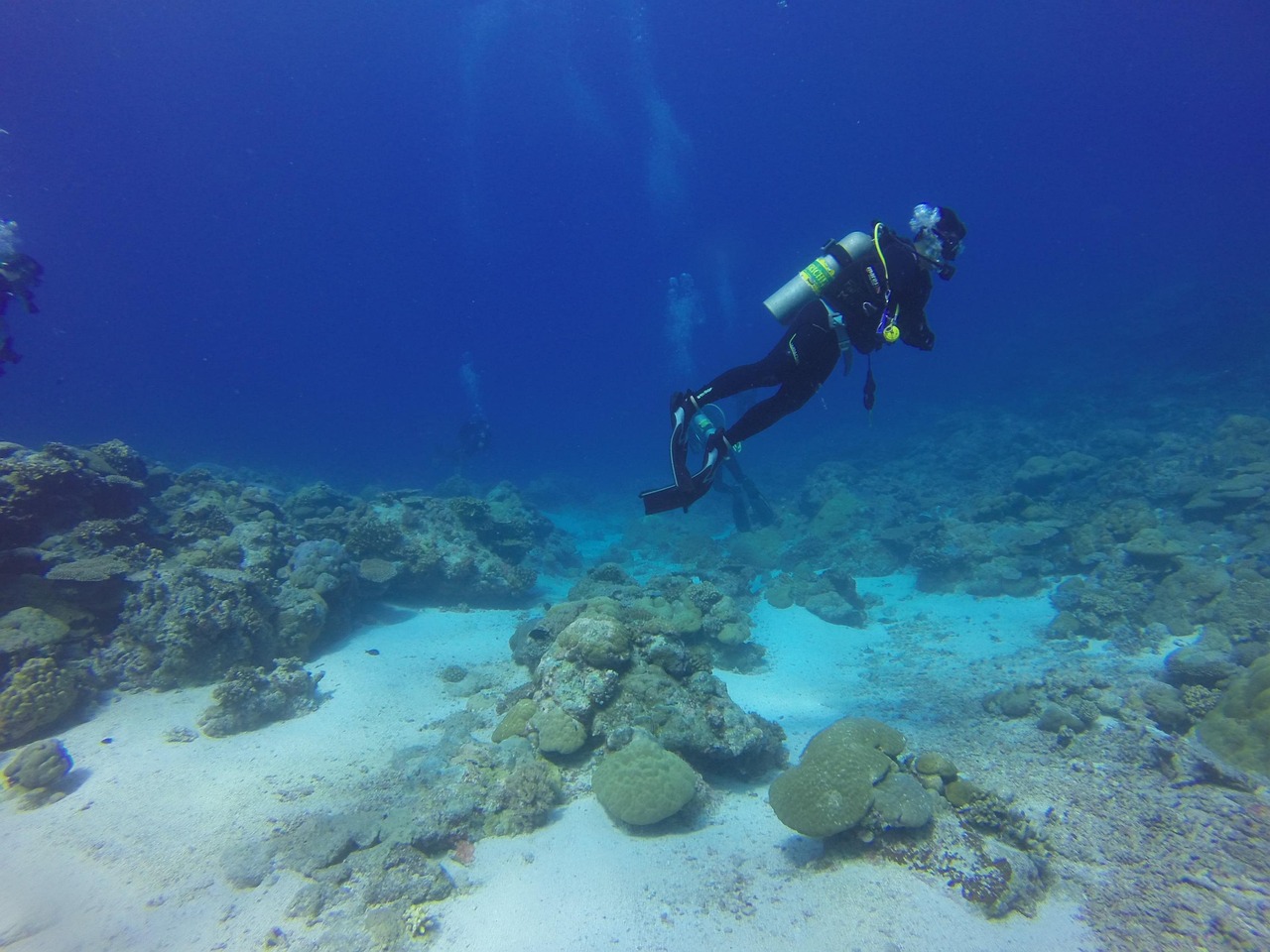
Mid-range liveaboards ($700 to $1200 AUD for the same duration) offer a clearer step up. Think Mike Ball Dive Expeditions or Spirit of Freedom. Cabins are private or twin-share, meals are better, and crew-to-diver ratios are higher. You’ll dive sites like Cod Hole and Osprey Reefâareas known for large pelagics and cleaner corals. Night dives are included. Equipment is well-maintained. This is the sweet spot for most recreational divers.
Luxury liveaboards go beyond $1200 AUD for 3 nights. They offer finer dining, ensuite cabins, dedicated dive masters per small group, and sometimes helicopter transfers. Operators like Mike Ball’s flagship vessels fall into this category for longer itineraries. Worth it if you want comfort and exclusivity, but you’re paying mostly for the hotel-grade experience, not significantly better diving.
The tradeoff is simple: liveaboards mean less time on land, more dives, and access to reefs day-trippers never see. You’ll do 4 to 5 dives per day, including night dives. The total cost per dive often ends up lower than a day trip when you add up accommodation, meals, and dive time. But you sacrifice flexibilityâyou’re on the boat for several days straight.
Best for: certified divers aiming to maximize bottom time, photographers who need multiple passes at a site, and anyone with a bucket list that includes Cod Hole or the Ribbon Reefs. Not great for first-timers uncomfortable with confined spaces or rough seas.
What You’re Not Told: Hidden Costs That Add Up
The base price of a reef trip often isn’t the final number. Here are the real costs that creep up:
- Marine Park fees: $20 to $50 AUD per day. Usually charged separately for budget trips, included for premium and liveaboards.
- Gear rental: Mask, fins, and wetsuit add $20â$40 per day. A dive computer rental can be $15â$25 per dive. If you do 10 dives on a liveaboard, that’s $150â$250 in rental fees alone.
- Nitrox surcharge: $15â$30 per dive for enriched air. Budget boats often charge per tank; some liveaboards include it for unlimited fills. Check before booking.
- Photo services: Many boats have a photographer on board offering souvenir photos for $20â$50. It’s a nice extra but adds up fast.
- Tipping: Not mandatory but expected on liveaboards. $10â$20 per day per diver is standard.
- Alcohol: Booze isn’t included on any boat. BYO is sometimes allowed, but many liveaboards have a bar and charge premium prices.
A straightforward way to cut these costs: bring your own mask and dive computer. A reliable dive mask costs about $50 AUD and will pay for itself after a couple of rental days. An entry-level dive computer is a practical investment that saves you per-dive rental fees and gives you your own safety data.
Self- versus Crewed-Only: How to Save Money Diving the Reef
Most divers book through operators based in Cairns or Port Douglas, but there’s a cheaper route. Driving yourself to quieter departure points can cut costs significantly.
For instance, drive about an hour south of Cairns to Townsville and you’ll find different operators with lower overheads. The reef is slightly further, but the prices for day trips can be 10â20% less. Similarly, leaving from Airlie Beach in the Whitsundays offers access to the southern reefs where competition keeps prices in check. You sacrifice the convenience of a quick boat ride, but you gain savings.
Accommodation and transport become your own responsibility. A rental car from Cairns to Townsville runs about $70 AUD for the day. Hostels in Townsville are around $30/night. If you’re diving for a week, the savings on trip costs can offset the extra logistics.
Best for: experienced travelers comfortable with self-planning, or anyone looking to avoid the Cairns premium. Avoid if: you prefer a one-stop booking process or want guaranteed access to the outer reefs without navigating your own transport.
You can also book directly with operators online instead of through a travel agent. The markup from agents can be 10â20% on top of the base price. A quick search on the operator’s own website often reveals a better deal.

Gear You’ll Actually Need: What’s Worth Buying Before You Go
You don’t need to show up with a full dive kit. Renting is fine for most items, but some things you’ll want to own for comfort, hygiene, and cost savings.
Mask, Fins, and Snorkel
Your own mask is a game-changer. Rental masks rarely fit perfectly, which means fogging and leaks. A good mask costs $40 to $100 AUD. A dive mask with low volume and a snug fit is popular for comfort. Fins are optionalârental fins are generally fineâbut if you buy, a pair of fins with good propulsion work well without breaking the bank. A basic snorkel ($15 AUD) is always cleaner than a rental tube.
Dive Computer
If you plan more than a few dives, owning a computer pays off. Rental fees of $15â$25 per dive vanish, and you get consistent data every dive. A dive computer around $150â$200 AUD is simple, reliable, and good for recreational depths. Worth the investment for any diver doing 20+ dives a year.
Reef-Safe Sunscreen
Standard sunscreen harms coral. Australia enforces reef-safe regulations on some boats, but many still allow any sunscreen. Do the reef a favor and bring a non-nano zinc-based SPF 50. Brands that work well and last through salt water are worth seeking out. A reef-safe sunscreen helps protect the marine environment you’ve come to see.
Waterproof Bag
A 10-liter dry bag ($15â$30 AUD) keeps your phone, wallet, and snacks safe on the boat. You’ll thank yourself when a wave hits the deck.
Accommodation and Logistics: Getting to the Boat
Where you stay matters for convenience. Here’s the breakdown by launch point:
- Cairns: Most dive boats depart from the Cairns Marina, about a 10-minute walk from the city center. Hostels start at $30/night, mid-range hotels like Cairns Harbourside Hotel are $120â$160/night, and Airbnb options around $80â$100/night for a private room. Transport to the marina is walking or a $10 taxi ride.
- Port Douglas: Access to the outer reef is a 45-minute boat ride from here. Accommodation is pricierâbudget motels from $80/night, mid-range resorts $180â$250. A taxi from Cairns airport to Port Douglas costs about $120 AUD, though there’s a shuttle bus for $40 per person.
- Airlie Beach: For Whitsundays trips, stay in Airlie Beach itself. Hostels $35/night, mid-range hotels $100â$150. The marina is walkable from most places. Driving your own car is easiest, but there’s a local bus.
For a single day trip, staying near the marina is fine. For liveaboards, convenience isn’t as criticalâyou’ll be on the boat for multiple days. A cheap hostel before departure saves money.
Travel Insurance: Don’t Skip It, but Don’t Overpay
Diving the Great Barrier Reef carries real medical risks: decompression illness, ear barotrauma, and oxygen toxicity. Generic travel insurance often excludes diving-related claims or limits coverage.
Specialized dive insurance like DAN (Divers Alert Network) covers hyperbaric chamber treatment, evacuation, and trip cancellation. An annual DAN policy costs about $100 to $150 AUD for standard cover. That’s less than a single chamber session without insurance.
Generic travel insurance is cheaperâaround $50 AUD for a two-week tripâbut check the fine print. Most policies covering “scuba diving” have depth limits (often 30m/100ft) and exclude pre-existing conditions or emergency decompression. If you’re diving within recreational limits, a good generic policy plus a DAN add-on might be the most cost-effective route.
Best for value: DAN Annual Diver Insurance. It’s about $150 AUD per year if you dive at least 5â10 days annually. For single-trip divers, a standalone policy from a reputable provider like World Nomads often covers recreational diving up to 30m.
Seasonal Price Swings: When to Book for Best Value
Peak season (JuneâAugust) brings the most stable weather, clearest water, and highest prices. Day trips often cost 20â30% more than in the green season. Liveaboard prices follow the same curve.
Green season (DecemberâFebruary) is when the discounts appear. You can find day trips for as low as $120 AUD if you shop around. The tradeoff: you risk rain, cyclones, and murky visibility. The water is warmer (28â30°C), but the weather is unpredictable. If you’re flexible and can tolerate a few days of cloud, the savings are real.
Shoulder months (MarchâMay, SeptemberâNovember) offer the best balance. Prices are slightly below peak, weather is generally good, and crowds are thinner. Visibility is still excellent in April and May. If you can plan around these periods, you’ll get the most value without sacrificing too much convenience.
Best for savings: book 3â4 months in advance during peak season to lock in lower rates. For off-peak, last-minute deals on day trips are commonâsometimes 30% off if you call 48 hours before.
Common Mistakes That Inflate Your Great Barrier Reef Dive Cost
- Not checking park fees separately. You see a trip listed for $200 AUD and assume it’s all-inclusive. The add-on park fee of $30 AUD turns a budget trip into a $230 AUD trip. Always ask if park fees are included.
- Booking through a third party with markups. Travel agents and resellers can add 10â20% to the base price. Book directly with the operator once you’ve done your research.
- Forgetting your own gear. Rental fees stack up. A mask and fins rental for a 5-day liveaboard adds $100 AUD. Bring your own mask and computer and you’ll save $150 over a week.
- Not confirming inclusions. Some operators include wetsuit and dive computer in the price; others charge separately. Read the fine print before booking.
- Booking too early without weather flexibility. If you book a specific date far in advance, you lose the ability to shift for weather. Choose a flexible booking policy or confirm the operator’s cancellation policy.
Final Cost Comparison: Budget vs. Mid-Range vs. Luxury (Quick Table)
| Tier | Typical Weekly Cost (3â4 dive days) | What You Get |
|---|---|---|
| Budget | $1000 AUD | Hostel, budget day trips, rental gear, minimal extras. |
| Mid-Range | $2000 AUD | Mid-range hotel, premium day trips or budget liveaboard, own mask/computer, some extras. |
| Luxury | $4000+ AUD | Resort accommodation, luxury liveaboard, private guide, all gear, nitrox, tips included. |
Spending more isn’t always better. A $4000 luxury trip buys comfort and exclusivity, but a $1000 trip gets you in the water and under the surface. Match your budget to your dive style: choose budget for quick immersion, mid-range for reliable quality, and luxury if convenience and comfort are top priorities.
So, What’s the Bottom Line?
There’s no single “correct” cost for diving the Great Barrier Reef. The real question is what you value. If you’re a budget traveler who just wants to experience the reef once, a $150 day trip from Cairns will do the job. If you’re a serious diver aiming to explore remote sites and maximize dives, a mid-range liveaboard for $800 is the best way to spend that money.
The core takeaway: plan for hidden costs, invest in reusable gear, and book at the right time of year. The great barrier reef dive cost isn’t just about the headline priceâit’s about understanding what you’re getting for each dollar you spend.
For a smooth trip, a dive computer and a mask that fits are the gear that makes the biggest difference in safety and comfort before you leave. Then choose the trip that matches your actual goalsânot what someone else says is a necessity.