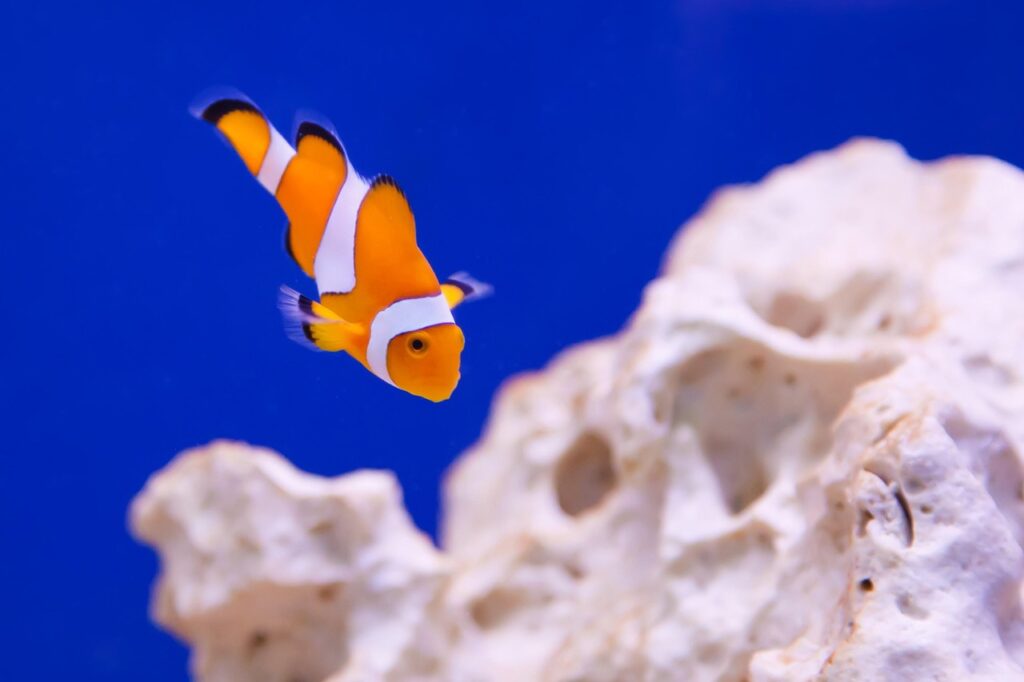
Do Clownfish Need an Anemone?
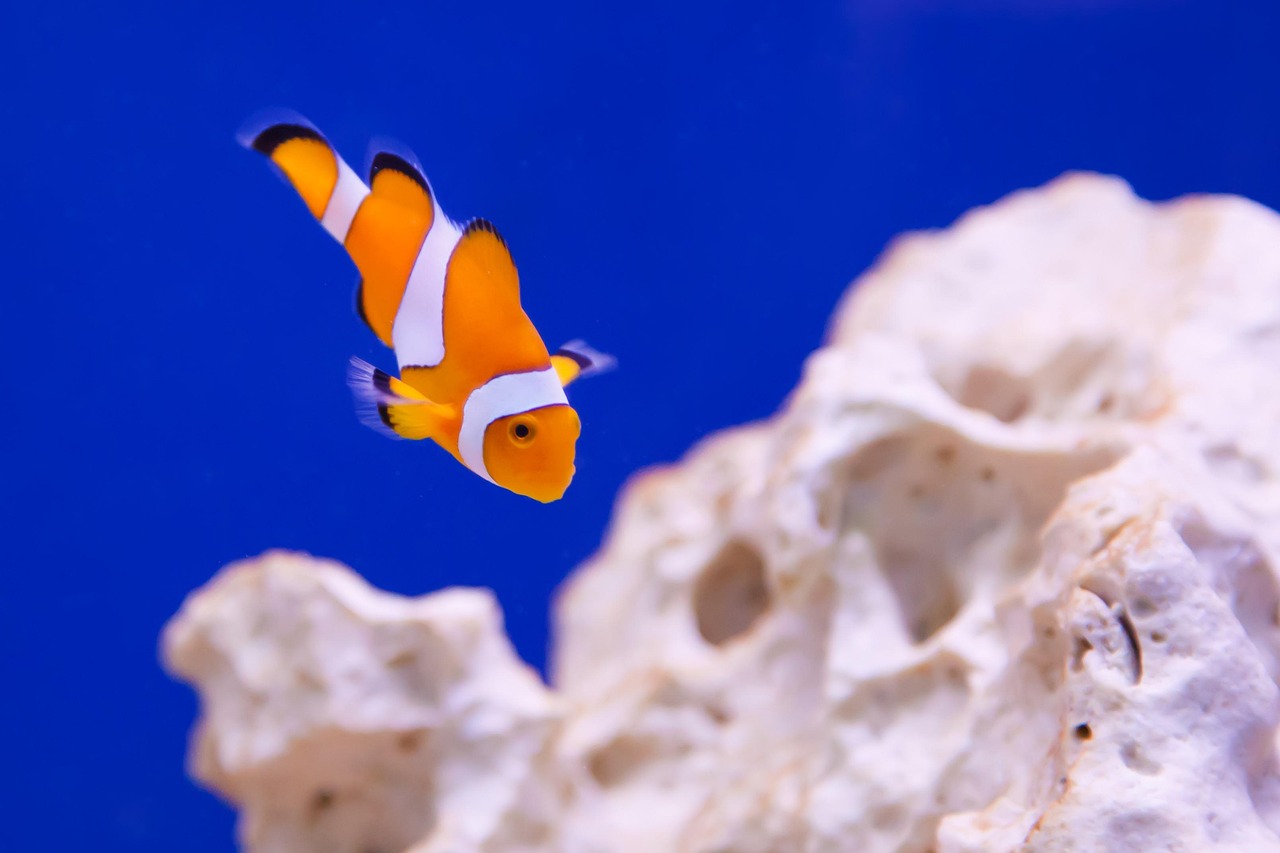
If youâre setting up a saltwater tank, youâve probably heard it a hundred times: clownfish need an anemone. Itâs one of those statements repeated so often in aquarium forums and pet stores that it starts to feel like a rule. But the truth is more practical. Clownfish do not need an anemone to survive, and many live long, healthy lives in tanks without one.
This guide is for aquarists who want clarity. Weâll cover what clownfish actually require to thrive, what happens when you skip the anemone, and what alternatives work better in a typical home aquarium. Whether youâre planning a new tank or troubleshooting an existing one, this will help you make a smarter decision.

The Short Answer: No, But Itâs Complicated
Letâs get the headline out of the way. Clownfish are not obligate symbionts the way some sources claim. In the wild, they live in anemones for protection from predators. In a tank, that predator pressure doesnât exist. So the primary survival reason for hosting an anemone disappears.
Clownfish can eat, grow, and breed without ever touching one. The key is meeting their basic needs: stable water parameters, a high-quality diet, enough swimming space, and safe hiding spots. When those are covered, the anemone becomes an aesthetic choice, not a requirement.
That said, some clownfish species show subtle stress behaviors if they feel exposed. Ocellaris and percula clowns tend to adjust quickly. Maroon clowns can be more territorial and may benefit from having a host. So the complicated part depends on your specific fish and tank setup.
Why the Myth That Clownfish Need Anemones Persists
You can thank Finding Nemo and decades of nature documentaries for this myth. The image of a clownfish nestled in a flowing anemone is iconic. Itâs also a real behavior in the wild. But the key word is wild.
In captivity, conditions are different. A well-maintained reef tank provides safety, regular feeding, and stable water. The fish doesnât need a venomous tentacle fortress to feel secure. Iâve personally kept a pair of ocellaris clowns in a 40-gallon breeder for over four years with no anemone. They host a large hammer coral, spawn regularly, and show no signs of stress.
Many local fish stores reinforce the myth because it helps sell anemones, which require more equipment and maintenance. But any experienced aquarist will tell you: the fish doesnât care. What matters is tank quality, not a specific symbiotic partner.
What Happens When You Donât Provide a Host Anemone?
If you skip the anemone, your clownfish will choose something else. This is normal. Common host substitutes include:
- Torch corals â Euphyllia glabrescens
- Hammer corals â Euphyllia ancora
- Frogspawn corals â Euphyllia divisa
- Powerheads or filter intakes
- The glass itself â especially tank corners
Is this harmful? Most of the time, no. Clownfish rubbing against corals is normal behavior. The fish has a mucous coating that protects it from mild stings. However, some corals like Scolymia or Acropora may not tolerate the constant contact and can retract or die. Thatâs a coral problem, not a fish problem.
If you see your clownfish swimming near the surface or refusing food, check water quality firstânot the lack of an anemone. Very often, these signs point to ammonia spikes or temperature swings, not missing hosts. For reefers who want to keep water stable, a reliable reef saltwater test kit is worth keeping on hand.

Host Anemone Alternatives That Work in Captivity
If you still want your clownfish to have a hosting behaviorâand the visual appeal that goes with itâyou have several practical alternatives. Which one works best depends on your tank size, lighting, and fish species.
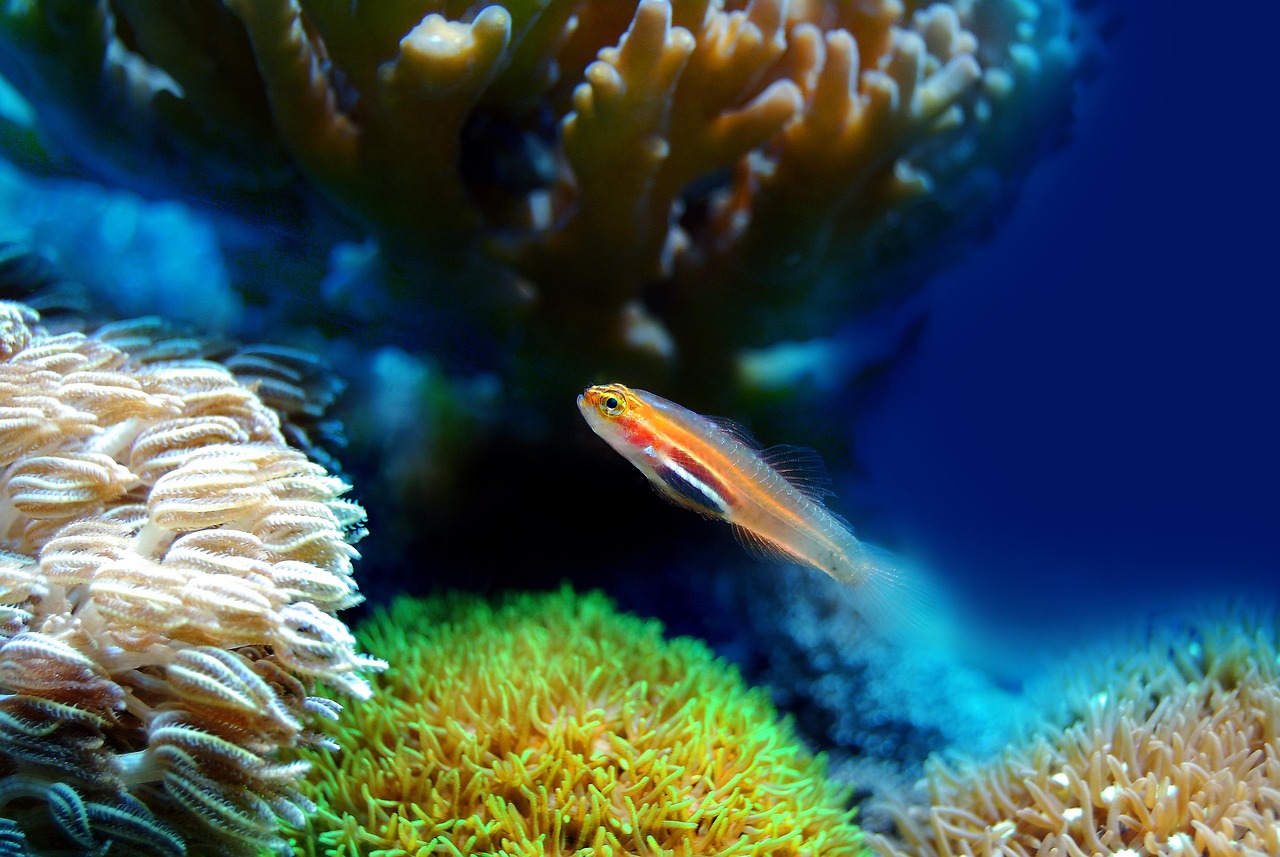
Soft LPS Corals (Hammer, Torch, Frogspawn)
These are the most common alternatives. They have long, flowing tentacles that clownfish love. The stinging cells are mild enough that most clowns donât react. A large hammer coral can become the centerpiece of your tank while serving as a host.
Best for: Ocellaris, percula, and tomato clowns.
Artificial Hosts (Ceramic or Resin Anemones)
Several companies make realistic-looking artificial anemones. They require no lighting, no feeding, and no risk of dying. The downside is they can collect algae and detritus, so youâll need to scrub them during maintenance.
Brands like AquaCave and Current USA offer decent options. These are a solid choice if youâre not interested in coral care but want the visual effect. You can browse artificial anemone aquarium decorations to compare different styles.
No Host at All
This is the simplest route. Many clownfish will adopt a specific rock or corner of the tank and never look back. If youâre new to saltwater, this is the safest option. It removes one more variable from your water chemistry equation.
The Real Tank Requirements for Thriving Clownfish
If youâre trying to decide between buying an anemone or improving your tank, focus here. These are the actual factors that determine whether your clownfish thrives:
- Stable water parameters â Salinity 1.024-1.026, temperature 74-78°F, pH 8.1-8.4. Test weekly.
- Mature tank (minimum 20 gallons for a pair) â Clownfish are active and need swimming room.
- High-quality protein diet â Frozen mysis, brine shrimp with Spirulina, and a quality pellet like Hikari Marine-S.
- Low-flow areas â Theyâre not strong swimmers. Place powerheads to create calm zones.
- Plenty of hiding spots â Live rock, PVC structures, or coral skeletons all work.
Compare this to what an anemone needs: high-output LED lighting, pristine water (near-zero nitrates), and a tank thatâs at least six months mature. If you canât provide that for the anemone, donât buy one. A reef tank LED light fixture can help keep coral hosts healthy if you go that route.
Common Mistakes People Make When Trying to Add an Anemone
Adding an anemone is risky if youâre not prepared. Here are the top mistakes I see in forums and at local fish stores:
- Adding too early â A tank needs 6-12 months to stabilize. New tanks have parameter swings that kill anemones.
- Choosing the wrong species â Carpet anemones (Stichodactyla) are aggressive and can sting corals. Bubble-tip anemones are far more forgiving.
- Ignoring flow needs â Some anemones need moderate flow. Others get torn apart by powerheads.
- Buying unhealthy specimens â Look for a sticky foot, firm base, and closed tentacles during the day. Avoid bleached or gaping-mouthed specimens.
- Assuming the anemone will host the clownfish â Sometimes the fish ignores it, and the anemone becomes a liability.
An anemone that dies in a tank can quickly spike ammonia and crash the system. Iâve seen this happen more than once. Itâs not worth rushing.
When an Anemone Actually Makes Sense: Best for Advanced Hobbyists
Letâs be fair: an anemone does improve the natural aesthetic. Watching a clownfish dance through a bubble-tip anemone is one of the best visuals in marine aquaria. Itâs just not necessary.
Anemones become appropriate when your tank meets these conditions:
- At least 6-12 months established
- Stable parameters with zero ammonia and nitrate under 10 ppm
- Strong LED or T5 lighting
- Youâre willing to feed the anemone weekly (mysis, brine, or chopped shrimp)
The best species for beginners is the bubble-tip anemone (Entacmaea quadricolor). Itâs hardy, doesnât move excessively, and hosts most clownfish species. Itâs still not easy, but itâs the most forgiving option.

Product Spotlight: What You Should Buy Instead of an Anemone
If you decide to skip the anemone, invest that money in gear that actually improves your clownfishâs quality of life. These are products Iâve used and recommend:
Protein Skimmer â Reef Octopus Classic 110
A skimmer is the heart of any tank. It removes organic waste before it breaks down into harmful compounds. The Reef Octopus Classic is reliable, easy to dial in, and built to last. For a tank under 75 gallons, itâs the best value.
Why it matters: Cleaner water means healthier fish and less maintenance.
Low-Flow Wavemaker â Hygger Mini Wavemaker
Clownfish donât need high flow. Hyggerâs mini wavemaker lets you adjust speed and direction, creating gentle laminar flow. Itâs quiet, affordable, and wonât stress your fish.
Why it matters: Proper flow keeps detritus suspended while giving your fish calm zones.
LED Light for Soft Corals â Nicrew HyperReef 50
If youâre hosting coral alternatives like hammer or torch, you need decent light. The Nicrew HyperReef has adjustable spectrum, runs cool, and wonât break the bank. It supports LPS corals well.
Why it matters: Healthy corals mean a stable host for your clowns.
Automatic Fish Feeder â Eheim Everyday Feeder
Programming a feeder ensures your clowns get regular meals even when youâre out. The Eheim unit is simple, reliable, and allows portion control.
Why it matters: Consistency reduces stress and keeps growth steady.
Real-World Example: A Tank Without an Anemone, Thriving for 5 Years
Hereâs a tank I set up and maintained for a client in 2020. Itâs a 40-gallon breeder with a 20-gallon sump. The tank houses a pair of ocellaris clowns, a small cleaner shrimp, and a few LPS corals: a large gold torch, two branching hammer corals, and some Zoanthids.
No anemone was ever added. The clowns immediately adopted the torch coral as their host. They rub against it, sleep in its tentacles at night, and defend it from the cleaner shrimp. Water changes happen every two weeks. Parameters: salinity 1.025, temperature 76°F, nitrate stays under 5 ppm.
The clowns have spawned five times in two years. They eat frozen mysis daily and occasional nori sheets. Behavior is normal. No stress swimming, no excessive hiding.
This is proof that long-term success without an anemone is not just possibleâitâs routine for experienced aquarists.
Frequently Asked Questions About Clownfish and Anemones
Do clownfish need anemones to survive?
No. Clownfish can live their entire lifespan without an anemone, provided water quality, diet, and space are adequate.
What is the best host coral for clownfish?
Euphyllia corals (hammer, torch, frogspawn) are the safest and most attractive alternatives. Theyâre hardy, have long tentacles, and most clowns adapt quickly.
Can clownfish sting you through a host anemone?
Unlikely. The clownfishâs mucous coating prevents direct contact. The anemoneâs sting is also mild in captive species. Youâd have to press the fish against your skin to feel anything.
What happens if I add an anemone to a young tank?
It will likely die within weeks. Immature tanks have parameter swings that stress anemones. A dead anemone can spike ammonia and kill your fish.
Should I buy an artificial anemone?
Itâs a decent choice if you want the visual effect without the risk. Just keep it clean. Some artificial anemones also look cheap, so check product photos before buying.
Final Verdict: Do Clownfish Need an Anemone?
No. The idea that clownfish need an anemone to thrive is a myth that only persists because of nature documentaries and pet store sales tactics. In a well-maintained tank with good water quality, a balanced diet, and safe hiding spots, your clownfish will be just fine without one.
If youâre determined to add a host, choose LPS corals like hammer or torch. If youâre experienced and your tank is mature, a bubble-tip anemone can work. But for most hobbyists, the smarter investment is in stable water and quality equipment.
If youâre ready to set up a tank, focus on the basics first. The anemone can wait.