Introduction
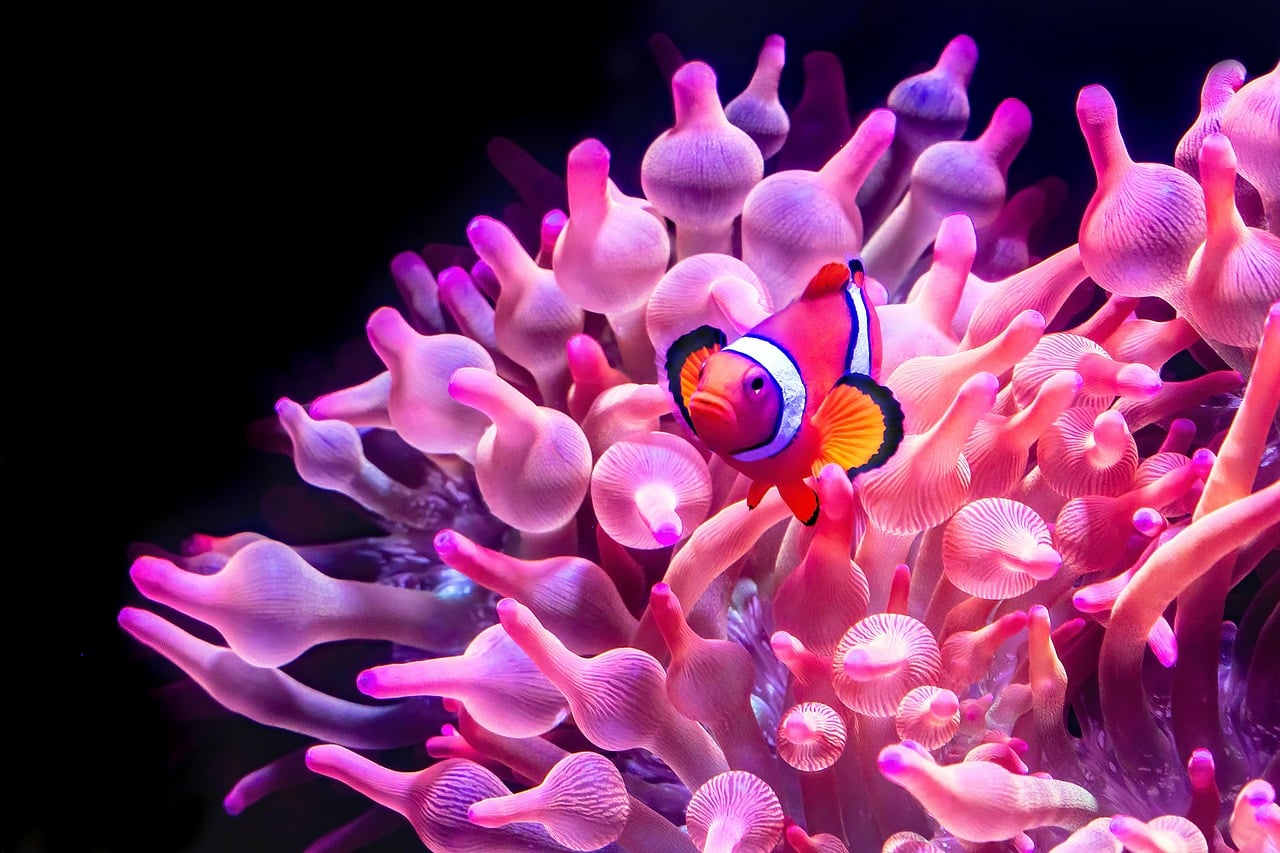
If you have a saltwater tank or are thinking about adding a clownfish, the first thing you probably want to know is what to feed them. Simple question, but the answer matters more than most people realize. Iâve been keeping and breeding clownfish for years, and feeding is where most people stumble. Get it right, and your fish stay healthy, colorful, and active. Get it wrong, and youâll fight water quality issues, bloating, or picky eaters that refuse to eat. This clownfish feeding guide covers exactly what to feed, how often, and the common mistakes to avoid. It’s based on real experience, not theory, so you can skip the trial and error.

What Do Clownfish Eat in the Wild?
In the ocean, clownfish are opportunistic feeders. They mostly eat small crustaceans like copepods and amphipods, along with zooplankton, tiny shrimp larvae, and bits of algae. They don’t eat fish flakes or pellets in the wild. That’s important to understand because their digestive systems are designed for high-protein, low-carb meals. If you feed them a diet heavy in cheap fillers or too much flake food, you’ll see problems over time. Knowing what they naturally eat helps you choose the right prepared foods and supplements. It also explains why variety matters. A clownfish that eats only one type of food is missing key nutrients.
The Best Prepared Foods for Clownfish
When it comes to prepared foods, you have three main options: pellets, flakes, and frozen. Each has strengths and weaknesses, and the best choice depends on your setup and your fish.
Pellets are my go-to for daily feeding. They sink more slowly than flakes, which gives fish more time to eat before food hits the substrate. Pellets also tend to have better nutritional profiles because they’re compressed and retain more vitamins. I’ve had good results with New Life Spectrum pellets. They’re small enough for clownfish to swallow easily and don’t cloud the water. Hikari Marine-S pellets are another solid choice. They’re formulated specifically for marine fish and contain spirulina for coloration. The downside? Some pellets can be too hard for small juveniles. If that’s an issue, soak them for a few minutes before feeding.
Flakes are convenient and most fish will eat them without hesitation. But they come with trade-offs. Flakes tend to float on the surface longer, which means more nutrients leach into the water. They can also cause bloating if overfed, especially in clownfish that gulp air at the surface. If you use flakes, choose a high-quality brand like Ocean Nutrition Formula One or Nutramar Ova. These don’t use cheap fillers. I recommend flakes as a supplement, not a staple.
Frozen foods are where you get the most nutrition. Mysis shrimp, brine shrimp, and cyclops are all excellent choices. San Francisco Bay Brand frozen mysis is a staple in my tank. It’s high in protein and fatty acids. Frozen foods are closer to what clownfish eat in the wild, so they’re easier to digest. The only downside is storage and prep. You need freezer space, and you need to thaw the food before feeding. I’ll cover that in a section below. For those looking to stock up on quality options, it’s worth exploring a range of mysis shrimp products for a dependable protein source.
Live and Frozen Foods: A Nutritional Boost
Prepared foods can sustain your clownfish just fine, but live and frozen options give them a nutritional edge. If you want brighter colors, better growth, or conditioning for breeding, these are worth adding to your rotation.
Brine shrimp are the most common live food. They’re easy to hatch at home with a simple brine shrimp hatchery. Adult brine shrimp have decent nutrition, but baby brine shrimp (nauplii) are excellent for fry and small juveniles. The catch is that brine shrimp aren’t very nutritious unless enriched. I always enrich mine with Selcon or spirulina powder for 12 hours before feeding.
Mysis shrimp are better than brine shrimp across the board. They’re higher in protein and contain more natural fatty acids. Frozen mysis is the most practical choice for most keepers. Just thaw a cube in a cup of tank water, strain it through a fine mesh, and pour it in. Don’t dump the cube water into your tankâit’s liquid waste.
Bloodworms can be fed as an occasional treat, but they aren’t a staple. They’re high in protein but low in other nutrients. Some clownfish love them, others ignore them.
Chopped seafood like shrimp, clams, and squid can be used for larger fish or to mix your own frozen blend. I do this occasionally when I want to condition a breeding pair. Just make sure everything is finely chopped and free of preservatives.

How Often Should You Feed Your Clownfish?
Feeding frequency depends on age and activity level. Here’s a simple breakdown I use:
- Juveniles (under 6 months old): 2 to 3 times per day. They’re growing fast and need more frequent small meals. Feed only what they can eat in 2 minutes.
- Adults (6 months and older): Once daily is usually enough. Some keepers feed twice, but once a day works well if you use high-quality food. Overfeeding adults leads to obesity and dirty water.
- Breeding pairs: 2 to 3 times per day with a focus on high-protein foods like mysis and enriched brine shrimp.
- New or stressed fish: Start with once a day. Let them settle in before increasing frequency.
Overfeeding is the most common mistake I see. A clownfish’s stomach is about the size of its eye. You don’t need to feed a lot. If food hits the bottom and doesn’t get eaten in 30 seconds, you’re feeding too much. Leftover food rots and spikes ammonia.
A good rule is to feed only what your fish can consume in 60 seconds. For most adult clownfish, that’s about 4 to 6 small pellets or a pinch of flakes. Adjust from there.
Feeding Techniques: Pellets vs. Flakes vs. Frozen
How you feed each type of food matters just as much as what you feed. Let’s go through each one.
Pellets: Most pellets sink. That’s good because it encourages natural feeding behavior. But if you drop them in all at once, they’ll hit the bottom fast and some will get trapped in the rocks. I recommend dropping pellets one at a time near the fish. If your fish are shy, use a feeding ring to keep pellets visible. For small pellets, you can use a turkey baster to target-feed. Soak pellets in tank water with a drop of garlic extract for 5 minutes before feeding. This softens them and makes them more appealing.
Flakes: Flakes float, which can cause clownfish to gulp air. To avoid this, pinch the flakes between your fingers under the water surface before releasing. This pre-moistens them and makes them sink faster. Alternatively, soak flakes in a small cup of tank water before feeding. Flakes break down quickly, so don’t dump a large pinch in at once.
Frozen: Never drop frozen cubes directly into your tank. The excess liquid is just waste. Instead, thaw a cube in a small cup of tank water. Stir it to break up any chunks. Pour the mixture through a fine mesh strainer or brine shrimp net. Rinse with clean tank water. Then feed what remains. This removes the liquid waste and leftover thawing water. Your fish get the nutrition without the pollution.
Whichever method you use, observe your fish for a few minutes after feeding. If they stop eating or start ignoring food, stop feeding. That’s a clear sign they’ve had enough.
Common Feeding Mistakes to Avoid
Here are the mistakes I see most often, along with how to fix them.
1. Overfeeding. This is number one for a reason. Extra food rots, creates nitrates, and can stress your fish. Stick to the 60-second rule.
2. Feeding only flake food. Flakes are convenient but lack the nutritional density of pellets and frozen foods. They also contain more fillers. A flake-only diet will eventually lead to health issues.
3. Not varying the diet. Clownfish need variety to get a full range of nutrients. Rotate between pellets, frozen mysis, and occasional treats like brine shrimp. Monotonous diets cause deficiencies.
4. Feeding too fast. Dumping all the food in at once wastes nutrients and causes water quality problems. Feed slowly so the fish have time to eat everything.
5. Ignoring water quality. Overfeeding directly affects your tank’s water parameters. If you see rising nitrates or algae blooms, check your feeding habits first.
These mistakes are easy to fix once you know they exist. I’ve made all of them at some point. The key is to be consistent and observant.
How to Get Picky Clownfish to Eat
New clownfish, especially wild-caught ones, can be stubborn eaters. They might ignore pellets or flakes for days. Don’t panic. Here’s how to get them eating.
Start with live brine shrimp. The movement triggers a feeding response. Almost every clownfish will eat live brine shrimp. Once they’re eating reliably, mix in some frozen mysis. Gradually reduce the live food and increase the frozen. After a week or two, try adding soaked pellets or flakes to the frozen mix.
Garlic-infused foods work well for picky fish. Garlic contains compounds that stimulate appetite. You can buy garlic-soaked foods or add garlic extract to your food. I use Selcon garlic but any marine-grade garlic product works. If you’re dealing with a picky eater, trying garlic fish food supplements can make a big difference in getting them to eat.
Target feeding helps too. Use a turkey baster or pipette to place food directly in front of the fish. This reduces competition and makes the food impossible to ignore. For super shy fish, dim the lights for the first few days. Low light makes them feel safer and encourages feeding.
Be patient. Some fish take a week to start eating prepared foods. As long as they’re not showing signs of illness, keep offering food twice a day. Remove uneaten food after 10 minutes. Eventually, they’ll eat.
Supplements and Vitamins: Do Clownfish Need Them?
This is one I get asked a lot. The short answer is: it depends on your food.
If you feed high-quality pellets or frozen foods, your clownfish are likely getting enough vitamins and fatty acids. But if you rely on cheaper flakes or only feed brine shrimp, supplements become important. I use Selcon to enrich frozen foods before feeding. It’s a liquid supplement packed with vitamins, amino acids, and omega-3s. I soak frozen mysis in Selcon for 10 minutes before feeding. It’s not strictly necessary, but it makes a difference in color and energy levels.
Garlic supplements are useful for stimulating appetite in new fish, but they’re not a daily necessity. Overusing garlic can actually cause digestive issues. I use it only when needed.
Spirulina is a good addition for overall health. Many high-quality foods already contain spirulina, so check the label before buying a separate supplement. If your fish’s diet is varied and high-quality, you can skip supplements entirely.
Feeding Clownfish During Breeding and Grow-Out
If you’re breeding clownfish, feeding is the most time-consuming part of the process. It’s also where most failures happen.
Breeding pairs need high-protein foods 2 to 3 times daily. I feed my pairs frozen mysis and enriched brine shrimp. During egg-laying cycles, I also add live brine shrimp to boost their energy. The eggs themselves don’t need feeding, but the parents need good nutrition to produce healthy clutches.
Once the eggs hatch, you move into the larval stage. This is where things get specialized. Clownfish fry need rotifers for the first 7 to 10 days. Rotifers are microscopic zooplankton that are small enough for fry to eat. You can buy rotifer cultures or start your own. After 10 days, introduce baby brine shrimp (nauplii). Feed the fry several times per dayâsmall amounts each time. Water quality is critical, so siphoning uneaten food is essential.
As the fry grow, transition them to finely crushed pellets or powdered foods. I use Hikari First Bites or homemade crushed pellets. By week 4, they’ll be ready for small mysis shrimp. The whole process requires patience and consistency, but it’s rewarding.

Feeding Equipment: What You Actually Need
Good feeding doesn’t require expensive gear, but a few tools make the job easier.
- Quality foods: New Life Spectrum pellets, Hikari Marine-S, San Francisco Bay frozen mysis. That’s a solid core rotation.
- Feeding ring: A simple acrylic ring that floats on the surface. It keeps food in one spot so you can target-feed and reduce waste. Inexpensive and effective.
- Turkey baster or pipette: Essential for target-feeding frozen foods or delivering food to shy fish. Buy a dedicated one for aquarium use only.
- Brine shrimp net or fine mesh strainer: For rinsing frozen foods. A small brine shrimp net is cheap and lasts years.
- Small containers: Use dedicated cups for thawing frozen food. I keep a couple of small glass dishes just for this purpose.
- Fridge/freezer storage: A freezer-safe container keeps frozen foods organized and prevents freezer burn. Separate varieties by type.
None of this is expensive. The total cost is under $30 for the gear, and the food lasts for months. If you’re gathering supplies, a feeding ring is a small investment that helps keep your feeding zone clean and controlled.
Final Feeding Schedule Cheat Sheet
Here’s a simple schedule you can use as a reference.
- Juveniles (under 6 months): Feed 2-3 times daily. Use crushed pellets or frozen mysis. Add enriched brine shrimp twice a week.
- Adult pair (non-breeding): Feed once daily. Rotate between pellets and frozen mysis. Supplement with brine shrimp or bloodworms once a week.
- Breeding pair: Feed 2-3 times daily. Focus on frozen mysis and enriched brine shrimp during egg cycles. Offer live brine shrimp when conditioning.
- New tank/fish: Feed once daily with live brine shrimp or garlic-soaked frozen mysis. Increase frequency after 2 weeks.
- Fry (first 2 weeks): Feed rotifers 4-5 times daily. After 10 days, add baby brine shrimp 3 times daily.
Write this down and stick to it. Consistency is more important than perfection.
Frequently Asked Questions About Clownfish Feeding
Can I feed only pellets?
Technically yes, but your fish will thrive longer on a varied diet. Pellets are a good staple, but adding frozen mysis and occasional live foods provides nutrients that pellets lack.
How long can clownfish go without food?
Healthy adult clownfish can go 3 to 5 days without food. I wouldn’t push it past 4 days unless it’s an emergency. Juveniles should not go more than 2 days. If you’re traveling, use an automatic feeder with small pellets.
Should I feed at night?
No. Clownfish are diurnal and sleep at night. Feeding after lights out wastes food and pollutes the water. Feed during the day when the lights are on and fish are active.
Is it okay to feed my clownfish from the tank?
It’s fine, just make sure the food is appropriate. Some people feed their clownfish bits of shrimp or fish from their own meals. Avoid anything seasoned, oily, or cooked with spices. Plain, raw, and unseasoned seafood is acceptable in tiny amounts, but not as a staple.
What if my clownfish stops eating suddenly?
Check water parameters first. Poor water quality is the most common cause of appetite loss. If water is fine, look for signs of disease like white spots or erratic swimming. If everything checks out, try offering live brine shrimp. Sometimes fish just need a change of pace.
Final Thoughts
Feeding your clownfish doesn’t have to be complicated. Stick to high-quality foods, vary the menu, and avoid overfeeding. That’s the core of it. Do those three things, and your fish will stay healthy and colorful for years.