What Makes an Indicator Species?
Before getting into why clownfish matter, it helps to understand what an indicator species actually is. In simple terms, these are organisms that tell you something about the environment they live in. If they are present and thriving, the ecosystem is probably in good shape. If they are stressed, scarce, or absent, something is wrong.
Think of them as a check-engine light for a reef. You don’t need to run complex water tests or count every species on the reef. You just look for a reliable signal. Clownfish are one of those signals. They are not the only one, but they are one of the most visible and practical for divers and snorkelers to use.
The logic is straightforward. Clownfish are not generalists. They have specific requirements for survival. They need a healthy host anemone. They need clean water within a certain temperature range. They need enough food. When you see a group of active clownfish going about their business, it means the reef is meeting those needs. That doesn’t mean the entire reef is pristine, but it strongly suggests the local conditions are favorable.
This is why marine biologists and experienced dive guides have used the presence of clownfish as a quick visual cue for years. It is a shortcut that usually works. For someone planning a snorkeling or diving trip, it is a tool you can use to judge a site before you even get in the water.

Why Clownfish Are a Reliable Indicator for Reef Health
So why are clownfish more reliable than, say, a random damselfish or a passing turtle? The answer comes down to their biology and ecological niche.
First, clownfish have an obligate relationship with anemones. They don’t just prefer anemones; they need them for shelter and protection. An anemone itself is a sensitive organism. It requires specific light levels, water flow, and nutrient conditions to survive. If the anemone is stressed or bleached, the clownfish have nowhere to go. When you see a healthy clownfish in a healthy anemone, you are actually getting two pieces of information at once: both the fish and its host are doing well.
Second, clownfish have relatively narrow temperature tolerances. They thrive in tropical waters between 74°F and 82°F (23°C to 28°C). When water temperatures rise above that range due to bleaching events or local runoff, clownfish show signs of stress quickly. Their activity levels drop, and they may abandon their anemone. This makes them an early warning system for temperature-related stress.
Third, clownfish are site-attached. They do not roam large distances like tuna or sharks. They stay within a few meters of their host anemone for their entire adult life. This means their condition directly reflects the local conditions of that specific patch of reef. If the water quality deteriorates just there, the clownfish will show it. A wide-ranging fish might just swim away from a problem. A clownfish cannot.
Finally, clownfish are sensitive to sedimentation and pollution. They need clear water for hunting zooplankton and for the anemone to photosynthesize. Murky water from runoff or algae blooms will stress them out. That gives you another clear visual clue during a dive.
All of this adds up to a practical, real-world yardstick. When you see a healthy pair of clownfish defending their anemone, you can be fairly confident that local conditions are good. It is not foolproof, but it is a strong positive signal.
Clownfish Behavior: What Healthy vs. Unhealthy Signs Look Like
Knowing what to look for makes all the difference. Here is what healthy clownfish behavior looks like versus signs of trouble.
Healthy clownfish:
- Active and constantly moving. They swim in short bursts, darting in and out of the anemone tentacles.
- Intensely territorial. They will aggressively defend their anemone from other fish, including divers if you get too close. That is normal.
- Bright coloration. The orange, white, and black bands should be vivid. The edges of the white bands should be clean, not fuzzy.
- Staying close to or inside the anemone. They use the tentacles as protection. If they are more than a meter away from the anemone for more than a few seconds, something might be off.
- Feeding actively. They chase small zooplankton in the water column near the anemone.
Unhealthy or stressed clownfish:
- Lethargic. They swim slowly or just hover in one spot without much movement.
- Pale or faded coloration. The orange may look washed out, and the white bands may appear gray or yellowed.
- Separated from the anemone. If the fish is hovering several feet away from the anemone and not returning, the anemone might be stressed or the fish might be sick.
- Sores, torn fins, or visible parasites. This is a bad sign for the individual fish and often indicates poor water quality or disease in the area.
- No territorial response. If you can approach the anemone closely and the clownfish does not react, that is unusual and usually means the fish is stressed.
These observations take only a few minutes. During a snorkel or dive, take a moment to watch a clownfish pair for 30 to 60 seconds. Their behavior will tell you a lot about the reef around them.
Top Destinations Where Clownfish Indicate Healthy Reefs
If you want to see clownfish in an environment that supports them well, some destinations are better bets than others. These locations consistently show healthy populations, which is a good sign for the broader reef ecosystem.
1. Raja Ampat, Indonesia
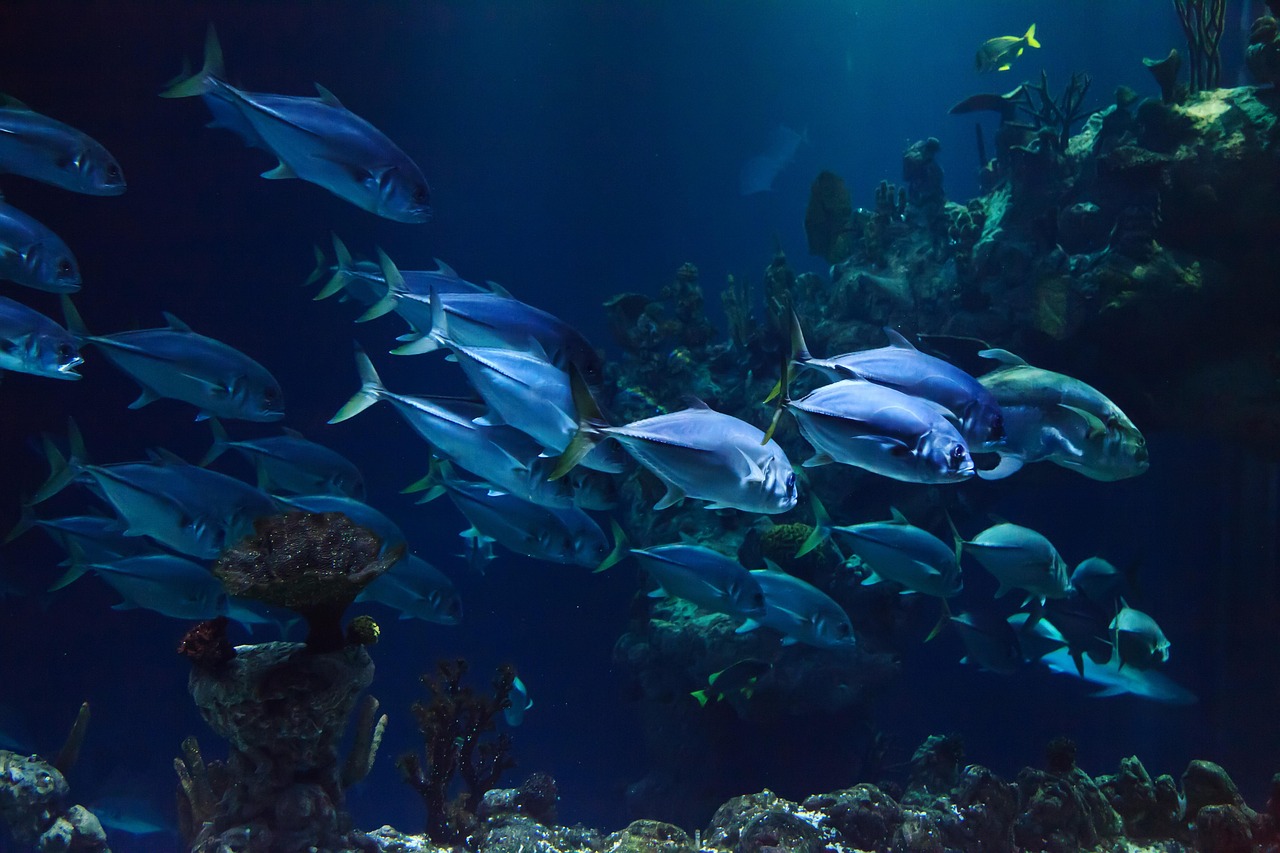
Raja Ampat regularly tops lists for marine biodiversity. The clownfish populations here are robust, and you will find several species including the common clownfish (Amphiprion ocellaris) and the orange skunk clownfish. The water temperatures are stable, and the coral cover is exceptional. Best time to visit: October to April.
2. The Great Barrier Reef, Australia
Despite bleaching events in some sections, the northern and outer reefs still support strong clownfish populations. The Ribbon Reefs off Cairns are particularly good. You will see the orange clownfish (the real Nemo species) in large anemones. Best time to visit: June to October for dry weather and clear water.
3. The Solomon Islands
This is an underrated destination. The reefs here have never experienced major bleaching, and the clownfish populations are dense. You will find the eastern clownfish (Amphiprion chrysopterus) in abundance. The visibility is excellent. Best time to visit: April to November.
4. The Maldives
The atoll structure of the Maldives creates protected lagoons where anemones thrive. You will see clownfish around almost every house reef. The species here is usually the Maldives clownfish or the orange skunk. Best time to visit: November to April for dry weather.
5. Fiji
Fiji’s soft coral reefs are a strong indicator of overall health. The clownfish populations here are stable, particularly around the Rainbow Reef and the Great Astrolabe Reef. You will see the percula clownfish and the pink skunk clownfish. Best time to visit: May to October.
When you book a trip to any of these destinations, you are not just picking a pretty location. You are choosing a place where the ecosystem is resilient. For travelers who want to document their observations, a compact underwater camera is worth considering to record what you see.

How to Spot a Healthy Anemone: The Clownfish Home
Since clownfish depend on anemones, the health of the anemone is just as important as the fish itself. You can learn to read an anemone in a few seconds.
Signs of a healthy anemone:
- Full, extended tentacles. They should stand up and wave in the current, not lie flat or droop.
- Vibrant color. Depending on the species, this could be pink, green, purple, or brown. The color should be rich, not pale or transparent.
- Responsiveness. Healthy anemones are sensitive. If you approach closely (but do not touch), the tentacles will retract slightly. If you shine a flashlight on them, they will react. That is normal.
- The base or column should be well attached to the reef. A loose anemone is a stressed one.
Signs of a stressed or bleached anemone:
- Pale or white tentacles. This is bleaching. The anemone has expelled its symbiotic algae, which means it is literally starving.
- Shrunken or deflated appearance. The tentacles are short and stubby, not long and flowing.
- No response to touch or light. This can mean the anemone is near death.
- Mucus covering. A stressed anemone will produce excessive slime.
If you see a bleached anemone, there will rarely be a healthy clownfish living in it. The fish will either be gone or the one lingering fish will look stressed. This is a real-world field test you can use on any reef.
Common Mistakes Tourists Make When Identifying Reef Health
Even with good information, it is easy to misinterpret what you see. Here are the mistakes I notice most often from divers and snorkelers who are trying to read the reef.
Mistake 1: Assuming one clownfish means a healthy reef.
One lone clownfish is not a reliable indicator. These fish live in breeding pairs, and a healthy territory will typically have a dominant female and a smaller male. If you see a single fish, it might have lost its partner or be displaced from a degraded area. Look for pairs or groups. A single fish is a neutral sign at best.
Mistake 2: Ignoring the water conditions.
You can have clownfish in an area with poor visibility or warm water, but that doesn’t mean the reef is healthy. High sediment loads or high temperatures stress the entire system. If the visibility is less than 5 meters and the water feels bathwater warm, a few clownfish are not enough to signal health. Consider the full picture.
Mistake 3: Focusing only on clownfish.
Clownfish are a good starting point, but they are not the only indicator. A reef with clownfish but no parrotfish, butterflyfish, or healthy coral cover is a reef in decline. Clownfish can persist through moderate stress that other species cannot. So use them as a positive sign, but also look at the wider reef. Anemones and clownfish can survive in areas with less coral cover than you’d expect.
Mistake 4: Disturbing the environment.
Some tourists poke anemones to make the clownfish come out or get too close for photos. That stresses both the fish and the anemone. A stressed clownfish does not behave naturally, so you won’t get an accurate read on its health. Plus, you are damaging the very thing you are trying to observe. Keep a respectful distance, at least one meter.
Avoiding these mistakes will make you a more reliable observer. It also shows respect for the reef and the animals living there.
Clownfish vs. Other Indicator Species: A Practical Comparison
If you want a complete picture of reef health, don’t rely on clownfish alone. Here is how they compare to other common indicator species.
Clownfish
Pros: Easy to spot, charismatic, site-attached, clearly linked to anemone health.
Cons: Only present where anemones grow, which is a subset of the reef. They can tolerate moderate degradation that other species cannot.
Parrotfish
Pros: Abundant on healthy reefs. Their grazing controls algae. The presence of multiple species suggests good management.
Cons: Roaming behavior means they might just be passing through. Absence can also just mean poor timing of your dive.
Butterflyfish
Pros: Highly sensitive to coral health. Many species eat coral polyps directly. If butterflyfish are present and feeding, the coral is alive and well.
Cons: Harder to identify to species level. More difficult to spot for beginners.
Coral itself
Pros: The ultimate measure of reef health. Live coral cover, color, and growth forms tell you everything.
Cons: Hard to assess quickly. Coral bleaching can be subtle. Requires more knowledge to differentiate healthy from stressed coral.
The takeaway is straightforward. If you see clownfish, note it as a positive signal. But for a full check, also look for butterflyfish grazing on coral and healthy, branching coral structures. That combination gives you a much more complete picture.
What to Do If You See Unhealthy Signs: A Quick Checklist
Spotting problems is one thing. Knowing what to do about them is another. If you see bleached anemones, stressed clownfish, or poor water quality, here is what to do.
- Report it. Note the exact location using GPS or landmarks. Tell the dive shop, local marine park authorities, or a conservation organization like Reef Check. They can log the observation and track changes over time.
- Document it. Take a photo or video if you can. A timestamped image is valuable data. Avoid bright editing that makes the reef look healthier than it is.
- Do not touch or feed. Handling stressed animals adds more stress. Feeding them changes natural behavior and can cause dependency.
- Consider your return. If a specific site is visibly degraded, avoid visiting it again on that trip. Let it recover. Operators sometimes take this feedback seriously.
- Support conservation. Local groups working on reef restoration need funding. Consider donating to organizations like the Coral Reef Alliance or your local reef monitoring program.

Essential Gear for Observing Clownfish and Reef Health
Having the right gear makes a difference in what you can observe. You don’t need much, but a few items will help you be a better spotter.
Reef-safe sunscreen or UV protective clothing.
Standard sunscreen contains chemicals that harm coral and anemones. Use a mineral-based sunscreen or better yet, wear a rash guard and wetsuit. This protects you and the reef. Travelers will find a range of reef-safe sunscreen options worth trying. Look for options labeled reef-safe or with non-nano zinc oxide as the active ingredient.
An underwater camera or a good dive mask.
You do not need a pro setup. A GoPro or a compact action camera with a macro mode is enough to capture clownfish behavior. Or just invest in a high-quality dive mask with good clarity so you can see details. A mask with a tempered glass lens and a silicone skirt is the baseline. Beginners may want to start with a reliable dive mask that offers a comfortable fit.
A waterproof field guide.
A small, laminated card or a waterproof book on reef fish helps you identify species. This is especially useful if you want to log what you see. Look for one specific to the Indo-Pacific region if you are traveling there.
Polarized sunglasses.
For spotting anemones from the boat or shore, polarized lenses cut glare and let you see into the water. You can spot anemone carpets and the distinctive shape of a clownfish pair from above.
A dive log or waterproof notebook.
Jot down the location, depth, and what you observed. Over time, you build a personal record of reef health patterns. It is also a useful reference for planning future trips.
These items are practical investments. They help you observe better and also reduce your impact on the reef.
The Bottom Line: Using Clownfish to Choose Your Next Dive Trip
Clownfish are a quick, reliable, and easy-to-spot sign that a reef is in good condition. When you see a healthy pair in a vibrant anemone, you can feel confident that you are in a spot worth exploring. It is not a guarantee of perfection, but it is a strong positive signal that cuts through the complexity of reef ecology.
Use this knowledge when planning your next trip. Prioritize destinations known for strong clownfish populations: Raja Ampat, the Great Barrier Reef, the Solomon Islands, the Maldives, or Fiji. Book your travel during the right season. Pack the right gear. And when you are on the reef, take a few moments to observe the clownfish. Their behavior will tell you most of what you need to know about the health of the water around you.
If you want to see more, consider bringing a waterproof notebook to log your reef health observations. A good underwater camera or a reef-safe sunscreen will make your trip more enjoyable and less impactful. And if you come across a bleached reef, consider donating to a local conservation group. Every bit helps.