Introduction
Picking the right clownfish is one of the first real decisions you make with a nano reef tank. These small systems, usually under 30 gallons, come with their own set of challenges. You’ve got less water volume, which means less room for mistakes. Space is tight, so you need a fish that stays small and doesn’t bully everything else. Get it wrong, and you’re dealing with aggression, stunted fish, or constant water quality issues. This guide covers the best clownfish nano reef tank options for newcomers and experienced hobbyists alike. We’ll look at adult size, temperament, and hardinessâthe things that actually matterâand help you avoid the common pitfalls that turn a fun setup into a headache. Whether you’re working with a 10-gallon cube or upgrading an existing system, knowing which species actually work in smaller volumes is where it all starts.

What Makes a Clownfish Suitable for a Nano Reef Tank?
Not every clownfish is a good fit for a nano system. Three things determine suitability: adult size, temperament, and hardiness. A clownfish that stays under 3â4 inches as an adult is ideal. Bigger species like the Maroon clownfish can reach 6 inches and will quickly outgrow a small tank, stressing both the fish and the system. Temperament matters even more in a nano because there’s not much space for fish to set up territories. A naturally aggressive species can turn a small tank into a constant fight. Hardiness is critical tooânano tanks have less water volume, so temperature, pH, and ammonia swings happen fast. Hardy species tolerate these better, which means less work for you. You also need to think about host anemone or coral compatibility. Some clownfish will host almost anything, while others are picky or may damage soft corals. The tradeoff is that smaller, hardier species might be less flashy or harder to find, but in a nano system, reliability beats flash every time. Knowing these limits will save you money, time, and stress on the fish.
Top 5 Clownfish Species for Nano Tanks: At a Glance
To help you decide quickly, here’s a side-by-side look at five of the best clownfish species for nano reef tanks. They’re ranked by overall suitability for small systems, based on size, temperament, and difficulty.
- Ocellaris Clownfish (Amphiprion ocellaris) â Adult size: 3 inches. Temperament: Peaceful. Difficulty: Beginner. Best tank size: 10+ gallons.
- Percula Clownfish (Amphiprion percula) â Adult size: 3 inches. Temperament: Semi-aggressive. Difficulty: Beginner to intermediate. Best tank size: 15+ gallons.
- Clarkii Clownfish (Amphiprion clarkii) â Adult size: 4 inches. Temperament: Aggressive. Difficulty: Intermediate. Best tank size: 20+ gallons.
- Tomato Clownfish (Amphiprion frenatus) â Adult size: 3.5 inches. Temperament: Moderately aggressive. Difficulty: Beginner to intermediate. Best tank size: 15â20 gallons.
- Pink Skunk Clownfish (Amphiprion perideraion) â Adult size: 3 inches. Temperament: Peaceful. Difficulty: Beginner to intermediate. Best tank size: 10+ gallons.
That’s a quick reference. The rest of this guide goes into each species, covering their pros, cons, and practical tips for keeping them happy in a nano environment.
Species 1: Ocellaris Clownfish (Amphiprion ocellaris)
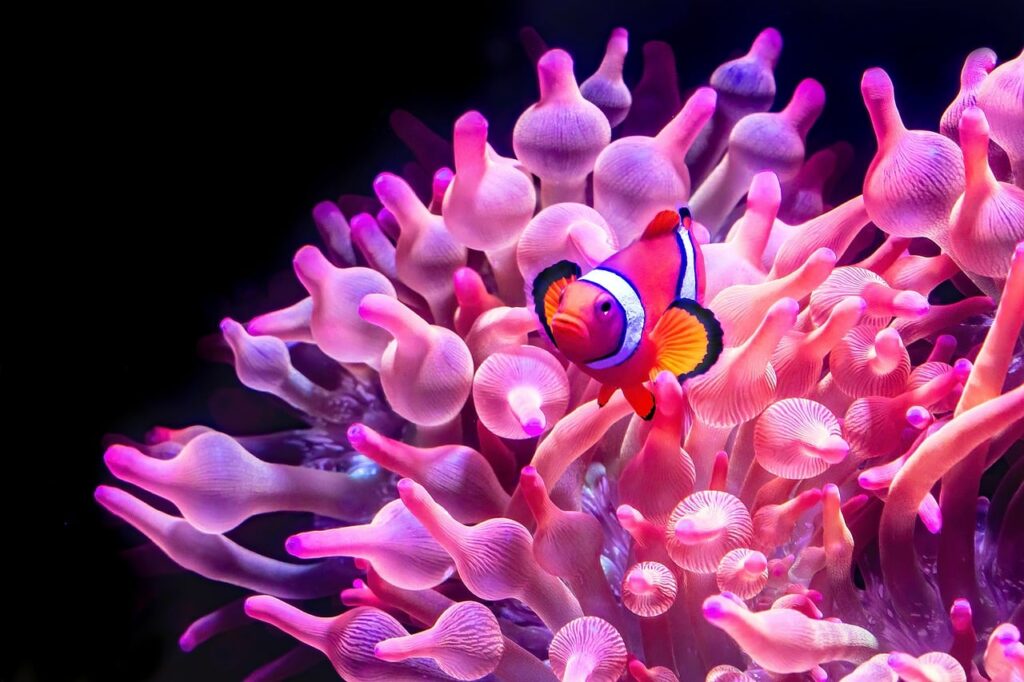
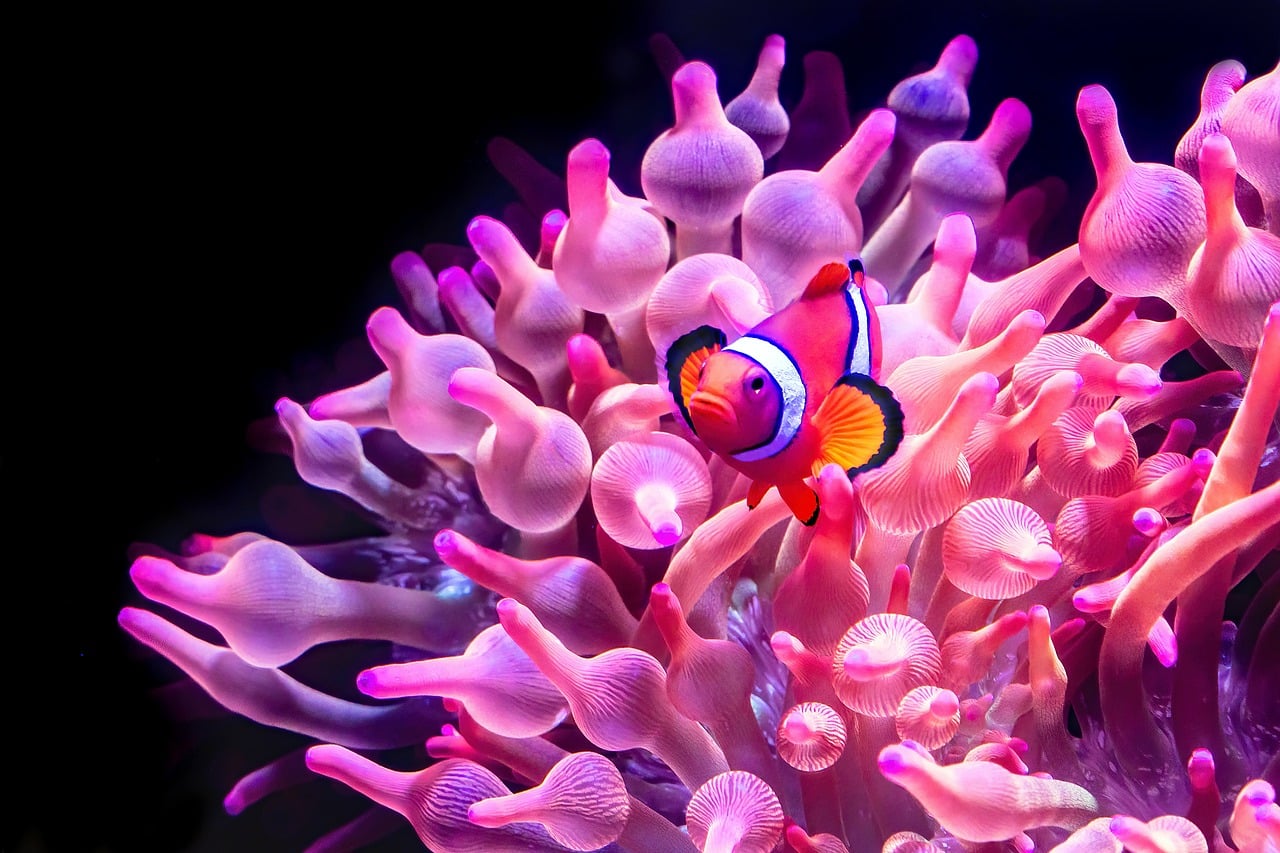
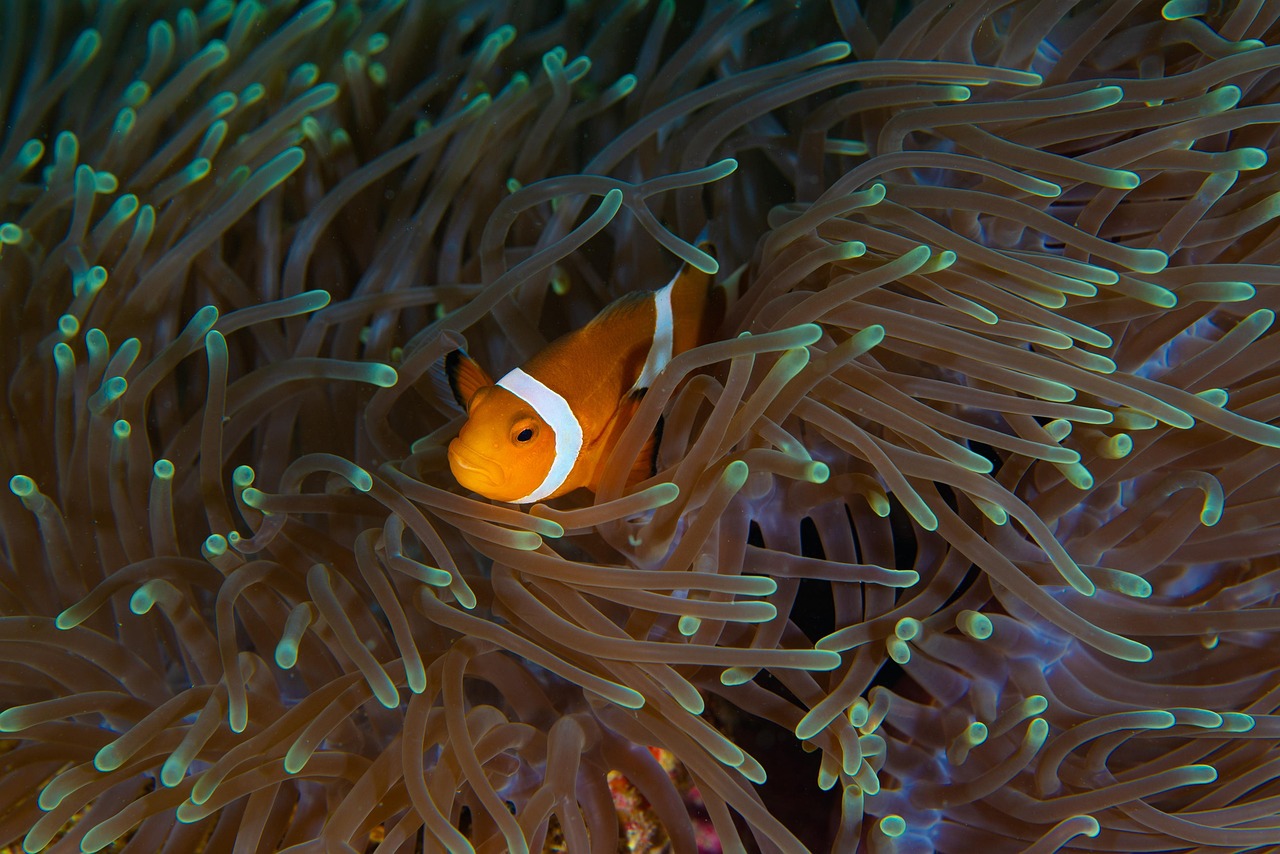
The Ocellaris clownfish, also called the False Percula, is pretty much the gold standard for nano tanks. It checks every box: max size around 3 inches, very hardy, and one of the more peaceful clownfish around. It’s the fish from Finding Nemo, and for good reasonâit’s resilient, easy to find, and adapts well to captivity. For nano tanks, I always suggest going with captive-bred Ocellaris. They’re raised in aquariums, so they’re less likely to carry parasites and they settle in quickly. They’ll tolerate the occasional water parameter swing that a small tank inevitably throws at you. A single Ocellaris in a 10-gallon is just fine. A bonded pair works well in a 15-gallon or larger. The most common mistake beginners make is overfeeding. These fish are enthusiastic eaters, but in a small volume, uneaten food quickly messes up water quality. Feed small amounts twice a day and keep an eye out for leftovers. A simple automatic feeder set on a low setting can help keep things consistent. One thing to note: Ocellaris raised without an anemone may never host one. That’s okay. Many will host a large mushroom coral or even a powerhead. If you want the full hosting behavior, introduce a captive-bred anemone like a Bubble Tip after the tank is well-established.
Species 2: Percula Clownfish (Amphiprion percula)
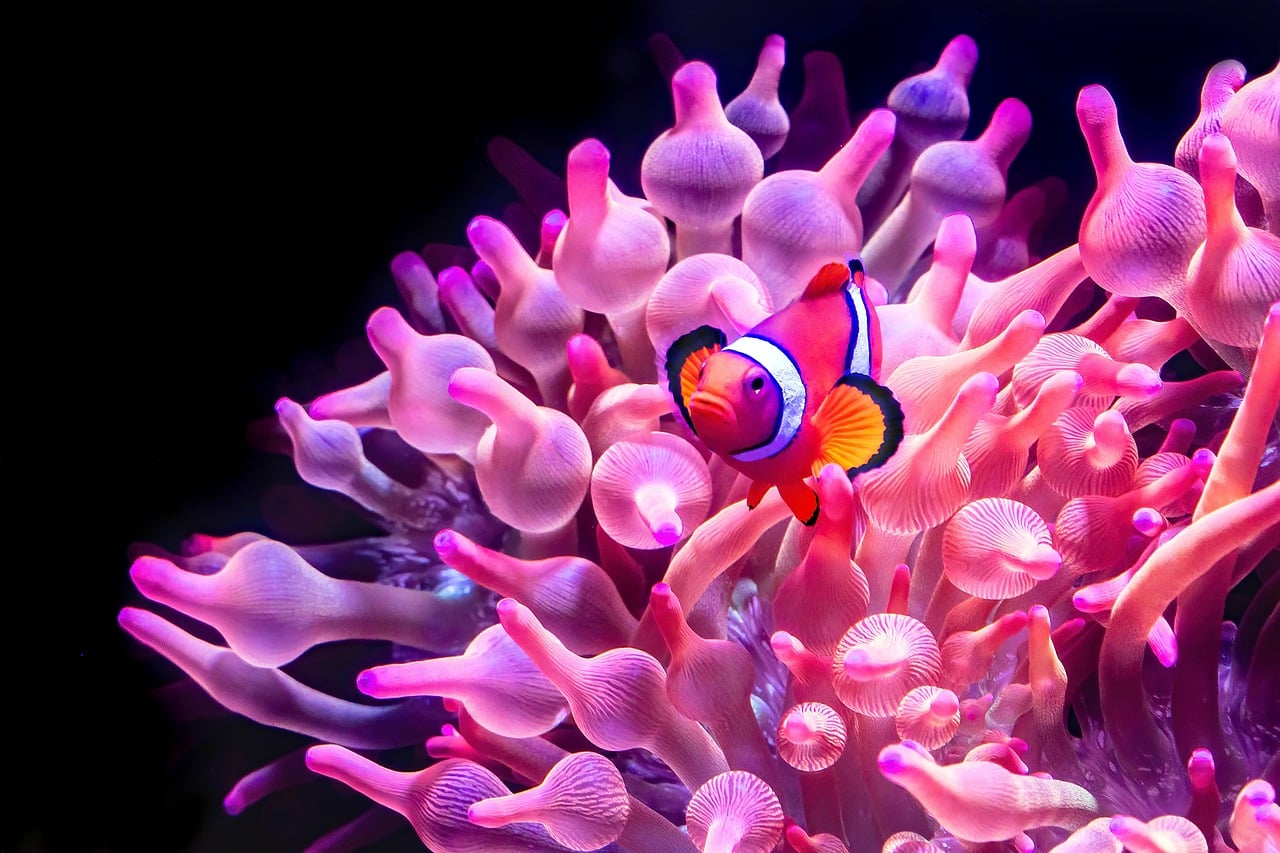
The True Percula clownfish is often confused with the Ocellaris, but there are real differences. Perculas tend to have more vivid orange coloration and thicker black borders between the orange and white stripes. They’re also a bit more aggressive than Ocellaris, especially around a potential host. That extra aggression means they’re better suited to 15-gallon tanks or larger, where they have more room to claim a territory. Perculas are also harder to breed in captivity, so they’re less common as captive-bred specimens. That means you’re more likely to find wild-caught individuals, which carry a higher risk of disease and can be pickier eaters. If you can find a captive-bred Percula, it’s worth the extra cost. A bonded pair in a 20-gallon nano tank looks great, but you need to be ready for them to bully smaller tankmates. Keep them as a pair, not a single, to reduce stress and aggression. Feeding is the same as Ocellaris: high-quality pellets and frozen mysis. The tradeoff is priceâcaptive-bred Perculas cost more than Ocellaris. But the color is really something else.
Species 3: Clarkii Clownfish (Amphiprion clarkii)
Clarkii clownfish are the tough guys of the smaller clownfish world. They hit 4 inches at full size, which pushes the minimum tank recommendation up to 20 gallons. They’re hardyâprobably one of the hardiest clownfishâand less prone to common diseases like Brooklynella. That makes them a decent option if you’re an experienced nano reefer looking for a bit of a challenge. But there’s a catch: Clarkii are territorial. They’ll chase other fish, nip at your hand during maintenance, and generally run the tank. They’re best kept in a species-only nano tank, or with larger, robust tankmates like a Mandarin fish (in a larger nano setup). Don’t try keeping a Clarkii with a peaceful goby in a 15-gallonâit won’t end well. One upside: Clarkii will host almost any anemone, including hardy ones like Long Tentacle or Carpet anemones. That can be a fun display. The common mistake with Clarkii is assuming they’ll be as peaceful as an Ocellaris. They’re not. Plan your tank around their personality, or skip them if you want a peaceful community tank.

Species 4: Tomato Clownfish (Amphiprion frenatus)
Tomato clownfish are one of the most striking options for a nano tank. That bright red-orange body with a single white stripe really stands out. They max out around 3.5 inches, so they fit comfortably in a 15â20 gallon tank. Temperament-wise, they’re moderately aggressiveâmore than an Ocellaris but less than a Clarkii. They’re particularly aggressive toward other clownfish, so keep them as a single or a bonded pair, not with other clown species. They are reef-safe in terms of corals, but they may nip at small shrimp or crabs. If you have a sexy shrimp or a tiny porcelain crab in your nano, a Tomato might make them nervous. They’re available captive-bred, which is ideal. One practical tip: Tomato clowns appreciate a strong current and lots of rockwork to hide in. Their bold coloration really pops under good lighting, so investing in a quality LED light designed for nano tanks will make them look their best. They’re a solid choice if you want a centerpiece fish that doesn’t disappear in a small tank.
Species 5: Pink Skunk Clownfish (Amphiprion perideraion)
The Pink Skunk clownfish is an underrated gem for nano tanks. It stays smallâonly about 3 inchesâand is one of the most peaceful clownfish you can keep. They rarely bother tankmates, which makes them perfect for a community nano tank where you want small gobies, blennies, or shrimp. Their coloration is subtle: a pinkish-orange body with a white stripe running from the nose to the tail, and a second stripe across the head. It’s not as flashy as a Tomato or Percula, but it has a quiet charm. The main drawback is availability. Pink Skunks are less common than Ocellaris or Perculas, and wild-caught specimens are more common than captive-bred. Wild-caught fish can be harder to acclimate and may arrive stressed. Spend the extra money on a high-quality captive-bred specimen if you can find oneâthey adjust faster and are healthier from day one. They also appreciate a mature tank with plenty of live rock and hiding spots. They’re not as likely to host an anemone, but they’ll often host a large mushroom or a patch of macroalgae. A great choice for peaceful tanks.
Clownfish Species to Avoid in a Nano Tank
Not every clownfish works out. A few species consistently cause problems in small tanks. Skip these:
- Maroon Clownfish (Premnas biaculeatus) â Reaches 6 inches, highly aggressive, and needs at least 40â50 gallons. They’ll dominate a nano tank and damage equipment. Not worth the risk.
- Saddleback Clownfish (Amphiprion polymnus) â Grows to 4â5 inches and is more aggressive than most. They also have specific host anemone preferences that are hard to replicate in a small tank.
- Large wild-caught specimens of any species â Even if the species is theoretically small enough, a fully grown wild-caught fish has a harder time adjusting to nano tank conditions. Stick to juvenile captive-bred stock for the best results.
It’s not that these are bad fish. They’re just not built for the limits of a nano system. Pushing a large clownfish into a small tank stresses the fish, degrades water quality faster, and often leads to aggression. Trust the size and temperament guidelines.
Setting Up Your Nano Reef Tank for Clownfish Success
Getting a nano tank right for clownfish starts with the right gear. Here’s what you need:
- Tank â 10 to 20 gallons is the sweet spot. Rimless tanks look nice but aren’t necessary. A standard rectangular tank is easier to maintain and lights fit more easily.
- Filtration â A quality hang-on-back filter or a small canister filter will cover biological and mechanical filtration. If you go with a canister, make sure it’s easy to clean. Over filtration is better than under in a nano.
- Lighting â If you plan to keep soft corals or anemones, invest in a proper LED light designed for nano tanks. A simple light works for fish-only setups.
- Heater â Use a reliable submersible heater with a thermostat. A 50W heater is usually enough for 10â20 gallons. Don’t cut corners hereâtemperature swings kill fish fast. A quality submersible heater for nano tanks provides stable temperature control.
- Live rock and substrate â Use about 1â1.5 pounds of live rock per gallon for biological filtration and hiding spots. A 1â2 inch sand bed provides bacteria habitat and looks natural.
The most common mistake is rushing. Add your clownfish only after the tank has fully cycledâusually 4â8 weeks. Test ammonia, nitrite, and nitrate regularly. Start with one fish and add tankmates slowly. Overstocking a nano tank is the number one cause of problems.
Feeding Your Nano Clownfish: What to Know
Feeding clownfish in a nano tank requires some precision. The biggest issue is overfeeding. In a small water volume, uneaten food rots, spikes ammonia, and stresses fish. I recommend high-quality pellets as a stapleâthey’re nutritionally balanced and easy to portion out. Supplement with frozen mysis or brine shrimp twice a week for variety. A good routine is one small pinch of pellets in the morning and one pinch in the evening. If there’s still food floating after 2 minutes, you’re feeding too much. Soaking their food in a garlic supplement or vitamin solution once a week helps boost immunity and can make picky eaters more interested. If you travel, an automatic feeder can work, but test it first over the tank to make sure it doesn’t dump too much food. The core principle: less is more. Your clownfish will be healthier, your water quality will be stable, and you’ll change water less often.

Common Mistakes with Clownfish in Nano Reefs
Steering clear of these mistakes will save you hours of troubleshooting:
- Choosing an aggressive species â Maroon or Clarkii in a 10-gallon tank will stress everything else. Stick to Ocellaris or Pink Skunk for small tanks.
- Keeping multiple clownfish species together â Different clownfish species will fight, often to the death. Stick to one species per tank.
- Skipping quarantine â Even captive-bred fish can carry parasites. A small 5-gallon quarantine tank for 4 weeks before adding to your display is a small investment that pays off big.
- Adding fish too soon â Patience is key. Cycle the tank completely before adding any fish. Rushing leads to dead fish and frustration.
- Inconsistent water changes â Nano tanks need regular 10-20% weekly water changes. Skipping weeks leads to nitrate buildup and algae blooms.
Mistakes are part of the learning curve, but these are totally avoidable. Plan ahead, and your nano tank will be a joy instead of a problem.
Final Thoughts: Choosing the Best Clownfish for Your Nano Reef
Start with an Ocellaris or a Percula if you’re a beginner. They’re forgiving, easy to find, and well-suited to nano systems. If you have a 20-gallon tank and some experience, a Clarkii can be a fun, hardy challenge. Tomato and Pink Skunk are great for the right tanksâTomato for color, Pink Skunk for peacefulness. Avoid the large aggressive species and always quarantine your fish. Think about your tank size, experience level, and desired tankmates before making a decision. A well-chosen clownfish will be the centerpiece of your nano reef for years. If you found this guide helpful, consider checking out the equipment links I sharedâit helps support the site and doesn’t cost you extra. Have a question about your own setup? Drop a comment or share your experience. Good luck with your tank!