Introduction
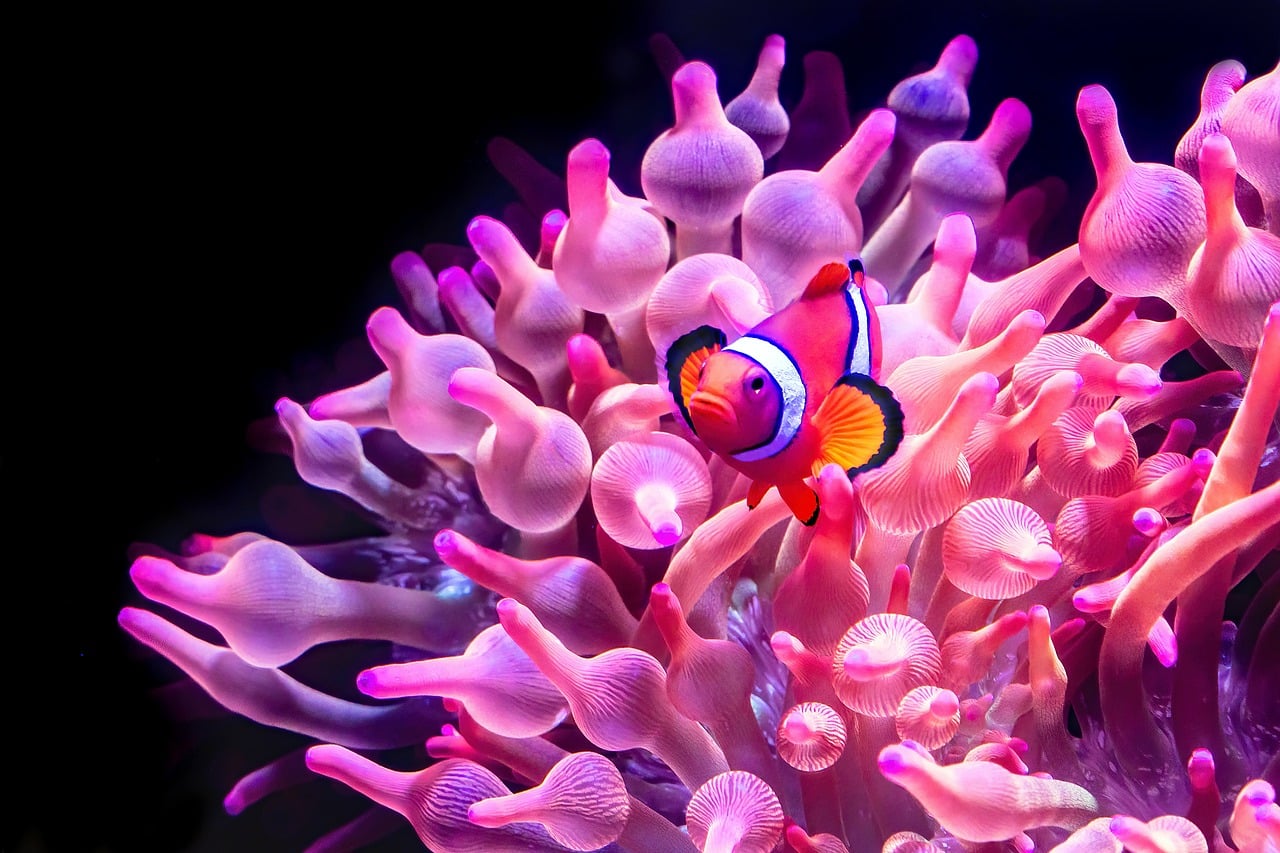
If youâre comparing clownfish species and trying to settle on the right one for your tank, youâve probably come across the Ocellaris. Amphiprion ocellaris â the fish most people picture when they think âNemo.â Theyâre hardy, relatively peaceful, and one of the few marine fish that settle into beginner setups without demanding hours of daily maintenance.
That said, Iâve seen plenty of hobbyists make preventable mistakes with these fish. Overstocking, poor acclimation, and ignoring water quality are the top three reasons Ocellaris don’t live as long as they should â and they can easily hit 10 years or more with proper care. This guide covers the practical stuff: how to avoid those pitfalls, set up the tank right, and keep them healthy long-term. Whether you’re starting your first saltwater tank or upgrading to something more dedicated, the advice here comes from real-world experience, not just theory.

Ocellaris vs. Percula: Whatâs the Real Difference?
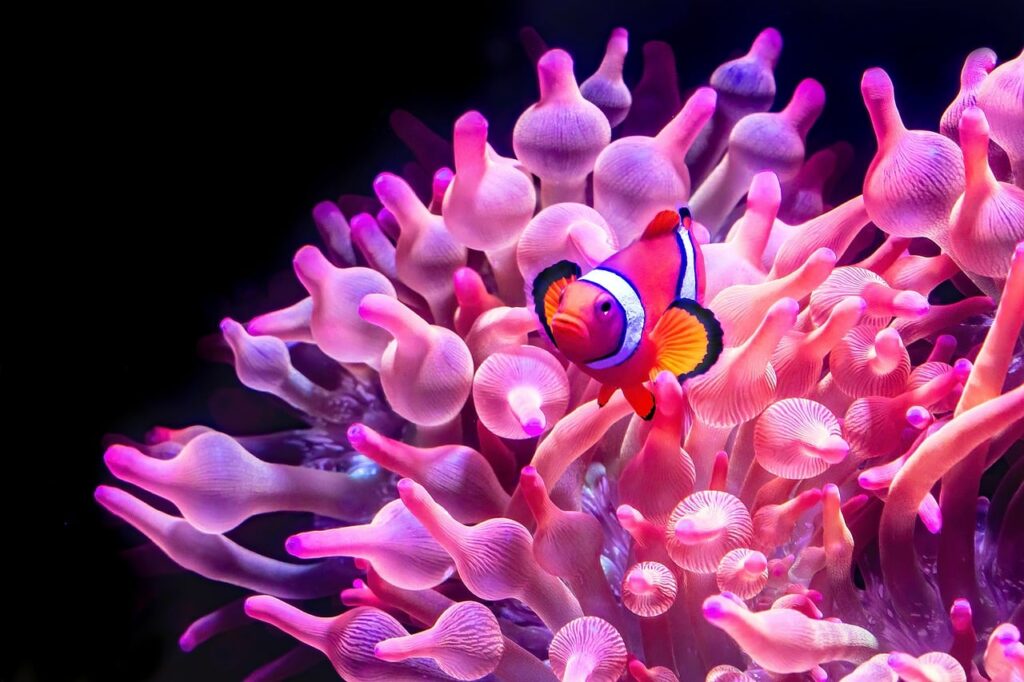
This is the most common point of confusion among new clownfish buyers. Ocellaris and Percula clownfish look nearly identical at first glance. Both have bright orange bodies, white vertical bars outlined in black, and a similar body shape. But there are meaningful differences once you know what to look for.
The most reliable way to tell them apart is the amount of black outlining on the white bars. Ocellaris clownfish have noticeably thinner black lines â sometimes almost nonexistent â while Percula clownfish have thicker, more pronounced black borders between the orange and white. There are also slight differences in the dorsal fin shape: Ocellaris have a taller, more pointed dorsal fin, while Percula fins are more rounded.
From a care standpoint, Ocellaris are generally more forgiving. They tolerate minor water quality fluctuations better, are less aggressive in pairs, and adapt to captive life with less stress. Percula clownfish are still hardy by marine standards, but they tend to be more sensitive to poor water conditions and can be slightly more territorial â especially as they mature. For a first-time keeper, an Ocellaris is almost always the better choice. The cost difference is minimal, and the reduced aggression makes tank mate selection significantly easier.
Tank Size Requirements: How Much Space Does an Ocellaris Need?
The absolute minimum tank size for a single Ocellaris clownfish is 10 gallons. A pair can be housed in a 20-gallon tank without issue. However, âminimumâ and âidealâ are not the same thing.
In a 10-gallon nano tank, water parameters shift quick. One missed water change or a slightly overgenerous feeding session can spike nitrates fast. Ocellaris are tough, but they aren’t invincible. A 20-gallon tank gives you more stability, more swimming room, and the option to add a few small tank mates. If you want to keep a pair plus an anemone or a small cleanup crew, bump that to 30 gallons or more.
The mistake I see most often is people trying to keep a pair of Ocellaris in a 5-gallon nano tank. Yes, it’s technically possible. No, it’s not sustainable long term. The fish will be stressed, water quality will be a constant battle, and you’ll lose the fish within a year or two. Save yourself the trouble and start with at least a 20-gallon. Your clownfish will be noticeably more active, and you’ll spend less time fighting algae and parameter swings.
Water Parameters and Filtration Essentials
Ocellaris clownfish are one of the more forgiving marine species when it comes to water conditions. That said, stable parameters are non-negotiable if you want them to thrive. Here are the target ranges I recommend:
- Temperature: 74â78°F (stable within a 2-degree swing)
- Salinity: 1.020â1.025 specific gravity (1.024 is a sweet spot)
- pH: 8.1â8.4
- Ammonia: 0 ppm
- Nitrite: 0 ppm
- Nitrate: Below 20 ppm (below 10 ppm is ideal)
The most common beginner mistake is chasing numbers instead of maintaining consistency. A tank that sits at 1.023 specific gravity and 76°F year-round is healthier than one that constantly fluctuates between 1.020 and 1.026 because someone is trying to “dial it in.”
For filtration, a hang-on-back filter with a protein skimmer is perfectly adequate for a 20- to 40-gallon tank. If you’re running a tank larger than 40 gallons, a sump-based system with a skimmer and filter socks makes maintenance much easier. Live rock is not strictly necessary, but it helps with biological filtration and gives the fish places to hide. If you go with dry rock, be prepared for a longer cycle period â sometimes 6 to 8 weeks â before adding fish.
Tank Setup: Rockwork, Substrate, and Aquascaping Tips
Ocellaris clownfish aren’t picky about aquascaping. They don’t need elaborate caves or complex structures. What they do need are a few secure hiding spots and open swimming space.
I recommend a sand bed of 1 to 2 inches â enough to support burrowing invertebrates like gobies or snails, but not so deep that it creates dead zones. Live sand is fine, but dry aragonite sand works just as well after the tank cycles. Avoid crushed coral unless you’re targeting a specific pH boost, as it’s harder to clean and can trap detritus.
For rockwork, arrange dry or live rock so there are overlapping ledges and crevices. The fish don’t need a full reef structure, but they appreciate being able to retreat if startled. One thing to watch out for: sharp edges on dry rock. Ocellaris have delicate skin, and jagged rocks can cause abrasions that lead to infection. If you’re using dry rock, knock off any sharp points with a hammer or chisel before placing it in the tank.
If you plan to add an anemone later, leave enough open space on the rockwork for it to attach without crowding other corals or blocking flow.
Feeding Your Ocellaris Clownfish: A Practical Diet Plan
Ocellaris are not picky eaters. They’ll accept most commercial foods readily, which is one reason they’re so beginner-friendly. But easy feeding habits can lead to lazy feeding habits. A varied diet matters more than most people realize.
Stick to a high-quality pellet as the base of their diet. Brands like TDO or Xtreme Nano offer balanced nutrition without excessive fillers. If you need a reliable supply, you can find frozen mysis shrimp to supplement once or twice a week for variety and to promote natural foraging behavior. Flake food is acceptable as an occasional option but shouldn’t be the primary diet; it tends to lose nutritional value quickly once the container is opened.
If you’re away during the day, an auto-feeder is a practical solution. The Eheim Automatic Feeder is reliable and holds enough pellets for a week or more. Just make sure to test it before your trip â the feed wheel can jam if pellets are too large.
The most common feeding mistake is overfeeding. Uneaten food degrades water quality faster than almost anything else. If you see food settling on the sand or rockwork after 2 minutes, you’re feeding too much.

Tank Mates: Who Can Live with Ocellaris Clownfish?
Ocellaris are among the most peaceful clownfish you can keep. They do well with a wide range of tank mates, provided those fish aren’t aggressive or large enough to eat them.
Good tank mates include:
- Gobies (watchman, neon, clown) â they stay small and occupy different zones
- Blennies (lawnmower, tailspot) â peaceful and useful for algae control
- Cleaner shrimp (skunk, blood red) â they’ll actually clean the clownfish
- Small cardinalfish (like pajama cardinals) â non-aggressive and slow-moving
- Damsels â only if you’re experienced; some species turn territorial
Fish to avoid: groupers, triggers, large wrasses, puffers, and anything with a mouth big enough to swallow a clownfish. Even some semi-aggressive fish like dottybacks can become problems once they establish territory.
When adding new fish, always quarantine them first â even if they look healthy. A simple 10-gallon quarantine tank with a sponge filter and some PVC pipe hides will save you from introducing diseases into your display. It’s a small investment of time and money that pays for itself the first time it catches an issue before it spreads.
Common Health Problems and How to Avoid Them
Ocellaris clownfish are hardy, but they aren’t immune to disease. The most common issues I see are Brookynella (“clownfish disease”), marine ich, and fin rot.
Brooklynella is a protozoan infection that shows up as white, cloudy patches on the skin, rapid breathing, and lethargy. It progresses fast. If you spot it, isolate the fish in a quarantine tank immediately. Freshwater dips (matching pH and temperature) can buy time, but formalin-based medications are the standard treatment. Honest truth: Brooklynella has a low survival rate once symptoms are visible, particularly if the fish is already stressed. Prevention via quarantine and stable water quality is your best defense.
Marine ich looks like tiny white spots on the fins and body. It’s less aggressive than Brooklynella, but still serious. The best approach is a copper-based treatment in a dedicated quarantine tank. Copper will kill inverts, so don’t dose your display tank unless you’re willing to remove all corals and shrimp.
Fin rot is almost always caused by poor water quality. If you see torn or frayed fins, test your water first. Improve conditions with a water change and add vitamins to their food. Antibiotics are rarely necessary unless the rot is severe.
Most health issues in Ocellaris trace back to one of three causes: poor water quality, lack of quarantine, or stress from aggressive tank mates. Address those three factors, and you’ll rarely need to medicate.
Breeding Ocellaris Clownfish at Home: What to Expect
Breeding Ocellaris clownfish is a rewarding project, but it’s not a casual weekend hobby. It requires dedicated equipment, time, and a solid understanding of water chemistry.
The process starts with a bonded pair. If you buy two juveniles, they will naturally form a pair â the larger one becomes female, the smaller becomes male. Once paired, they’ll clean a flat surface (like a piece of tile or the side of the tank) and the female will lay several hundred eggs there. The male will guard and fan them until they hatch, typically in 6 to 10 days.
The tricky part is larval care. Newly hatched larvae are tiny and need microscopic food like rotifers for the first week or two. You’ll need a rotifer culture kit and a separate rearing tank. After about 10 days, they can start accepting baby brine shrimp.
If you’re serious about breeding, a 40-gallon breeder tank is a good starting point for the pair, and a 10-gallon rearing tank with a sponge filter is sufficient for the first few weeks of larval life. A rotifer culture setup â like the Reef Nutrition RotiFeast or a DIY 5-gallon bucket with air stone and algae paste â will keep your larvae fed.
Breeding is doable, but plan for daily maintenance for at least the first month post-spawn. It’s not a set-it-and-forget-it project.

5 Mistakes New Ocellaris Owners Make (and How to Avoid Them)
- Adding fish before the cycle is complete. The tank must show zero ammonia and nitrite for at least a week before adding a clownfish. Patience saves lives.
- Overfeeding. More food doesn’t mean healthier fish. Stick to 2-minute feedings twice a day.
- Skipping water changes. Even with good filtration, nitrates accumulate. Change 10-15% weekly like clockwork.
- Choosing aggressive tank mates. Damsels, dottybacks, and certain wrasses will bully clownfish. Research compatibility before buying.
- Not quarantining new fish. One sick newcomer can wipe out your entire display. A 10-gallon QT with a sponge filter is cheap insurance.
These five mistakes account for the vast majority of Ocellaris deaths I’ve seen in hobbyist tanks. Avoid them, and you’re already ahead of most beginners.
Gear and Accessories I Recommend for a Smooth Setup
Getting the right gear from the start saves headaches down the road. Here’s a short list of essentials I’ve found consistently reliable:
- Heater: Fluval E-Series (accurate, durable, external controller).
- Thermometer: A simple digital probe thermometer is more reliable than stick-on strips.
- Test kit: Salifert test kits for nitrate and phosphate; Red Sea or API for ammonia and nitrite.
- Protein skimmer: The Reef Octopus Classic 110 is quiet, efficient, and easy to adjust. A skimmer is not strictly required for a FOWLR tank under 30 gallons, but it makes water quality maintenance significantly easier.
- Auto feeder: The Eheim Automatic Feeder is my go-to. Set it and forget it for short trips.
These aren’t the cheapest options in every category, but they represent the best balance of reliability and value. In this hobby, buying cheap gear twice costs more in the long run.
Final Tips for Long-Term Success with Ocellaris Clownfish
If there’s one takeaway from this guide, it’s this: consistency matters more than perfection. You don’t need a perfectly tuned reef tank with zero nitrate. You need stable temperature, regular water changes, and a feeding schedule you can stick to.
Acclimate new fish slowly over at least 30 minutes by dripping tank water into their bag. Give them a few days to settle in before turning on bright lights. And don’t hesitate to join a local aquarium club or an online forum â I’ve learned more from other hobbyists in those communities than from any book or article.
The Ocellaris is a forgiving fish that rewards good habits with years of active, engaging behavior. If you set up the tank correctly and stay consistent, you’ll have a healthy pair for a decade or more.
If you’re still deciding on gear or want to check current prices on the equipment mentioned here, take a look around the site â you’ll find more detailed breakdowns on everything from heaters to auto feeders. No rush. A little research now saves a lot of frustration later.