Introduction
The Similan Islands are a big deal in the dive world, and for anyone into anemones and clownfish, theyâre pretty special. This isnât a general rundown of the best dive sitesâitâs focused on finding clownfish: where they hang out, when to go, and what gear actually helps. If you’re planning a trip around Similan Islands clownfish diving, the key is knowing that not every site delivers, and timing matters more than you might think. Iâve spent plenty of time in these waters watching how clownfish interact with their anemones, and I can point you toward the spots that consistently produce.

Why the Similan Islands for Clownfish Diving
The Similan Islands hit a nice balance for clownfish. The water is warm and clear, the reefs are healthy, and seasonal currents keep the anemones well-fed. Itâs not like the Red Sea, where you get a few big anemones, and itâs not as overwhelming as Raja Ampat. Here, you get good visibility, solid macro life, and a high density of anemones that host False Clownfish (Amphiprion ocellaris) and Orange Clownfish (Amphiprion percula). For divers based in Asia, getting there is easyâa short flight to Phuket or Khao Lak, then a liveaboard or day trip. The dive operators know these sites well because they work them every day of the season.
Best Time of Year for Clownfish Encounters
The Similan Islands are open for diving from November to April, but conditions shift a lot within that window. Hereâs a quick breakdown:
- November â January: Early season. Water is cooler (around 27°C/80°F). Visibility is decent, but currents are less predictable. Fewer boats, which is nice if you donât like crowds. Anemones are healthy, clownfish are around, but you might have to search a bit harder.
- February â March: This is the sweet spot. Visibility often hits 30 meters, seas are calm, and water warms to about 29°C/84°F. Clownfish activity peaks. Anemones are fully extended and colorful. More boats, but the conditions make up for it.
- April: End of season. Water hits 30°C/86°F. Visibility can still be good, but plankton can make it hazy. Crowds are at their worst. Good for macro photographersâwarm water and plankton bring out the small stuff. Anemones are still healthy, but fish might be a bit less active in the heat.
Bottom line: Book for late February or March. Thatâs your best shot at calm seas, clear water, and active clownfish.
Top Dive Sites for Clownfish in the Similan Islands
Not every site in the Similans is a clownfish hotspot. These are the spots that consistently deliver, based on what Iâve seen and heard from guides:
1. East of Eden (Similan Island 7)
- Depth: 5 â 18 meters
- Current: Moderate to strong
- Best for: Experienced divers comfortable with current
- Clownfish Species: False Clownfish
- Details: A large rock formation covered in soft corals and anemones. The top of the reef has massive carpets of anemones. The clownfish here are bold and used to divers. A wide-angle lens captures the full scene; a macro diopter works for close-ups. Watch for surge.
2. Beacon Reef (Similan Island 8)
- Depth: 5 â 25 meters
- Current: Mild to moderate
- Best for: All experience levels
- Clownfish Species: Orange Clownfish, False Clownfish
- Details: A shallow sloping reef perfect for beginners. Anemones are scattered among coral bommies. Look in the shallows, 5 to 12 meters, where the current is mild. Great for relaxed photographyâyou can hover over one anemone for 15 minutes without drifting much.
3. Boulder City (Similan Island 7)
- Depth: 10 â 30 meters
- Current: Moderate to strong
- Best for: Experienced divers
- Clownfish Species: Orange Clownfish
- Details: A series of large boulders. Anemones tuck into cracks and crevices on the leeward side. Takes a bit more hunting. A dive torch is essential to spot them in shadows. The reward is often the most colorful specimens.
4. Koh Tachai (North of Similan Islands)
- Depth: 5 â 35 meters
- Current: Moderate
- Best for: All levels, but strong currents can be challenging
- Clownfish Species: False Clownfish
- Details: A large granite boulder with a coral-covered slope. Anemones are scattered across the reef face. The south side usually has less current. Look for large, green carpet anemones. Gets busy, so aim for an early morning dive.
5. Richelieu Rock (North of Similan Islands)
- Depth: 5 â 30 meters
- Current: Moderate to strong
- Best for: Advanced divers, macro enthusiasts
- Clownfish Species: Orange Clownfish, False Clownfish
- Details: A legendary site, not just for big stuff. The top of the pinnacle has healthy anemone populations. Youâll need to descend to 15-20 meters to find them. Current can be fierceâstay on the lee side. The anemone gardens are spectacular.
Essential Gear for Clownfish Photography and Observation
If you want to capture what you see or just get a better view, the right gear helps a lot. Iâve used plenty of this stuff, and hereâs what Iâve found works:
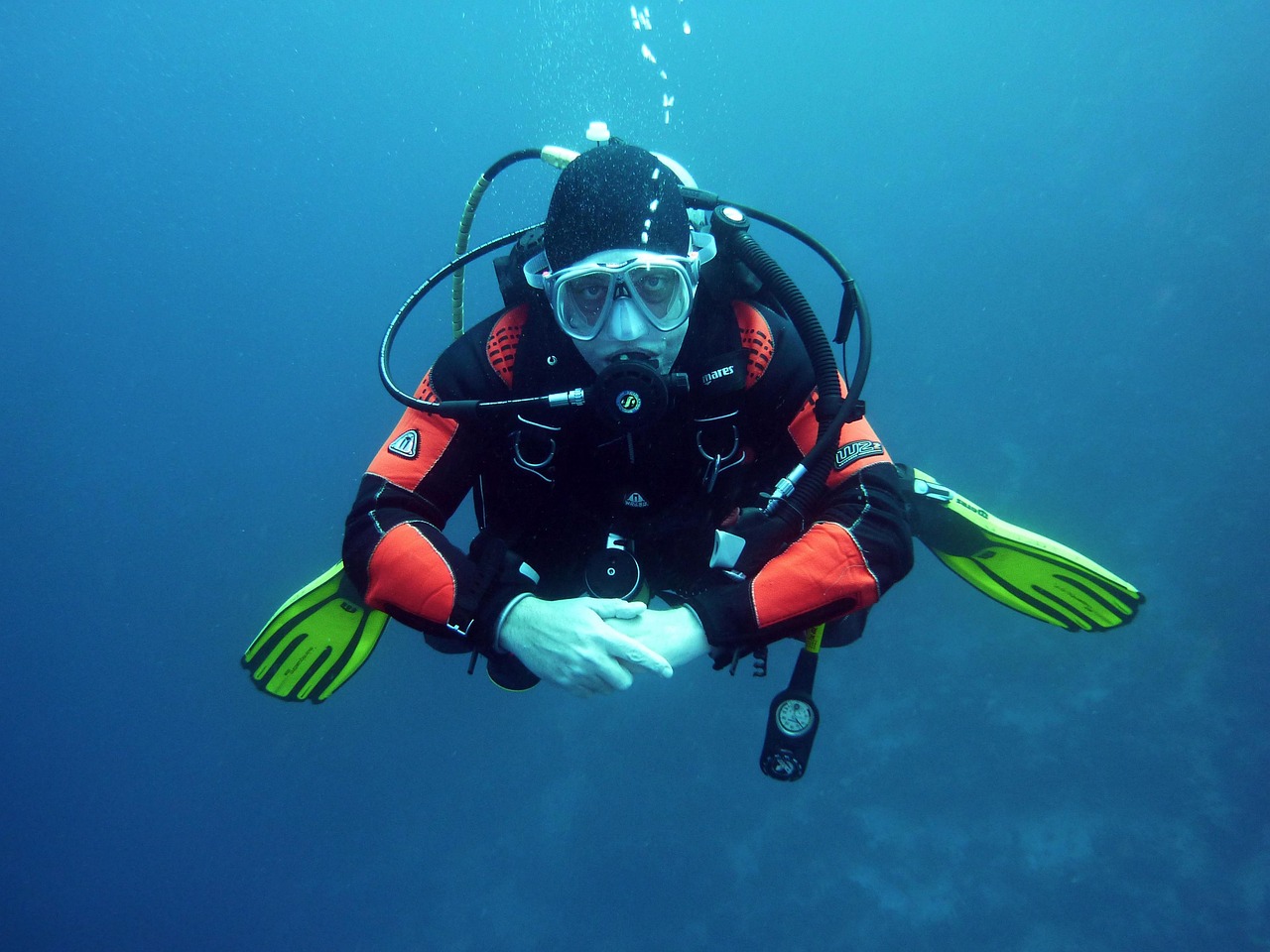
- Underwater Camera: A GoPro Hero12 Black is solid for video and stills. Easy to use and depth-rated. For better stills, the Olympus Tough TG-6 is still a go-to for macro and wide-angle with a fisheye lens. Its macro mode is great for clownfish face shots.
- Strobe or Video Light: Without a strobe, photos look blue and flat. An Inon S-220 or SeaLife Sea Dragon is a solid entry-level strobe. A video light, like the Sola 2500, reveals color and detail at depth.
- Wide-Angle Lens / Dome Port: To capture the whole anemone with the clownfish in context, you need a wide-angle lens. A wet dome port for the TG-6 or a wide-angle lens for the GoPro makes a big difference.
- Macro Diopter: For close-up headshots, a macro diopter like a +10 or +15 lets you get incredibly close. The SubSee +10 is my go-to.
- Red Filter: If youâre shooting video or stills without strobes, a red filter (like the Flip 3.1) helps restore color at depth. Cheap and effective.
- Dive Computer: A Suunto D5 or Shearwater Perdix is essential for tracking depth and no-deco limits, especially on liveaboards with multiple dives. Donât rely on your watch.
- Safety Gear: A surface marker buoy (SMB) and reel are non-negotiable on current-swept sites. A Nautilus Lifeline marine radio is a smart investment for remote diving.

Liveaboard vs. Day Trip: Which Is Better for Clownfish Divers?
The choice between a liveaboard and a day trip comes down to budget, time, and how much you want to focus on clownfish.
Liveaboard (3-7 days): The clear winner for dedicated hunting. You get access to northern sites like Koh Tachai and Richelieu Rock, which are too far for day trips. Multiple dives per day, often hitting sites before anyone else. Viz is best early. Cost is higher, typically $200-$500 per night, all-inclusive. More time on the boat, less traveling.
Day Trip from Phuket or Khao Lak: Cheaper and less time commitment. Youâll visit closer sites like Beacon Reef, East of Eden, and Boulder City. You get 2-3 dives per day. Good for tight schedules or budgets, but you miss the best northern sites. You also deal with crowds in peak season.
Best For:
- Liveaboard: Dedicated photographers, advanced divers, anyone wanting to maximize time in the water and hit all the best sites.
- Day Trip: Beginners, budget travelers, or divers with only 1-2 days to spare.
Common Mistakes Divers Make When Searching for Clownfish
After watching divers miss the action, here are the most common mistakes:
- Not looking in the right depth: Most anemones are in the 5-15 meter range. You donât need to go deep. Many divers rush past the shallows and miss the best spots.
- Moving too fast: Clownfish are territorial, but they donât come out to meet you. Slow down, scan the reef, look for anemone shapes. A fast swimmer misses them every time.
- Descending too quickly: A rapid descent spooks fish and kicks up silt. Enter slowly, clear your ears, hover at 5 meters to let your eyes adjust.
- Forgetting a macro lens: You canât get a good close-up of a clownfish face with a standard wide-angle lens. You need a macro diopter or similar attachment. Itâs a cheap fix that makes a huge difference.
What to Do If the Anemones Donât Have Clownfish
It happens: you find a beautiful anemone, and itâs empty. More common than guides admit. Hereâs why:
- Seasonal variation: Anemones can move or die off with temperature shifts. A healthy anemone in March might be gone by April.
- Recent predation: Larger fish or eels can prey on a clownfish pair, leaving the anemone vacant. The fish usually repopulate within a few days.
- Local competition: Another pair may have taken over, or a nearby anemone has a stronger bond.
What to do:
- Check reef guides: Donât rely on memory. Ask the dive guide for recent sightings. They see these fish daily.
- Try different depths: If youâre searching at 10 meters, try 15. Sometimes they move deeper for cooler water.
- Ask your dive guide: âWhere did you see clownfish yesterday?â A good guide will take you right to a known spot.
Recommended Liveaboards and Dive Operators for Clownfish Diving
If youâre booking a liveaboard, these operators consistently deliver on clownfish:
- MV Similan (Operator: Similan Liveaboards): Small, intimate boat (8-12 guests). Focus on small groups and knowledgeable guides. Itineraries always include East of Eden and Koh Tachai. Pros: Personalized service, great for photographers. Cons: More expensive.
- MV Apo (Operator: Apo Divers): Large, luxury vessel with plenty of deck space. Runs a tight schedule and hits all key sites. Pros: Comfortable, good for beginners. Cons: Can feel crowded.
- Sea Dragon (Operator: Sea Dragon Diving): Mid-range option balancing price and quality. Often runs specialist photography trips. Pros: Good value, strong photo support. Cons: Some cabins are smaller.

Packing Checklist for a Similan Islands Dive Trip
Hereâs a gear list that goes beyond the basics. Bookmark this:
- Reef Hook: Essential for current-swept sites. Lets you hold position without struggling.
- Surface Marker Buoy (SMB) + Reel: Non-negotiable for safety in current.
- Dive Torch: Primary light for deep crevices and spotting anemones in shadows. A backup is smart.
- Rash Guard / Sun Shirt: Protects against sun and stings during surface intervals.
- Backup Mask: A mask strap breaking underwater ruins a dive. Bring a spare.
- Reusable Water Bottle: Hydration is key for multiple dives. Most liveaboards provide water, but a bottle is handy.
- Travel Insurance: I canât stress this enough. DAN (Divers Alert Network) or similar is mandatory for liveaboard diving. Donât skip it.
- Anemone-Safe Sunscreen: Regular sunscreen kills coral and anemones. Use a mineral-based formula labeled as reef-safe sunscreen (zinc oxide).
- Underwater Slate: For taking notes or communicating sightings to your buddy. Useful for logging locations.
Final Recommendations for the Best Clownfish Diving Experience
To sum it up: book for late February or March. Prioritize a liveaboard that hits East of Eden, Koh Tachai, and Richelieu Rock. Pack a macro diopter and a good dive torch. Slow down, look in the shallows, and ask your guide for recent intel. If you want better photos, invest in a proper underwater camera setup like the Olympus Tough TG-6 with a strobe. Itâs worth it. The Similan Islands offer some of the most accessible clownfish diving around, but it takes some planning and patience. Get the timing right, and youâll have encounters that stick with you.