Introduction
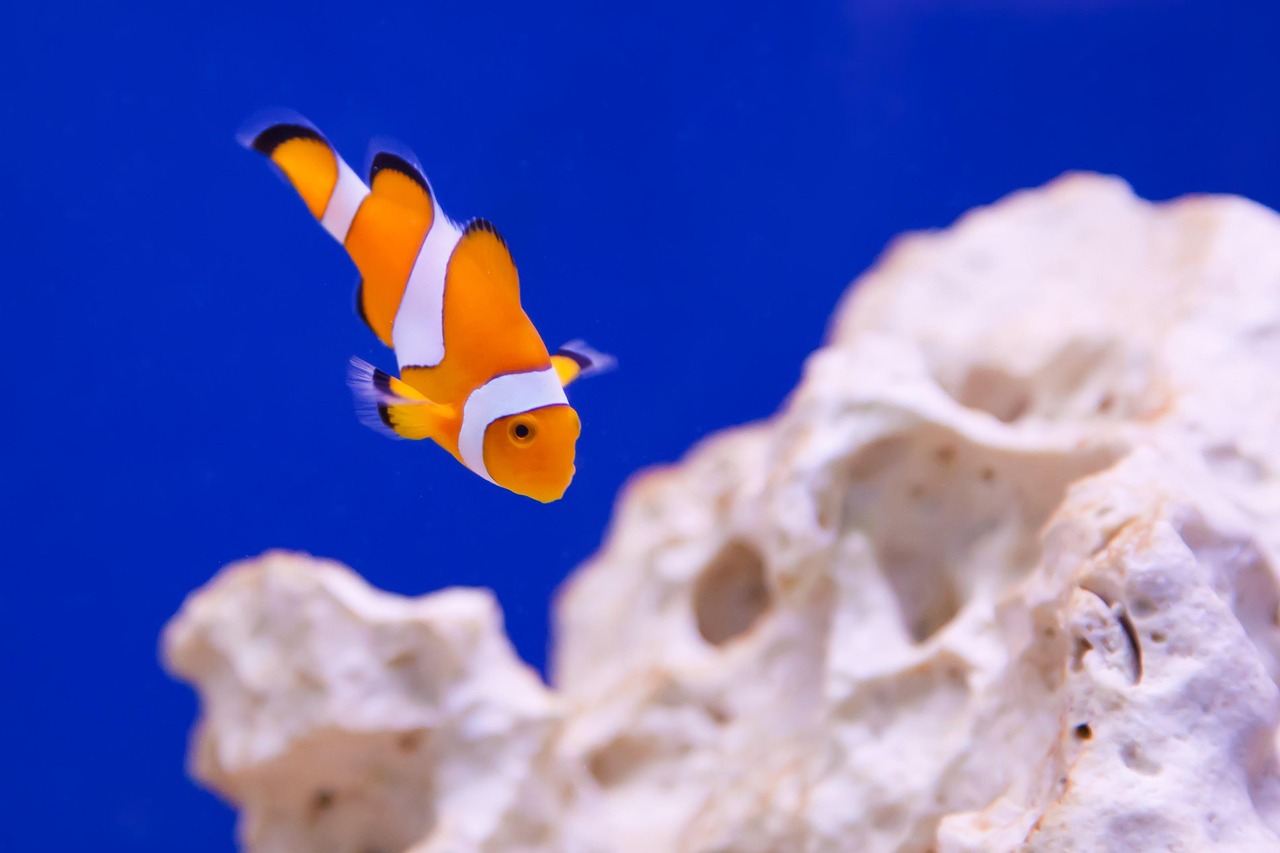
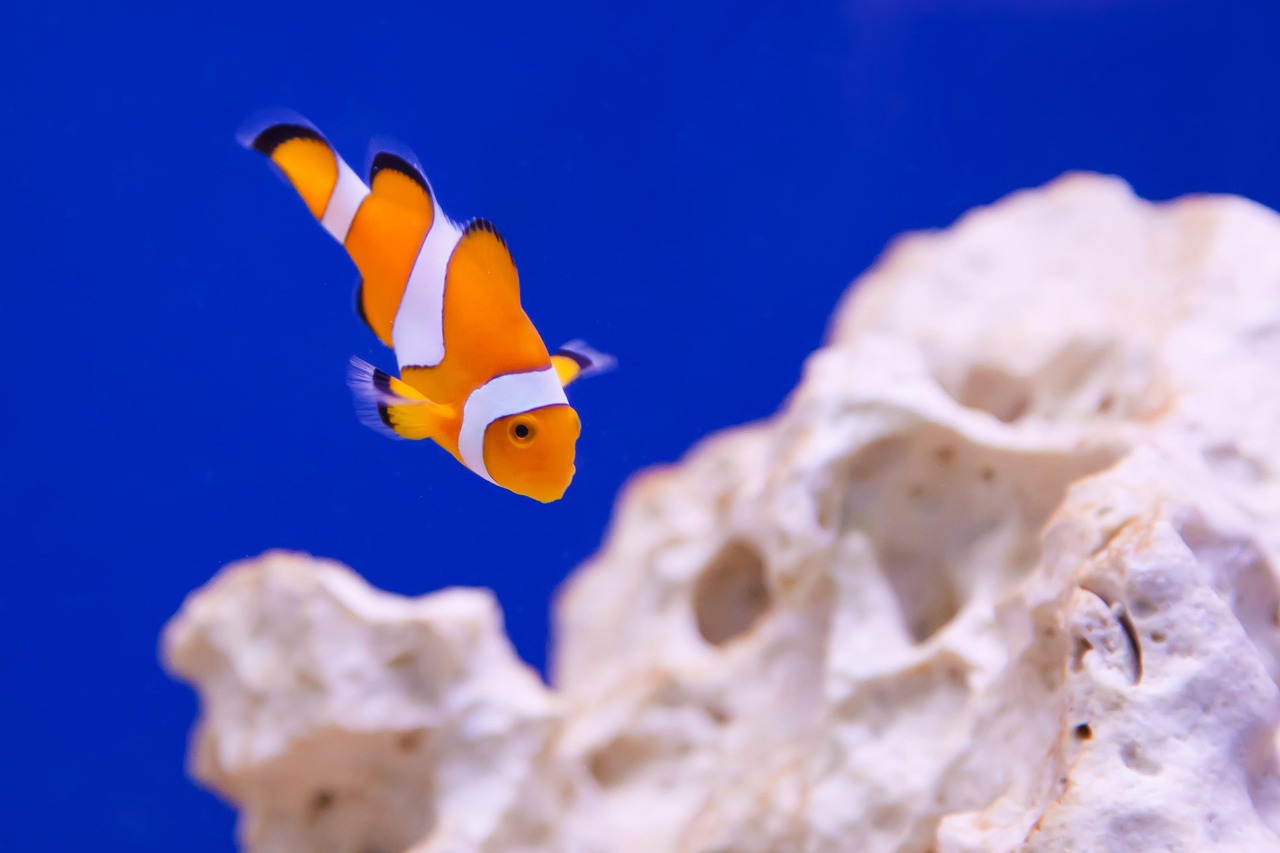
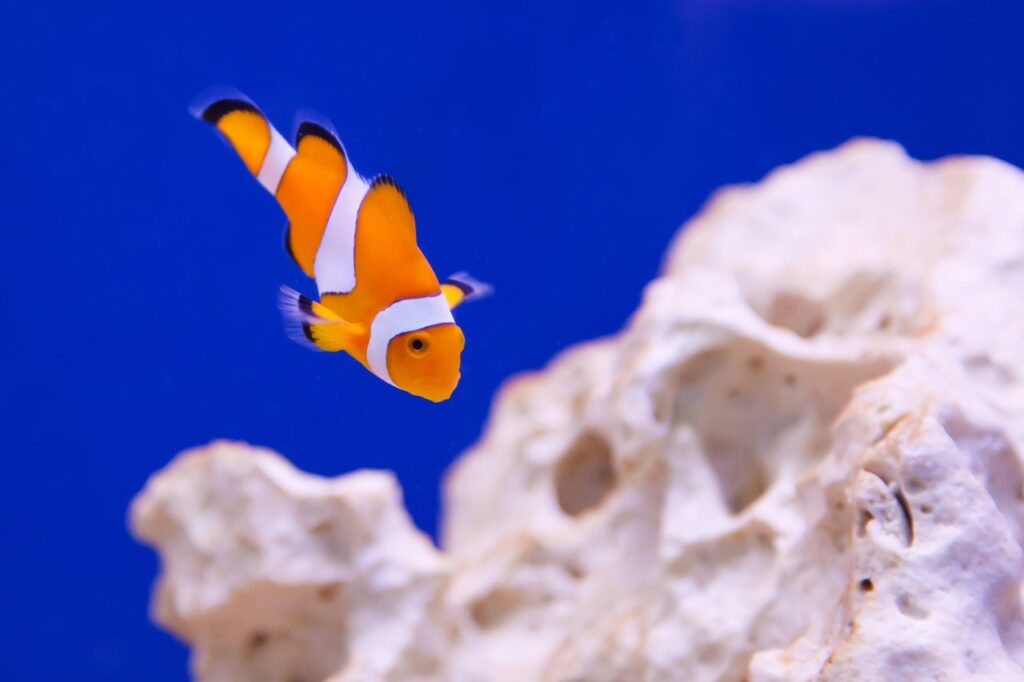
If you’re researching clownfish for your home aquarium, one of the first questions you’ll ask is how long they actually live. The answer is more nuanced than the generic 3 to 10 year range you see on most websites. In this article, we’ll break down the average clownfish lifespan in captivity versus the wild, the key factors that separate a short-lived fish from one that thrives for over a decade, and actionable health tips to help you get there. Whether you’re planning your first tank or troubleshooting an existing setup, this guide focuses on what actually makes a difference. We’re cutting through the guesswork so you can set realistic expectations and build a tank that supports a long, healthy life for your clownfish.

The Average Clownfish Lifespan: What Most Hobbyists Get Wrong
Ask ten hobbyists how long a clownfish lives, and you’ll likely hear “three to six years.” That’s the most commonly cited range, and for many home aquariums, it’s unfortunately accurate. But it’s also misleading in a critical way: most captive clownfish deaths happen in the first year. Poor quarantine practices, improper acclimation, and underlying disease from the supplier cut their lives short before they ever have a chance to settle in. If you can get a clownfish past that first year, the outlook changes dramatically. In a well-maintained tank with stable water parameters and proper nutrition, a clownfish can easily live 10 to 12 years. In the wild, reliable data suggests 6 to 10 years is normal, though some individuals surpass that. The takeaway here is simple: the commonly cited 3 to 6 year range reflects avoidable mistakes, not the true potential of the fish. This article is about helping you beat those averages.
Wild vs. Captive: Lifespan Differences and Why They Matter
When you buy a clownfish, you have two options: wild-caught or captive-bred. The choice directly impacts how long your fish will likely live. Wild-caught clownfish, while sometimes carrying stronger genetics from a broader gene pool, come with serious baggage. The stress of capture, transport, and acclimation to an artificial environment takes a toll. They also frequently carry internal and external parasites that remain dormant until the fish is stressed again in your tank. In a home aquarium, a wild-caught clownfish typically lives 4 to 8 years. Captive-bred specimens, on the other hand, are raised in controlled conditions. They’re generally disease-free, accustomed to prepared foods, and less stressed by handling. Their lifespan often reaches 8 to 12 years or more. The tradeoff is that some aquarists find captive-bred fish to be slightly less hardy when it comes to adapting to extreme water fluctuations. However, for most hobbyists—especially beginners—captive-bred is the safer bet. If you do choose wild-caught, commit to a thorough quarantine period of at least four to six weeks. That single step can add years to the fish’s life.
Clownfish Lifespan by Species: Ocellaris, Percula, Maroon, and More
Not all clownfish are built the same. Species selection matters more than most beginners realize. Here’s a practical breakdown of lifespan ranges for the common pet species:
- Ocellaris (Amphiprion ocellaris): 10–12 years. The most popular and forgiving choice. Stable, peaceful, and widely available as captive-bred.
- Percula (Amphiprion percula): 8–10 years. Very similar to Ocellaris, but slightly more sensitive to water quality swings. Typically a bit pricier.
- Maroon (Premnas biaculeatus): 5–8 years. Stunning but aggressive. In a community tank, constant stress from territory disputes significantly shortens their lifespan. Best kept as a mated pair in a species-only setup.
- Tomato (Amphiprion frenatus): 6–9 years. Moderately aggressive. Do well in larger tanks with robust tank mates.
- Clarkii (Amphiprion clarkii): 6–8 years. Hardy but can be nippy. Lifespan depends heavily on tank mate compatibility.
The pattern is consistent: peaceful, captive-bred species like Ocellaris outlive more aggressive or wild-caught alternatives. If lifespan is your priority, start with a captive-bred Ocellaris pair.
7 Factors That Directly Impact How Long Your Clownfish Lives
Let’s get specific. These are the variables you can control, and each one directly influences your clownfish’s longevity.
1. Water Quality. This is the single biggest factor. Ammonia and nitrite must be zero. Nitrate levels should stay under 20 ppm. Spikes from overfeeding or equipment failure are the most common killers. Tip: Test your water weekly, not just when something looks wrong. A reliable water test kit makes this easy to keep up with.


2. Tank Size. A pair of clownfish needs a minimum of 20 gallons. Smaller tanks lead to parameter swings and aggression. Bigger is always easier to maintain. Tip: A 30-gallon tank is a much more forgiving starting point.
3. Diet Variety. Pellets alone aren’t enough. Clownfish thrive on a mix of high-quality pellets, frozen mysis shrimp, and occasional live foods. Tip: Soak frozen food in a vitamin supplement once a week. A quality marine pellet is a solid base for their diet.
4. Tank Mates. Aggressive tank mates stress clownfish, suppress their immune systems, and shorten their lives. Damsels, triggerfish, and larger wrasses are problematic. Tip: Stick with peaceful community fish like gobies, cardinals, or peaceful blennies.
5. Stress from Handling or Acclimation. Drip acclimation over 45 to 60 minutes is non-negotiable. Rushing this process can cause osmotic shock. Tip: Never pour bag water into your tank.
6. Disease Prevention. Ich and Brooklynella are the biggest threats. Quarantine every new fish for at least 4 weeks. Tip: A simple 10-gallon quarantine tank with a sponge filter can save your entire display tank.
7. Genetics. Not all captive-bred fish are equal. Reputable breeders select for health, not just color. Tip: Buy from a supplier known for quarantining their stock, not from a big box store with visible sick fish in their tanks.
For those setting up or maintaining a tank, keeping water stable is easier with a reliable heater controller to prevent temperature swings that stress fish.

Common Mistakes That Shorten Clownfish Lifespan
Most premature deaths in clownfish come down to a handful of preventable errors. Here are the most common ones, and how to avoid them.
Skipping Quarantine. This is mistake number one. Even fish from a trusted store can carry parasites. A week in quarantine is not enough. Four weeks minimum. A dedicated quarantine tank is one of the best investments you can make.
Buying from Unreliable Suppliers. Big box pet stores often have poor husbandry practices. Their clownfish may already be stressed or sick before you bring them home. Pay a little more from a specialized retailer. The upfront cost is worth the years of life you gain.
Overfeeding. It’s easy to overfeed because clownfish are enthusiastic eaters. Excess food rots, spikes ammonia, and causes bloating. Feed small portions twice a day, and skip one day per week to give their digestive system a break.
Mixing Incompatible Species. Adding another aggressive clownfish species or an aggressive damsel almost always ends badly. Research compatibility thoroughly before adding new fish.
Using the Wrong Salt Mix. Cheap salt mixes can contain impurities or lack essential trace elements. Stick with a reputable brand designed for reef or marine fish. Consistency matters more than the brand name.
Best Practices for Maximizing Your Clownfish Lifespan
If you want your clownfish to hit the 10-year mark or beyond, follow this condensed protocol. It’s not complicated, but it requires consistency.
Water Parameters. Keep specific gravity between 1.020 and 1.025, temperature steady at 75 to 82°F, and pH between 8.0 and 8.4. Stability is more important than perfection. Sudden swings kill.
Diet. Feed a varied diet twice daily in small portions. Rotate between a high-quality pellet, frozen mysis, and frozen brine shrimp. Soak food in a vitamin supplement once a week.
Stress Reduction. Provide plenty of hiding spots using live rock or PVC pipes. Use dimmable LED lighting that mimics a natural day/night cycle. Avoid loud noises or sudden movements near the tank.
Equipment. A good protein skimmer removes organic waste before it breaks down. An auto-feeder ensures consistent meals if your schedule is unpredictable. A reliable heater with a controller prevents temperature crashes.
Routine. Perform a 10-15% water change every other week. Clean the skimmer cup weekly. Test water parameters every week. Consistency builds resilience.
Clownfish Lifespan in a Reef Tank vs. Fish-Only Setup
The debate between reef tanks and fish-only setups isn’t just about aesthetics; it affects lifespan. In a well-maintained reef tank, clownfish often live longer. The reasons are straightforward: reef tanks demand better water quality, more stable parameters, and more robust filtration. The live rock provides natural grazing opportunities and hiding spots, which reduces stress. Fish-only tanks, especially heavily stocked ones, can have higher nitrate loads and more aggression. However, a fish-only setup can still support a long-lived clownfish if it’s properly maintained and not overstocked. The real deciding factor is your commitment to maintenance, not the tank type. If you’re willing to manage the additional gear and cost, a reef tank offers a more natural environment. If you prefer a simpler setup, a moderately stocked fish-only tank is perfectly viable. Just don’t cheap out on filtration or skimp on water changes.

How to Tell If Your Clownfish Is Healthy: Early Warning Signs
Knowing what a healthy clownfish looks like is your best defense against disease. A healthy fish is active during the day, swims steadily, and greets you at feeding time. Its eyes are clear, fins are intact and not frayed, and its coloration is vibrant without any white or fuzzy patches. It breathes at a moderate pace, not with rapid gill movements. Red flags include: lethargy (hanging near the surface or hiding excessively), rapid gill movement (more than 60 breaths per minute), white spots resembling salt grains (ich), cloudy eyes, frayed or clamped fins, or a loss of appetite for more than 24 hours. If you spot any of these signs early, your odds of successful treatment go way up. Have a quarantine tank ready and a basic medication kit on hand. Acting within 48 hours can double the fish’s chance of survival.
What to Do If Your Clownfish Dies Early: Troubleshooting the Cause
Losing a clownfish is frustrating, but it’s also a learning opportunity. If one dies before its expected lifespan, go through this checklist to diagnose the cause. First, test the water immediately. A spike in ammonia is the most common culprit. Check for any recent changes: did you add new fish without quarantine? Did you change filter media or clean the tank aggressively? Review your feeding routine: was there rotting food in the tank? Inspect the body if possible: look for external parasites, lesions, or a bloated belly. Consider the source of the fish: was it from a big box store with known disease issues? If you can pinpoint the cause, you can fix it before adding another fish. Most early deaths are avoidable with better quarantine, stable water, and a careful acclimation process. Don’t add a replacement until the problem is resolved.

Lifespan Expectations for Clownfish in Public Aquariums vs. Home Tanks
You may have heard stories of clownfish living 15 to 20 years in public aquariums. That’s accurate, but it’s not a fair comparison. Professional facilities have dedicated veterinary teams, state-of-the-art filtration systems, and perfectly controlled environments. They also have the budget for regular health monitoring and emergency treatments. For a home hobbyist, 8 to 12 years is an excellent outcome. Hitting 15 years is exceptional and usually requires years of flawless husbandry. Set your expectations at 10 years as a realistic goal, and be proud when you get there. Anything beyond that is a testament to your skill and dedication.
Frequently Asked Questions About Clownfish Lifespan
Do mated pairs live longer? Yes. A bonded pair is significantly less stressed than a single fish or a mismatched group. Expect an extra 2 to 3 years of lifespan from a well-matched mated pair.
Can clownfish live alone? Yes, they can. But they are social fish, and living alone can lead to a shorter lifespan due to chronic low-level stress. If you keep a single clownfish, provide plenty of hiding spots and consider a peaceful tank mate from another species.
How long can a clownfish go without food? Healthy adult clownfish can go 3 to 7 days without food, depending on their body condition. Juveniles should not be fasted for more than 2 to 3 days. Use a quality auto-feeder if you’re away for more than a weekend.
What is the oldest recorded clownfish? The oldest known captive clownfish lived over 25 years in a public aquarium. That’s the extreme outlier, but it proves the potential is there with perfect care.
Does lighting affect lifespan? Indirectly. Brutal, high-intensity lighting can stress clownfish, especially if they have no shaded areas to retreat to. Use adjustable LED lighting, and provide plenty of caves or overhangs for them to escape bright light.
Next Steps: Building the Right Setup for a Long-Lived Clownfish
If you take one thing from this article, let it be this: clownfish lifespans are not a fixed number. They are a result of your choices. Investing in a properly sized tank, selecting captive-bred stock, maintaining stable water conditions, and providing a varied, high-quality diet will reliably push your fish past the 10-year mark. This article is your starting point. Now, the real work begins with your setup. Focus on building a stable, peaceful environment that prioritizes your clownfish’s long-term health over short-term convenience. With the right foundation, the years will add up naturally.