Introduction
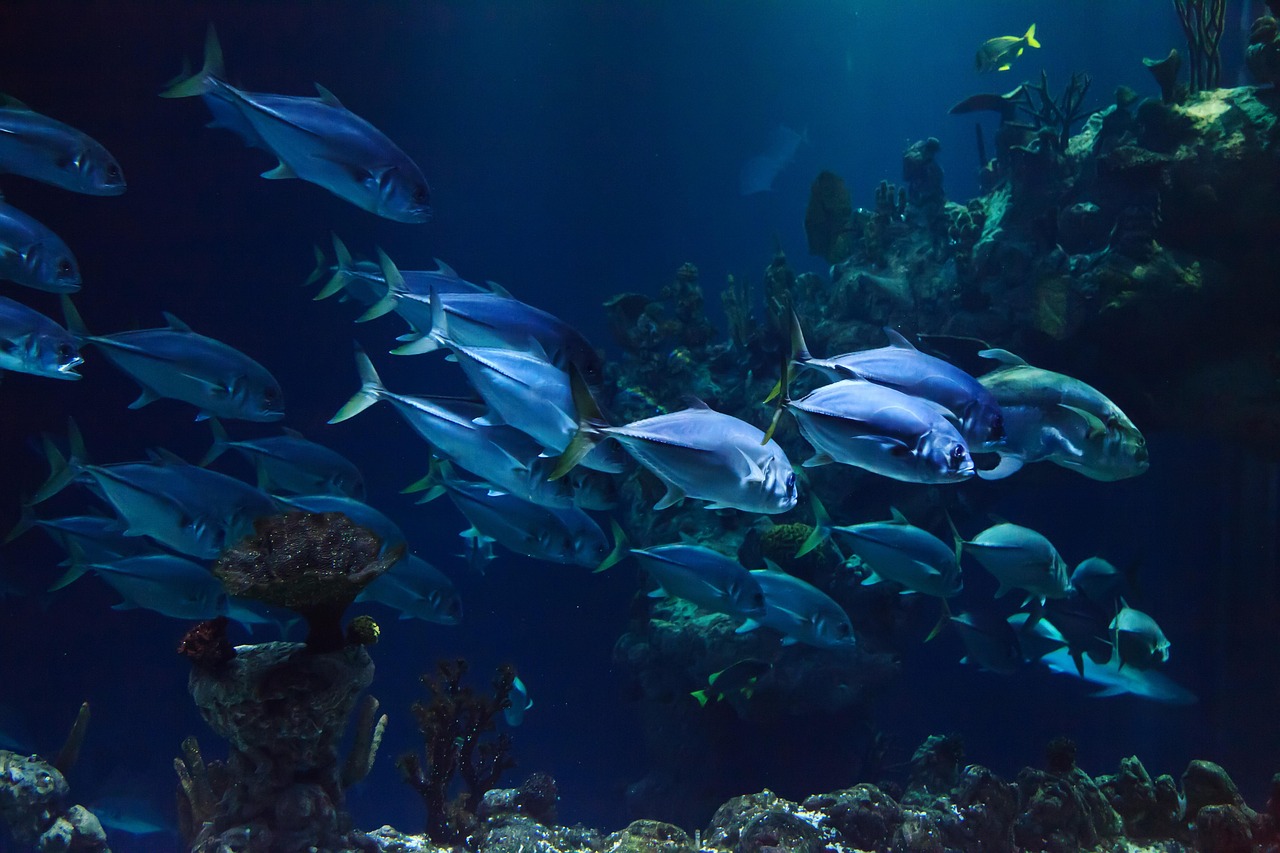
Coral reefs get called the rainforests of the sea pretty often. Fair enough — they cover less than 1% of the ocean floor but support about 25% of all marine life. For kids, understanding why these ecosystems matter is a lot more interesting than memorizing statistics. Teaching kids coral reef conservation early builds a foundation for environmental stewardship that lasts a lifetime. But there is a catch. Most kids (and honestly, most adults) can’t wrap their heads around an abstract concept like “ocean acidification.” Their eyes glaze over. Their minds drift to video games or the next snack. I’ve seen this happen countless times with young visitors at aquarium touch tanks.
This article breaks down practical strategies for parents, educators, and anyone who wants to teach kids about reef conservation without boring them into disinterest. We’ll cover mistakes to avoid, age-appropriate topics, hands-on activities, travel considerations, gear recommendations, and everyday lifestyle changes families can make. The goal is actionable, realistic guidance that builds lasting appreciation for reefs.

Why Coral Reef Education Matters for Kids (A Practical Perspective)
You might wonder why a kid needs to learn about coral reefs at all. The answer isn’t about saving the planet single-handedly. It is about building foundational skills and habits.
First, reef ecology is an excellent gateway to critical thinking. When a child learns that a single coral polyp is an animal, not a rock or a plant, it challenges assumptions. Then you explain that those polyps have symbiotic algae living inside them that photosynthesize. Suddenly, the kid is grappling with symbiosis, food webs, and interdependence. That is real cognitive development.
Second, coral reef conservation connects to everyday choices kids can understand. The plastic bottle they see on the playground? It can end up in the ocean and harm a parrotfish. The sunscreen they put on before swimming? Some ingredients can bleach coral. These concrete links create a sense of agency. Kids want to feel like their actions matter.
Third, long-term habits begin early. A kid who learns to choose sustainable seafood or reusable water bottles at age 8 is more likely to make those choices as an adult. They will also grow up knowing that a reef snorkeling trip is not just an adventure but a privilege that comes with responsibility. From a development perspective, teaching kids coral reef conservation teaches empathy for other species and a basic sense of ecological accountability.
The Biggest Mistake Parents Make When Teaching About Reef Conservation
The single most common error is leading with disaster. We adults read headlines about coral bleaching, ocean warming, and dying reefs. We feel anxious. So we open with “the coral reefs are dying at an alarming rate” or “scientists say we have ten years left.” For a child, this sounds like the sky falling. It creates anxiety, disinterest, or both.
Avoid existential threats until kids are old enough to frame them productively, usually around age 12 or later. Instead, anchor lessons in specific, solvable problems. For example, do not start with ocean acidification. Start with the plastic straw problem. A straw is a tangible object. A child can understand that a straw thrown in the trash might blow into a river and then into the sea, where a sea turtle might eat it. That is a concrete cause-and-effect story. Once that connection is made, you have permission to gradually expand their understanding.
Another mistake is overwhelming kids with too many facts at once. Pick one topic per sitting. If you spend a whole afternoon on the life cycle of coral, that is too much. Five minutes on what a polyp eats and then drawing one is better than a lecture. Keep the bar low but consistent. Short, positive interactions build curiosity faster than a single intense lesson.
Age-Appropriate Topics for Reef Conservation Lessons
Teaching kids coral reef conservation requires adapting the message to their cognitive stage. Here is a breakdown by age group.
Ages 4–7: The Discovery Phase
At this age, everything is new. Focus on the wonder of coral being alive. Show them a picture of a healthy reef with bright colors and many fish. Explain that coral is like a tiny apartment building where fish live. Talk about the food web in simple terms: small fish eat algae, bigger fish eat small fish, and coral is part of the furniture. A good activity is to use building blocks or Play-Doh to make a coral shape and put small toy fish in it. Avoid discussing death or destruction entirely. The goal is awe, not fear. Kids who enjoy hands-on building may also like a coral reef model kit to create their own underwater scene.
Ages 8–12: The Action Phase
Children in this age range understand cause and effect well enough for basic threats. Introduce pollution, overfishing, and climate change in simple terms. Emphasize personal actions. Show them a plastic six-pack ring and explain how it can entangle sea life. Show them a sunscreen bottle with oxybenzone and explain why it is bad for coral. Practical activities include doing a home “rubbish audit” for single-use plastics, or researching what “reef-safe” sunscreen actually means. They can also start learning about sustainable seafood labels like the Marine Stewardship Council (MSC) certification.
Teens: The Understanding Phase
Teens can handle nuance. Discuss climate change in more detail, including ocean acidification and rising sea temperatures. Talk about sustainable tourism and how to choose an ethical snorkeling tour operator. Introduce the concept of marine protected areas and why they matter. This is the age where a documentary like Chasing Coral can be impactful, but only if you watch and discuss it together. For a teen interested in marine biology, suggest online courses or citizen science projects like recording data through the Coral Reef Watch program.
Hands-On Activities for Learning at Home
Discussion only goes so far. Kids learn best by making or doing something. Here are three low-cost activities that teach reef concepts.
Build a Coral Polyp Model (30 minutes, ages 4–10)
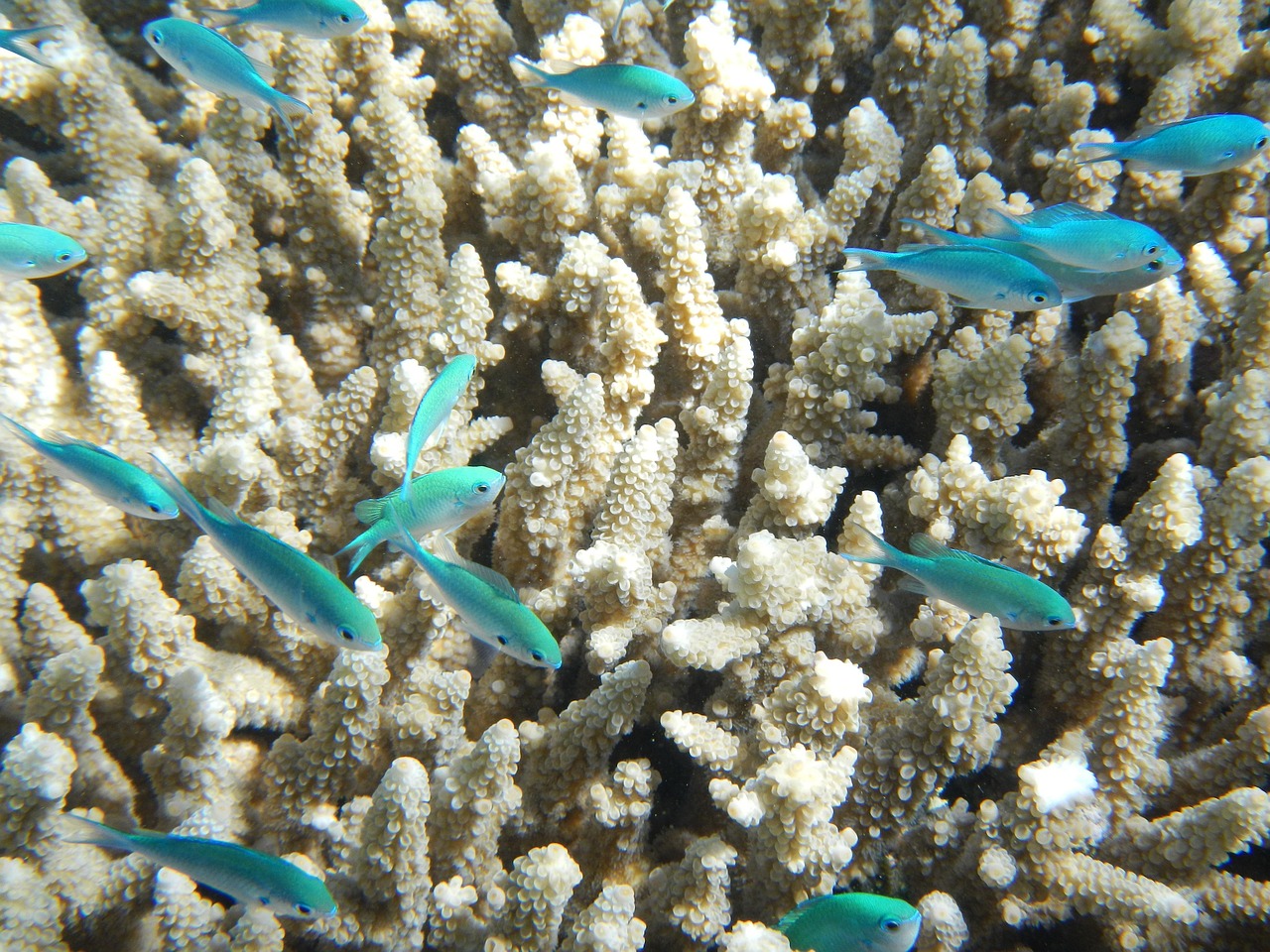
Use Play-Doh or air-dry clay. Shape a cylinder about the size of a finger. Add tentacles using smaller pieces of clay or cut pipe cleaners. Explain that the cylinder is the polyp, and the tentacles catch food. This demonstrates that a single coral animal is smaller than a pinky finger. That is a powerful shift in perspective.
Create a Coral Reef Diorama (2 hours, ages 6–12)
Use a shoebox as the ocean. Paint the inside blue. Cut out coral shapes from construction paper, egg cartons, or cardboard tubes and paint them bright colors. Add toy fish, sea stars, or even a tiny plastic sea turtle. While building, discuss what each creature eats and who its predators are. This reinforces food web concepts in a visual, tangible way. You can also add a “trash monster” (a piece of plastic bottle) to discuss pollution without being scary. Families who want more structured options may appreciate a coral reef diorama kit.
Mini-Reef in a Jar (with adult supervision, ages 8+)
This is an advanced project and not for everyone. A small saltwater aquarium can be educational but requires maintenance, cost, and careful planning. If you decide to try it, start with a very small tank (5-10 gallons), use live rock (which contains beneficial bacteria and tiny organisms), and only add hardy species like a few hermit crabs (no coral). You must understand the nitrogen cycle. Aquarium owning teaches kids about water chemistry and ecosystem balance. But it is a substantial investment. Many local aquarium shops offer beginner classes or can answer questions. Beginners may want to research beginner saltwater aquarium kits.
Best Books and Media to Support Reef Learning
Books and documentaries support the learning journey. Here is a curated selection with notes on tradeoffs.
The World of Coral Reefs by Spencer Glass is a strong choice for kids 8–12. It explains coral biology, threats, and conservation in a book format with clear pictures. It is detailed but not overwhelming. The Magic School Bus on the Ocean Floor remains excellent for ages 5–8, covering food webs and reef zones in a fun story. For younger kids, try Over in the Ocean: In a Coral Reef by Marianne Berkes — a counting rhyme with good illustrations.
Documentaries are tricky. Finding Nemo is not educational but it sparks interest. Use it as a conversation starter: “Did you know those anemones are animals? What about the current the turtles ride?” Stick with Disney-level content for young kids. For teens, Chasing Coral on Netflix is powerful but emotionally heavy. Watch it with them and pause to discuss. The underwater live cams from the Monterey Bay Aquarium are a safer, lower-investment alternative for any age.
Choosing a Family-Friendly Snorkeling Experience
A trip to a healthy reef is the ultimate learning experience. But the wrong snorkeling trip harms the reef and frustrates the family. Here is how to choose responsibly.
Look for tour operators that specifically mention reef-safe practices. Ask about group size: smaller groups (6–10 people) create less reef damage and are safer for kids. Ideally, the guide should hold a certification in marine biology or be trained in reef ecology — not just able to pilot a boat. The best guides will point out specific fish and coral species and explain their behavior.
Check the policies on sunscreen. Many reputable tours in sensitive areas (like Hanauma Bay in Hawaii) ban non-reef-safe sunscreen. If yours does not, that might be a red flag. Also check the physical condition of the reef. Some sites are already heavily damaged and not worth visiting. A good operator will be transparent about the state of the reef at their usual spots.
Avoid the cheapest option. Often, those trips are crowded, rushed, and operate in areas that are trampled. Paying a little more for a quality guide is a direct investment in education and conservation.

Snorkeling Gear for Kids: What to Buy and What to Skip
Snorkeling with ill-fitting gear turns a great experience into a miserable one. Here is a straightforward gear breakdown.
Masks: Traditional masks fit smaller faces better than full-face masks. Full-face masks are tempting because they allow nose breathing, but they are not recommended for kids under 8. The fit can be poor, leading to leaking, and they are harder to clear if they fog. Most importantly, they cannot be used for deep diving or freediving due to carbon dioxide buildup risk. Stick with a well-fitting traditional mask with a tempered glass lens. A cheap rubber strap can cause ear pain; buy a silicone strap or a neoprene strap cover. Travelers who need reliable equipment may consider a kids snorkel mask set for proper fit.
Snorkels: A simple J-tube snorkel is fine. Avoid sets with a plastic clip that holds the snorkel to the mask strap; those always break. The snorkel itself should have a dry-top feature (a simple valve at the top that seals when submerged). This prevents water from entering when a wave goes over.
Fins: For kids, full-foot fins (worn barefoot) are better than open-heel fins that require booties. Full-foot fins are lighter and easier for small legs to use. Adjustable fins with buckles often slip off. Look for shorter blades that do not create too much drag.

Flotation Devices: A snorkel vest is the safest option. Do not use a standard life jacket, which can be restrictive and hard to swim in. A snorkel vest can be inflated or deflated to adjust buoyancy.
Buying a complete snorkel set from a reputable brand (Cressi, U.S. Divers, or Sea Dragon) is more reliable than getting a generic toy set. Avoid the cheap sets that include a mask with a painted or plastic lens that scratches immediately. Invest in a set that fits well, and your child will actually enjoy snorkeling.
How to Teach Reef Etiquette Before You Go
Pre-trip preparation is crucial. Kids need to understand simple rules before they hit the water.
- Don’t touch coral: Explain that coral is a living animal. Touching it can kill the polyps or transfer oils that cause disease. Compare it to somebody poking your arm repeatedly.
- Keep your fins up: Teach kids to swim on the surface and look down. Kicking a fin into coral breaks it. Practice floating fins-up in a pool before going to the reef.
- Don’t chase fish: Explain that fish need to conserve energy for eating and hiding. Harassing them is stressful. Let fish come to you.
- Use reef-safe sunscreen: Before you leave, test a small patch of skin with the sunscreen to check for allergies. Make sure the active ingredients are zinc oxide and titanium dioxide, not oxybenzone or octinoxate. If you’re looking for options, consider a reef safe sunscreen for kids to avoid harmful chemicals.
Role-play these scenarios at home. Ask your child: “What would you do if you saw a really cool fish? What about if you saw a piece of trash floating in the water?” Practicing the response builds muscle memory.
Virtual Alternatives: When Travel Isn’t an Option
Not every family can visit the ocean. That is fine. Virtual access to reefs has improved dramatically.
Monterey Bay Aquarium’s Live Cams are excellent. The “Coral Reef” cam streams high-definition video of a large tank with many fish species. You can watch for a few minutes during a meal. It is passive but visually engaging. Some cams have audio commentary or schedule timestamps for feeding times, which is more educational because you can see animal behavior.
NOAA’s Coral Reef Watch offers interactive maps showing sea surface temperatures and bleaching alerts. For older kids, this is fascinating. It shows real data in near real time. There are also short educational videos on their YouTube channel.
Structured Online Courses: Platforms like Coursera or Khan Academy offer marine biology courses. Most are not directly targeted at kids, but many have modules you can cherry-pick. Look for shorter courses (under three hours) created by actual marine scientists. The tradeoff is that they lack the hands-on element. But they require no travel, cost little, and have zero environmental impact.
Reef-Friendly Lifestyle Changes Families Can Make Today
Kids can start making a difference at home this week. These actions do not require travel or special gear.
- Reduce plastic use: Commit to using reusable water bottles and toys made from recycled materials. A single plastic bag can look like a jellyfish to a sea turtle. The impact is direct and easy to explain.
- Avoid microbeads: Many old exfoliating scrubs, toothpastes, and cosmetics contained tiny plastic microbeads. They are banned in many places but still exist in older products. Check labels for polyethylene or polypropylene. Use natural scrubs like sugar or salt instead.
- Choose sustainable seafood: When buying fish or shrimp, look for the MSC blue label. This certification indicates the seafood was harvested without destroying reef ecosystems. Explain to kids that choosing certified fish means the coral where the fish lived was left intact.
- Participate in a local beach cleanup: If you are coastal, bring the family to a local cleanup. Many organizations provide bags and gloves. If you are inland, do a river or lake cleanup instead. All water eventually reaches the ocean.

Common Questions About Teaching Kids Coral Reef Conservation
At what age should I start?
Immediately, but keep it simple. For a toddler, a picture book of colorful fish works. Formal lessons can start around age 4 with the basics: “Coral is an animal that builds a home.”
Is it okay to touch coral if I’m careful?
No. Even a light touch can damage the polyps. Many corals have sharp edges or toxic mucus. Teach kids to look with their eyes, not their hands.
What if my child is scared of the ocean?
Do not force them. Let them observe from shore or a boat. Introduce snorkeling in a pool first. Use a mask and snorkel in a bathtub or swimming pool to build comfort. Fear is normal. Respect it.
How can I help if I don’t live near the coast?
Virtual resources, books, and lifestyle changes work just fine. You can also donate to coral restoration programs or sponsor an adopted patch of reef through reputable organizations like the Coral Restoration Foundation. But focus on the hands-on lessons first.
Final Recommendations: Building a Reef-Loving Family
Teaching kids coral reef conservation does not require a marine biology degree or a trip to the Great Barrier Reef. It starts with small steps. Pick one activity from this guide and do it this week. Read a book about coral together. Build a simple diorama from recycled trash. Practice reef etiquette in the bathtub. When you talk about reefs, keep the tone positive and specific. Avoid doom-mongering. Focus on the amazing things that are possible when humans act responsibly.
The goal is not to create instant marine biologists. It is to shape a generation that values healthy oceans — not out of fear, but out of genuine appreciation. That begins at home, one conversation at a time.
If this guide helped you, consider sharing it with another family or school group. The more kids who understand how reefs work, the better off the oceans will be.