Introduction
If you’ve kept clownfish for any length of time, you’ve probably noticed one fish bossing the others around. That’s not random aggression—it’s a structured social system. Understanding the clownfish hierarchy aquarium dynamic is one of the most practical steps you can take for a peaceful tank. It directly affects how your fish interact, whether they breed, and how much stress—or injury—they endure.
In the wild, clownfish live in a strict pecking order: one dominant female, one breeding male, and several smaller, non-breeding males. This same structure carries into your aquarium. Ignore it, and you’ll deal with constant bullying. Respect it, and you’ll have a stable, thriving group. This article walks through how the hierarchy works, what it means for your tank, and how to avoid common mistakes that lead to chaos.

How Clownfish Hierarchy Works in the Wild
Clownfish are protandrous hermaphrodites. Every single one is born male. When the dominant female of a group dies, the largest male—the breeding male—undergoes a sex change and becomes the new female. This isn’t a rare event; it’s the standard way clownfish societies maintain themselves.
In a typical anemone territory, you’ll find a group of around three to six fish. The female is the largest and most aggressive. She leads the group and is the only one that spawns. The breeding male is second in size. His job is to court the female, guard the nest, and fan the eggs. The rest are smaller, subordinate males that help keep the anemone clean and act as a buffer against predators. That may sound like they’re just extras, but they play a role in reducing conflict over food and shelter. Every fish knows its place, and that minimizes fights.
This system evolved because anemones are safe but limited real estate. There’s only room for one breeding female. By keeping a linear hierarchy, the group can coexist without constant warfare. It’s not a democracy—it’s a practical arrangement that works.
What This Means for Your Aquarium
Your tank isn’t a reef flat, but the same social rules apply. Clownfish don’t know they’re in a glass box. They’ll still try to establish a hierarchy. The difference is that your tank has walls, limited space, and no predators to keep them distracted. That means hierarchy-driven aggression can become more intense.
In a smaller tank, a single dominant female can terrorize everyone else. In a larger tank with good rockwork, the same hierarchy might look like peaceful coexistence. The key is that the hierarchy will form regardless. Your job is to set up conditions that let it form without casualties.
You don’t need a full wild-style group. Most hobbyists keep a single fish or a bonded pair, and that works fine. But if you want a group, you need to understand that males and subordinates will compete for rank. You can’t just toss in four clownfish and hope for the best. You have to plan for the structure they’ll create.
The Role of the Dominant Female
The dominant female is the largest fish in the group. She eats first, claims the best spot in the tank, and enforces her position with aggressive displays. In a healthy hierarchy, this aggression is mostly posturing—chasing, fin flaring, and the occasional nip. It shouldn’t result in injuries.
She’s also the only breeding female. If you see eggs in your tank, she laid them. The breeding male fertilizes and tends them. If you remove the dominant female, the breeding male will change sex and become the new female. That process takes a couple of weeks, but during that time, the hierarchy resets. The next largest male will become the new breeding male, and the group will reorganize.
The practical takeaway here is simple: don’t remove a healthy dominant female unless you’re ready for a cascade of changes. If you’re attached to a specific pairing dynamic, removing the female will break it. Plan removals carefully, especially if you’re trying to manage aggression in a group.
The Breeding Male and Subordinate Males
The breeding male is the second-largest fish. He’s responsible for courting the female, cleaning the nest site, and fanning the eggs. He’s also the most likely to challenge the female if she weakens, though that rarely happens in a stable group.
Below him are the subordinate males. These are smaller, non-breeding fish that help with territory maintenance. They clean algae from the anemone and act as lookouts. In exchange, they get protection and access to food. It’s a straightforward arrangement.
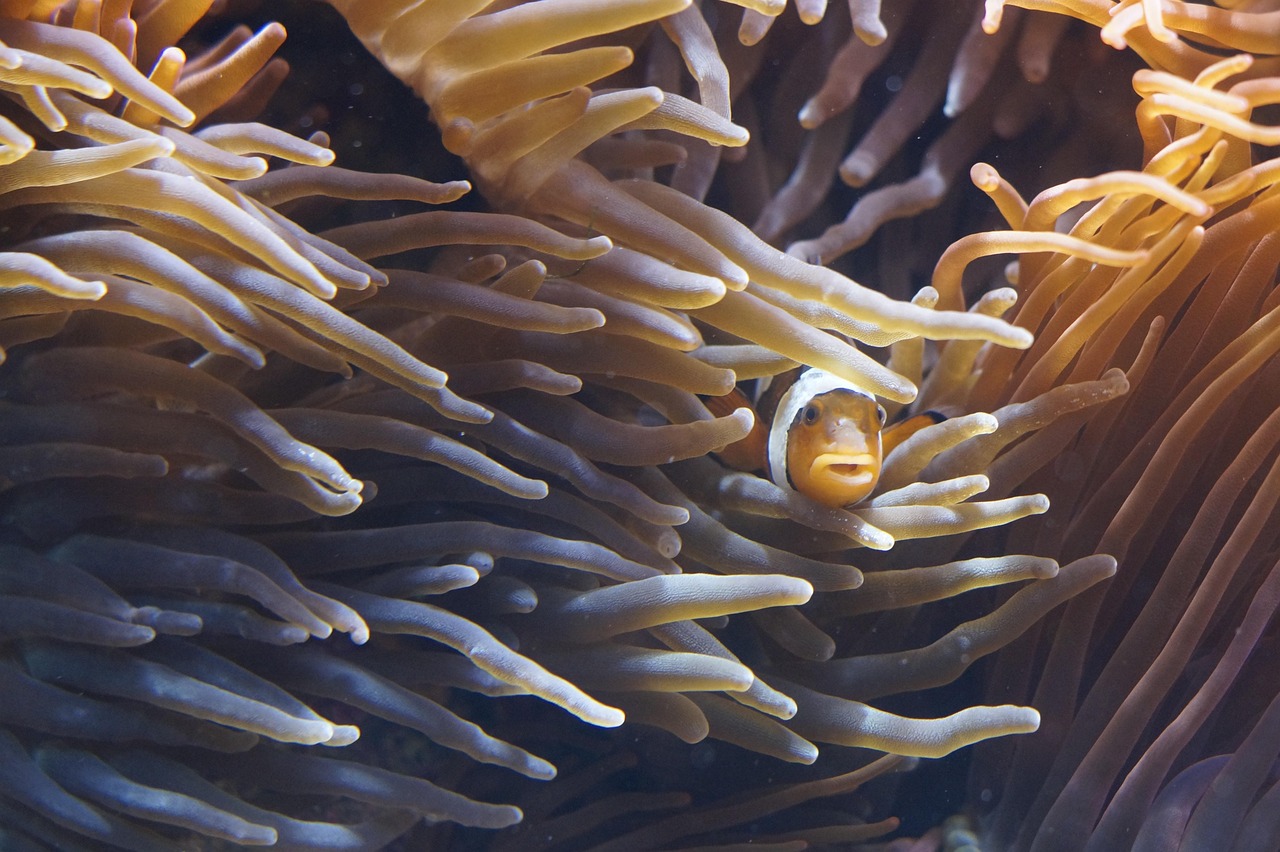
In a tank with three clownfish, the smallest often gets the worst of it. The female bullies the breeding male, who bullies the subordinate. If the tank is too small or lacks hiding spots, the smallest fish can end up stressed, hiding constantly, and eventually dying. I’ve seen this happen in 20-gallon tanks where someone tried to keep a trio. It almost never ends well unless the tank is large enough to provide escape routes.
The hierarchy is linear. Each fish knows its place. The problem is when the tank doesn’t give the lowest-ranking fish anywhere to go.
How Many Clownfish Should You Keep Together?
This is where most hobbyists get it wrong. The answer depends on your tank size, experience level, and goals.
- Single clownfish: Best for beginners or small tanks (10–20 gallons). No hierarchy issues, no aggression. Just one fish doing its thing.
- Bonded pair: The most common and recommended setup for tanks 20 gallons and up. A male and female will form a natural pair. You get breeding behavior without the drama of a group.
- Trio or small group (3–5 fish): Can work in tanks 75 gallons or larger with plenty of rockwork and hiding spots. You’ll get a hierarchy that mimics the wild, but aggression is higher. This is best for advanced hobbyists who can monitor and intervene if needed.
- Odd numbers without structure: Avoid this. Adding three fish of the same size to a 40-gallon tank is a recipe for nonstop fighting. The hierarchy will form, but it’ll be brutal until it settles.
The best approach for most people is a bonded pair. You get the social dynamics and breeding potential without the headaches of managing a group. If you want a larger group, plan for a large tank and accept that you’ll need to intervene occasionally.
Common Mistakes When Building a Group
I’ve seen the same mistakes repeatedly. Here are the ones that cause the most problems.
- Adding same-size fish: If you add two clownfish of identical size, they’ll fight for dominance until one becomes the female. This can take weeks and often results in injuries. Always get fish of noticeably different sizes if you’re pairing them. Aquarists looking for juvenile and adult pairs can benefit from clownfish pairing kits that ensure size variety.
- Skipping quarantine: A stressed fish from the store is more likely to be aggressive or get sick. Quarantine new arrivals for at least two weeks before introducing them to an established hierarchy. A quarantine tank setup makes this much easier.
- Not enough hiding spots: Subordinate fish need places to retreat. Without rockwork, caves, or an anemone, the lowest-ranking fish has nowhere to go.
- Mixing species incorrectly: Different clownfish species have different temperaments. Percula and ocellaris are generally peaceful. Maroons and tomato clowns are more aggressive. Mixing them in the same tank rarely works.
- Adding a new fish to an established pair: An existing bonded pair will almost always attack a newcomer. The female sees it as a threat. Unless you have a large tank with multiple hosts, this usually ends badly.
Signs of a Healthy vs. Unhealthy Hierarchy
A healthy hierarchy looks peaceful. The fish forage together, chase occasionally without making contact, and show clear size differences. The female is noticeably larger. The male is respectful. The subordinates stay out of the way but aren’t hiding constantly.
An unhealthy hierarchy is obvious. One fish is always hiding in a corner. You see torn fins, missing scales, or visible wounds. The smallest fish refuses to eat or hovers near the surface. In extreme cases, the dominant fish may chase relentlessly for hours.
I had a client once who kept three ocellaris in a 30-gallon tank. The smallest fish had been hiding behind the filter for two weeks. When we rearranged the rockwork and added a large cave, the hierarchy stabilized within days. That’s the kind of simple fix that works if you catch it early. If you wait too long, the stressed fish may die from disease or starvation.
When to Intervene: Managing Aggression
Not all aggression is bad. Chasing that doesn’t result in injuries is normal. But once you see damage, you need to act.
Here are actionable steps, in order of increasing severity:
- Rearrange the rocks: This breaks up established territories. The female doesn’t have a defined space to defend, so aggression often drops. It’s a low-effort fix that works surprisingly well.
- Add more hiding spots: More caves, overhangs, or even PVC pipes give subordinates places to escape. This reduces constant visual contact.
- Remove the aggressor temporarily: Put the dominant fish in a separate tank or a breeder box for 24 hours. This resets the hierarchy. When you reintroduce it, it may be less aggressive. This works for moderate aggression.
- Permanent separation: If the aggression is severe—actual fin damage, refusal to eat, constant hiding—you need to rehome one fish. It’s not fair to keep a fish in constant fear.
The tradeoff with removal is that it resets the hierarchy. The next fish in line may become the new aggressor. For moderate cases, temporary removal is worth trying. For severe cases, permanent separation is the only reliable solution.


Setting Up Your Tank for a Stable Hierarchy
You can prevent most hierarchy problems with proper tank setup. It’s cheaper and easier than fixing aggression later.
- Tank size: 20 gallons minimum for a pair. 40 gallons for a trio. 75+ gallons for a group of 4–5. Smaller tanks concentrate aggression.
- Rockwork: Create multiple sight breaks. Don’t just pile rocks in the center. Build caves, arches, and overhangs so fish can lose sight of each other.
- Host preference: Clownfish don’t need an anemone, but they’ll be calmer with one. If you don’t want the complexity of a live anemone, a quality artificial host or large leather coral works well.
- Filtration: Gentle, consistent flow. Clownfish aren’t strong swimmers. High-flow powerheads can stress them. Aim for 10–15x turnover per hour with adjustable flow.
- Lighting: If you’re keeping anemones, you need strong LED lighting. For clownfish alone, standard lighting is fine.
- Test kit: Stable parameters reduce stress. Monitor ammonia, nitrite, nitrate, and pH weekly.
For gear, look for reliable powerheads like the Fluval Sea SP Series for adjustable flow, and a good LED fixture like the AquaIllumination Prime if you want anemones. A Red Sea Reef Foundation Test Kit covers the basics for water quality. Hobbyists setting up a new tank can find reef aquarium test kits that help maintain stable conditions.
Breeding Considerations Within the Hierarchy
Breeding only happens with a stable pair. Subordinate males will not breed. If you want eggs, you need a bonded male and female.
The triggers for breeding are straightforward: stable water parameters, a temperature around 78–80°F, and a high-protein diet. Feed them a mix of frozen mysis shrimp, brine shrimp, and quality pellets. Conditioning them with Hikari Bio-Pure Mysis or similar high-protein foods for a few weeks before you expect spawning helps a lot.
If you’re serious about breeding, start with a bonded pair from a reputable source. Don’t try to force a pair by keeping multiple fish together and hoping. That’s inefficient and risky. A bonded pair will typically spawn every two weeks once they’re settled.
A word of caution for beginners: fry care is time-intensive. You need a separate rearing tank, rotifers, and green water cultures. If you’re not ready for that, just enjoy the eggs. They’re interesting to watch, and you’ll learn a lot about clownfish behavior.

Final Tips for a Peaceful Clownfish Community
Respect the hierarchy. It’s not optional. Clownfish will establish one whether you want it or not. Your job is to set up conditions that let it stabilize without casualties.
Plan your group size based on your tank and experience level. A bonded pair is the easiest and most rewarding option for most people. If you want a group, go larger on the tank and provide plenty of hiding spots.
Monitor behavior closely during the first few weeks after introduction. Hierarchy formation takes time—often two to four weeks before things settle. Be patient and ready to intervene if you see real aggression.
A stable hierarchy means less stress for your fish and more enjoyment for you. If you’re setting up your first clownfish tank, consider starting with a clownfish starter kit that includes the basics for a healthy setup. Books like The Complete Guide to Clownfish Care are also worth a look if you want to go deeper. Good luck, and enjoy the process.