Introduction
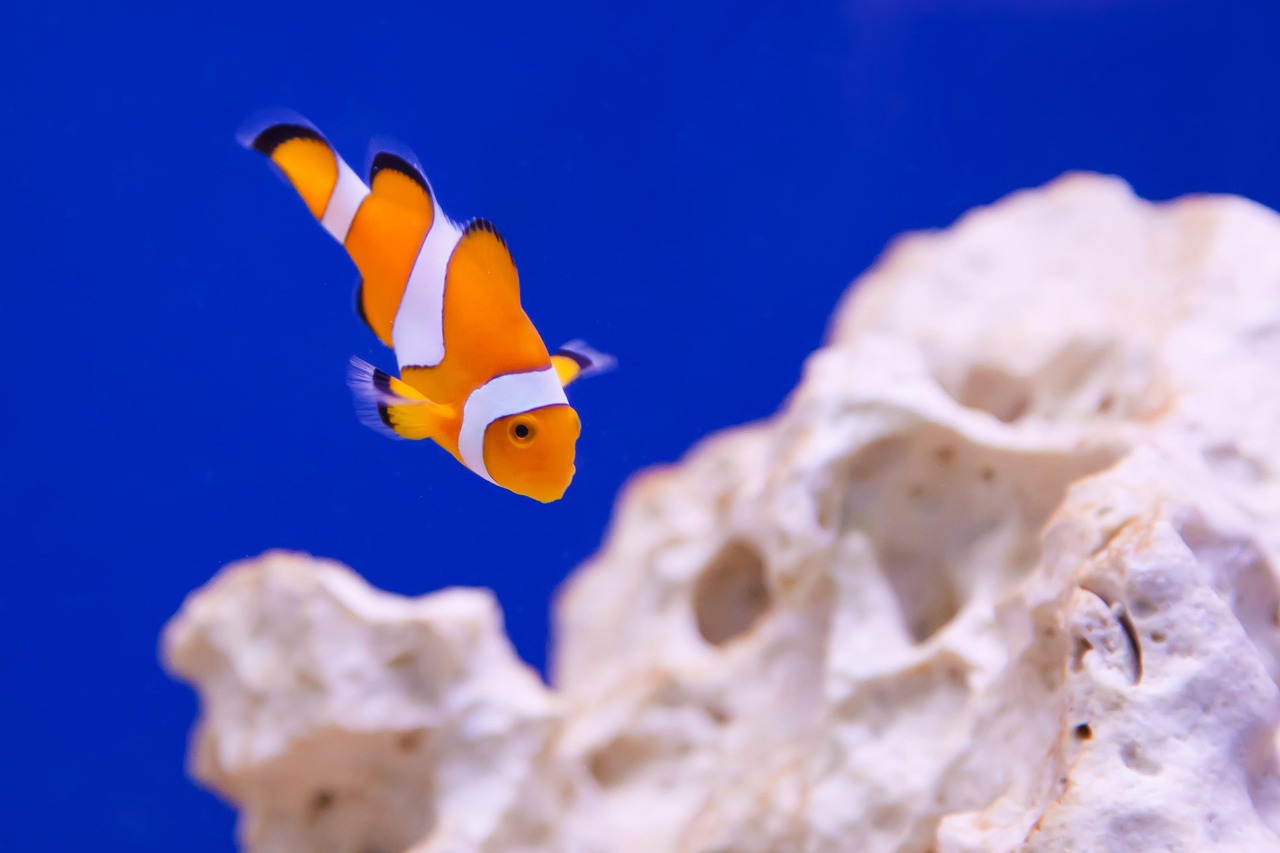
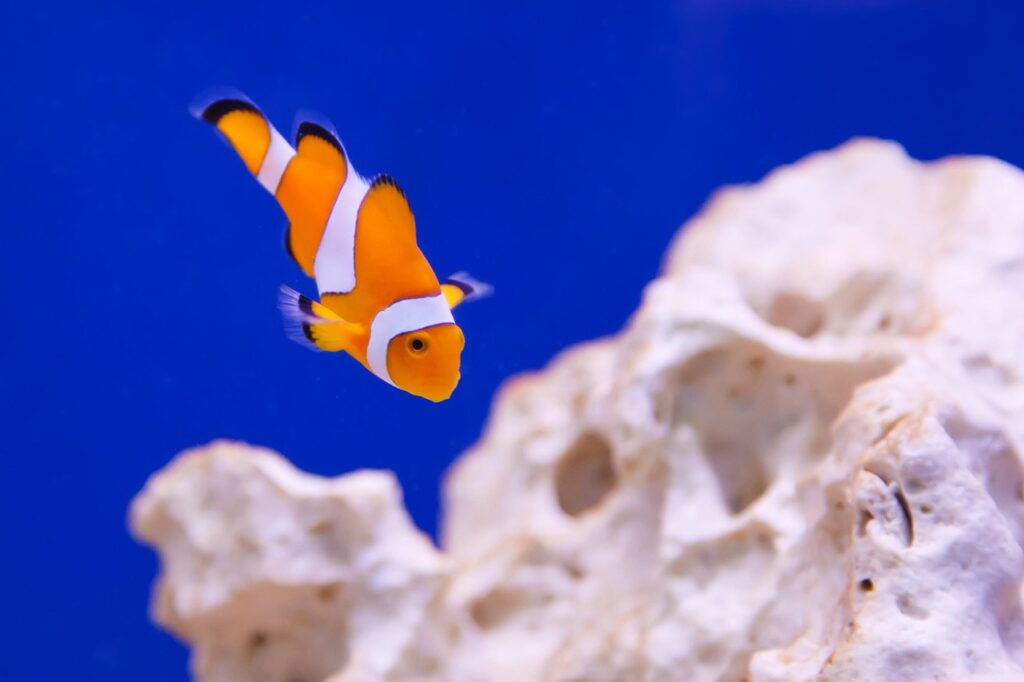
Clownfish are tough little fish, but they can’t survive without a healthy anemone to call home. This might sound obvious, but it’s easy to forget just how dependent they are on that specific relationship. When anemone populations decline—due to bleaching, storm damage, or overcollection—clownfish disappear right along with them. That’s why restoring anemone clownfish habitat is becoming a serious priority for marine conservation groups around the world.

This article covers what anemone restoration actually looks like on the ground (and underwater), who’s doing it, and how you can get involved without wasting your time or money. If you’re a diver, an aquarium enthusiast, or someone looking to volunteer in a way that actually matters, this guide is for you. I’m going to keep it practical and to the point, because the reefs don’t have time for fluff.
Why Anemone Restoration Matters for Clownfish
The relationship between clownfish and anemones isn’t just cute—it’s a biological necessity. Clownfish get protection from predators by living among the stinging tentacles, and the anemone gets nutrients from the fish’s waste and occasional food scraps. Remove the anemone, and the clownfish has no safe spot to lay eggs, hide, or sleep. It’s not an exaggeration to say that restoring anemone clownfish habitat is the single most effective way to support wild clownfish populations.
Threats to anemones are mounting. Rising sea temperatures cause bleaching, where the anemone expels its symbiotic algae and slowly starves. Overcollection for the aquarium trade has stripped entire reefs of their largest specimens. Then you have physical damage from boats, anchors, and careless divers. The Great Barrier Reef has seen localized anemone losses of over 50% in some popular dive sites. Restoration trials there have shown that even modest replanting efforts can bring back resident clownfish within 12 to 18 months. That’s not a quick fix, but it’s a clear signal that the work pays off.
Without intervention, many of these micro-habitats simply won’t recover on their own. Anemones grow slowly and reproduce sporadically. A reef that loses its anemones can remain barren for years. Restoration speeds that clock up considerably.
Who Are the Key Players in Anemone Restoration
You won’t find one giant organization running all the anemone restoration work. Instead, it’s a patchwork of local NGOs, community-based projects, and dive operators who’ve decided to do something useful. Some of the most reliable work is being done by small teams that have been in the same area for years and know the local currents, spawning cycles, and stress points.
The approaches vary. NGOs like the Coral Restoration Foundation focus heavily on coral but have started integrating anemone outplanting into their programs. Community projects in places like the Philippines and Indonesia train local fishermen to become restoration technicians—paying them to transplant anemones instead of catching fish. Dive operators in Fiji and Thailand offer volunteer slots where you pay for your stay and spend mornings on the reef.
Here’s the thing: not all programs are equal. Some are glorified tourism experiences that involve dropping a few anemones and calling it a day. Others have real science behind them—quarterly monitoring, survival tracking, and genetic diversity considerations. Vet the project before you hand over your money. Look for published success rates, transparency about funding, and a clear explanation of their methods. A project that can’t tell you how many anemones survived last year probably isn’t one worth supporting.
Methods of Restoring Anemone Populations
Anemone restoration isn’t one single technique. There are three main approaches, and each has its strengths and drawbacks depending on the site and budget.
Transplanting healthy anemones is the most straightforward method. You find a healthy donor colony—usually from a site that’s overcrowded or at risk from development—and move fragments or whole individuals to a degraded reef. The key is attaching them properly. Anemones need a solid substrate to grip, so teams often use ceramic tiles or cement pucks to anchor them until their foot takes hold. Mistake to avoid: leaving too much gap around the base. A loose anemone will drift away or get eaten within days.
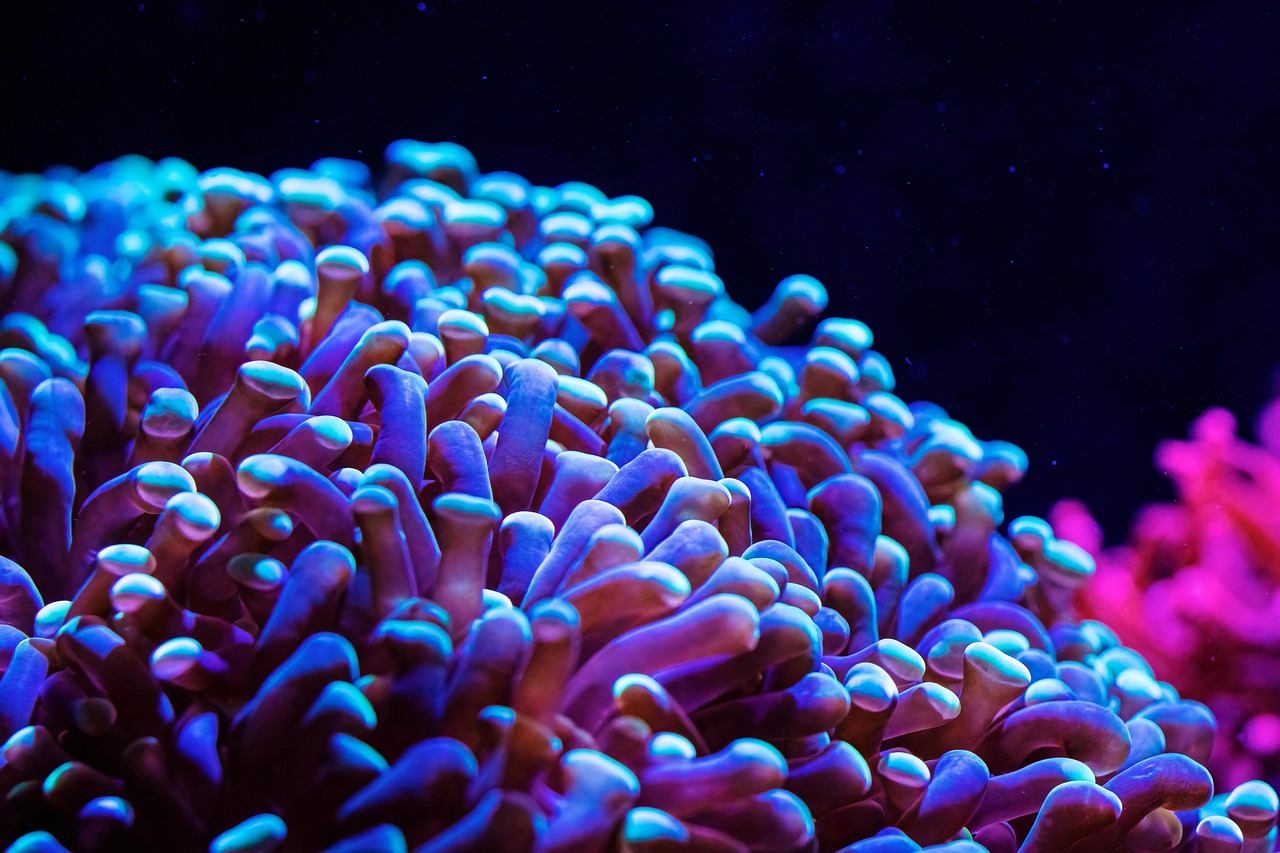
Captive propagation in land-based nurseries is slower but more controlled. The Florida Aquarium has been doing this for years, raising Entacmaea quadricolor (the bubble-tip anemone) in tanks and then outplanting them onto local reefs. This method lets you produce large numbers of genetically diverse individuals, but it requires serious infrastructure. The survival rate after outplanting tends to be higher than wild transplants because the anemones are acclimated to artificial conditions before release.
Sexual reproduction through spawning induction is the holy grail. It’s also the hardest. Researchers are still working out the triggers for consistent spawning in captivity. Occasional successes have produced thousands of larvae, but getting them through the settling stage is tricky. Most projects stick to asexual fragmentation for now, because it’s reliable and proven.
How to Get Involved in Anemone Restoration Projects
If you want to get your hands wet, start by picking the right project. I’d recommend looking for programs that offer a one-week to two-week volunteer slot that includes training. You don’t need a marine biology degree. You do need basic diving certification (Open Water at minimum, Advanced is better), and you should be comfortable in currents.
The tradeoff between hands-on work and financial support is real. A volunteer trip can cost you $1,500 to $3,000 including airfare. That same money donated directly to a well-run project might pay for a hundred anemone transplants. Neither approach is wrong, but know what you’re optimizing for. Hands-on volunteering gives you experience and direct impact. Donating gives the project maximum flexibility.
One practical tip: book through conservation-friendly tour operators, not general travel sites. Operators like these will have relationships with local projects and can often arrange a split between diving and restoration work. Bring reef-safe sunscreen—standard stuff contains oxybenzone that kills anemone larvae. A good zinc-based sunscreen is worth the extra cost.

What You’ll Need to Participate: Gear and Preparation
If you’re signing up for a restoration dive, show up prepared. The projects will provide training and some gear, but certain items are worth bringing yourself.
A quality dive knife is essential for cutting monofilament, rope, or debris that’s entangled around anemones. Look for a titanium blade—stainless steel corrodes faster in saltwater. You’ll also want a lift bag if you’re moving coral fragments or anemone substrates. These inflate underwater and let you float heavy loads to the surface without straining your back.
For recording data, an underwater slate with a pencil is the standard tool. They’re cheap and reliable. If you want to take it up a notch, an underwater housing for your phone lets you take reference photos and log GPS coordinates. Just be aware that housing quality varies a lot. The cheap ones flood. Spend the money on a reputable brand.
Dive gloves are another practical buy. Anemones have stinging cells that can irritate skin after repeated contact. A durable pair of neoprene or Kevlar gloves protects your hands and lets you work longer without discomfort.
Best Practices for Choosing a Restoration Program
I’ve seen good programs and bad ones. Here’s a simple checklist to separate them:
- Transparency: Can they tell you how many anemones they’ve outplanted and how many survived after one year?
- Published data: Have they written up their methods or published in a scientific journal? Even a grey literature report counts.
- Native species only: Are they using local anemone strains or importing from other regions? Importing can introduce diseases or genetic pollution.
- Training provided: Do they offer a proper briefing on handling anemones and site safety?
Red flags include projects that handle wild anemones without permits, that can’t explain their source of donor colonies, or that seem more interested in your money than the outcome. For first-timers, I’d recommend a program with a short commitment (one week) and a proven track record. Experienced divers might look for projects that involve deeper sites or advanced monitoring like photo-ID of resident clownfish.
Location matters too. The Indo-Pacific region—Indonesia, Philippines, Fiji—has the highest anemone diversity and the most active restoration work. The Caribbean has fewer anemone species but some solid projects, especially around Florida and Belize.
Common Mistakes in Anemone Habitat Restoration
Even well-intentioned projects fail when basic mistakes are made. Here are the ones I see most often.
Using non-local anemone strains. Anemones adapted to cooler water will bleach when moved to a warmer reef. Always use donor colonies from the same region or even the same reef system.
Transplanting during spawning seasons. Anemones are stressed enough when moved. Doing it when they’re expending energy on reproduction increases mortality. Most projects avoid June through August in the Northern Hemisphere.
Choosing sites with high water traffic. Anemones need stable conditions. High boat traffic, swimmers, and snorkelers create turbulence and physical damage that kills new transplants. Pick sites with restricted access if possible.
The failed translocation project in the Philippines back in 2018 is a classic example. They moved large anemones from a donor site to a tourism-heavy area without attaching them properly. Within three weeks, most had drifted into deeper water or been eaten by turtles. That was a lot of wasted effort that could have been avoided with proper anchoring and site selection.
Can You Restore Anemones in a Home Aquarium
Yes, and it actually helps. The aquarium trade puts heavy pressure on wild anemone populations. Captive-bred anemones reduce that demand. If you’re a home aquarist with a mature tank, you can contribute by setting up a breeding pair of Entacmaea quadricolor and selling the offspring locally.
Start with a good light meter—anemones need strong, consistent lighting. Cheap LED fixtures won’t cut it. You’re looking for PAR values around 150–250 micromol for most species. A protein skimmer rated for twice your tank volume keeps water quality high, which anemones are notoriously sensitive to.
The downsides are real. Anemones grow slowly in captivity, taking 6 to 12 months to reach splitting size. They can also sting and kill tankmates if placed too close. That said, every captive-bred anemone is one less pulled from the wild. If you have the time and patience, it’s a genuine contribution.
How Restoration Projects Are Funded
Funding for anemone restoration comes from three main sources: government grants, tourism taxes, and direct donations. Many eco-resorts in regions like the Coral Triangle add a small conservation fee to guest bills, which is then funneled into local restoration work. Fiji’s Beqa Lagoon has a levy that goes directly to reef monitoring programs.
For readers, the easiest way to contribute is to choose accommodations that explicitly allocate fees to conservation. Ask before you book: “Does your resort support anemone restoration?” If they can answer yes with details, you’ve found a good one. That small decision funnels money into the work without you having to manage logistics yourself.
Tracking Progress: Anemone Survival and Clownfish Return
Restoration isn’t just about planting—it’s about measuring. Scientists and volunteers track success using transect surveys where they count anemones along a measured line. They also use photo-ID of individual clownfish to see if the same fish return after restoration.
The Coral Trout Anemone project in Okinawa is a solid example. They outplanted over 200 anemones across three sites and monitored them quarterly. After two years, about 60% had survived, and clownfish were present at all sites. That’s a realistic timeline. Don’t expect instant results. Two to five years for visible colony recovery is normal.
If you’re volunteering, you might be asked to help with photo-ID or transect data. It’s straightforward—snap a photo of each anemone and note its condition. This citizen science data is actually used in scientific publications, so it’s not busywork.

What to Do If You Find Damaged Anemones While Diving
If you come across a damaged anemone on a dive, here’s what to do:
- Document it. Take a photo from a clear angle. Note the GPS coordinates if you have a dive watch or a GPS-enabled housing.
- Don’t touch it. Moving a damaged anemone can stress it further. Unless you’re trained and part of a restoration team, leave it in place.
- Report it. Contact the local marine authority or a conservation group that works in the area. They’ll decide whether intervention is possible.
A dive GPS watch is handy for this. The Garmin Descent series works well and has good battery life. For photos, a simple underwater housing like the SeaLife SportDiver for your phone is affordable and reliable. Just don’t try to move the anemone yourself—you’ll do more harm than good.
Final Recommendations for Supporting Habitat Restoration
Restoring anemone clownfish habitat isn’t a theoretical exercise. It’s ground-level work that produces measurable results—more clownfish, healthier reefs, and a small but real contribution to reversing local declines. The key is to pick a vetted program, approach it with realistic expectations, and bring gear that lasts.
If you’re looking for one practical way to start, consider buying a bottle of reef-safe sunscreen through an affiliate link that supports conservation projects. It sounds small, but every purchase funds more restoration work. Choose wisely, dive safely, and let the anemones do the rest.