Introduction
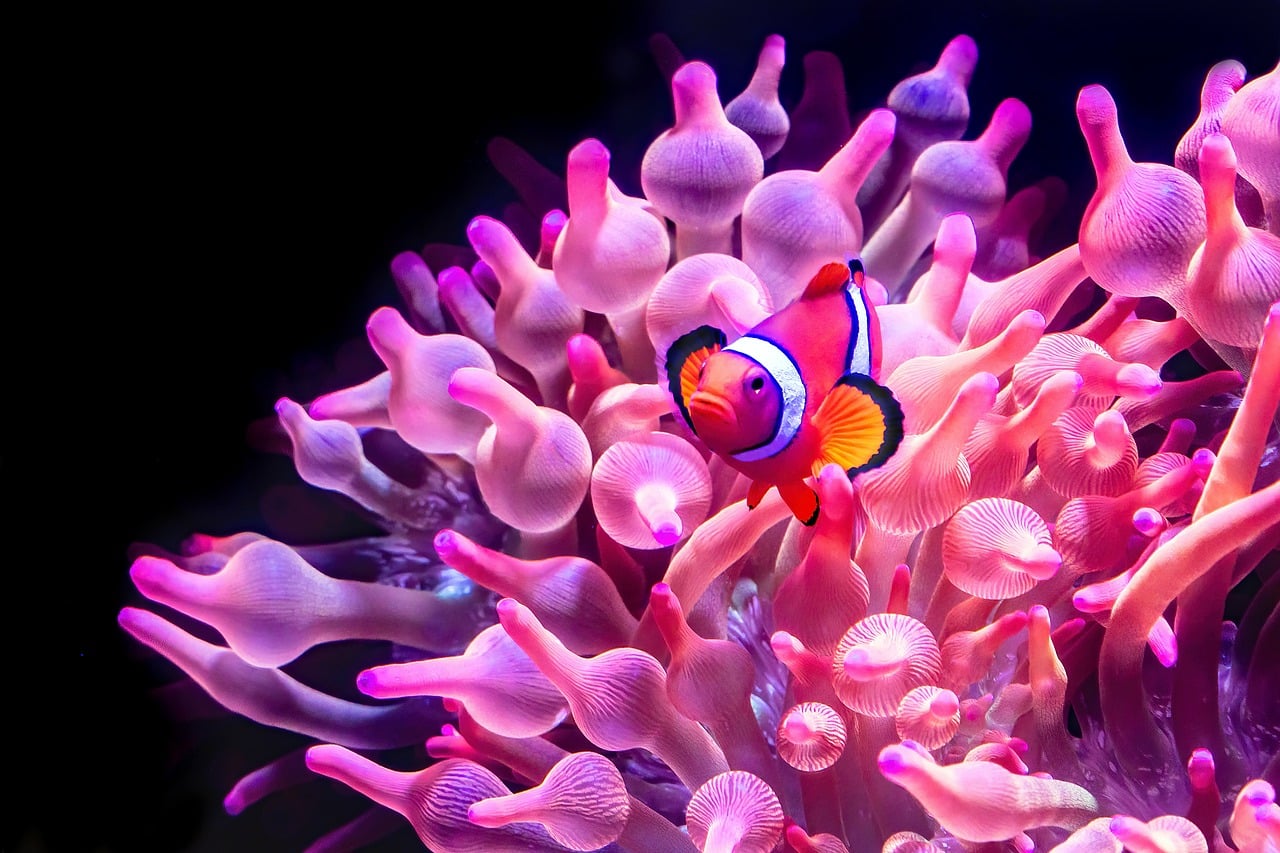
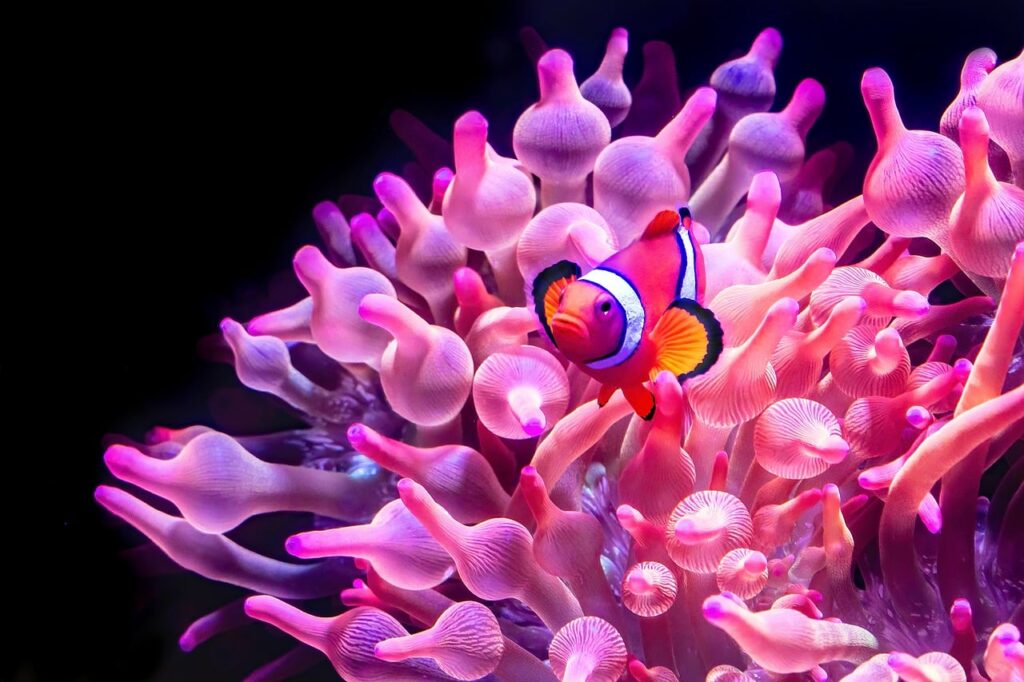
Planning a caribbean clownfish diving bonaire trip? Good. You’ve got your gear, your certification is current, and you want to see those orange-and-white fish doing their thing in the anemones. This article is for divers who are ready to book, not for people wondering if they should get certified. We’re covering Bonaire and Curacao — two islands with different personalities but equally reliable clownfish sightings. The reefs are healthy, the water is clear, and if you know where to look, you’ll find plenty of clownfish. I’ll cover where to go, what to bring, and a few mistakes to avoid.

Why Bonaire and Curacao for Clownfish Diving?
Both islands sit in the southern Caribbean, outside the hurricane belt, so diving is consistent year-round. But they’re not the same.
Bonaire is a shore diving paradise. The whole island is a protected marine park (Bonaire National Marine Park), which means every dive site is marked with yellow stones and most are accessible from shore. You park, gear up, and walk in. The clownfish populations are dense because the reef is healthy and the rules keep everything intact. No spearfishing, no coral collection, no anchoring on the reef. The result is anemone gardens that stay put.
Curacao is bigger and more developed. The diving is still excellent, but the reef structure varies more. You’ll find deeper walls, some nice wrecks, and a handful of sites where clownfish are consistently present. The trade-off is that some of the better sites require a boat, and the shore entries can be trickier — rocky, with occasional surge. But the clownfish here tend to be less skittish because fewer divers visit specific sites.
Real example: Bonaire’s Karpata site has a healthy coral ledge at 40-50 feet where I’ve seen five distinct clownfish pairs in a single dive. Curacao’s Alice in Wonderland is famous for its anemone gardens, but you need a boat to get there, and the currents can be moderate. Both are worth your time, but the best choice depends on how you want to spend your dive days.
When to Go: Best Seasons for Clownfish Sightings
High season (December through April) gives you the best water visibility — easily 80-100 feet at most sites. The downsides are higher prices for flights and hotels, and more divers on the reef. If you’re set on peak season, book everything early.
Low season (May through November) brings warmer water (82-86°F), more plankton, and more food for the anemones. More food means healthier anemones, and healthier anemones attract more clownfish. The drawback is sargassum seaweed, which can pile up on windward shores and reduce visibility in shallow areas. It’s usually manageable if you stick to leeward sites.
Realistically, the shoulder months of November and May give you the best balance. Water is warm, visibility is still good, crowds are thinner, and prices drop. For a clownfish-focused trip, I’d pick May. The anemones are at their peak, and you won’t be fighting for parking at Karpata.
One piece of gear that matters here: a dive computer with nitrox capability. Longer bottom times mean more time searching for clownfish. Divers who want to maximize their time underwater may want a reliable dive computer with nitrox support.
Top Dive Sites for Clownfish in Bonaire
Karpata — This is my go-to site for guaranteed clownfish. The reef drops to about 60 feet with a ledge covered in soft corals and sea fans. The anemones cluster on the ledge edges. Expect to see multiple pairs within a 50-foot radius. Entry is easy — park, walk down the concrete steps, and swim out. Depth averages 40-55 feet. Currents are usually mild, but check the flag at the parking area before entering.
Salt Pier — An artificial reef built by the salt company. The pillars support massive anemone growth, and clownfish live in nearly every one. The structure starts at about 30 feet and drops to 60 feet. The current can pick up here, so time your dive around slack tide. Pro tip: the clownfish here are used to divers and will let you get close for photos.
Hilma Hooker — A wreck dive at 60 feet. The anemone gardens sit at the base of the wreck and on the sand patches nearby. You’ll find clownfish, but they’re more spread out than at Karpata. The wreck itself is worth exploring, just keep your eyes open for the anemone clusters off the bow. Bring a dive light — the wreck blocks sunlight at depth and the anemone gardens are darker than expected. A dive light with good output makes a big difference here.
Town Pier — A night dive spot. The pillar corals here host clownfish that are active after sunset. It’s a different experience — they’re more curious and less likely to retreat into the anemone. The shallow depth (15-30 feet) means long bottom times are easy. Bring a good dive light and move slowly.
One practical tip: bring a small slate and pencil. Clownfish positions change monthly as they defend territory and move to new anemones. Writing down where you saw them helps you find them again on your next dive.
Top Dive Sites for Clownfish in Curacao
Alice in Wonderland — This is Curacao’s most famous anemone site. The reef is covered in large, healthy anemones with clownfish in most of them. Depth ranges from 30-80 feet, so you can spend a full hour working the shallow sections. The current can be moderate, so don’t go alone. Boat access only.
Director’s Bay — Less crowded than Alice in Wonderland, with a similar reef structure. The clownfish here are slightly more numerous, and the site is better for macro photography because the reef is less disturbed. Entry is via a steep concrete stairwell, so bring good booties. Depth averages 30-50 feet.
Playa Lagun — A protected bay that’s perfect for shore diving. The clownfish live in shallow rocks at 15-25 feet. It’s an easy dive with no current, making it ideal for beginners or for a relaxed afternoon. The downside is visibility, which can drop after rain. Still, it’s a reliable clownfish site if you’re staying nearby.
Mushroom Forest — Unique coral formations that look like mushroom caps. Anemone clusters grow on the undersides of these formations, so look carefully. Clownfish here are slightly harder to spot but worth the effort. Depth is 40-60 feet, and the site is boat-only. Currents are mild.
A common observation: Curacao’s clownfish are less skittish than Bonaire’s. The difference is simply diving pressure. Bonaire sees more divers per site per day. If you want shy fish that let you approach, Curacao wins.
One essential item for any clownfish dive: reef-safe sunscreen. Standard sunscreens damage coral and harm anemones. Anyone concerned about reef health may want a reef-safe mineral sunscreen that’s actually effective.

Essential Gear for Clownfish Diving
Let’s skip the obvious stuff like masks and fins. Here’s what specifically helps you find and photograph clownfish.
Dive computer with nitrox mode — You want longer bottom times to search anemone gardens. The Mares Puck Pro+ is budget-friendly at around $150. The Cressi Leonardo offers a clearer display and a faster algorithm for about $200. Both are available on Amazon and work for recreational depths. If you’re nitrox certified, use it.
Underwater camera with macro capability — Clownfish are small. A GoPro alone won’t get you good shots unless you’re within inches. A SeaLife Micro 3.0 is a solid point-and-shoot with built-in macro mode. If you’re on a budget, try a GoPro Hero 12 with an Inon flip diopter for macro shots. The diopter screws onto the standard dive housing and lets you focus on small subjects.
Dive light — Anemone gardens at 60 feet or deeper lose their color. A good dive light (like the Orcatorch D710) restores the natural reds and oranges, making clownfish easier to spot. It’s also essential for night dives at Bonaire’s Town Pier. Beginners may want a simple but reliable dive light to start.
Non-snag clip — When you’re taking photos near coral, a standard D-ring clip can catch on a soft coral and break it. A Nite Ize steel carabiner with a smooth profile won’t snag. It’s a small thing, but it matters if you care about reef conservation.
Budget vs. premium: For gear, you don’t need the most expensive option. A Mares Puck Pro+ and a GoPro with a diopter will cost you under $500 and give you everything you need. The premium option is a Shearwater Peregrine computer and a Sony RX100 with a housing — that’s $2,000+. Both work. The right choice depends on how often you dive.
Bonaire vs. Curacao: Which is Better for Clownfish Divers?
Let’s be direct about this.
Ease of shore diving: Bonaire wins easily. The entire island is set up for shore diving. Yellow stones mark every site, parking is clear, and entries are graded. Curacao has good shore diving, but many sites require walking over rocks or wading through surge. If you want to dive three times a day without hassle, Bonaire is for you.
Clownfish density: Bonaire has more consistent populations. I’ve done both islands, and Bonaire’s Karpata site alone had more clownfish than my entire week in Curacao. The marine park status means the reef is protected, and anemone gardens stay healthy. Curacao has good sites, but they’re more spread out.
Variety of diving: Curacao wins here. Wrecks, caves, walls, and shallow bays. If you want to mix up your dives with something other than clownfish hunting, Curacao offers more. Bonaire is mostly reef diving with one major wreck (Hilma Hooker).
Nightlife and dining: Curacao is better. The capital, Willemstad, has real restaurants, bars, and nightlife. Bonaire is quiet — a few good restaurants and a handful of bars. If you want dinner options after diving, Curacao is the choice.
Cost: Bonaire is cheaper overall. Flights from Miami are frequent and affordable. Accommodations start around $150/night for a basic condo with dive lockers. Curacao is slightly more expensive, especially for boat dives and hotels with dive packages.
The bottom line: If your main goal is maximum clownfish sightings with minimal effort, choose Bonaire. If you want more variety and are okay with a bit more travel between sites, Curacao is the better call. I’d pick Bonaire for a pure clownfish trip. If you want a vacation that includes diving, pick Curacao.

Where to Stay: Dive-Focused Accommodations
Bonaire
- Captain Don’s Habitat — Dive resort with a great house reef. Nitrox fills are included in the dive packages, and you can walk to Karpata in 10 minutes. The rooms are basic but functional. Book directly for the best rates.
- Buddy Dive — Apartments with private dive lockers and a dock. The house reef is good for night dives. It’s slightly more expensive but closer to restaurants.
Curacao
- LionsDive — Resort with a house reef that’s excellent for shore diving. The clownfish population varies, but the shallow section at 20 feet often hosts a pair. Boat dives leave from the dock. Book through Booking.com.
- Scuba Lodge — Boutique hotel with guided dives. The guides know where the clownfish are and will take you to Alice in Wonderland on request. The on-site restaurant is good.
A practical tip: stay on the west side of Curacao. The best clownfish sites (Alice in Wonderland, Director’s Bay) are on the west coast. Staying near LionsDive or Scuba Lodge reduces boat ride times.
Common Mistakes Divers Make on Clownfish Trips
1. Not checking current forecasts. Bonaire’s Salt Pier can develop sneaker currents that push you into the pillars. Check the daily current report at your dive shop. If it’s strong, pick a different site.
2. Assuming all anemones have clownfish. Many anemones are uninhabited. Clownfish are territorial and only live in anemones they’ve bonded with. Don’t waste time staring at empty ones. Move to the next cluster.
3. Touching the anemone. This kills the host and ruins the habitat. Anemones are delicate animals. If you touch them, they retract and may die. The clownfish lose their home. Keep your hands to yourself.
4. Not bringing a dive light for deep anemone gardens. At 60+ feet, the colors fade. Anemones lose their bright purple and green hues under white light. A dive light restores those colors and makes clownfish easier to spot.
5. Overlooking the “small stuff.” Cleaner shrimp, arrow crabs, and small gobies live near anemones and often attract clownfish. If you see the cleanup crew, scan the area for clownfish. They’re rarely far away.
Logistics: Getting There and Getting Certified
Bonaire has direct flights from Miami on American Airlines and Delta. Flight time is about 3 hours. Once you arrive, you’ll need a marine park tag — it costs $40 annually and must be purchased online before your trip. Buy it on the Bonaire National Marine Park website. No tag, no diving.
Curacao has direct flights from Miami, New York, Atlanta, and several other US hubs. No marine park tag is required. Tank rentals are cheap ($10-15 per day) at local dive shops. I recommend Dive Vers or Ocean Encounters for Curacao rentals.
If you’re not yet certified, both islands have multiple PADI 5-star operators offering Open Water courses. Bonaire is easier for learning because the shallow reef off the shore is calm. Curacao’s shore entries can be trickier. Book your course at least two weeks in advance during high season.
Photography Tips for Clownfish in Anemones
Clownfish are fast and skittish when you point a camera at them. Here’s how to get sharp shots.
Use a macro lens or diopter. A standard camera lens makes clownfish look like small orange blobs. A macro lens (or a wet diopter on a GoPro) lets you fill the frame. I use an Inon flip diopter on a GoPro Hero 12 and get clean headshots.
Set your strobes at 45 degrees. If your strobes are too close to the lens, you get backscatter from particles in the water. Point them outward at a 45-degree angle. This lights the subject without lighting the water between you and the fish.
Shoot from slightly below. Clownfish have a distinctive face with a curved mouth. Shooting from below captures that profile. It also reduces the chance of shooting down into the anemone and getting a top-down shot that looks flat.
Use a fast shutter speed (1/125 or higher). Clownfish dart. If your shutter is too slow, you’ll get blur. Most modern cameras handle this in auto mode, but manual shooters should set shutter priority to 1/125 minimum.
For iPhone users: a housing like the SeaLife SportDiver lets you shoot video. Honestly, video is easier than still photography for clownfish. They move too much. Grab a 15-second clip and extract a frame later. It’s less frustrating and gives you a usable image every time.
My best clownfish photo came from Bonaire’s Salt Pier. The fish was less stressed by divers because the constant traffic had made it accustomed to people. It didn’t flinch when I approached. That’s not typical, but if you find a site with regular diver traffic, the fish are easier to photograph.
Final Recommendations: Your Clownfish Dive Itinerary
For a 7-day Bonaire trip: Spend 3 days shore diving at Karpata, Hilma Hooker, and Town Pier. Do 2 days boat diving at Klein Bonaire (the reef off the small island is excellent for anemones). Save the 6th day for a night dive at Salt Pier. Use the 7th day as a travel day.
For a 7-day Curacao trip: Spend 2 days at Director’s Bay and Alice in Wonderland. Then 2 days exploring the west side at Playa Lagun and Mushroom Forest. Use the remaining days for deeper sites and night dives. Choose a dive shop that knows the clownfish locations.
Whichever island you choose, the gear matters. The links above go to Amazon products I’ve tested. The Mares Puck Pro+, Stream2Sea sunscreen, and Inon diopter are all worth the spend.
Book your flight, buy your gear, and go. The clownfish are waiting.