Introduction
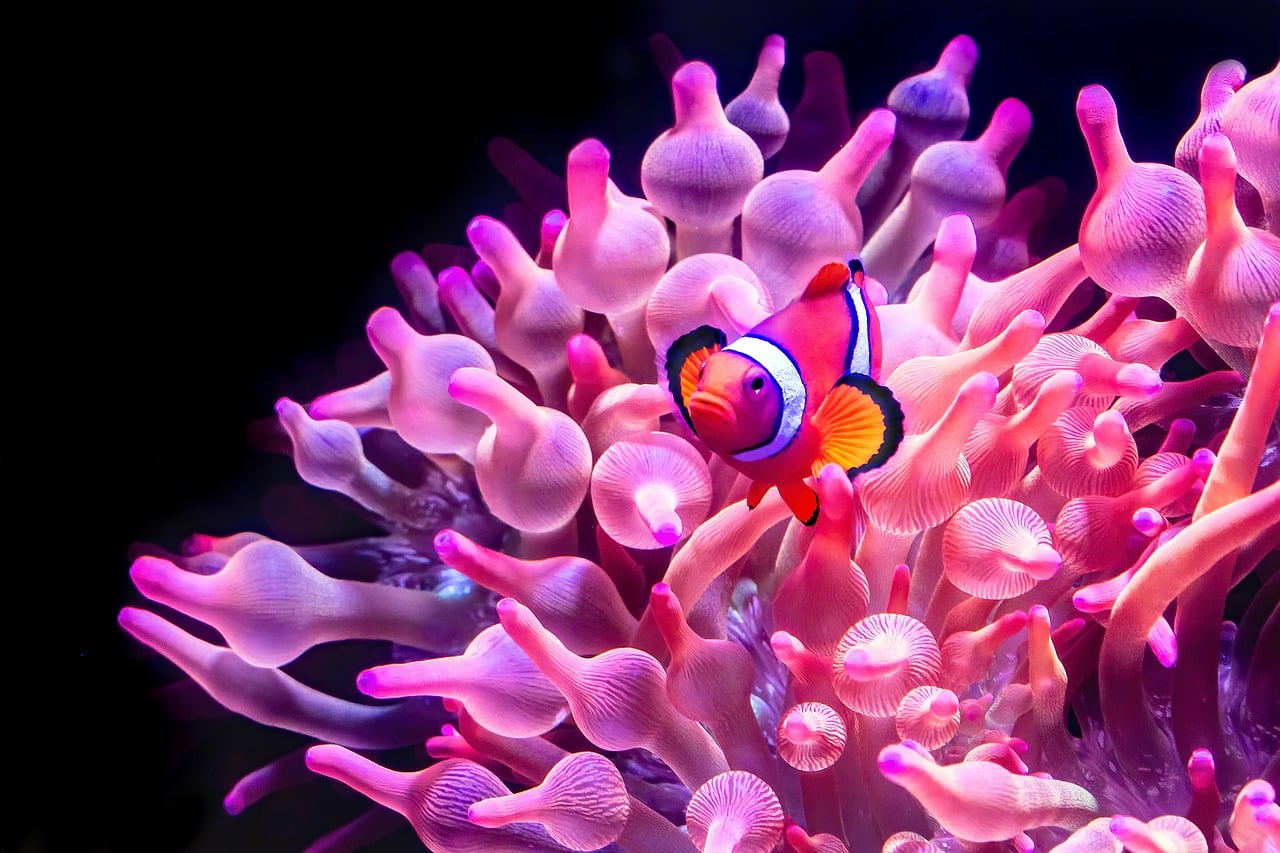
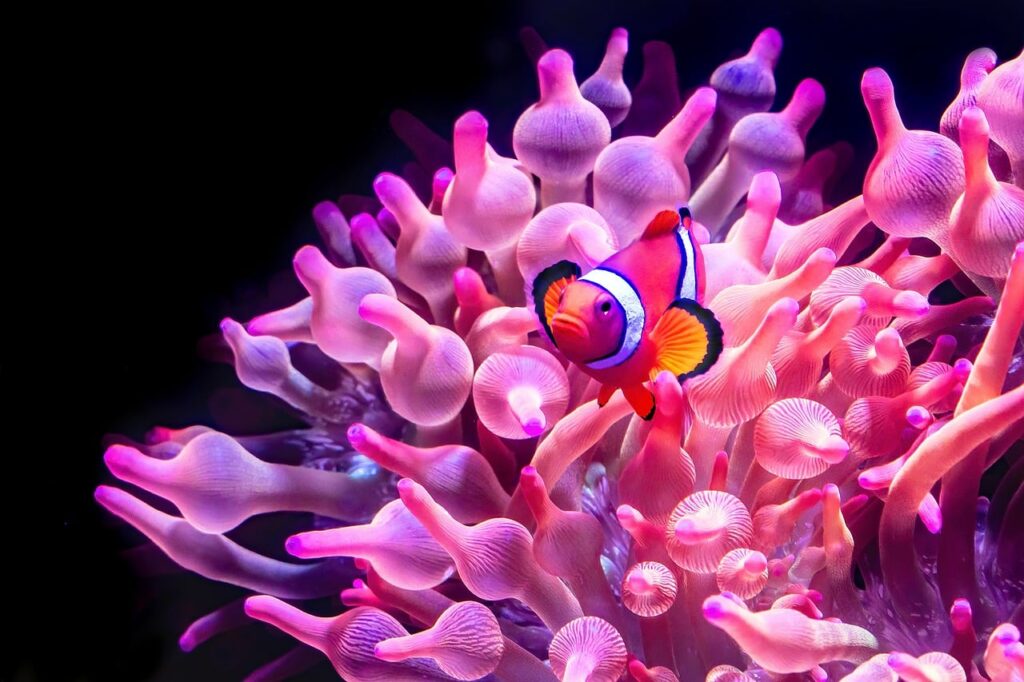
Most divers spend their days chasing clownfish in sunlit shallows. You see the classic Nemo, darting around its anemone, performing that signature wiggle dance. It’s a great experience. But to see a completely different animal—one that’s slower, more deliberate, and genuinely fascinating—you need to go at night. Understanding night diving clownfish behavior isn’t just about ticking a bucket list item; it’s about witnessing a side of marine life that 90% of divers miss. This article covers what changes in their behavior, what gear you need, and the safety considerations for a successful dive. Whether you’re a seasoned night diver or planning your first one specifically to see these fish, this guide offers practical, experience-based details you can use.

How Clownfish Behavior Changes at Night
The shift from day to night is dramatic for a clownfish. During the day, they are territorial, constantly chasing other fish away from their anemone. They are active, foraging within a few feet of their host, and highly reactive to a diver’s presence. A shadow overhead can send them into a defensive frenzy.
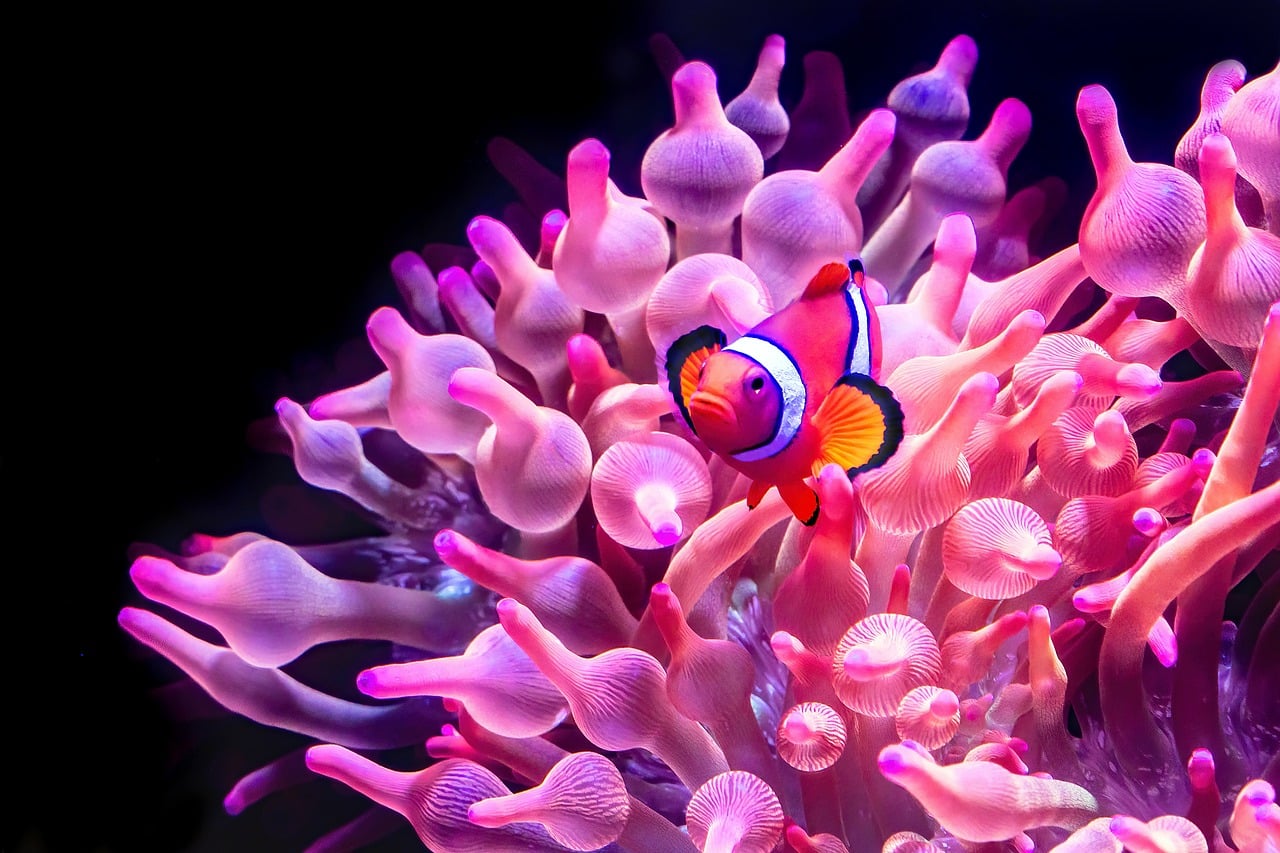
At night, everything slows down. They stop chasing and foraging. Instead, they settle into a resting state inside the anemone. But it’s not just sleep. The anemone itself contracts its tentacles, forming a protective “tent” over the fish. This is called tenting behavior. The clownfish often tucks deep into the base of the anemone, sometimes with only its head visible, or completely out of sight. This is a survival mechanism to avoid nocturnal predators like moray eels and octopus.
Here’s a quick comparison table to help visualize the difference:
| Behavior | Daytime | Nighttime |
|---|---|---|
| Activity Level | High – foraging, chasing, guarding | Low – stationary, resting |
| Anemone Interaction | Anemone fully expanded, clownfish active | Anemone contracts (tenting), clownfish tucked inside |
| Reaction to Divers | Aggressive, alert, may dart away | Passive, less reactive, may not notice you |
| Visibility | Easy to spot, often near the anemone’s edges | Hard to see, may be completely hidden |
The practical takeaway is that you need patience and a good dive light. They aren’t going to come to you—you have to find them. Because they are less reactive, you can get closer without startling them, but you need to be careful with your light. A narrow-beam light is especially useful for picking out details in the contracted anemone. Travelers who need a reliable primary light might start their search with narrow beam dive lights on Amazon.
Why Night Dive with Clownfish? Key Benefits Over Day Dives
So why bother with the extra effort of a night dive? There are real, practical benefits.
- Fewer divers: Most dive sites are empty at night. You’ll have the reef to yourself, which means no crowds, no bubbles from other groups, and no one scaring the fish away before you get there.
- Unique photo opportunities: The contrast between the dark water and the glowing anemone, combined with the stationary clownfish, creates dramatic images you can’t get during the day. You have more time to compose the shot.
- Easier to approach: Because they are less reactive, you can get much closer without causing stress. This is a huge advantage for photography or simply observing their anatomy without them swimming away.
- See feeding behavior: While rare, some clownfish will feed on zooplankton near the anemone at night. It’s a completely different feeding dynamic than their daytime grazing.
The tradeoff is reduced visibility and the need for reliable artificial light. You won’t see the colors of the reef the same way. But for the specific goal of watching clownfish, the benefits outweigh the drawbacks for most experienced divers.
Essential Gear for Night Diving with Clownfish
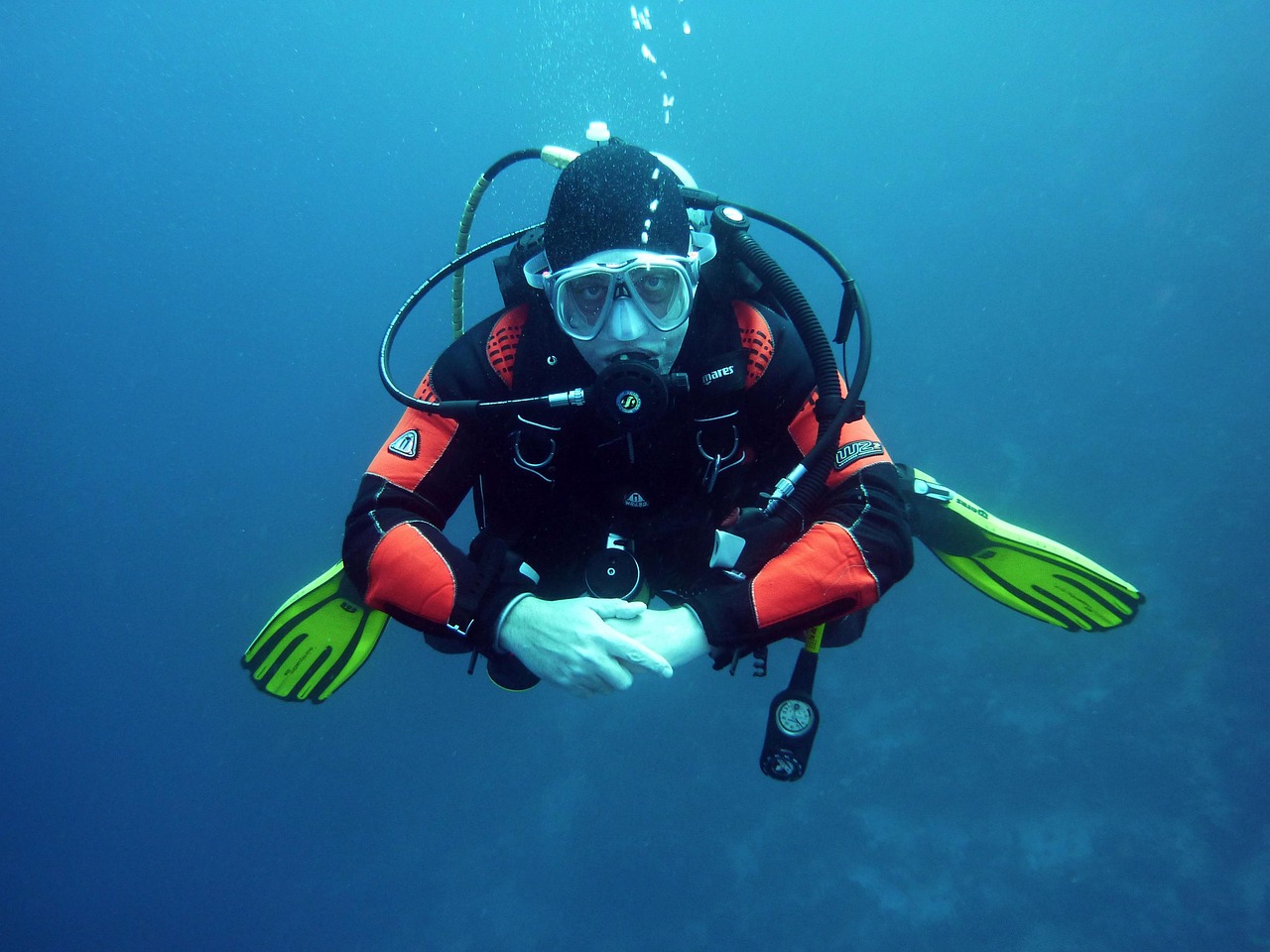
Night diving requires a different gear setup than a standard day dive. Lighting is everything. Here’s what you actually need, along with what’s best for the job.
- Primary Dive Light: You need a bright, focused beam. Don’t cheap out here. A light in the 1000-lumen range is ideal for spotting fish in the reef. Look for a light with a tight beam to punch through the anemone’s tentacles. Best for: high-lumen dive lights on Amazon.
- Backup Dive Light: Non-negotiable. If your primary fails, you’re in the dark. Get a smaller, compact backup that clips to your BCD. Best for: compact backup dive lights on Amazon.
- Red-Light Filter: Clownfish, like many fish, are sensitive to bright white light. A red filter lets you observe them without startling them. They see red light as less threatening, allowing you to get closer. Best for: red light filters for dive lights on Amazon.
- Underwater Camera with Strobe: If photography is your goal, a camera with an external strobe is mandatory. The internal flash on most cameras won’t cut it. A macro setup is best. Best for: underwater cameras and strobes on Amazon.
- Wetsuit (Thicker or Hooded): The water temperature drops at night, even in tropical locations. You’ll get colder faster. A 5mm wetsuit or a 3mm with a hood is a good choice. Best for: thicker wetsuits on Amazon.
- Surface Marker Buoy (SMB) with Light: Safety essential for signaling your position to the boat at the end of the dive. Get one with a chemical light stick or an integrated LED. Best for: SMB with lights on Amazon.
Don’t forget a tank and regulator, but those are standard. The key upgrades are the lights and the red filter. If you’re on a liveaboard, they often supply the lights, but it’s better to bring your own.

Best Time of Year and Location for Night Clownfish Dives
You can do this anywhere you find clownfish, but some locations and seasons are far better than others.
Seasonal Patterns: Clownfish behavior is tied to breeding cycles. During their breeding season (which varies by region but often aligns with warmer months), they are more active and territorial. This can make them easier to spot at night because they might be guarding eggs. However, they also tuck deeper into the anemone when sensing danger. The best time is typically during the dry season when visibility is highest and currents are calm. For the South Pacific, that’s April to October. For the Red Sea, it’s May to September. For the Caribbean, it’s typically winter months.
Recommended Locations:
- South Pacific (Komodo, Raja Ampat): Anemone Garden in Komodo is a famous site for clownfish. The night dives here are exceptional because of the sheer number of anemones and the minimal current.
- Red Sea (Egypt): The Coral Garden sites near Hurghada or Sharm el-Sheikh have excellent anemone fields. The water is warm year-round, but night dives require a thin wetsuit.
- Caribbean (Bonaire, Cozumel): The shallow reefs in Bonaire are perfect for night diving. The clownfish are abundant, and the sites are easy to navigate.
Practical Tip: Book your trip during the dry season for your chosen region. Avoid full moons if possible—the current can be stronger, and the extra light can make the fish slightly more active (and harder to approach).
Night Diving Safety Considerations Specific to Clownfish Sites
Safety is paramount when diving at night. The reef looks different in the dark. Here are specific considerations for clownfish sites.
- Stay near the reef edge: Clownfish live in anemones on the reef slope. You don’t need to go deep. Most good sightings are between 5 and 15 meters. Staying in shallower water reduces your decompression risk and keeps you near the boat.
- Avoid anemone sting: Anemones sting. Even the “clownfish-safe” ones can cause a painful rash. At night, you might not see the tentacles as clearly because of the contracted state. Use your light to scan slowly and deliberately. Do not touch the anemone.
- Use a guide: A local guide knows where the anemones are. They also know the current patterns and hazards like hidden holes or coral overhangs. Do not go without a guide on your first night dive at a new site.
- Monitor your air and depth: Night dives can be disorienting. It’s easy to get absorbed in watching one fish and forget your depth. Check your computer frequently.
- Common Mistake: Shining your light directly into a clownfish’s eyes. This can temporarily blind them or cause stress. Instead, angle the light slightly to the side or use a red filter. If they jerk away, you’re too bright.
Realistic expectation: sometimes you won’t see them at all. If they’re tucked deep into the anemone, you might swim right past them. It’s not unusual to spend 15 minutes searching and only see a tail fin. Patience pays off.
Photographing Clownfish at Night: Tips and Gear Choices
Night photography is a different beast. You need to control your light precisely to avoid washing out the shot.
Camera Settings:
- Aperture: f/8 to f/11 for sharpness on the fish and the anemone.
- Shutter Speed: 1/60 to 1/125 second to freeze the clownfish’s movement (they move very little at night, so you can go slower).
- ISO: Keep it low (100-400) to minimize noise. Dark water looks terrible with high ISO.
Lighting Techniques:
- Snoot vs. Diffuser: A snoot creates a tight beam of light that illuminates only the clownfish, leaving the background dark and dramatic. A diffuser spreads the light to also show the anemone and surrounding reef. Both work. Start with a diffuser for your first few shots.
- Macro Lens: Clownfish are relatively small. A macro lens or a diopter on your camera housing is essential for getting close-up detail.
Gear Recommendations:
- Olympus TG-6: One of the best consumer cameras for underwater macro. Very capable with a housing. Best for: Olympus TG-6 on Amazon.
- Sea&Sea Strobes (YS-01 or YS-D3): Reliable, powerful, and easy to use. Perfect for night work. Best for: Sea&Sea strobes on Amazon.
Common Mistake: Overexposing the anemone. The tentacles are white or translucent and will blow out quickly. Use a lower strobe power and position it from an angle to create shadows.
What Not to Do: Common Mistakes Divers Make with Nocturnal Clownfish
Learn from other people’s errors. Here are the most frequent mistakes.
- Skipping the pre-dive briefing: Anemone etiquette matters. Some anemones have a stronger sting than others. Your guide will tell you which ones to avoid.
- Using white light: White light scares them. It triggers a stress response. Use red light or at least dim your primary light when observing.
- Trying to touch or move the anemone: This can damage the anemone and the clownfish’s home. Never poke the tentacles to get a better view.
- Diving without a buddy: Night diving is inherently riskier. Always have a buddy, and keep them within arm’s reach. Communication is harder in the dark.
- Ignoring current changes: Currents can shift quickly at night. If you’re focused on a clownfish, you might drift away from the reef. Check your position every few minutes.
Night Dive Itinerary Example: A Typical 2-Dive Night Trip
Here’s what a well-planned night dive trip looks like. This assumes you’re on a liveaboard or a shore-based dive center running a two-dive evening program.
Dive 1: Sunset Check Dive (Approx. 5:00 PM – 6:00 PM)
- Goal: Locate the anemones while there’s still ambient light. Mark them mentally (or with a small light marker on the reef if allowed).
- What you do: Swim to the designated area. Identify 2-3 anemones with clownfish. Note their positions. Check the current and depth. This is your scouting dive.
- Duration: 45-50 minutes at 10-15m.
Surface Interval (Approx. 6:00 PM – 7:30 PM)
- What you do: Change your battery in your primary light. Refill your tank. Eat a light snack (nothing heavy). Review your camera settings. Check your SMB.
- Gear check: Make sure your backup light is on and functional. Clip it to your BCD where you can reach it.
Dive 2: Night Dive (Approx. 7:30 PM – 8:30 PM)
- Goal: Observe and photograph the clownfish without disturbance.
- What you do: Descend directly to the anemones you marked. Use your red filter for observation. Take your time. Spend 15-20 minutes at one anemone if the fish are cooperating. Move slowly. Watch for other nocturnal life (crabs, shrimp, eels).
- Duration: 40-50 minutes. Ascend with your SMB deployed.
This two-dive approach is standard. Don’t try to do it in one dive—you’ll waste time searching in the dark.

How to Book a Night Dive Experience with Clownfish Focus
Not all dive operators are equal for night dives. Here’s how to choose wisely.
- Ask about group size: Small groups (4-6 divers) are best. Larger groups create too much light pollution and noise. A group of 10 divers with bright lights will scare every clownfish into hiding.
- Ask if they have night-specific guides: Some guides are better at night than others. A good guide knows the reef’s night spots and can point out clownfish that are hard to see.
- Ask about equipment quality: Do they supply lights? Are they beam-style lights or floodlights? Beam lights are better for spotting. Do they have red filters? If not, bring your own.
- Check the itinerary: A dedicated night dive, not a “bonus” dive after a full day, is preferable. You want a calm dive, not a rushed one.
You can find reputable operators through booking platforms that specialize in diving. Best for: night dive experiences on Amazon. Look for operators with strong reviews and a clear focus on marine life conservation.
Final Pros and Cons: Is a Night Dive with Clownfish Right for You?
Let’s lay it out clearly.
Pros
- Unique, less-seen behavior (tenting, stationary fish).
- Quieter, more intimate dive experience.
- Better photo opportunities due to lower light and stationary subjects.
- Easier to approach without startling them.
Cons
- Lower visibility and need for reliable lights.
- Cold water (bring a thicker wetsuit).
- More gear to manage and maintain.
- May see fewer fish if they are deeply hidden.
Best for: Experienced divers, underwater photographers, marine biology enthusiasts, and anyone looking for a calm, focused dive.
Not for: Beginners with no night dive experience, divers prone to disorientation, or anyone looking for a high-adrenaline dive (there’s no shark action here, just slow observation).
If you have 20+ dives and are comfortable with basic night dive procedures, this is a fantastic experience. If you’re a novice, do a standard night dive first to get comfortable with the dark environment.
Frequently Asked Questions About Night Diving with Clownfish
Q: Are clownfish more aggressive at night?
A: No. They are significantly less aggressive. Their territorial behavior is primarily a daytime function. At night, they are passive and focused on rest.
Q: Do I need special training for a night dive?
A: Technically, no, if you have an Open Water certification. But a Night Diver specialty course is highly recommended. You learn specific skills like light handling, navigation, and communication. Many dive operators require it for night dives.
Q: Will I see other marine life on a night clownfish dive?
A: Absolutely. The same reef is active with crustaceans, nocturnal fish (like squirrelfish), octopus, and sometimes sleeping sharks. Keep your eyes open.
Q: Can I use a GoPro for night photography of clownfish?
A: Yes, but you’ll need a good underwater light (e.g., a video light with a spot beam). GoPros struggle with color and sharpness in low light. For still photos, a dedicated camera is better.
Q: How long does a typical night dive last?
A: 40 to 50 minutes, depending on your air consumption and depth. You’ll want to plan for a shorter dive to preserve battery life for your lights.
Final Thoughts
Night diving with clownfish isn’t for everyone, but for those who want to see genuine night diving clownfish behavior, it’s a different way to experience the reef. The combination of their relaxed state, the dramatic lighting, and the quiet of the water creates something daytime diving simply can’t match. Gear matters. Patience matters. Safety matters. If you plan properly and choose the right location and operator, you’ll leave the water with a new appreciation for these fish. Add a night dive to your next trip—check out the gear recommendations above to get started.