Hawaii Clownfish Diving: Which Islands Are Best?
If you’re planning a dive trip to Hawaii specifically to see clownfish, you have more options than you might think. But not every reef is crawling with them, and the experience varies a lot depending on which island you choose. This article is a practical island-by-island breakdown for divers who want to make the right call based on skill level, budget, and what they hope to see underwater. We’re cutting through the hype to focus on what matters: where to find clownfish, what to expect, and how to plan your hawaii clownfish diving islands trip without wasting time or money.

Quick Facts About Clownfish in Hawaii
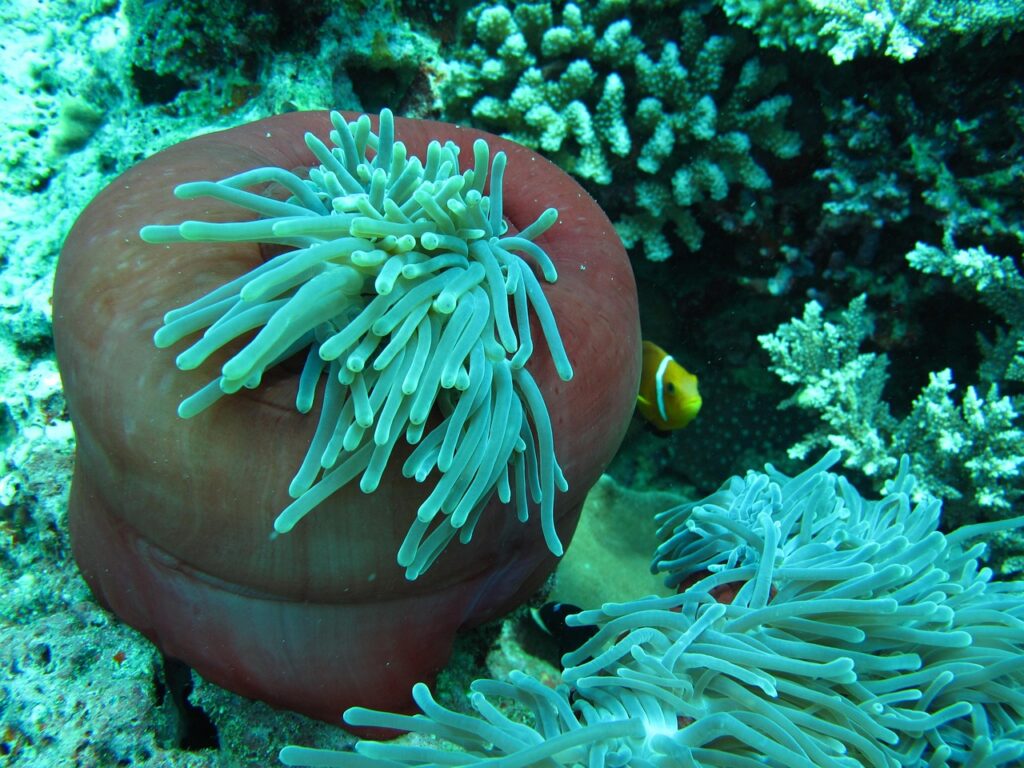
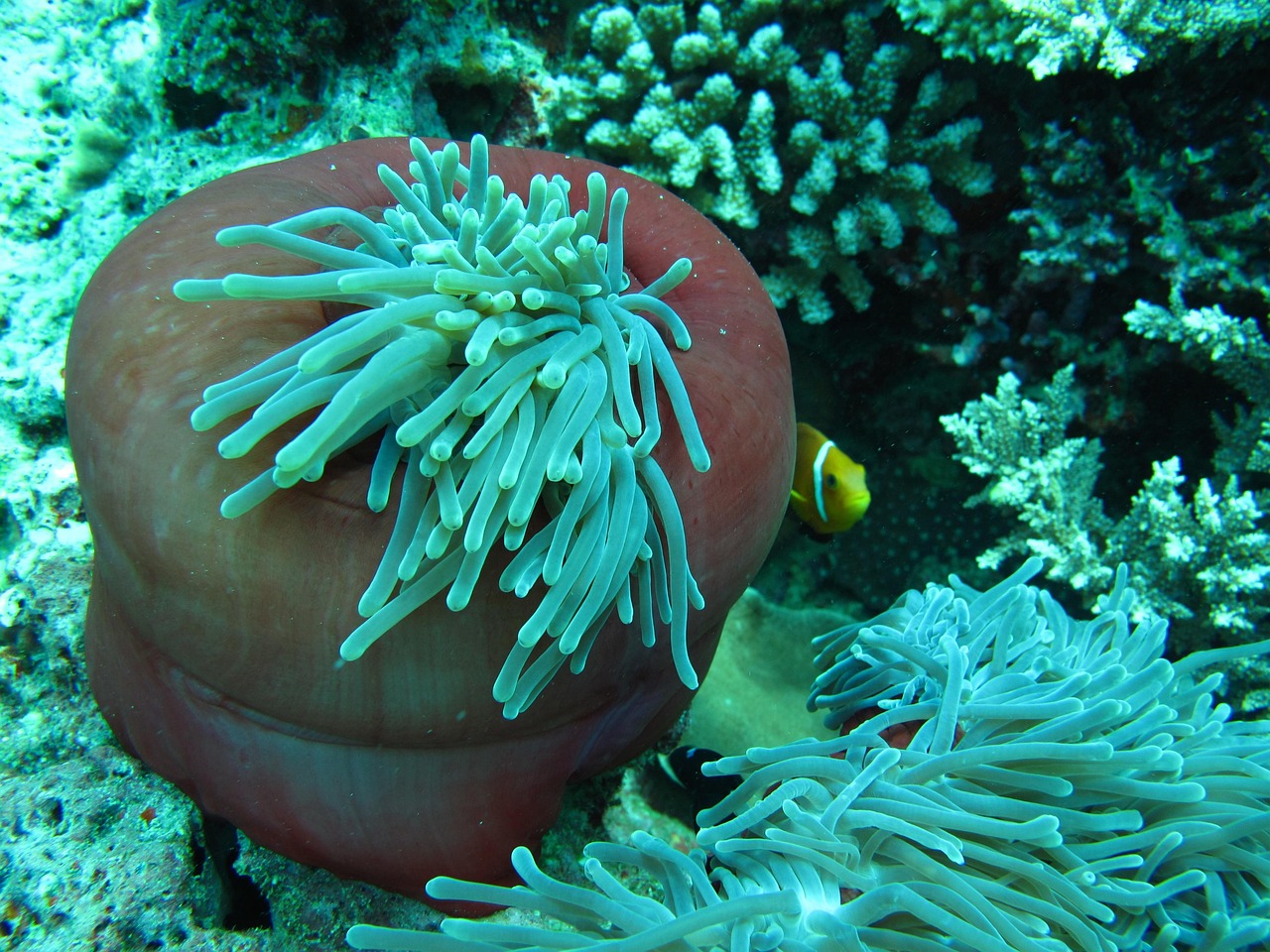
Before you book anything, it helps to know what you’re looking for. Hawaii has a few clownfish species, but the two you’ll most commonly encounter are Clark’s anemonefish and the Hawaiian tomato clownfish. Clark’s are larger and bolder. They’re territorial and often hang out in pairs or small groups. The Hawaiian tomato clownfish is smaller, with a reddish-orange body and white stripes that break up as they age. Both species live in a symbiotic relationship with sea anemones, which attach to hard substrates on shallow to mid-depth reefs.
Typical depths range from about 10 to 60 feet. That’s important because you don’t need to be a deep-diving expert to see them. But here’s the catch—not every reef has anemones, and even where anemones are present, clownfish aren’t guaranteed. They tend to favor patch reefs, coral bommies, and areas with moderate surge. You’ll rarely find them on sandy flats or in heavy current zones. So while they’re common, you still need to pick your site wisely.
What to Look for When Choosing an Island for Clownfish Diving
Choosing an island isn’t just about where the clownfish are. It’s about matching conditions to your comfort level and trip goals. Here are the main factors to weigh:
- Visibility: Maui and the Kona coast of the Big Island consistently offer 80–100+ feet. Oahu’s south shore can be variable, especially after rain.
- Water temperature: Expect 75–82°F year-round. That’s warm enough for a dive skin in summer, but you’ll want a 3mm wetsuit in winter, especially on Kauai or the Big Island’s north shore.
- Reef health: Healthy coral equals more anemones. Maui’s Molokini and Honolua Bay have excellent coral coverage. Oahu’s Hanauma Bay is recovering but still good.
- Dive difficulty: Oahu’s shallow shore dives are beginner-friendly. Kauai’s north shore has currents that demand intermediate skills. The Big Island’s lava rock entries can be tricky.
- Access to known anemone patches: Some dive shops know exactly where resident clownfish live. Others take you to general reef sites. Ask ahead.
- Cost: Oahu tends to be cheapest for boat charters and gear rentals. Lanai and Molokai are more expensive due to longer boat rides.
The tradeoff is real. Calm, accessible reefs on Oahu often have more divers. Exposed sites on the Big Island offer solitude but require better planning. Your gear choice also matters—a good mask, fins, and a compact camera setup can make the difference between a frustrating search and a successful dive.
Oahu: Most Accessible Clownfish Diving for Beginners
Oahu is where most people start, and for good reason. The south shore has several shore dive sites that are shallow, calm, and packed with marine life. Hanauma Bay is the obvious one—it’s a marine life conservation area with a gentle entry and plenty of anemones in the sandy channels between coral heads. You’ll often see Clark’s anemonefish in pairs, guarding their host closely. Turtle Canyon is another solid option, though it’s a boat dive. The reefs here are patchy but healthy, and the clownfish tend to be at 25–35 feet.
For beginners, Oahu is hard to beat. Most dive shops offer guided shore dives that include gear rental for around $100–150 per person. If you’re booking independently, consider a shore dive at Hanauma Bay without a guide—just make sure you’re comfortable with navigation and buoyancy. The water is warm, the current is mild, and you can easily spend an hour exploring the shallow reef.
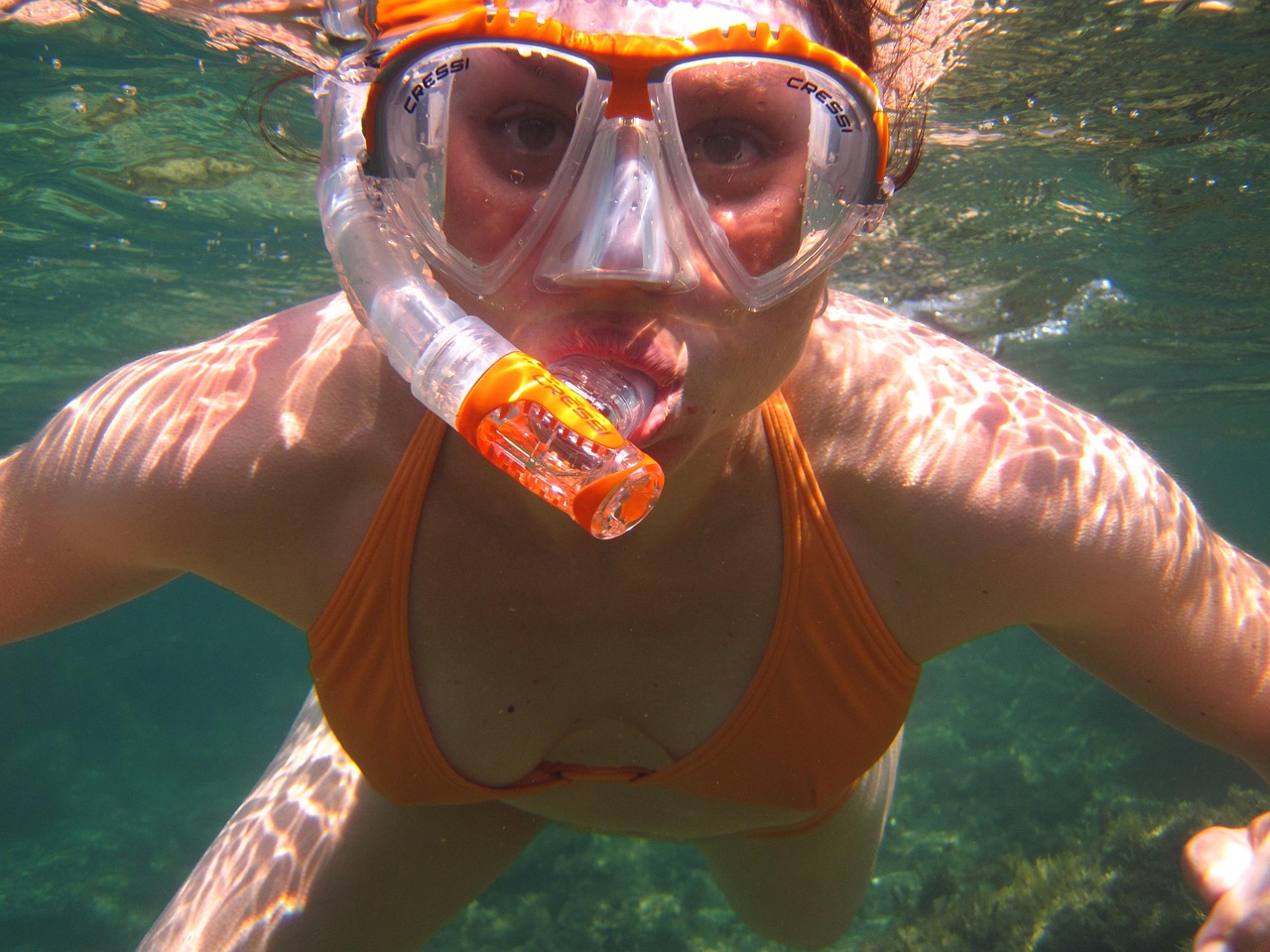
Gear tip: For shallow dives like this, a low-volume mask helps with equalization and staying down without fighting buoyancy. A simple GoPro on a tray is more than enough for photos. Don’t forget reef-safe sunscreen—regular sunscreen kills coral, and fines for using it are real.
Monetization opportunities: Entry-level dive mask (e.g., Cressi or Mares), high-quality fins, reef-safe sunscreen, waterproof camera (GoPro Hero or similar).

Maui: Best for Clear Water and Photo Opportunities
If your priority is visibility and photography, Maui wins. The water around Molokini Crater and Honolua Bay is routinely crystal clear, often exceeding 100 feet. That makes a massive difference when you’re trying to spot clownfish hiding in anemones or photograph them without backscatter. The clownfish here tend to be a bit deeper—around 40–60 feet at Molokini—so you’ll want solid buoyancy control to hover without stirring up sand.
Olowalu Reef is another strong choice. It’s a shallow, fringing reef with lots of anemone clusters. The clownfish here are often more spread out, which means less competition for photo angles. The downside? Maui’s dive sites require more travel time. A boat charter from Lahaina or Kihei can take 30–60 minutes to reach the best spots. That adds to the cost and the morning commitment.
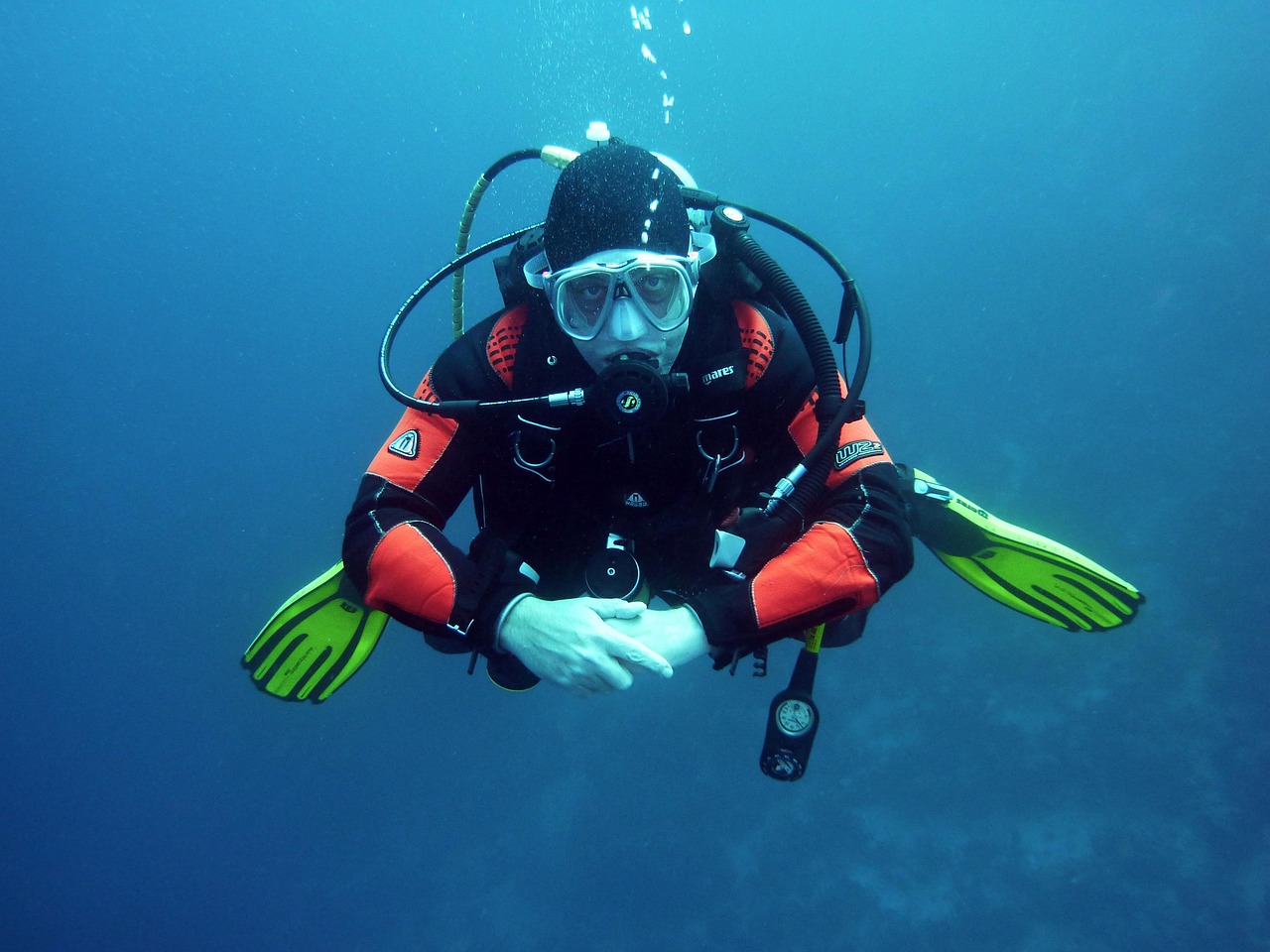
Gear tip: For deeper dives at Molokini, a dive computer is essential if you’re doing multiple dives back-to-back. A compact dive light helps for peering into crevices where anemones sometimes hide. For photos, a GoPro with a red filter or a small point-and-shoot in a housing works well. Maui’s dive shops often have photo-friendly policies—ask about small groups if you want more space to frame shots.
Monetization opportunities: Dive computer (Suunto or Shearwater), dive light (e.g., Sola), GoPro with tray, reef-safe sunscreen.
Kauai: Rugged Beauty and Fewer Crowds
Kauai is the wild card. The north shore has some incredible dive sites—Tunnels Beach and Anini Beach come to mind—but conditions are less predictable. Clownfish populations are thinner here, but when you find them, the encounters feel more natural. You’re not sharing the reef with a dozen other divers. The tradeoff is that currents can be strong, especially on the north shore, and visibility varies with swell and rain.
This is not the island for beginner divers. You’ll want at least 20–30 dives under your belt and comfort with drift diving. Dive shops are fewer, so book boat dives in advance—especially in peak season (December–April). Shore diving is possible, but you need to be cautious about entry and exit points, which can be rocky.
Gear tip: Water temperatures on Kauai run cooler than the rest of Hawaii, especially in winter. A 3mm or 5mm wetsuit is a good call. For shore diving, a dive flag buoy is mandatory in many areas—it keeps boat traffic aware of your position.
Monetization opportunities: Wetsuit (3mm or 5mm), dive flag buoy, booking flights and lodging early to secure availability.
The Big Island: Most Diverse and Unpredictable Clownfish Encounters
The Big Island offers the most variety, but also the least consistency. The Kona coast is the go-to for calm, clear water. Kealakekua Bay and Garden Eel Cove have healthy patches of coral with anemones scattered in the sand channels. The clownfish here are often found near isolated anemones rather than dense clusters, so you’ll need to keep your eyes open. Visibility is usually excellent—80–100 feet is common—but surge can be an issue on windward days.
The Kohala coast is a different story. Lava rock terrain creates interesting topography, but the anemones tend to be tucked into crevices. A dive torch is almost essential for spotting them. Conditions are less predictable, and currents can pick up suddenly. This is not the place for a drift dive without a guide.
Compared to Oahu or Maui, the Big Island demands more attention and planning. But the payoff is seeing clownfish in a more rugged, less manicured setting. Night dives are particularly good here—clownfish sleep in their anemones, which makes them easy to photograph without constant movement.
Gear tip: A dive torch for lava crevices, and a surface marker buoy for safety. Night dive packages are worth the extra cost if you’re into photography.
Monetization opportunities: Dive torch (e.g., Sola or Big Blue), surface marker buoy, night dive package at a local shop.

Lanai and Molokai: Underrated Options for Experienced Divers
Lanai and Molokai don’t get the same attention as the main islands, but they’re some of the best-kept secrets in Hawaii for clownfish diving. Lanai’s Cathedral Pines is a stunning site with towering lava pinnacles and healthy coral. The clownfish here are reliable, and the lack of crowds means you can spend more time observing them. Molokai’s south shore has similar conditions—fewer divers, healthier reefs.
The downside is access. You’ll need a boat charter from Maui or a liveaboard to get there. That adds cost and travel time, but if you’re an experienced diver looking for solitude, it’s worth it. Conditions are generally calm on the leeward sides, but currents can pick up around the points.
Gear tip: A dry bag is essential for open boat rides that get splashy. Seasickness medication is smart if you’re prone—these trips involve longer crossings.
Monetization opportunities: Dry bag, seasickness medication (e.g., Dramamine), charter company booking (via PADI Travel or similar).
Island Comparison Table: Which Is Best for You?
| Island | Convenience | Clownfish Abundance | Water Conditions | Difficulty | Cost | Best For |
|---|---|---|---|---|---|---|
| Oahu | High | High | Good (variable) | Beginner | Low | First-time diver, shore diving |
| Maui | Medium | Medium | Excellent | Intermediate | Medium | Photography, clear water |
| Kauai | Low | Medium | Variable | Intermediate-Advanced | Medium | Adventure, fewer crowds |
| Big Island | Medium | Medium | Variable | Intermediate | Medium | Diverse reef, night dives |
| Lanai | Low | Medium-High | Good | Intermediate-Advanced | High | Solitude, boat charters |
| Molokai | Low | Medium | Good | Advanced | High | Experienced divers, liveaboards |
If you’re a beginner, go with Oahu. If you want the clearest water and best photo conditions, Maui is your pick. For a rugged, off-the-beaten-path experience, Kauai or the Big Island work well. Lanai and Molokai are for divers who’ve done it all and want something different.
Monetization opportunities: Travel insurance (World Nomads or similar), reef-safe sunscreen, dive log app (e.g., DiveSSI or MySSI).
Common Mistakes Divers Make When Searching for Clownfish in Hawaii
Here are the mistakes I see most often, and how to avoid them:
- Diving too deep. Clownfish are usually in 10–50 feet. Don’t burn through your air chasing deeper spots. Stay shallow and scan the reef edges.
- Ignoring tide tables. Some sites have strong currents during outgoing tides. Plan dives around slack tide for the best visibility and calmest conditions.
- Not asking the dive shop. Most shops know exactly where resident anemones are. Ask before you book. If they don’t know, find a shop that does.
- Using too much sunscreen. Regular sunscreen kills coral. Use reef-safe mineral sunscreen (zinc or titanium dioxide) and apply it 20 minutes before entering the water.
- Expecting to see them everywhere. Clownfish are common, but not on every reef. Manage your expectations and enjoy the other marine life you find along the way.
Monetization opportunity: Reef-safe sunscreen (e.g., Raw Elements or Thinksport), dive compass for navigation.
Gear Recommendations for Hawaii Clownfish Diving
Here’s a practical gear list, grouped by necessity:
Must-have:
- Low-volume mask (Cressi, Mares, or Atomic Aquatics) – For comfortable equalization and clear views.
- Lightweight wetsuit or dive skin – 3mm is fine for most of the year. Dive skin works in summer.
- Fins – Split fins or paddle fins for comfort. Avoid super-stiff fins if you’re shore diving.
- Reef-safe sunscreen – Non-negotiable. Fines apply.
Nice-to-have:
- Dive computer – Helpful for managing multiple dives, especially on Maui or Big Island.
- Underwater camera – GoPro with a tray and red filter, or a compact point-and-shoot in housing.
- Dive light – Useful for crevices on the Big Island or night dives.
- Surface marker buoy – Essential for shore diving on Kauai or Big Island.
What to skip:
- Full face masks – Overkill for warm water.
- Closed-circuit rebreather – Unless you’re a tec diver, it’s not necessary.
- Expensive strobes – You’re in shallow, clear water. Available light is enough.
Monetization opportunities: Amazon links to each recommended item with brief justification.
How to Book a Clownfish-Focused Dive Trip in Hawaii
Here’s the step-by-step process:
- Research dive shops that specialize in reef dives with anemone sites. Read recent reviews for clownfish sightings. Avoid shops that do generic reef tours unless they can confirm the site.
- Book early for peak season (December–April). The best shops fill up fast, especially for small-group charters.
- Ask about group size. Small groups (4–6 divers) give you more time to observe without disturbing the anemones.
- Consider a private guide if you’re serious about photography. The extra cost is worth it for one-on-one attention and site selection.
- Time your dives. Early morning has better lighting and less current. Midday dives have more boats and glare.
For booking, use a major travel portal like PADI Travel or a specific liveaboard that covers the islands you’re targeting. Dive travel insurance is a smart investment—it covers trip cancellations and medical evacuation.
Monetization opportunity: Affiliate link to PADI Travel or similar, dive travel insurance link.
Final Checklist for Your Hawaii Clownfish Dive Trip
- Decide on your island based on comfort and budget.
- Book dive charter at least 2 weeks ahead.
- Pack appropriate exposure protection (3mm wetsuit or dive skin).
- Bring a camera setup (GoPro or compact housing).
- Confirm with the dive shop that they visit specific anemone sites.
- Arrive early for gear setup and a thorough briefing.
- Ask your dive guide for tips on not damaging anemones—keep fins clear and hands off.
Now it’s your turn. Pick your island, book your dive, and get ready to see Nemo in the wild. Good diving.