Bali Diving: Where to Find Clownfish – Best Dive Sites & Tips
Introduction
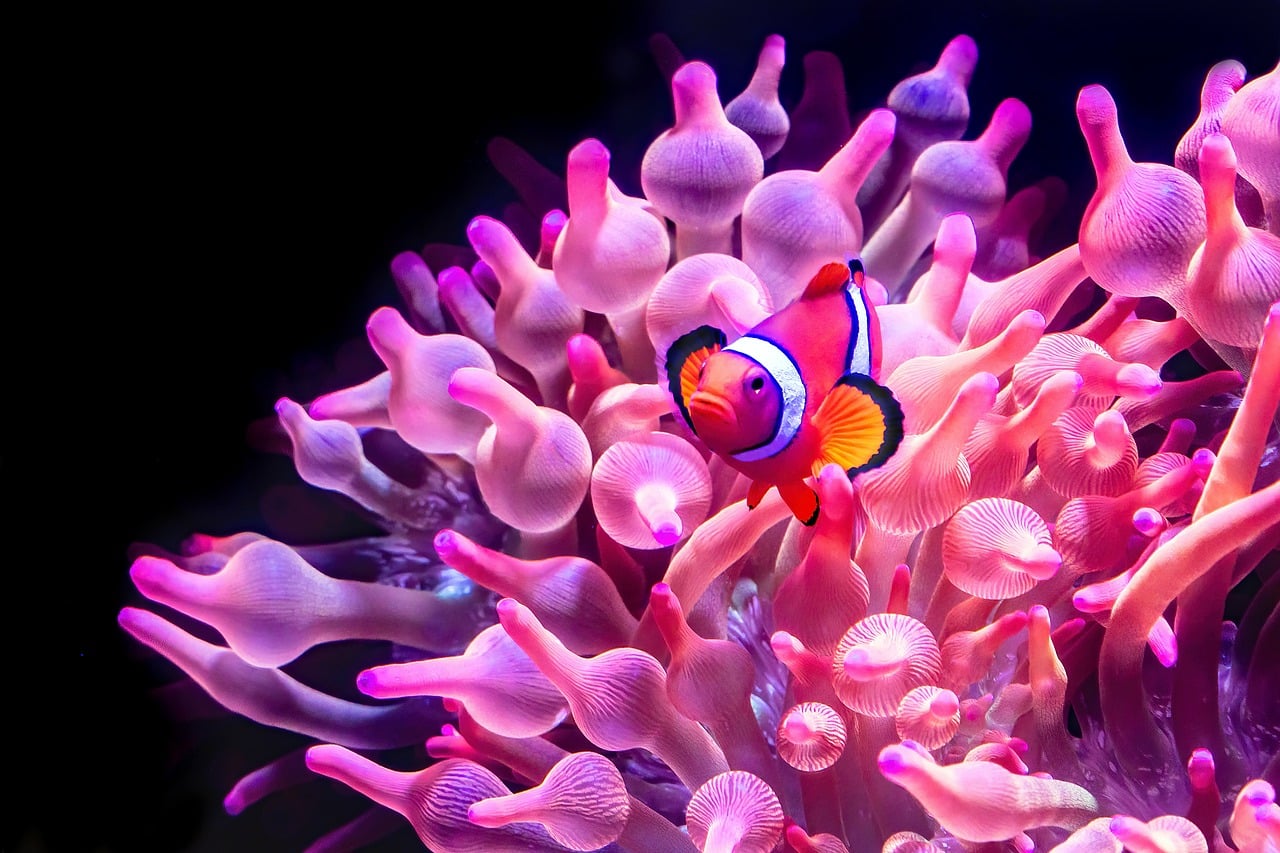
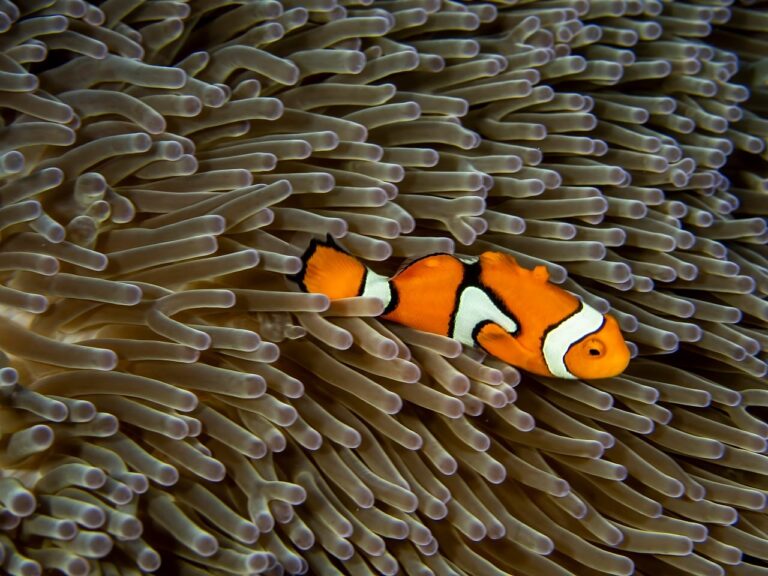
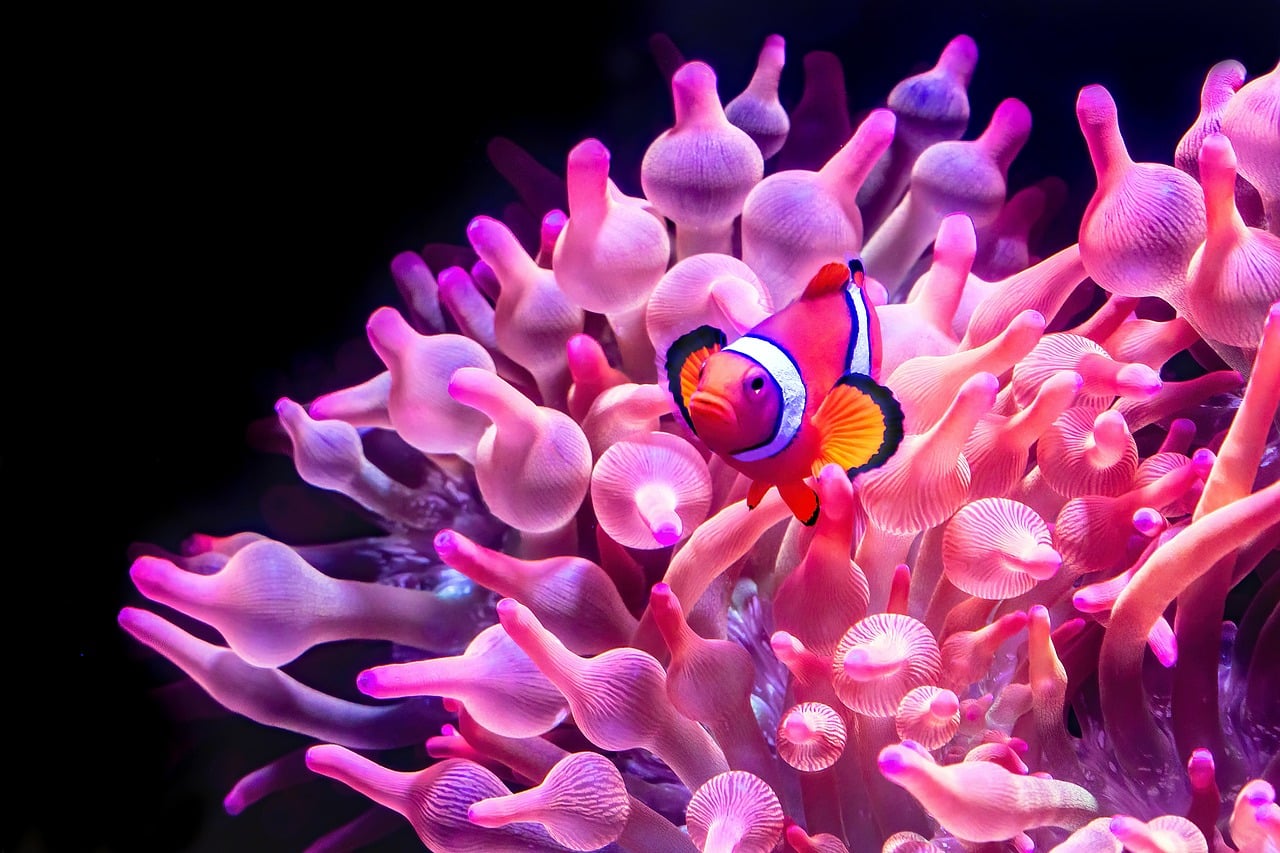
If you’re planning a dive trip to Bali specifically to see clownfish, you’re already asking the right questions. Bali diving clownfish locations are more predictable than most people think. You don’t need to hunt around blindly or rely on luck. The island has several reliable dive sites where you can find false clownfish, orange clownfish, and even the occasional skunk clownfish near their host anemones. This article covers where to go, when to dive, and what to bring—so you can spend more time watching fish and less time figuring things out on the spot. The advice here comes from repeated dives, not from a brochure. If you’re ready to book and want straight answers, keep reading.

Top 5 Bali Diving Clownfish Locations (With What to Expect)
These five sites are the most consistent spots for finding clownfish in Bali. Conditions vary in depth, current, and visibility, so I’ve included what you should expect for each.
Tulamben – Liberty Wreck
The Liberty Wreck is the most famous dive site in Bali, and for good reason. Clownfish here have made a home in the wreck itself and around the sandy areas near the bow. You’ll mostly find false clownfish (the “Nemo” species) in large anemones at depths of 10 to 18 meters. Visibility is usually good, but plan for an early morning dive to avoid the crowds. The wreck slopes gradually, so you can spend plenty of time hovering near the anemones without worrying about depth limits.
Amed – Jemeluk Bay
Jemeluk Bay is a mellow dive site with calm conditions and easy access. Clownfish are often found in shallow water, sometimes as shallow as 3-5 meters. You’ll see false clownfish and occasionally orange clownfish near the coral bommies and patch reefs. This is a great site for macro photography because the anemones are large and the fish are used to divers. The bay is protected, so currents are minimal. Perfect for a relaxed dive.
Nusa Lembongan – Crystal Bay
Crystal Bay is well-known for mola mola sightings, but it’s also a solid clownfish location. Look along the sandy slopes to the right of the bay. You’ll find false clownfish in large carpet anemones at around 8-15 meters. That said, currents can be strong here, especially during tide changes. It’s not a beginner’s site. If you’re comfortable with drift diving, it’s worth the trip. Just keep an eye on your air and stay close to the reef.
Padang Bai – Blue Lagoon
Blue Lagoon is a sheltered bay with a sandy bottom and scattered coral heads. It’s a favorite for beginner divers and snorkelers, but the clownfish are easy to find. Expect false clownfish and a few orange clownfish in anemones around 5-12 meters. The visibility is usually excellent, and the water is calm. This is a good backup site if conditions are rough elsewhere.
Menjangan Island
Menjangan is a bit of a journey from the main diving hubs, but the clarity of the water is unmatched. Clownfish are found on the western side of the island, near the drop-offs. You’ll see false clownfish in large anemones at depths of 10-20 meters. Currents can pick up, so it’s best as a boat dive with a guide who knows the site. If you’re staying in Pemuteran or Lovina, Menjangan is a must-do.
When to Go: Best Time to See Clownfish in Bali
Clownfish are present year-round in Bali, but the experience changes with the seasons. The dry season, from April to October, offers the best conditions. Visibility ranges from 20 to 30 meters, currents are manageable, and water temperature stays in the 26-29°C range. This is the sweet spot for clownfish watching.
The wet season, from November to March, brings rain, runoff, and reduced visibility. It’s not impossible to see clownfish during this time, but you’ll be dealing with murky water and stronger currents. If you’re traveling during these months, stick to sheltered sites like Jemeluk Bay or Blue Lagoon.
One practical piece of advice: avoid diving during the full moon. The increased current can stir up sediment, and some sites become borderline dangerous for less experienced divers. Also, try to schedule your dives for early morning. The water is calmer, and the fish are more active. You’ll also beat the tour boats.

What to Bring: 5 Must-Have Items for a Clownfish Dive
Good gear makes a difference when you’re trying to spot small, specific fish. Here are five items I recommend bringing on any clownfish-focused dive in Bali.
- Dive Mask with Anti-Fog – A mask that fogs up is a nightmare when you’re trying to peer into an anemone. Brands like Cressi or Mares make affordable masks with reliable anti-fog coatings. If you’re renting gear in Bali, bring your own mask—the rental ones are often scratched or poorly fitting. A good mask keeps your view clear, which is everything when hunting clownfish. Divers who wear glasses might also consider a prescription dive mask for sharper vision underwater.
- Dive Torch – Even on a daytime dive, a torch helps you see into crevices and under overhangs where clownfish sometimes hide. It also brings out the colors of the anemone, making spotting the fish easier. A small, bright torch from a brand like Princeton Tec is perfect. Don’t bother with a massive light you’ll have to hold; a compact one clipped to your BCD works fine.
- Reef-Safe Sunscreen – This is non-negotiable. Many sunscreens contain oxybenzone, which damages coral and anemones. Clownfish depend on healthy anemones. Use a reef-safe zinc-based sunscreen. It’s better for the environment and also prevents you from being that diver who gets called out by the dive guide. Brands like Raw Elements or Thinksport are reliable.
- Waterproof Dive Log or Slate – A simple slate lets you note which anemones you found and at what depth. It’s useful for tracking patterns across multiple dives. If you’re a data nerd like me, you’ll appreciate having a record. It’s also handy for communicating with your buddy. A basic plastic slate with a pencil is all you need.
- Compact Camera (GoPro or Similar) – You’ll want photos. A compact underwater camera with a red filter or a small camera like a Sony RX100 is ideal for clownfish photography. The fish move quickly, so good autofocus helps. Mount it on a tray for stability. You don’t need a massive DSLR rig. Keep it simple and keep it small.
How to Spot Clownfish: Tips from a Local Guide
Most divers swim right past clownfish without realizing it. Here’s what to look for.
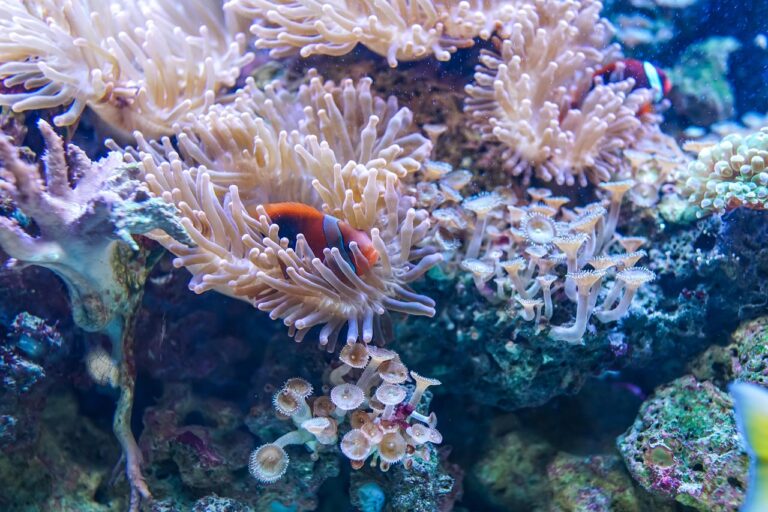
First, find the anemone. Anemones are the home base. They look like fleshy, swaying plants attached to coral or rock. Clownfish specifically host in certain types of anemones, usually the large, curly ones. Look for them on sandy slopes near coral bommies, not on open sand. If you see a patch of anemones, slow down and hover. Watch for movement. The fish often tuck into the tentacles, so patience is key.
Second, look for the shy host anemone fish. These are the smaller, less flashy species that hide deeper in the anemone. They’re harder to spot than false clownfish, so pay attention to any subtle motion near the base of the anemone.
Third, check deeper sand slopes. Juvenile clownfish sometimes hang out near table corals at depths of 15-20 meters. They’re smaller and paler, so they blend in. If you see a fish darting near a coral head, follow it. It might lead you to an anemone.
One common mistake: swimming too fast. If you move at a snorkeling pace, you’ll miss the small anemones tucked under coral ledges. Slow down, breathe slow, and look carefully. The clownfish will reveal themselves.
Dive Operator Comparison: Best Value vs. Best Service
You have two main types of dive operators in Bali: local budget shops and premium full-service outfits. Which one you choose depends on your priorities.
Local Budget Shops – These are common in Amed and Tulamben. They’re cheaper, often charging 40-60 USD per two-tank dive. The gear is functional but older. The guides are local and know the sites well, but group sizes can be larger (6-8 divers per guide). You’ll get a solid dive experience, but don’t expect luxury. Best for: Cost-conscious divers who prioritize value over comfort.
Premium Full-Service Outfitters – Found in Padang Bai and Nusa Lembongan, these shops charge 80-120 USD per two-tank dive. The gear is well-maintained, groups are small (2-4 divers per guide), and they include extras like good snacks, hot tea, and sometimes a camera rinse station. The guides are often more experienced with specific species like mola mola. Best for: Comfort-seekers and photographers who want a hassle-free day.
My recommendation: If you’re on a budget, go with a local shop. But if you want to maximize your chance of seeing clownfish without dealing with gear issues or large groups, pay for the premium option. The difference in guiding quality is noticeable.
Common Mistakes When Searching for Clownfish in Bali
Even experienced divers make these errors. Avoid them and your clownfish dives will be more productive.
- Diving after a rainstorm – Rain reduces visibility drastically, especially near river mouths. Check the weather forecast. If it rained the night before, skip the coastal sites and go for a protected bay like Blue Lagoon.
- Ignoring current-prone sites – Some of the best clownfish spots, like Crystal Bay, have strong currents. Underestimating them can lead to a shortened dive or a stressful experience. Respect the current and dive with a guide who knows the site.
- Staying too deep – Clownfish are often in shallow water, between 3 and 12 meters. Don’t waste your bottom time at 20 meters looking at barren sand. Ascend to the reef crest and search there.
- Not asking the dive guide – Guides know exactly where the anemones are. Ask them before the dive. They’ll point you in the right direction. Don’t be shy about it.
- Getting too close to anemones – Clownfish protect their home. If you get within a meter, they’ll dart into the tentacles. Give them space, watch from a slight distance, and you’ll see their natural behavior.
Best Dive Sites for Beginner vs. Advanced Divers
Not all sites are suitable for every skill level. Here’s a clear breakdown.
For Beginners: Amed (Jemeluk Bay) and Padang Bai (Blue Lagoon) are the safest bets. Both are protected from strong currents, have shallow reefs, and offer easy entries. The clownfish are abundant and conditions are forgiving. You can spend the whole dive at 5-8 meters and still see plenty. These sites are ideal for building confidence or for divers who prefer a relaxed pace.
For Advanced Divers: Tulamben (Liberty Wreck) and Nusa Lembongan (Crystal Bay) offer more challenge. The Liberty Wreck requires depth management and navigation around the wreck structure. Crystal Bay demands comfort with drift diving and strong currents. But both reward you with larger anemones and a wider variety of clownfish species. If you’re a confident diver, these are worth the extra effort.
Recommendation: Match your skill level to the site. If you’re a beginner, don’t push for Crystal Bay—you’ll be stressed and miss the fish. If you’re advanced, don’t waste time at Jemeluk Bay unless you’re there for macro photography.
Accommodation and Logistics for Clownfish Diving Trips
Where you stay affects how many dives you can do and how easy they are to reach.
For Tulamben and Amed, stay directly in the village. There are plenty of simple guesthouses and budget resorts within walking distance of the dive sites. This saves you a commute and allows for early morning dives. Booking a dive package with accommodation is common here and often cheaper than booking separately.
For Padang Bai, choose a hotel near the harbor. The dive sites are a short boat ride away. Avoid staying in Candi Dasa unless you’re willing to drive 30 minutes each way.
For Nusa Lembongan, stay in Jungutbatu or Mushroom Bay. Dive shops are concentrated here, and boats leave from the beach. Plan for at least two days to account for weather delays and current conditions.
One logistical tip: check the distance from your hotel to the dive site. If it’s more than 10 minutes by car, you’re wasting time. Also, early morning dives (around 7-8 AM) are best for visibility and calm water. Don’t sleep in.

Final Checklist: Plan Your Clownfish Dive in Bali
Here’s your quick-action list before you go.
- Pick a dive site based on your skill level (beginner: Jemeluk Bay or Blue Lagoon; advanced: Liberty Wreck or Crystal Bay).
- Check the weather. Avoid diving within 24 hours of a heavy rain.
- Rent gear or bring your own. At minimum, bring your own mask for a better fit and clarity. For frequent travelers, investing in a dive mask case protects it during transit.
- Book a dive operator. For budget, go local. For quality, go premium.
- Schedule an early morning dive. It’s calmer and less crowded.
- Bring a compact camera (GoPro or similar) with a red filter for photos.
- Use reef-safe sunscreen. Your anemone will thank you.
- Ask your dive guide specifically about clownfish. They know the spots.
That covers it. Bali diving clownfish locations are reliable if you know where to look and when to go. Plan accordingly, gear up right, and you’ll have a solid set of dives. Now go find Nemo.