Best LED Lighting for Reef Tanks in 2026: Honest Reviews and Buying Guide
Introduction
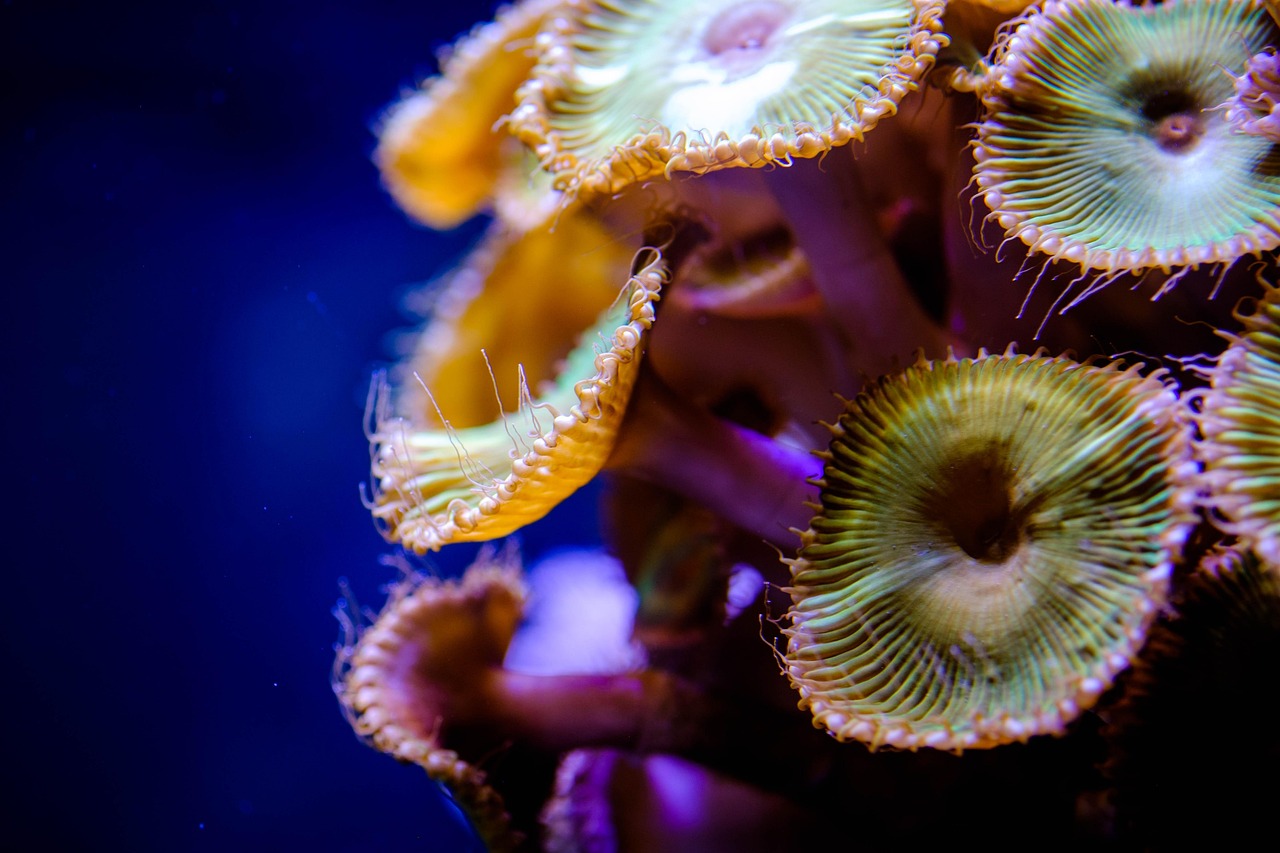
If you’re keeping a reef tank in 2026, the light you choose is probably the most important equipment decision you’ll make. It’s not just about making your corals look good—though that certainly matters—it’s about giving them the right energy for photosynthesis, the right spectrum for growth, and the right intensity for whatever mix of corals you’re keeping. This article goes through the best LED reef tank lighting 2026 has to offer, based on what actually works in real tanks, not just what looks good on paper. There’s no single best light for every setup. The fixture that works for a 10-gallon nano with soft corals won’t cut it over a 120-gallon SPS-dominant system. We’ll cover the tradeoffs for each category—budget, performance, and high-end—so you can figure out what fits your situation. Let’s get into it.

What to Look for in a Reef LED Light in 2026
Before we jump into specific fixtures, it helps to understand what makes a reef LED worth buying. The three key things are PAR/PUR output, spectrum, and how much control you have. I’ve seen too many hobbyists grab a light based on wattage alone, only to find out it can’t reach the bottom of a 24-inch deep tank or that it lacks the blue channels corals actually use.
PAR (Photosynthetically Active Radiation) tells you how much usable light hits your corals. PUR (Photosynthetically Utilizable Radiation) refines that to the specific wavelengths corals absorb, mostly in the blue and violet range. A light that pushes out 500 PAR at 12 inches but has weak blue diodes won’t grow SPS well. Most 2026 models have dialed-in spectrums with multiple blue, violet, and UV channels. That’s a good thing.
Controllability used to be a premium feature. These days it’s standard on most mid-range and high-end fixtures. Look for built-in timers, ramp-up/down features, and smartphone app control. Being able to simulate sunrise and sunset not only looks cool but reduces stress on fish and corals. Some lights even let you control individual color channels, which is handy for fine-tuning how your tank looks. For hobbyists who want to automate their setup and still have some flexibility, a programmable reef LED light makes daily management a lot simpler.
Spread versus penetration is another thing to consider. A single puck-style LED gives you a narrow beam of high-intensity light with that “disco ball” shimmer effect. Good for penetration on deep tanks. A bar-style fixture spreads light more evenly but may not punch down as deep. If you have a 24-inch deep standard 75-gallon, you need both spread and penetration. That usually means multiple pucks or a hybrid approach. Build quality matters too—cheap fans fail, drivers die, and salt creep kills electronics. Stick with brands that offer at least a 2-year warranty. The good news for 2026 buyers is that energy efficiency has improved across the board. Most fixtures now use high-efficiency diodes that run cooler and draw less power for the same PAR output. Wireless control via Bluetooth or Wi-Fi is nearly universal, and some lights now offer cloud-based scheduling. It’s a good time to buy.
The Best Overall LED Fixtures for Mixed Reef Tanks
For most hobbyists keeping a mix of LPS, soft corals, and some easier SPS, a single versatile fixture that balances performance and price is the sweet spot. I’ve used all of these, and they each have their strengths.
The Ecotech Marine Radion XR30 Pro Gen 6 remains a powerhouse. It covers a 24×24-inch area on a standard 4x2x2 tank, and with two units you can cover the entire 48-inch length. The spectrum is solid for all coral types, and the Mobius app gives you full control over intensity, color channels, and scheduling. The shimmer is fantastic, and PAR numbers are impressive even at 24 inches. The downside? It’s expensive, and you’ll need two for a 4-foot tank. Best for: hobbyists who want proven performance and don’t mind paying for it.
The AI Hydra 32 is a strong contender from the same company as the Radion but at a lower price point. It covers a similar area and comes with a flexible mounting arm. The MyAI app is intuitive, and the light has plenty of UV and violet channels for color pop. It runs a bit hotter than the Radion, so make sure there’s good ventilation. Best for: mixed reef keepers who want good performance without the Radion price tag.
The Kessil A360X is the oddball here. It uses a single high-intensity puck with Tuna Blue technology that creates incredible shimmer and color rendering. It’s a spotlight, so you’ll need multiple units for a wide tank, but the penetration is excellent. You need an external controller (Kessil Spectral Controller) to get the most out of it, which adds to the cost. But if you love that natural shimmer, it’s hard to beat. Best for: SPS-heavy tanks where shimmer and penetration are priorities.
Here’s the tradeoff summary: The Radion is the safest bet for a mixed reef. The Hydra is the best value. The Kessil is for the enthusiast who wants a specific look. Whichever you choose, mount it high enough (10-12 inches above the water) for even spread, and start acclimating corals slowly.

Best Budget-Friendly LED Lights for Smaller Tanks
Not everyone needs to drop $600 on a light. For nano and pico reef keepers, or for quarantine tanks, there are some surprisingly capable budget options. These lights aren’t for SPS-dominant systems, but for soft corals like zoanthids, mushrooms, and even some easier LPS like hammer corals, they get the job done.
The Nicrew HyperReef is my top pick in this category. It comes in versions for tanks up to 30 inches long and offers a full spectrum with a decent number of blue diodes. The built-in timer is simple (6-hour on/off cycle), and the mounting legs are included. PAR is good for shallow tanks—I measured around 150-200 PAR at 12 inches. It’s not enough for high-light SPS, but it’s more than adequate for a softie or LPS nano. The build quality is decent for the price, but the fan can be a bit loud. Best for: budget-minded beginners with nano tanks who want a simple, functional light.
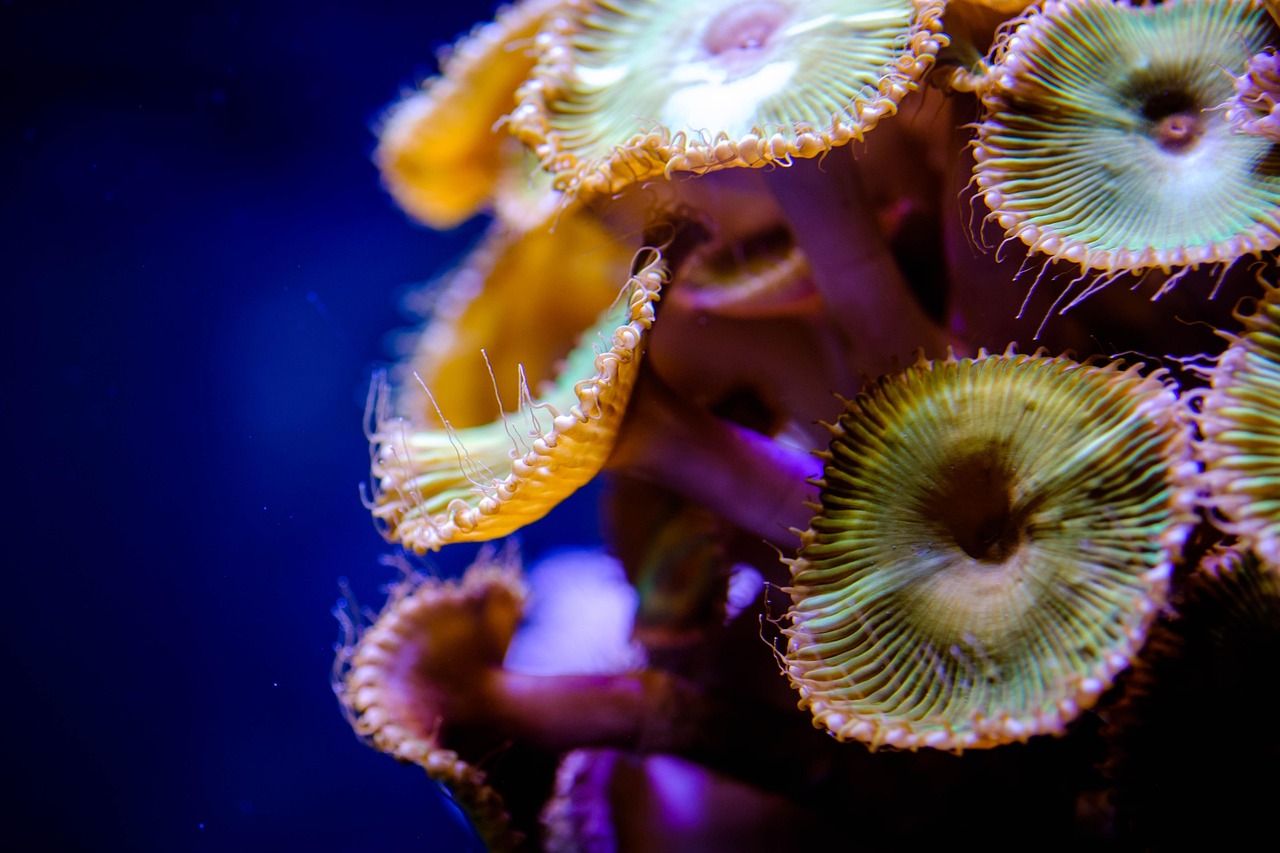
The Aqua Knight A029 is another solid option, especially for rimless tanks. It has a slim profile, good color blending, and includes a remote control for dimming and color adjustment. Spectrum is heavily weighted toward blue, so expect that “deep ocean” look. PAR is similar to the Nicrew. The major limitation is that it lacks a built-in timer—you have to use the remote each time, or plug it into an external timer. Best for: hobbyists who want a sleek look and don’t mind a separate timer.
The Noopsyche K7 Pro is often called the “budget Radion” and for good reason. It uses multiple pucks for a more even spread and offers app control via a proprietary app. I’ve seen these used successfully on 20-gallon long tanks with LPS and soft corals. The app isn’t as polished as the big brands, but it works. The biggest weakness is the mounting system, which can be flimsy. Best for: nano keepers who want app control without the high price tag.
Here’s the honest truth about budget lights: They lack the PAR penetration for deep tanks and the advanced control for fine-tuning. For a standard 10-gallon or 20-gallon long with low-to-medium light corals, they work. But if you ever plan to upgrade to SPS or a deeper tank, you’ll need to upgrade your light too. That’s fine—it’s a cheap entry point. If you’re starting with a small setup, a nano reef LED light is a practical starting point that won’t break the bank.
High-End LED Systems for SPS-Dominant Tanks
If you’re keeping acropora, millepora, or other high-light SPS corals, budget lights won’t cut it. You need serious PAR output, even spread, and spectral quality that won’t stunt growth. The high-end options deliver that, but they come with a price tag to match.
The Ecotech Marine Radion XR30 Pro Gen 6 deserves another mention here because it’s pretty much the gold standard for SPS. I’ve personally seen SPS colonies grow from frags to colonies in under a year under two Radion G6s over a 120-gallon 4x2x2 tank. The PAR is blistering—over 400 PAR at 18 inches on the SPS setting. The UV and violet channels really bring out the fluorescence in acros. The only real downside is the cost and the need for multiple units on larger tanks.
The GHL Mitras LX7206 is a German powerhouse that doesn’t get enough love in the US market. It’s a bar-style fixture with an incredible number of individual LEDs—you get 72 LEDs in a single unit. This provides very even spread across a 48-inch tank, which is rare for a single fixture. The controlling software (GHL Control Center) is incredibly detailed, but it has a steep learning curve. Best for: serious SPS keepers who want even spread and don’t mind a complex setup.
The Philips CoralCare Gen 3 is another excellent option, especially if you can find it at a good price. It’s a commercial-grade fixture used in reef stores across Europe and Australia. Spectrum is excellent, and it runs cool and quiet. The interface is cloud-based via Wi-Fi. The main limitation is distribution—it’s not as widely available in the US as Ecotech or GHL. Best for: advanced hobbyists who want a proven, quiet fixture.
I helped a friend switch from two budget lights over a 75-gallon SPS tank to a single Radion XR30 Pro G6. Within two months, we saw noticeable growth increase. The colors also improved significantly—greens looked deeper, blues more vibrant. The difference wasn’t subtle. That said, only about 10% of hobbyists genuinely need this level of lighting. If you’re happy with soft corals and LPS, save your money.
LED Light Buying Mistakes to Avoid
I’ve made most of these mistakes myself, and I see them in forums all the time. Here are the most common ones.
Buying based on wattage alone. Wattage tells you how much power the light draws, not how much PAR it produces. A 100W light with old diodes may have less PAR than a 60W light with modern, efficient diodes. Look for PAR charts, not wattage ratings.
Ignoring spread vs. penetration. A light that works great on a 20-gallon high (24 inches deep) may not work on a 30-gallon breeder (12 inches deep but 36 inches long). Tank dimensions matter more than total volume. Always measure your tank length and depth before buying.
Choosing a light without a good warranty. Reef lights are electronics exposed to salt creep and humidity. Fans fail, drivers die, LEDs burn out. A 1-year warranty is the bare minimum. Look for 2 or 3 years from reputable brands. Cheap lights with no warranty are a gamble.
Over-controlling spectrum at the expense of intensity. It’s fun to play with the color sliders, but corals need intensity above all else. I’ve seen people run their lights at 10% blue and wonder why their SPS lose color. Set your spectrum to a known good preset (like AB+ for Radions or a 14K-20K look) and focus on dialing in intensity with acclimation. The color tweaks are last percent improvements. For accurate adjustments, a PAR meter for reef tanks takes the guesswork out of intensity settings.
Comparison Table: Top 5 LED Fixtures for 2026
Here’s a quick-reference table for the top 5 fixtures we’ve discussed. Use this to narrow down your options based on your tank size and coral goals.
| Model | Tank Size | PAR Output | Controllability | Price Range | Best For |
|---|---|---|---|---|---|
| Ecotech Radion XR30 Pro G6 | 24×24″ per unit | High (400+ at 18″) | Full app control | $$$$ | SPS & mixed reefs |
| AI Hydra 32 | 24×24″ per unit | Medium-High | Full app control | $$$ | Mixed reefs (value) |
| Kessil A360X | 12×12″ per unit | High (spotlight) | Requires external controller | $$$ | SPS & shimmer lovers |
| Nicrew HyperReef | Up to 30″ | Low-Medium | Basic timer only | $ | Nano tanks / soft corals |
| Noopsyche K7 Pro | Up to 24″ | Medium | Basic app control | $$ | Budget nano / LPS tanks |
Price ranges are approximate and vary based on sales and inflation. Always check current pricing before buying.

How to Choose the Right Light for Your Tank Size and Coral Goals
Let’s make this practical. Here’s a decision framework based on common tank sizes and what you want to keep.
Nano tanks (10-20 gallons, 12-18 inches deep): Good options include the Nicrew HyperReef or the Noopsyche K7 Pro. Both provide enough PAR for soft corals and easy LPS like zoanthids and hammer corals. If you want SPS, you’ll need something more powerful like a single Radion or Hydra, but that’s overkill for most nano keepers. Stick to low-light corals and these fixtures work great.
Standard 40-gallon breeder (36x18x16 inches): This is a common tank shape. For a mixed reef with softies and LPS, a single AI Hydra 32 or a Kessil A360X will work. For SPS, a single Radion XR30 or two Hydras will give you better coverage. The shallow depth (16 inches) means penetration isn’t a big issue, so spread is more important.
75-gallon standard (48x18x21 inches): This is where things get tricky. The 21-inch depth requires decent penetration. A single Radion or Hydra will leave dark corners. Best setup: two Radion XR30s or two AI Hydra 32s, spaced evenly. If you’re on a budget, look for a used pair of higher-end lights. Avoid a single fixture unless it’s a bar style like the GHL Mitras.
120-gallon or larger (48x24x24 inches or bigger): This is SPS territory. You need either two to four Radions/Hydras or a high-output bar fixture. Don’t cheap out here—cheap lights won’t reach the bottom 6 inches of a 24-inch deep tank with SPS. Budget at least $800-$1200 for good lighting on a tank this size. Your corals will thank you.
The simple formula is: tank length determines spread (number of fixtures), tank depth determines penetration (fixture power). Always buy for the corals you want, not the ones you currently have. If you plan to keep SPS in the future, invest in a light that can handle it now.
Essential Accessories for Your Reef Light
Getting a good light is only half the battle. These accessories can make your life easier and improve performance.
Mounting kits: Tank mounts are fine for smaller tanks, but hanging your light from the ceiling or a pendant mount offers more flexibility and better airflow. The Radion and Hydra both offer official hanging kits, and they’re worth it for stability. DIY options exist but pay attention to salt creep on hanging wires. A reef light mounting kit is a simple upgrade for a cleaner installation.
Light diffusers: If the “disco ball” shimmer effect bothers you—the rainbow speckles on the sand from multichip LEDs—a light diffuser can soften it. Some fixtures come with one built-in, but third-party acrylic diffusers are available for popular models. Reduces PAR slightly (5-10%), so adjust intensity accordingly.
PAR meter: This is the single most useful tool for reef lighting. An Apogee MQ-510 or similar handheld meter lets you measure PAR at different spots in your tank. It’s expensive ($400+), but many local reef clubs have one you can borrow or rent. Don’t guess on PAR—measure it. It saves weeks of troubleshooting coral issues.
Wi-Fi power strip or timer: Even if your light has a built-in timer, having a backup power strip with Wi-Fi control (like a Kasa or TP-Link model) gives you peace of mind. If the light’s internal timer fails, the power strip can keep the schedule. Also useful for controlling other equipment like fans or pumps.

Frequently Asked Questions About Reef Lighting
How many hours should reef lights be on? For most mixed reefs, 8-10 hours total photoperiod is standard. This includes ramp-up and ramp-down. So if your light ramps up over an hour, stays at peak for 6-8 hours, and ramps down over an hour, that’s a 8-10 hour total window. Adjust based on coral response. Too long encourages algae growth.
Do I need T5 or metal halide with LEDs in 2026? For most hobbyists, no. LEDs have advanced to the point where a good quality fixture can replace T5s and metal halides for all coral types. Some high-end SPS keepers still use T5s for added spread and shadow reduction, but it’s not necessary. If you’re on a budget, a single LED fixture beats an old metal halide setup for heat and electrical efficiency.
Can I use a freshwater LED on a reef tank? No. Freshwater lights are full-spectrum but lack the blue and violet diodes that corals need for photosynthesis and coloration. Using a freshwater LED will result in poor growth, pale corals, and likely die-off. Don’t do it. The small upfront saving is not worth losing a $500 coral colony.
What is the best light for a 20-gallon long reef tank? The 20-gallon long (30x12x12 inches) is a great nano size. For soft corals and LPS, the Nicrew HyperReef or Noopsyche K7 Pro are good budget options. For an upgrade, a single AI Hydra 32 or Kessil A360X gives you room to grow SPS if you decide to. Mount it high enough (12 inches) to spread over the 30-inch length.
Final Thoughts: The Best Light for You in 2026
There’s no universal winner in reef lighting, and that’s okay. The best light for your tank depends on your budget, your tank dimensions, and what corals you plan to keep. If I had to give a recommendation for each common scenario: for a nano soft coral tank, the Nicrew HyperReef is a safe start. For a mixed reef up to 75 gallons, the AI Hydra 32 offers solid performance at a reasonable price. For an SPS-dominant tank, save up for at least one Radion XR30 Pro Gen 6 per 2×2 foot area. Whatever you choose, don’t rush the decision. Measure your tank, set a budget, and buy for your coral goals. A good light will last you years. A bad one will cost you corals. Happy reefing!