The Best Tank Mates for Clownfish: A Practical Guide to Compatible Species
Introduction
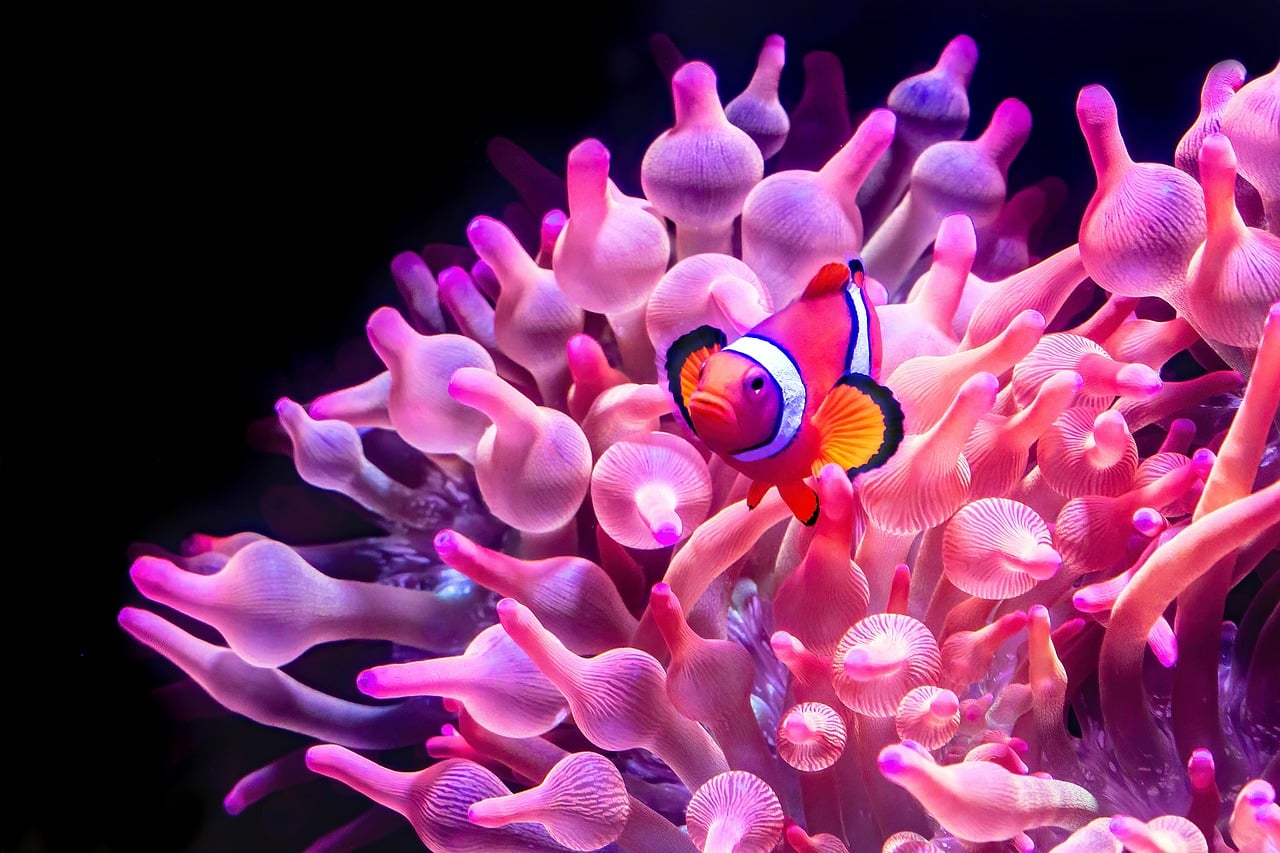
Setting up a community saltwater tank makes things more interesting than keeping a single species. But not everything swims well with clownfish. Their territorial nature and place in the reef hierarchy mean some choices work beautifully and others turn your display into a stress factory.
Getting clownfish tank mates right means understanding what these fish tolerate, what they bully, and what they simply ignore. I’ve kept pairs of ocellaris and percula clowns in various community setups for years. The difference between a peaceful tank and a constant chase scene comes down to a handful of smart decisions made before anything goes in the water.
This guide covers the tank mates that actually work, the species to skip, and the practical steps to make introductions go smoothly. No fluff—just what reliably works.

Why Clownfish Tank Mate Selection Matters
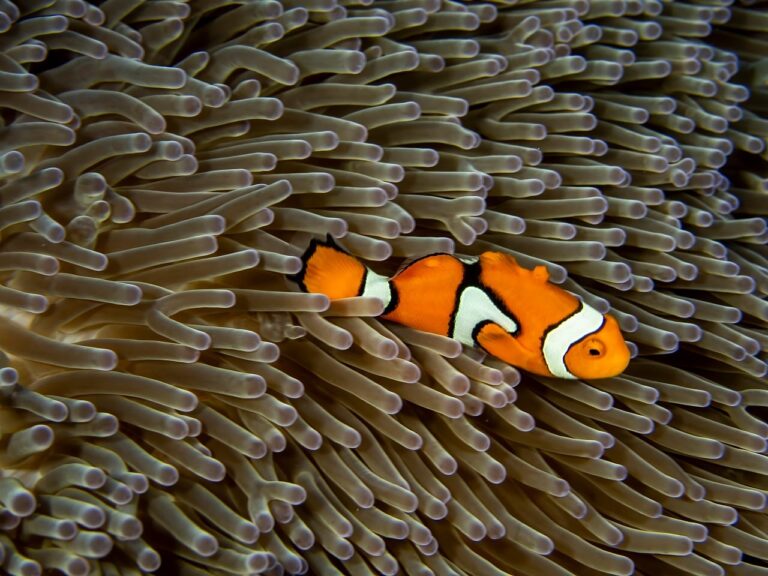
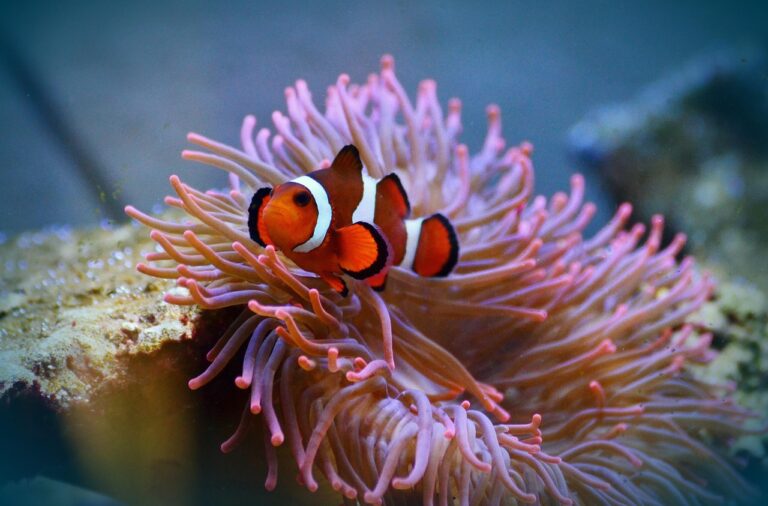
Clownfish aren’t the docile fish cartoons make them out to be. In the wild, they defend a single anemone with surprising aggression. In your tank, that same territorial instinct kicks in—they defend their corner of the rockwork rather than an anemone. The smaller the tank, the more likely that aggression becomes a problem.
The core issue is that clownfish establish a clear dominance hierarchy within their pair. The female is the larger, more aggressive fish. She runs the territory. The male defers. When you add a new fish, it’s an intruder, not a neighbor, at least initially. If the new fish is too small, too timid, or too similar in shape and color, the clowns may harass it endlessly.
Wrong tank mates cause chronic stress, which suppresses immune systems. Stressed fish get ich. They get bacterial infections. They stop eating. I’ve watched a perfectly healthy royal gramma go from active to hiding behind a powerhead within 48 hours of meeting a particularly feisty pair of ocellaris in a 29-gallon tank. The gramma eventually had to be moved.
Match temperaments, give enough space, and respect the clownfish’s need to claim a territory. Do that, and community tanks work beautifully.
Key Factors to Consider Before Choosing Tank Mates
Before shopping for additions, run through these factors. Each one has tripped me up at some point.
Tank size. A single clownfish or a pair can live in a 20-gallon. But a community tank with a pair of clowns needs at least 20 to 30 gallons minimum, depending on the other fish. Smaller tanks amplify territorial aggression because there’s no room for fish to keep distance. For a pair of clowns plus two or three other small fish, I recommend 40 gallons.
Temperament compatibility. Clownfish are semi-aggressive, not fully peaceful. They work best with fish that are equally assertive without being bullies. Avoid overly aggressive species like triggers or large dottybacks. Also avoid extremely shy fish that can’t hold their own—clowns may not kill them, but they’ll stress them out.
Water parameters. Clownfish are forgiving when it comes to temperature (74–78°F) and pH (8.0–8.4). But your tank mates need to share those preferences. Some fish come from different regions or depths and need cooler or warmer water. Mixing incompatible parameter requirements causes long-term health issues.
Diet overlap. Most community fish eat similar foods—flakes, pellets, frozen mysis, brine shrimp. But some fish have specialized diets. Mandarins need copepods. Some wrasses need live foods initially. Make sure your clownfish tank mates accept the same foods you’re already feeding.
Swimming zones. Clownfish occupy the middle to lower portion of the tank and stay near their chosen territory. Fish that swim in different zones reduce competition for space. Top-dwelling fish like chromis or planktivores work well. Bottom-dwelling gobies and blennies occupy different real estate entirely.
The Best Tank Mates for Clownfish: Top Picks by Category
Based on what I’ve kept together and what I’ve seen work in dozens of hobbyist tanks, these are the most reliable clownfish tank mates organized by type.
Small Peaceful Damselfish
Most damselfish have a bad reputation for aggression, but blue-green chromis are the exception. They’re peaceful, school loosely, and stay in the upper water column. A group of three to five chromis adds movement without threatening clowns. They need at least 30 gallons for swimming room. Avoid blue devils or three-stripe damsels—those are trouble.
Gobies
Watchman gobies, particularly the yellow watchman goby, are excellent companions. They stay on the sand bed and dig small burrows. They rarely interact with clowns at all. They do need a sand substrate and a deep enough sand bed to burrow into. I’ve had a pair of percula clowns share a 40-gallon breeder with a yellow watchman goby for three years with zero issues.
Blennies
Lawnmower blennies and bicolor blennies are personality fish. They perch on rocks, graze algae, and claim small caves. They’re assertive enough to not get pushed around but not aggressive. The key is giving them hiding spots near the middle or lower rocks so they can retreat if the clowns get territorial. Lawnmower blennies also need plenty of algae to graze, or you’ll need to supplement with nori.

Cardinalfish
Banggai cardinalfish are among the most peaceful marine fish you can add. They swim slowly, hover in groups, and don’t compete for territory. They prefer the middle water column. A pair or small group works well with clowns in tanks 30 gallons and up. They do need slightly more stable water parameters than clowns, so don’t add them to a brand-new tank.
Peaceful Wrasses
The six-line wrasse is the most common choice. It’s active, colorful, and swims through the rockwork hunting pods. It’s also fast enough to avoid clowns if needed. The catch is that six-lines can be aggressive toward other wrasses, so keep only one. For smaller tanks, a pygmy wrasse or a yellow coris wrasse works well too.
Clownfish Tank Mates Comparison Table
| Species | Temperament | Min Tank Size | Diet | Reef Safe | Notes |
|---|---|---|---|---|---|
| Blue-green chromis | Peaceful | 30 gal | Flakes, pellets, frozen | Yes | Schooling, top-dwelling |
| Yellow watchman goby | Peaceful | 20 gal | Frozen, pellets, pods | Yes | Sand bed required |
| Lawnmower blenny | Semi-peaceful | 30 gal | Algae, nori | Yes | Needs mature tank with algae |
| Banggai cardinal | Peaceful | 30 gal | Frozen, small pellets | Yes | Hovering, slow swimmer |
| Six-line wrasse | Semi-aggressive | 30 gal | Frozen, pods | Yes | Fast, one per tank |

Tank Mates to Avoid at All Costs
Some fish are bad bets with clowns. Here’s what I’ve learned to skip.
Large aggressive fish. Triggers, groupers, lionfish, and large angelfish will eat or harass clowns. Even if the clownfish holds its own initially, the size difference eventually becomes a problem. A triggerfish can kill a clownfish in seconds. These aren’t community fish.
Fin-nippers. Sergeant majors, some dottybacks, and certain wrasses (like the four-line wrasse) are notorious for nipping fins. Clownfish have large, flowing fins that make tempting targets. Chronic fin nipping leads to infection and death. I’ve seen a single blue damselfish shred the fins on a pair of tomato clowns in a 40-gallon tank. The clowns never fully recovered their fins.
Overly timid fish. Fish like firefish, dartfish, and some small gobies can be stressed by the constant presence of clowns darting around their territory. These fish prefer quiet tanks with minimal movement. Clowns don’t provide that.
Small shrimp. Clownfish don’t generally eat shrimp, but they may bully or chase cleaner shrimp that wander too close to their territory. Larger shrimp like peppermint or skunk cleaners usually do fine. Small sexy shrimp or anemone shrimp often get eaten or harassed. I lost three sexy shrimp to a pair of ocellaris within a week.
How to Introduce New Tank Mates to Your Clownfish
Adding fish the right way increases your odds of success significantly. Here’s the process I use.
Quarantine for two weeks. Every new fish goes into a separate quarantine tank before joining the display. This prevents introducing diseases and gives the new fish time to adjust to captivity. A 10-gallon tank with a sponge filter and heater works fine.
Rearrange rockwork before adding. This disrupts the clownfish’s established territories. When you move rocks around, the clowns have to re-establish their territory claims, which reduces aggression toward newcomers. Do this at least a day before adding the new fish.
Turn off lights during introduction. Darkness reduces stress for the new fish and makes the clowns less active. Add the new fish during the last hour of the light cycle, then turn lights out. Leave them off for the rest of the night. This gives everyone time to settle.
Acclimate slowly using the drip method. Drip acclimate the new fish over 45 to 60 minutes, matching the display tank’s salinity and temperature. Quick acclimation shocks fish and weakens them.
Monitor behavior for 48 hours. Some chasing is normal. If the clowns pin the new fish in a corner for more than a few hours, you may need to rearrange rocks again or use a breeder box for a few days to let everyone settle. Feeding heavily during this time distracts the clowns and helps all fish associate food with each other’s presence.
Common Mistakes When Adding Tank Mates
Even experienced hobbyists make these errors. Here’s what to avoid.
Adding too many fish at once. Your biological filter needs time to adjust to increased waste. Adding three or four fish at once can cause an ammonia spike that kills everything. Add one fish per week at most.
Ignoring tank size limits. A 20-gallon tank can’t support a pair of clowns, a blenny, and a goby long-term. The bioload and swimming space simply aren’t there. Stick to one or two tank mates in smaller tanks.
Mixing species from different regions. Clownfish from the Indo-Pacific generally share water parameters with fish from the same region. But fish from different oceans or depths may need different temperatures or salinity. Always check the natural habitat of any fish you consider.
Assuming all peaceful fish work. Peaceful fish can still be incompatible due to swimming zone overlap or diet competition. A peaceful top-dweller isn’t necessarily compatible with a clown that claims the entire lower half of the tank. Observe your clowns’ behavior before assuming.
I once added a lawnmower blenny to a 20-gallon with a pair of tomato clowns. It worked, but only because the blenny stayed near the sand and the clowns claimed the top half of the rockwork. That was luck, not planning. A larger tank would have been smarter.
Best Community Tanks for Clownfish: Sample Setup Examples
Here are three proven configurations. Adjust based on your tank size and preferences.
20-gallon: Pair of ocellaris or percula clowns plus one bicolor blenny. The blenny stays on the rocks and sand, the clowns claim the upper rockwork. Simple, low bioload, easy maintenance. Skip additional fish in this size.
40-gallon breeder: Pair of percula clowns, three blue-green chromis, and one cleaner shrimp. Chromis school in the upper water column. The clowns own the middle rocks. The cleaner shrimp hangs out near the sand and rocks. This is my go-to recommendation for beginners wanting visual variety without complexity.
75-gallon: Pair of maroon clowns (which are more aggressive), one yellow watchman goby, one royal gramma, and one six-line wrasse. Maroon clowns need more space. The goby occupies the sand, the gramma perches in the rocks, and the wrasse hunts pods. Avoid adding small shy fish to this setup—the maroons will chase them.
Essential Gear for a Successful Community Clownfish Tank
Good gear makes community tanks easier to maintain. Here’s what I use and recommend.
Filtration: A hang-on-back filter like an AquaClear or a canister filter like a Fluval works well for tanks up to 75 gallons. The key is having enough biological media to handle the bioload of multiple fish. Add a powerhead for additional water movement in larger tanks.
Heater: A reliable submersible heater with a thermostat keeps temperature stable. For a 40-gallon, two 100-watt heaters provide redundancy. If one fails, the other keeps the tank going. I use Eheim Jager heaters and have never had one fail.
Lighting: If you’re keeping corals or anemones, invest in a quality LED system. For fish-only tanks, basic lighting works fine. Even low-cost LED strips from brands like Nicrew support coral growth at moderate light levels.
Quarantine tank: A 10-gallon tank, sponge filter, heater, and a simple light. You can find complete kits for under $100. This single purchase saves you from losing entire tanks to disease outbreaks. I consider it mandatory.
Test kit: A liquid test kit for ammonia, nitrite, nitrate, and pH. API makes an affordable master test kit. Test weekly during the first few months of adding fish to catch spikes early.

Frequently Asked Questions About Clownfish Tank Mates
Can clownfish live with other clownfish? Only if they’re the same species and you’re keeping a pair. Different clownfish species will fight. Even within the same species, only a bonded pair can coexist peacefully. Two females will fight to the death.
Do clownfish need an anemone to have tank mates? No. Clownfish in home aquariums rarely require anemones. They’ll happily claim a corner of rockwork as their territory. Anemones actually complicate things because they require high lighting and stable water conditions, and they can sting other fish.
What’s the smallest tank for a community with clownfish? 20 gallons is the minimum for a pair of clowns plus one small peaceful tank mate like a goby or blenny. For a true community with three or four fish total, start at 40 gallons.
Will clownfish attack cleaner shrimp? Usually not, but smaller cleaner shrimp can get chased. Larger cleaner shrimp like skunk or fire shrimp typically do fine. Keep an eye on them for the first few days. If the clowns show persistent aggression, move the shrimp to a different area of the tank using a breeder box for a transition period.
Final Thoughts: Building a Peaceful Clownfish Community
Start with a single pair of clowns. Give them time to settle in and establish their territory. Then add tank mates slowly, one at a time, with at least a week between additions. Choose species that occupy different parts of the water column and have compatible temperaments.
Avoid the urge to stock quickly. Patience is the single most important factor in successful community tanks. Observe your fish daily. If you see persistent aggression, be ready to rearrange rocks or move a fish to a different tank. Having a backup plan—a friend with a spare tank or a local fish store that accepts trade-ins—makes a big difference.
The goal isn’t to cram as many fish as possible into one tank. It’s to create a stable environment where all your fish thrive. Get that right, and your clownfish community tank will reward you with years of natural behavior and enjoyment.