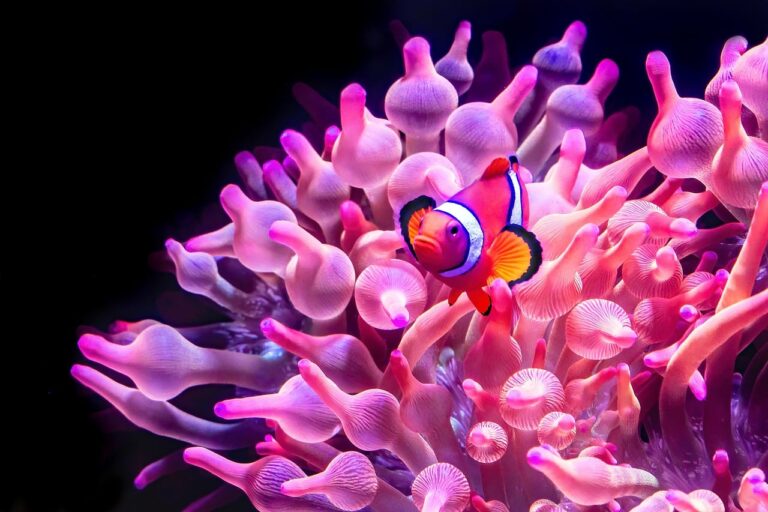
Clarkii Clownfish: A Hardy Choice for Beginners
Introduction
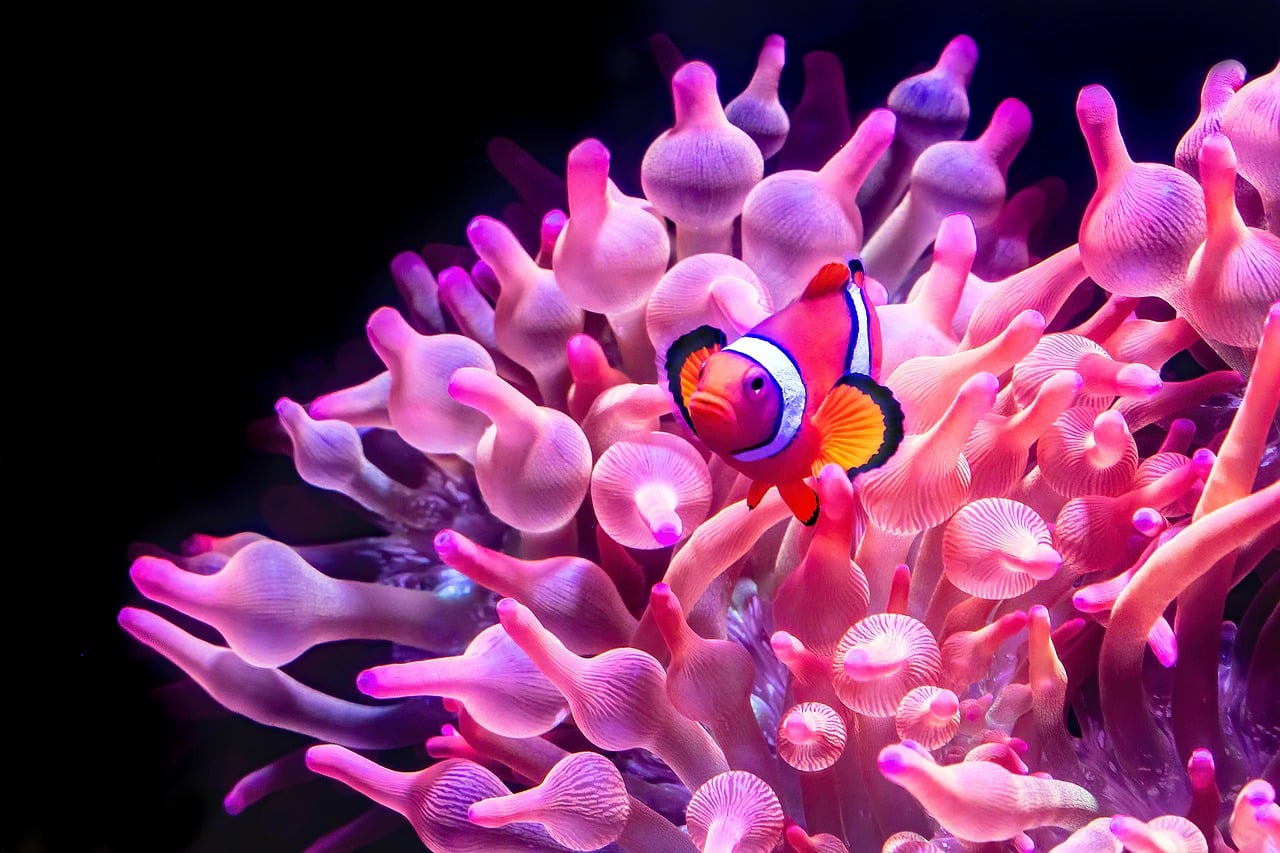
If you’re looking into the clarkii clownfish beginner compatibility, you’ve likely seen this species described as bulletproof. That reputation is mostly earned. They tolerate a wider range of water conditions than most damselfish, eat just about anything you drop in the tank, and don’t keel over from the minor mistakes all new reefers make. I’ve kept both captive-bred and wild-caught clarkii over the years, and the difference in hardiness between the two is real, but even the wild ones are tougher than a percula or ocellaris. This article covers exactly what makes them beginner-friendly, where they cause trouble, what tank setup they need, and the specific mistakes I see newcomers make with them. The short version: this fish is hardy, but it has personality quirks you need to know before you buy one.

Why the Clarkii Clownfish is Often Recommended for Beginners
Hardiness in clownfish isn’t just about surviving bad water for a day. It’s about tolerating the natural swings that happen in a new tank without getting stressed into brooklynella or velvet. Clarkii clownfish handle salinity between 1.020 and 1.025 without issue, they’ll eat frozen, flake, pellet, nori, and even chopped seafood, and they rarely pick up the parasites that wipe out ocellaris clowns in undersized quarantine setups. I’ve seen a pair of captive-bred clarkii pull through a minor ammonia spike during a 20-gallon cycle that would have killed a pair of black ice clowns within 48 hours. They turned pale for a few days, kept eating, and recovered fully when the biofilter caught up.
Compared to the more sensitive percula or ocellaris, clarkii are forgiving. A new reefer can skip the perfect water change schedule for a week and not lose fish. That’s a real advantage when you’re still learning the routine. But hardiness is not a license to ignore maintenance. Clarkii still need stable parameters long-term. What hardiness buys you is time to correct a mistake before it becomes fatal. That’s a huge comfort for a first tank.
Tank Size and Setup Requirements
Minimum Tank Size
A single clarkii clownfish needs at least a 20-gallon tank. A bonded pair needs 30 gallons or more. These are not territorial fish in the sense that they claim a corner and stay there. They patrol. They swim actively across the entire tank. A 10-gallon nano cube will make them stressed and aggressive. I’ve seen it happen: a clarkii in a 10-gallon chased a neon goby until the goby jumped through a tiny gap in the lid.
Essential Equipment
You need a quality canister filter or a hang-on-back with enough flow. A heater in the 78-82°F range. Standard LED lighting is fine unless you plan on adding a host anemone later. Aquascaping matters more than most beginners think. Clarkii love caves and overhangs. Provide rockwork with crevices they can duck into when they feel threatened. But leave open swimming lanes in the front. These fish need room to move. Secure every rock larger than a fist. Clarkii dig. They will shift sand under a rock until it falls, and if it lands on a small fish or coral, you lose both. For beginners looking to set up a reliable filtration system, a quality canister filter is worth considering.
Checklist for beginners:
- 20â30 gallon tank minimum
- Canister or HOB filter rated for your tank volume
- Heater with accurate thermostat
- Sand or fine gravel substrate
- Rockwork with caves and overhangs
- Lid or mesh top (mandatory)
Water Quality and Maintenance
Clarkii tolerate variations but they thrive in stability. Keep salinity at 1.020-1.025, pH 8.0-8.4, ammonia and nitrite at zero, and nitrate under 20 ppm. Those are standard saltwater parameters, not special. The clarkii won’t die if nitrates hit 40 ppm for a couple of days, but prolonged exposure weakens their immune system. Plan on 10-15% water changes every week. Just as important: test your water twice a week for the first month, then drop to weekly once everything stabilizes. A reliable saltwater master test kit can help you stay on top of these levels.
The most common mistake I see with clarkii is overfeeding. These fish are greedy. They will eat until they look bloated, and they beg. Beginners interpret begging as hunger and drop in another pinch of pellets. That leads to nitrate spikes that stress every fish in the tank, not just the clown. Stick to a schedule. Two small feedings a day, give them only what they can eat in two minutes. If you have to test one habit first, test portion control.

Feeding Your Clarkii Clownfish
Clarkii are omnivores with a practical appetite. They will eat high-quality pellets, frozen mysis shrimp, chopped shrimp, scallop, nori, and even spirulina flakes. Feed twice a day. In three months you’ll learn their body cues — they’ll start swimming to the surface when they see you. That’s fine. Just don’t respond with extra rations.
Soak dry pellets or flakes in a vitamin supplement like Selcon or Vita-Chem once a week. It boosts their immune system and improves color. I recommend a high-quality marine pellet food for daily feeding because it stays intact in the water longer than cheaper brands, meaning less waste. Frozen mysis is the best treat for immune health, but it decomposes fast, so only feed what they eat in two minutes.
They will eat nori if it floats past, but it’s not necessary in their diet. Many keepers add a small clip just for variety.
Temperament and Tank Mate Compatibility
This is where the clarkii reputation gets complicated. They are generally peaceful with fish that are either too large to bully or fast enough to avoid them. But they can be aggressive toward other clownfish, especially similar species, and toward small passive fish. I’ve watched a clarkii repeatedly ram a firefish until the firefish launched itself out of the tank through a gap in the lid. That was a preventable problem. Always use a tight-fitting lid or mesh top.
Good tank mates
- Larger damselfish (like chromis or yellowtail damsels)
- Hawkfish
- Tangs (once the tank is large enough)
- Robust gobies (like watchman gobies)
- Larger wrasses (like six-line or fairy wrasses)
Poor tank mates
- Neon gobies (too small, too slow)
- Small shrimp (will be eaten)
- Seahorses (too slow, will be stressed)
- Other clownfish of similar size (unless introduced as a bonded pair)
- Firefish or dartfish (will jump out)
The presence of a host anemone makes clarkii much more territorial. That hollowed-out rock they sleep in? They own it. Anemone or not. I suggest choosing tank mates that are at least as long as the clarkii’s body length. Anything smaller is a target.
Clarkii Clownfish vs. Other Clownfish Species: A Quick Comparison
Here’s a straightforward comparison for anyone deciding between clownfish species:
- Clarkii: Up to 5 inches. Moderate aggression. Very hardy. Hosts many anemone species. Best for a beginner with a 20-gallon tank who wants an active, bold fish.
- Ocellaris (False Percula): Up to 3 inches. Low aggression. Hardy. Hosts bubble-tip anemones primarily. Best for a beginner with a 10-20 gallon tank who wants a peaceful community.
- Percula (True Percula): Up to 3 inches. Low aggression. Slightly less hardy than ocellaris. Best for the experienced beginner who wants a classic.
- Tomato Clownfish: Up to 5 inches. Moderate-high aggression. Very hardy. Hosts long-tentacled anemones. Good choice for a beginner who wants something larger than ocellaris but not as aggressive as maroon.
- Maroon Clownfish: Up to 6 inches. High aggression. Hardy. Hosts carpet anemones. Not recommended for beginners unless you have a large tank and are comfortable with a fish that will attack your hand during water changes.
Clarkii sit in a sweet spot. They are larger and more active than ocellaris, but less aggressive than maroon. If you want a fish with personality and a bit of attitude, but not a tank bully, clarkii is the answer.
Common Mistakes Beginners Make with Clarkii Clownfish
- Not enough swimming space. A 20-gallon is the minimum, not the ideal. They are active. A 30-gallon allows them to swim freely and reduces aggression.
- Keeping them with passive tank mates. Small peaceful fish get stressed and disappear. Choose robust companions.
- Skipping quarantine for wild-caught specimens. Wild-caught clarkii often carry parasites like Cryptocaryon. Always quarantine for 4-6 weeks. Captive-bred are much safer and worth the extra cost.
- Assuming hardiness equals neglect. They survive a mistake, but poor water quality for weeks will weaken them. Stable params are still mandatory for long-term health.
- Trying to keep two same-size clarkii together without pairing. They will fight to the point of injury. Always buy a bonded pair or introduce a significantly smaller juvenile to an established adult (one-third the size or smaller).

Host Anemone Considerations
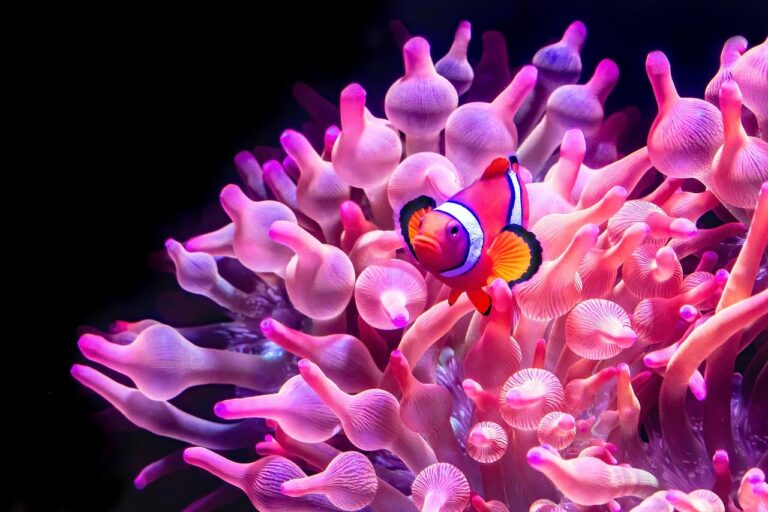
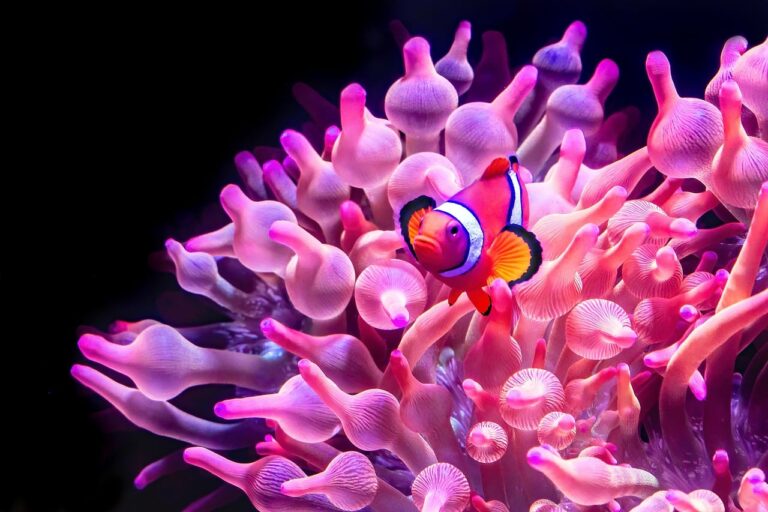
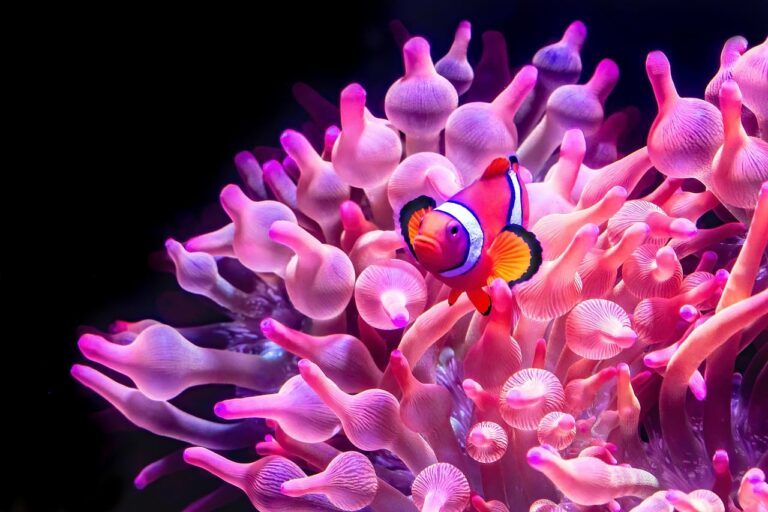
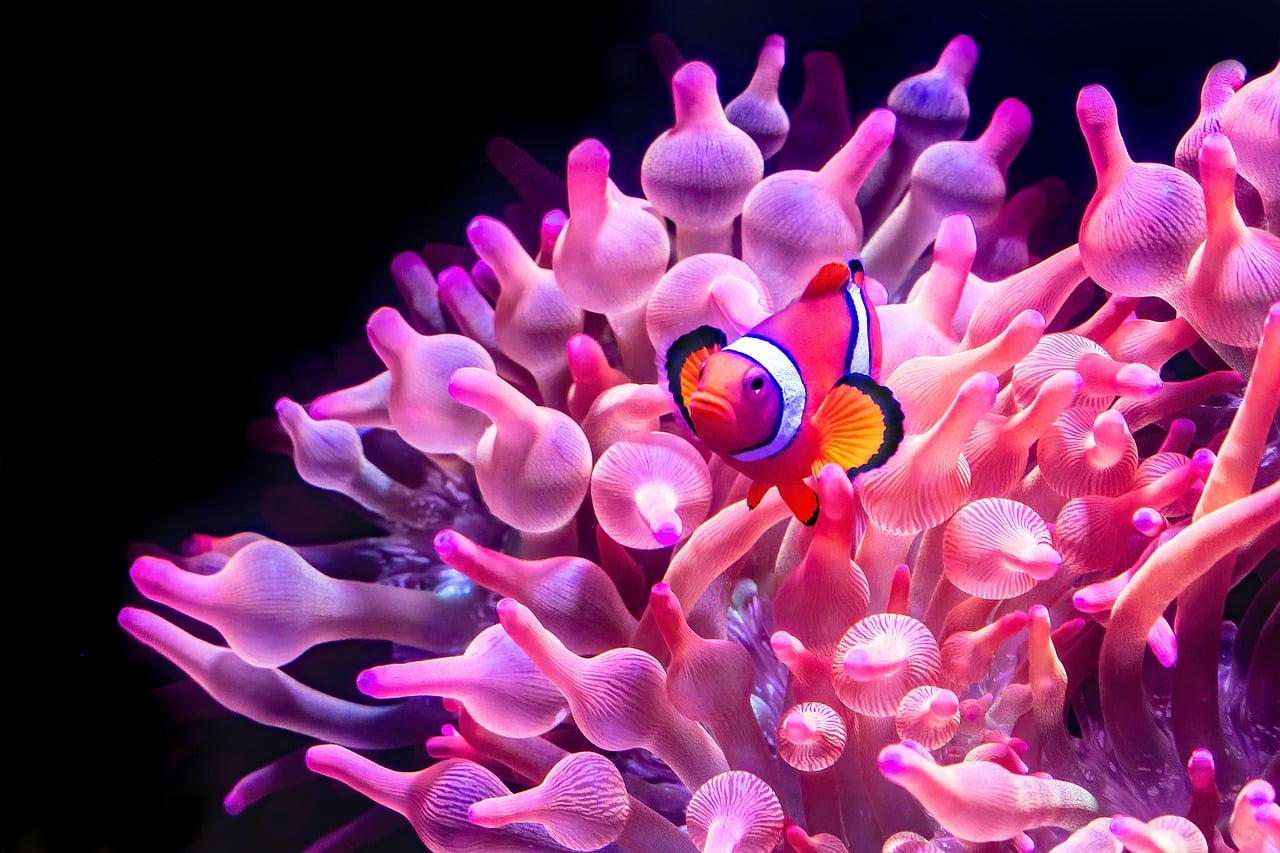
Clarkii clownfish will host a wide range of anemones: carpet (Stichodactyla), bubble-tip (Entacmaea), and long-tentacled (Macrodactyla) species. It’s one of their advantages over pickier hosts like percula. But an anemone is not required for survival. A healthy clarkii will host a cave, a powerhead intake, or even a ceramic coral skeleton. I’ve seen clarkii bond with a plastic barnacle.
If you want to add an anemone, wait until the tank is stable for at least six months. Anemones require strong lighting, stable water parameters, and careful feeding. They can also move around the tank and sting corals. That moving can damage rockwork and sting fish. I recommend skipping the anemone on a first tank. The clownfish will be fine with a suitable rock structure. If you do decide to add one later, invest in a high-quality LED light designed for anemones.
Breeding Potential for Hobbyists
Clarkii are relatively easy to breed in captivity if you provide a flat surface near their chosen host spot. A piece of ceramic tile or a clay pot works well. They will lay eggs and defend them aggressively. The larvae require rotifer cultures and careful feeding for survival. That’s a project for an intermediate hobbyist, not a true beginner. But it’s a rewarding goal once you’ve mastered the basics. If you get a bonded pair from the start, you can work toward that milestone after six months of stable care.
Recommended Gear and Setup for Beginners
Setting up a tank for clarkii doesn’t require expensive equipment, but a few items make a real difference:
- A reliable protein skimmer. The bioload from clarkii is moderate, but a skimmer keeps nitrate low and prevents algae blooms. A protein skimmer for a 30-gallon tank works well for 30-gallon tanks and is quiet enough for a bedroom.
- A lid or mesh top. Clarkii jump. A mesh top allows airflow but prevents escape. Look for a clear lid or a black mesh that matches your tank.
- A heater with a guard. Clarkii will wedge themselves between heater and glass if the guard is missing, causing burns. A heater with a built-in guard and accurate thermostat is a good investment.
- A quality saltwater test kit. You need to monitor ammonia, nitrite, nitrate, pH, and alkalinity weekly. The most reliable test kits for beginners last a full year.
Final Thoughts: Is a Clarkii Clownfish Right for Your First Tank?
Clarkii are a solid choice for a beginner if you have at least a 20-gallon tank, want a fish with real personality, and can handle moderate aggression. They are forgiving, active, and visually striking. If you have a small tank or want a peaceful community, go with ocellaris instead. For a slightly larger, bolder fish that isn’t a tank terrorist, clarkii is the right call.
One final practical tip: always buy captive-bred clarkii when possible. Captive-bred specimens acclimate faster, eat immediately, and carry no parasites. They cost a little more, but they save you the headache of treating a sick fish. If you’re ready to try one, check current pricing for captive-bred clarkii clownfish.