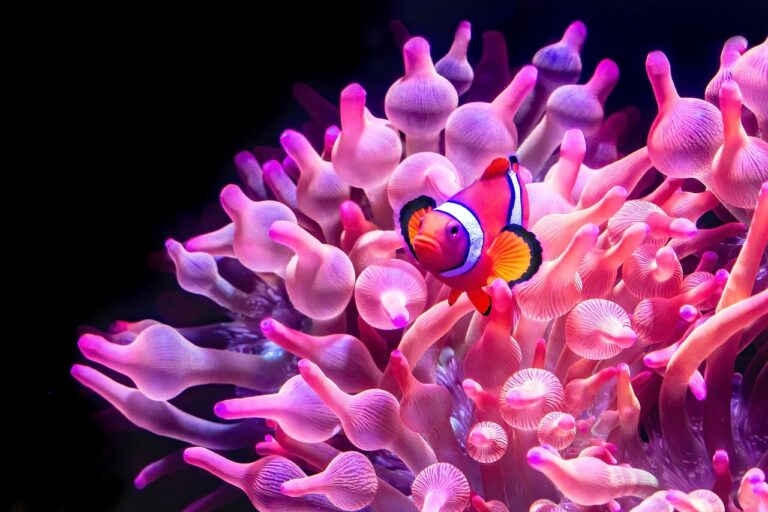
Clownfish and Anemone Symbiosis Explained: A Complete Care Guide
Introduction
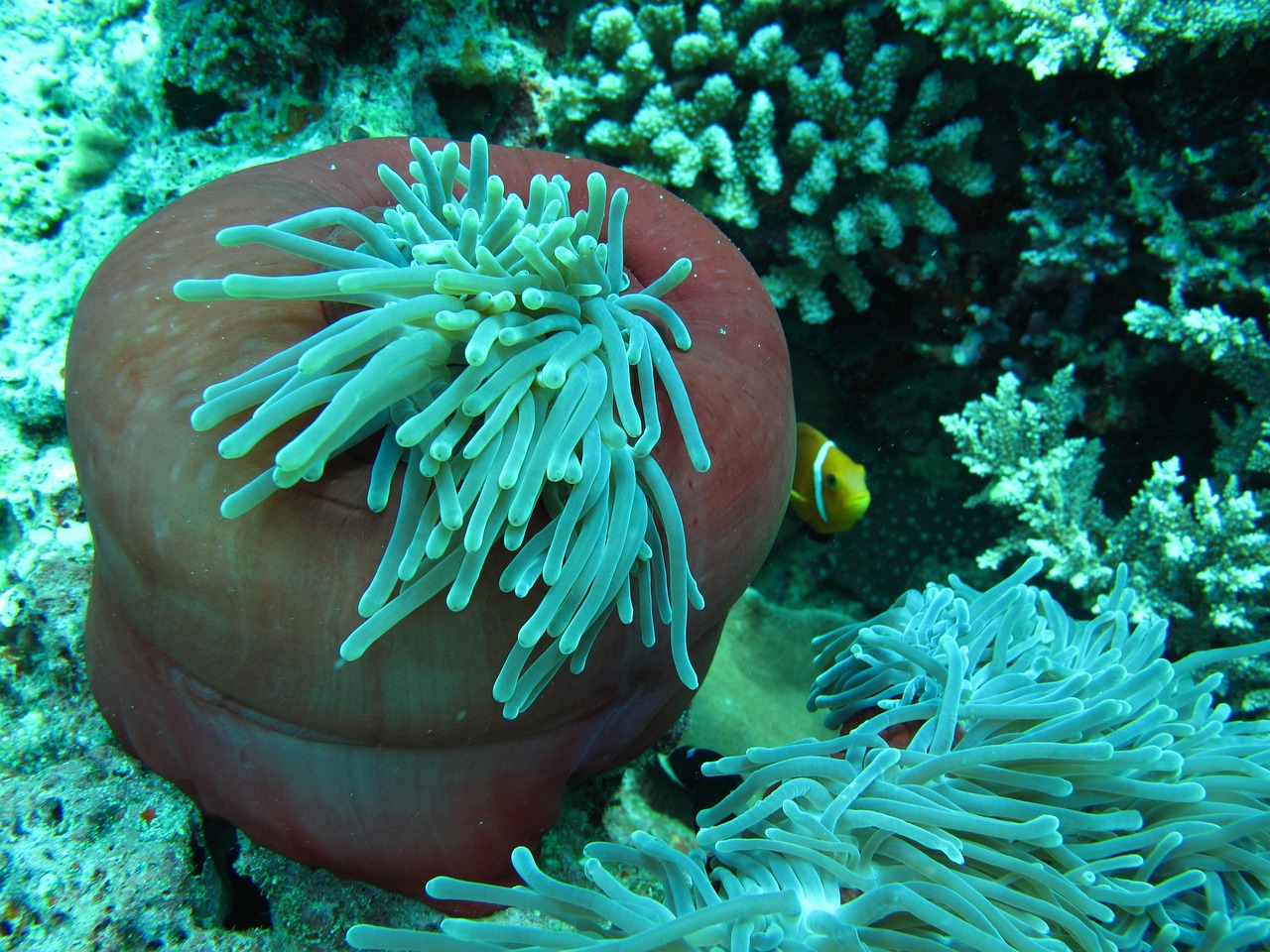
If you’re looking into clownfish anemone symbiosis for your tank, you probably already know the basics. The nature-documentary version only goes so far. The practical sideâwhat actually works in a home aquariumâis where this relationship either clicks or fails. I’ve set up a few of these pairings over the years, and the difference between a good match and a mess usually comes down to species selection, how mature the tank is, and a solid grasp of what each animal actually needs. This article covers the real breakdown: what this symbiosis is, which species pair naturally, and how to set up a tank so the partnership sticks long-term. No fluff, no promises of instant bonding.

What Is Clownfish and Anemone Symbiosis?
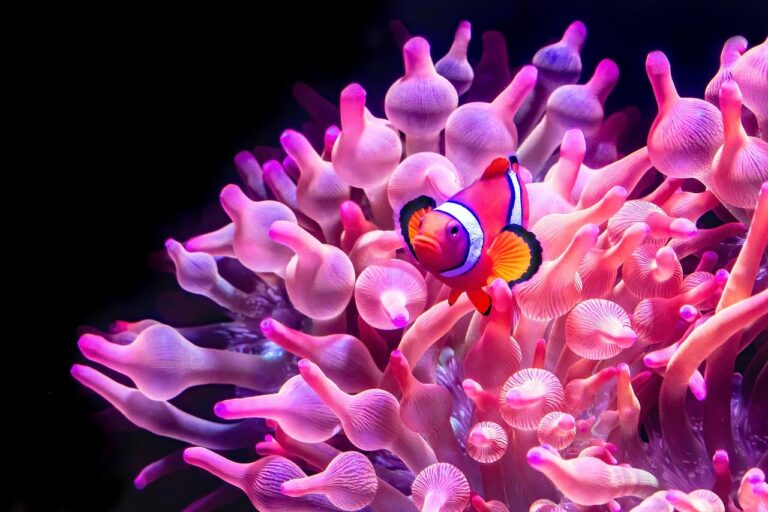
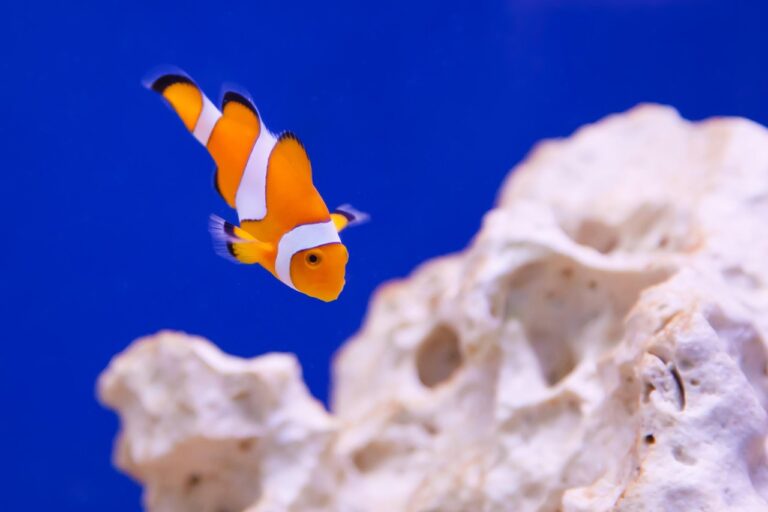
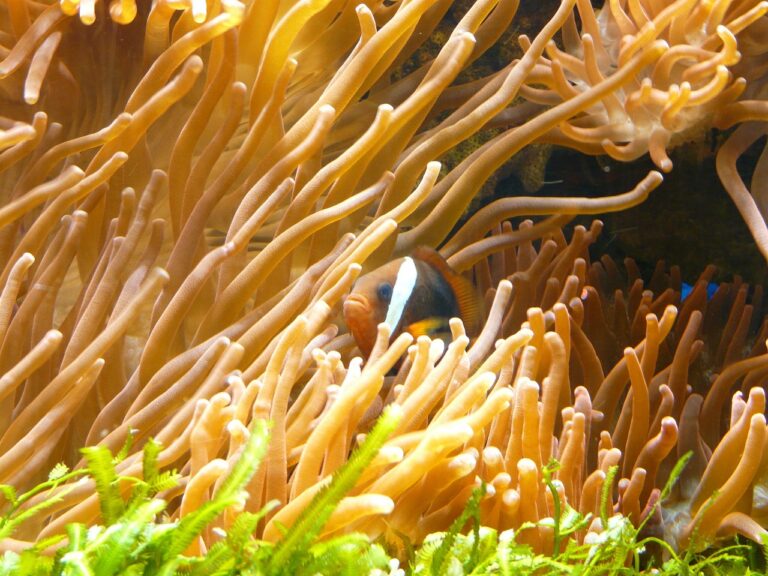
At its core, this is a mutualistic deal between two very different organisms. The clownfish gets a safe home among the anemone’s stinging tentacles. The anemone gets leftover scraps from the clownfish’s meals, and sometimes a cleaning when the fish nibbles off dead or damaged tissue. It’s not a friendship. It’s a biological arrangement built around survival.
The reason the clownfish doesn’t get stung comes down to a specialized mucus coating on its skin. Most fish trigger the anemone’s stinging cells, but the clownfish’s mucus doesn’t. It’s a chemical disguise, not a tolerance that develops over time. Juvenile clownfish in the wild gain this immunity by slowly acclimating to a specific host anemone. In captivity, they’ll often accept an anemone pretty quickly if the pairing is right, but there’s usually an adjustment period.
For the anemone, the benefits are more passive. The clownfish’s movement increases water flow around the tentacles, which can help with respiration. The fish also chase off potential predators like butterflyfish. Over time, a well-matched pair becomes a functional unit in the tankâless stress for both animals, which means better health and more predictable behavior for the hobbyist.
Why It Matters for Your Aquarium Setup
From a practical standpoint, a successful clownfish anemone symbiosis can simplify some parts of tank care. A clownfish that accepts its host is generally less stressed. It stops pacing the glass, stops hiding behind the pump. It eats more consistently and shows better coloration. That’s a measurable improvement, not just a nice extra.
For the anemone, having a resident clownfish often means it gets more frequent, smaller feedings instead of relying entirely on you. The fish drops bits of food, and the anemone catches them. That can reduce your maintenance workload, though it doesn’t eliminate it. The downside is that not every pairing works. A mismatched pair results in a stressed anemone that wanders, retracts, or diesâand a clownfish that either ignores it or gets stung. That’s a bad outcome for everyone.
This is especially relevant if you’re building a biotope tank or just want to see natural behavior. Those setups are where the symbiosis really shines. But if you’re just looking for a hardy pair of fish and a decorative anemone, you can still make it workâyou just need to choose your species carefully.
Natural Pairings: Which Clownfish and Anemone Species Go Together
Not every clownfish will accept every anemone, and not every anemone can host every clownfish. Here are the most reliable natural pairings I’ve seen work well in captivity, along with notes on which ones are forgiving and which require more experience.
- Ocellaris Clownfish (Amphiprion ocellaris) with Heteractis magnifica (Magnificent Anemone)
This is a classic match, but it’s not the easiest. Magnificent anemones need intense lighting, high flow, and very stable water quality. Ocellaris clowns will usually take to them, but the anemone itself is demanding. Only try this if you have a mature tank with at least 75 gallons and strong LED or T5 lighting. - Percula Clownfish (Amphiprion percula) with Stichodactyla gigantea (Giant Carpet Anemone)
Perculas naturally host gigantea in the wild, and it works well in captivity if the anemone is healthy. The carpet anemone needs a sandy substrate and moderate flow. It’s not as light-hungry as the magnifica, but it is a large anemone that can sting other corals. Best for tanks over 50 gallons. - Maroon Clownfish (Premnas biaculeatus) with Entacmaea quadricolor (Bubble-Tip Anemone)
This is the pairing I recommend most often because the bubble-tip is significantly hardier than other anemone species. Maroons are aggressive, but bubble-tips can handle that aggression. The anemone also tolerates a wider range of lighting and flow. Works in tanks as small as 30 gallons, but the maroon will need space to swim. - Tomato Clownfish (Amphiprion frenatus) with Entacmaea quadricolor (Bubble-Tip Anemone)
Similar to the maroon pairing, but tomato clowns are slightly less aggressive. They still host bubble-tips readily, and it’s a low-stress combination for someone on the moderate side of experience. - Clarkii Clownfish (Amphiprion clarkii) with Macrodactyla doreensis (Long-Tentacle Anemone)
Clarkii are opportunistic hosts and will accept many anemones, but the long-tentacle is a solid match. This anemone needs deep sand and moderate lighting, so it’s a bit more specialized. Clarkii are also more active and may bully smaller tankmates.
A general rule: the easier the anemone is to keep, the more likely you’ll succeed as a hobbyist. Bubble-tip anemones are the most forgiving. Carpet anemones and magnificent anemones are for experienced reef keepers. Stick with Entacmaea quadricolor if you want the most reliable pairing with the least risk.


Setting Up the Tank for a Successful Pairing
Getting the environment right is more than half the battle. Here’s what you need to address before you even think about adding an anemone.
Lighting: Most host anemones are photosynthetic and rely heavily on their symbiotic zooxanthellae. They need strong lighting. T5 fluorescents with high-output bulbs or full-spectrum LEDs capable of 150 to 250 PAR at the anemone’s placement spot are the minimum. Inadequate lighting is the number one reason anemones bleach or shrink in captivity. If your current light is a basic strip fixture, upgrade before you buy the anemone. A reliable reef LED light fixture designed for coral and anemone health can make a big difference.
Water Flow: Moderate to high flow is preferred. Anemones need water movement to bring them food and oxygen and to remove waste. But they don’t want to be blasted directly. Aim for an alternating flow pattern that hits the anemone from different directions. Wavemakers placed at opposite ends of the tank work well. Random, varied flow prevents the anemone from being pinned in one spot.
Water Quality: Stable parameters are non-negotiable. Keep nitrates under 10 ppm and phosphates under 0.05 ppm. Anemones are sensitive to swings in salinity, pH, and temperature. A mature tank that has been running for at least six months with stable levels is the only safe environment. Even then, wait until the rockwork has developed a healthy biofilm before adding the anemone. A reef water test kit helps track these parameters accurately.
Acclimation: Drip acclimate the anemone for at least 45 to 60 minutes. The clownfish should be drip acclimated separately if it’s new. Place the anemone in a low-flow area initiallyâit will move to find its ideal spot. Do not place the anemone near pumps or powerheads, as it can get sucked in and destroyed. Once the anemone settles, the clownfish will find it. Do not force it by placing the fish next to the anemone.
Common Mistakes When Introducing an Anemone
Even experienced keepers make errors here. Avoid these to save yourself a dead anemone and a lot of frustration.
- Adding the anemone too early. A tank must be matureâat least six months stable, with aged rock and established bacterial filtration. A new tank will spike ammonia or nitrate, killing the anemone within weeks. Patience here is not optional. If your tank is under four months old, wait.
- Poor water flow causing stress. Too little flow and the anemone can’t feed or breathe. Too much and it will shred its tissue. Anemones that are stressed will detach and wander, often into a pump intake. Watch your flow pattern and adjust the powerheads until the anemone’s tentacles sway gently but don’t get plastered sideways.
- Incompatible lighting leading to bleaching. If your light is too weak, the anemone will lose its symbiotic algae and slowly starve. If it’s too bright, the anemone can burn, especially if it was kept under lower light before. Gradually acclimate it to your light over two weeks, starting with a lower placement and raising intensity slowly.
- Choosing an anemone that’s too large for your tank. A giant carpet anemone in a 30-gallon tank is a disaster. It will sting corals, kill fish, and eventually starve because the volume of water can’t support its metabolism. Always check the mature size of the species before buying. A bubble-tip anemone stays around 8 to 12 inches, which is manageable. A gigantea can reach 24 inchesânot for small tanks.
Feeding and Maintenance Considerations
Clownfish are easy. Feed them a quality pellet or frozen mix twice a day. They’ll take whatever you give them. Anemones, though, need supplemental feeding. Most host anemones benefit from a chunk of chopped silverside, a piece of raw shrimp, or a specialized anemone pellet once or twice a week. Overfeeding is a common mistakeâone small piece is enough. If you feed too much, ammonia rises and algae blooms follow. A frozen mysis shrimp pack works for both fish and anemone and is convenient to have on hand.
For maintenance, stick to a schedule. Perform weekly water changes of 10 to 15 percent. Test alkalinity and calcium at least every two weeks. Anemones don’t demand extreme levels like some stony corals, but stable alkalinity between 8 and 12 dKH and calcium between 380 and 450 ppm helps them maintain healthy tissue. A consistent routine of small water changes prevents slow declines that are hard to diagnose.
What to Look for When Buying an Anemone (And What to Avoid)
A healthy anemone is the foundation of a successful pairing. Here’s what to check before you hand over your money.
Mouth: The mouth should be closed or slightly pursed. A gaping mouth that looks like a hole is a red flagâthe anemone is stressed or dying. Avoid it.
Tentacles: Look for intact, fully extended tentacles. They should not be limp, slimy, or torn. The ends should be slightly pointed or bulbous depending on the species. A bubble-tip anemone should have at least some bulbous tips under reasonable light, but even long, thin tentacles are fine if the animal is otherwise healthy.
Response to touch: Gently touch a tentacle. A healthy anemone will contract slightly and quickly. A slimy or sluggish response suggests poor health. If it’s slimy to the touch, leave it.
Source: Wild-caught anemones are more likely to carry parasites or stress damage. Sustainable aquacultured anemones are better adapted to aquarium life and less likely to die during acclimation. They’re slightly more expensive, but the survival rate difference is huge. I’ve bought both, and I now only purchase aquacultured specimens from reputable online retailers or direct from established reef hobbyists. Beginners may want to start with an aquacultured anemone for a higher success rate. Do not buy from stores that keep their anemones in dim, dirty water or next to aggressive fish.
Troubleshooting: When Symbiosis Doesn’t Happen
Sometimes the clownfish ignores the anemone completely. Or worse, it attacks it. Here’s a practical checklist to work through.
Wrong species pair: This is the most common cause. Check the natural pairings list above. If your clownfish is a species that doesn’t naturally host your chosen anemone, there’s a low chance it will change behavior. Replacing one or both is often the fastest solution.
Immature fish: Juvenile clownfish are less likely to take to an anemone right away. They often need to reach a certain size or social maturity. Give it timeâsome pairs take weeks or months to bond. Wait at least six to eight weeks before making a change.
Stressed anemone: If the anemone is retracted, shrinking, or moving erratically, the clownfish may avoid it or even attack it. Check water parameters and adjust lighting or flow first. A healthy anemone is more attractive to the fish.
Territorial aggression: If the clownfish is aggressive toward the anemoneânipping at it or chasing itâthis usually happens because the anemone is too small or weak. The fish may see it as an intruder. If it persists, separate them for a few weeks and try reintroducing the anemone in a different spot.

Best Clownfish and Anemone Pairings for Beginners
If you’re new to this, there’s one pairing that consistently works and is forgiving of minor mistakes: the Ocellaris clownfish (Amphiprion ocellaris) with a bubble-tip anemone (Entacmaea quadricolor). The Ocellaris is the easiest clownfishâless aggressive, more adaptable. The bubble-tip anemone is the hardiest host anemone. It tolerates lower light, survives moderate water swings, and doesn’t outgrow a tank too quickly. This is the pairing I recommend to everyone asking for their first symbiotic setup.
For the slightly more adventurous beginner, a Percula clownfish with a bubble-tip anemone works almost as well, though the Percula may be a bit pickier, and the bubble-tip is still the anemone of choice. The key difference is that Percula clowns sometimes take longer to accept the anemone, but the wait is usually worth it.
A final note: if you want a carpet anemone as a beginner, stick with the gigantea only if you have a mature 50-gallon or larger tank. It is not forgiving. The bubble-tip remains the safe choice.
The Bottom Line: Is a Symbiotic Pairing Right for Your Tank?
A successful clownfish anemone symbiosis is achievable for any hobbyist willing to put in the prep work. It requires a mature tank, proper lighting, stable water parameters, and a matched species pair. The rewards are a display of natural behavior that’s genuinely rewarding to watch, plus healthier fish and a more stable tank ecosystem. But it’s not a shortcut. If you rush it, you lose the anemone.
If you’re ready to take the next step, start by researching your tank’s lighting and flow. Upgrade if needed. Then source an aquacultured bubble-tip anemone from a reputable dealer. A reef tank water pump can help ensure good circulation, and a pack of Hikari Mysis Shrimp will cover both your clownfish’s and anemone’s feeding needs.