Clownfish Color Morphs: From Black Ice to Platinum – A Complete Comparison Guide
Introduction
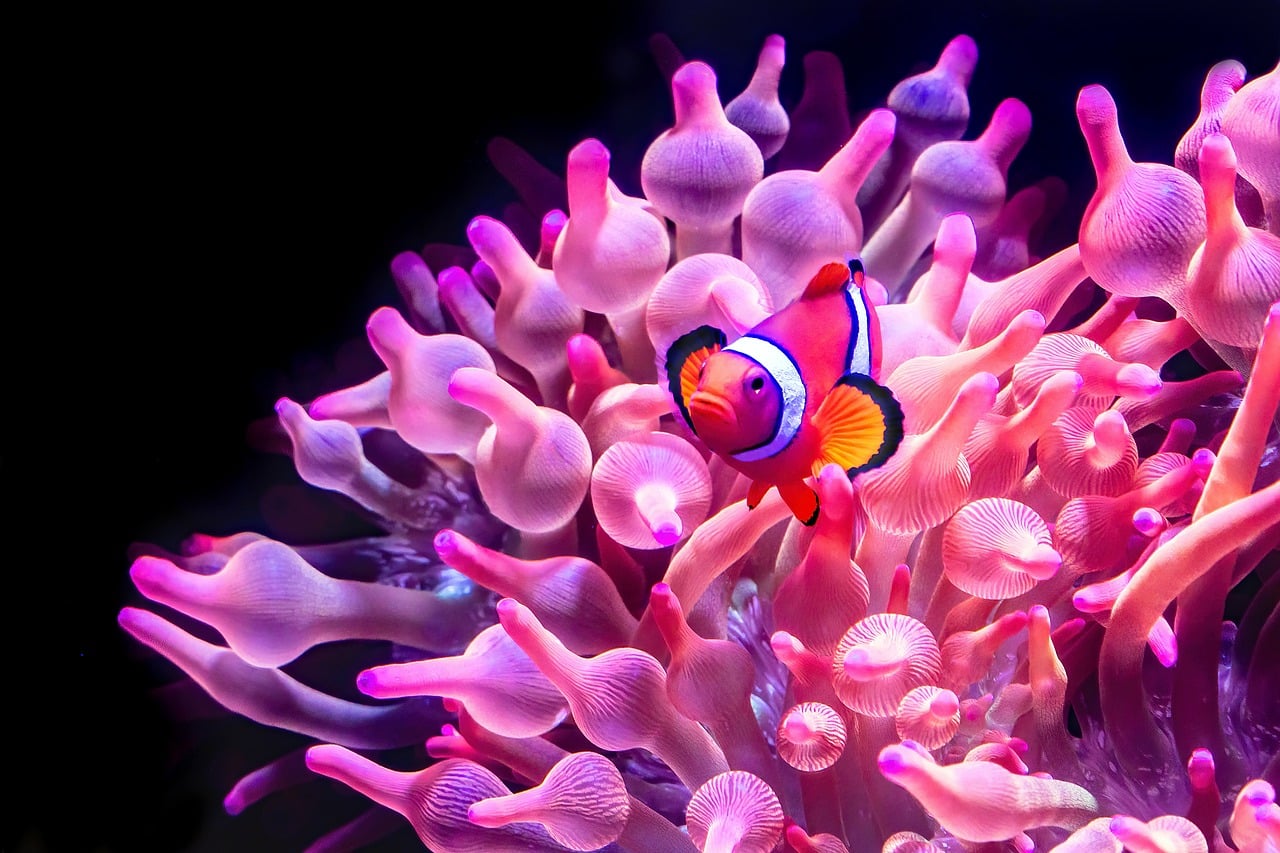
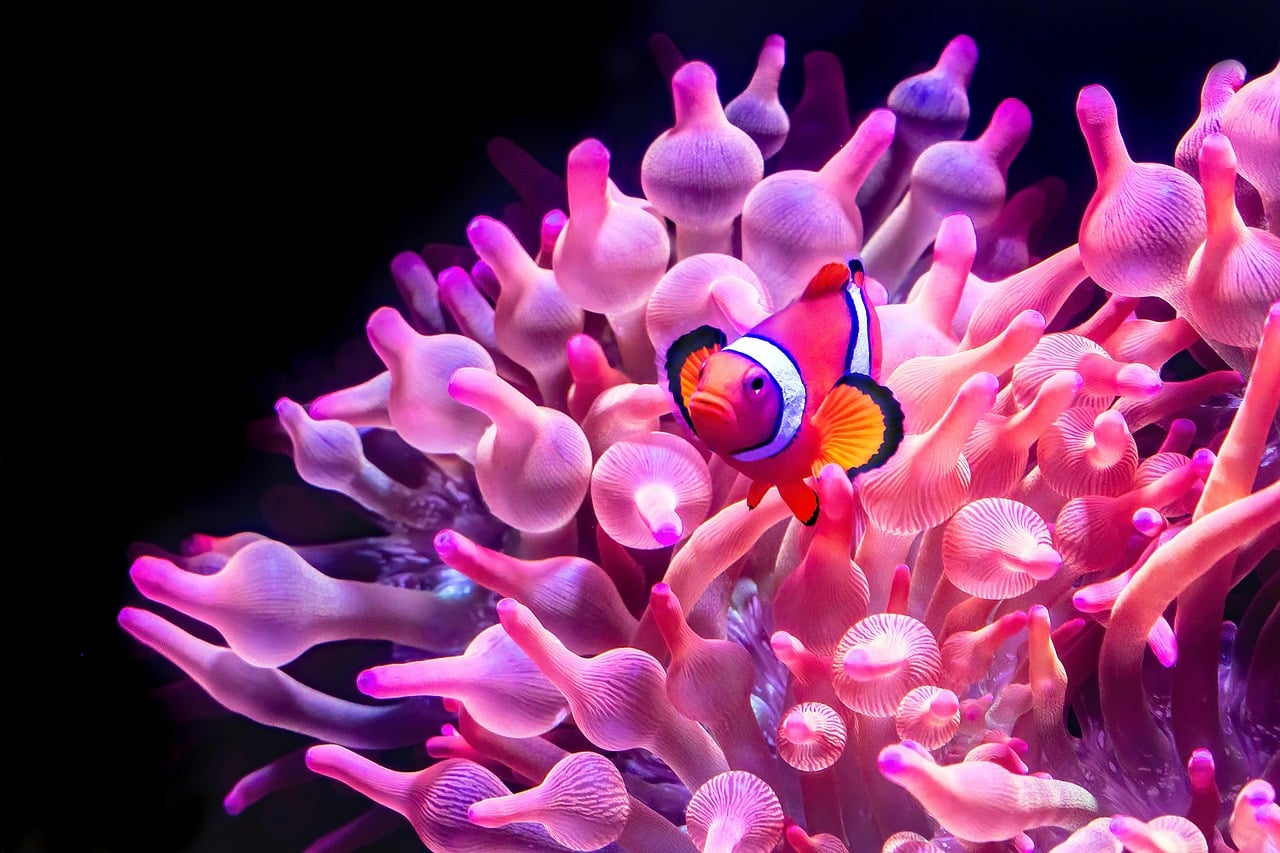
If you’ve spent time on marine aquarium forums or browsed local fish store tanks, you’ve probably noticed clownfish that look nothing like the orange-and-white fish from Finding Nemo. Those are clownfish color morphs — selectively bred variations of common ocellaris or percula clownfish with unique patterns, colors, and barring. This article compares the most popular morphs based on appearance, price, temperament, and care requirements so you can pick the right one for your tank.

What Are Clownfish Color Morphs? A Quick Primer
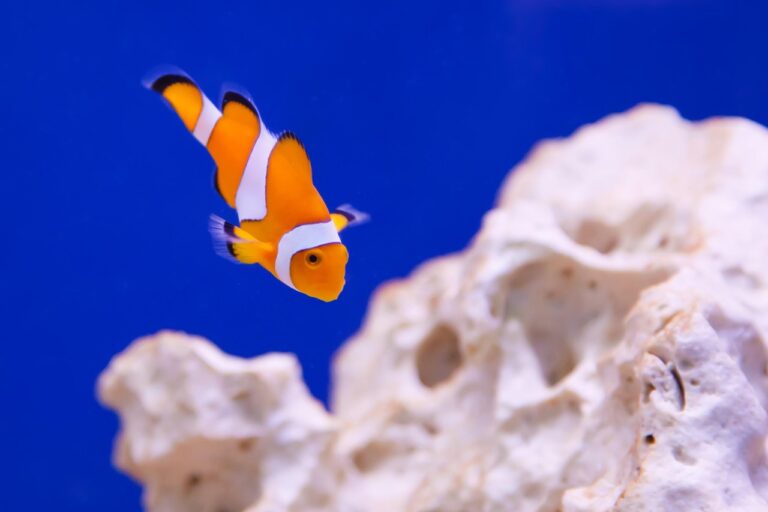
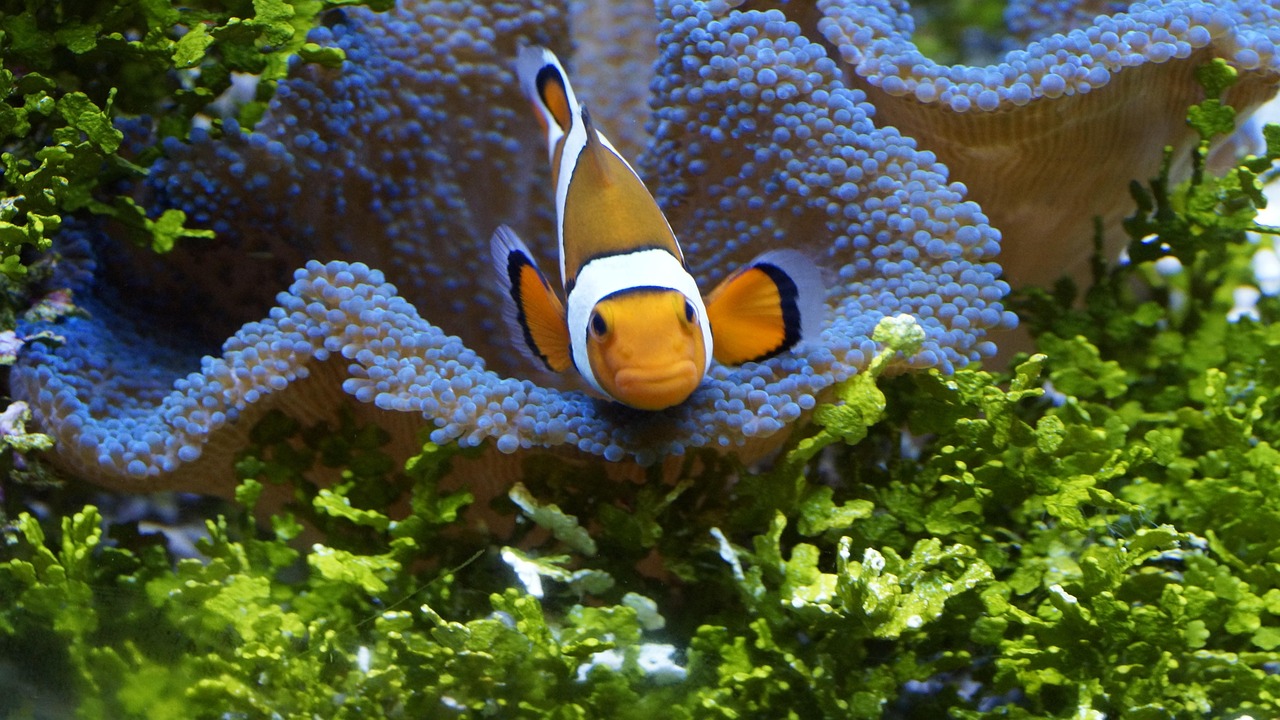
In the wild, clownfish have a fairly standard look: bright orange with three white vertical bars outlined in black. That’s the classic version. Clownfish color morphs are captive-bred variants developed over generations to produce different colors, patterns, and barring. Most come from two base species: the ocellaris clownfish (Amphiprion ocellaris) and the percula clownfish (Amphiprion percula). To the untrained eye they look nearly identical, but there are slight differences in fin shape, behavior, and bar thickness.
The genetics behind morphs gets complicated — dominant, recessive, and polygenic traits all play a role — but you don’t need a marine biology degree to appreciate the results. The two main things to know are that captive breeding has made these fish more available and generally hardier than wild-caught specimens, and prices vary a lot based on rarity and demand. That’s what we’re diving into here.
Why Morphs Matter for the Home Aquarist
For most hobbyists, choosing a morph isn’t just about looks. There are practical reasons to consider one over another. First, most morphs are captive-bred, meaning they are already used to aquarium life, less stressed, and less likely to carry diseases compared to wild-caught fish. That alone saves quarantine headaches. Second, the visual diversity lets you build a more interesting tank without adding aggressive or incompatible fish. A tank with a Black Ice and a Platinum clownfish has more visual depth than two identical orange fish.
There’s also the novelty factor. Some people enjoy owning something uncommon. But rarity doesn’t always mean quality — sometimes a rare morph is just an expensive fish with no difference in behavior or hardiness. That’s why knowing what you’re paying for matters before you hand over your credit card.
1. The Classic Ocellaris and Its Most Common Morphs
The ocellaris is the backbone of the morph market. It’s the species most commonly bred in captivity, and most available morphs come from it. The standard wild-type ocellaris is your basic orange-and-white fish, often the cheapest option at $15 to $30. From there, selective breeding has produced several reliable, affordable morphs.
- Wyoming White: Large white patches replace most of the orange, leaving only the head and tail orange. Prices range from $40 to $80. They are hardy and a good entry-level morph.
- Snowflake: Irregular white barring that looks like snowflakes melting into the orange body. Very popular, priced around $50 to $100. Excellent hardiness.
- Frostbite: Similar to Snowflake but with more white coverage and a bluish hue to the bars. Considered a step up in rarity, priced from $80 to $150.
All three share the same care requirements as the standard ocellaris. They are peaceful, adapt well to most tank sizes (20 gallons or larger recommended), and accept a variety of prepared foods. If you’re new to saltwater or working with a tight budget, any of these is a solid choice. For beginners setting up a proper environment, having a reliable saltwater fish food and a good aquarium test kit is worth the investment.

2. Premium Dark Morphs: Black Ice, Black Storm, and DaVinci
The dark morphs are where things get visually striking and prices climb. These fish have significantly more black pigmentation than standard ocellaris, often with contrasting white or blue-tinted bars.
Black Ice is a personal favorite. Deep black body with bright blue-tinged white bars. The blue tint is subtle and depends on lighting, but in the right setup it looks stunning. Expect to pay $100 to $200. A common misconception is that Black Ice needs special water parameters — not true. They are just as hardy as a standard ocellaris. The dark coloration is genetic, not environmental. They do benefit from good lighting to bring out the blue tint. If you go with a Black Ice, consider an LED aquarium light designed for saltwater to make those blue highlights pop.
Black Storm takes the dark theme further, with heavy black coverage and irregular white bars that look like paint splashes. Prices are similar to Black Ice, sometimes higher depending on pattern quality. These fish are also hardy but can be slightly more territorial than other morphs — nothing aggressive, but they appreciate a bit more space.
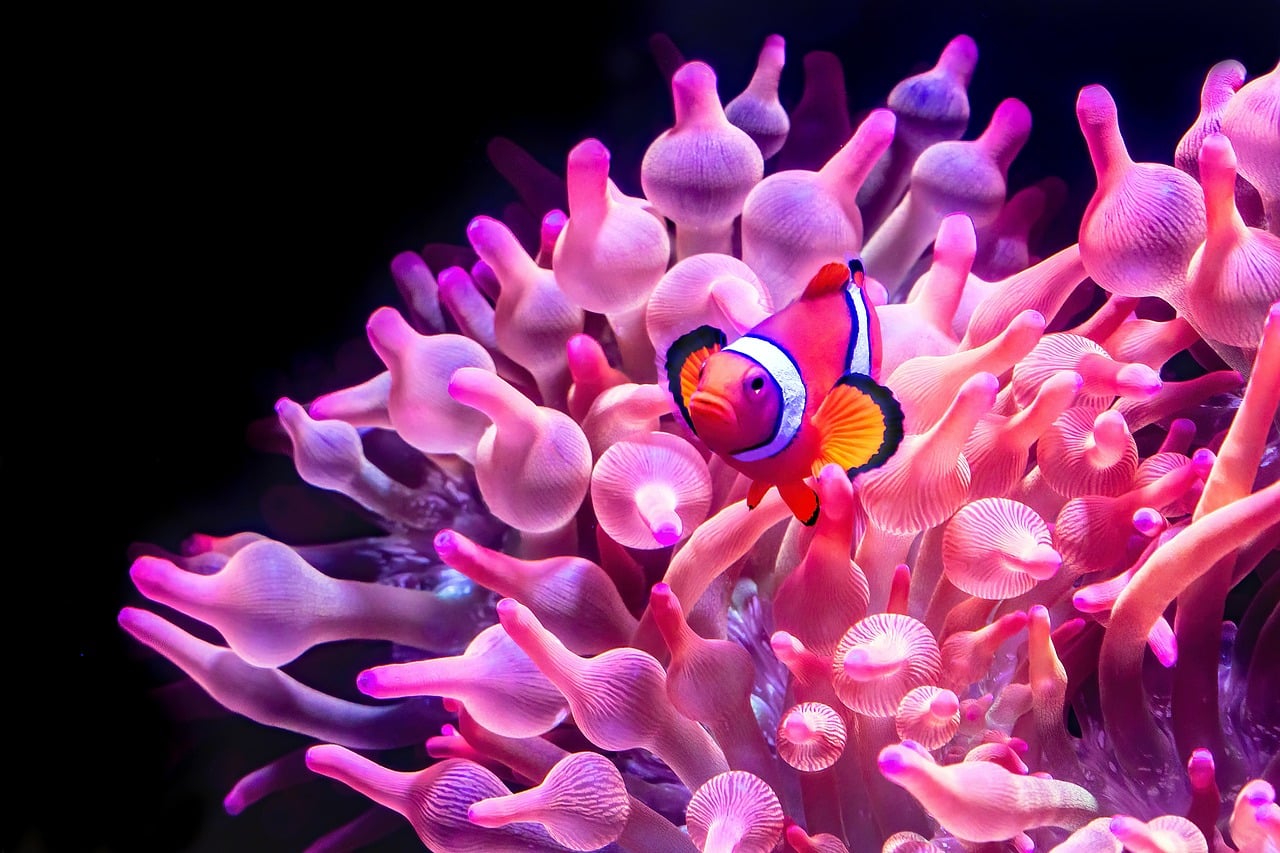
DaVinci morphs have a black body with very thin, intricate white barring that looks like marble or brush strokes. They are less common than Black Ice or Black Storm, with prices from $150 to $250. If you want something that stands out in a show tank, this is a strong candidate.
Who should choose dark morphs? Hobbyists with moderate experience who want a showpiece fish. Beginners can keep them too, but the price tag makes them less forgiving if something goes wrong. If you are confident in your water quality and feeding routine, go for it.
3. The Bright Side: Platinum, Picasso, and Naked Ocellaris
On the opposite end are morphs dominated by white or pale coloration. These fish look almost ghostly compared to standard clownfish.
Platinum clownfish are nearly entirely white, with only faint orange or yellow on the fins and tail. They are one of the most sought-after morphs and command prices from $150 to $300. Quality varies — some have perfect white coverage, others have small orange patches. They are hardy, but the high price means you should be sure of your source before buying.
Picasso morphs have irregular, chaotic white barring that looks like someone rearranged the standard bars. No two Picasso fish look exactly alike, which appeals to collectors. Prices range from $100 to $200. They are generally hardy, though some lines have been bred for pattern at the expense of overall vigor — so buy from a reputable breeder.
Naked ocellaris lack white bars entirely, appearing as solid orange or orange with faint hints of barring. They are rare and often more expensive than you would expect for such a plain-looking fish ($100 to $200). The catch is that some Naked ocellaris are less hardy than other morphs. Whether this is due to inbreeding or a genetic quirk is debated, but worth noting. I would only recommend the Naked morph for experienced keepers who understand the risk.
If your goal is a striking white fish for a centerpiece, Platinum is the way to go. If you want something unique on a tighter budget, Picasso offers variety without the premium Platinum price.
4. Percula Clownfish Morphs: A Shorter List Worth Knowing
Percula clownfish are often confused with ocellaris, but they have slightly thicker black borders on their white bars and a more rounded dorsal fin. True Percula morphs are less numerous than ocellaris morphs, but a few stand out.
- True Percula: The wild-type percula. Slightly more expensive than standard ocellaris ($30 to $60) and known for having a more active personality.
- Onyx Percula: Black body with thick white bars. They look similar to Black Ice but have a slightly different shape and behavior. Prices range from $80 to $150.
- Black Percula: Almost entirely black with thin white bars. Rare and expensive, often $150 to $300.
Percula morphs are generally more territorial than ocellaris, so they pair better in larger tanks (30 gallons minimum). They also seem to handle higher water flow better. If you plan a community tank with peaceful tank mates, stick to ocellaris morphs. If you want a bolder fish in a species-specific setup, perculas are worth considering.
Clownfish Color Morph Comparison Table
| Morph | Base Species | Typical Price | Key Visual Trait |
|---|---|---|---|
| Standard Ocellaris | Ocellaris | $15–$30 | Orange with three white bars |
| Wyoming White | Ocellaris | $40–$80 | Large white patches, orange head and tail |
| Snowflake | Ocellaris | $50–$100 | Irregular white bars melting into orange |
| Frostbite | Ocellaris | $80–$150 | Extensive white with bluish tint |
| Black Ice | Ocellaris | $100–$200 | Black body, blue-tinged white bars |
| Black Storm | Ocellaris | $100–$200 | Heavy black with splash-like white bars |
| DaVinci | Ocellaris | $150–$250 | Black body, thin marbled white barring |
| Platinum | Ocellaris | $150–$300 | Nearly all white |
| Picasso | Ocellaris | $100–$200 | Chaotic irregular white bars |
| Naked Ocellaris | Ocellaris | $100–$200 | Solid orange, no bars |
| True Percula | Percula | $30–$60 | Orange with thick black-bordered white bars |
| Onyx Percula | Percula | $80–$150 | Black body with thick white bars |
| Black Percula | Percula | $150–$300 | Nearly all black with thin white bars |
Price vs. Rarity: What You Actually Pay For
It’s tempting to assume a $250 clownfish is five times better than a $50 one. That’s rarely the case. The price of a morph comes down to three things: how rare the pattern is, how much demand exists, and what the breeder decides to charge. A fish that took multiple generations to produce a stable pattern will naturally cost more. But some breeders slap a designer label on a fish that isn’t genetically stable, and the high price doesn’t guarantee quality or hardiness.
Here are realistic price ranges by category:
- Budget ($15–$50): Standard ocellaris, Wyoming White, some Snowflake lines.
- Mid-range ($50–$150): Most Snowflake, Frostbite, Black Ice, Black Storm, Picasso.
- Premium ($150–$300+): Platinum, DaVinci, Naked, Black Percula.
Don’t overpay for a fish just because it’s labeled designer. Ask the seller what line it comes from and how many generations have been bred. A reputable breeder will have that information. Also, avoid extremely low prices from unknown sellers — that often means poor health or mislabeled fish.
Choosing the Right Morph for Your Tank Setup
Your tank setup directly influences which morph will thrive and look its best. Here are the key considerations.
Tank size: For a single clown or a pair, 20 gallons is the minimum for ocellaris morphs. Percula morphs are more active and do better in 30 gallons or more. If you plan a community reef tank, larger is always better.
Lighting: Blue-tinted morphs like Black Ice benefit from actinic or full-spectrum LED lighting to bring out their color. Standard white LEDs will make them look like a dark fish with white bars — still nice, but you miss the blue shimmer. If color is your priority, invest in quality lighting. A good LED fixture for a 20-gallon tank runs $100 to $200 and makes a visible difference.
Tank mates: Most ocellaris morphs are peaceful. Percula morphs can be territorial, especially in smaller tanks. Avoid pairing a percula with overly aggressive fish like damsels or large wrasses. Also, don’t mix two different morphs in the same tank unless you want hybrid offspring — though that only matters if you plan to breed.
Your experience level: If you’re new to saltwater, stick with standard ocellaris, Snowflake, or Wyoming White. They are forgiving of minor water quality wobbles. If you have a stable, mature tank and know your parameters, the premium morphs are fair game.
Where to Buy Clownfish Morphs (and What to Watch Out For)
You have three main options for buying morphs: local fish stores (LFS), online breeders, and aquarium club forums. Each has pros and cons.
Local fish stores: Best for seeing the fish in person before buying. You can inspect health, activity level, and pattern quality. The downside is limited selection and sometimes higher prices. Build a relationship with a good LFS — they can often special order morphs for you.
Online breeders: The widest selection and often the best prices, but you can’t see the fish before purchase. Look for breeders who provide clear, recent photos (not stock images) and have a health guarantee. Overnight shipping is standard and costs $30 to $60. Red flags include blurry photos, no guarantee, and prices that are too good to be true.
Aquarium clubs: Great for finding rare morphs at fair prices from local hobbyists who breed. You can see the fish in a home aquarium and often get advice on care. The trade-off is less consistency in availability.
No matter where you buy, always ask about the fish’s quarantine history. A reputable seller will have quarantined for at least two weeks. If they can’t confirm that, assume the fish hasn’t been quarantined and plan to do it yourself. A simple saltwater aquarium test kit and a small quarantine tank can save you from introducing disease to your main display.
Common Myths About Clownfish Morphs Debunked
Myth 1: Morphs need pristine water more than wild types. False. Captive-bred fish are already adapted to aquarium conditions. They are generally more tolerant of minor fluctuations than wild-caught clownfish. That said, no fish should be kept in poor water conditions. Regular maintenance still matters.
Myth 2: All morphs are aggressive. Not true. Aggression in clownfish is related to species and individual personality, not color pattern. Ocellaris morphs are among the most peaceful marine fish. Percula morphs can be territorial, but that’s not universal. If you see aggression, it’s usually about tank size or the presence of other clowns, not the morph type.
Myth 3: Platinum morphs never live long. I’ve heard this from hobbyists who had a bad experience, but there’s no evidence that Platinum clownfish have inherently shorter lifespans. The issue is likely poor breeding practices in some lines. If you buy from a reputable breeder and provide good care, a Platinum will live as long as any other clownfish — typically 10 to 15 years in captivity.

My Final Recommendations: Best Morphs for Different Goals
After keeping dozens of clownfish morphs over the years, here’s my straightforward advice for different scenarios.
On a budget: Standard ocellaris or Snowflake. You get a beautiful fish, proven hardiness, and plenty of money left for other tank equipment. No shame in starting simple.
For a showpiece tank: Black Ice or Black Storm. The contrast of deep black against bright white bars — especially with blue-tinted highlights — commands attention. These are the fish friends will ask about.
If you want rarity: Platinum or Picasso. Both are conversation starters. Just be prepared to pay a premium and vet your seller carefully.
For a community reef tank: Stick with ocellaris morphs. They are peaceful, adaptable, and unlikely to bully tank mates. Percula morphs are better suited for species-specific tanks or large systems.
Ultimately, the best morph is the one that fits your tank, your budget, and your experience level. Don’t chase a particular pattern just because it’s popular. Look at photos, read breeder reviews, and ask questions. A healthy fish with a modest pattern will bring you far more enjoyment than a stressed fish with a rare one.
Once you have narrowed down your choice, check pricing from trusted breeders or online retailers. A little research upfront saves a lot of regret later.