Coral Triangle Clownfish Diving: The Complete Guide
Introduction
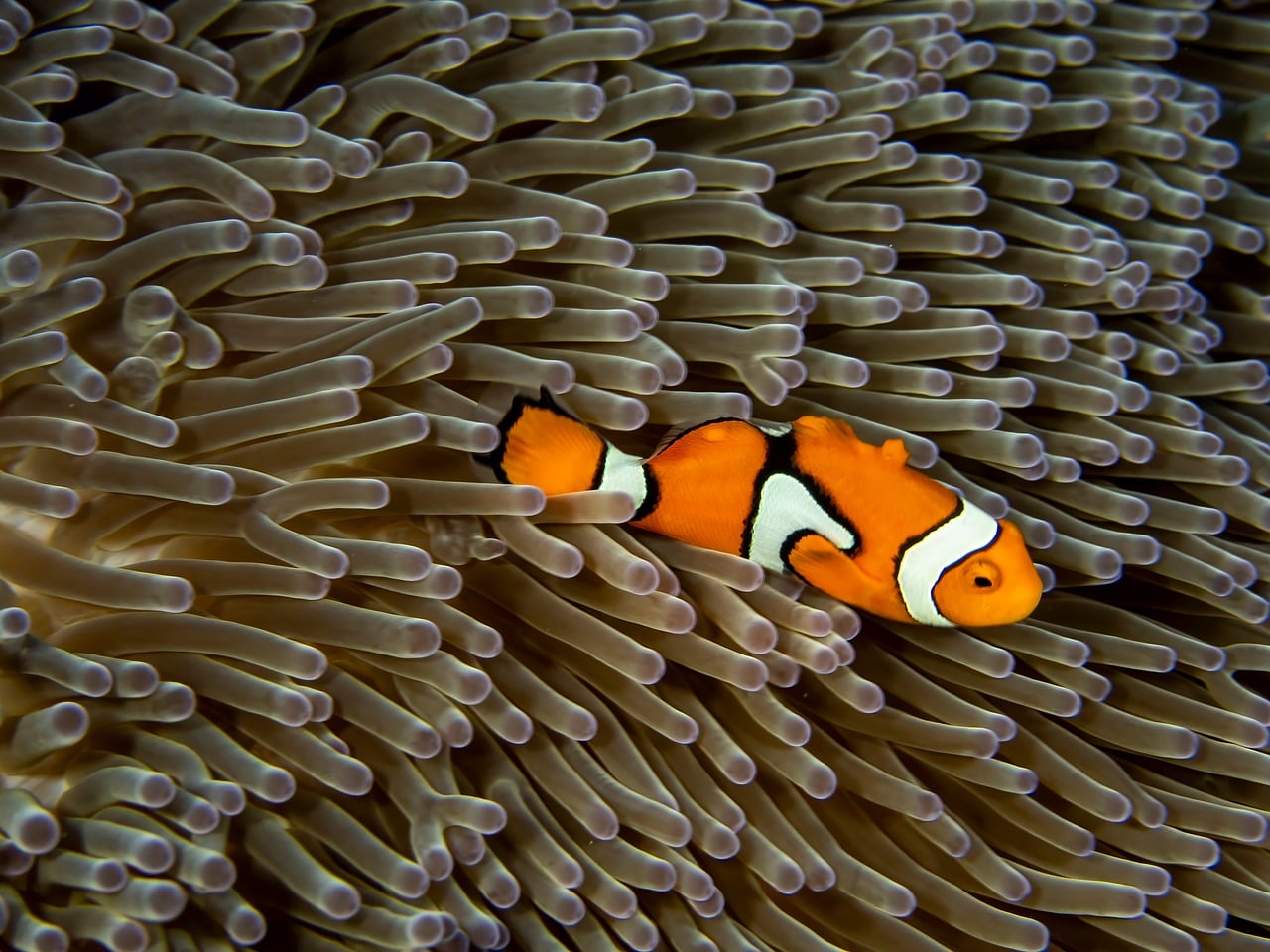
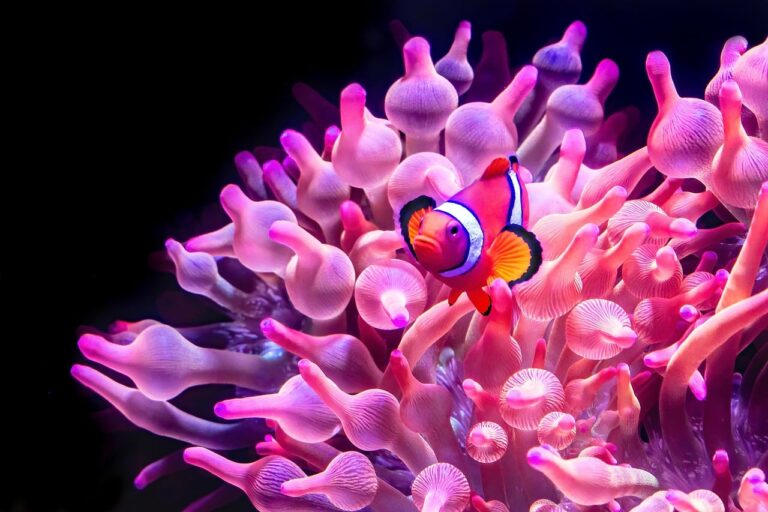
If you’re planning a dive trip specifically to see clownfish in their natural habitat, there’s really only one place to go: the Coral Triangle. This vast marine region spanning Indonesia, the Philippines, Papua New Guinea, Timor-Leste, Malaysia, and the Solomon Islands holds the highest diversity of clownfish species on the planet. For coral triangle clownfish diving, you’re not just hoping to spot a single species here and there. You’re entering the epicenter of anemonefish evolution, where multiple species coexist on the same reef, often in the same anemone.
This article isn’t a general travel guide. It’s a practical breakdown for divers who are comparing options and planning a dedicated trip. We’ll cover the best dive sites, when to go, whether a liveaboard or resort suits your style, essential gear for getting the shots you want, and the honest mistakes that separate a good clownfish dive from a frustrating one. By the end, you’ll have a clear framework for booking a trip that delivers exactly what you’re looking for.

Why the Coral Triangle for Clownfish Diving?
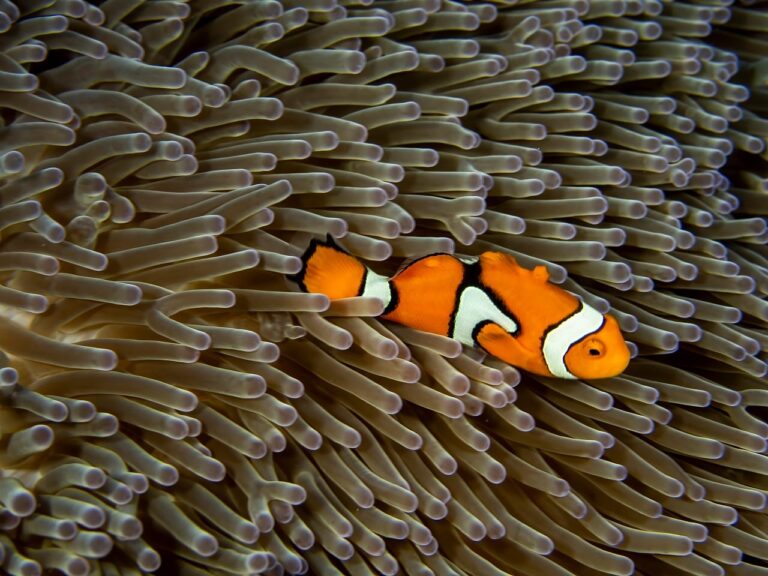
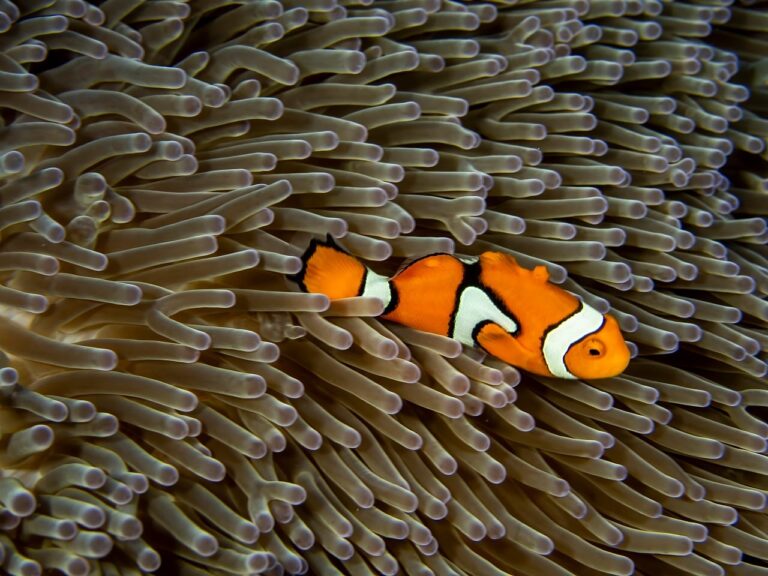
The Coral Triangle covers just 1.6% of the planet’s ocean area but contains 76% of the world’s coral species and over 3,000 species of reef fish. For clownfish enthusiasts, the numbers are even more compelling. This region hosts at least 15 of the 30 known anemonefish species, including the iconic true percula clownfish (Amphiprion percula), the false percula or orange clownfish (Amphiprion ocellaris), the pink skunk clownfish (Amphiprion perideraion), the tomato clownfish (Amphiprion frenatus), and the Clark’s anemonefish (Amphiprion clarkii).
That diversity means something practical for your dive planning. In a single morning at a good site in Raja Ampat, you can observe three or four different clownfish species within a 200-meter stretch of reef. Compare that to the Great Barrier Reef, where you might see two or three species on a good day, and the advantage becomes obvious. The Coral Triangle also hosts the richest anemone gardens in the world, with host species like the magnificent sea anemone (Heteractis magnifica), the bubble-tip anemone (Entacmaea quadricolor), and the giant carpet anemone (Stichodactyla gigantea) creating a solid habitat matrix.
Scientifically speaking, this region is the center of clownfish biodiversity because of its stable sea temperatures, complex reef structures, and ancient geological history that allowed species to diverge over millions of years. For the diver, that translates to consistently high encounter rates across a wider range of depths and habitats. You’re not chasing a single species; you’re observing an entire ecosystem built around anemone symbiosis.
Top Clownfish Diving Sites in the Coral Triangle
Not all reefs in the Coral Triangle are equal for clownfish encounters. Some sites have been loved a bit too much by tourism, while others remain relatively undisturbed with high fish populations. Based on firsthand experience and reports from local operators, here are the standout sites for dedicated clownfish diving. Each includes a “best for” tag so you can match the site to your priorities.
Raja Ampat, Indonesia â Cape Kri
Location: West Papua, Indonesia
Water temperature: 27â30°C (81â86°F) year-round
Depth range: 5â25 meters
Likely species: Percula clownfish, skunk clownfish, Clark’s anemonefish
Best for: Diversity encounters within a single dive
Cape Kri holds the record for the most fish species counted on a single reef (374). What that means for clownfish hunters is that you’ll find multiple anemone clusters hosting different species within close proximity. The site has moderate current, which brings plankton and keeps the anemones healthy. Expect to see percula pairs in magnificent sea anemones at around 8â12 meters, with skunk clowns in the shallower seagrass beds nearby.
Komodo National Park, Indonesia â Batu Bolong
Location: Between Flores and Sumbawa, Indonesia
Water temperature: 24â28°C (75â82°F) depending on season
Depth range: 3â20 meters
Likely species: False percula, pink skunk clownfish, tomato clownfish
Best for: Photographers who want strong current and dramatic reef structures
Batu Bolong is not a beginner’s site. The current can rip through here, but the reward is incredible clarity and anemones that cluster along the pinnacle walls. The false percula clowns here are bolder than most, possibly because the current keeps larger predators at bay. You’ll need good buoyancy to hover 1â2 meters off the anemones without stirring sediment. Late morning dives often have the best light for capturing the orange-on-blue contrast.
Alor, Indonesia â The Church
Location: Alor Archipelago, East Nusa Tenggara
Water temperature: 25â29°C (77â84°F)
Depth range: 5â15 meters
Likely species: Clark’s anemonefish, false percula, skunk clownfish
Best for: Divers who want a quieter experience with fewer boats
Alor remains one of the less-visited regions in the Coral Triangle, and that shows in the fish behavior. The clownfish here are less habituated to divers, which means they’re more skittish but also more natural in their movements. The Church site offers a sloping reef with scattered anemones at comfortable depths for extended bottom time. Bring a macro lens; the anemones here host cleaner shrimp that make excellent secondary subjects.
Tubbataha Reefs, Philippines â Jessie Beazley Reef
Location: Palawan, Philippines
Water temperature: 26â30°C (79â86°F) MarchâJune only
Depth range: 5â30 meters
Likely species: Clark’s anemonefish, tomato clownfish, false percula
Best for: Wall diving with anemones on overhangs
Tubbataha is a seasonal destination (mid-March to mid-June) accessible only by liveaboard. Jessie Beazley Reef features a shallow lagoon where anemones carpet the bommies at 5â8 meters, then drop off into a wall system where you’ll find clowns in huge carpet anemones clinging to the vertical faces. The water clarity here is exceptional, often exceeding 30 meters, which helps for ambient-light photography. You’ll need a liveaboard to access this site.
Kimbe Bay, Papua New Guinea â Father’s Reef
Location: West New Britain Province, Papua New Guinea
Water temperature: 27â30°C (81â86°F)
Depth range: 5â20 meters
Likely species: True percula, skunk clownfish, maroon clownfish
Best for: Seeing true percula clowns in near-pristine conditions
Kimbe Bay is less developed than Raja Ampat but offers some of the healthiest anemone gardens in the region. Father’s Reef has a gentle slope with scattered coral bommies, each hosting its own anemone cluster. The true percula clowns here are notably larger and more vividly colored than those in more trafficked areas. The tradeoff is that Papua New Guinea requires more complex travel planning and higher costs, which keeps crowds extremely low.
Best Time of Year for Coral Triangle Clownfish Diving
Timing your trip matters more for visibility and currents than for clownfish presence, because the fish are here year-round. The key variables are water clarity, surface conditions, and whether the current makes diving difficult or manageable.
For Raja Ampat, the optimal window is October through April. This is the dry season, with calmer seas, visibility often exceeding 25 meters, and less surface chop that can make liveaboard travel uncomfortable. The rainy season from May to September brings heavier swells and reduced visibility, especially around the Dampier Strait.
Komodo National Park has a different rhythm. The dry season runs May to October, with cooler water temperatures (24â26°C) and strong currents that actually clear the water for excellent visibility. November to April brings warmer water but more rain and lower visibility. For clownfish photography, the dry season is better because the current keeps the anemones open and the fish active.
The Philippines is more straightforward. The best months across most clownfish-rich sites like Tubbataha and Apo Reef are March through June. This avoids the worst of the monsoon, giving you flat seas and clear water. July through October brings southwest monsoon winds that make liveaboard itineraries unpredictable.
Papua New Guinea follows a similar pattern to Raja Ampat: May to November is the drier, more stable period. December through April can be wetter with reduced visibility, though the clownfish are still present. For serious enthusiasts, the tradeoff of visiting during a slightly wetter period can mean lower prices and fewer divers.
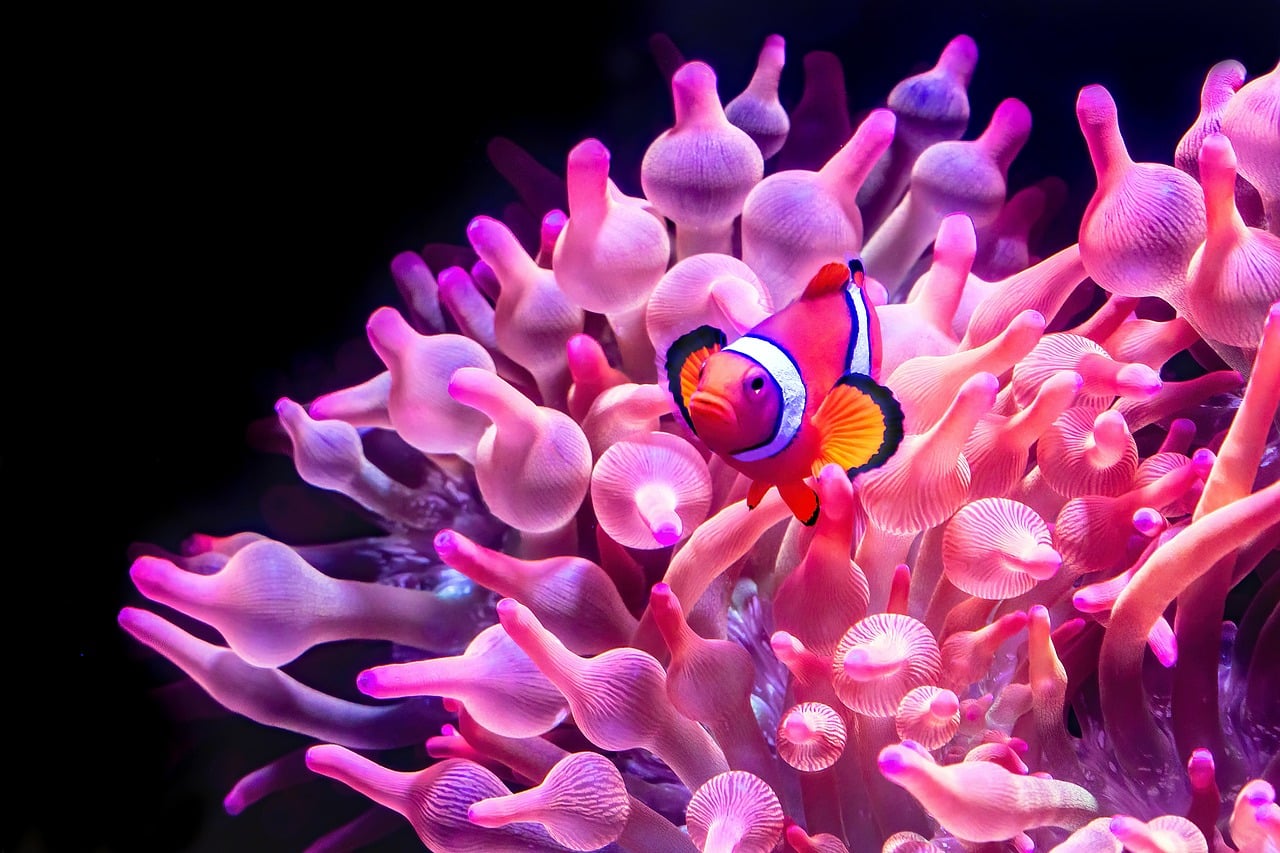
Water temperature across the region ranges from 24°C in Komodo during dry season to 30°C in Raja Ampat during wet season. A 5mm wetsuit is safe for the cooler spots; 3mm works for most sites in Raja Ampat and the Philippines. If you run cold, bring a hooded vest regardless of location. Divers who need a good all-purpose wetsuit for the variety of conditions might consider a high-quality 5mm wetsuit that provides adequate warmth across the region’s temperature range.
Liveaboard vs. Land-Based: Which Is Right for Your Clownfish Trip?
This is probably the most important planning decision you’ll make, and the answer depends on what you want from your clownfish encounters.
Liveaboards give you access to remote reefs that land-based divers rarely see. That’s a real advantage for clownfish diving because the less-frequented sites often have larger, less stressed anemone populations. Liveaboards also let you dive multiple sites each day without returning to shore, which means you can hit two or three different anemone gardens in a single morning. The tradeoffs: you’re on a fixed itinerary, so if ocean conditions force the captain to change course, you might miss the site you specifically came for. You’re also sharing the boat with other divers, which means groups of 4â6 per guide. For photographers who want extended bottom time at a single anemone, that can be frustrating.
Land-based resorts offer flexibility. You can choose to dive the same site multiple days in a row, which lets you learn the anemone clusters and return at the optimal time of day when lighting and fish activity are best. Resorts are also better for divers who prefer consistent comfort: hot showers, proper meals, and the ability to skip a dive without affecting the boat schedule. The limitation is that you’re typically restricted to sites within 30â60 minutes of the resort, so you won’t access the most remote reefs. Some resorts, like those in Raja Ampat’s Sorido Bay or Alor’s Alor Divers, have excellent house reefs that rival offshore sites.
Who should choose a liveaboard: If clownfish photography is your primary goal and you want to maximize species diversity across multiple habitats, a liveaboard through Raja Ampat or Tubbataha is the better choice. Look for boats that offer small groups (12 passengers or fewer) and allow optional camera-only dives where photographers can stay at a reef longer than the group.
Who should choose a resort: If you want the flexibility to dive on your own schedule, prefer having a base with reliable amenities, or are traveling with a non-diving companion, a resort is the more practical option. Resorts in Raja Ampat (Meridian Adventure Dive) and Alor (Alor Divers) are well-regarded for their clownfish-rich house reefs and experienced guides.
For the serious clownfish enthusiast who wants the best of both worlds, consider a split itinerary: start with a resort for 3â4 days to acclimate and do shore-based photography, then join a liveaboard for a week to hit remote sites. This approach costs more but delivers the most comprehensive experience.
Essential Diving Gear for Clownfish Photography
Getting good clownfish photos in the Coral Triangle requires specific gear choices. Clownfish are small, they hide in anemones that move constantly, and the water between you and them is often full of particulate matter. Here’s what makes a real difference in the field.
A dedicated macro lens setup is non-negotiable. A 60mm or 100mm macro lens on your camera or housed smartphone gives you the working distance to stay 30â50cm from the anemone without spooking the fish. The 60mm is better for full-anemone shots with fish context; the 100mm lets you isolate a single fish’s face. Both are worth having if your system allows lens changes underwater. An alternative for compact camera users is a wet-mount macro diopter like the Inon UCL-165 or Subsee +10, which attach to the housing port and give you 1:1 magnification without swapping lenses.
Focus lights are not optional. Clownfish anemones often sit in shadows, especially under coral overhangs or in the late afternoon. A red focus light helps your camera’s autofocus lock onto the fish without startling it. White lights work too but can cause the anemone to contract slightly. The Bigblue AL1200WP with red filter is a solid choice that also doubles as a video light for ambient scenes.
Reef-safe sunscreen isn’t just a nice ideaâit’s required at most sites. Operators in Raja Ampat, Komodo, and Tubbataha check. If you show up with standard sunscreen containing oxybenzone or octinoxate, you may be refused diving privileges. Stream2Sea or Raw Elements are proven brands that work well underwater without degrading your mask seal.
A small secondary light or snoot is worth the extra carry weight if you’re serious about isolating clowns from their background anemone. Clownfish are brightly colored, but the anemone tentacles can be chaotic in a photo. A narrow-beam focus light with a snoot lets you light just the fish’s face while keeping the background properly exposed or darkened for contrast.
Skip the wide-angle lens unless you’re also shooting reefscapes. Clownfish require close approach, and a wide-angle setup forces you within inches of the anemone, increasing the risk of contact. Stick to macro.

How to Approach Anemones Without Stressing the Fish
Clownfish are territorial but not aggressive toward divers who give them space. The stress response you want to avoid is the rapid fin flutter and retreat into the anemone tentacles, which tells you the fish is threatened. Once that happens, the fish may not emerge fully for 15â20 minutes, and your dive is effectively wasted for that encounter.
Move slowly. The cardinal rule. Hover at least 2 meters away from the anemone and approach laterally rather than from above. Clownfish perceive overhead movement as a predator threat. If you drop down directly onto an anemone, even from 3 meters, the fish will dive into the tentacles immediately. Instead, descend to the same depth as the anemone, then glide sideways into position. This takes practice but dramatically improves encounter quality.
Do not touch the anemone. Not with your hands, not with your camera housing, not with a pointer. Anemones are fragile animals, and contact damages their tissue, which can take weeks to regenerate. More practically, a touched anemone will contract, and the clownfish will disappear into the base. You lose your shot and stress the animal. If you’re using a focus light or strobe, position it so your arms aren’t in danger of drifting into the tentacles when you adjust.
Ideal distance for observation is 1â1.5 meters. At this range, most clownfish species will continue their normal behavior: the female will patrol her territory, the male will tend the nest, and the juveniles will dart in and out of the anemone tentacles. Any closer, and the fish start showing displacement behaviorâswimming in tight circles or hovering motionless inside the anemone. Those are signs you’ve crossed the comfort threshold.
Flash use matters. A single TTL strobe burst won’t scare clownfish, but repeated bursts directly into the anemone can cause temporary contraction. Use your strobe’s modeling lamp to check positioning, then take two to three well-planned shots instead of firing off ten. The fish will tolerate the light better, and you’ll get sharper images because you’re not rushing.
Common Mistakes Divers Make When Searching for Clownfish
Even experienced divers make these errors. Recognizing them ahead of time saves you frustration and bottom time.
Mistake 1: Overlooking camouflage. Skunk clownfish in particular have a subtle appearance when viewed from above against a rubble seabed. Their white stripe blends with light-colored sand. Many divers swim past skunk clowns thinking they’re just a patch of light. The fix: slow down and look for movement within the anemone. If the anemone looks unusually lumpy or has a pattern that doesn’t match the current, look closer. Better yet, stop and watch for 30 seconds. If there’s a nest, you’ll see the male fanning.
Mistake 2: Diving at the wrong time of day. Clownfish are most active during late morning (10:00 AM to 12:00 PM) and early afternoon (1:00 PM to 3:00 PM). Early morning dives often find them still deep in the anemone, especially if the water is cooler. Late afternoon dives can be good for feeding behavior, but the lower light means slower shutter speeds for photography. Plan your clownfish-targeted dives for the late-morning window if you can.
Mistake 3: Ignoring tidal currents. Clownfish are more visible during slack tide, when they venture farther from the anemone to feed on plankton. During strong current, they retreat into the tentacles and are harder to photograph. Check the tide tables before your dive. In most of the Coral Triangle, slack tide occurs roughly 1.5 hours before and after high tide, at the turn.
Mistake 4: Using the wrong camera settings. Attempting to shoot clownfish in aperture priority mode with auto ISO often results in motion blur because the fish move unpredictably. Switch to manual mode, set your shutter speed to at least 1/125th second, your aperture to f/8 or f/11 for depth of field, and adjust ISO to expose properly. If you’re shooting with strobes, start with 1/2 power and adjust based on the histogram. This takes one minute to set up before you enter the water and saves an entire dive of blurry shots.
Mistake 5: Renting inadequate gear. An 18â55mm kit lens in a generic housing won’t get you sharp clownfish photos. If you’re renting, specifically ask for a 60mm macro lens or a camera with a dedicated macro mode and a focusing light. Test the setup before the boat leaves. There’s nothing worse than descending to a perfect anemone garden and realizing your camera won’t focus on anything closer than 50 centimeters.
Understanding Clownfish Behavior for Better Encounters
A little behavioral knowledge goes a long way in predicting where and when you’ll find clownfish doing interesting things.
Pair behavior is predictable. The female is always larger and more aggressive. She patrols the territory and chases off intruders. The male is smaller, and his primary job is tending the eggs if there’s a nest nearby. When you see a smaller clownfish darting into the anemone repeatedly, it’s likely the male fanning a clutch of eggs. That’s your best opportunity for behavior shotsâthe fanning motion is rhythmic and photogenic, and you can usually approach from below for a silhouette effect.
Nest location is key. If you find a nest (a patch of small, bright orange eggs on the seafloor or a rock near the anemone base), the male will return to that spot every 20â30 seconds. Position yourself 1.5 meters away, wait, and you’ll get a predictable subject. The nest is usually in a sheltered spot where the current won’t sweep the eggs away, so look under overhangs or in anemone clusters near the base of coral bommies.
Time of day affects behavior. Clownfish are diurnal. They emerge from the anemone as the sun rises and become fully active by mid-morning. Late afternoon dives show them feeding more aggressively, which means they’ll venture farther from the anemone, sometimes 1â2 meters away, to snatch passing plankton. That’s a good time to photograph them against an open-water background, but the depth of field is trickier because the subject is moving in three dimensions.
Current and light direction matter. Clownfish position themselves on the side of the anemone facing into the current. This gives them the best feeding opportunities. If you want to approach without startling them, come from the downstream side. They’ll be facing away from you, which isn’t ideal for a face-on shot, but they’ll hold position longer while you set up. For face shots, wait until they turn to investigate youâthey will, eventually, if you hold still.
Accommodation and Liveaboard Recommendations for Clownfish Divers
These recommendations are based on known performance and diver feedback. Prices are estimates and can vary significantly by season and booking platform.
Liveaboard: Samambaia (Raja Ampat)
Price range: $3,000â$4,500 per week
Best feature: Small group capacity (10â12 divers) allows extended bottom times at anemone sites
Pro: Itinerary includes the more remote northern Raja Ampat reefs that larger boats skip
Con: Not ideal for wide-angle photographers due to limited camera table space
Liveaboard: The Seven Seas (Tubbataha)
Price range: $2,800â$3,800 per week
Best feature: Specifically designed for photographers with individual camera workstations and charging stations
Pro: Guides are trained in macro and muck species identification
Con: Seasonal only (MarchâJune), so booking a year in advance is common
Resort: Meridian Adventure Dive (Raja Ampat)
Price range: $1,500â$2,200 per week (including accommodation, meals, and diving)
Best feature: House reef with resident percula and skunk clowns accessible by shore dive
Pro: Flexible schedule allows late-morning clownfish dives without boat pressure
Con: Limited to sites within a 40-minute boat ride; for remote reefs, you’ll need a liveaboard add-on
Resort: Alor Divers (Alor)
Price range: $1,200â$1,800 per week
Best feature: Extremely quiet area with minimal dive traffic, meaning less stressed fish
Pro: Excellent value for money; the reef here rivals Raja Ampat for anemone density
Con: Limited to basic amenities; internet is slow, and the food is good but not gourmet
Resort: Lumba Lumba Divers (Komodo)
Price range: $1,800â$2,500 per week
Best feature: Access to both north Komodo’s anemone gardens and south Komodo’s muck sites
Pro: Professional camera room with compressed air for cleaning
Con: Currents are strong; not suitable for beginner divers
When booking, ask specifically about the guide-to-diver ratio. For clownfish photography, a maximum of 4 divers per guide is ideal. Larger groups mean less time at each anemone and increased sediment disturbance.
Travel Logistics and Permits for the Coral Triangle
The logistics for reaching most Coral Triangle sites are straightforward, but there are a few non-obvious steps that can trip you up.
Visa requirements: Indonesia offers visa-free entry for citizens of 50+ countries (check your status) for stays up to 30 days. For longer stays, get a visa on arrival for $35 at major airports. The Philippines offers 30-day visa-free entry for most nationalities. Papua New Guinea requires a pre-arranged visa for most visitors. Apply four weeks in advance at least.
Domestic flights: In Indonesia, the main hub is Jakarta (CGK) or Bali (DPS), with connections to Sorong (SOQ) for Raja Ampat, Labuan Bajo (LBJ) for Komodo, and Alor’s airport (ARD) via Kupang. Book domestic flights at least two months in advance during July and August peak season. Baggage allowances for domestic airlines like Lion Air and Garuda are often 20kg checked plus 7kg carry-on; extra weight costs about $5 per kg.
Marine park permits: Raja Ampat requires a marine park permit that must be arranged through your dive operator or liveaboard. The permit costs around $100 per year and is valid for all sites in the region. Tubbataha Reefs Natural Park charges a daily environmental fee of $75â$100, included in liveaboard packages. Komodo National Park charges $45â$65 for a multi-day permit, depending on whether you’re a resident or foreign visitor. Always bring cash in local currency and small bills for these fees.
Travel insurance is not optional. Medical evacuation from remote islands like Alor or Kimbe Bay can cost several thousand dollars. You need a policy that specifically covers scuba diving, including decompression illness. DAN (Divers Alert Network) insurance is the standard for serious divers and costs around $100â$150 per year for basic coverage. You should also consider a comprehensive trip cancellation policy, especially for liveaboard bookings. Most operators require non-refundable deposits of 30â50%.
Port fees: Some remote areas, particularly in Papua New Guinea and Timor-Leste, charge port fees for liveaboard operations. These are usually included in the liveaboard price, but verify before booking. In Raja Ampat, there’s an additional $5â$10 “harbor fee” at some villages that covers local infrastructure.

Final Thoughts: Is the Coral Triangle Worth the Trip for Clownfish?
Yes, without hesitationâif you’re serious about seeing clownfish in their best possible wild habitat. The Coral Triangle offers a concentration of species, healthy reef ecosystems, and well-established dive infrastructure that you simply won’t find elsewhere. The costs are significantâflights, permits, and accommodation add upâbut the experience of watching a percula pair tending their nest in a magnificent sea anemone at 12 meters, with no other divers in sight, justifies every dollar.
Start planning by settling your liveaboard vs. resort decision first, then pick your location based on the clownfish species you most want to see. Raja Ampat is the safe default for species diversity. Komodo offers drama and bold fish. Alor and Kimbe Bay provide solitude and pristine conditions. The links throughout this article point to recommended gear and booking options that have performed well for other divers. Use them as a starting point, but always confirm current prices and availability directly with operators before committing. The Coral Triangle is worth the journey. Go.