Sebae Clownfish Care and Compatibility: A Complete Aquaristâs Guide
Introduction
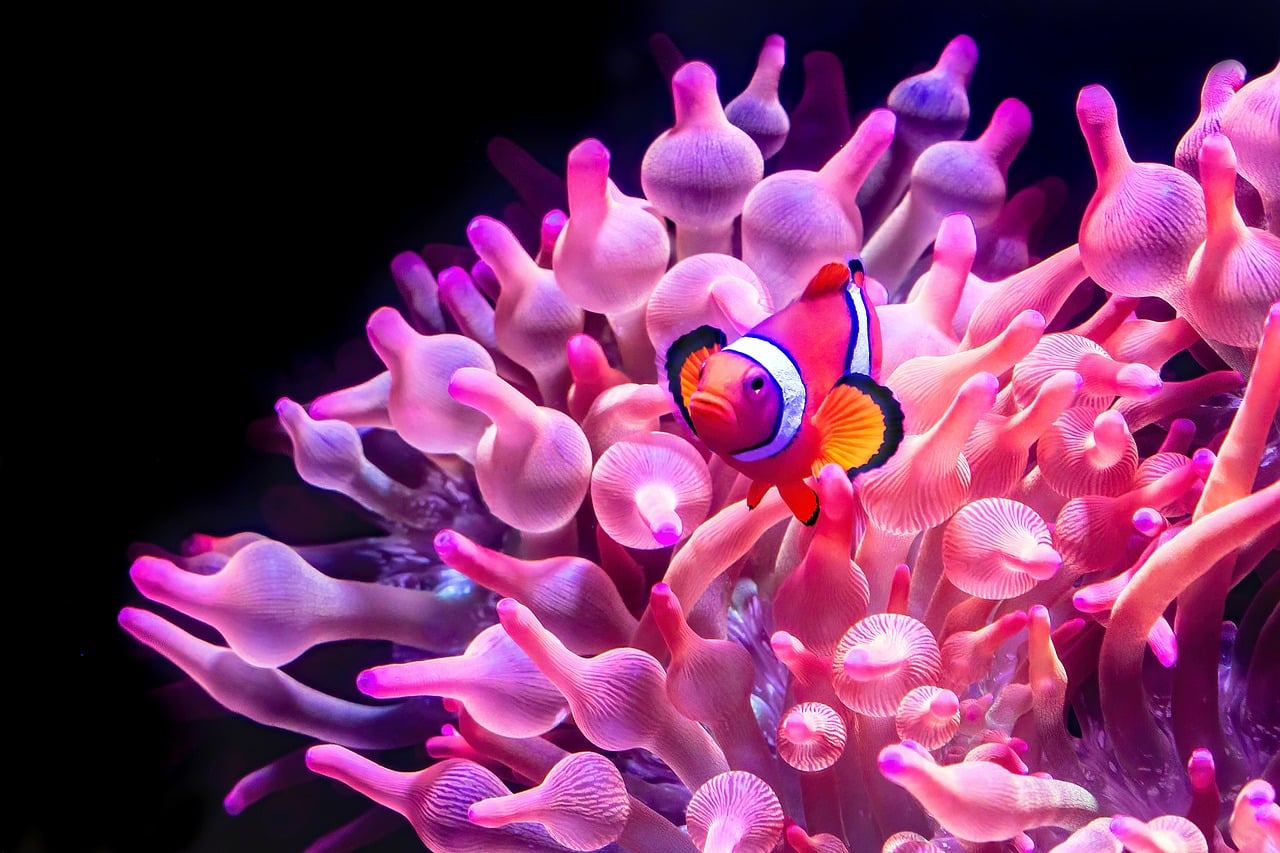
So you’re thinking about a sebae clownfish. Maybe you’ve kept ocellaris or percula clowns for a while and want something a little less common. Or maybe you spotted one at a store and that dark body with crisp white bars caught your eye. Either way, solid choiceâthey’re great fish. But this isn’t a fluff piece about how cool they look. Sebae clownfish care comes with some non-negotiable requirements, and I’ve learned most of them the hard way. This article covers tank setup, feeding, tank mates, breeding, and the mistakes that can cost you a fish if you’re not careful. Based on real experience, not textbook theory. If you’re ready to buy one, let’s make sure you’re actually prepared.

What Is a Sebae Clownfish and Is It Right for You?
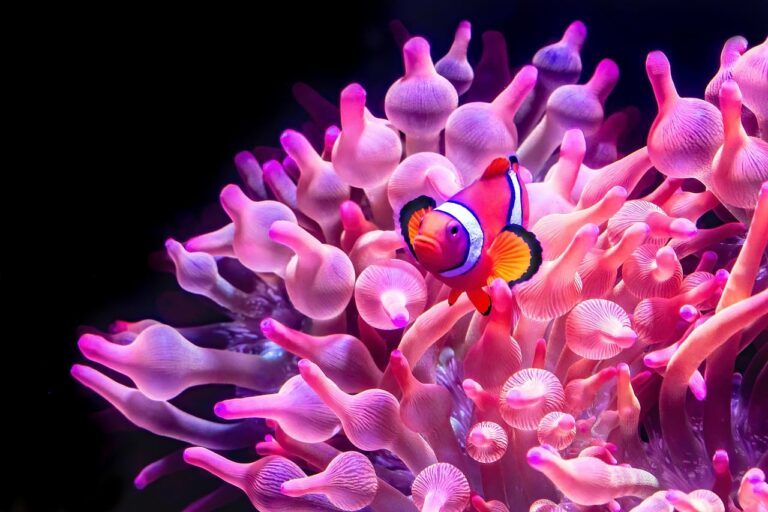
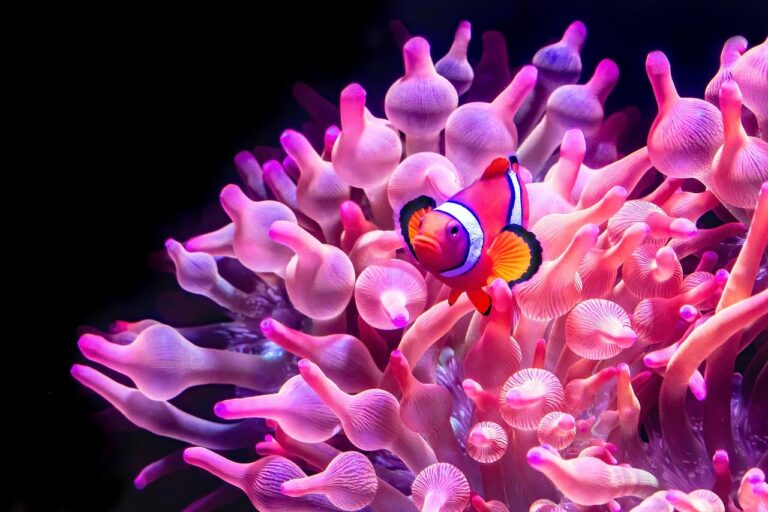
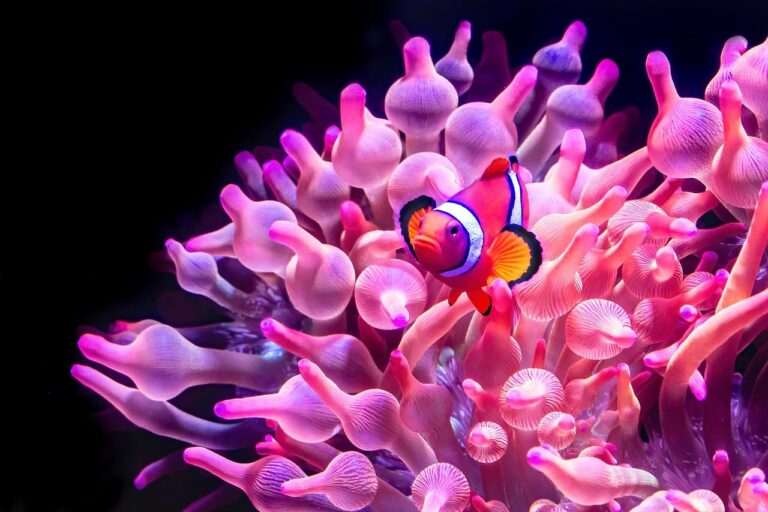
The sebae clownfish (Amphiprion sebae) isn’t your standard pet store clown. Native to the Indian Oceanâespecially around northern Australia and Southeast Asiaâthey’re a sturdy species that typically hosts in Heteractis crispa (the sebae anemone) or Stichodactyla gigantea. Their coloration is distinctive: a dark brown to almost black body with two thick white vertical bars. The first bar runs just behind the eye, the second across the mid-body. Fins are often yellow or orange, which makes for a striking contrast.
Compared to ocellaris or percula clowns, sebae are a bit more demanding. They’re larger, more territorial, and they don’t handle swings in water quality well. That doesn’t mean they’re impossibleâI’ve kept them successfully for yearsâbut they’re not a fish for someone who just set up their first tank last week. If you’ve had a stable saltwater aquarium for at least 6â12 months, you’re in good shape. If not, you’ll need to put in the work. The ‘cool factor’ is real, but respect that these are living animals that need a mature, stable home.
Tank Size and Setup for Sebae Clownfish
For a single sebae, I wouldn’t go below a 20-gallon tank. For a pair, bump that to 30 gallons minimum. If you’re planning a community tank with other fish, aim for 50 gallons or more. They’re active swimmers and get territorial once they bond with a host or each other. Cramped quarters lead to stress, and stress leads to disease.
Setup isn’t complicated, but there are a few specifics:
- Filtration: A good protein skimmer is non-negotiable. Sebae produce more waste than you’d expect, and a quality skimmer keeps organic load from spiking. If you can manage a sump, do it. If not, a high-end canister filter like the Fluval FX series works, but you’ll need to be disciplined about cleaning it.
- Flow: They’re not fans of dead calm, but they also don’t want to be blown around. Aim for moderate flow using a couple of powerheads. Place them opposite each other to avoid dead spots.
- Substrate: A sandy substrate is ideal. They’ll occasionally dig small pits if they feel a potential spawning site, and bare glass seems to stress them out.
- Live rock: You need enough to create caves, overhangs, and hiding spots. I use about 1â1.5 pounds per gallon. It helps with biological filtration and gives them places to retreat if they feel threatened.
One note from experience: don’t cram the aquascape too tight. Leave open swimming areas. Sebae like to hover in mid-water by their host, and they need space to move without banging into rocks.
Water Parameters: Getting It Right from Day One
Here’s the shortlist of numbers you need to hit:
- Temperature: 74â78°F (23â26°C)
- pH: 8.1â8.4
- Salinity: 1.020â1.025 specific gravity
- Ammonia/Nitrite: 0
- Nitrate: Below 20 ppm (lower is better)
But stability matters more than chasing perfect numbers. I’ve seen people obsess over getting pH to 8.3 exactly, only to swing 0.2 points daily because they’re dosing blindly. A sebae clownfish can handle a little alkalinity drift if it happens slowly. It cannot handle a 0.5 salinity jump in an hour.
Buy a reliable refractometerâdon’t trust hydrometers. I’ve used the Milwaukee digital and it’s fantastic. Calibrate it monthly. For testing, get a good kit like the API Saltwater Master Test Kit. Test strips don’t count.
One critical point: your tank must be fully cycled before adding a sebae. That means 0 ammonia and nitrite for at least two weeks, with a consistent nitrate reading. Sebae are not the fish to do a fish-in cycle with. Plan for 2â3 months of waiting before you even think about adding one.
Feeding Your Sebae Clownfish: The Right Diet for Health and Color
Sebae are omnivores with a strong carnivorous lean. In the wild, they eat zooplankton, small crustaceans, and algae bits. In your tank, you need to replicate that variety.
Staple food: High-quality pellets. I feed New Life Spectrum Thera+A for its color enhancement and probiotic benefits. It sinks slowly, so my sebae have to work for it a bit. Feed twice a day, only as much as they can eat in 2â3 minutes. Overfeeding is the most common mistake hereâthey’ll eat until they look like a balloon, then you’re dealing with waste spikes.
Supplement with:
- Mysis shrimp (huge for protein and palatability)
- Brine shrimp (gut-loaded if possible)
- Nori (a small strip clipped to the glassâthey’ll pick at it)
- Occasional chopped seafood like krill or squid (once a week treat)
Avoid feeding only flake food. Flakes lose nutrients fast and aren’t substantial enough for a fish this active. If you’re going on vacation, an auto-feeder with pellets works fine for up to a week. Just set it for one small feeding per day.

Host Anemones: Does Your Sebae Need One?
Short answer: no. They don’t need an anemone to survive. I’ve kept sebae clownfish for over a year with no host and they were perfectly healthy, just a bit more activeâhovering near the powerhead intake and sleeping in the rockwork.
That said, if you want the full natural behavior, get a host. The best choices are:
- Sebae anemone (Heteractis crispa): Their natural host. But this isn’t an easy anemoneâit needs pristine water, strong lighting (like metal halides or high-output LEDs), and a mature tank. Not for beginners.
- Bubble-tip anemone (Entacmaea quadricolor): Easier than the sebae, but still requires stable, high-light conditions. Many sebae will accept it.
- Alternative hosts: Large leather corals like a toadstool or flowerpot coral can work. Some sebae host in them, some ignore them entirely.
Here’s the reality: even if you provide a perfect anemone, your fish might not host. I’ve had pairs that ignored a beautiful bubble-tip for three months, then suddenly took to it overnight. Don’t buy an anemone just because you think the fish needs one. Wait until your tank is stable, then add one if you want. Your fish will be fine either way.
Sebae Clownfish Compatibility: Best and Worst Tank Mates
This is where a lot of people get into trouble. Sebae are territorial, especially once they’ve bonded. Here’s what works and what doesn’t.
Best tank mates:
- Peaceful damselfish like chromis (they stick to the upper water column)
- Gobies and blennies (they occupy different zones)
- Tangs (larger, but peaceful enough if introduced slowly)
- Larger wrasses like a six-line wrasse (they stay busy and don’t compete for the same space)
- Cardinalfish (generally ignore each other)
Worst tank mates:
- Aggressive damsels like a three-stripe or velvet damsel (they’ll bully your sebae relentlessly)
- Triggers and puffers (predatory, will eat your sebae if they fit in their mouth)
- Other clownfish species (unless you have a huge tank and a lot of hiding spots, they will fightâespecially maroon clowns)
- Small, timid fish like neon gobies (they’ll get chased constantly)
I once added a mated pair of sebae to a tank with a solitary ocellaris that had been there for a year. It was a disasterâthe ocellaris was killed within a week. Clownfish are aggressive to their own kind. If you want a community, stick to one species. A mated pair is even more territorial, so plan accordingly.
Common Health Issues and How to Prevent Them
Sebae aren’t fragile, but they do have a few common problems you need to know about.
- Brooklynella (clownfish disease): Shows up as a white, slimy film on the body, rapid breathing, and lethargy. It’s fast and often fatal if not caught early. Prevention is everything.
- Ich (Cryptocaryon irritans): White spots, flashing against rocks. Usually from stress or a new fish introduction.
- Velvet: A fine, gold dust-like coating on the body. Even faster than ich.
- Lateral line disease (often from poor diet or water quality): Pitting along the head and lateral line. Slow onset, but preventable with good nutrition.
Prevention: Quarantine every new fish for 4â6 weeks. I use a 10-gallon tank with a sponge filter, a heater, and some PVC pipe for hiding. It’s boring, but it catches diseases before they hit your display. Keep medications like cupramine and formalin on hand, but only use them if you know what you’re treating. Stock a basic quarantine kitâit’s the best insurance policy you can buy.

Breeding Sebae Clownfish: A Realistic Overview
Yes, sebae are relatively easy to breed in a home aquarium if you have a mated pair. They’ll lay eggs on a flat surface near their hostâoften a tile or a piece of live rock. Both parents guard the clutch, fanning it and removing dead eggs. Hatching happens around day 7â8, usually an hour or two after lights out.
Here’s where it gets hard: raising the fry. You need:
- Rotifers (a live food culture you have to maintain)
- Baby brine shrimp (hatched yourself)
- A separate rearing tank with a gentle air stone
- Extremely clean water with daily small water changes
It’s a serious time commitment. If you’re a hobbyist who wants to try, I say go for it, but don’t expect success on your first attempt. I lost my first three clutches before I figured out the feeding schedule. If you’re interested, pick up a rotifer culture kit and a larval rearing tankâit’ll save you months of guesswork.
3 Mistakes to Avoid with Sebae Clownfish
1. Adding them to a new, uncycled tank. This is the #1 killer. Sebae are not hardy enough to tolerate ammonia spikes. Wait until your tank is fully cycledâ2â3 months minimum.
2. Pairing with an aggressive tank mate like a maroon clown. Maroon clowns are territorial and much larger. They will bully a sebae into submission, stress it out, and kill it. Stick to peaceful companions.
3. Overfeeding because they’re enthusiastic eaters. Sebae act like they’re starving every time you approach the tank. Resist the urge to dump in extra food. Stick to two small feedings a day, and use a feeding ring to keep the food contained. Overfeeding leads to nitrate spikes and disease.
Where to Buy Healthy Sebae Clownfish
Your best bet is an online specialty retailer like LiveAquaria or ORA, which sell captive-bred specimens. They’re hardier, healthier, and already eating prepared foods. If you buy from a local fish store, inspect the fish carefully: clear eyes, intact fins, no white spots or torn edges. Watch it swim for a few minutesâit should be active and curious. If it’s hanging at the surface or breathing heavily, skip it.
Red flags include rapid gill movement, visible white dots, torn or clamped fins, and inactivity. A healthy sebae should be alert and swimming with purpose.
Final Checklist: Is the Sebae Clownfish Your Next Fish?
Let’s be honest about who this fish is for. It’s not for the absolute beginner. It’s for the hobbyist who has at least 6â12 months of saltwater experience, a cycled tank, stable water parameters, and the willingness to quarantine new fish. If that’s you, the sebae is a stunning, rewarding species that will thrive in your care.
Pros: Beautiful coloration, interesting behavior, relatively hardy when conditions are right, can host multiple anemone types.
Cons: Territorial, needs a mature tank, more demanding than common clowns, potential for aggression with other clown species.
Ready to start? Get your tank cycled, pick up a healthy pair from a reputable source, and enjoy watching them turn your aquarium into their home. If you’re planning to buy online, look for captive-bred specimensâthey’re the safest bet for long-term success.