Sustainable Diving: A Practical Guide to Minimizing Your Impact on Reefs
Introduction
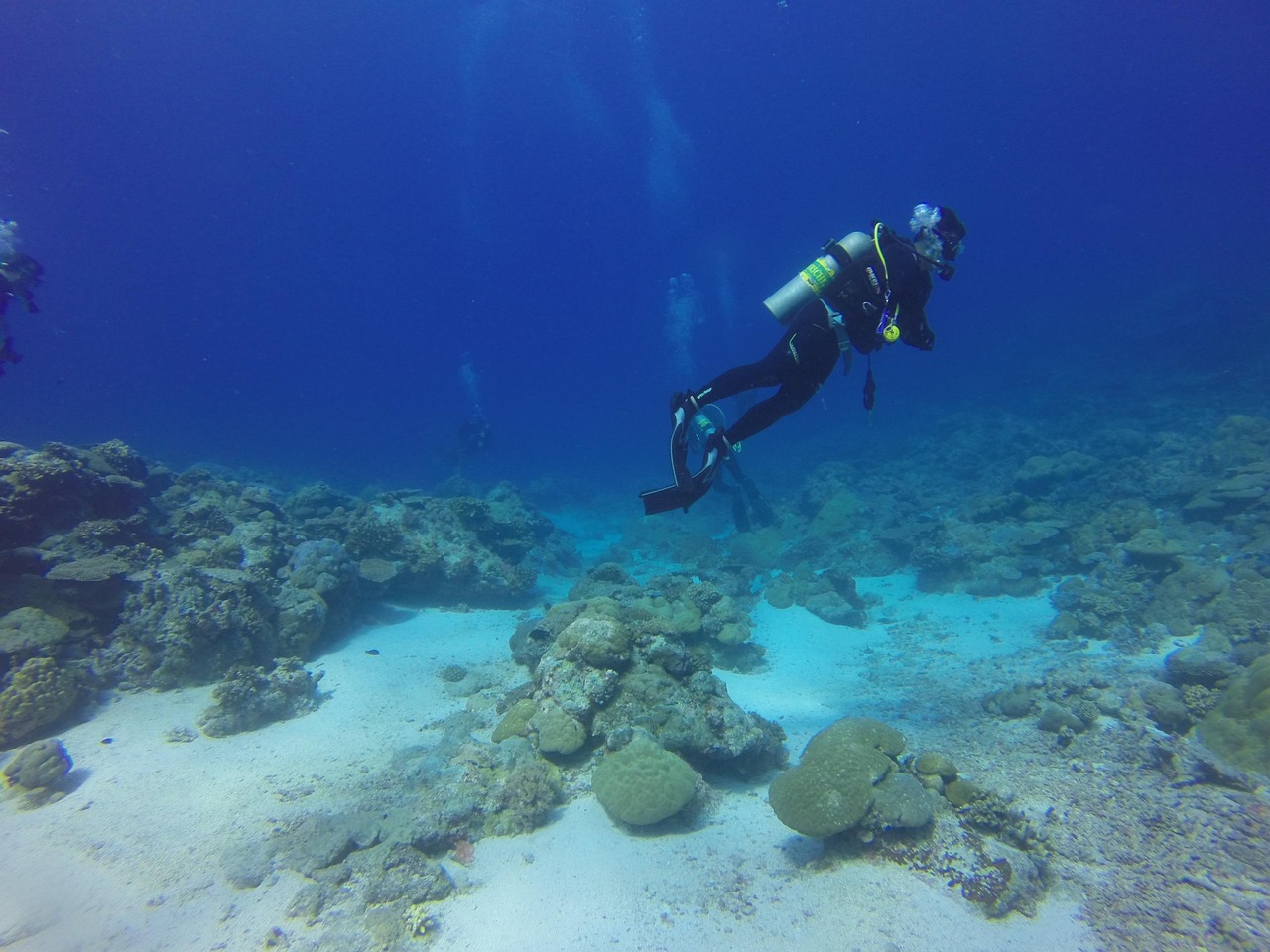
Sustainable diving isnât about giving up the fun parts of the sport. Itâs about making sure the reefs you love today are still there for your next trip. For anyone who spends time underwater, minimizing reef impact is both a responsibility and a practical skill. This guide covers what sustainable diving actually looks like, where most divers go wrong, and how to fix it without overcomplicating your gear or your dive plan. Whether youâre a new diver or someone with hundreds of dives, the goal is straightforward: leave the reef exactly as you found it.

Why Sustainable Diving Matters for Reef Health
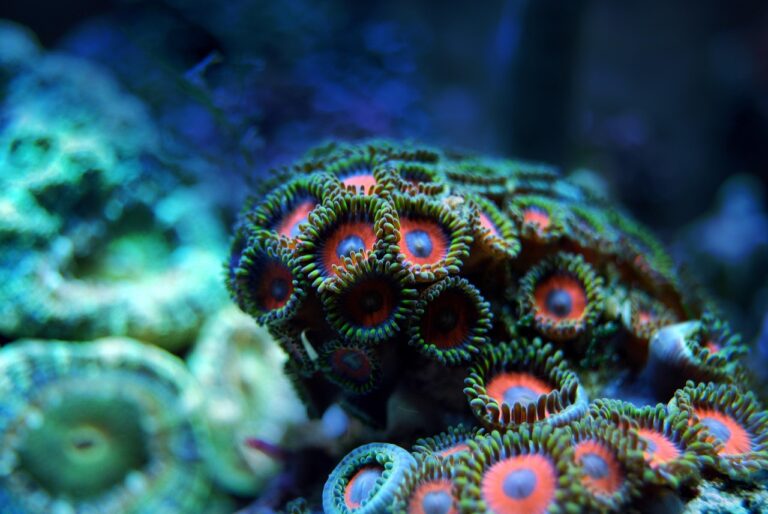
Reefs are surprisingly fragile. Coral polyps are living animals that build their skeletons over decades. A single fin kick can break off a coral head that took fifty years to grow. Even brushing against coral can damage its protective mucus layer, leaving it vulnerable to disease and bleaching. Beyond physical contact, sediment stirred up by poor finning technique can smother corals by blocking sunlight they need to survive.
The science is clear: reefs recover from natural stressors, but they struggle when human impacts are added on top of warming waters and pollution. A diver who touches coral once might not seem like a big deal, but multiply that by thousands of dives across hundreds of sites, and the damage becomes significant. For heavily visited dive destinations, even small mistakes add up to visible degradation over time.
This isnât meant to scare anyone. Itâs just the reality of diving in sensitive ecosystems. The good news is that most reef damage from divers is preventable with better technique and a little awareness. Thatâs really the core of sustainable divingâitâs less about sacrifice and more about being intentional.
Common Mistakes Divers Make That Harm Reefs
Most divers donât set out to damage reefs. They make mistakes because they donât know better or because they get distracted. Here are the most common ones and how to avoid them.
Touching Coral
Itâs the most obvious rule in diving, yet itâs still broken constantly. Touching coralâeven lightlyâremoves its protective mucus layer and can introduce bacteria. A single touch can lead to tissue loss in a matter of days. Solution: keep your hands to yourself. If you need stability, use your fins or find a sandy spot to hover.
Poor Buoyancy Control
This is the root of most accidental reef contact. Divers who are overweighted or havenât dialed in their trim end up bumping into coral or kicking it. Practice buoyancy in a pool or sandy area before diving near sensitive reef structures. Itâs not just about safetyâitâs the single most impactful skill you can develop for sustainable diving. For divers looking to improve their trim and stability, a buoyancy practice weight set can help fine-tune weighting before heading to the reef.
Kicking Up Sediment
Even if you donât touch coral directly, aggressive finning stirs up silt that settles on coral and blocks light. This is especially common in sandy patches near reefs. Use slow, controlled fin strokes. Frog kicks and modified flutter kicks are better alternatives than the wide scissor kick most beginners use.
Dropping Gear
An unsecured camera housing or dangling console can swing into coral without you noticing. Clip everything down. Use retractors for smaller items. Streamlining your setup isnât just for tech diversâit protects the reef and keeps your gear from getting damaged. Simple gear clips and retractors can prevent these accidental swings.
Feeding Fish
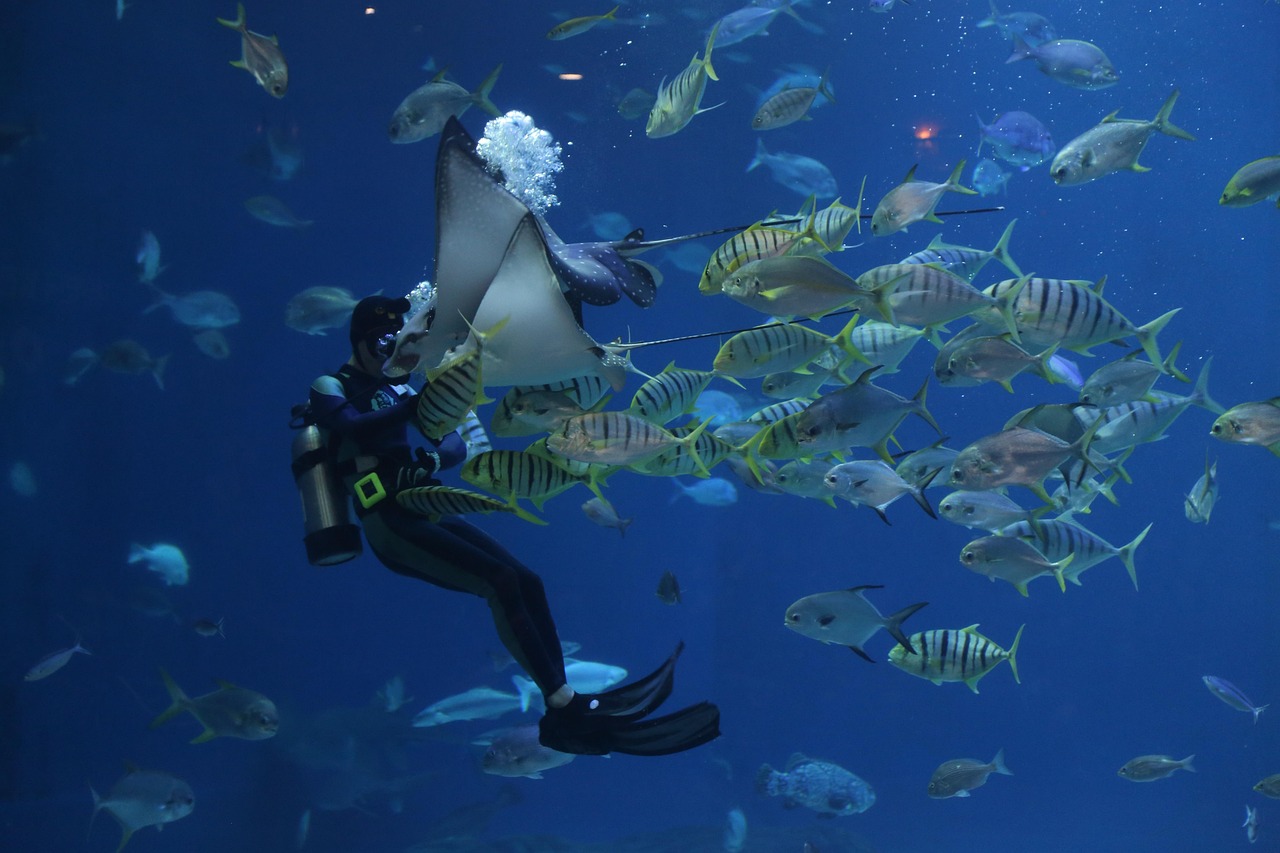
It seems harmless, but feeding fish alters their natural behavior and diet. Fish that learn to associate divers with food become aggressive and stop grazing on algae, which can throw off the reefâs ecological balance. Just donât do it, even if the dive operator encourages itâthatâs a red flag about their practices.
Recognizing these mistakes is the first step. The next is actively avoiding them on every dive, not just the ones you consider important.
Choosing Reef-Safe Sunscreen: What to Look For (and Avoid)
Sunscreen is one of those things most divers donât think about until theyâre already on the boat. But research shows that oxybenzone and octinoxateâcommon chemical UV filtersâcan cause coral bleaching even at very low concentrations. These chemicals wash off your skin and accumulate in reef environments. A single drop of oxybenzone in six Olympic-sized pools of water can still harm coral larvae.
What to Avoid
- Oxybenzone
- Octinoxate
- Octocrylene
- Parabens
- Benzophenone-1, -2, or -3
Some destinations like Hawaii, Palau, and parts of the Caribbean have already banned sunscreens containing these ingredients. Even if your next dive spot hasnât, itâs worth switching.
What to Use Instead
Mineral sunscreens with non-nano zinc oxide or titanium dioxide are the safest option for reefs. They sit on top of your skin rather than being absorbed, and they donât break down into harmful compounds. Look for labels that say âreef-safeâ or âmineral-based,â but still check the ingredient list. Some brands market themselves as reef-safe while still using questionable additives. If youâre looking for a reliable option, reef-safe mineral sunscreen is worth exploring.


Mastering Buoyancy Control to Prevent Reef Contact
If thereâs one skill that separates a sustainable diver from one who causes damage, itâs buoyancy control. You can have the most expensive gear and eco-friendly sunscreen, but if youâre constantly crashing into corals, nothing else matters.
Proper Weighting
Most divers carry too much weight. That extra lead forces you to add more air to your BCD to maintain neutral buoyancy, which creates a yo-yo effect. You end up struggling to stay off the bottom. Start with the weight your dive table or instructor recommends, then drop 2-4 pounds if youâre diving in warm water with a thin wetsuit. Check your trim at the surface before descending.
Breathing Techniques
Your lungs are your primary buoyancy control device. A deep breath lifts you; a slow exhale drops you. Practice making small adjustments with your breath rather than constantly reaching for your BCD inflator. This is especially useful when navigating tight reef channels or hovering near fragile formations.
Using a Snorkel Vest
For divers who struggle with maintaining neutral buoyancy at the surface, a snorkel vest can help. It keeps you heads-up while letting you dump air quickly before descending. Itâs not a replacement for good technique, but itâs a useful training aid.
Practice in Sand First
Before diving near a reef, spend a session in a sandy area practicing hovering and controlled movement. Get comfortable with frog kicks and helicopter turns. Once you can hold position without touching the bottom, youâre ready for the reef.
Good buoyancy isnât just about protecting the environmentâit also makes diving less tiring and more enjoyable. Itâs worth the practice.
Best Fins for Gentle Reef Diving: Split Fins vs. Paddle Fins
Your fin choice has a bigger impact on reef safety than most divers realize. The wrong fins can make it harder to maintain precise control and more likely to stir up sediment. Hereâs a practical breakdown.
Split Fins
Split fins are designed to channel water through the split in the blade, reducing drag and requiring less leg effort. Theyâre easier on your knees and ankles, which is great for longer dives. More importantly, they produce less downward thrust, meaning youâre less likely to kick up sand or silt. For beginners and reef-heavy dives, split fins are usually the better choice.
- Best for: calm conditions, reef diving, low-current environments
- Tradeoff: less power in strong current
Paddle Fins
Paddle fins are traditional solid-blade fins that generate more propulsion per kick. Theyâre excellent for current diving and when you need precise, powerful kicks. But theyâre also more likely to stir up sediment if youâre not careful. Experienced divers can still use paddle fins gently, but it takes more conscious effort.
- Best for: currents, drift diving, experienced divers with good technique
- Tradeoff: can be harder on legs, more sediment disturbance
Recommendation
If you do most of your diving on reefs in calm conditions, go with split fins. Theyâre more forgiving and naturally gentler on the environment. If you dive in currents or need extra power, paddle fins are fineâjust focus on technique. For both types, brands like Cressi, Mares, and Scubapro offer reliable models. Split scuba fins are a good starting point for reef-conscious divers.
How to Choose a Sustainable Dive Operator
The operator you choose has a huge impact on whether your dives are sustainable. Some go out of their way to protect the reef. Others treat it as a backdrop for photos. Hereâs how to tell the difference.
Look for Third-Party Certifications
Green Fins is the most widely recognized certification for sustainable dive operations. It requires operators to follow strict environmental standards, including briefings on reef etiquette, no-touch policies, and waste management. If a shop displays the Green Fins logo, itâs a good sign.
Check Group Size
Smaller groups mean less crowding on the reef and fewer chances for accidental contact. Ideally, look for operators that limit groups to four to six divers per guide. Larger groups are harder to manage, and guides canât monitor every fin.
Watch for Red Flags
Some warning signs are obvious once you know what to look for:
- Staff touching or standing on coral during briefings
- Operators that advertise âfish feedingâ experiences
- Boats that anchor directly on the reef instead of using mooring buoys
- No pre-dive briefing about reef etiquette
Questions to Ask Before Booking
- Do you use mooring buoys or anchor?
- How many divers go out per group?
- Do you have an environmental policy or certification?
- Whatâs your policy on touching marine life?
A good operator will be happy to answer these questions. If they seem annoyed or dismissive, take your business elsewhere.
What to Do If You See Damaged Coral or Stressed Marine Life
You might spot broken coral, bleached sections, or animals acting strangely during a dive. Hereâs what to do without making things worse.
Donât Touch
Itâs tempting to brush debris off coral or try to move an injured animal, but your intervention can cause more harm. Damaged coral is already stressed, and any contact adds to the problem. Leave it alone.
Note the Location
If possible, mark the spot in your memory or take a GPS coordinate if you have a dive computer with waypoint capability. Be specificâdescribe the depth, the reef structure, and any landmarks. This information is useless if itâs vague.
Report It
Tell your dive master or the boat crew. Many dive operators in sensitive areas have protocols for reporting damage to local conservation groups or marine park authorities. In places like Indonesia, the Maldives, or Australiaâs Great Barrier Reef, reporting helps enforce protection zones and track recurring damage. Some organizations even use citizen reports to map reef health over time.
Reporting isnât about getting anyone in trouble. Itâs about gathering data that can actually lead to better protection. Donât assume someone else will do it.
Proper Equipment Care to Avoid Accidental Damage
Loose gear swinging around is a common cause of accidental reef contact. Hereâs how to keep your setup reef-friendly.
Secure Everything
Your console, octopus, and any dangling clips should be tucked away or clipped to your BCD. Gauges that trail behind you can brush against coral without you noticing. Use small boltsnaps or double-ended clips to secure loose items. Many divers attach their console to a D-ring on their left hip to keep it out of the way.
Streamline Your Setup
Tech divers already know this: a clean profile reduces drag and accidental snags. For recreational divers, that means routing hoses close to your body and keeping the number of hanging accessories to a minimum. Every extra clip or attachment is a potential hazard for the reef.
Clean Gear After Dives
Saltwater and sand can introduce pollutants or invasive species if you travel between dive sites. Rinse your gear thoroughly with fresh water between trips, especially if youâre diving in different regions. A simple gear bag with a mesh bottom lets water drain without pooling. Boltsnaps and gear clips are an affordable way to secure loose items.
These habits take five minutes to establish but prevent hours of potential damage over a dive trip.

Sustainable Diving Beyond the Water: Waste and Travel Choices
What you do on land matters just as much as your underwater behavior. A sustainable dive trip extends to your travel choices.
Cut Single-Use Plastics
Bring a reusable water bottle and a collapsible coffee cup. Many dive destinations still rely on single-use plastic bottles because tap water isnât safe. If youâre staying at a resort or liveaboard that offers refill stations, use them. Itâs a small change that reduces the plastic waste entering coastal waters.
Choose Eco-Friendly Accommodation
Look for accommodations that have environmental policiesâwaste treatment, energy efficiency, local sourcing. Eco-certified hotels and ecolodges are becoming more common in dive destinations. Theyâre not always more expensive, and theyâre often located closer to the best dive sites. Staying at one reduces your overall footprint and supports businesses that prioritize sustainability.
Support Local Conservation
Some dive operators partner with local reef cleanups or coral restoration projects. If you have time, joining one can give you a hands-on understanding of reef health. Even a half-day cleanup makes a tangible difference and connects you to the local dive community.
Sustainable diving isnât just about what happens underwater. Itâs about being a responsible traveler overall.
Frequently Asked Questions About Sustainable Diving
Is reef-safe sunscreen really necessary?
Yes, especially in areas with heavy dive traffic. The evidence linking chemical UV filters to coral bleaching is strong enough that entire regions have banned them. Switching to mineral sunscreen is one of the easiest changes you can make. It protects your skin and the reef without much effort.
Can I touch coral if itâs already dead?
No. Even dead coral skeletons provide habitat for small organisms. Disturbing them can harm creatures living in the crevices. Plus, itâs hard to tell at a glance whether coral is truly dead or just dormant. A better rule: donât touch anything that isnât sand or open water.
Whatâs the best way to clean my gear without chemicals?
Fresh water and a soft brush are all you need for most gear. Avoid using detergents or soaps, even biodegradable onesâthey can leave residues that affect water quality in sensitive areas. For wetsuits, use specialized wetsuit shampoo sparingly, only when needed.
How do I know if an operator is actually sustainable?
Look for Green Fins certification, small group sizes, and clear policies on touching marine life. Ask direct questions before booking. If they canât answer them or seem dismissive, thatâs a red flag. Word of mouth from other divers who prioritize sustainability also helps.
Final Thoughts: Small Changes, Big Impact
Sustainable diving doesnât require perfection. It requires consistency. Picking the right fins, dialing in your buoyancy, choosing a responsible operator, and being mindful of what you put on your skinâthese habits add up. They make you a better diver and a better steward of the places you love to explore.
Ready to dive responsibly? Small gear upgrades like diving safety clips and retractors can help keep your setup reef-ready on every dive.