Introduction
If youâre looking into great barrier reef clownfish diving, youâre probably picturing that iconic orange-and-white fish darting around a sea anemone. Itâs a classic dive experience, and the Great Barrier Reef is one of the best places on earth to see it happen in the wild. This guide is for divers and snorkelers who are in the early research stage and want a practical, no-nonsense breakdown of where to go, what to look for, and how to make the most of a trip focused on finding clownfish. Weâll cover species identification, top dive sites, seasonal timing, gear essentials, and common mistakes to avoid. No hype, no fluffâjust useful information to help you plan a successful clownfish safari.

Why the Great Barrier Reef Is a Top Destination for Clownfish Spotting
The Great Barrier Reef isnât just famous for its sheer size or colorful coral. Ecologically, itâs a perfect environment for clownfish. Host anemones need warm, clear, nutrient-rich water, and the reefâs northern and central sections provide exactly that. Youâll find the highest densities of clownfish around inshore fringing reefs, patch reefs, and some offshore pinnacles where sandy patches meet coral structures. Anemones thrive in these transition zones, and where you find anemones, you find clownfish.
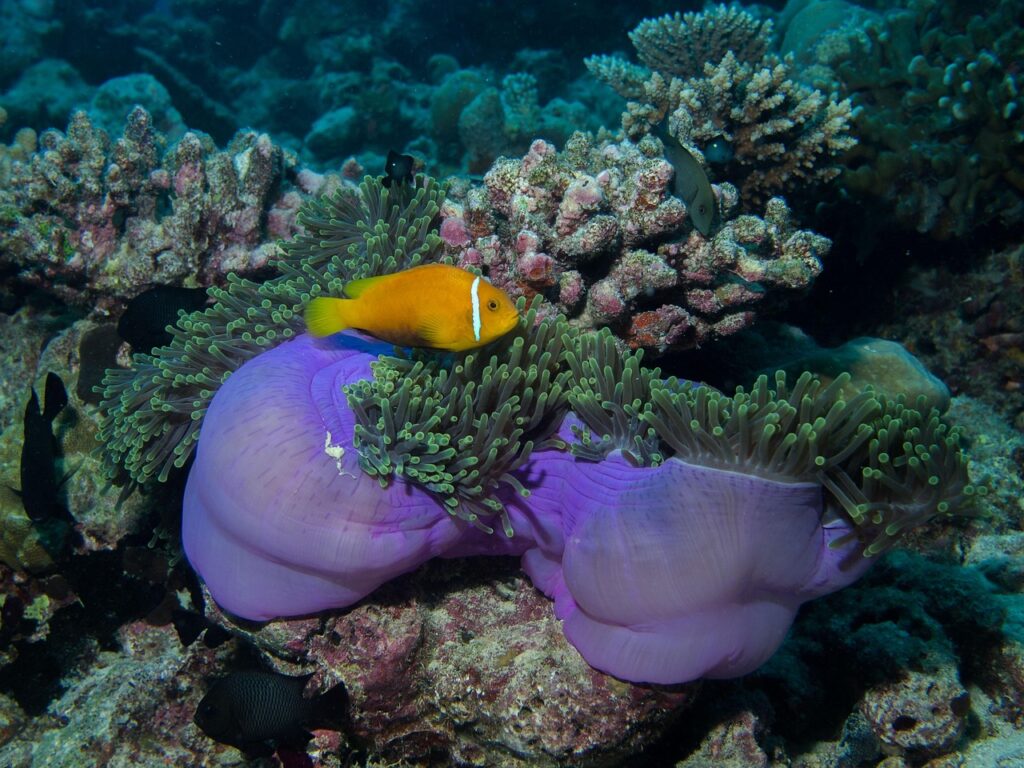
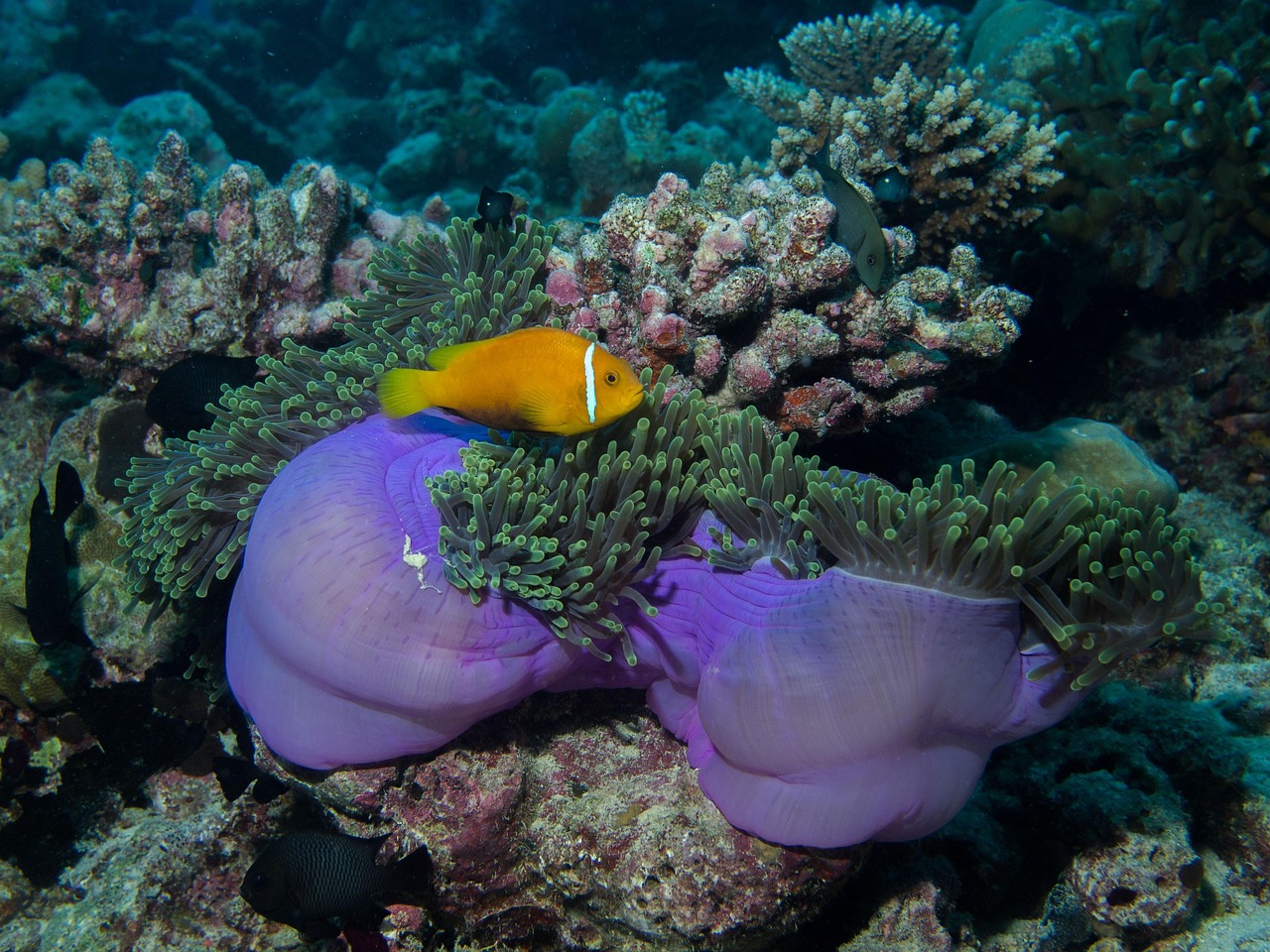
Hereâs where experience helps: not all anemones look like the ones in aquarium tanks. Some are subtle, blending into the reef. Others are large, like the magnificent sea anemone, which hosts multiple clownfish species. The most common species youâll encounter on the Great Barrier Reef is the orange clownfish (Amphiprion percula), but youâll also see the Clarkâs anemonefish (Amphiprion clarkii) and sometimes the pink anemonefish (Amphiprion perideraion). Knowing what to look for makes the difference between a frustrating search and a rewarding sighting. The reefâs vast size and protected status also mean healthy populations, so your chances are high if you hit the right spots.
What sets the Great Barrier Reef apart from other clownfish destinations like the Maldives or Fiji is sheer scale and accessibility. You can reach quality dive sites on day trips from Cairns or Port Douglas, without needing to commit to a liveaboard. That makes it a more flexible option for casual divers or those on a budget. The abundance of marine parks also means less fishing pressure, so clownfish populations are relatively stable. For an early-research diver, the Great Barrier Reef offers a reliable, well-documented experience.
Best Clownfish Species to Look for During Your Dive
When youâre in the water, having a basic handle on which clownfish species youâre seeing adds to the experience. Hereâs a quick rundown of the ones youâre most likely to encounter:
- Orange Clownfish (Amphiprion percula): This is the classic âNemoâ look. Bright orange with bold white stripes outlined in black. Theyâre most often found in large magnificent sea anemones near coral bommies. Look for them in shallower water, 5â15 meters depth.
- Clarkâs Anemonefish (Amphiprion clarkii): More adaptable and found in different anemone species. They have a darker body, yellow tail, and two white stripes. Theyâre often in deeper water or on exposed reef faces. They can be a bit more aggressive, so watch your fingers.
- Pink Anemonefish (Amphiprion perideraion): A smaller, paler fish with a single white stripe down the back. Theyâre shy and usually stay close to their host anemone. They prefer deeper, calm waters around soft corals.
- Saddleback Clownfish (Amphiprion polymnus): Recognizable by a white âsaddleâ shape behind the head. Theyâre less common but show up in sandy areas near Haddonâs sea anemones. If you see one, consider yourself lucky.
For identification, focus on color patterns and the anemone host. Magnificent sea anemones are large, with long, flowing tentaclesâorange clownfish love them. Haddonâs and carpet anemones are flatter and often host Clarkâs or saddleback species. Donât get too distracted by taxonomy; the key is knowing what to look for so you can spot the difference quickly.
Top Dive Sites for Clownfish Sightings on the Great Barrier Reef
Not all reef sections are equally good for clownfish. Here are the sites that consistently deliver, based on experience and reports from repeat divers.
Ribbon Reefs (North of Port Douglas)
These are a series of long, narrow reefs that offer some of the best clownfish habitat. Cod Hole is famous for potato cod but also has excellent anemone gardens near sandy patches. Depth ranges from 10â25 meters, visibility is usually 20â30 meters. Intermediate divers will enjoy the variety. Access is mostly via liveaboard from Cairns or Port Douglas, as itâs a few hours north.
Osprey Reef (Coral Sea)
Way out in the Coral Sea, this offshore atoll is remote but pristine. Clownfish are abundant around the reef walls, particularly on the northern and eastern sides. North Horn is a popular mooring. Depths are deeper (20â35 meters), so advanced divers will get the most out of it. Visibility often exceeds 40 meters. Liveaboard only, usually 4â7 day trips.
Lady Elliot Island (Southern Reef)
This southern island resort offers easy day-diving from the shore or short boat rides. The reef slope has healthy anemones at 5â15 meters. Itâs excellent for beginners and families. The water is cooler here in winter (22â24°C), so a wetsuit is essential. Itâs accessible by flight from Cairns or Brisbane.
Low Isles (Near Port Douglas)
A more sheltered spot with a large lagoon and bommies. Clownfish are common around the edges of the lagoon, especially in the morning. Depth is shallow (5â10 meters), ideal for snorkeling or entry-level diving. Itâs a popular day trip option from Port Douglas, with calm conditions most of the year.
Comparison: For beginners or those on a short trip, Lady Elliot Island or Low Isles are your best betsâeasy access, shallow depths, and consistent clownfish. Advanced divers aiming for variety and remote diving should prioritize liveaboard trips to Ribbon Reefs or Osprey Reef. Youâll see more fish in less time, but itâs a bigger investment.
Best Time of Year for a Clownfish Safari
Clownfish are present year-round, but the experience varies with the season. Hereâs what you need to know:
- June to October (Dry Season): This is the most popular period. Water temperature sits around 24â27°C, visibility is at its best (25+ meters on the outer reef), and currents are generally manageable. Clownfish are actively feeding and defending their anemones. The tradeoff is higher crowds and higher prices for accommodation and dive trips. If you want good conditions, this is the time.
- November to February (Wet Season): Warmer water (28â30°C), but more rain and occasional cyclones. Visibility can drop near the coast, but offshore reefs often clear up. Clownfish are more active in warmer water, and spawning peaks around October to December. Youâll see smaller juveniles more often. Less crowded and cheaper, but you need to be flexible with weather cancellations.
- Spawning Season: Clownfish typically spawn around the full moon in warmer months. If youâre lucky, youâll see a male guarding eggs near the anemone base. This is a special sight and makes for great macro photography. Itâs not predictable enough to schedule your whole trip around it, but if you dive in November or December, keep an eye out.
My recommendation: if youâre a serious diver, aim for October or early November. Good visibility, warm water, active fish, and lower crowds than peak JulyâAugust. Beginners will find June to August more forgiving for calm seas and clear conditions.
Essential Gear for Clownfish-Focused Diving
You donât need a ton of specialist equipment to enjoy clownfish diving, but a few items improve the experience significantly. Hereâs what to consider:
- Underwater Camera Setup: For stills, a compact or mirrorless camera with a macro lens is ideal. A macro lens allows you to fill the frame with the fish without getting so close you scare it. If youâre on a budget, a good quality GoPro with a macro lens attachment works. Avoid using a standard zoom lens; youâll end up with blurry, distant shots.
- Dive Light or Video Light: Essential for bringing out the vibrant orange and white. A good video light (e.g., 800â1200 lumens) will restore color loss at depth. Use it as a focus aid and to properly light the anemone without blasting the fish.
- Reef-Safe Sunscreen: Non-negotiable. The reef is fragile, and chemicals from conventional sunscreen damage coral. Reef-safe options are widely available. Buy a travel-sized tube to save luggage space.
- Exposure Protection: A 3mm wetsuit works year-round in most of the reefâs tropics. In winter (southern reef), a 5mm suit is advisable. A rash guard with SPF is fine for snorkeling but not for diving below 5 meters where the water is cooler.
- Dive Computer: Useful if youâre doing multiple dives in a day. Many dive operators provide them, but owning your own is more consistent.
The gear list above is moderate. You donât need to buy everything at once. Prioritize a camera setup if photography matters to you. Everything else is secondary.

How to Find Clownfish: Techniques for Locating Host Anemones
Spotting clownfish isnât always obvious. Here are the techniques that consistently work:
- Look for anemones, not fish: Clownfish rarely stray far from their host. Train your eyes to spot anemones, which look like floral or columnar structures on the reef. Magnificent sea anemones are large (up to 1 meter across) with flowing tentacles. Carpet anemones are lower and more textured. Scan the reefâs edge where sand meets coralâthis is prime territory.
- Search the mid-range depth: Most clownfish on the Great Barrier Reef are found between 5â15 meters. Go deeper than 20 meters and youâll see fewer. In shallower water (less than 5 meters), theyâre present but harder to see because of wave action and lower light. Focus your search in that sweet spot.
- Look for subtle movement: Clownfish donât always sit out in the open. They often hide inside the anemoneâs tentacles. Look for a flicker of orange or a small fish peeking out. If you see a patch of anemone that seems agitated, thereâs likely a clownfish inside.
- Mistake to avoid: Donât rush past small anemones. Many divers assume only large, showy anemones host fish, but smaller carpet and Haddonâs anemones also have residents. Take your time. Pause and look carefullyâthe best sightings often come from staying still for a minute or two.
This technique works whether youâre on a guided dive or exploring independently. If youâre with a guide, ask them to point out anemone species before the dive. Most good guides know exactly where the residents live.
Photographing Clownfish Underwater: What Works and What Doesn’t
Getting a sharp, colorful photo of a clownfish in its anemone takes more than just pointing your camera and shooting. Hereâs what works:
- Use a macro lens: A 60mm or 100mm macro lens on a mirrorless or DSLR allows you to fill the frame while keeping distance. Clownfish are small, and you need to be close to capture details without scaring them. A macro lens with a 1:1 reproduction ratio is ideal. If youâre using a GoPro, a clip-on macro lens helps.
- Set aperture to f/8âf/11: This gives you enough depth of field to keep both the clownfish and the anemone tentacles sharp. At f/2.8, youâll get a blurry background, which can look nice, but you risk missing the fine details of the anemone.
- Lighting matters more than gear: Natural light is fine in shallow water (above 5 meters). Below that, colors fade. Use a strobe or video light to restore reds and oranges. Avoid direct flash on the fishâit creates harsh shadows and can scare them. Position your light at a 45-degree angle above the subject for even lighting.
- Common mistakes:
- Getting too close: This makes the fish bolt into the anemone. Stay at least 30 cm (1 foot) away with a macro lens.
- Not adjusting white balance: Set your camera to the âunderwaterâ mode or manually adjust white balance to avoid a blue cast.
- Shooting only head-on: Get side-on shots to show the full fish and the anemone.
For a budget-friendly starter setup, an Olympus TG-6 with a PT-059 housing is a solid choice. Itâs robust, reliable, and has built-in macro modes. Budget around $500â1000 for the camera and housing. If thatâs outside your range, a GoPro Hero12 with a good dive light will still produce usable images for social media or personal albums.
Liveaboard vs. Day Trips: Which Is Best for a Clownfish Safari?
This decision depends on your budget, time, and obsession level with clownfish. Hereâs a practical comparison:
Liveaboard
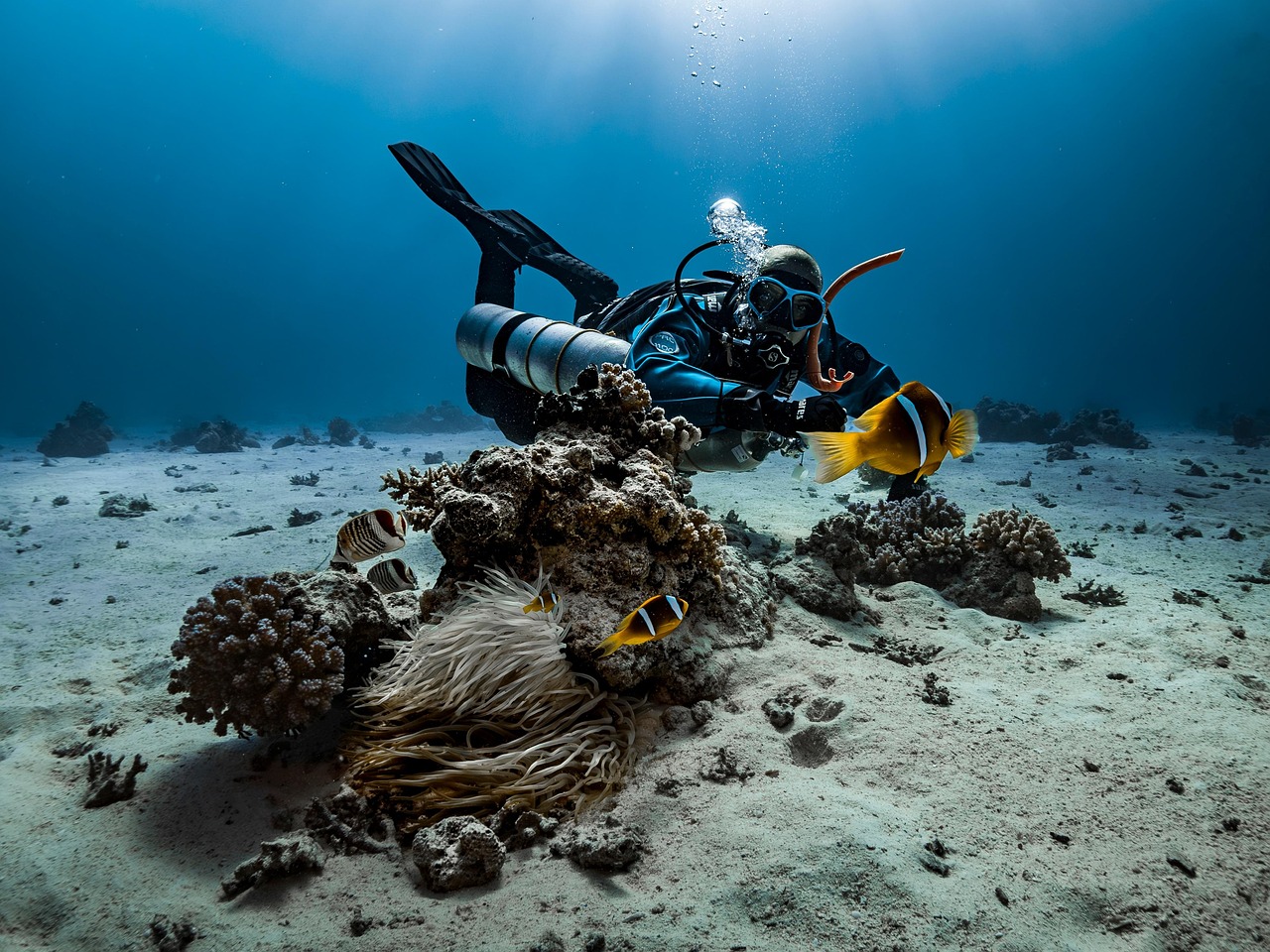
- Pros: More dive time (typically 3â5 dives per day, including night dives), access to remote sites like Osprey Reef and Ribbon Reefs, fewer crowds, and better chances at multiple clownfish species. You can spend an entire dive at a single anemone without feeling rushed.
- Cons: Expensive (around $300â500 per day), requires a minimum of 3â7 days, and youâre stuck on the boat with the same small group. Seasickness can be an issue on the outer reef.
- Best for: Serious divers who want to maximize sightings and are comfortable with boat life. If youâre okay with the cost and schedule, itâs hands-down the better option for a clownfish-focused trip.
Day Trips
- Pros: Cheaper ($150â250 per day), easier to fit into a holiday schedule, and you can stay in a comfortable resort. Day boats from Cairns or Port Douglas reach good clownfish sites like Low Isles, Agincourt Reef, and Hastings Reef.
- Cons: Limited to 2â3 dives per day, often on busier sites with more divers. Youâll spend some time traveling to and from the reef, which cuts into bottom time.
- Best for: Casual divers or families who want a taste of the reef without committing to a multi-day trip. Youâll still see clownfish, but you wonât have the variety of a liveaboard.
Decision framework: If your primary goal is clownfish photography or youâre an experienced diver, go liveaboard. If youâre on a holiday with non-divers or are on a budget, day trips are fine. Youâll still get good sightings, just not as many.

Common Mistakes Divers Make When Searching for Clownfish
Hereâs what to avoid to save time and frustration:
- Overlooking small anemones: Many divers only target large, showy anemones. Small carpet anemones and Haddonâs anemones host fish too, especially Clarkâs anemonefish. Donât ignore them.
- Diving at the wrong depth: Clownfish are mostly found at 5â15 meters. Going deeper than 20 meters reduces your chances significantly. Stay in that sweet spot.
- Using flash photography incorrectly: Direct flash scares fish and creates ugly backscatter. Use strobes or video lights positioned off-camera, or just use natural light in shallower water. If youâre using a built-in flash, set it to a low power level.
- Not understanding anemone behavior: Anemones retract when disturbed. If you swim too close or kick sand, the anemone shrinks, and the clownfish vanish. Move slowly and keep your fins away from the substrate.
- Failing to check the dive briefing: Good dive operators highlight anemone locations. Pay attention. Many divers miss excellent sites because theyâre looking the wrong way. If the briefing mentions a âseagrass patchâ or ârubble zone,â head there first.
These mistakes are common and easily avoided. A little awareness goes a long way in making your dive more productive.
Choosing a Responsible Dive Operator for Clownfish Encounters
The health of the reef is directly linked to how your dive operator behaves. Hereâs what to look for:
- Group size: Look for boats with a maximum of 8â12 divers per guide. Larger groups can dislodge corals and stress fish. Operators that limit group size show they care about the environment.
- Environmental certifications: Check if the operator is part of programs like Eco-certified or Reef Guardian. These arenât mandatory but indicate a commitment to responsible practices.
- Briefing quality: A good briefing includes not just where to find fish, but how to behave around them. If the briefing encourages touching anemones or feeding fish, thatâs a red flag. Walk away.
- Red flags: Operators that allow guests to touch anemones, feed fish, or use flash on animals. Also, avoid companies that advertise âguaranteed Nemo sightingsâ in a way that feels pressured. Fish arenât puppetsâtheyâre wild animals.
If you want specific names, Mike Ball Dive Expeditions and Pro Dive Cairns have good reputations for responsible practices and small-group dives. Reef Unlimited also runs ethical day trips from Port Douglas. However, the list changes, so do your research before booking.
Trip Planning: From Booking to Departure
Hereâs a straightforward checklist to help you move from research to reality:
- Research the season: Decide if you want peak conditions (JuneâOctober) or quieter, warmer months (NovemberâFebruary). Use our earlier section to pick your preference.
- Choose dive type: Liveaboard or day trip? See the comparison above. Book your operator early (4â6 months in advance for liveaboards).
- Book accommodation: Cairns is the main hub. Port Douglas is quieter and closer to the reef. If youâre doing more than 2 days of diving, staying in Port Douglas saves travel time.
- Pack gear: Aside from basic dive gear, donât forget reef-safe sunscreen, a camera with macro lens, and a dive light. If youâre renting gear from the operator, confirm they have appropriate wetsuit sizes. Bring a dry bag for your phone and wallet.
- Review safety: Get dive insurance. Dive operators often require proof of certification. Bring your logbook and dive card. If youâre prone to seasickness, bring meds.
- Travel insurance: Travel insurance that covers diving and medical evacuation is non-negotiable. Policies from Diverâs Alert Network (DAN) or similar are widely accepted.
This flow keeps things simple. Once youâve got these steps covered, youâre ready to go.
Final Thoughts: Making the Most of Your Clownfish Safari
A clownfish-focused dive trip on the Great Barrier Reef is a rewarding experience if you plan it right. Start early in the season, invest in a decent macro camera setup, and respect the reef. The key is to go with realistic expectations: youâll see fish, but not always on your terms. Patience is your biggest tool. If you take our advice on gear, timing, and operator selection, youâll maximize your sightings and have a memorable trip without the frustration. Nowâs the time to start your research. Check your calendar, pick a window, and book that dive. The reef is waiting.