Mangroves and Seagrass: Why They Matter for Coral Reefs
Introduction
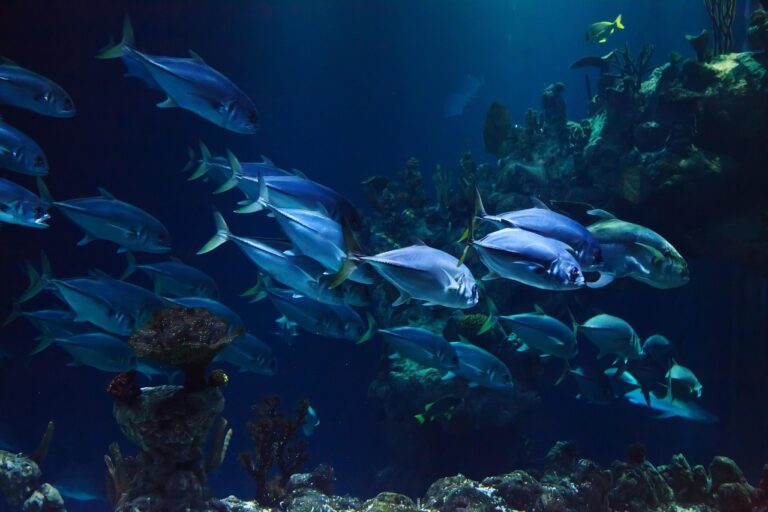
When most people think about coral reefs, they picture the reef itself—colorful corals, schools of fish, maybe a turtle gliding by. But that’s only part of the picture. The real foundation of a healthy reef often starts elsewhere: in the mangroves and seagrass beds along the shore. These overlooked ecosystems act as filters, nurseries, and buffers for the reef. If they’re degraded, the reef suffers. Understanding the connection between mangroves seagrass coral reefs is one of the most practical things any diver, snorkeler, or traveler can do to support marine conservation. This article breaks down why they matter, how to spot them, and what you can actually do to help—without the fluff.

The Hidden Connection: How Mangroves and Seagrass Support Reefs
Think of mangroves and seagrass as the reef’s support staff. They don’t get the spotlight, but the whole operation falls apart without them.
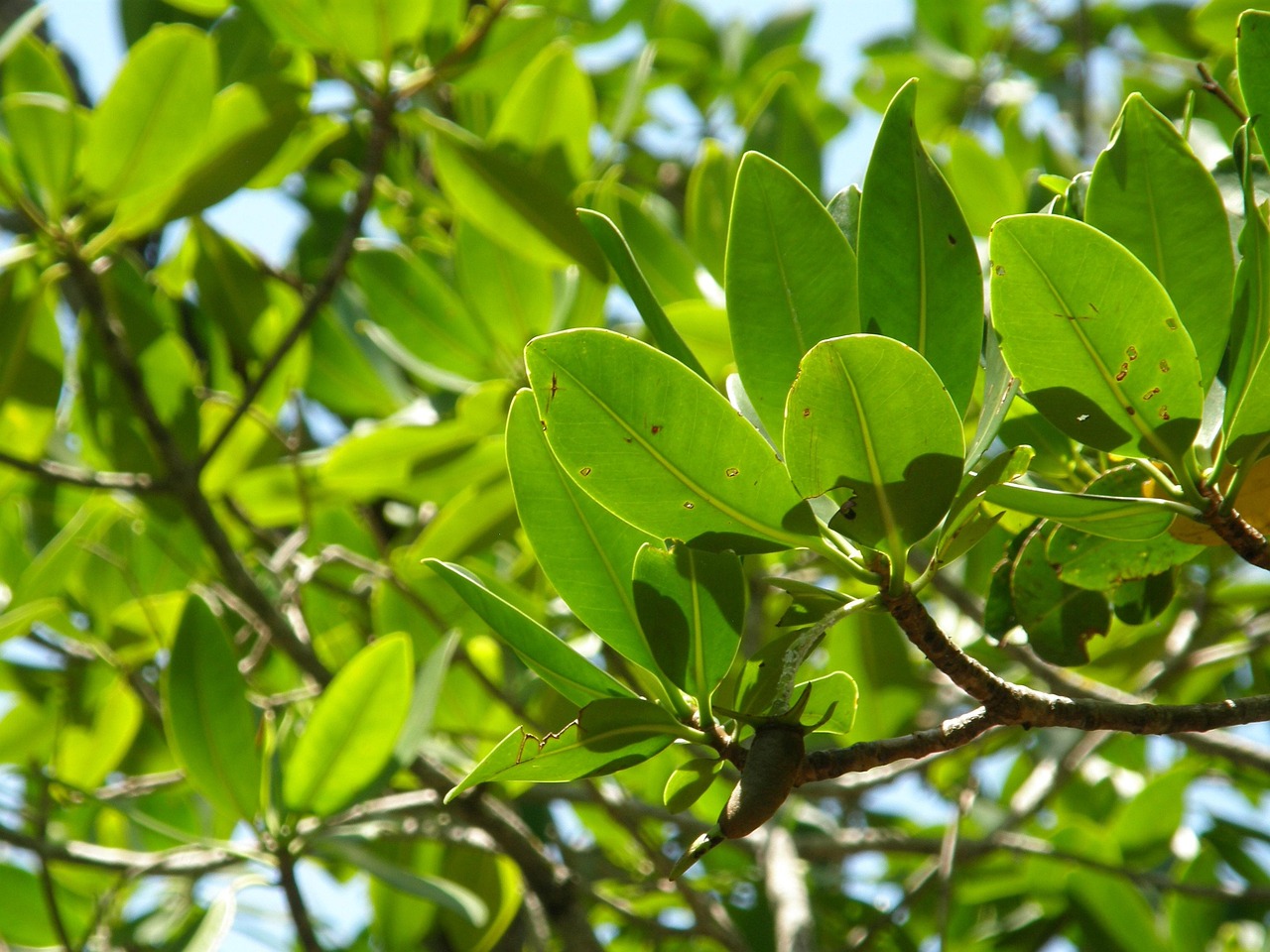
Mangroves grow along tropical coastlines, with tangled roots sitting in brackish water. Those roots do a few critical things. First, they trap sediment and pollutants that would otherwise wash out onto the reef and smother corals. That filtering action alone keeps water clear enough for photosynthesis to happen on the reef. Second, the root system provides a safe nursery for juvenile reef fish. Species like snapper, grouper, and barracuda spend their early months hiding among mangrove roots, where larger predators can’t reach them. When they’re big enough, they move out to the reef. No mangroves means fewer adult fish on the reef.
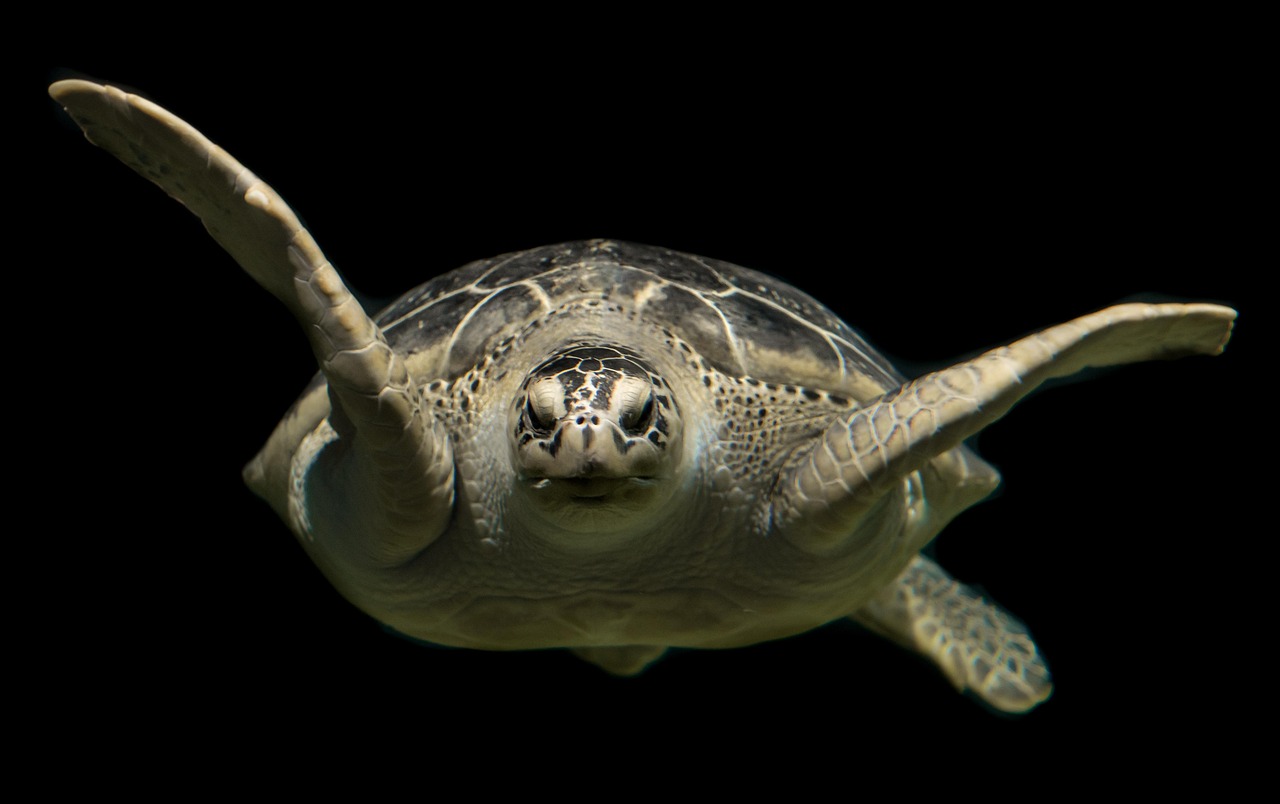
Seagrass beds play a different but equally important role. These underwater meadows stabilize the seafloor with their root systems, preventing erosion. Their long leaves slow down water movement, which lets suspended particles settle out. That improves visibility and water quality for nearby corals. Seagrass also produces a ton of oxygen—more per square meter than a rainforest in some cases. And they’re feeding grounds. Green sea turtles graze on seagrass. Parrotfish, surgeonfish, and other herbivores move between seagrass and coral areas throughout the day, transferring nutrients and energy between habitats.
The key point is that these three ecosystems are physically and biologically linked. A parrotfish might sleep in the coral at night, feed on seagrass during the day, and swim through mangrove channels to get there. Disrupt one link, and the whole chain weakens.
Why These Habitats Are Disappearing (And Why You Should Care)
Mangroves and seagrass are vanishing at alarming rates. Globally, we’ve lost about 35% of mangroves and nearly 30% of seagrass over the last few decades. That’s not a distant problem—it directly affects reef health and your experience as a visitor.
The main threats are:
- Coastal development. Hotels, marinas, and housing get built right over mangroves. When those trees are removed, sediment runs straight onto the reef.
- Pollution. Agricultural runoff and untreated sewage cause algae blooms that block sunlight and kill seagrass. Without seagrass, the water gets murkier, and corals struggle.
- Dredging and boat damage. Propellers and anchors tear up seagrass beds. It can take years for a single scar to heal. In mangrove areas, boats trim roots and damage the trees. If you regularly snorkel from a boat, a mooring buoy kit is worth grabbing for places without proper anchorages.
- Climate change. Rising sea levels drown mangroves that can’t migrate inland. Warmer water stresses seagrass and corals alike. More frequent storms also physically rip up these habitats.
Why should a traveler care? Because fewer mangroves and seagrass means fewer fish, dirtier water, and less resilient reefs. If you’re spending good money on a snorkeling trip, you want to see marine life—not a desert of dead coral and murky water. Protecting these habitats is the most direct way to protect the reef you came to see.
How to Spot Healthy Mangroves and Seagrass While Snorkeling
You don’t need a marine biology degree to tell if these habitats are in good shape. Here’s what to look for.
Healthy mangroves:
- Dense, tangled prop roots with lots of small fish, crabs, and shrimp swimming around them.
- Roots should be intact—not sliced off by boat traffic.
- Water around mangroves should be slightly tannic (brownish tea color) but not milky or full of sediment.
- You’ll often see juvenile fish darting between roots. That’s a good sign the nursery is working.
Degraded mangroves:
- Patchy root systems with large gaps.
- Few or no fish around the roots.
- Visible trash, erosion, or smell of sewage.
Healthy seagrass:
- Clear water with visibility at least a few meters. A tempered glass snorkel mask that minimizes fogging helps you see detail even when the water’s not crystal clear.
- Dense, green blades covering the seafloor in continuous patches.
- Presence of sea turtles, manatees, or large schools of herbivorous fish like parrotfish.
- Leaves should feel firm, not slimy. Slimy leaves can indicate excess nutrients.
Degraded seagrass:
- Thin, patchy coverage with bare spots.
- Muddy or cloudy water.
- Lots of algae growing on the leaves.
- Few or no animals grazing.
If you see healthy mangroves and seagrass on your trip, the reef nearby is probably in decent shape. If not, that’s a red flag for the whole ecosystem.
Common Mistakes Travelers Make When Visiting Mangrove and Seagrass Areas
Even well-meaning visitors can accidentally damage these habitats. Here are the most common mistakes and what to do instead.
- Stepping on seagrass. Every time you put weight on seagrass blades, you crush the leaf structure and damage the root system. Over time, repeated trampling kills the bed. What to do instead: float over seagrass. If you need to stand, find sandy patches. Or wear water shoes that don’t dig in.
- Touching mangrove roots. The roots are covered in a protective film of microorganisms. Touching them removes that film, making the tree vulnerable to disease. Also, the mud around mangroves often contains sharp shells and bacteria. What to do instead: look, don’t touch. Keep hands in.
- Using regular sunscreen near these habitats. Oxybenzone and other chemical sunscreens wash off and harm both seagrass and corals. Even in mangroves, the runoff goes out to the reef. What to do instead: wear reef-safe sunscreen (look for non-nano zinc oxide) or use a rash guard for physical protection.
- Feeding wildlife. Feeding fish or turtles in seagrass areas changes their natural behavior and makes them dependent on humans. It also concentrates waste in one spot. What to do instead: watch wildlife from a respectful distance. Let them hunt or graze naturally.
- Ignoring boat no-wake zones. Wakes erode mangrove shorelines and stir up sediment that smothers seagrass. What to do instead: slow down. Respect posted speed limits and stay in marked channels.
These are small adjustments, but they make a real difference over time. Guides appreciate it when visitors already know this stuff.

Mangrove vs. Seagrass: Which One Is More Important for Reef Health?
This is a common question, and the honest answer is that it’s not a competition. Avoid thinking of them as competitors; they work as a team. But if you want a practical comparison:
- Mangroves are the nutrient filter and nursery. They’re best at trapping sediment from land and providing safe habitat for juvenile fish. If you’re worried about water quality or fish stocks, mangroves are the priority.
- Seagrass is the oxygen producer and sediment stabilizer. They’re best at keeping the seafloor intact, producing oxygen, and feeding herbivores. If you’re worried about erosion or turtle populations, seagrass is key.
For the reef to thrive, both need to be healthy. You can think of them as the front porch (mangroves) and the backyard (seagrass) of the reef house. You need both to keep the house standing. If you only have one strong, the reef will eventually weaken. The real-world takeaway: if you see an area with intact mangroves and seagrass, that’s a high-quality reef zone worth spending time in.
Practical Gear for Exploring Mangrove and Seagrass Habitats
You don’t need much, but having the right gear makes exploring these habitats safer—for you and for them.
- Reef-safe sunscreen. Non-nano zinc oxide formulas don’t break down in water or harm marine life. Brands like Stream2Sea or Thinksport are reliable. Apply it 15 minutes before you get in so it bonds to your skin instead of washing off.
- Water shoes. Mangrove roots are sharp. Seagrass beds can have shells and urchins. A good pair of water shoes protects your feet without trapping debris. I use Keen or Aleader water shoes because they have good grip and dry quickly. Avoid open-toe styles in mangroves.
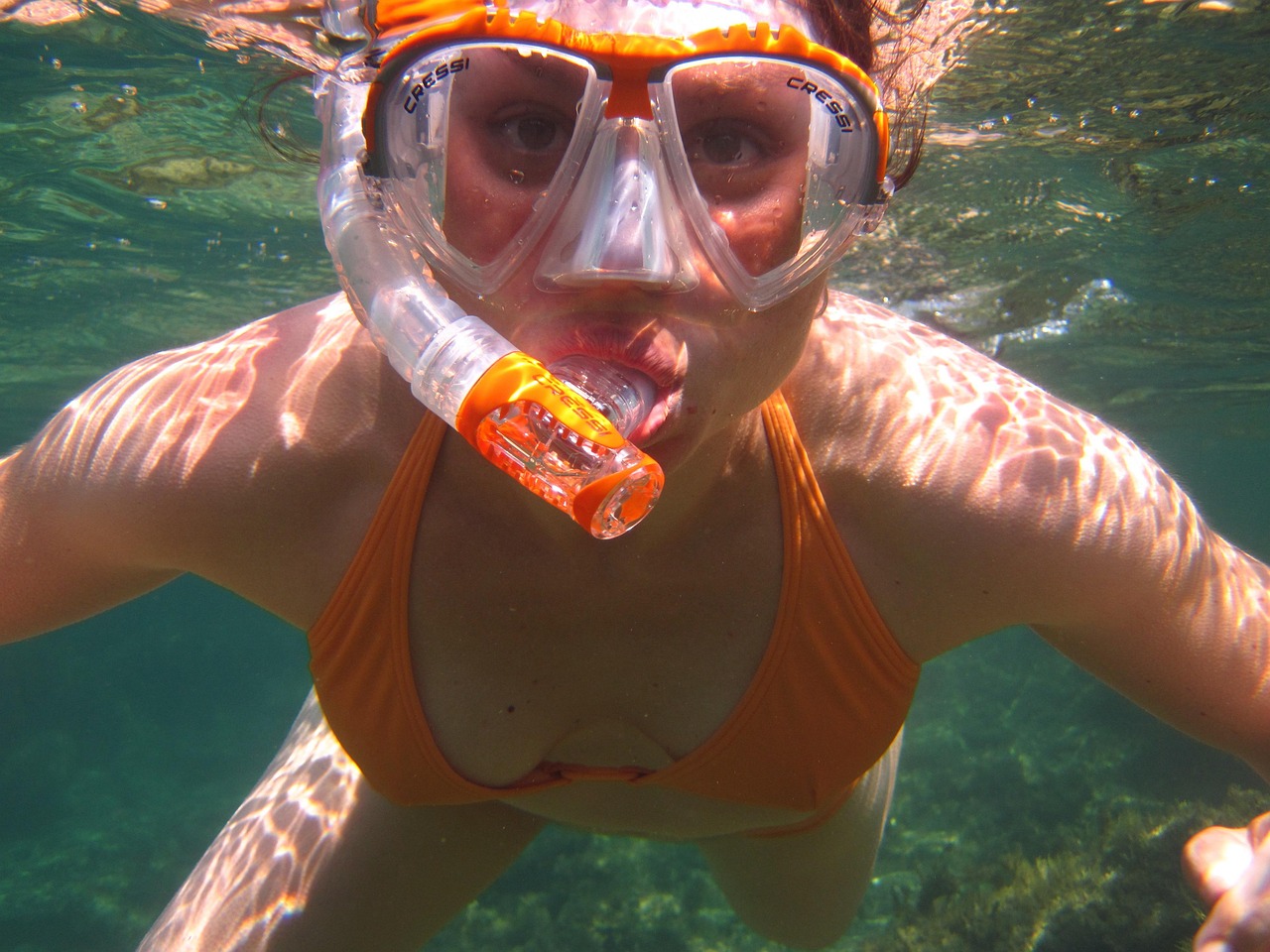
- A good snorkel mask. You want a mask with tempered glass and a comfortable silicone skirt. Cressi or Mares make solid entry-level masks. Fit matters more than brand—try a few if you can.
- Waterproof field ID card. A laminated card with common fish and turtle species helps you identify what you’re seeing. You can find printable versions online or buy a small waterproof guidebook. It turns a casual snorkel into a learning experience.
None of this is expensive, and it all serves a conservation purpose. The better your gear, the less likely you are to damage the habitat or disturb wildlife.
How to Support Mangrove and Seagrass Conservation on Your Trip
You don’t need to start a nonprofit to make a difference. Small, specific actions add up quickly.
- Choose eco-certified tour operators. Look for operators that follow Mooring Buoy programs—these prevent boats from anchoring on seagrass or coral. They also often have trained guides who explain the ecosystem. Ask before booking: “Do you use mooring buoys?” If they don’t, find another operator.
- Volunteer for a local restoration project. Many coastal communities run mangrove planting events. It’s usually a half-day commitment. You wade into mud, plant a few seedlings, and feel like you actually did something useful. Search for “mangrove planting volunteer” plus the destination name. In places like Thailand, Belize, or the Maldives, these programs are common.
- Donate to a reputable organization. The Nature Conservancy and Mangrove Action Project both run effective seagrass and mangrove conservation programs. Even $20 covers planting several trees. It’s a low-effort way to offset your trip’s footprint.
- Share what you know. Tell a fellow traveler about the connection between mangroves seagrass coral reefs. Most people genuinely don’t know how these habitats support each other. A simple conversation can change how someone behaves on their next snorkeling trip.
Conservation isn’t about grand gestures. It’s about doing one or two things consistently.

Real-World Expectations: What You’ll Actually See
Let’s be honest. Mangroves aren’t always photogenic. They can look muddy, rooty, and a bit swampy. Seagrass beds, especially from the surface, can appear as just a green carpet. If you’re hoping for a postcard view of a pristine coral garden, mangroves may not deliver. But for the curious observer, they’re teeming with life.
In healthy mangroves, you’ll see juvenile fish flitting between roots, crabs climbing on branches, and sometimes rays or small sharks cruising the channels. In seagrass, you’ll often spot green turtles grazing, pufferfish nibbling on blades, and sea stars crawling on the sand. The key is to slow down and pay attention. This isn’t the place for a quick snorkel. Allow 30-45 minutes to really observe.
Also manage expectations around megafauna. You might see a turtle on every trip, or you might see none. That’s normal. The value of these habitats isn’t about Instagram moments. It’s about understanding the ecological network that keeps reefs alive. If you go in with that mindset, you’ll appreciate even a quiet morning paddle through mangroves.
When to Visit for the Best Experience
Timing matters for visibility and wildlife activity.
- Dry season (winter/spring in most tropical regions) offers the best water clarity. Less rain means less runoff, so seagrass beds are cleaner and visibility is higher. In the Caribbean, that’s December through April. In Southeast Asia, it’s November through March. In the Pacific, it varies, but generally the cooler months are clearer.
- Turtle nesting season is a great time to see turtles in seagrass areas. In the Caribbean, green turtles nest from June to October, but you can see them grazing year-round. In the Indo-Pacific, nesting peaks between July and September.
- Monsoon or rainy season means lower visibility and stronger currents. Seagrass beds can get stirred up. Mangrove channels may get flushed with fresh water, which can push fish out. It’s still possible to explore, but you won’t see as much.
- Early morning or late afternoon is generally best for any mangrove or seagrass visit. Light is softer, fish are more active, and there are fewer people. Midday sun creates harsh glare on the water, making it harder to see into seagrass beds.
Plan your trip around these factors, and you’ll have a much better chance of seeing the ecosystem in full swing.
Final Thoughts: Building Reef Resilience by Protecting the Neighborhood
Mangroves and seagrass aren’t just nice extras on the edge of the reef. They are essential parts of the neighborhood. Without them, the reef has less food, less protection, and less ability to recover from stress. The good news is that you don’t have to be a scientist or a policy maker to help. Every time you choose a mooring buoy over anchoring, wear reef-safe sunscreen, or explain to a friend why mangroves matter, you’re strengthening that neighborhood.
If you found this article useful, share it with someone planning a reef trip. Or sign up for our newsletter on the site for more practical, no-nonsense marine conservation tips. Small actions, done consistently, make a real difference.