Introduction
Planning a reef diving trip in 2026? The gear you bring can make the difference between a smooth, comfortable experience and a trip spent dealing with foggy masks, cold shivers, and fin cramps. This article covers the essential scuba gear for reef diving in 2026, with practical advice on what to buy, what to rent, and what to leave at home. I’ve spent a lot of time underwater on reefs from the Caribbean to the Indo-Pacific, and I’ve made nearly every gear mistake you can think of. This guide comes from that experience â the good, the bad, and the fogged-up masks. We’ll talk about what’s actually worth your money, what’s changed recently, and how to avoid wasting cash on gear that won’t serve you on a living reef.

Why Your Gear Choices Matter More in 2026
Reef diving conditions haven’t changed dramatically, but our understanding of them â and how we equip for them â has. A few trends are reshaping what smart divers carry. First, environmental regulations are tightening. Many popular reef destinations now ban certain sunscreens, even those labeled âreef-safeâ a few years ago. Some operators also restrict or ban gloves to prevent divers from touching coral. Your thermal protection needs to be right, because you can’t rely on gloves for warmth. If you run cold, consider a quality dive hood to retain heat safely.
Second, gear technology keeps improving. Dive computers are smarter, fins are more efficient, and wetsuits use better neoprene that’s warmer for the same thickness. But more choice also means more confusion. You don’t need the most expensive gear, but you do need gear that fits well and works reliably. The worst thing you can do on a reef dive is fight your equipment. A mask that leaks, fins that slip, or a computer you can’t read will ruin your focus and your experience.
Lastly, reef health itself is a factor. In 2026, more divers are aware of their impact. Choosing gear that doesn’t shed microplastics, uses eco-friendly materials, and is properly maintained is becoming standard practice. This isn’t about being a hero â it’s about being a diver who wants reefs to still be worth diving in a decade.
The Non-Negotiables: Gear You Should Always Own
There are five pieces of gear I believe every reef diver should own. Not because they’re expensive or trendy, but because they directly affect your comfort, safety, and enjoyment on every single dive.
Mask
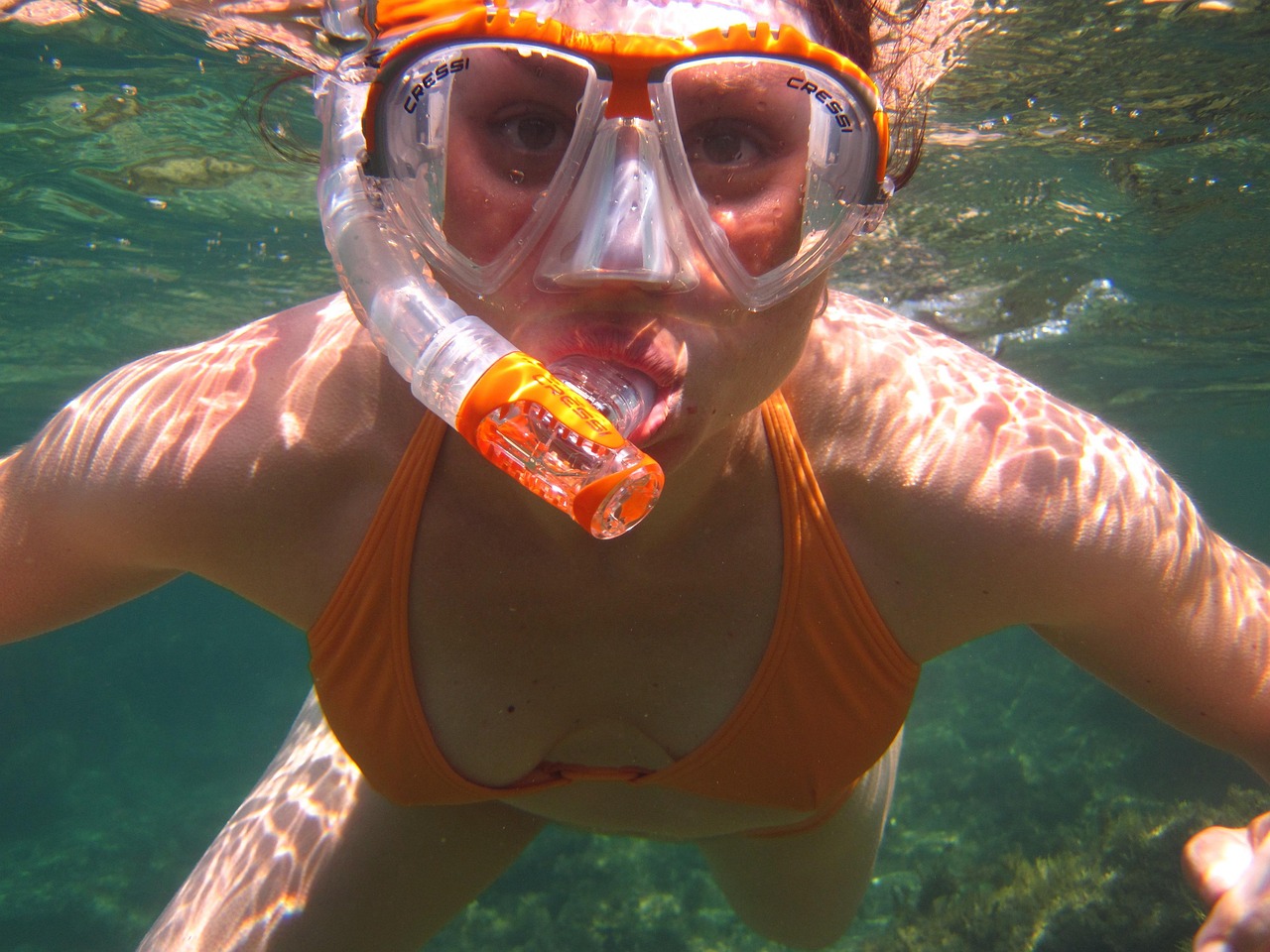
A well-fitting mask is the most important piece of gear you’ll buy. Rental masks are almost never a perfect fit. They fog, leak, or just don’t seal well on your face. Buy a low-volume mask. It equalizes easily, has a smaller air space at depth, and generally gives you a wider field of view. Look for a silicone skirt, tempered glass lenses, and a simple buckle system. Brands like Aqualung, Mares, and Cressi make excellent models that won’t break the bank. For a wider selection, you can compare low volume dive masks from these and other brands.
Fins
Split fins or paddle fins? There’s no universal answer, but for reef diving, I lean toward split fins. They produce less drag and require less effort, which helps you glide over the reef without stirring up sand or kicking coral. If you have strong legs and need power in current, paddle fins are fine. What matters most is fit. Fins that are too loose will rub blisters. Too tight and you’ll cramp. I personally use Aqualung Slingshot fins for reef work â they’re light, comfortable, and have a nice pocket.
Snorkel
Don’t overthink this. A simple dry-top snorkel with a purge valve works well. You’ll use it mostly on the surface. A foldable snorkel is also handy for packing. Just avoid the cheap plastic ones that fog instantly.
Exposure Protection
Even in warm tropical water, you need some protection. A 3mm shorty or full wetsuit is the standard for most reef destinations. But if you dive in cooler water (below 75°F), you’ll want a 5mm or even 7mm suit. We’ll dive deeper into this in a later section, but the rule is: never dive without proper thermal protection, even in the Bahamas. Cold stress ruins your judgement and your dive.
Dive Computer
If you only buy one expensive piece of gear, make it a dive computer. A computer tracks your depth, time, nitrogen load, and ascent rate. It keeps you safe. For reef diving, you don’t need a top-tier trimix computer. A simple, air-integrated or non-integrated model with a clear display is fine. I’ll cover the pros and cons of air-integrated computers later. For now, buy one. You’ll never rent a dive computer again.
Common mistake: Renting a mask. I’ve seen divers spend an entire trip adjusting a rental mask that doesn’t fit. Buy your own. It’s a $50 investment that pays off every dive.

Rent vs. Buy: What Makes Sense for Your Trip
The big question for most divers is whether to rent or buy the heavy gear â BCD and regulators. Here’s my honest breakdown.
When to Rent
If you dive less than five times a year, renting is usually more practical. Airline baggage fees for dive gear are a hassle. A typical BCD and regulator setup weighs 15â20 pounds, which eats into your luggage allowance fast. Plus, rental gear at most reputable dive centers in the Maldives, Great Barrier Reef, and Cozumel is well-maintained. It’s not your setup, but it’s usually decent. Rent if you’re only doing a few dives on vacation and don’t want the logistics of traveling with heavy gear.
When to Buy
If you dive more than ten times a year, or if you’re heading to a remote destination where rental gear might be old or not fit you well, buy your own. The advantage is consistency. You know exactly how your BCD handles, how your regulator breathes, and where your weight pockets are. That familiarity translates to safer, more relaxed diving.
The Hybrid Approach
Many smart divers buy their own reg and computer, but rent the BCD at the destination. Regulators are small and easy to pack, while BCDs are bulky. A regulator you trust is worth its weight in gold. I follow this approach myself. I carry a Scubapro MK25/S600 regulator because it breathes beautifully and I know it’s serviced. I rent the BCD and save the baggage space.
Real-world example: A friend once bought an entire set of brand-new Scubapro gear for a two-week trip to Thailand. He spent $3,000, paid $200 in airline fees, then found the rental gear at the dive shop was perfectly fine. He enjoyed his dives, but he could have saved the money. The lesson: don’t buy gear just because you think you need to. Buy it because you’ll use it often enough to justify the cost.
Top 5 Must-Have Accessories for Reef Diving in 2026
These aren’t luxury items. They solve real problems on a reef dive and make your trip safer and more enjoyable. Here are the five I recommend to every diver.
1. Reef-Safe Sunscreen
This is non-negotiable in 2026. The old sunscreens with oxybenzone and octinoxate are banned in many places, and for good reason â they bleach coral. Look for a mineral-based sunscreen with non-nano zinc oxide. Thinksport Safe Sunscreen SPF 50 is a solid choice. It’s water-resistant up to 80 minutes and doesn’t leave a greasy film. Apply it 20 minutes before you suit up.
2. Dive Torch
Even on a day dive, a small dive torch can reveal hidden life in crevices and under overhangs. Moray eels, shrimp, and coral polyps pop under a good light. For night dives, it’s essential. A Light & Motion Sola 1200 is compact, powerful, and rechargeable. It’s worth the investment if you plan even one night dive.
3. Surface Marker Buoy (SMB)
If you’re diving from a boat, you need a way to signal the boat that you’re ascending. A delayed SMB (also called a safety sausage) solves this. Deploy it from depth before your safety stop, and the boat will see you. I use a Halcyon 6-foot lift bag. It packs small and inflates easily with a low-pressure inflator. Don’t rely on the boat driver spotting a tiny head in the waves.
4. Dive Knife or Cutting Tool
Fishing line, netting, and monofilament are real hazards on reefs. You might encounter abandoned gear or just need to cut a loose strap. A small titanium dive knife strapped to your leg or BC is a good option. Or a Trilobyte Clam Tool â it’s non-metallic, won’t corrode, and has a decent cutter. Keep it accessible with a sheath.
5. Dry Bag
This isn’t for underwater. It’s for keeping your phone, wallet, and change of clothes dry on the boat. A 20- to 30-liter dry bag is plenty. Sea to Summit Ultra-Sil Dry Bag is lightweight and packs into nothing when empty. Don’t trust a plastic grocery bag.

Gear Mistakes That Can Ruin a Reef Dive
I’ve seen these mistakes firsthand from fellow divers. Avoid them, and your reef dives will be far more enjoyable.
Wearing Bright Yellow Fins
I know yellow fins look cool, but they are basically a dinner bell for predatory fish. In some reef areas, particularly in the Caribbean, bright yellow can attract barracuda and other fish that mistake them for bait. I’m not saying you’ll be attacked, but it’s an unnecessary risk. Stick to black, blue, or grey fins. They’re less conspicuous.
Forgetting a Hood in Cooler Water
A 3mm wetsuit is fine for 80°F water, but if the water drops to 75°F, you lose a massive amount of heat through your head. A 3mm hood is cheap, packs flat, and will keep you warm. Buy one before your trip. You can’t rent a hood at most shops.
Using a Large Camera Setup Without Care
If you bring a DSLR in a housing, you’re going to accidentally bump into coral. It’s almost inevitable. The housing’s protrusions, strobes, and arms will touch the reef at some point. This damages the coral and your gear. If you shoot, use a small camera like a GoPro or a compact camera in a small housing, and always be aware of your buoyancy. If you must use a big rig, keep it close to your chest and move slowly.
Not Having a Backup Mask
I’ve seen masks get knocked off, straps break, or lenses pop out. If you don’t have a spare, the dive is over. A backup mask is tiny and weighs nothing. Throw it in your pocket or a BC pocket. A $30 basic mask can save your trip. Travelers who want peace of mind might consider a compact backup dive mask for their pocket.
Wetsuit Thickness and Exposure Protection: What to Wear Where
Choosing the right exposure protection is about matching your suit to the water temperature. Here’s a practical guide for common reef diving conditions.
- 80°F and above (tropical Caribbean, Maldives, Thailand): A 3mm shorty or full suit is fine. If you’re warm-blooded, you might get away with a rash guard and swim trunks, but a wetsuit protects against sunburn and minor scrapes. Most divers prefer a 3mm full suit for comfort.
- 75°F to 80°F (Florida, Bahamas, Cozumel in winter): A 3mm full suit is the minimum. Add a 3mm hood if you feel the cold. You’ll appreciate the extra warmth on repetitive dives.
- 70°F to 75°F (California coast, South Africa, Hawaii in winter): A 5mm full suit is standard. A 7mm might be overkill unless you dive multiple days or get cold easily. A 5mm with a hood and gloves is comfortable for an hour-long dive.
- Below 70°F: You’re probably not on a reef dive, but if you are, a 7mm suit or drysuit is necessary. This is rare for tropical reef diving.
Tradeoffs: Thicker suits make you more buoyant. You’ll need more weight to descend. That extra weight affects your trim and finning. In warm water, a 3mm is easier to manage. If you rent, ask for a suit that’s the right thickness for the local temperature. If you buy, a 3mm full suit is the most versatile for a reef diver who travels to warm destinations.
For a great all-around 3mm suit, the Henderson Thermoprene 3mm is durable, flexible, and warm. If you need a 5mm, the Scubapro Everflex 5mm is excellent â extremely stretchy and easy to get on and off.

Dive Computers in 2026: Air Integrated or Not?
This is one of the bigger gear decisions you’ll make. Air-integrated computers display your tank pressure in real time on the wrist. That’s convenient â you don’t need to look at your SPG. But there are tradeoffs.
Air-Integrated Computers
Pros: You see your air consumption constantly, which helps you manage gas better. Some models, like the Shearwater Teric, are excellent. They’re compact, readable, and have a reliable algorithm. They also track your air usage per dive, which is useful for planning.
Cons: More expensive. The transmitter on your first stage adds a failure point. If the transmitter fails, you lose air integration. Also, they require a battery in the transmitter, which can die at an inconvenient time. And they’re heavier on your wrist.
Non-Integrated Computers
Pros: Simpler, cheaper, lighter. You just check your SPG manually, which most divers do anyway. Models like the Suunto D5 or Aqualung i450T are reliable and easy to use. No transmitter to worry about.
Cons: You have to look at your SPG. That’s not really a con â it’s just a different habit. The real downside is you don’t get the data-driven insights that air-integrated computers offer, like your RMV (respiratory minute volume) and remaining bottom time based on your actual consumption.
My recommendation: If you dive frequently (more than 20 dives a year) and want the convenience, get an air-integrated computer like the Shearwater Teric. It’s the gold standard. If you’re a casual diver who dives 5â10 times a year, save your money and get a basic model like the Cressi Leonardo. It’s simple, bulletproof, and does everything you need for reef diving.
Packing Your Gear Bag: Tips for Reef Diving Trips
Packing for a reef diving trip means balancing what you truly need with what you can carry. Here’s my tried-and-tested approach.
Carry-On Essentials
Never check your mask, computer, or regulator. These are the three items that, if lost, would ruin your dive trip. Put them in your carry-on bag. I use a Zuma Deluxe Roller from Pelican for my electronics and fragile gear. It fits under the seat.
Checked Luggage
Fins, wetsuit, BCD (if you bring one), and other bulky items go in a checked dive bag. I use a Stahlsac Baja Bag â it’s a mesh duffel that’s easy to hose off after the trip. Check with your airline for weight limits. Most bags are 50 pounds max. A set of fins and a wetsuit alone can hit 15 pounds, so watch your total.
Checklist
- Must pack: Mask, fins, snorkel, dive computer, regulator (if you bring it), wetsuit, hood (if needed), boots (if needed), dive torch, SMB, cutting tool, reef-safe sunscreen, dry bag.
- Optional: GoPro, small camera, dive log, passport, cash for tips, a spare mask, a weight belt (if you don’t like rental ones).
- Leave at home: Large camera housings, heavy books, extra fins, a âjust in caseâ 7mm wetsuit for a tropical trip.
TSA rules: Regulators, computers, and knives are allowed in checked luggage, but check the TSA website for current rules on cutting tools. Always put your knife in checked luggage. Batteries (like for your torch) must be in carry-on if they’re lithium-ion.
Final Recommendations: My Go-To Reef Diving Setup for 2026
After years of trial and error, here’s the setup I personally use for reef diving. It’s not the cheapest, but it works. If you’re starting out, you can build toward it.
- Mask: Aqualung Reveal X2 â low volume, great seal, and a wide field of view.
- Fins: Aqualung Slingshot â split-fin design, light, and comfortable on the foot pocket.
- Wetsuit: Henderson Thermoprene 3mm â flexible and warm for most reef destinations.
- Computer: Shearwater Teric â air-integrated, beautiful display, and a reliable algorithm.
- Regulator: Scubapro MK25/S600 â smooth, reliable, and serviceable everywhere.
- Light: Light & Motion Sola 1200 â compact, bright, and rechargeable.
- SMB: Halcyon 6-foot â simple and effective.
- Sunscreen: Thinksport SPF 50 â mineral-based, reef-safe, and doesn’t make me look like a ghost.
I highly recommend starting with a mask, fins, and computer â those are the three items that give you the most value per dollar. Then add a regulator, a wetsuit, and accessories as you get more serious. Not every setup works for everyone. If you have wide feet, try on fins before buying. If you get cold easily, go with a 5mm instead of a 3mm. The key is to buy once, cry once â and then enjoy every dive without thinking about your gear.
Frequently Asked Questions About Reef Diving Gear
Do I need a dive computer for reef diving?
Absolutely yes. A dive computer is not optional. It tracks your depth, time, and nitrogen absorption. Without one, you’ll have to rely on a dive table and a depth gauge, which is less accurate and less safe. For reef diving, a basic computer is all you need.
Can I use a 3mm wetsuit everywhere?
No. A 3mm is perfect for warm tropical water (80°F or above), but it’s too thin for cooler water. If you dive in California or South Africa, you’ll need a 5mm or 7mm. For most tropical reef destinations, a 3mm is ideal.
Is reef-safe sunscreen worth it?
Yes, absolutely. It’s not just about the environment â in many destinations, it’s the law. Mineral sunscreens protect you just as well as chemical ones. Don’t risk getting turned away at the dive shop or damaging the reef. Buy a good mineral sunscreen.
Next Steps: Plan Your Dive Trip with Confidence
Now you know what gear matters and why. Start building your kit with the essentials â a mask, fins, and a dive computer. Rent the heavy stuff until you’re sure you’ll dive often enough to justify the purchase. Then, plan your trip. Choose a destination with healthy reefs, a good dive operator, and conditions you’re comfortable with. Don’t overthink the gear. The most important thing is to get in the water, respect the reef, and enjoy the experience. For more practical advice, look into your specific destination’s weather, currents, and local regulations. You’ve got the gear guide. Now go dive.