Introduction

If you’ve kept a marine aquarium for more than a few months, you’ve faced algae. It starts as a faint film on the glass, then turns into a stringy mess covering your live rock. You want practical algae control marine aquarium methods that don’t resort to chemicals. I’ve been there â battling hair algae for months, trying every bottled treatment, watching my corals look worse each time. This guide covers natural approaches that address root causes, not just symptoms. It’s aimed at new and intermediate reef keepers frustrated with persistent algae and looking for a stable, clean system without the toxic shortcuts.
Why Natural Algae Control Matters
The quick fix with chemical algae killers is tempting. You dose the tank, and within a day, the algae fades. But here’s what happens next: the chemicals stress your fish and inverts, sometimes triggering a mini-cycle that harms corals. Worse, the algae often rebounds stronger because the nutrient source â phosphates and nitrates â remains untouched. Natural methods, like manual removal, clean-up crews, and nutrient export, take longer but build a healthier system. A tank that runs on natural balance doesn’t just look better; it’s more stable. You avoid the rollercoaster of dosing and the panic of a crash. Plus, a clean display with vibrant corals and clear water is the goal, and natural control makes it sustainable. Don’t fall for the easy button. Your tank will thank you.
Common Mistakes That Fuel Algae Growth
Most algae problems trace back to a few repetitive errors. Here’s what I see most often, and what I used to do myself.
- Overfeeding: You think your fish look hungry, so you sprinkle extra flakes. That excess food breaks down into nitrate and phosphate, algae’s favorite snack. Stick to a measured portion once daily.
- Inconsistent water changes: Skipping a week or two lets nutrients accumulate. A regular 10% weekly water change with RO/DI water dilutes them before algae takes hold.
- Poor lighting schedule: Running lights for 10 or 12 hours because you want to watch the tank after work fuels algae growth. Corals don’t need that much light, but algae loves it.
- Using tap water: Tap water often contains silicates and phosphates that trigger diatom blooms. RO/DI water is non-negotiable for a reef tank. For reliable water purity, many hobbyists start with an RO/DI system.
- Skipping a clean-up crew: Expecting your system to stay algae-free without snails, crabs, or other grazers is unrealistic. They’re not just decorations; they’re your maintenance crew.
Each mistake creates a cause-effect loop. Identify which one fits your tank, address it, and you’ll see improvement within weeks.
Nutrient Control: The Foundation of Algae Prevention

Algae needs fuel: nitrates and phosphates. Control these two nutrients, and you starve the algae. The key is consistent management through multiple methods. A refugium with chaeto macroalgae is a passive but powerful tool. Chaeto absorbs nutrients as it grows, and you manually harvest it. This method is low-maintenance and cheap to set up. On the active side, a protein skimmer removes organic waste before it breaks down into nutrients. Skimmers are best for tanks with heavier bioloads, like those with multiple fish or frequent feeding. If you are setting up a new tank, a quality protein skimmer is worth considering from the start.
Here’s what works in practice: test your water weekly. Target nitrates under 10 ppm and phosphates between 0.03 and 0.1 ppm. If they’re higher, increase water changes using RO/DI water, reduce feeding, and consider a macroalgae refugium. A skimmer runs 24/7. I prefer combining passive and active methods â the skimmer handles daily waste removal, while the refugium acts as a safety net for nutrient spikes. This dual approach is the most reliable.
The Right Clean-Up Crew for Different Algae Types
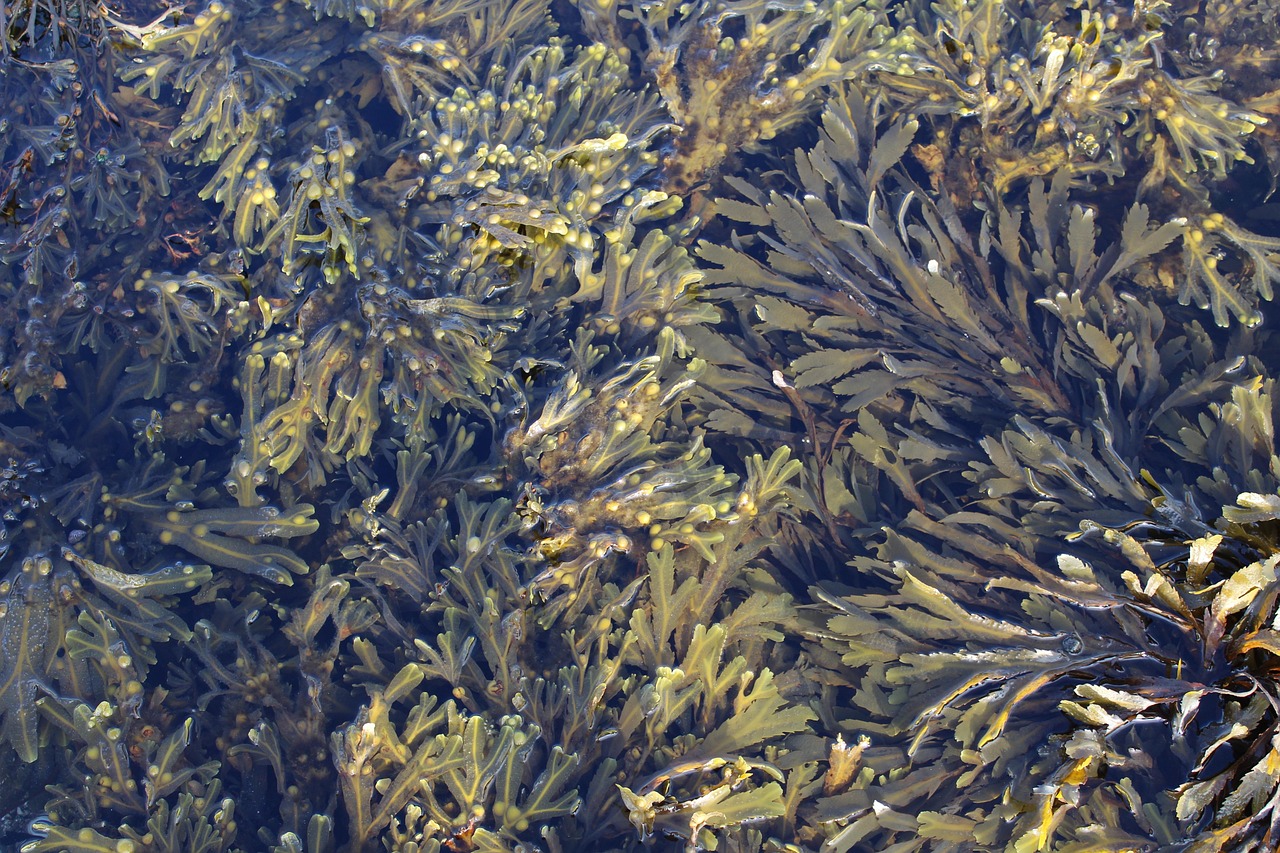
Not all algae is created equal. Matching your clean-up crew to the specific algae type makes a big difference. Here’s my go-to list based on what I’ve found effective:
- Hair algae: Trochus snails and emerald crabs. Trochus snails are relentless grazers on glass and rock. Emerald crabs target the stringy tufts.
- Cyano (cyanobacteria): This is actually bacteria, not algae. Nassarius snails stir the sand bed, preventing dead spots where cyano thrives. Increasing water flow also helps.
- Diatoms: Cerith snails are excellent for the brown film that appears on new tanks or after silicate spikes.
- Bubble algae: Emerald crabs can pop and eat the small bubbles. For larger bubbles, manual removal with tweezers is the only reliable method.
- Bryopsis: This tough, feathery algae is resistant to most grazers. Manual removal combined with nutrient control works best. Some reef keepers report success with keyhole limpets.
Remember, a clean-up crew supplements your maintenance, not replaces it. They handle the light daily growth, but you still need to remove large patches manually.
Best Natural Cleaners: Products That Support Algae Control
Certain tools make the job significantly easier. These are products I’ve tested and trust. They’re investments, but they pay off in tank stability.
- Protein Skimmer â Reef Octopus Classic 110-INT: Best for medium tanks up to 100 gallons. It’s reliable, easy to clean, and pulls out dark skimmate daily. Pair it with a small DC pump for quieter operation.
- RO/DI System â BRS 4-Stage Plus: The gold standard for water purity. It removes silicates, phosphates, and chloramines. If you’re still using tap water, start here. Best for any tank size.
- Refugium Light â Kessil H80: Small, powerful, and perfect for a sump-mounted refugium. It penetrates deep chaeto mats, promoting growth. Slightly expensive, but the H80 lasts for years.
- Phosphate Test Kit â Hanna HI-736 Checker: Standard kits can’t accurately measure low phosphates. The Hanna checker reads down to 0.00 ppm, essential for reef tanks. Best for serious hobbyists.
These aren’t impulse purchases. They’re tools that solve specific problems. The RO/DI system alone can prevent recurring diatom blooms.
Lighting Schedule Strategies to Starve Algae
Lighting is a lever many hobbyists overlook. Algae grows faster than corals in prolonged light, so managing your schedule starves it. Start with a photoperiod of 6 to 8 hours total. Split it into two blocks with a siesta period â lights off for 2 to 4 hours mid-day. This mimics natural tropical patterns and gives algae less continuous light. Adjust the spectrum too. High blue ratios (actinic) promote photosynthesis but also fuel algae in nutrient-rich water. Start with a more neutral ratio â 50/50 white to blue â and reduce the intensity. Measure PAR with a meter if possible. Aim for 100-150 PAR on the sand bed for soft corals, and ramp up slowly.
The biggest mistake I see is running lights for 10 or 12 hours because it’s âviewing time.â Your fish don’t need that much light. Corals benefit from a diurnal cycle shorter than your workday. Set a timer, stick to it, and watch the algae recede.
Flow and Filtration: Hidden Levers in Algae Control
Water movement prevents dead spots where detritus settles and algae blooms. My rule of thumb is 20 to 30 times tank turnover per hour. For a 50-gallon tank, that means 1,000 to 1,500 gallons per hour from wavemakers or powerheads. Place them to create random flow patterns â opposing pumps work well. This sweeps detritus into the water column, where your protein skimmer or filter socks catch it.
Mechanical filtration removes particles before they break down into nutrients. Filter socks changed every 3 to 4 days or a roller mat keeps solids out of the biological filter. The tradeoff is that too much flow can stress some corals, especially SPS colonies. Adjust placement and use controllable pumps. It’s about balance, not brute force. Once I dialed in the flow, my algae problems halved.
When Natural Methods Aren’t Enough: What to Try Next
Natural control isn’t a cure-all. In severe cases, like a dinoflagellate outbreak that coats everything in snot, standard methods may not cut it. Here’s my honest approach: reset the system. Increase water changes to daily 10-15% for a week. Remove visible algae manually. Reduce lighting to 4 hours per day, then slowly rebuild. For dinoflagellates, competitive exclusion works: add a fast-growing macroalgae like Ulva or Gracilaria, which outcompetes dinos for nutrients. Some reef keepers use a UV sterilizer, but that’s a last resort for the worst cases.
I avoid harsh chemicals like peroxide or nitrate binders in these situations. They disrupt the microbiome and can cause coral mortality over time. Natural methods take patience â sometimes 2 or 3 months â but they build a tank that can self-regulate. If your outbreak is beyond that, consult a local reef club for experienced advice. You’re not alone.
Comparing Algae Types: A Quick Reference Guide

- Hair Algae: Green, stringy tufts on rock and glass. Trigger: high nitrates/phosphates. Control: trochus snails, reduced feeding, nutrient export. Severity: moderate; manageable with maintenance.
- Cyano (Cyanobacteria): Red, slimy film that peels off in sheets. It’s bacteria, not algae. Trigger: low flow, high organics. Control: nassarius snails, increased flow, manual removal. Severity: moderate; can smother corals if ignored.
- Diatoms: Brown dusting on glass and sand. Common in new tanks. Trigger: silicates from tap water. Control: cerith snails, RO/DI water. Severity: low; usually temporary.
- Bubble Algae: Green or black spheres on rock. Trigger: excess nutrients, manual popping spreads spores. Control: emerald crabs, manual removal with tweezers. Severity: moderate; spreads fast if popped.
- Bryopsis: Feathery, dark green tufts that look like ferns. Tough to remove. Trigger: high phosphates, low flow. Control: manual removal, phosphate control, keyhole limpets. Severity: high; can take over and resist grazers.
Use this to diagnose your tank. Once you know the type, pick the right strategy. A single solution won’t work for all.
My Tried-and-True Routine for a Low-Algae Tank
I keep my tank manageable, not perfect. Here’s my weekly routine that works across multiple systems:
- Daily (5 minutes): Scrape the front glass with a magnetic scraper. Quick check on the back and sides â any visible algae gets a wipe.
- Weekly (20 minutes): 10% water change using RO/DI water. Siphon the sand bed for detritus. Clean the glass inside. Replace filter socks.
- Monthly (10 minutes): Empty and clean the protein skimmer cup. Change the carbon and GFO media.
- As needed: Manual removal of algae patches on live rock. I use tweezers for the stubborn stuff. Prune chaeto from the refugium every 2 weeks.
I’m not rigid. If I travel, I miss a water change. But the system bounces back because the foundation â skimmer, refugium, clean-up crew â handles things. Some algae is normal. It’s a sign of a living ecosystem. My goal isn’t a sterile tank but a balanced one. Over time, you’ll learn your tank’s rhythm. Don’t chase perfection; chase consistency.
Final Thoughts: Patience, Observation, and Consistency
Natural algae control is a process, not a product. It requires patience, observation, and consistency. Start by picking two or three methods from this guide â manual removal, a protein skimmer, and a reduced lighting schedule, for example. Stick with them for a month. Track your progress in a simple journal or spreadsheet. Note when you see changes, and adjust from there. Don’t aim for zero algae; that’s unnatural. Aim for a tank where you control the balance, not the other way around. You’ve got the knowledge now. Put it into practice, and your reef will reward you.