Introduction
You’ve shelled out for flights, booked a resort, and finally hit the water. You descend, expecting a kaleidoscope of life. Instead, you’re looking at a graveyard of algae-covered coral and a few damselfish darting through the rubble. That’s the reality of overfishing reef ecosystem effects in too many popular dive destinations. Overfishing isn’t just an abstract environmental problemâit’s the single biggest factor that determines whether you’ll see a vibrant reef or a barren one on your dive trip. This guide breaks down what overfishing actually does to the reef, how to spot the damage yourself, and most importantly, how to plan your next dive so you’re part of the solution. We’ll talk gear, destination tradeoffs, and the practical choices that make a real difference.

What Overfishing Actually Does to a Coral Reef
Think of a reef like a garden. It needs maintenance. The key gardeners are herbivorous fishâparrotfish, surgeonfish, rabbitfishâthat graze on algae and keep coral clean. When you remove these fish at scale, the algae takes over. In the Caribbean, parrotfish populations have been hammered by spearfishing and netting. The result? Many reefs are now dominated by thick mats of fleshy macroalgae that smother coral polyps and prevent new coral from settling. You can literally see the transition: a reef that once had 50% live coral cover drops to under 10% in a decade.
Predators matter just as much. Groupers, snappers, and barracuda keep the food web in check. When you eliminate themâoften through blast fishing or intensive trap fishingâyou get boom-and-bust cycles of smaller fish species. That messes with the entire ecosystem. Corals themselves also suffer indirectly. Fewer fish means less nutrient cycling, less control of bio-eroding organisms, and eventually, weaker reef structure. A reef without its full suite of fish species is like a house missing load-bearing walls. It might look fine for a while, but one storm or bleaching event will level it.
The bottom line: overfishing doesn’t just mean fewer fish. It means the reef loses its ability to recover from stress. That’s why a heavily fished reef near a population center often looks so different from a protected marine reserve just a few miles away. The difference isn’t magic. It’s biology.
Why You Should Care About Overfishing on Your Next Dive
I’ve dived two reefs in the same Indonesian archipelago on the same trip. One was inside a no-take marine park. The other was in a general fishing zone. The difference was staggeringâand I don’t use that word lightly. In the protected zone, I saw massive schools of fusiliers, Napoleon wrasse, and reef sharks within the first five minutes. On the other reef, the highlight was a single, nervous-looking grouper hiding under a bommie.
Your dive experience is directly tied to the health of the reef. Fewer fish means less action, less color, less of what you’re paying for. But it’s not just about your vacation photos. When you choose a destination or operator that supports sustainable fishing practices, you’re casting a vote for the kind of reefs that will exist next year and the year after. A dive trip to a degraded reef is a waste of time and money. You want memories of sharks cruising past, not memories of wishing you’d stayed at the resort pool.
5 Signs a Reef Is Suffering from Overfishing
You don’t need a marine biology degree to assess reef health. Look for these specific indicators on your next dive:
- Algae-covered coral. If more than 30% of the hard coral surface is covered in fuzzy or fleshy algae, that’s a red flag. In a healthy reef, herbivorous fish keep algae cropped short. Heavy algae coverage means the grazers are gone.
- No schools of small fish. A healthy reef should have clouds of damselfish, anthias, or cardinalfish near structure. If you only see a handful, something is off. Small fish are the first to be removed by fine-mesh nets.
- Absence of large predators. If you don’t see any groupers over 30 cm, any snapper, or any sharks (even small ones), the reef is likely overfished. Large predators are targeted directly or removed as bycatch.
- Bleached patches in normal temperatures. Overfished reefs are more stressed. When a mild temperature spike hits, they bleach faster and recover slower than protected reefs. If you see bleaching during a season with average sea temps, the reef is already fighting multiple stressors.
- Visible fishing gear. Abandoned nets, traps, or fishing line tangled on coral are the most obvious sign. Even discarded monofilament can kill coral and fish. If you see this, the reef is under direct fishing pressure.
The Best Tools for Monitoring Reef Health on Your Own
Want to do more than just observe? These tools help you document what you see and contribute to citizen science projects:
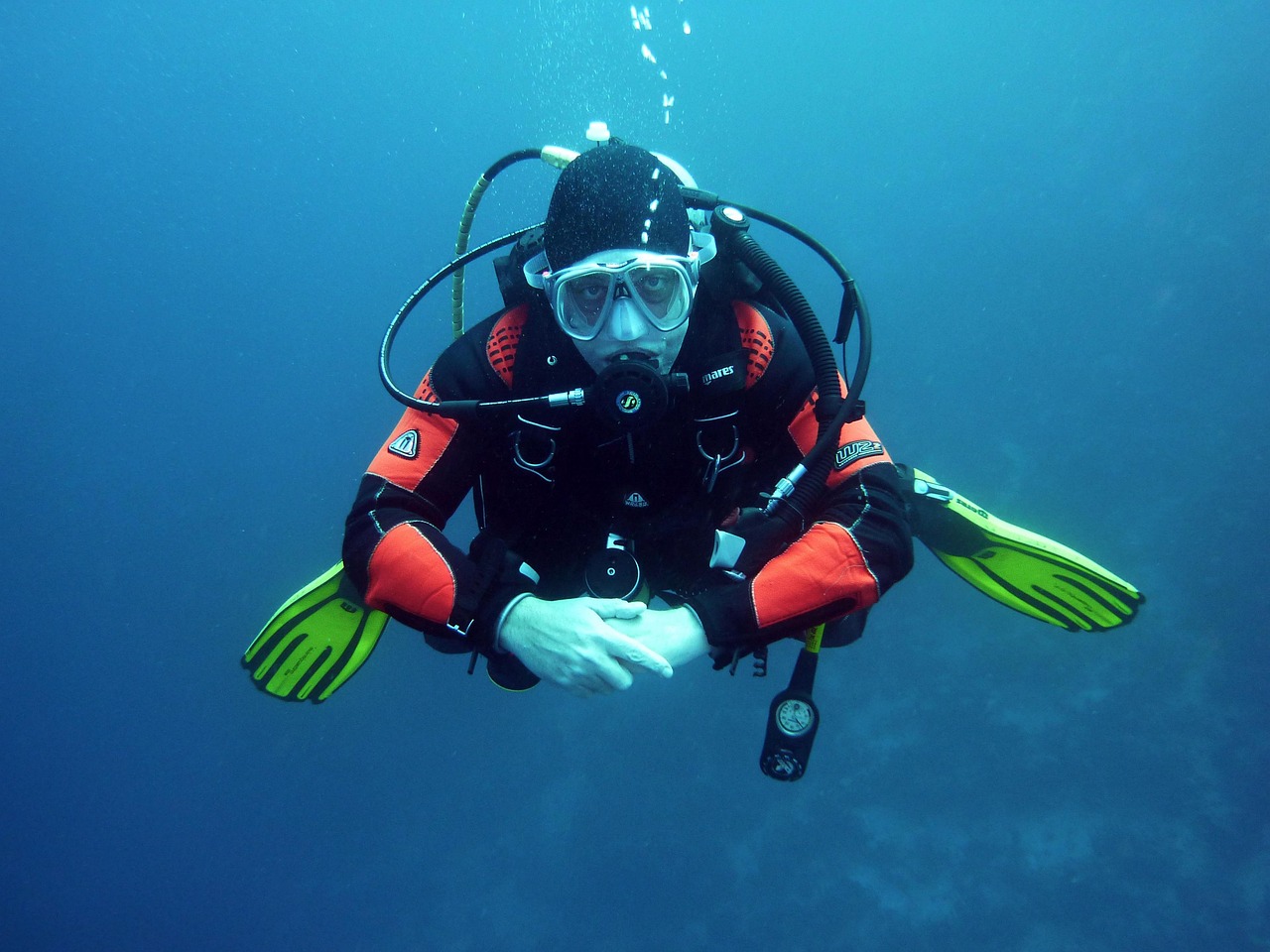
- Underwater camera. A simple GoPro or rugged compact like the Olympus Tough TG-6 lets you record video and photos of fish and coral coverage. You can upload observations to platforms like iNaturalist or Reef Check. For divers looking to document dives, a reliable underwater camera is a solid choice.
- Fish ID card. Plasticized waterproof cards with common species allow you to identify and tally what you see. Great for structured surveys. A waterproof fish ID card is a practical tool.
- Dive slate. A simple white slate and pencil lets you jot notes underwaterâcounts, behaviors, algae coverage estimates. A dive slate is handy for quick notes.
- Rite in the Rain notebook. For post-dive logging, this paper handles wet hands and humid conditions. Perfect for tracking what you saw on each site. A waterproof notebook keeps your observations safe.
Using these doesn’t require special training. Simple note-taking beats guessing. If you’re paying for a dive trip, why not get a record you can actually use?

Comparing Destinations: Protected Marine Reserves vs. Open Fishing Zones
Not all dive destinations are created equal. Here’s the practical tradeoff:
Protected marine reserves like Sipadan (Malaysia), the Great Barrier Reef Marine Park (Australia), or Misool (Raja Ampat, Indonesia) offer the best fish biomass and coral diversity. You’ll see everythingâbig schools, sharks, rare species. But they cost more. Permits are limited. You need to book months ahead. Accommodation on remote islands is pricey. For a serious diver, it’s worth the premium. You’re paying for a guarantee of quality.
Open fishing zones are cheaper. Places like Koh Tao (Thailand), the Gili Islands (Indonesia), or certain areas of the Philippines have plenty of budget options and last-minute availability. But reef health is often poor. Parrotfish and groupers are scarce. You might still see nice coral formations, but fish life will be underwhelming. These destinations work for beginners who just want to get certified cheaply, but for experienced divers looking for real encounters, they can be disappointing.
The middle ground is a destination with seasonal closures or locally managed marine areas. Some places in Fiji, the Maldives, and Belize have community-run no-take zones that actually work. They’re less famous than the big reserves, but they offer great diving at moderate prices. Do your research. Look for ‘marine protected area’ or ‘no-take zone’ on the operator’s website.
Common Mistakes Divers Make That Hurt Reef Conservation Efforts
Even well-intentioned divers screw up. Here’s what to avoid:
- Touching coral. It’s not just ‘don’t stand on it.’ Even brushing against coral with your fin or hand can damage the mucus layer and lead to infection. Keep your distance.
- Feeding fish. It’s tempting to toss bread or fish scraps, but it alters natural foraging behavior. Fish become dependent on handouts, stop grazing algae, and can become aggressive. Plus, it encourages operators to fish for bait.
- Using reef-unfriendly sunscreen. Oxybenzone and octinoxate cause coral bleaching at tiny concentrations. Switch to mineral sunscreens with zinc oxide or titanium dioxide. A reef-safe sunscreen is a simple swap.
- Booking with operators who serve grouper or snapper. If the dive center’s restaurant features the same fish you’re hoping to see underwater, that’s a fundamental conflict. Ask before you book.
- Ignoring catch limits. Even if you’re not fishing, your presence supports an operator who might be. Check whether the dive center participates in local fisheries management or just takes what they want.
The best fix? Ask questions and vote with your wallet. A good operator will gladly explain their policies. A bad one will shrug.

How to Choose a Dive Operator That Supports Reef Health
Picking the right dive center is the single most impactful decision you’ll make. Here’s a real-world example:
Good operator: A center certified by Green Fins or a similar program. They’ll enforce no-touch policies, use mooring buoys instead of anchoring on coral, serve only sustainably sourced seafood (if they serve food at all), and educate divers on reef-friendly behavior. They also tend to limit group sizes. You’ll pay a bit more, but you’ll see better reefs and smaller crowds. In Raja Ampat, several operators run community patrols and pay local fishermen to collect data instead of fishing.
Bad operator: A center that offers rock-bottom prices, runs boats with unfilled tanks, and doesn’t mention conservation in briefings. They often anchor directly on the reef, feed fish for photo ops, and serve overfished species like grouper or snapper. They may even allow spearfishing for guests. Avoid these. The five bucks you save isn’t worth the damage they cause.
Before you book: check their website for sustainability policies. If they don’t mention it, ask. If they can’t explain, move on.
What to Pack for a Conservation-Minded Dive Trip
Your packing list can make or break your reef-friendly trip. Here’s what to bring:
- Reef-safe sunscreen. Non-nano zinc-based formulas are best. Avoid sprays (they aerosolize and end up in the water). A reef-safe sunscreen is essential.
- Reusable water bottle. Single-use plastic is a massive problem on islands. Bring a durable metal or BPA-free bottle. A reusable water bottle helps cut down plastic waste.
- Mesh bag. Great for carrying your gear (fins, mask, slate) without collecting sand. Also useful for beach cleanup walks. A mesh dive bag is versatile.
- Underwater camera or action cam. As mentioned earlier, documenting what you see helps you and others track reef health. A GoPro HERO12 or similar is a solid choice. An underwater action camera captures your dives.
- Lycra rash guard or wetsuit. Covers your skin so you need less sunscreen overall. Plus, it keeps you warm. A diving rash guard is a good layer.
These items aren’t optional extras. They’re practical necessities for responsible diving.

The Hidden Costs of Cheap Dive Trips: Overfishing and Coral Damage
Budget trips have hidden costs that go beyond your wallet. Consider the Koh Tao vs. Similan Islands comparison. Koh Tao is famous for cheap divingâthink $25 per dive. But the reefs are hammered. Years of open access, heavy boat traffic, and unchecked fishing have reduced fish biomass dramatically. You might see decent coral formations, but the life is thin.
The Similan Islands, on the other hand, are a marine national park. Entry fees are higher (~$20 per day), liveaboard trips cost several hundred dollars, and permits are limited. But fish life is spectacular. You’ll see leopard sharks, manta rays, and large schools of jacks. The difference is real. You’re paying for enforced protection.
The tradeoff is clear: cheap trips mean crowded, degraded sites. Eco-friendly operators charge more because they limit group sizes, use mooring buoys, and contribute to local conservation fees. For a serious diver, the extra cost is a bargain. For a casual snorkeler, a budget resort might be fineâbut don’t expect a world-class reef.
Final Checklist for Planning Your Next Reef Dive
Here’s your action plan:
- Research protected marine reserves in your target region. Book ahead. Accept the premium.
- Choose a dive operator certified by Green Fins or a similar program. Ask about their fishing policies.
- Pack reef-safe sunscreen, reusable bottles, a mesh bag, and an underwater camera.
- Support local conservation fees and park permits. They’re usually small and directly fund protection.
- Consider reading up. The Reef: A Passionate History by Iain McCalman offers solid context on reef ecology and human impact. A reef conservation book can deepen your understanding.
Your next dive trip can be the one where you see the reef at its bestânot the one where you wish you had. Plan smart, pack right, and dive with operators who get it.