The Economics of Coral Reefs: Value Beyond Beauty
Introduction
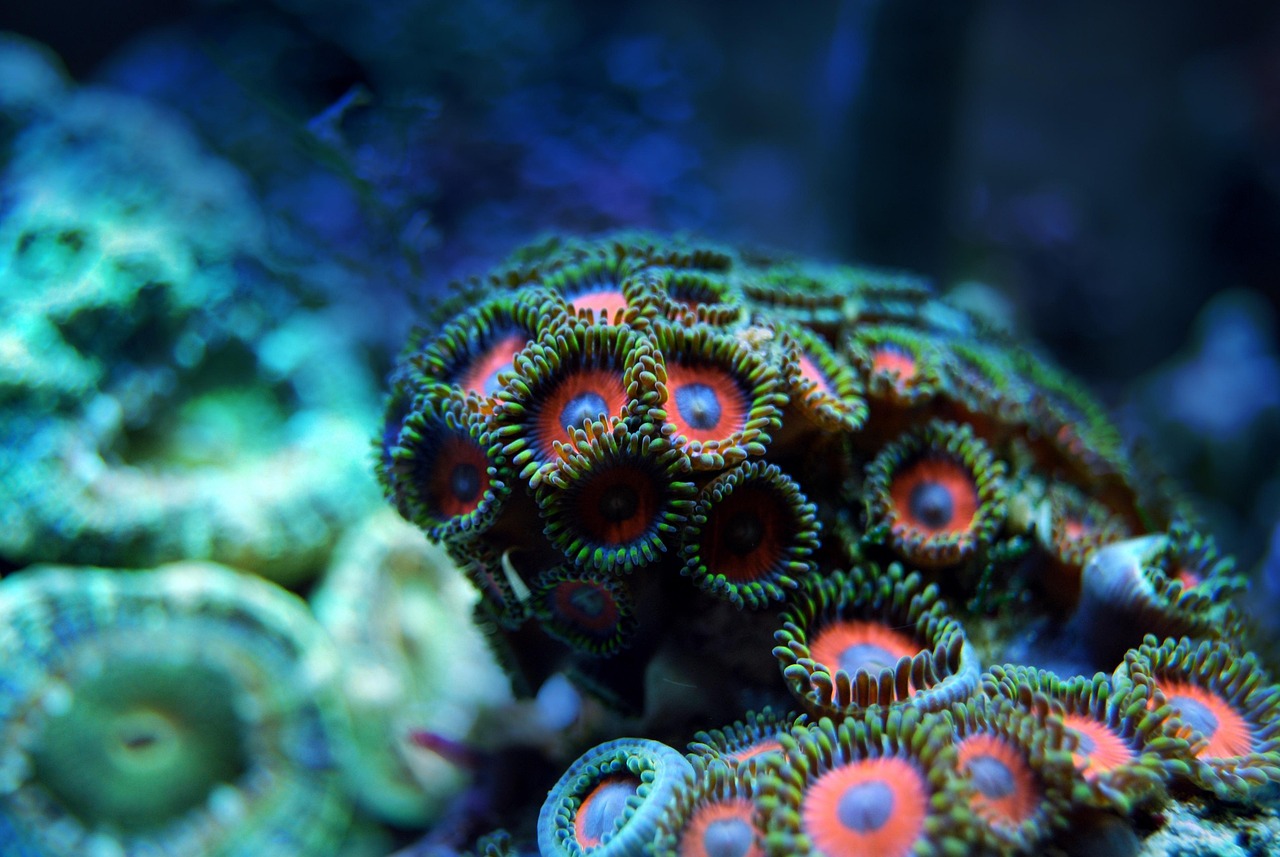
Most people see coral reefs as beautiful underwater landscapes. And they are. But from a practical standpoint, thatâs like looking at a bank vault and only noticing the paint job. The real story is the sheer economic horsepower these ecosystems provide. The global economic value of coral reefs is estimated at $375 billion per year through ecosystem services like tourism, fisheries, and coastal protection. Thatâs not poeticâitâs GDP. If youâre a diver planning a trip, a conservationist advocating for policy, or just someone who wants their travel dollars to do real good, understanding this value changes how you spend your money and time. This article breaks down the major economic contributions of coral reefs, the practical implications for travelers, and exactly how to support reef economies without accidentally making things worse. No fluff, just useful decisions.

The Global Economic Value of Coral Reefs at a Glance
Before we dive into specifics, it helps to see the big picture. The $375 billion annual figure comes from the World Wildlife Fund and other researchers whoâve calculated the value of goods and services reefs provide. That breaks down into four main buckets:
- Tourism: roughly $36 billion per year from dive and snorkel trips, glass-bottom boats, and coastal hotels that depend on healthy reefs to draw visitors.
- Fisheries: about $6 billion annually from reef-associated fish that feed millions of people, especially in developing nations.
- Coastal protection: reefs reduce wave energy by up to 97%, saving coastal communities billions in property damage and storm recovery.
- Biodiversity and bioprospecting: the genetic library of reef organisms fuels pharmaceutical discoveries worth untold billions.
These numbers arenât hypothetical. Theyâre based on real-world economies. When a reef dies, an entire financial ecosystem collapses with it. And thatâs the practical reason you should careânot because itâs sad, but because itâs expensive.
How Coral Reefs Support Local Fisheries and Food Security
Reefs are the nurseries of the ocean. Roughly 25% of all marine fish species spend some part of their life cycle on coral reefs. For millions of people in places like Indonesia, the Philippines, and the Caribbean, these fish arenât a luxuryâtheyâre a primary protein source. The economic value of coral reefs in fisheries alone supports roughly 6 million small-scale fishers worldwide. Thatâs livelihoods, families, and entire local economies.
The problem? Overfishing is the leading threat to reef ecosystems. When you remove too many herbivorous fish (parrotfish, surgeonfish), algae overruns the coral. The reef dies, fish disappear, and the local economy takes a direct hit. Sustainable fishing practices are the only way to keep this cycle healthy. If youâre planning a fishing trip near a reef, look for operators that use circle hooks and avoid gill nets. Travelers who need a biodegradable fishing tackle kit can find several options on Amazon that wonât contribute to microplastic pollution.
Tourism Revenue: Why Divers and Snorkelers Drive Local Economies
Dive tourism isnât just a hobby; itâs the economic engine of countless coastal communities. The Great Barrier Reef alone generates over $4 billion annually in tourism revenue. The Maldives? Nearly 30% of its entire economy depends on reef tourism. When you book a dive trip, youâre not just paying for air fills and boat fuelâyouâre funding that islandâs schools, clinics, and infrastructure.
Thereâs a real tradeoff between all-inclusive resorts and local eco-lodges. All-inclusives offer convenience but often keep tourist dollars out of local hands. Smaller operators tend to reinvest more directly into conservation and community projects. If you want your money to have maximum impact, choose the latter.
But you also need solid gear. A good dive mask with tempered glass and a silicone skirt costs around $50 and lasts years. For snorkelers, a dry-top snorkel prevents water intake and makes breathing easier. These are small investments that improve your experience and keep you coming backâwhich is exactly what local economies need.

Coastal Protection: The Hidden Economic Shield of Coral Reefs
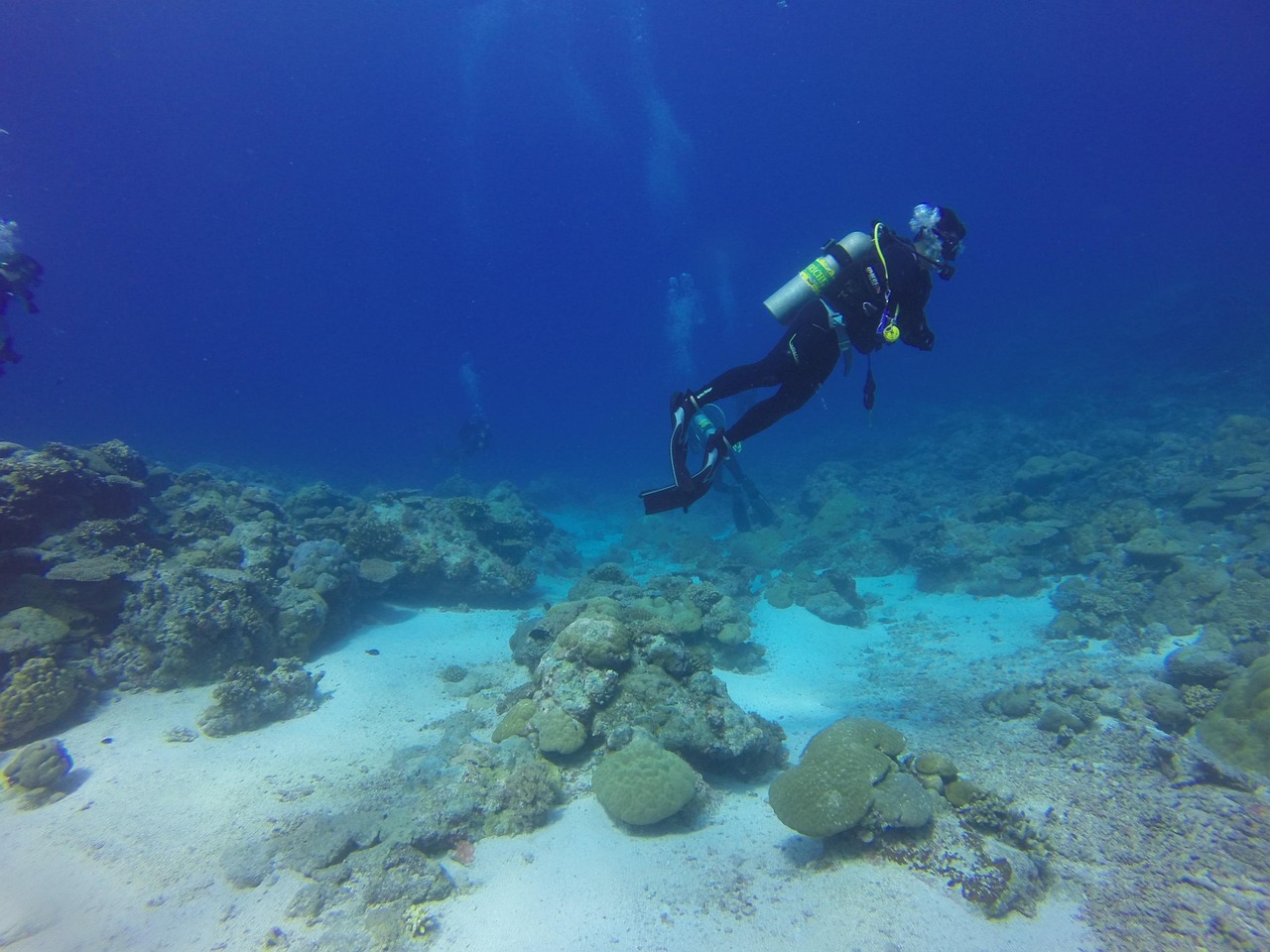
Every storm season, coastal properties get hammered. Concrete seawalls cost millions to build and maintain. Coral reefs do the same job for free. Studies show that healthy reefs reduce wave energy by 97% before it reaches the shore. Thatâs why the coastal protection value of U.S. reefs alone is estimated at $4 billion annually in avoided flood damage. In places like Florida and Hawaii, thatâs not academicâitâs what insurance companies use to calculate risk.
For real estate investors and tourism operators, this is a big deal. A degraded reef means higher insurance premiums and lower property values. It also means beach erosion that kills the very beaches tourists fly in for. When you visit, youâre indirectly benefiting from this protection. So supporting reef health isnât just altruisticâitâs protecting your vacation investment too.
Pharmaceutical and Bioprospecting Value of Coral Reefs
Reefs are natureâs medicine cabinet. Organisms like sponges, tunicates, and soft corals produce compounds that fight cancer, HIV, and chronic pain. The anti-cancer drug Yondelis (trabectedin) was originally isolated from a sea squirt found on reefs. The FDA has approved multiple reef-derived treatments. The potential value here is enormous, though hard to quantify because so much remains undiscovered.
Ethical bioprospecting is possible, but only if reefs survive. When a reef bleaches, you lose not just fish and coralâyou lose potential cures for diseases we havenât even named yet. Thatâs why funding reef conservation isnât just about saving pretty fish; itâs a bet on future medical breakthroughs.
Comparing Reef Ecosystems: Which Regions Offer the Best Economic Returns?
Not all reefs are created equal from an economic perspective. Hereâs a practical comparison to help you decide where to invest your travel budget.
Caribbean
High tourism infrastructure, easy access, but heavy degradation from hurricanes and bleaching. Good for beginners. Local economies depend heavily on cruise ships, which often keep revenue offshore. Look for smaller resorts in places like Belize or Bonaire.
Indo-Pacific (Great Barrier Reef, Maldives, Indonesia)
Highest biodiversity and biggest tourism dollars. The Great Barrier Reef is a massive economic engine, but visitation is tightly regulated. The Maldives offers luxury but with high environmental impact. Indonesia is the sweet spotâworld-class diving, lower costs, and strong community-based conservation if you choose the right operator.
Red Sea
Underrated. Egyptâs reefs are some of the healthiest on earth because itâs a rarer dive destination. Lower tourism pressure means better preservation. Economic returns are lower per visitor but more sustainable long-term.
For practical travelers, a regional dive guidebook (like Lonely Planetâs Diving & Snorkeling series) is invaluable for understanding local conditions. A PADI Open Water course manual or referral program can be bought on Amazon before you leave.
Common Mistakes Tourists Make That Harm Reef Economies
You can actively harm or help a reef economy with your choices. Here are the three most common mistakes:
- Touching coral â Itâs not just rude. Coral is alive, and even a light touch can kill polyps. Once a patch dies, the entire structure weakens. Fewer healthy corals mean less tourism revenue.
- Using toxic sunscreen â Oxybenzone and octinoxate are proven to bleach coral. They also wash off in the water. Some places (Hawaii, Palau, parts of Mexico) have banned them. A reef-safe sunscreen with zinc oxide is non-negotiable. Available on Amazon for under $15.
- Booking with unsustainable operators â Some dive shops dump waste, overfish, or anchor directly on reefs. Always check for Green Fins or Blue Flag certification. If they donât have either, ask why.
A simple reef-friendly dive finâsplit fins or those with flexible foot pocketsâreduces accidental coral contact. A reusable hard-shell rash guard also protects your skin and reduces reliance on sunscreen altogether.
How to Choose a Reef-Friendly Tour Operator: A Practical Checklist
Making a good decision before you go is better than trying to fix a bad one on the water. Use this checklist:
- Check for Green Fins or Blue Flag certification.
- Ask about group size: small groups (6â8 divers) have lower environmental impact.
- Insist on a pre-dive environmental briefing. If they skip it, theyâre not serious.
- Choose operators who provide reef-safe sunscreen or require you to bring your own.
- Prefer shore-based diving over liveaboards when possibleâless waste generation.
A guided tour with an environmental focus is almost always better for the reef than solo snorkeling. Guides know the sensitive spots and will keep you off the coral. If you prefer to go it alone, use a waterproof diverâs slate to communicate with your buddy and avoid accidental contact.
For longer trips, a collapsible reusable water bottle reduces plastic waste on the boat. Many operators now sell them or you can get one on Amazon before you go.
The Best Gear for Supporting Reef Conservation on Your Trip
Spending a few extra dollars on the right gear keeps you safe, comfortable, and respectful of the environment. Hereâs what I actually recommend carrying:
- Reef-safe sunscreen (SPF 50+): Look for ThinkSport or Badger brands. They contain non-nano zinc oxide and no chemical filters. Prices range from $10â18.
- Eco-friendly dive fins: Mares Avanti Quattro or Cressi Gara 2000 are durable options. Splits reduce drag and accidental coral contact.
- Waterproof camera for documentation: A GoPro Hero 11 Black or Olympus TG-6 in a housing lets you capture conditions and share them with conservation groups. This is useful for citizen science.
- Biodegradable rash guard: Patagonia or Maui Rashguard use recycled materials and reduce sunscreen needs.
- Mesh dive bag: Holds your gear, drains water, and wonât trap debris. Avoid full-on plastic bags.
The GoPro Hero 11 Black is particularly good because it records in high resolution, which matters if you want to submit footage to reef monitoring projects. You can order it on Amazon and have it in 2 days.
Tradeoffs: Should You Visit Popular Reefs or Lesser-Known Sites?
This is one of the biggest decision points for anyone planning a reef trip. Hereâs how I think about it.
Popular reefs like the Great Barrier Reef or the Maldives have high upfront costs but also top-tier infrastructure. Youâll find dive shops everywhere, reliable boats, and emergency services. The downside: overcrowding, higher carbon footprint, and more direct environmental pressure. Your tourism dollars do support conservation efforts (Australia taxes visitors for reef management), but the crowds themselves take a toll.
Lesser-known reefsâlike those in Raja Ampat or the Sulu Seaâoffer pristine conditions and fewer bodies. But good luck finding a liveaboard or a decent hotel without a long boat ride. Youâll also need more flexible planning and backup options. The upside: your money goes directly into local communities that have no other livelihood. You also get to experience a reef that hasnât been âloved to death.â
For first-timers or families, stick with popular spots. For repeat divers or conservationists, go off the beaten path. Either way, buy travel insurance that covers dive injuriesâseriously, itâs a small premium compared to a medevac bill.

Final Thoughts on the Economic Value of Coral Reefs
Coral reefs arenât just beautifulâtheyâre economic engines that run on healthy water and smart human choices. When you understand the economic value of coral reefs, your travel decisions become more than just a vacation. They become an investment in fisheries, coastal safety, medical research, and sustainable tourism. Every dollar you spend on reef-safe gear or a responsible tour operator is a vote for a living economy, not a dying one.
Before your next trip, take ten minutes to swap out a few items in your dive bag. A bottle of reef-safe sunscreen, a rash guard, and a reusable water bottle donât cost much, but they change the calculus for every reef you visit. Thatâs the kind of practical value that keeps these ecosystems paying dividends for generations.