Introduction
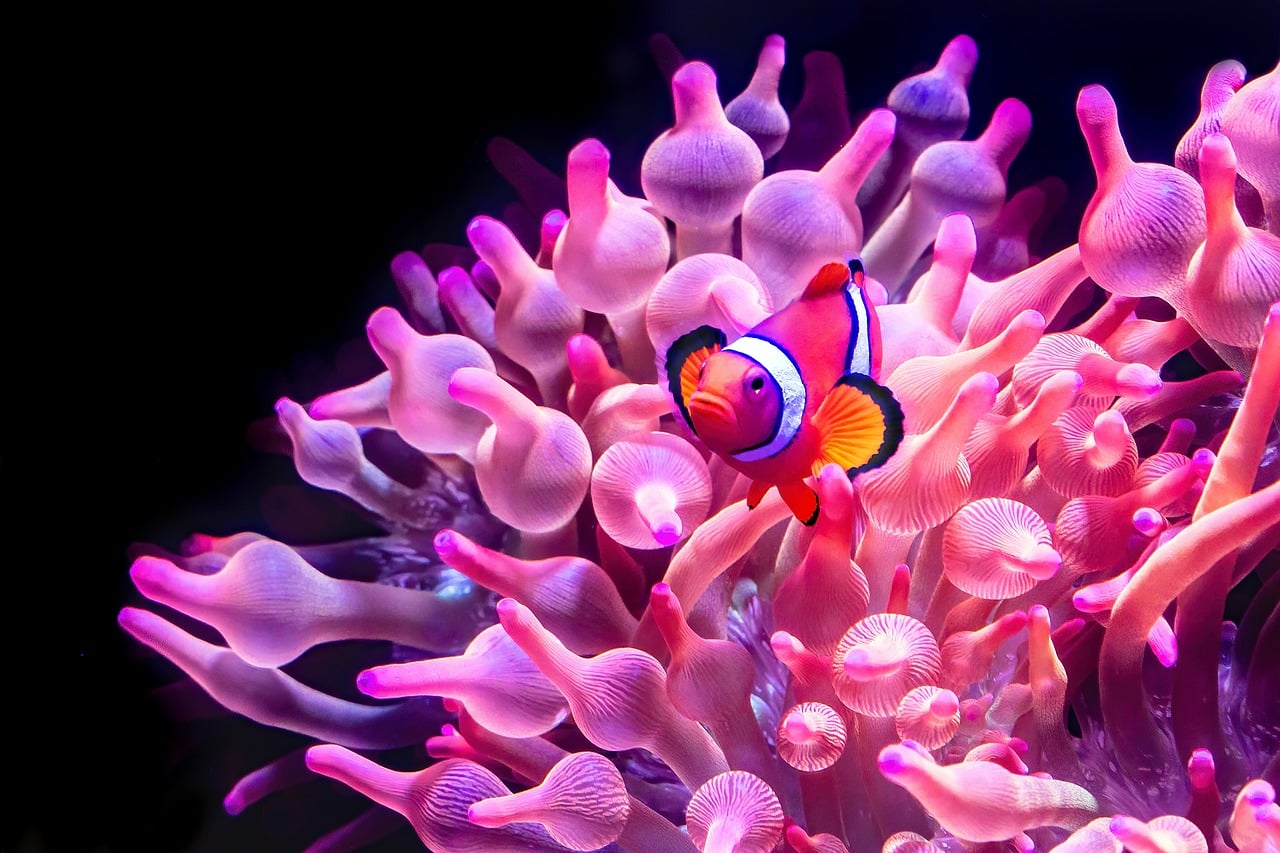
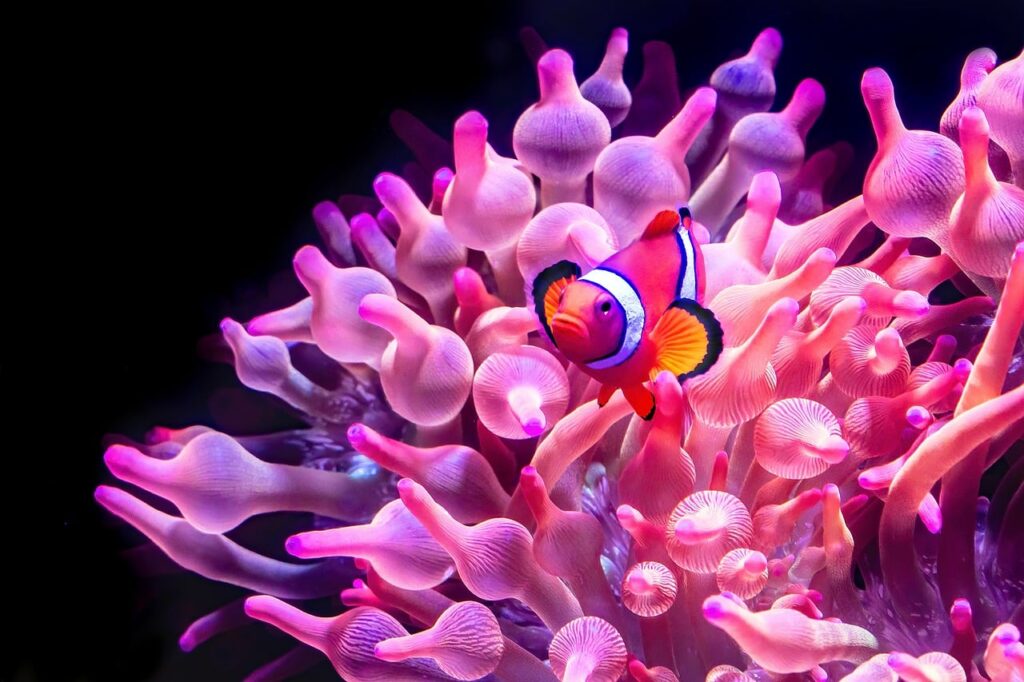
Finding the best anemone dive sites world isnât just about ticking off a bucket listâitâs about finding spots where conditions let these animals thrive. Anemones are more fragile than they look, and a reef with a healthy cluster of them is usually one in decent shape overall. This guide is for divers who want to plan a trip around these animals specifically, not just another general reef dive. Weâll cover what makes a site worth traveling for, then go over ten places that deliver consistently. Youâll get a sense of each locationâs character, the real logistics involved, and what gear actually helps.

What Makes a Great Anemone Dive Site?
Not every patch of reef with a few anemones is worth a special trip. For a site to be really good, you need a few things to come together. Good visibility helpsâyou want to see the fine details of the tentacles and the clownfish darting around. Density matters too. Scattered individuals are okay, but a cluster or bed of anemones makes for a much better dive. Seeing multiple species of clownfish on one dive is a nice bonus.
The main types to keep an eye out for:
- Magnificent Anemone (Heteractis magnifica): Big, brightly colored, popular with several clownfish species.
- Sebae Anemone (Heteractis crispa): Leathery texture, long wavy tentacles that can be brown or green.
- Carpet Anemone (Stichodactyla spp.): Broad, short tentacles that look like a shag rug; often home to skunk or maroon clownfish.
- Long Tentacle Anemone (Macrodactyla doreensis): Graceful, with very long, thin tentacles, often purple-tipped.
Accessibility is another practical concern. Some sites require a liveaboard and a fair bit of travel. Others are a short boat ride from a resort. Conservation status also mattersâmarine parks tend to have healthier anemone populations.
1. Raja Ampat, Indonesia â The Gold Standard for Diversity
Raja Ampat is about as good as it gets for marine life. With over 600 species of coral, anemone diversity follows. Cape Kri and Sardine Reef get a lot of attention for their biomass, but youâll find healthy anemone clusters tucked into reef walls and shallow slopes. Water is warm (28-30°C year-round) and visibility is usually over 25 meters.
The practical side: youâll need a liveaboard. Some resorts exist, but a liveaboard makes it easier to cover ground. Expect to pay $250-$500 per day. A decent underwater camera is almost a requirementâthe variety of anemonefish (at least five species) is a lot to take in. A compact camera with macro capability works well. Also, reef-safe sunscreen is mandatory here; operators often check.
2. Lembeh Strait, Indonesia â Macro Central
Lembeh is known as a muck diving spot, but the volcanic sand environment is surprisingly rich with unique anemone species you donât see on typical reefs. The lower visibility and sandy bottom actually suit certain anemones that prefer less stable settings. You can find rare clownfish morphs here, like specific Tomato clownfish varieties that are almost local to this area.
A macro lens and a powerful dive light are essential. Good lighting brings out the detail on the anemones and their hosts. Dive tip: take it slow and check the black sand slopes. Water temp is a bit cooler than Raja Ampat, around 27-29°C. Most operators are based in Bitung, a morning flight from Manado.

3. Kimbe Bay, Papua New Guinea â Remote and Rewarding
Kimbe Bay is a remote spot, reachable only by liveaboard or a stay at Walindi Resort. The volcanic reefs here support some of the healthiest anemone beds Iâve seen outside a protected area. Best months are June through November, when the water is calm and visibility is at its peak (20-30 meters).
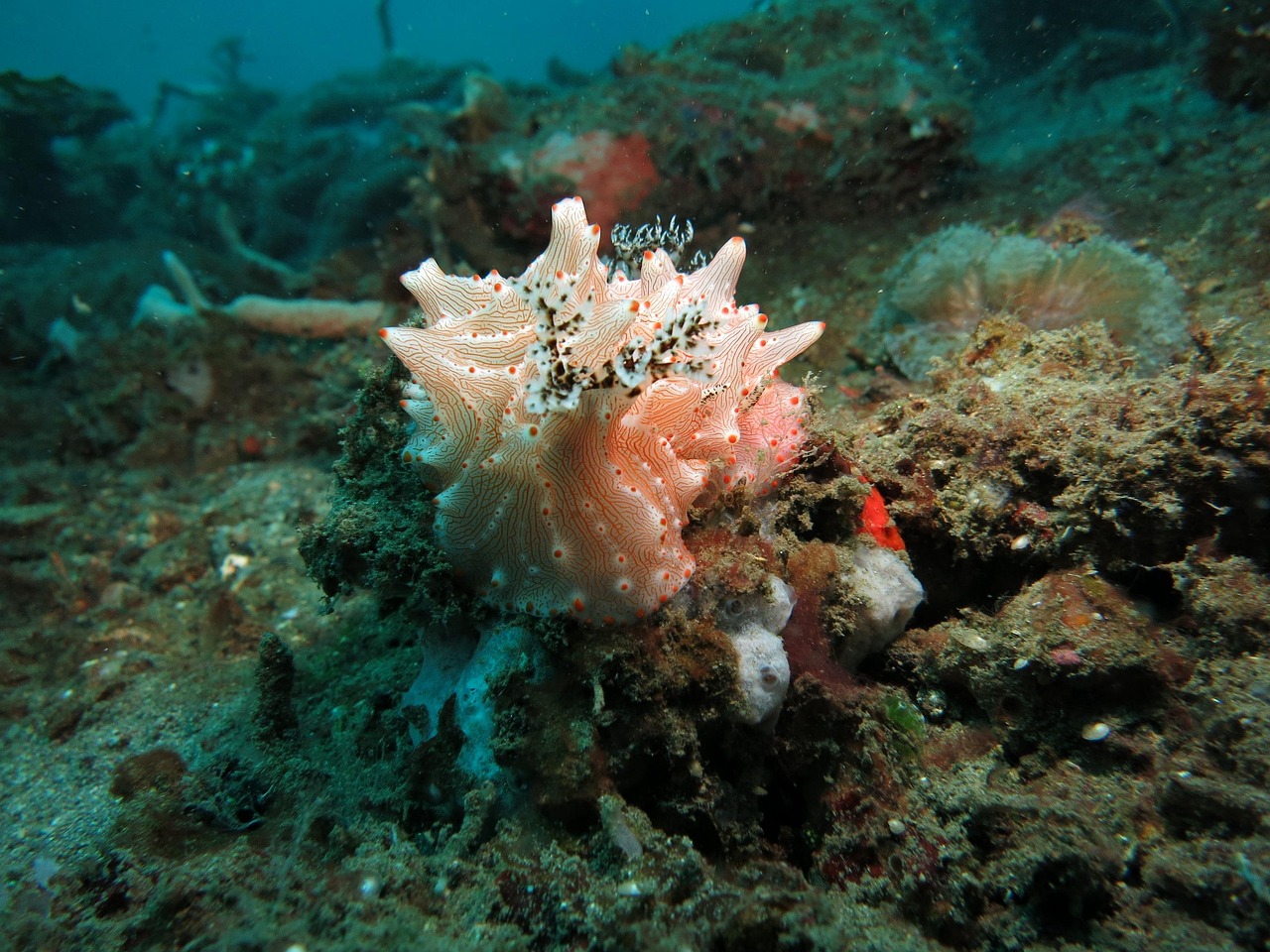
The tradeoff is real: getting here is expensive and takes time. You fly into Hoskins Airport from Port Moresby. But if you want to see anemones in a place that feels untouched by mass tourism, this is it. There are also large schools of fish, so you get pelagic life alongside the macro stuff. Accommodation is mostly Walindi or a liveaboard running out of Rabaul or Madang.
4. Marsa Alam, Egypt â Red Sea Anemone Hotspots
The Red Sea offers a different feel. Marsa Shagra and Elphinstone Reef have concentrated anemone spots, often in shallow water (10-20 meters). The main clownfish here is the Orange-fin anemonefish (Amphiprion chrysopterus), which lives in large Magnificent anemones. The water temp varies quite a bit (22-28°C), so a dive computer with temperature tracking is handy.
Practical tip: Marsa Alam is less crowded than Sharm el-Sheikh. Most dive centers offer direct shore access. Rash guards are a good ideaâthe sun is intense and youâll spend time on the beach between dives. Accommodation ranges from basic eco-lodges to comfortable resorts.
5. Tubbataha Reefs, Philippines â Pristine and Protected
Tubbataha is a marine park with no permanent structures, only accessible by liveaboard from mid-March to June. The protection showsâanemones here are large and generally undisturbed because fishing and collecting are banned. Youâll see sharks and turtles regularly too.
The catch is access. You need to book a liveaboard months ahead, and the price is high (around $400-$600 per day). But for a diver who wants to see anemones in a truly wild, healthy state, itâs hard to beat. Visibility is often 30-40 meters. A reef hook is useful for dealing with currents.
6. Anilao, Philippines â Convenient and Varied
Anilao is a solid option for a weekend trip from Manila, but itâs more than just a budget pick. The shore diving is world-class, with anemones scattered across shallow sandy slopes and rubble. Itâs particularly good for macro photography since you can get close to subjects in surprisingly shallow water (5-10 meters).
No liveaboard neededâmany resorts offer room and board with diving packages. A quality dive bag and reef shoes for entering the water are useful. The variety of anemone species is high, covering both common and rare types. A good option if you want quality dives without the logistical hassle of a remote island.
Moorea, French Polynesia â Gentle Dives, Long Tentacles
Moorea gets marketed as a honeymoon spot, but itâs also a decent anemone dive site for beginner and intermediate divers. The shallow, drift dives here are known for Long Tentacle Anemones with their delicate, swaying tentacles. Theyâre usually found in sandy channels between coral bombies, hosting Clarkâs anemonefish.
Water is warm year-round (27-30°C) and visibility is good. The anemone density is lower than in Indonesia or PNG, but the ease of diving makes it a good pick for someone new to underwater photography. An underwater disposable camera or a compact camera works fine here. Accommodation is at resorts, which can be pricey but comfortable.
7. Great Barrier Reef, Australia â Iconic but Crowded
The Great Barrier Reef is a global icon, but letâs be realistic about its challenges. Anemone density is high in certain zones like Cod Hole and Osprey Reef, but the reef is under stress from bleaching events. The sites that remain healthy are spectacular though. Best time to visit is the cooler months (June to October) when water temps are comfortable and visibility is at its best.
Logistically, you have day trips from Cairns (convenient but crowded) or liveaboards (more expensive but better diving). Day trips tend to focus on the inner reefs. For serious anemone viewing, you want a liveaboard that hits the outer reefs. Travel insurance is a good idea for any big trip, especially long-haul destinations like this.
8. Fiji â Soft Coral and Anemones Mixed
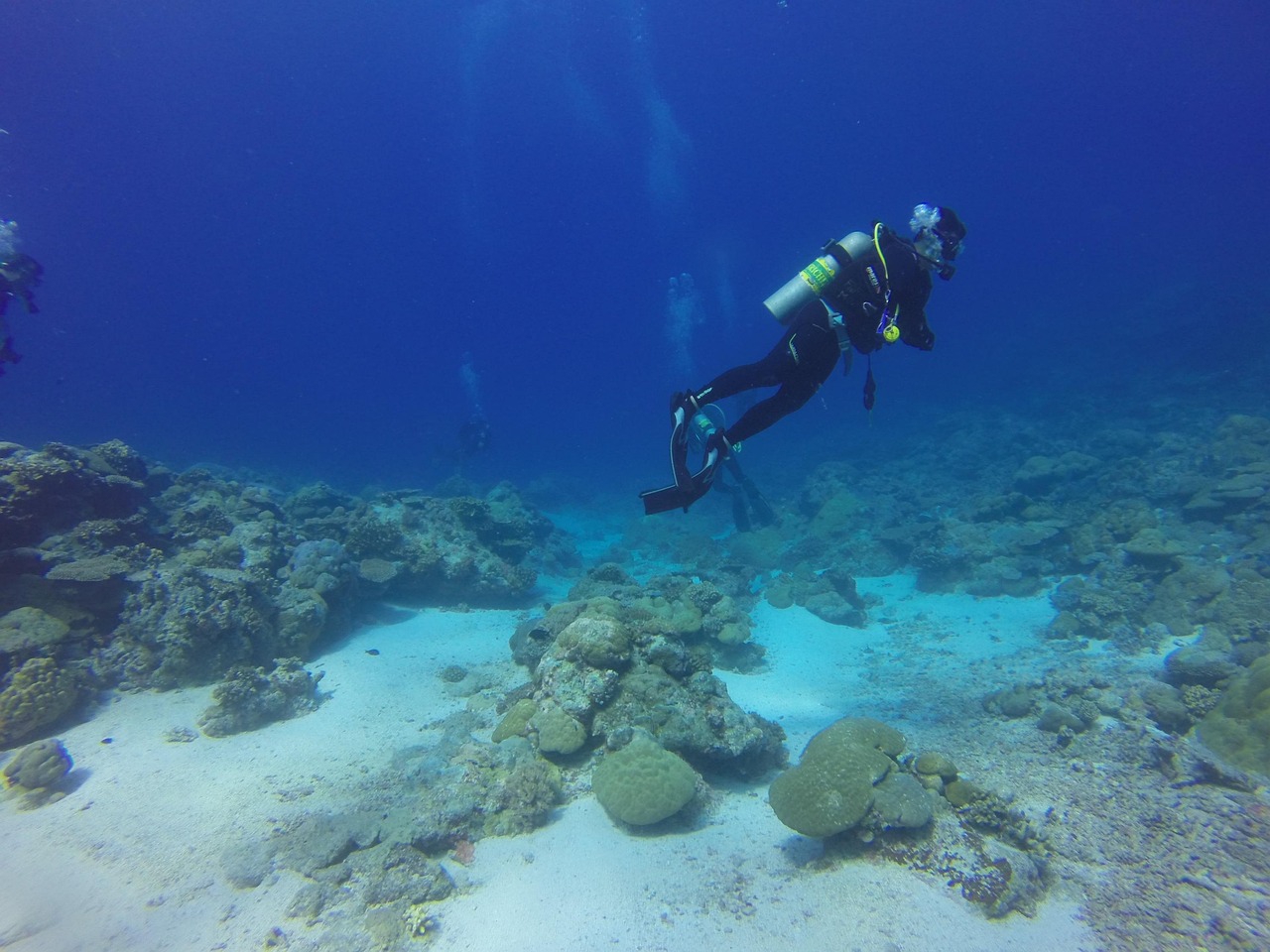
Fiji is famous for soft coral gardens, but it also has large, healthy anemone populations mixed in. The Somosomo Strait and Rainbow Reef are the standouts. Water temp is warm (27-30°C) and visibility is often 20-30 meters. Anemones here tend to be bigger, with species like the Carpet anemone on sandy patches near the reef.
Fiji is generally less expensive than Moorea but more than Indonesia. Most diving is done from resorts on the main islands, so youâre not locked into a liveaboard. The tradeoff is sharing sites with other groups, but the quality of marine life is still excellent.
Comparing Top Destinations â What Works for You?
A quick comparison can help narrow things down:
- Difficulty: Easy for Moorea, Moderate for Marsa Alam and Anilao, Challenging for Raja Ampat and Tubbataha (currents, deep water).
- Best Season: Most Indo-Pacific sites are best June-September. Red Sea is best May-October. Great Barrier Reef is best June-October.
- Cost per Dive (liveaboard): Raja Ampat ($250-$500/day), Tubbataha ($400-$600/day), Kimbe Bay ($350-$500/day), Marsa Alam ($100-$200/day), Great Barrier Reef day trip ($100-$200/day).
- Marine Life Uniqueness: Raja Ampat leads for sheer diversity. Lembeh wins for rare species. Tubbataha for pristine conditions.
- Ease of Travel: Anilao is easiest (near Manila). Marsa Alam is moderate. Tubbataha and Kimbe Bay are remote.
Think about your budget and comfort with travel logistics. If you want easy, choose Anilao or Moorea. If you want the full experience, go for Raja Ampat or Tubbataha.
Practical Tips for Your Trip
Booking: Liveaboards need to be reserved months ahead for top destinations. Resorts are easier but may require more local coordination. Best months per region are listed aboveâdonât assume a site is good year-round. Visa requirements: Indonesia and the Philippines offer visa on arrival for many nationalities, but PNG requires a visa in advance.
Common mistakes: Underestimating currents. Sites like Tubbataha and Raja Ampat can have strong currents that require good fitness and experience. Also, ignoring permit requirementsâprotected parks like Tubbataha have strict visitor limits. Check with your liveaboard operator about needed permits. Donât assume you can just show up; many operators require proof of certification and experience level.
Gear You Shouldnât Skip
Having the right gear makes a real difference. Hereâs whatâs worth bringing:
- Reef-safe sunscreen: Protects the anemones and your skin. A must for all destinations. A reef-safe sunscreen is worth adding to your kit early.
- Dive computer: Track depths and bottom times, especially in drift dives. Look for a reliable alarm.
- Underwater camera: For capturing anemones and their fish. A compact camera with macro mode is ideal for most sites. A GoPro works but is less versatile for macro.
- Reef hook: Helps you stay put in currents so you can observe and photograph without fighting the water.
- Waterproof bag: Keeps gear dry between dives.
- Dive light: Essential for macro work and seeing into crevices where anemones might hide. A small, powerful light is best.
You can check current prices and compare models on Amazon. A good setup doesnât have to be expensive, but it should be reliable.

Final Thoughts and Next Steps
The best anemone dive sites world offer a range of experiences, from accessible Anilao to remote Tubbataha. Each site has its own character, density, and species. Pick one that fits your diving style and budget. If youâre a macro enthusiast, go to Lembeh or Anilao. If you want spectacle, Raja Ampat or Tubbataha. For a gentle intro, Moorea or Marsa Alam works.
Start planning your trip now. Save this guide for reference, and check the gear linked above to make sure you have what you need for a safe and rewarding dive.