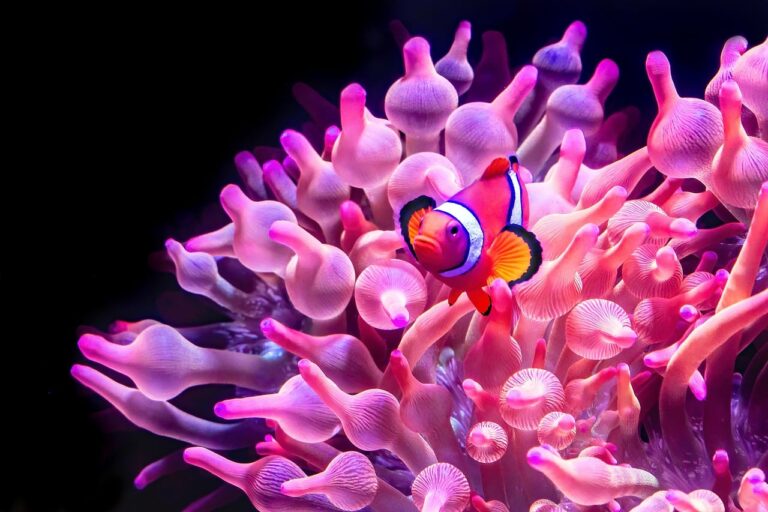
Why Do Clownfish Wiggle? Clownfish Wiggling Behavior Explained
Introduction
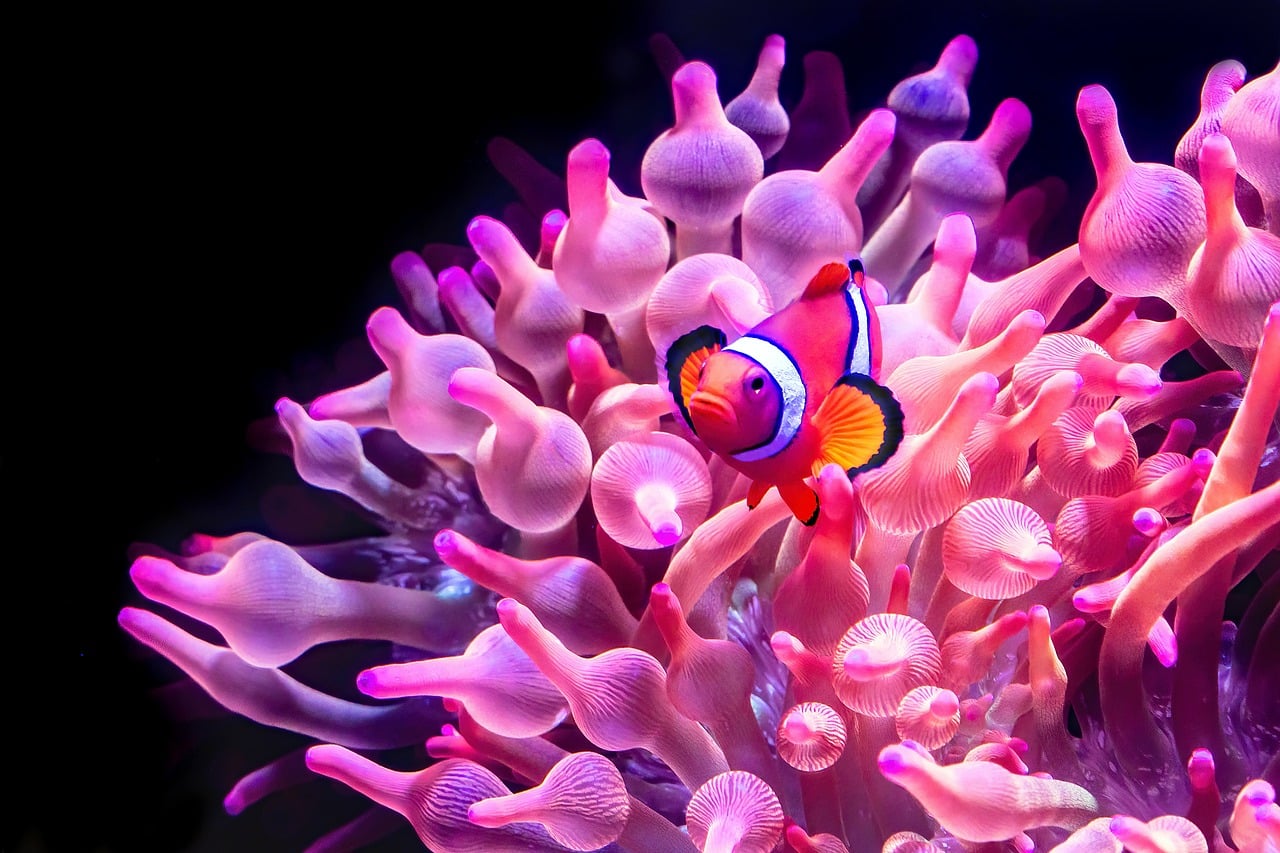
If youâve spent time watching clownfish in a home aquariumâor even just on a screenâyouâve probably noticed that little wiggle. Itâs one of the first things new owners ask about, and honestly, it does look odd. Hard to tell if itâs excitement, a health thing, or just how the fish moves.
Bottom line: clownfish wiggling behavior is one of the most misunderstood things in the saltwater hobby. Not random, rarely a problem. Usually itâs communication. But sometimes it points to something you need to look into.
This article covers what the wiggle actually means, how to tell it apart from other movements like flashing, and what to look for based on your setup. If youâre new to this and trying to figure out your fish, or youâve been around a while and want a clearer picture, this is the practical take you probably wonât get from a quick search.

What Is Clownfish Wiggling? A Quick Overview
Clownfish wiggling is that rapid, side-to-side or up-and-down body movement. Not swimmingâa quick vibration that happens while the fish stays in one spot. Youâll see it near an anemone, next to another clownfish, or even in front of a tank mate itâs sorting things out with.
This isnât the slow, deliberate patrol swimming they do. Not the same as a startled jerk, and not the âshimmyâ from bad water conditions in freshwater fish. The wiggle is controlled, intentional.
If youâre brand new: a relaxed, occasional wiggle is normal. Constant wiggling or a hunched look while doing it? Something else might be going on. Context is everythingâwhat the fish is doing, who itâs near, and how the tank is running.
The Science Behind the Wiggle: Communication and Subordination
Most people donât realize the wiggle isnât just a quirk. Itâs a specific social signal. In the wild, clownfish live in groups with a strict hierarchy. Largest female at the top, a breeding male below, then several non-breeding males. This pecking order is maintained through constant behavioral cues, and wiggling is a big one.
Marine biology research calls this a âsubmissive display.â When a lower-ranking clownfish approaches a dominant one, it wiggles to signal âIâm not a threat.â Prevents aggression. Keeps things stable. Without it, the dominant fish would chase or bully the subordinate constantly.
Thereâs also a bonding function. When a pair forms or a fish gets introduced to a new anemone, the wiggling picks up. Itâs a âweâre in this togetherâ signal. The vibration might also help the clownfish get used to the anemoneâs stinging cellsâmore on that later.
For the home aquarist: if you have a bonded pair and one wiggles at the other, thatâs good news. If a single clownfish wiggles at a different species tank mate, itâs probably just checking social status. Nothing to panic about. Itâs a tool, not a symptom.
Wiggling vs. Flashing: How to Tell the Difference
One common mistake beginners make is confusing healthy wiggling with flashing. Flashing is when a fish rubs its body against rocks, sand, or equipment. Looks aggressive and suddenâlike itâs trying to scratch an itch. Classic sign of external parasites, usually marine ich or velvet.
Hereâs how to tell them apart:
- Speed and duration: Wiggling is rhythmic, lasts a few seconds. Flashing is a fast, one-second rub.
- Body contact: Wiggling happens in open water or near another fish/anemone. Flashing involves physical contact with a surface.
- Context: A fish that flashes does it repeatedly throughout the day, often followed by a small jump. A wiggling fish stays put.
- Secondary symptoms: Flashing usually comes with clamped fins, heavy breathing, white spots, or loss of appetite. A wiggling fish typically looks healthy otherwise.
If you see rapid rubbing against rocks, thatâs not a wiggle. Thatâs a parasite issue. Act fastâquarantine tank and treatment. But a calm, floating wiggle near an anemone? Thatâs normal clownfish behavior. Knowing the difference saves you a lot of unnecessary worry and wrong treatments.

Common Triggers for Wiggling in a Home Aquarium
Wiggling is often social, but certain tank conditions can make it happen more often or more intensely. Knowing these triggers helps you separate normal behavior from a response to something off.
- New tank mate or anemone: Adding a new anemone is probably the most reliable trigger. The clownfish has to get familiar with it, and wiggling is part of that process. Expect a lot of wiggling the first few days, then it should settle.
- Feeding time: Some clownfish wiggle more when they see food. Just excitement. Harmless. If it stops after feeding, youâre fine.
- Water parameter swings: Big water change or a tank out of balance? Your clownfish may wiggle more from stress. Check ammonia, nitrite, nitrate, and salinity. A reliable saltwater test kit is handy for quick checks.
- Aggression from tank mates: If a dominant fish is overly aggressive, the subordinate might wiggle constantly. That means the hierarchy is unsettled. Adding hiding spots or rearranging rockwork can help.
- Stress from poor diet: A malnourished fish or one eating low-quality food may wiggle more because itâs weaker and anxious. A varied diet of quality pellets, frozen mysis, and occasional live foods makes a difference. High-quality clownfish food can help reduce stress-related behaviors.
If you notice increased wiggling and canât link it to any of these, start with water quality. Thatâs almost always the culprit behind behavioral changes that donât have an obvious social or environmental cause.
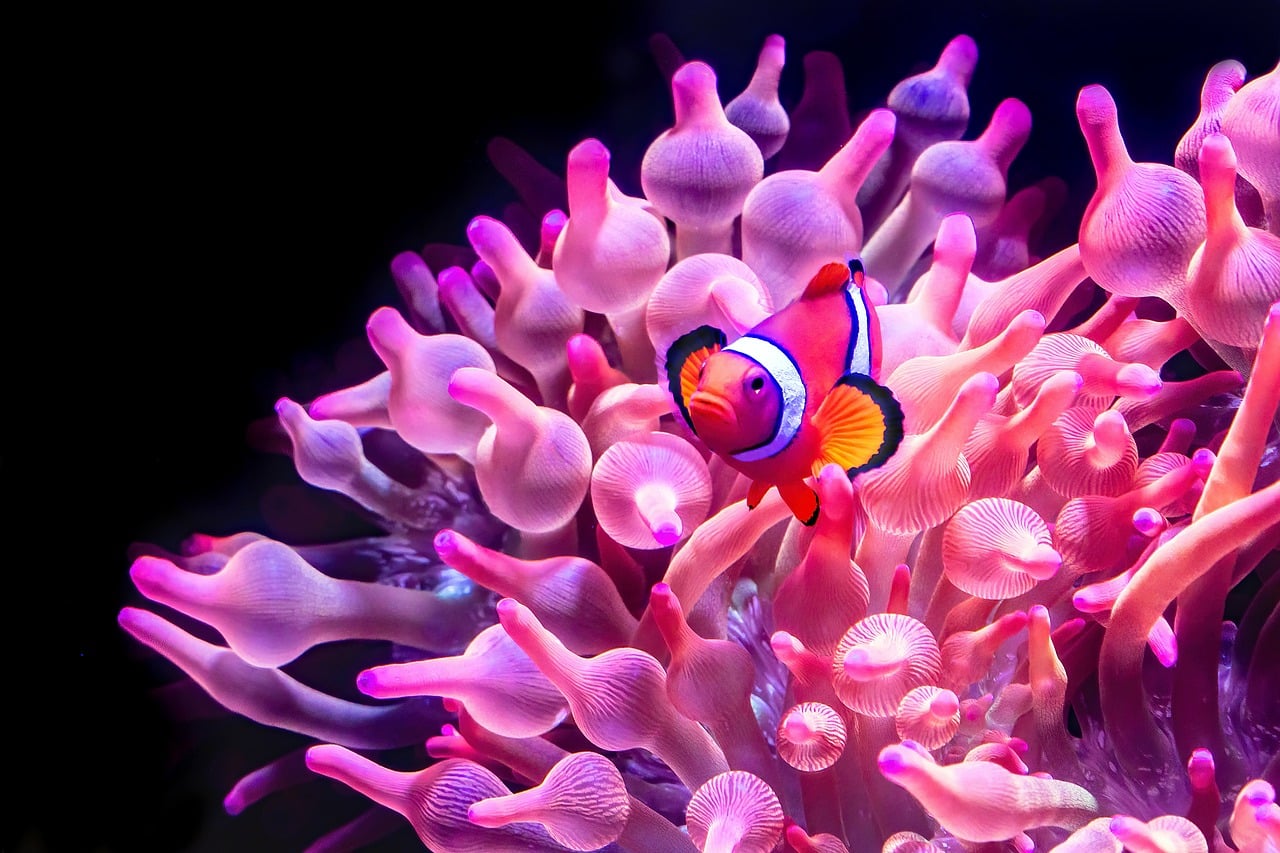
What Your Clownfishâs Wiggle Style Says About Its Mood
Not all wiggles are the same. Watch closely, and youâll start seeing patterns that tell you what the fish is feeling. This is one of the rewarding parts of keeping clownfishâtheyâre communicative, and the wiggle is their main language.
- Slow and rhythmic: Most common. Calm, casual wiggle. Usually near an anemone or its favorite spot. Means the fish is content and settled. The âeverything is fineâ wiggle.
- Rapid and jerky: Fast, short bursts. Thatâs often a submission signal to a larger fish or a response to a new environment. Can also mean mild stress. If paired with hiding, check tank conditions.
- Side-to-side with body tilt: Sometimes a clownfish will tilt and wiggle while facing an anemone. Classic bonding behavior. The fish is saying âIâm friendly.â Good sign if youâve just introduced an anemone.
- Up-and-down bobbing: Less common. Seen during courtship or when a male wants a femaleâs attention. Subtler version of the wiggle. Not aggressive, just focused.
Best way to use this is to establish a baseline for your fish. Spend a few minutes watching each day. Once you know what ânormalâ looks like for your specific clownfish, youâll notice when things change. Thatâs what matters.
The Role of Anemones in Wiggling Behavior
Anemones are a big reason clownfish wiggle so much in the wild, and same goes for home tanks. The relationship is symbiotic, but itâs not instant. A clownfish thatâs never been hosted doesnât automatically know what to do. The wiggle is part of the learning curve.
When a clownfish first meets an anemone, it often approaches cautiouslyâtouching tentacles then pulling back. Over time, it wiggles more intensively near the anemone. Scientists think this helps the fish build tolerance to the anemoneâs stinging cells. The wiggle might spread protective mucus across the fishâs body, or signal the anemone not to fire.
Practical takeaway: if you have an anemone, expect more wiggling. Thatâs normal. The intensity drops as they bond, but the wiggle stays a regular part of their interaction.
If youâre thinking about adding an anemone specifically to see this behavior, a few things to know. Not all clownfish host in captivity. Some species are more likely than others. And anemones need stable water, strong lighting, and regular feeding. Add one for the health of the system, not just for the show.
When Wiggling Signals a Problem: Mistakes to Avoid
Wiggling is mostly normal, but sometimes itâs a red flag. The two common mistakes are panicking over normal wiggling or ignoring stress wiggling until itâs too late. Hereâs how to avoid both.
- Excessive wiggling with no clear trigger: If your clownfish wiggles way more than usual and you canât find a social or environmental cause, water quality is likely the issue. Test immediately. High ammonia or nitrite will make a fish anxious and wiggly.
- Wiggling plus clamped fins: Clamped fins are a classic stress or illness sign. If a wiggling fish has its dorsal or pectoral fins held tight, somethingâs not right. Parasites or bacterial infections are possible.
- Wiggling plus loss of appetite: Healthy clownfish are almost always ready to eat. If itâs wiggling but ignoring food, somethingâs wrong. Check the tank and consider isolating the fish.
- Assuming wiggling is always healthy: New owners read itâs normal and stop paying attention. But if the style or frequency changes, itâs worth investigating. Donât assume itâs harmless just because itâs common.
Good rule of thumb: trust your eyes. If the fish looks comfortable, it probably is. If something feels off, it usually is. When in doubt, do a thorough water test and watch for other behavioral changes.
Species-Specific Wiggle Variations: Ocellaris vs. Percula vs. Maroon
Not all clownfish wiggle the same. If youâre planning to add a specific species, knowing whatâs typical helps you spot abnormal behavior.
- Ocellaris (Amphiprion ocellaris): The classic. Wiggles are usually subtle, slow, deliberate. More wiggling when bonding with a tank mate or anemone. They rarely get aggressive, so their wiggling is almost always submission or bonding. If you have a pair, expect gentle wiggling between them.
- Percula (Amphiprion percula): Very similar to Ocellaris but slightly more skittish. Wiggles can be more rapid in new environments. Once settled, they relax. Theyâre a bit more sensitive to stress, so sudden increases in wiggling should get attention.
- Maroon (Premnas biaculeatus): The most territorial and aggressive of the common clownfish. Their wiggling is often more dramatic and jerky, especially when asserting dominance or chasing. A maroon that wiggles constantly at another fish may be trying to drive it away. They donât wiggle as much for bondingâtheyâre more direct.
- Clarkii or Tomato clowns: Less common. Medium-speed wiggles, somewhere between Ocellaris and Maroon. More independent, so wiggling at the owner during feeding is rarer.
Between Ocellaris and Maroon, wiggling style reflects personality. Ocellaris are easier to read and less aggressive, better for community tanks. Maroons are stunning but need a more experienced handler. Choose based on your setup, not just looks.

Tools for Monitoring and Encouraging Healthy Behavior
You donât need a ton of gear to understand wiggling, but a few things can helpâboth for monitoring and keeping stress low.
- Aquarium camera: A small, waterproof camera like an Aqua-Vu or a budget indoor camera pointed at the tank lets you record behavior when youâre not there. Useful for catching early morning or late evening wiggling you might miss. An underwater observation camera can be a practical addition for tracking behavior over time.
- Water test kit: A reliable kit for ammonia, nitrite, nitrate, pH, and salinity is non-negotiable. Wiggling more than usual? You need to know if the water is the cause. A quality saltwater test kit gives you the data.
- Quality food: Stress-related wiggling can come from poor nutrition. A varied diet reduces anxiety. Look for high-quality pellets or frozen mysis. Avoid flake foods with filler.
- Anemone acclimation tools: Adding an anemone? A drip acclimation kit and a dedicated isolation container reduce stress for both the anemone and your clownfish.
Not flashy purchases, but theyâre the ones that matter. Good observation tools and stable water conditions keep wiggling in the ânormalâ column.
Frequently Asked Questions About Clownfish Wiggling
Do all clownfish wiggle?
Not all, but most do. Itâs a natural part of their social and bonding behavior. Some are more subtle, others very expressive. If yours doesnât wiggle much, itâs not necessarily a problemâdifferent personality, different communication style.
Is wiggling a sign of sickness?
Only if itâs paired with other things like clamped fins, heavy breathing, white spots, or loss of appetite. On its own, itâs normal. Context and frequency matter.
How long does it take for a clownfish to stop wiggling in a new tank?
Usually a few days to a week. Everythingâs new and stressful at first. Once the fish finds a spot and establishes its place, wiggling becomes less frequent and more relaxed. If it continues heavily after two weeks, check water parameters.
Should I worry if my clownfish wiggles at the glass?
Usually means the fish sees its reflection or movement outside the tank. Not harmful. If constant, it can add stress. Moving the tank away from traffic or adding a background can help.
Can a single clownfish still wiggle?
Yes. Even alone, theyâll wiggleâdirected at you, an anemone, or a decoration. Social instinct doesnât disappear just because theyâre alone. Itâs not a cry for a tank mate, just leftover behavior from natural social structure.
Final Thoughts on Clownfish Wiggling Behavior
Clownfish wiggling looks strange at first, but once you understand it, it becomes one of the more charming things about keeping them. Not a glitch or a sign somethingâs wrong. Itâs communication, bonding, and hierarchy management all in one movement.
The main thing is context. A slow, calm wiggle near an anemone? Happy fish. A rapid, jerky wiggle with hiding or clamped fins? Problem. Learning to read your fishâs normal state gives you an early warning system for tank issues and a better connection to whatâs happening inside the glass.
Want to keep your clownfish healthy and expressive? Focus on stable water parameters, a varied diet, and the right tank setup. That keeps wiggling in the ânormalâ zone and out of the âworryâ zone.