Introduction
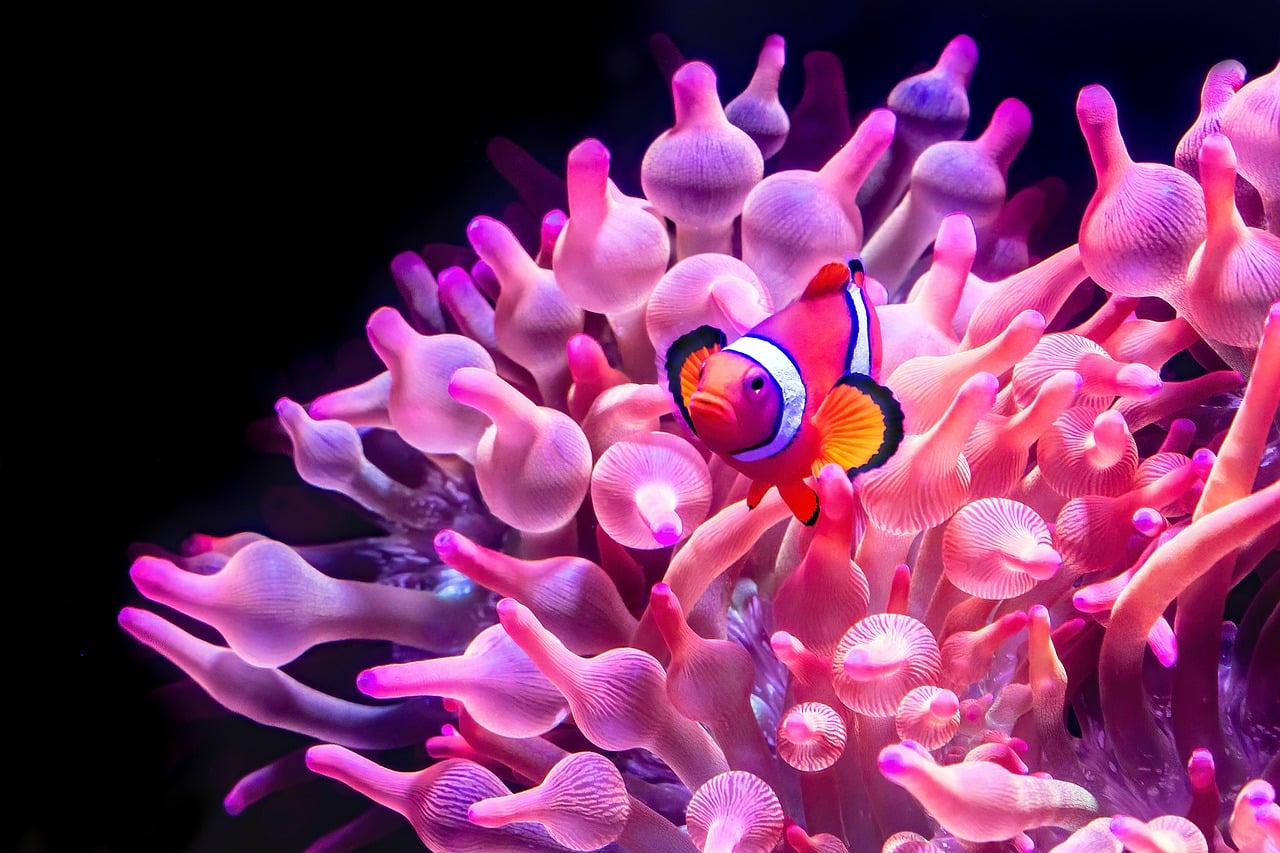
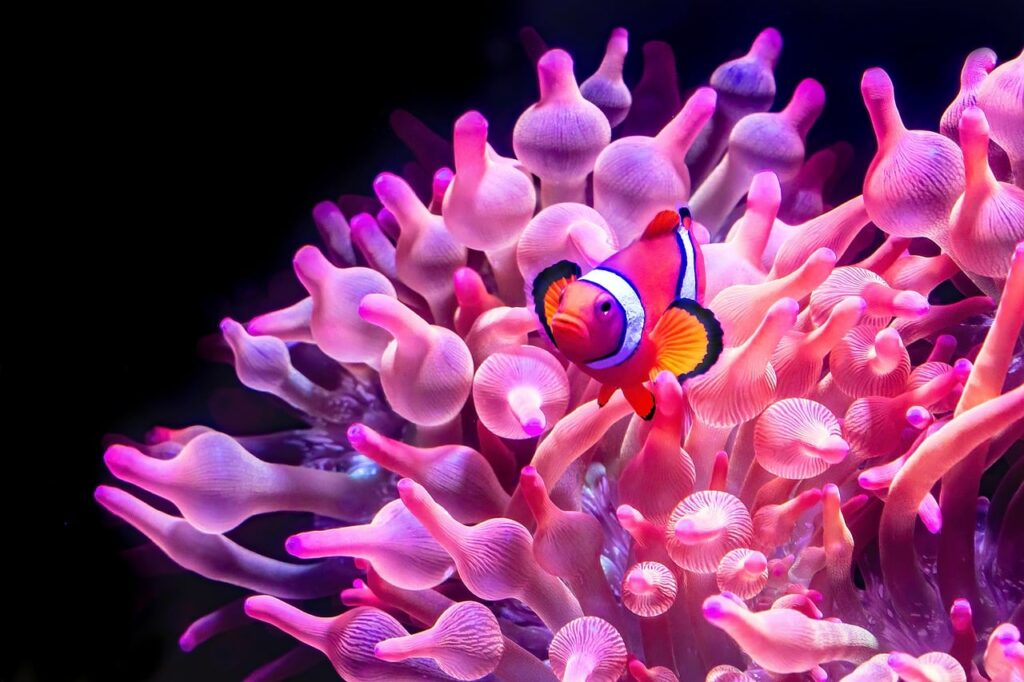
If you want to get face-to-face with clownfish in their natural habitat, a liveaboard is a solid way to do it. These floating dive platforms get you to remote reefs where day boats rarely go, putting you on the best anemone fields at different times of day and often at night. This article is for intermediate to advanced divers who are serious about maximizing their time underwater. If you’re planning a liveaboard clownfish diving trip, you need to know what to expect, where to go, and what gear actually helps. We’re skipping the glossy advertising and getting straight into the logistics, tradeoffs, and practical realities of chasing these territorial fish from a boat.

Why Choose a Liveaboard for Clownfish Diving?
Day boats have limits: they go to the same few sites, they turn around after two dives, and they rarely include night dives. Liveaboards don’t have those constraints. They park near remote reef systems, often for several days, giving you three or four dives per day including night dives when clownfish are more active. This matters because clownfish are territorial and tend to stay in specific anemone patches. A liveaboard lets you spend multiple dives on the same site, observing behavior over time, or hop between different reef zones that harbor different species.
There is a tradeoff. Liveaboards cost more upfront than a shore-based stay. You’re paying for accommodation, meals, air fills, guides, and boat time. But per dive, the cost can be lower than resort diving when you factor in the number of dives. Also, group sizes are smallerâusually 10 to 20 guestsâso you’re not fighting for space on a reef. If you’re serious about finding a specific fish, being able to ask the dive guide to focus on anemone gardens makes a real difference. Resorts often run standard itineraries; liveaboards are more flexible, especially on longer trips.
Top Destinations for Liveaboard Clownfish Trips
The difference between a good clownfish trip and a great one often comes down to destination. Some reefs hold huge numbers of common species; others offer rare finds. Here’s a breakdown of where to go and why.
Raja Ampat: The Clownfish Capital
Raja Ampat is the benchmark for clownfish diversity. Over 30 species have been reported here, including the endemic Raja Ampat anemonefish. Key dive sites like Cape Kri and Manta Sandy are known for dense anemone gardensâCape Kri alone holds over a hundred species per dive. Most liveaboards run 7- to 10-day itineraries, and the best months are October through April when seas are calm and visibility is good. Flights go to Sorong via Jakarta or Bali, and you’ll need to factor in a domestic connection. One practical note: while clownfish are abundant, they can be skittish at high-traffic sites. A liveaboard that visits less-frequented satellite reefs gives you better photo opportunities.
Lembeh Strait: Muck Diving Specialists
Lembeh Strait is not a reef destination. It’s a muck diving paradiseâblack sand slopes, low visibility, heavy currents. But if rare clownfish species are your obsession, this is the place. You’ll find Spinecheek Anemonefish, tomato clownfish, and the occasional pink anemonefish. Liveaboards here are rare; most operators run day boats, but a few offer short liveaboard trips combined with other North Sulawesi sites. Divers who choose Lembeh are usually macro life enthusiasts, not people looking for pretty reefs. If you want to photograph a clownfish peeking out of an anemone in a volcanic sandscape, this is it. Bring patience and a good macro lens.
Philippines (Coral Triangle)
The Philippines offers a mix of clownfish habitats, from shallow coral gardens to deep walls. The Tubbataha Reefs, only accessible via liveaboard from March to June, hold massive anemone fields with false clownfish. The itinerary is limited but intense: 4 to 7 days, 4 dives per day. Another option is the Visayas, where some liveaboards explore Dauin and Apo Island for common species plus the occasional skunk clownfish. Visas are straightforward for most nationalities, and flights to Manila or Cebu are well-connected. Book earlyâTubbataha permits are limited.
Maldives
Maldives has a reputation for big pelagics, but the central atolls also host true clownfish (Amphiprion nigripes) in sea anemones along the outer reefs. Liveaboards here are abundant, with itineraries ranging from 7 to 14 days. The best period is November to April when visibility is high. One advantage: liveaboards in the Maldives are generally larger and more comfortable, with deluxe cabins and camera rooms. The downside is that clownfish encounters are less predictableâyou’re competing with whale sharks and mantas for guide attention. If you want a trip where clownfish are the main target, Raja Ampat or the Philippines offer more reliable sightings.
Red Sea
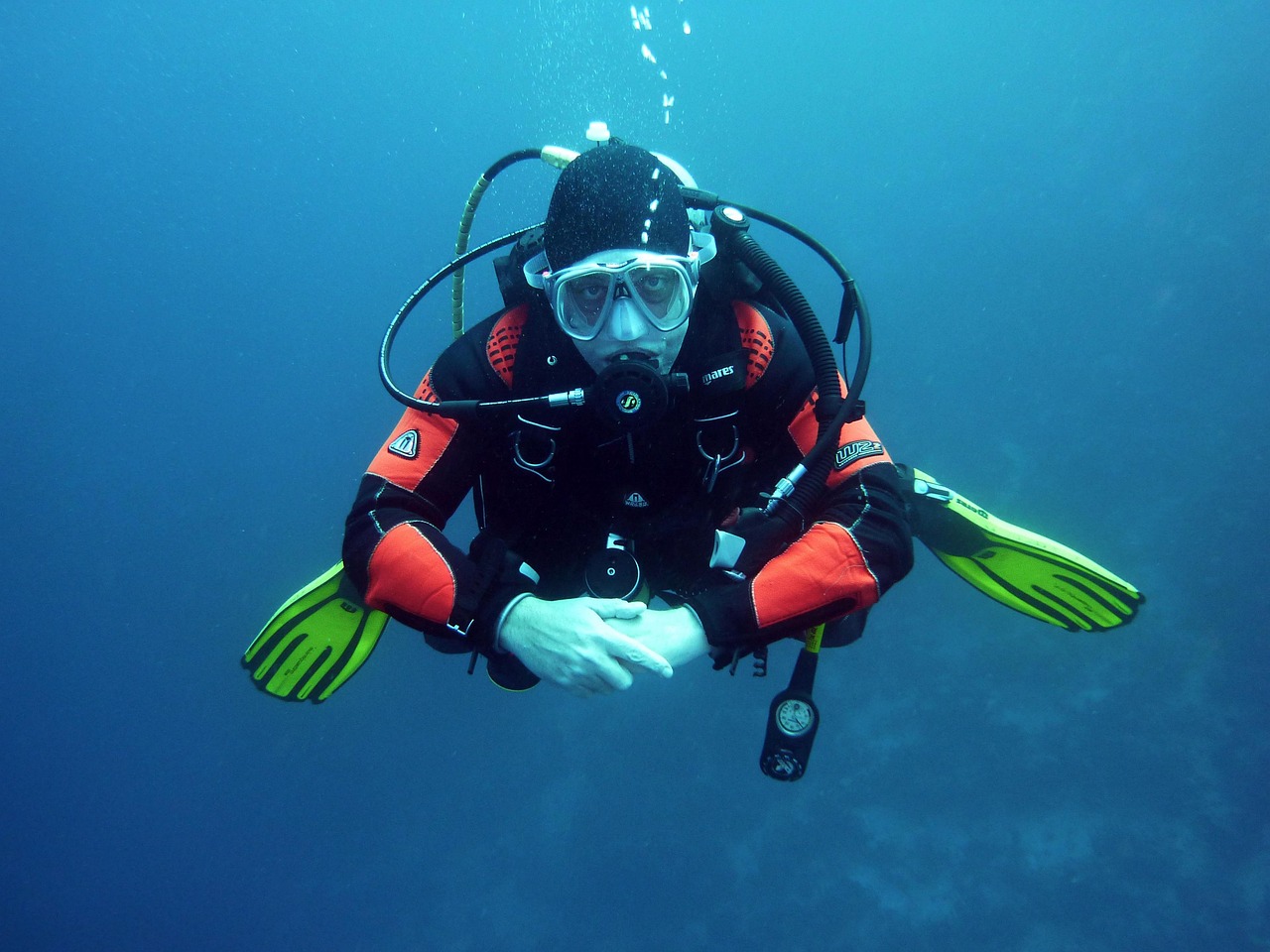
The Red Sea has fewer clownfish species overall, but the ones you do findâlike the Red Sea clownfishâare unique to the region. Liveaboards run from Hurghada or Sharm el-Sheikh, often visiting sites like Ras Mohammed and the Brothers Islands. The season is year-round, though March to May offers warm water and clear visibility. The itinerary is intense: 5 to 7 days, with early starts and strong currents. If you’re a Reef Check or marine biology enthusiast, the Red Sea offers a different perspective on clownfish behavior in a semi-enclosed sea. It’s also generally more affordable than the Pacific options.
What to Expect on a Liveaboard Clownfish Trip
The daily routine is consistent: wake at 6 AM, dive brief at 6:30, first dive at 7. Breakfast follows, then a second dive around 9:30. Lunch, optional third dive, a fourth dive before dinner, and often a night dive after. That’s not a vacation scheduleâit’s a dive marathon. Physically, you need to be comfortable with back-to-back dives and possible currents. Surface intervals become your recovery time.
Many liveaboards now include marine biology presentations or fish ID sessions. These are useful if you’re focused on clownfish. Guides with good local knowledge can point out subtle differences between species that look similar to an untrained eye. Safety is handled: continuous oxygen on board, radios, and often a recompression chamber within range. But you need to bring your own dive computerâlogbooks alone aren’t reliable for tracking repetitive dives. Dive computers give you real-time NDL data. For those who need a reliable model, a dive computer with clear displays and easy controls is worth considering. Don’t leave yours at home.

Best Time of Year for Clownfish Encounters
Seasonality affects clownfish visibility in two ways: water temperature and breeding cycles. Clownfish are more active when water is warm, but peak seasons bring more boats. Here’s a quick calendar for the main destinations:
- Raja Ampat: October to April. Calm seas, 28-30°C water. Peak season is December to February. Book 9 months out.
- Lembeh Strait: Year-round. July to September sees stronger currents, but visibility is still good. Water temp stays around 27-29°C.
- Philippines (Tubbataha): March to June only. This is non-negotiableâthe park closes the rest of the year. Expect 28-30°C water.
- Maldives: November to April. May to October is wet season with lower visibility, though it’s cheaper and less crowded.
- Red Sea: Year-round. March to May offers 24-26°C water and fewer tourists. Summer is hot with more boat traffic.
If you want to photograph clownfish guarding eggs, plan your trip around the new moonâmany species spawn in synchrony. This isn’t a guarantee, but it increases your odds.
Gear You’ll Actually Want for Clownfish Photography
Clownfish are small and fast. You need a camera setup that can handle macro with good lighting. The Olympus TG-6 is a reliable compact choiceâdurable, easy to use underwater, and it has a macro mode that works well with anemone shots. Pair it with a SeaLife Sea Dragon strobe for even lighting. If you’re using a mirrorless camera, a 60mm macro lens is the standard for clownfish photography. Inon strobes are popular for their build quality and consistent output.
Don’t overlook the basics: a focus light helps in low-light conditions (clownfish love shaded anemone crevices). A reef hook or a strap with a carabiner lets you secure yourself in currents. Gloves keep your hands warm and protect you from fire coral. If you’re serious about getting sharp images, a tray with dual strobes will transform your photos. Frequent shooters may want to look into an underwater strobe light set for consistent lighting.
Common Mistakes to Avoid on a Liveaboard Clownfish Trip
Even experienced divers make avoidable errors. Here are the ones I see most often:
Mistake 1: Not checking photography policies. Some liveaboards ban strobes near reefs to protect marine life. Others restrict crab-fishing or flash photography during night dives. Call ahead. If you’re bringing a strobe, confirm the policy before you board.
Mistake 2: Overpacking gear but under-dressing for conditions. I’ve seen divers show up with three cameras but no hooded vest in Raja Ampat. The water can cool down after a few days, especially on deep reef walls. A 3mm wetsuit with a hooded vest is versatile for most tropical liveaboards.
Mistake 3: Rushing dives. Clownfish are shy. If you descend fast and start finning, they’ll vanish into the anemone. Slow down. Spend 10 minutes hovering near an anemone field. The best shots come after you’ve been still for a while.
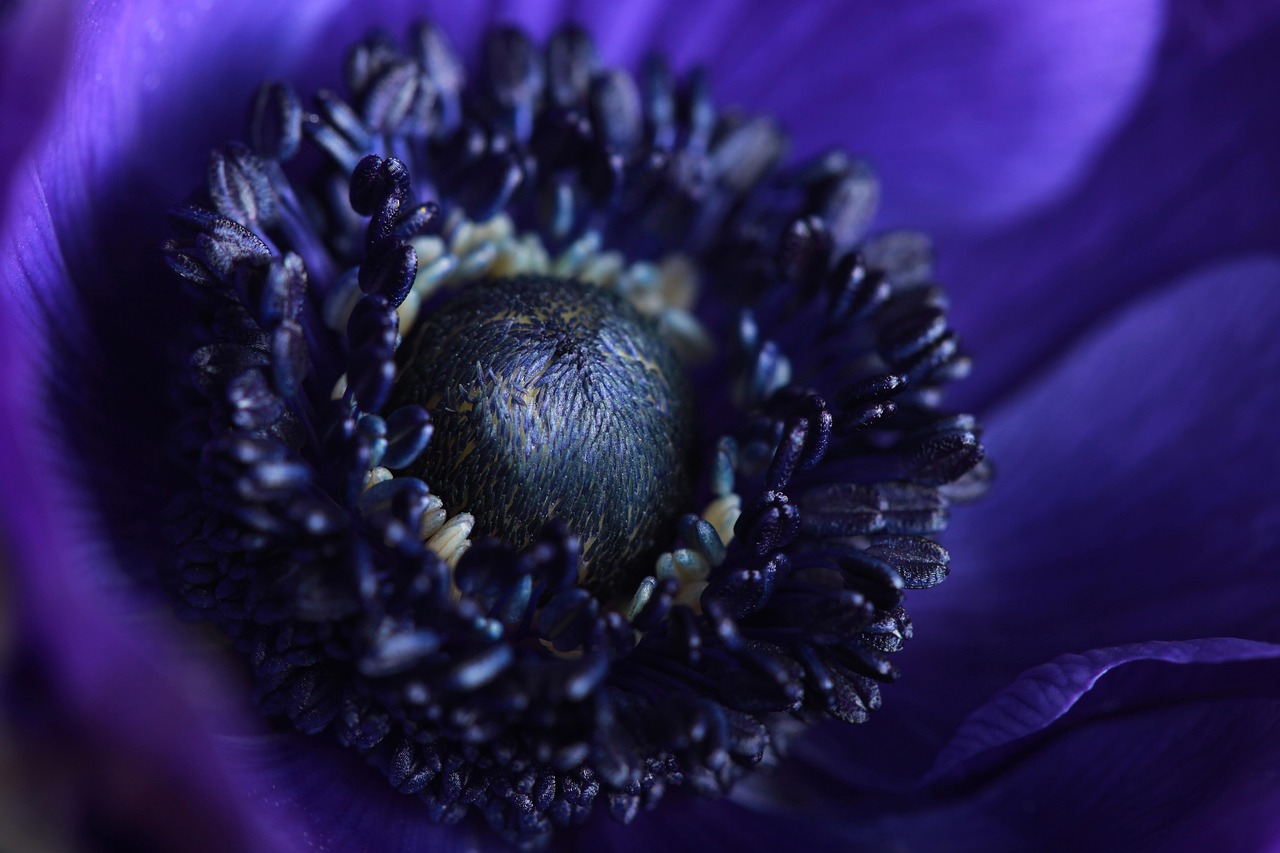
Mistake 4: Ignoring dive briefings about currents. Anemone fields are often in channels with strong currents. Your guide will tell you when to ascend or when to drift. Ignoring that advice can put you in a dangerous situation.
Mistake 5: Touching anemones. Touching an anemone alarms the resident clownfish. They may abandon the host for days. Keep your hands and fins clear. If your buoyancy isn’t good, practice in a pool before a liveaboard.
Mistake 6: Choosing a too-short itinerary. A 4-day liveaboard doesn’t give you enough time to find the best clownfish sites. You’ll do maybe 12 dives. A 7-10 day trip lets you explore multiple reef zones and revisit sites in better conditions.
How to Choose the Right Liveaboard for Clownfish Sightings
Not all liveaboards are built for macro enthusiasts. Some emphasize big animals or wrecks. Here’s how to pick one that fits your goal:
Itinerary focus: Does the boat’s itinerary explicitly mention anemone fields or clownfish reefs? Look for phrases like “anemone gardens” or “coral slopes.” If the itinerary only lists pelagic hotspots, you’ll see fewer clownfish.
Night dives: Clownfish are most active after dark. A liveaboard that does night dives (and has guides who know where the anemone fields are) gives you better chances. Some boats skip night dives altogether.
Guide expertise: Ask about the guides’ marine biology background. A guide who can ID anemone species and knows fish behavior is invaluable. Some boats even have a resident biologist. That’s worth the premium.
Group size: Smaller groups (8-12 divers) mean you can spread out on a reef. Large groups (20+) create noise and bubble clouds that spook fish. If your budget allows, pick a boat with fewer guests.
Camera facilities: A dedicated camera room with charging stations and rinse tanks is a luxury. Without it, you’ll be drying gear on your bunk. If photography is your primary reason for the trip, prioritize this.
Here’s a practical comparison: if you want rare species like the Rajah Amphiprion or Spinecheek Anemonefish, choose a liveaboard in Raja Ampat with a macro focus. If you want consistent false clownfish encounters and overall reef quality, a Philippines liveaboard visiting Tubbataha or the Visayas is safer.
Accommodation and Booking Tips for Liveaboard Trips
Booking a liveaboard requires planning. Lead times for popular destinations are 6 to 12 months. Raja Ampat and Maldives boats often sell out a year in advance. If you’re flexible, last-minute deals appear 30 days before departure, especially for solo travelers. But that’s a gamble.
Accommodation varies widely. Shared dorms are cheapest but lack privacy. Deluxe suites with private bathrooms and large windows are common on mid-range and luxury boats. Cabin location matters: lower deck cabins are more stable in rough seas, but you’ll hear engine noise. Upper deck cabins have better views but roll more. Ask the operator for the cabin’s exact location before booking.
Insurance is non-negotiable. Get one that covers dive-related injuries and evacuation. DAN (Divers Alert Network) is the gold standard. Without insurance, a single chamber visit can cost more than the trip itself. Also check for hidden fees: some liveaboards charge separate port taxes, park fees, or environmental levies that aren’t in the advertised price. Ask for an all-inclusive breakdown before paying.
Real-World Expectations: What Clownfish Will You See?
Let’s be honest: not every dive will yield a clownfish. They are territorial, but they’re also easily spooked. You might spend 40 minutes at an anemone field and only catch a glimpse. That’s normal. The common false clownfish (Amphiprion ocellaris) is abundant, especially in Raja Ampat and the Philippines. But rarer species like the skunk clownfish or the caudal-dotted anemonefish require specific habitats and luck.
Most anemone fields are in deeper waterâ30 to 60 feetâso good buoyancy control is essential. If you sink into the anemone, the fish will retreat. If you hover too high, you miss the detail. This is where a liveaboard’s multiple dives per day pays off: you can practice that precise buoyancy until you get it. Also, patience is everything. The best clownfish photos I’ve seen came from divers who spent 20 minutes breathing slowly in front of a single anemone. That kind of observation builds trust with the fish.

Final Tips for Planning Your Liveaboard Clownfish Diving Trip
To wrap it up: the key to a successful liveaboard clownfish diving trip is choosing the right destination and setting realistic expectations. Raja Ampat gives you the most species. Lembeh offers rare finds but requires macro discipline. The Philippines and Maldives are reliable for false clownfish. The Red Sea is a unique alternative. Book early, bring a macro-friendly camera, and be patient underwater. Your best shots will come when you slow down and let the fish come to you.
For divers preparing for this type of adventure, a quality dive light or torch can be useful for observing anemone details on night dives. The adventure is worth the planning.