Introduction
If you’re looking into clownfish tank size requirements, you’re already on the right track. A lot of new hobbyists grab a clownfish first, only to find a few months later that the tank they bought on a whim isn’t working out. The fish gets stressed, water quality becomes a headache, and what should be a relaxing hobby turns into a chore.
The thing is, clownfish aren’t just tough little fish that can live in anything. They’re active swimmers with specific social and environmental needs, and the size of their home affects everything from their color to their immune system.
Chain pet stores often say 10 gallons is enough for a clownfish. And technically, a single fish might survive there. But surviving isn’t the same as thriving, and this guide is about the latter. By the end, you’ll know what size tank you need whether you want one fish, a bonded pair, or a small community. You’ll also understand why the old “one fish per 5 gallons” rule can cause problems down the road.

Why Tank Size Matters More Than You Think
Water volume equals stability. A 10-gallon tank leaves very little room for error. An ammonia spike that might go unnoticed in a 30-gallon tank can kill everything in a small tank within hours. Clownfish produce a fair amount of waste for their size, especially when they’re eating well. For beginners, a complete 20-gallon aquarium kit gives you the stability you need without going overboard on cost.
Beyond water chemistry, clownfish need horizontal swimming space. They patrol their territory, defend their anemone or favorite cave, and they need room to do that without feeling cramped. A stressed clownfish becomes a hiding clownfish, or worse, an overly aggressive one.
There’s also the long-term planning angle. Most people who buy one clownfish eventually want a second. Then they want some coral, or an anemone, or maybe a goby as a tank mate. If you start with a 10-gallon, you’ve already hit your limit. Upgrading later is expensive and stressful for the fish. Starting with the right size from day one saves time, money, and frustration.
If you’re new to this, a larger tank gives your fish more room and gives you more room for error while you learn water chemistry and maintenance. That alone is worth the extra upfront cost.
Clownfish Tank Size Requirements by Species
Not all clownfish are the same size or have the same temperament. Tank size recommendations change depending on the species. Here’s a practical breakdown for the most common ones.
Ocellaris and Percula Clownfish
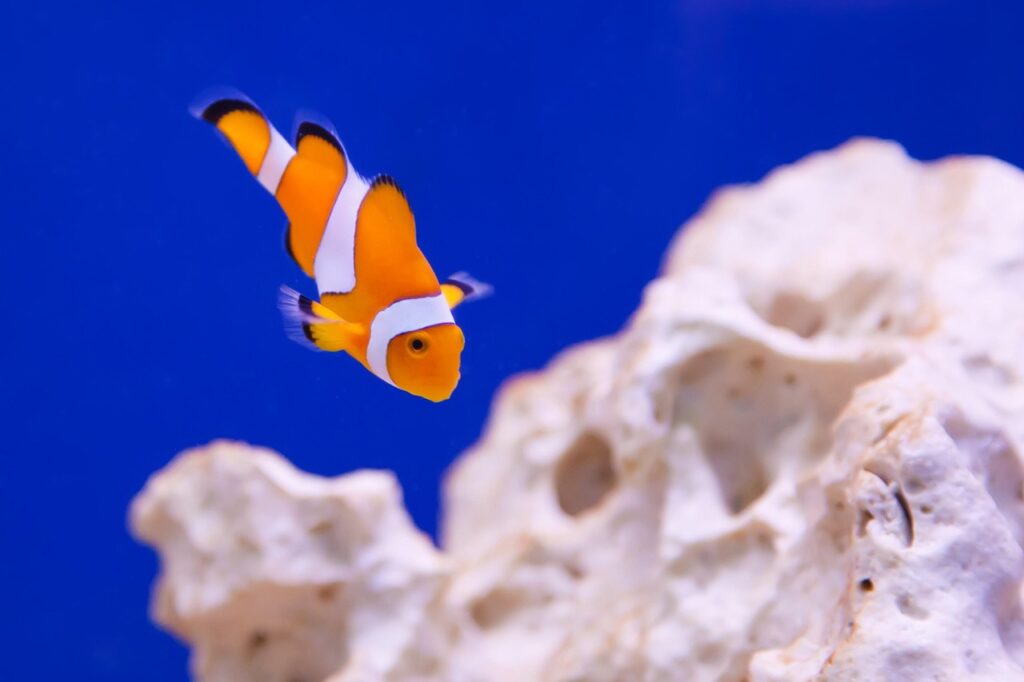
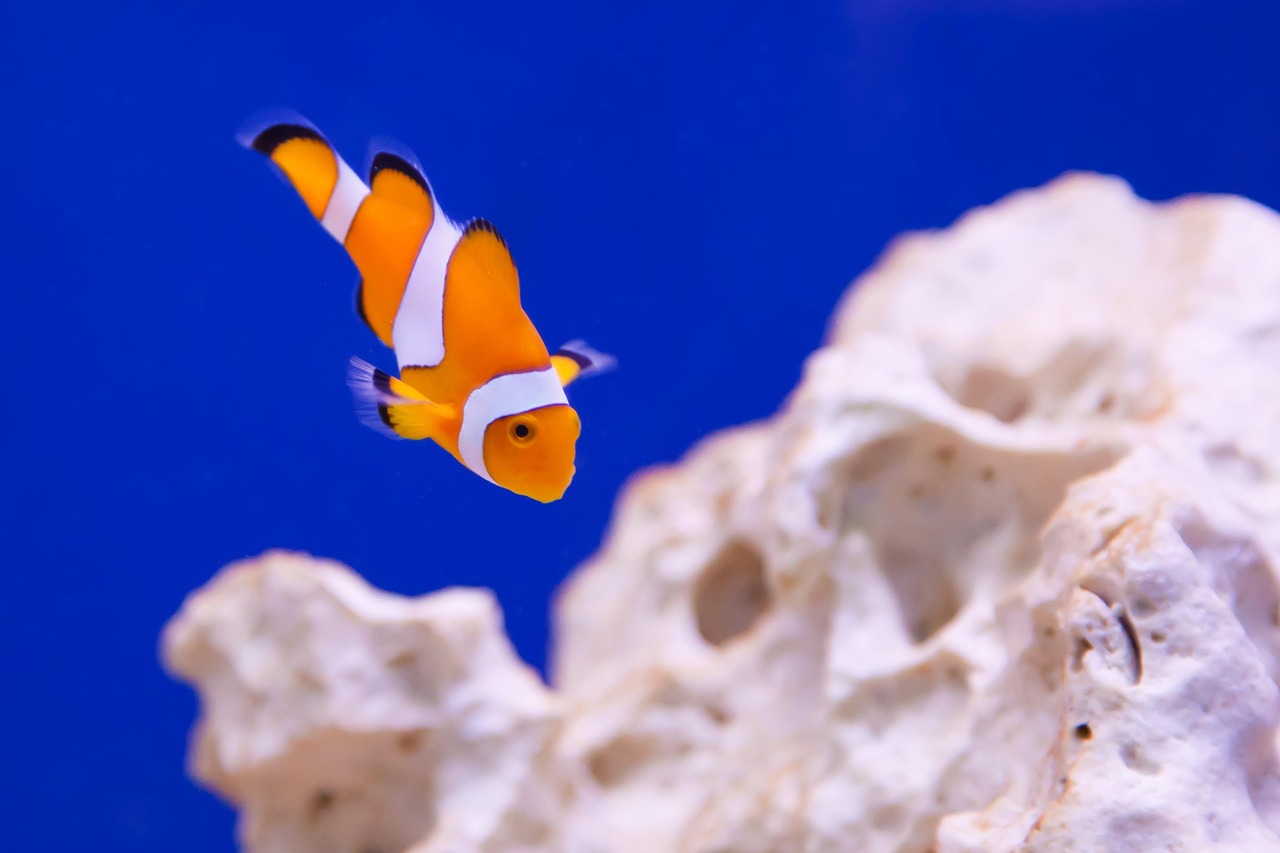
These are the ones everyone recognizes â Nemo and his real-life counterparts. They’re the most popular and generally the most peaceful. For a single Ocellaris, a 20-gallon tank is the realistic minimum. A pair can comfortably live in a 20-gallon long, but a 30-gallon is better if you want to add some soft corals or a small anemone later. For a community tank with other peaceful fish, go with 30 to 40 gallons.
Tomato and Maroon Clownfish
These fish get noticeably larger and more aggressive than Ocellaris. A fully grown Maroon can hit six inches in captivity, and they’re territorial. A pair of Maroons shouldn’t go into anything smaller than a 30-gallon tank, with 40 gallons being the safer bet for keeping the peace. Tomatoes are similar, though usually a touch less aggressive. If you plan to add tank mates, bump up the tank size again â 55 gallons minimum.
Saddleback and Clarkii Clownfish
Saddlebacks are moderate in size but can be feisty. A pair needs at least 25 to 30 gallons. Clarkii clownfish are similar to tomatoes in their aggression. They appreciate a larger territory, so a 30-gallon minimum for a pair is recommended. Both species benefit from having plenty of rockwork to create visual barriers and break up sightlines, which a larger tank makes possible. Hobbyists setting up for these more territorial species may want to look at aquarium live rock for saltwater tanks to create the hiding spots they need.
A quick note on wild versus tank-bred fish. Wild-caught clownfish are often more stressed, more prone to disease, and harder to acclimate. If you’re buying wild fish, go up one size category on tank volume. Tank-bred fish are typically hardier and more adaptable to smaller spaces, but they still benefit from larger volumes.

The Minimums vs. The Recommendation: An Honest Comparison
There’s a gap between what a clownfish can survive in and what it thrives in. Understanding that gap matters because it affects your experience as much as the fish’s health.
A single Ocellaris in a 10-gallon tank can live for years if you stay on top of water changes, feed carefully, and keep parameters stable. But it’s not easy. That 10-gallon tank needs weekly water changes of 25 percent minimum. Any break in routine causes a swing. You also can’t add any tank mates, and the fish may become territorial toward you as the only thing in its environment.
Compare that with a 20-gallon tank. You now have twice the water volume. Ammonia and nitrate build up slower. You can do biweekly water changes and still maintain good quality. The fish has room to swim, you can add a few snails or a shrimp, and the tank is far more stable. The maintenance is actually easier because the system is more forgiving.
The honest tradeoff is cost and space. A 20-gallon tank costs more initially and takes up more room. But the long-term reliability and reduced stress on both you and the fish make it the better choice for almost everyone. If you absolutely can’t fit a 20-gallon tank, a 10-gallon can work, but only for a single clownfish, only if you’re diligent about maintenance, and only if you accept the limitations.
To put it simply: a 10-gallon tank keeps a clownfish alive. A 20-gallon tank keeps a clownfish healthy. The difference sounds small, but it matters enormously in practice.
Single Clownfish Tank Sizing: Simplicity vs. Social Needs
Some people genuinely only want one clownfish, and that’s fine. A single Ocellaris can do well in a 20-gallon tank. A 15-gallon tank is also workable with disciplined maintenance. I don’t recommend a 10-gallon for a single fish unless it’s your only option and you fully understand the maintenance commitment.
The social aspect is worth mentioning here. Clownfish are naturally found in groups with a dominant female and one or more males. A lone fish misses that social structure. That’s not cruel by any means â many single clownfish live long, happy lives. But you need to provide more enrichment in the form of live rock, caves, and regular interaction. A bare 10-gallon tank with one fish isn’t a good environment. A 20-gallon tank with thoughtful aquascaping gives that fish a territory to patrol and explore.
If you ever think you might add a second clownfish later, start with the 20-gallon. Adding a second fish to a small tank later on is much harder because the established fish will be more territorial in a confined space.
Tank Size for a Pair of Clownfish: The Standard Setup
This is the most common scenario. A mated pair of clownfish makes an iconic centerpiece for any saltwater tank. For most species, a 20 to 30-gallon tank is the sweet spot.
Between those two sizes, I lean toward the 20-gallon long over a 20-gallon high. The longer footprint gives more horizontal swimming space and a larger surface area for gas exchange. Clownfish swim side to side, not up and down. A tall, skinny tank gives them vertical space they rarely use. A 30-gallon tank is even better because it provides that longer footprint with more depth, making it easier to build interesting rock structures.
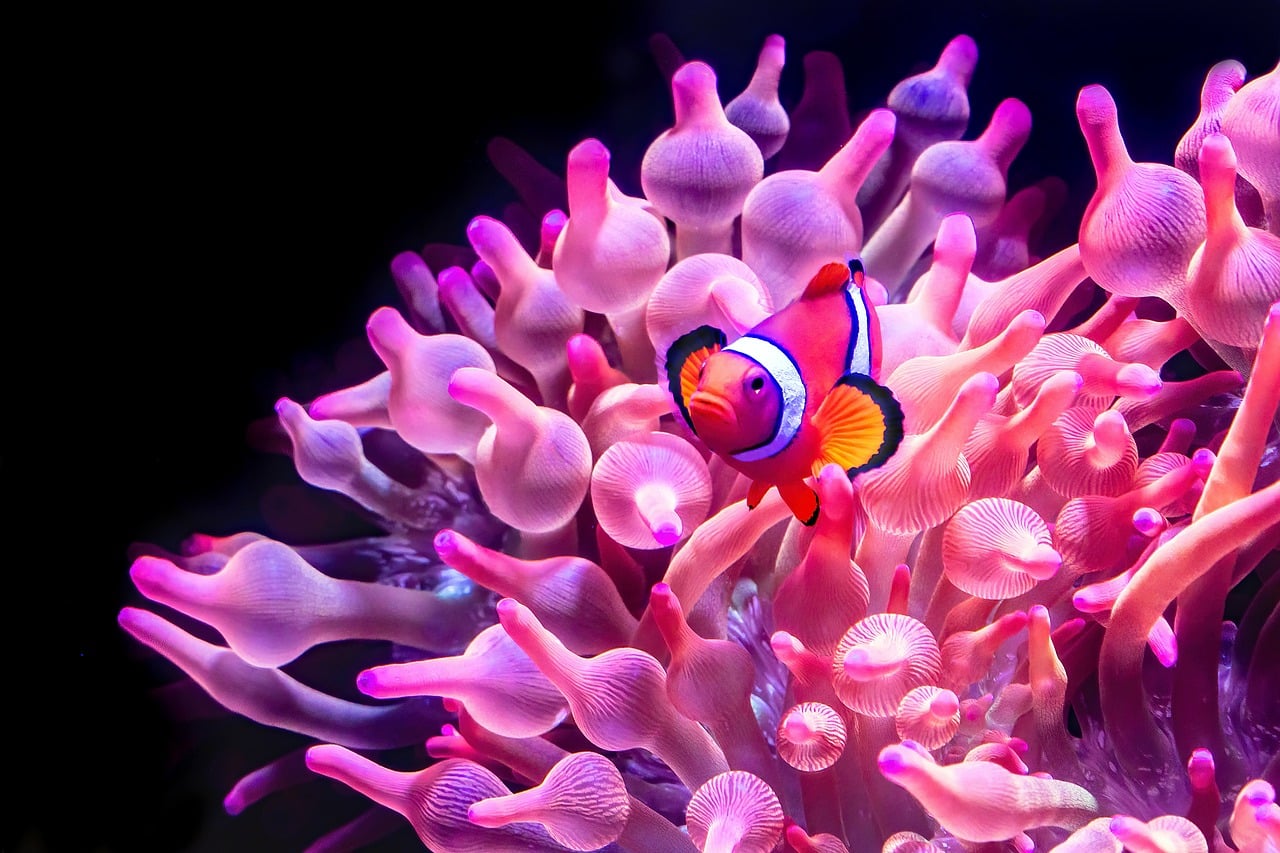
If you plan to add an anemone, go with the 30-gallon. Anemones need stable water parameters that are easier to maintain in larger volumes. They also need specific lighting that adds heat, and a 30-gallon tank handles temperature swings better than a 20. When setting up for an anemone, consider LED reef aquarium lights for 30 gallon tanks that can provide the intensity anemones need.
When introducing a pair, always buy a bonded pair from a reputable source. Don’t buy two small clownfish and hope they pair up naturally. In a smaller tank, two unpaired clownfish can fight to the death. A bonded pair that’s already established will settle in smoothly.
Community Tank Sizing: Adding Tank Mates the Right Way
Once you want more than just clownfish, tank size requirements jump significantly. A 30-gallon tank is the absolute minimum for a pair of Ocellaris with one peaceful tank mate like a small goby. You can squeeze a firefish in there if you’re careful with aquascaping, but it’s tight.
For a proper community â say, a pair of clowns, a goby, a blenny, and maybe a small wrasse or a firefish â plan on a 40 to 55-gallon tank. That volume gives each fish enough personal space and provides enough water volume to handle the combined bioload.
If you want to add any tangs, angelfish, or larger active fish, jump up to at least 75 gallons. A yellow tang, for example, needs swimming room and produces a lot of waste. Clownfish will do fine in that setting, but they become one fish among many. The tank size is dictated by the largest, most active fish in the tank.
Stocking level isn’t just about inches of fish per gallon. It’s about behavior. A pair of clowns will claim a third of the tank as their territory. If you overcrowd that territory with other fish, aggression follows. A larger tank allows you to create multiple territories through rock work, reducing conflict and stress for everyone.
Common Mistakes When Choosing a Clownfish Tank
Here are the most frequent errors I see beginners make when sizing a tank for clownfish.
Mistake one: buying the smallest possible tank. A 5 or 10-gallon tank is often marketed as a ‘nano reef starter.’ It’s not a good home for a clownfish. Marine fish, especially clowns, are more active than freshwater fish and need space. Don’t assume the fish will stay small â maroon clowns reach six inches, and even ocellaris can hit three inches.
Mistake two: forgetting equipment footprint. That 20-gallon tank you picked out doesn’t hold 20 gallons of usable water. A heater takes up room. A filter intake and output take up space. A powerhead for flow takes up more. Live rock displaces a significant volume of water. The actual water volume your fish have is 70 to 80 percent of the tank’s listed size. Account for this when choosing your tank dimensions.
Mistake three: underestimating the difficulty of small tanks. A smaller tank is harder to cycle, harder to keep stable, and less forgiving of mistakes. Beginners typically have more water quality swings, not fewer. Start with a larger tank to give yourself a buffer while you learn.
Mistake four: skipping the lid. Clownfish can and do jump out of open tanks. They get startled, chase each other, or just explore a bit too eagerly. A proper lid or mesh cover is cheap insurance. A fish on the floor isn’t coming back. A mesh aquarium cover for a 20 gallon tank is a simple solution that prevents jumps while allowing gas exchange.
What About Nano Tanks? Are They Ever a Good Fit?
Nano tanks â anything from 5 to 10 gallons â are popular for desktops and small apartments. Can you keep a clownfish in one? Technically, yes, a single Ocellaris can live in a well-established 10-gallon nano tank if you’re experienced, have excellent filtration, and perform frequent water changes. Is it ideal? No.
Even in a perfectly maintained 10-gallon nano, your parameters will swing more than in a larger tank. A missed water change or an overfeeding event can spike nitrates overnight. The fish will be stressed, and a stressed clownfish is more likely to get sick or become aggressive.
Nano tanks also limit your options severely. You can’t put an anemone in a 10-gallon because the lighting and stability requirements are too demanding. You can’t add a tank mate because the bioload is maxed out. You have one fish, one rock, and a lot of maintenance.
If you must go nano, do it right. Use a quality hang-on-back filter rated for at least 20 gallons. Do weekly water changes of 30 percent. And don’t add any other livestock. Even then, expect to work harder for the same result you would get from a 20-gallon tank with half the effort.
Tank Size, Filter, and Equipment Pairing: Getting the Combo Right
A tank is only as good as the equipment supporting it. You can’t throw a 20-gallon tank on a shelf with a tiny filter and expect it to thrive.
Filtration: For a 20-gallon tank with two clownfish, you want a filter rated for at least 40 gallons. That overrated capacity gives you margin for waste production and keeps the water cleaner. A hang-on-back filter is fine for most setups. A canister filter is better for larger tanks or community setups. A sump is ideal if you want to hide equipment and add a refugium, but that’s overkill for a simple pair.
Heater: The standard is 5 watts per gallon. A 20-gallon tank needs at least a 100-watt heater. A 30-gallon tank needs a 150-watt heater. Two smaller heaters are better than one large one because they provide redundancy â if one fails, the other can still maintain some heat. Clownfish are tolerant of normal tropical tank temps of 76 to 80 degrees, but stability matters more than the exact number.
Lighting: If you’re fish-only, you don’t need expensive lights. Standard LED strips are fine for showing off your fish. If you plan to keep an anemone or corals, lighting becomes a major factor. A deeper tank (like a 20-gallon high) needs more powerful lights than a shallow tank (like a 20-gallon long) because light penetrates less efficiently through deep water. Think about your lighting plans before choosing your tank dimensions.
Final Recommendations: The Best Tank Sizes for Your Goals
Here’s a quick reference to help you decide based on your specific situation.
Single clownfish only: 20-gallon tank. Gives enough space, stability, and room for a nem or a shrimp if you change your mind later.
Mated pair, fish only: 20-gallon long or 30-gallon. Both work well. The 30-gallon offers more aquascaping flexibility.
Mated pair with anemone: 30-gallon minimum. Larger volume makes parameter stability possible for the anemone.
Community tank with peaceful tank mates: 40 to 55-gallon. Gives each fish its own territory and allows for stable bioload management.
Mixed community with tangs or larger fish: 75-gallon or larger. The tank size is for the big fish, but the clowns will be comfortable.
Frequently Asked Questions About Clownfish Tank Sizes
Can a clownfish live in a 5-gallon tank? No, not long-term. A 5-gallon tank can’t offer stable water quality, swimming space, or enrichment. It’s not suitable for a marine fish of any kind.
Do I need a bigger tank for a mated pair? Yes. A single fish can get by in a 20-gallon, but a pair benefits from at least 20 to 30 gallons. The extra space reduces aggression and gives them room to establish territory without constantly bumping into each other.
Is a 30-gallon tank enough for two clowns and an anemone? Yes, with proper setup. A 30-gallon tank with stable parameters, good lighting, and a powerful filter can support a bubble tip anemone alongside two Ocellaris clownfish. It’s a popular combination and works well for intermediate hobbyists.
Can I upgrade to a larger tank later? Yes, many hobbyists start small and upgrade. But upgrading is costly, stressful for the fish, and involves breaking down and resetting an entire system. It’s always easier and cheaper to start with the right size from the beginning.
Final Thoughts: Start With the Right Size and Save Yourself the Headache
The takeaway is this: clownfish tank size requirements aren’t just about keeping a fish alive. They’re about creating a stable, low-stress environment where your clownfish can behave naturally, stay healthy, and become the centerpiece of your tank that you were hoping for.
For most hobbyists, the 20 to 30-gallon range is the practical sweet spot. It gives you room to work, enough stability to forgive beginner mistakes, and the flexibility to add a few choice tank mates or an anemone later on. It’s not the cheapest option, but it gives you the best long-term results with the least frustration.
If you’re still in the planning phase, think about where you want to be a year from now. Starting with the right size today saves you the hassle of upgrading, the stress of water quality battles, and the disappointment of a fish that never quite settles in. Get the tank right first and everything else becomes easier.