The Future of Coral Reefs: Hope and Action – A Practical Guide for Visitors
The Future of Coral Reefs: Hope and Action for Your Next Snorkel Trip
Let’s get straight to it. You’ve seen the headlines about bleached skeletons and empty oceans. That story is real, but it’s not the whole picture. This article is for travelers and snorkelers planning a tripâpeople who want to see vibrant reefs and leave them better than they found them. I’ve spent time on reefs from the Florida Keys to the Indo-Pacific, watching restoration projects and talking to the people running them. This isn’t about doom-scrolling. It’s about practical, tangible actions you can take right now. The future of coral reefs is being rewritten, and you have a role in that story.

Is There Really Hope for Coral Reefs? A Realistic Look
The news is heavy with coral bleaching and ocean acidification. I won’t pretend those aren’t massive problems. They are. But what often gets left out: reefs are incredibly resilient. In some areas, they’re showing signs of recovery that seemed impossible a decade ago.
Take the Coral Restoration Foundation in the Florida Keys. They’ve outplanted thousands of nursery-grown corals, and you can see the difference at Key Largo’s Molasses Reef. Then there’s Lord Howe Island in Australia. Strict tourism management and natural recovery brought back significant coral cover after a bleaching event. This isn’t blind optimism. It’s evidence-based hope. Recovery requires active intervention, not just leaving things alone. We’re seeing growing evidence that restoration methods are working at scale, especially with local protections. Understanding this reality is crucial for planning a trip that contributes to the future of coral reefs.
5 Proven Coral Restoration Methods (And How You Can See Them)
You don’t need a PhD to understand how reefs are being saved. Here are five methods that are working right now, and where you can see them in action on your next trip.
1. Coral Gardening (Nurseries)
Fragments of coral are grown in underwater nurseries before being outplanted onto degraded reefs. It’s like a tree nursery, but underwater. See it at the Coral Restoration Foundation in Key Largo, Florida.
2. Microfragmentation
This technique involves breaking corals into tiny pieces to speed up growth dramatically. It’s how slow-growing boulder corals can be restored faster. Visit Mote Marine Laboratory’s Elizabeth Moore International Center for Coral Reef Research & Restoration in the Florida Keys.
3. Larval Propagation
Scientists collect coral spawn during mass spawning events, rear the larvae in tanks, and then settle them onto new reefs. It’s a cutting-edge method being pioneered by the SECORE International project. You can see their work in Curaçao.
4. Artificial Reefs
Sunk ships, concrete modules, or even 3D-printed structures create a hard substrate for corals to attach to. The USS Oriskany off Pensacola, Florida is a famous example, but smaller-scale projects are everywhere, like the reef balls used in the Maldives.
5. Assisted Evolution
Researchers are selectively breeding corals that are more heat-tolerant or disease-resistant. It’s the long game, but it’s how we’re building a more resilient future. The Australian Institute of Marine Science is a leader here, with tours available in Townsville.
Understanding these methods gives you a framework for seeing the future of coral reefs in action. It also helps you choose tours that are genuinely restorative.
What to Look For When Booking a Reef-Safe Snorkel or Dive Tour
Not all tours are created equal. The right operator makes your trip safer and directly supports the future of coral reefs. Here’s your checklist:
- Mooring buoys, not anchors: Anchors destroy coral. A good operator uses fixed mooring lines. Ask them directly if you don’t see them.
- Reef-safe sunscreen education: Do they provide or require reef-safe sunscreen? Do they explain why? Bad operators ignore this. Good operators make it a policy.
- Small groups (12 or fewer): More people means more fins, more contact, more sediment. Small groups are better for the reef and better for your experience.
- Local guides with conservation knowledge: A guide who can point out a restored coral and explain the species is worth their weight in gold. They also manage your behavior on the reef.
- Supports a restoration project: Does the operator donate a portion of proceeds or actively participate in a restoration program? This is a strong signal of commitment.
Choosing an operator that checks these boxes means your money goes toward keeping the reef alive. It’s the single most impactful decision you can make as a visitor.

Gear Check: What to Pack for a Conservation-Minded Trip
Your gear choices physically impact the reef. Packing the right items is a simple, direct action you can take. Here’s what I use and recommend.
Reef-Safe Sunscreen
This is non-negotiable. Avoid sunscreens containing oxybenzone and octinoxate; these chemicals cause coral bleaching within 24 hours. I use Stream2Sea sunscreen. It’s mineral-based (zinc oxide or titanium dioxide), reef-friendly, and actually works. It’s a bit thicker, but it’s worth it.
Long-Sleeve Rash Guard
A good rash guard reduces the amount of sunscreen you need. For a great option, look for a UPF 50+ rash guardâit’s comfortable, dries fast, and blocks UV without a chemical layer. It’s better for the reef and your skin.
Reusable Water Bottle
Single-use plastic is a massive ocean pollutant. Pack a reusable water bottle to stay hydrated without adding to the problem.
Mesh Bag for Trash
Bring a lightweight mesh bag on snorkels to collect any trash you see. It’s a small habit that keeps the reef clean. A mesh bag designed for snorkel trips is ideal.
Your gear choices directly affect the future of coral reefs. Packing these four items is a simple, effective way to start.
Mistakes to Avoid: How Not to Undermine Reef Recovery
Even with the best intentions, tourists can cause damage. Here are the mistakes that hurt recovery efforts.
- Touching the coral: Even a gentle touch can damage the coral’s protective mucous layer and kill it. Look, don’t touch. Period.
- Using non-reef-safe sunscreen: As mentioned, oxybenzone causes bleaching. This is a direct line to reef damage.
- Feeding fish: It disrupts their natural behavior, can spread disease, and creates dependency. No bread, no fish food.
- Walking on the reef at low tide: This crushes corals that are already exposed to air. It’s lethal. Stay on the sand or in the water.
- Buying coral souvenirs: Dead coral is often live coral that’s been harvested illegally. Avoid it entirely. Buy local crafts instead.
These actions are well-documented to cause real harm. Being aware is the first step to being part of the solution for the future of coral reefs.
How to Identify a Healthy Reef vs. a Struggling One
Knowing what to look for helps you gauge the health of the reef. This is a practical skill for any snorkeler or diver.
Signs of a Healthy Reef
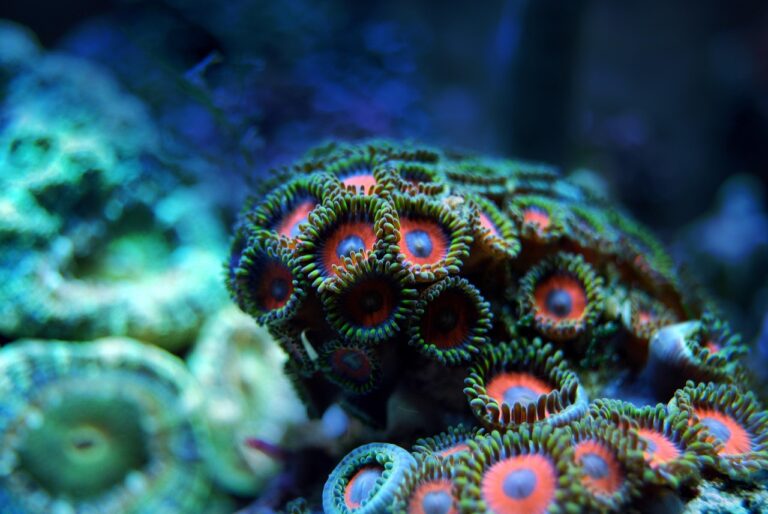
- Vibrant colors: pinks, purples, greens, oranges
- Lots of fish: schools of damselfish, parrotfish, surgeonfish
- Clear water: low sediment and algae
- Hard coral structures with small, visible polyps
- Diverse shapes: branching, table, brain, massive corals all present
Signs of a Struggling Reef
- Pale or bleached white sections
- Few fish or only a couple of species
- Lots of algae (especially hair algae) covering the coral
- Rubble instead of stable reef structure
- Dead or broken coral pieces
For a stark comparison, look at the reefs in Raja Ampat, Indonesia (exceptionally healthy) versus many in the Caribbean (heavily degraded, though some are recovering). This skill lets you quickly see the impact of restoration efforts and the challenges ahead.
Supporting Reef Conservation Without Leaving Home
You don’t have to be on a trip to make a difference. The future of coral reefs depends on support from everyone.
- Donate to a project: Organizations like the Coral Reef Alliance or SECORE International do focused, effective work on the ground.
- Adopt a coral: Many restoration projects, including the Coral Restoration Foundation, offer ‘adopt a coral’ programs. You fund the outplanting of a specific coral piece for a small fee.
- Reduce your carbon footprint: Fly less, drive less, and choose renewable energy. Coral bleaching is driven by rising ocean temperatures.
- Choose sustainable seafood: Overfishing destroys reef ecosystems. Use Seafood Watch guides to avoid species that damage coral habitats.
These actions build a broader movement that no single trip can. The future of coral reefs isn’t just a tourism issue; it’s a global one.
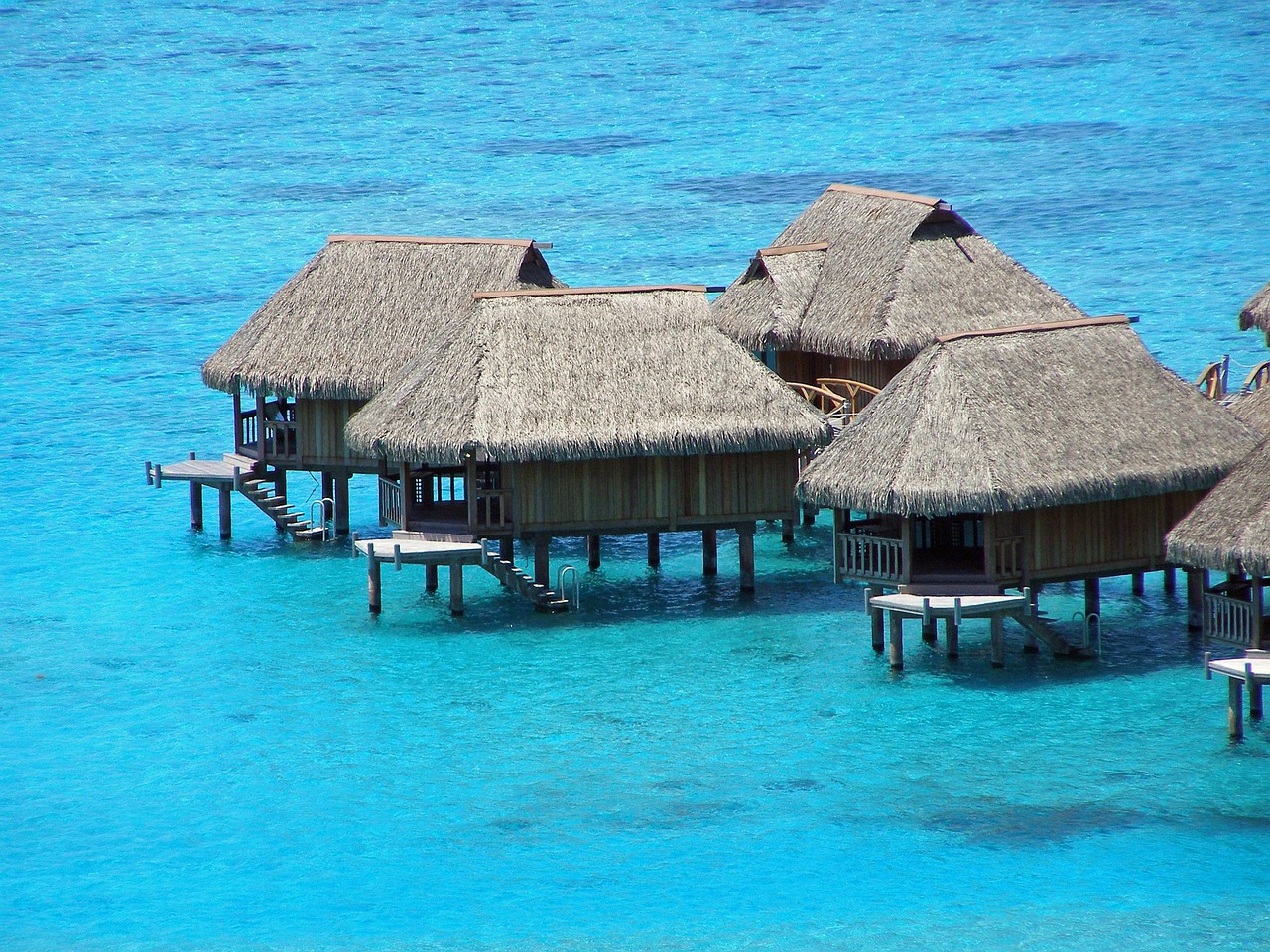
The Role of Eco-Resorts in Reef Protection
Where you stay matters. Eco-resorts aren’t just a marketing buzzword; they actively protect the reef. Here’s what sets them apart:
- On-site water treatment: Stops sewage and runoff from polluting the reef
- Renewable energy: Reduces the resort’s carbon footprint
- No single-use plastics: Eliminates a major source of ocean debris
- Own coral nursery: Some resorts, like Misool Eco Resort in Raja Ampat, run their own restoration program
Real-world examples: Misool Eco Resort offers a stunning experience with direct reef impact. Lizard Island Resort in Australia partners with the Great Barrier Reef Marine Park Authority. The tradeoff is costâthese properties are pricier. But your money directly funds conservation, not just a room. Choosing an eco-resort is a high-impact decision for the future of coral reefs.

Final Thoughts: Your Role in Shaping the Future of Coral Reefs
Here’s the bottom line: The future of coral reefs isn’t a foregone conclusion. It’s being written right now by scientists, local communities, and by travelers like you. The decisions you makeâwhich operator you book, what sunscreen you pack, which resort you chooseâare votes for a better outcome. Visit responsibly. Support restoration. Share what you learn. Use the checklist in this article for your next trip and help write a better future for our coral reefs. It’s not just about avoiding harm. It’s about being an active, positive force in the most important ecosystem on the planet.