Best Powerheads and Wavemakers for Reef Tanks: A Practical Buyer’s Guide
Why Flow Matters in a Reef Tank
If you’re setting up a new reef tank or upgrading an existing one, the single most important thing you’ll add after your rock and lighting is water movement. It’s not just about circulating water — it’s about creating healthy conditions for your corals and fish.
Good flow in a reef tank does several jobs at once. It brings nutrients and dissolved oxygen to your corals while carrying away waste products. It keeps detritus suspended so your filtration can remove it. It reduces the likelihood of dead spots where cyano or algae take hold. Without adequate movement, you’ll start seeing issues quickly — pale coral tissue, poor polyp extension, or even tissue necrosis in sensitive SPS colonies.
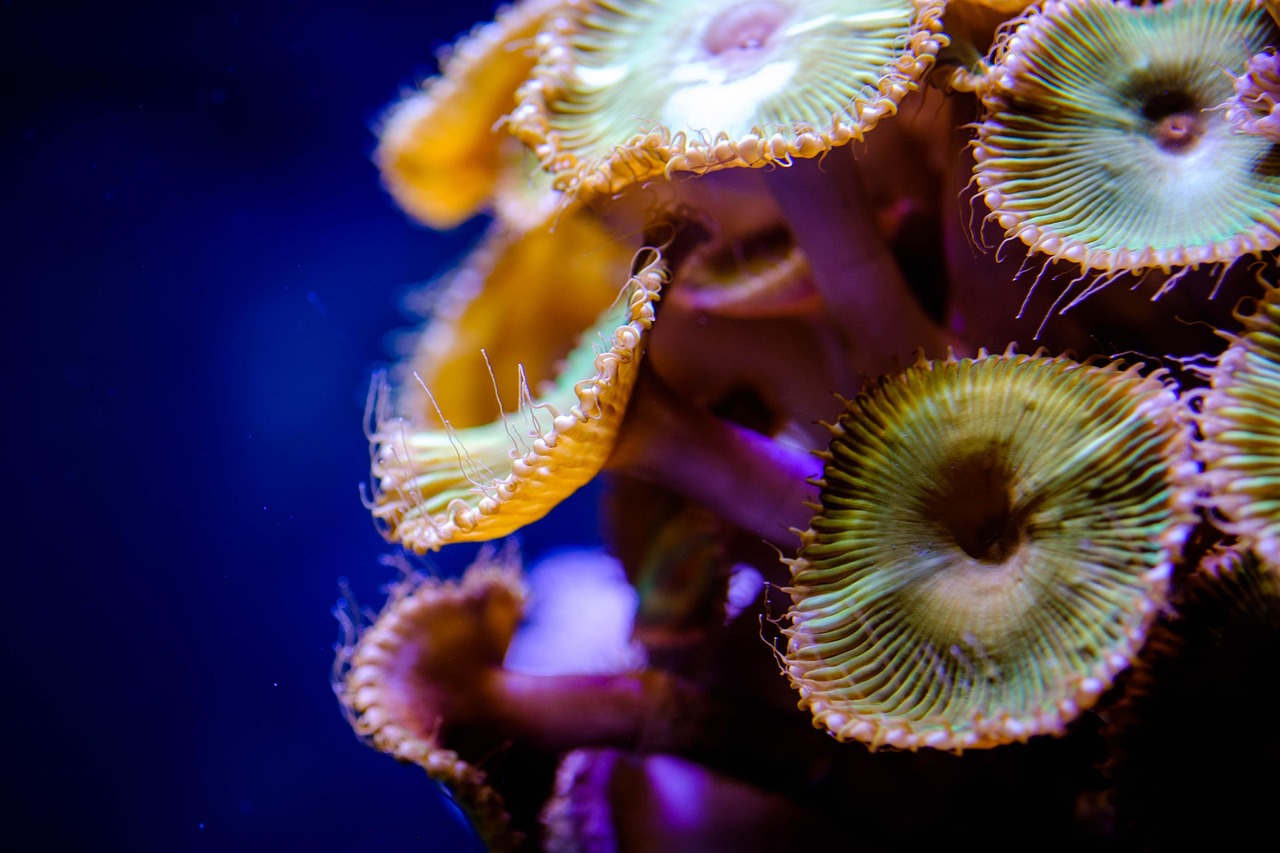
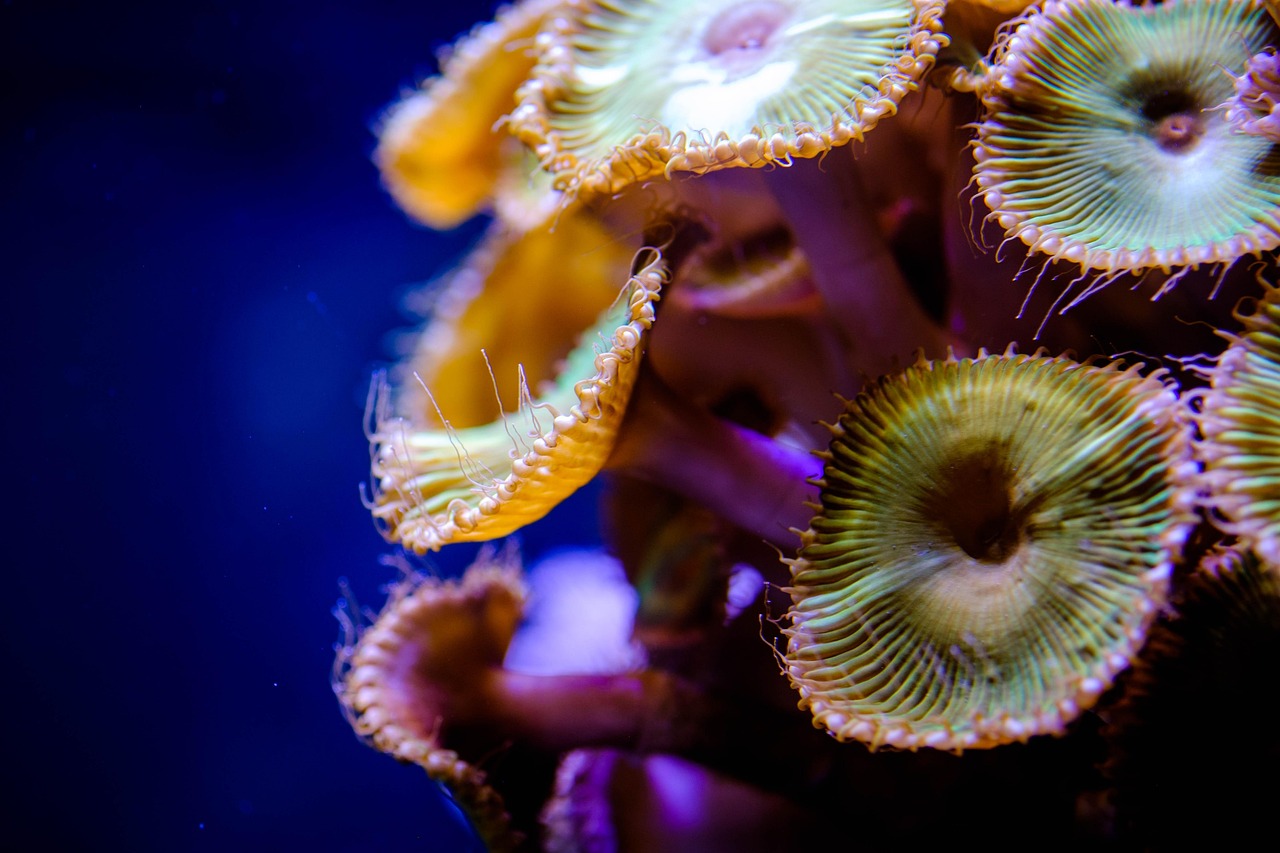
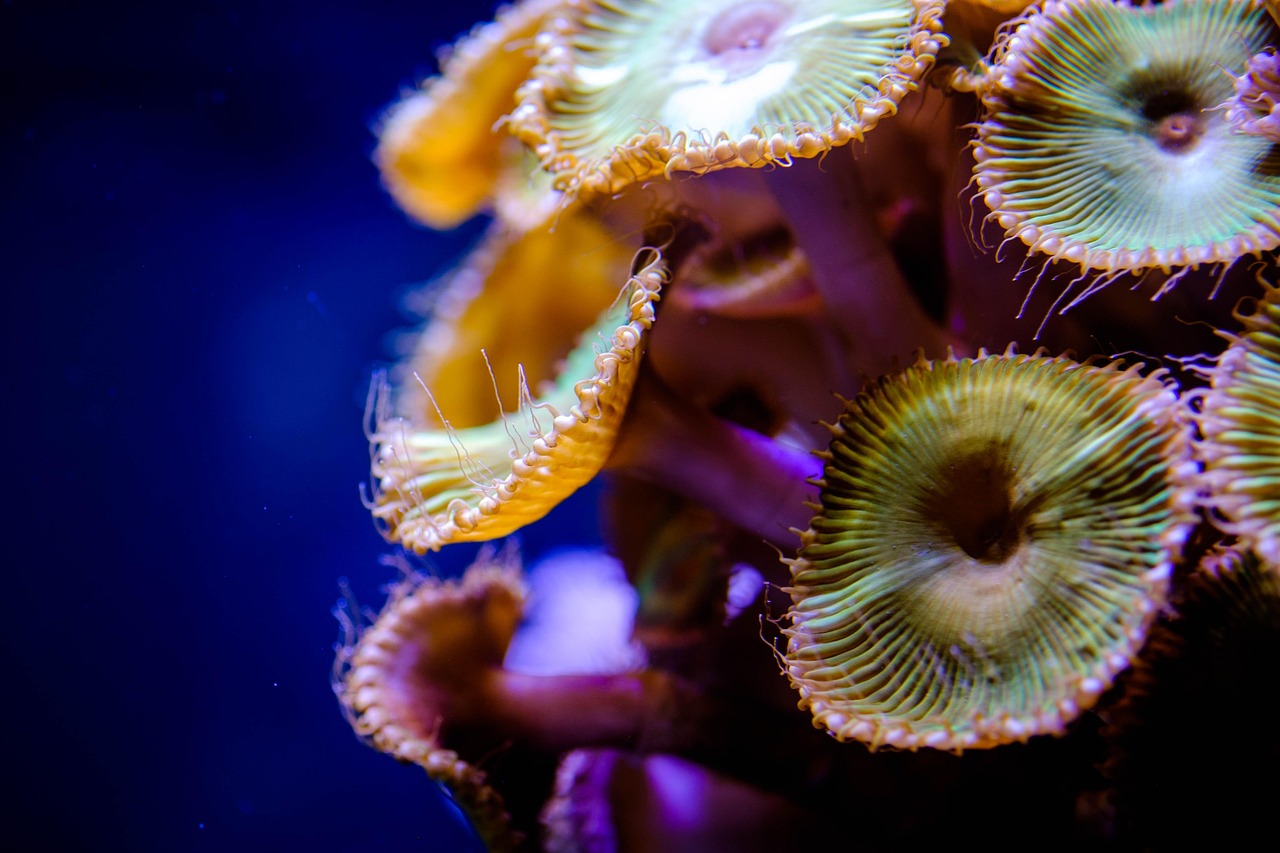
Different corals handle flow differently. Small-polyp stony corals like Acropora and Montipora need strong, random, turbulent flow. Large-polyp stony corals like Euphyllia and soft corals such as leathers prefer a gentler, more laminar flow. If you keep a mixed reef, you need the ability to adjust flow direction and intensity to suit each zone of your tank.
This article walks through everything you need to know about choosing the best powerhead wavemaker reef tank setups for your specific situation — from nano builds to large SPS-dominated systems. We’ll cover brands, models, placement, and the mistakes you want to avoid.

Powerhead vs Wavemaker: What’s the Real Difference?
Let’s clear up the terminology because these two terms get thrown around interchangeably, but they’re not the same thing.
A powerhead is a simple submersible pump that pushes water in a single direction at a constant speed. Think of it as a low-cost workhorse. Powerheads are commonly used for return pumps in sumps or for creating a single stream of flow in a tank. They’re cheap, durable, and easy to replace. But they don’t create natural flow patterns by themselves — you’d need a separate controller or a wavemaker mode if available.
A wavemaker is a more sophisticated device. It uses a DC motor and an electronic controller to vary flow speed and direction over time. Some models create a pulsing wave effect. Others simulate ocean gyres or tidal shifts by alternating between two pumps. Wavemakers cost more but give you much more control. The tradeoff is they tend to be noisier (some cheaper DC models buzz) and have more electronic components that can fail.
When would you pick one over the other? If you’re running a small softie tank on a tight budget, a single powerhead set on a timer may be all you need. If you’re keeping SPS or have a larger tank where flow pattern matters, invest in a proper wavemaker. The control is worth the extra cost — especially when you’re trying to create turbulence rather than a constant blast in one direction.
Key Features to Consider Before Buying
Here are the specs and features that actually matter when comparing powerheads and wavemakers for your reef tank.
Flow Rate (GPH)
Flow rate is measured in gallons per hour (GPH). The rule of thumb for a reef tank is to have total flow equal to 10–20 times your tank volume for a mixed reef, and 20–30 times for SPS-dominant tanks. For a 50-gallon mixed reef, you want 500–1,000 GPH total. For a 75-gallon SPS tank, that jumps to 1,500–2,250 GPH. Keep in mind this is total flow across all pumps — you rarely want a single unit providing all your movement.
Motor Type: AC vs DC
AC motors are cheaper and simpler. They run at a fixed speed and are often louder. DC motors are more efficient, quieter, and allow for speed control and wave modes. If noise matters to you — say the tank is in a living room or bedroom — prioritize a DC-driven wavemaker. Many premium brands like Ecotech Marine and Tunze use DC motors. Budget-friendly Jebao also offers DC options. For quieter operation, consider a DC wavemaker for your setup.
Controller Features
The controller is where you set wave patterns, feed mode (pauses the pump), night mode (reduces flow during dark hours), and schedule modes. Some controllers are intuitive; others require a manual. Look for one with feed mode and a simple way to adjust speed. Advanced controllers let you create custom wave shapes, but most hobbyists will only use a few presets.
Size and Mounting
Pump size matters — especially in nano tanks. Slim, compact pumps are easier to hide behind rockwork. The mounting system is also critical. Magnetic mounts are the most common in rimless tanks. Some models come with suction cups, which are fine for smaller pumps but can lose grip over time. If your tank has a thick rim or euro-bracing, confirm the mount will fit.
Noise Level
Noise comes from vibration, the motor hum, and water turbulence. DC pumps are generally quieter. The Ecotech Marine VorTech line, for example, is known for near-silent operation at low-to-mid speeds. Cheaper AC powerheads can generate noticeable hum — especially as they age. If quiet operation is a must, test the pump in-store or read reviews from users with similar setups.
Ease of Cleaning
Calcium buildup is inevitable. Pumps that come apart easily for cleaning (removing the impeller, wet rotor, and housing) will last longer. Look for models with tool-free disassembly. If cleaning a pump involves disassembly of small clips or proprietary tools, skip it.
Reliability and Longevity
Some budget pumps fail within a year. Higher-end brands typically last 3–5 years or more. Tunze is legendary for longevity. Jebao is hit-or-miss — some users have had units run for years, others had failures in months. Pay attention to warranty length and user reports of common failure points like moisture ingress in controllers or leaking gaskets.
Top Powerhead and Wavemaker Brands Worth Your Money
Here are the brands that consistently deliver solid performance for reef tanks. Each has its own strengths and tradeoffs.
Ecotech Marine
Ecotech is the premium choice. Their VorTech wavemakers use a unique propeller design that mounts outside the tank (only the wet side enters the water). This means no cords inside the tank. The motors are quiet, the controllers are intuitive, and the flow is broad rather than a narrow jet. The downside: they’re expensive. A single MP40 costs around $300. But for silent operation and clean aesthetics, they’re hard to beat.
Tunze
Tunze has been around for decades. Their Turbelle line includes powerful DC wavemakers and reliable AC pumps. These are sturdy, easy to service, and offer excellent control with optional controllers. The magnets are strong, and the build quality is industrial. They are bulky compared to Ecotech, and some models are noisy at high speeds. But if longevity is your priority, Tunze is a safe bet.
Jebao
Jebao is the budget king. They offer DC wavemakers with controllers for a fraction of the price of premium brands. The OW and SOW lines are popular. Performance is decent. The downsides: noise can be an issue on some units; the controller build quality is average; and long-term reliability is inconsistent. That said, for a low-cost setup, Jebao still works well — just buy from a vendor with a good return policy.
Sicce
Sicce makes solid mid-range pumps, particularly their Voyager series. They produce good flow, are relatively quiet, and use less energy than similar AC pumps. They’re not as feature-rich as DC wavemakers, but they’re reliable and well-priced. Good for a secondary pump in a larger tank or for a mixed reef where you want moderate flow without breaking the bank.
Hydor
Hydor’s Koralia line is one of the most well-known budget-friendly options. They’re simple, AC-powered, and come in multiple sizes. They’re not controllable — just plug them in and they run. For a low-tech nano tank or a sump return application, they work fine. They produce a broad flow pattern but are not as efficient as modern DC pumps and can be noisy as they age.
Reef Octopus
Reef Octopus offers the Octo Pulse series — DC wavemakers that compete with Jebao in the budget-to-mid-range segment. They feature a slim profile, magnetic mount, and controller with several wave modes. Performance is solid for the price. Some users report noise issues, and the controller interface is not as polished as Ecotech. But for larger tanks where you need multiple pumps, they’re a cost-effective choice.

Detailed Comparison: Best Powerhead Wavemaker Reef Tank Models
Below is a side-by-side comparison of popular models you’ll see recommended in forums and discussions. These cover a range of budgets and tank sizes.
| Model | Type | Flow (GPH) | Noise | Controller | Price Range | Best For |
|---|---|---|---|---|---|---|
| Ecotech Marine VorTech MP40 | DC wavemaker | 500–1,500 | Very quiet | Full featured (wave modes, feed, night) | $300–$350 | Large tanks, SPS, silent setups |
| Tunze Turbelle Nanostream 6040 | DC wavemaker | 400–1,000 | Moderate | Optional controller (7070/2) | $200–$250 + controller | Medium tanks, mixed reefs |
| Jebao OW-50 | DC wavemaker | 2,000 | Moderate to loud | Basic (speed, feed, wave) | $70–$90 | Budget builds, large tanks with multiple pumps |
| Sicce Voyager 4 | AC powerhead | 1,200 | Quiet for AC | None | $60–$80 | Secondary pump, sump room |
| Hydor Koralia Evolution 1050 | AC powerhead | 1,050 | Moderate | None | $50–$70 | Basic setups, softies, small tanks |
| Reef Octopus Octo Pulse 2 | DC wavemaker | 1,300 | Moderate | Basic (wave modes, feed) | $60–$80 | Medium tanks, mixed reefs |
When choosing, think about your tank size first, then coral type, then budget. The Ecotech MP40 is the gold standard for large tanks where silent operation and precise control are priorities. The Jebao OW-50 gives you high flow for cheap — ideal if you don’t mind some hum and have a backup plan if it fails. The Sicce Voyager 4 is a reliable workhorse for someone on a tight budget who still wants decent flow.
How Many Powerheads Do You Really Need?
There is no single answer, but there is a useful rule of thumb. For most reef tanks, you want two pumps placed on opposite sides of the tank to create opposing currents and turbulence. A single pump creates a single current, which leads to dead spots and laminar flow.
For a nano tank under 20 gallons, a single small wavemaker (like the Tunze 6040 set to wave mode) can work if you place it in the center back and aim it to alternate direction via the controller. But even in a small tank, you’ll get better results with two tiny pumps aimed at each other.
For a 40–60 gallon mixed reef, one pump on each side is enough. Choose two identical wavemakers if you want to sync them in alternating mode. For a 75–120 gallon SPS-dominated tank, you’ll want three or four. Two on one side and two on the other helps crisscross flow and eliminates dead spots completely.
A simple formula: total flow in GPH should be 10–20 times tank volume for mixed reefs, 20–30 times for SPS. So for a 100-gallon SPS tank, you need 2,000–3,000 GPH total — that’s two MP40s or three Jebao OW-50s.
Also consider rockwork layout. If you have a large central rock island, flow from both sides will create a turbulence zone in the center — ideal for SPS. If you have a stacked rock wall along the back, aim flow across the front and back of the rocks to avoid dead spots behind them.
Placement Tips for Optimal Flow
Where you put your powerheads matters just as much as how many you buy. Here’s what works in practice.
- Place pumps on opposite sides: Put one on the left and one on the right, aiming towards the center slightly up or down. This creates a collision zone of turbulent flow in the mid-water column.
- Aim slightly upward: Pointing a wavemaker directly at a coral will stress it over time. Aim about 10–15 degrees above the coral line so the water tumbles down onto them. This prevents one coral from getting blasted while others get nothing.
- Use wave modes for alternating flow: Set your controllers so the left pump runs for 2 minutes, then the right pump runs for 2 minutes, then both off for 30 seconds. This mimics natural wave action and keeps detritus suspended for longer before settling.
- Avoid placement near the sand bed: If a pump is too close to the sand, it will create a sand storm or dig a crater. Keep the intake at least 3–4 inches above the substrate.
- Consider tank shape: In a rectangular tank, place pumps on the long sides. In a cube, one on the back glass and one on a side wall works well. In a rimless display, use magnetic mounts to keep the tank clean.
- In a nano tank: A single pump placed high on one side can be enough if you angle it down to create a circular flow that sweeps the entire tank. Test with a small piece of floss to see where dead spots form.
Common Mistakes When Setting Up Flow (and How to Avoid Them)
Even experienced hobbyists make these mistakes. Here’s what to watch out for.
- Too much or too little flow: Beginners often go for the highest GPH pump thinking more is better. Too much flow overwhelms soft corals and LPS. Too little creates dead spots. Match your total GPH to your tank volume and coral type.
- Relying on a single powerhead: One pump creates a single current. The result is laminar flow — a straight line with no turbulence. Corals need chaotic, random movement. Always use at least two pumps, even in small tanks.
- Improper placement: Placing pumps too low stirs up sand. Too high creates surface agitation that reduces gas exchange. Too close to corals causes tissue damage. Adjust gradually and observe coral response over a week.
- Ignoring tank shape: A standard 55-gallon tank is long and narrow — pumps at both ends work well. A 40-gallon breeder is short and wide — pumps on the sides work better. Don’t copy someone else’s placement without considering your dimensions.
- Not cleaning the pump: Calcium buildup slows the impeller, increases noise, and reduces lifespan. Clean every 3–6 months depending on your water chemistry. Use a vinegar soak to dissolve deposits. A pump cleaning kit can help keep your gear in good shape.
- Not adjusting flow as corals grow: A small colony of SPS might be fine with gentle flow, but as it grows into a large table, it will create its own flow shadows. Periodically re-evaluate and move pumps to maintain coverage.
- Forgetting about cords and aesthetics: In a display tank, power cords running down the glass look messy. Plan your mounting and cord management from the start. Use cord clips or run them inside a PVC pipe along the back.
Budget vs Premium: Where Should You Spend Your Money?
The price spread between budget and premium models is huge — a single Ecotech MP40 costs as much as four Jebao OW-50s. So where should you spend?

Budget Options ($50–$90)
Jebao and Hydor define this tier. They work for basic setups. If you’re running a softie tank with low to moderate flow needs, these will get the job done. The downsides are noise, shorter lifespan, and limited control. Buy them if you’re on a strict budget or building a second tank on the side.
Mid-Range Options ($60–$150)
Sicce Voyager and Reef Octopus Octo Pulse models sit here. They’re quieter than budget options and more reliable. The Sicce pumps are simple but durable. The Octo Pulse offers a controller with wave modes. This is the sweet spot for a mixed reef where you want decent control without spending premium money.
Premium Options ($200–$350)
Ecotech and Tunze lead this segment. You’re paying for silent operation, precise control, robust build quality, and long-term reliability. If your tank is in a living room, the silence alone is worth the upgrade. If you keep SPS colonies that need specific flow patterns, the wave modes and custom settings give you the fine-tuning you can’t get elsewhere. For large tanks (100+ gallons), premium pumps make the most sense because you’ll run fewer of them.
Think of it this way: if budget allows, invest in at least one premium pump for the main flow driver. You can supplement with mid-range or budget pumps in other zones. That’s a balanced approach that gives you quality where it counts and savings where it doesn’t.

Maintenance and Longevity: Keeping Your Gear Running
Your powerheads and wavemakers are a significant investment. Here’s how to protect that investment.
Clean every 3–6 months. Unplug the pump and disassemble it. Remove the impeller, wet rotor, and any removable parts. Soak them in a solution of one part white vinegar to three parts warm water for 30 minutes. Scrub with a soft brush to remove calcium deposits. Rinse thoroughly in freshwater before reassembling. Do this in a bucket to avoid losing small parts.
Check the impeller and shaft. These are the first parts to wear. If you see cracks, chips, or discoloration, replace them. A damaged impeller will vibrate and cause noise or even overheat the motor.
Inspect cords and connections. Salt creep can corrode connectors and cause electrical shorts. Wipe down connectors with a damp cloth and inspect for corrosion. If you see green or white residue, clean it with a brush and consider replacing the connector if the corrosion is deep.
Use a feed mode timer. Many controllers have a feed mode that pauses the pump for 10 minutes. This prevents food from being blown away before corals eat it. It also reduces the chance of debris being sucked into the pump during feeding.
Store a backup pump. Pumps can fail without warning. Keep a budget pump on hand as a spare. Even a basic Hydor Koralia powerhead can keep flow running while you service your primary pump.
Final Recommendations for Different Tank Setups
Here’s a quick cheat sheet for choosing based on your setup.
Nano Reef (10–20 Gallons)
Best pick: Tunze Turbelle Nanostream 6040. It’s small, quiet, and the flow can be adjusted. Pair it with a small secondary pump like the Sicce Voyager Nano if you need more movement. Avoid large pumps — they’ll overwhelm the tank.
Mid-Size Mixed Reef (40–60 Gallons)
Best pick: Two Ecotech VorTech MP10s or two Jebao OW-10s. The MP10s are silent and offer excellent control. Jebao saves money but is louder. If you want a single pump, the Reef Octopus Octo Pulse 2 works well.
Large SPS-Dominated Tank (100+ Gallons)
Best pick: Two to three Ecotech VorTech MP40s. They handle high flow, are nearly silent, and the controller lets you set wave modes that SPS thrive on. The Tunze Turbelle Stream 2 setup with 6105 pumps is also excellent but costs more.
Budget Build (Any Size)
Best pick: Two Jebao OW-50s for larger tanks, or Hydor Koralia Evolutions for smaller ones. These are affordable and effective enough for softies and LPS. Accept some noise as a tradeoff.
Silent Operation Priority
If the tank is in a common area or bedroom, skip budget pumps entirely. Go with Ecotech VorTechs exclusively. The difference in noise is dramatic.
Frequently Asked Questions
Can I use a powerhead from a freshwater tank?
Technically yes, but not recommended. Freshwater powerheads often have impellers and materials that corrode in saltwater. They also don’t have the speed control needed for reef tanks. Stick with pumps designed for saltwater use.
How do I reduce noise from my wavemaker?
First, check if the pump is clean. Calcium buildup is the most common cause of vibration noise. If it’s clean, check the mount — loose magnets or suction cups create rattling. If the issue persists, replace the impeller. DC pumps are generally quieter than AC; if noise is a problem, consider upgrading.
Do I need a controller?
For a simple softie tank, a basic pump without a controller is fine. But for any tank with SPS or mixed corals, a controller is worth it. Wave modes, feed pause, and speed adjustment give you control over coral health. Controllers are also useful for creating a night mode to reduce flow during dark hours.
Can I hide powerheads in my rockwork?
Yes, but carefully. Place them behind rock structures so they’re not visible from the front. Ensure there’s enough space around the intake to prevent debris buildup. Magnetic mounts make it easier to reposition if needed. Avoid covering the entire pump with rock — you need access for cleaning.
What happens if my flow is too strong?
Corals will show signs of stress. LPS like Euphyllia will retract their tentacles. SPS may bleach or lose tissue. Fish may hide more. If you see these signs, reduce pump speed or redirect the flow away from the corals. Gradual adjustment is safer than sudden changes.
How often should I clean my powerhead?
Every 3–6 months depending on your calcium and alkalinity levels. If you have high dissolved solids and low pH, cleaning may be needed every 2–3 months. A vinegar soak is the standard method.
Is a gyre pump better than a wavemaker?
Gyre pumps create a broad, horizontal current across the entire tank width. They’re excellent for large SPS tanks where you want uniform flow. Wavemakers create directional, pulsing flow. Which is better depends on your setup. For a rectangular tank over 4 feet long, a gyre pump combined with a wavemaker gives the best of both worlds.
Can I run two wavemakers of different brands?
Yes, but you won’t be able to sync them with a single controller. Each will need its own controller. Set their timing manually to alternate — it’s not as precise as a matched set but works fine for most reef tanks.
How do I mount a powerhead in a rimless tank?
Use a magnetic mount designed for rimless tanks. These have flat glass attachments and no rim to slip around. Most premium pumps like Ecotech include a rimless-specific mount. For budget pumps, aftermarket magnetic mounts are available.
Conclusion
Getting flow right in a reef tank is a combination of choosing the right equipment, placing it strategically, and maintaining it over time. Start with your tank size and coral type to determine total GPH needs. Compare powerheads vs wavemakers based on whether you need basic movement or precise control. Invest in quality if your budget allows — it pays off in quieter operation and longer life.
The models we’ve compared here — from the Ecotech VorTech MP40 to the budget-friendly Jebao OW-50 — cover every use case. Pick the one that fits your tank, your corals, and your budget. Once you have it installed, take time to adjust placement based on coral response. With thoughtful setup, you’ll have a thriving reef with minimal headaches.
Happy reef keeping.