The Critical Role of Anemones in Reef Ecosystems: A Practical Guide for Divers and Aquarists
Introduction
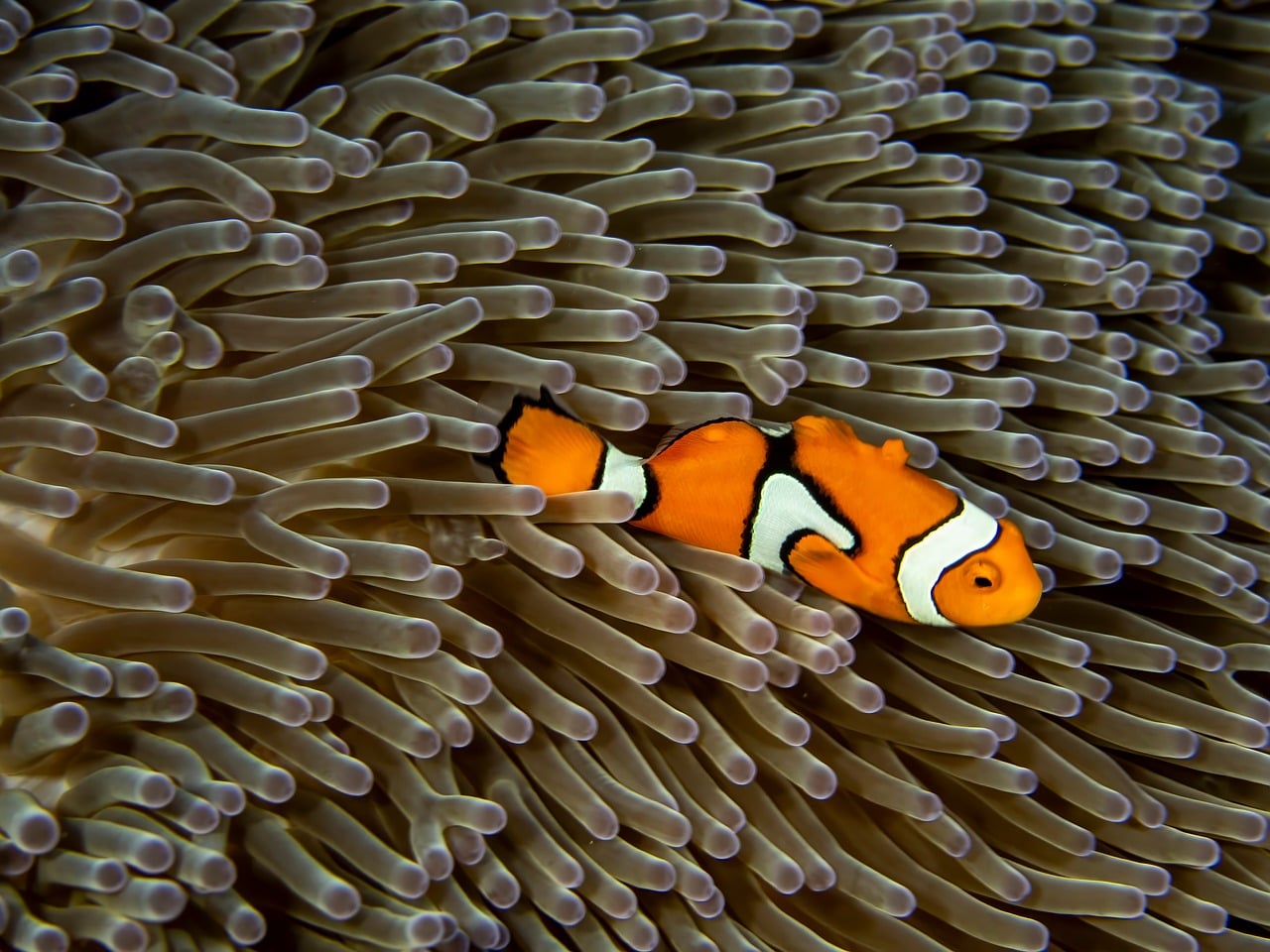
If you’ve hovered over a tropical reef and watched the slow, rhythmic sway of a sea anemone’s tentacles, you already know they’re visually stunning. What you might not realize is how much of the reef’s story doesn’t make sense without them. Anemones are far more than just a pretty backdrop for clownfish photos. They’re habitat engineers, bioindicators, nutritional powerhouses, and surprisingly tough survivors in a changing ocean.
This article drills down into the anemones role reef ecosystem, from the microscopic algae living inside their tissue to the crustaceans that dart between their stinging tentacles. Whether you’re a diver hoping to spot a perfectly paired anemone shrimp, an aquarist considering a carpet anemone, or just someone curious about how living structures hold the reef togetherâthis is the practical breakdown. No fluff. Just the ecology that matters, seasoned with real-world observation from years on the reef and in the tank.

What Are Sea Anemones? A Quick Refresher for Non-Biologists
Let’s start with the basics. Anemones are cnidarians, which makes them close cousins of corals and jellyfish. Like corals, they pack stinging cells called nematocysts, which they use to zap passing plankton or small fish. But unlike corals, they don’t build a hard skeleton. An anemone is essentially a fleshy column with a sticky base (the pedal disc) and a crown of stinging tentacles around a single mouth.
They can be surprisingly mobile when they want to be. Anemones don’t just stay put foreverâthey can glide slowly across the substrate, scoot along by inflating and deflating, or even detach and drift to a new spot. This ability to move is a big part of why they’re so effective at finding the best spot on the reef for light, flow, and feeding. Their anatomy is simple, but their role in the reef’s biological machinery is anything but.
The Foundation of the Reef: Anemones as Habitat Engineers
One of the most underappreciated roles of an anemone is how it physically reshapes the reef environment. Anemones don’t just sit thereâthey create microhabitats. Their tentacles provide dense cover for small fish and crustaceans that would otherwise be eaten. Their column and pedal disc offer a hard surface for algae and tiny invertebrates to settle on. And their mucus layer becomes a nutrient-rich zone where bacteria thrive.
Take clownfish, for example. Without an anemone, most species of clownfish simply can’t survive in the wild. The anemone provides a safe nursery. But it’s not just clownfish. Anemone crabs, shrimp, and even some species of gobies use anemones as mobile protection. When you remove an anemone from the reef, you remove a structural anchor that multiple species depend on. It’s not just a flowerâit’s a foundation.
I’ve seen damaged reefs where illegal collection stripped whole patches of anemones. The fish vanish, the crustaceans scatter, and the reef looks noticeably quieter. That kind of impact stays with you. It drives home why anemones are a keystone component in reef resilience.
Symbiosis in Action: How Anemones Partner with Reef Life
The most famous partnership is, of course, clownfish and anemones. The fish gets immunity from stings by building up a layer of mucus over time, and in return, the clownfish chases away butterflyfish that would nibble on anemone tentacles. It also drops food scraps that the anemone can eat. But the clownfish is just one example.
Anemone crabs carry small anemones on their claws, using them as defensive weapons. The anemone gets a free ride to feeding grounds. Certain shrimp species, like the sexy shrimp, live entirely inside anemone tentacles, cleaning parasites off the anemone and getting protection in return. Inside the anemone’s tissue, microscopic zooxanthellae algae photosynthesize and provide up to 90% of the anemone’s energy in well-lit waters. That’s the real engine of the anemone’s survival.
Not all symbioses are mutualistic. Some fish, like juvenile sergeant majors, might dart into an anemone for cover but offer nothing in return. That’s called commensalism, and it’s a survival strategy the reef relies on. Understanding these relationships matters because it shows that an anemone isn’t living aloneâit’s a hub of activity. When you dive and see a healthy anemone, you’re looking at a small ecosystem in miniature.
Anemones and Water Quality: Bioindicators for Reef Health
Here’s something most diver guides won’t tell you: anemones are sensitive barometers. Because they rely on zooxanthellae for energy, they react quickly to shifts in water temperature, clarity, and nutrient levels. If the water gets too warm, the anemone expels its algae and turns whiteâbleaching. If pollution spikes, the anemone will retract its tentacles or detach entirely.
For divers and aquarists, this is practical information. A healthy anemone with fully extended, brightly colored tentacles suggests good water conditions. A bleached or shrunken anemone spells trouble. Some species, like the magnificent sea anemone (Heteractis magnifica), are far more sensitive than hardier species like the bubble-tip anemone (Entacmaea quadricolor).
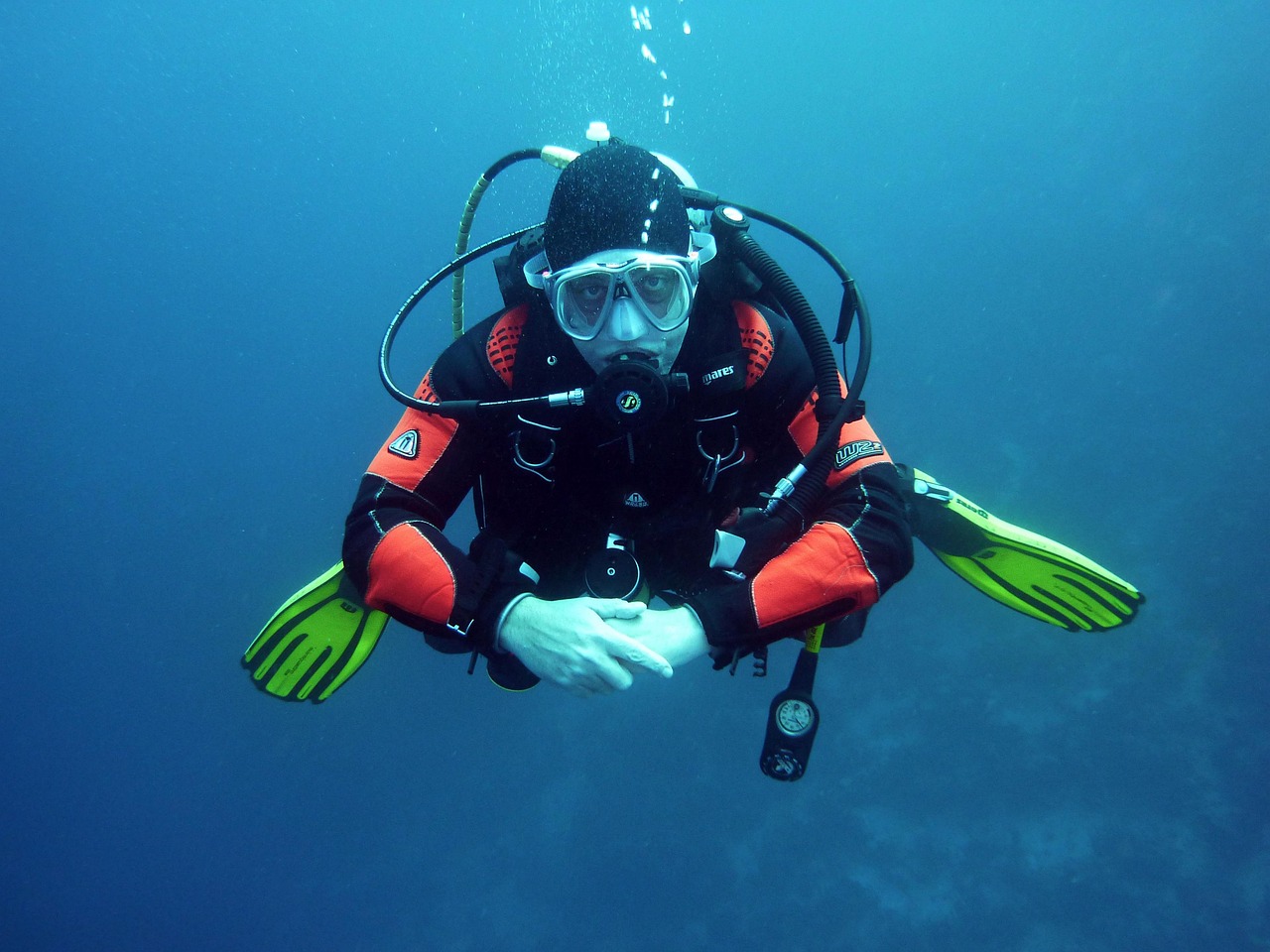
I’ve used anemone health as a quick visual check on new dive sites for years. If the anemones look good, the reef likely does too. If they’re stressed, I pay closer attention to temperature and pollution sources. It’s not a lab test, but it’s a powerful field observation tool. For underwater observation, a simple waterproof thermometer can help track temperature variations during a dive.
Predator and Prey: Where Anemones Sit in the Reef Food Web
Anemones are both predators and prey. They trap small fish and crustaceans with their tentacles, using nematocyst toxins to subdue them. The food is then moved to the mouth at the center. Anemones also feed on detritus and dissolved organic matterâthey’re not picky. This flexibility makes them an important link in the reef food web, converting small prey and waste into biomass that other animals then consume.
What eats anemones? Quite a few things, actually. Nudibranchs (sea slugs) like the Fiona pinnata species are specialized anemone predators. Some butterflyfish and filefish are known to nibble tentacles. Sea turtles, especially hawksbills, will occasionally eat anemones. The anemone’s stinging cells aren’t a perfect defense.
The energy transfer is simple but critical. Anemones consume zooplankton, which is abundant but hard for larger fish to catch efficiently. By converting that resource into visible biomass, anemones make energy available to animals that can’t filter-feed. Remove the anemones, and that energy pathway collapses.
Comparing Anemone Species: Best for Different Reef Roles
Not all anemones serve the same function. If you’re planning to observe them while diving or keeping them in an aquarium, it pays to know the differences. Here’s a practical rundown of four common species:
- Bubble-tip Anemone (Entacmaea quadricolor) â Moderate size (up to 12 inches), highly aggressive sting, excellent clownfish host (especially for percula, ocellaris, and maroons). Hardy and forgiving in aquariums. Best for hobbyists who want a long-term clownfish-anemone pairing. Handles moderate flow and lighting.
- Carpet Anemone (Stichodactyla gigantea and haddoni) â Large (up to 3 feet), dense tentacles, very sticky. Aggressive sting that can catch slow fish. Difficult in aquariums because of their size and feeding demands. Best for advanced keepers with large tanks. In the wild, they’re slow-growing and sensitive to touch.
- Rock Anemone (Aiptasia species) â Small, invasive in tanks, but ecologically important as a colonizer in disturbed areas. Not a show animal, but abundant on reefs and hardy. Indicates nutrient-rich water. Best avoided in aquariums unless you want pest control.
- Long-tentacle Anemone (Macrodactyla doreensis) â Medium size, long flowing tentacles, prefers sandy bottoms. Hosts only specific clownfish species. Sensitive to water conditions, especially copper and nitrate. Best for divers who want a photo-worthy subject in sandy patches near reefs.
If you want to identify species on your next dive, a good waterproof ID book is worth its weight. An Amazon search for ‘reef anemone identification book’ will turn up several field guides perfect for clipping to a BC pocket.

Common Mistakes People Make When Interacting with Anemones
I’ve seen the same errors over and over, both from new divers and inexperienced aquarists. Let’s fix them.
Mistake #1: Touching anemones. Even a mild sting can cause a nasty rash, allergic reaction, or worse if you’re sensitive. Gloves aren’t always allowed (especially in protected marine parks), so the rule is simple: look, don’t touch.
Mistake #2: Collecting wild anemones for home tanks without a plan. Anemones are not beginner invertebrates. They need stable water parameters, strong lighting, and careful feeding. Wild-caught anemones are also stressed by collection, often dying weeks later.
Mistake #3: Putting incompatible species together. A carpet anemone will eat a clownfish if the fish isn’t naturally immune. Not all clownfish host all anemones, and not all anemones are safe with all fish.
Mistake #4: Ignoring anemone movement. Anemones move when they’re unhappy. If your anemone is relocating constantly, check your water parameters, flow, or lighting. Don’t just assume it’s exploring.
These mistakes are avoidable. Respect the animal’s biology, and you’ll have a much better time watching it thrive.
What Anemone Bleaching Means for the Reefâand Your Next Dive
Anemone bleaching is exactly what it sounds like. The anemone loses its symbiotic zooxanthellae, leaving its tissue transparent or white. The causes are familiarârising sea temperatures, excess UV exposure, and poor water quality. But here’s the crucial part: bleached anemones can survive for a while, but they’re starving. Without their algae, they lose their primary energy source.
For divers, spotting a bleached anemone is a clear sign that the reef is under stress. If you see widespread anemone bleaching at a site, it’s worth noting the date and location and reporting it to local conservation groups or marine park authorities. Citizen science data from divers is used by researchers to track bleaching events.
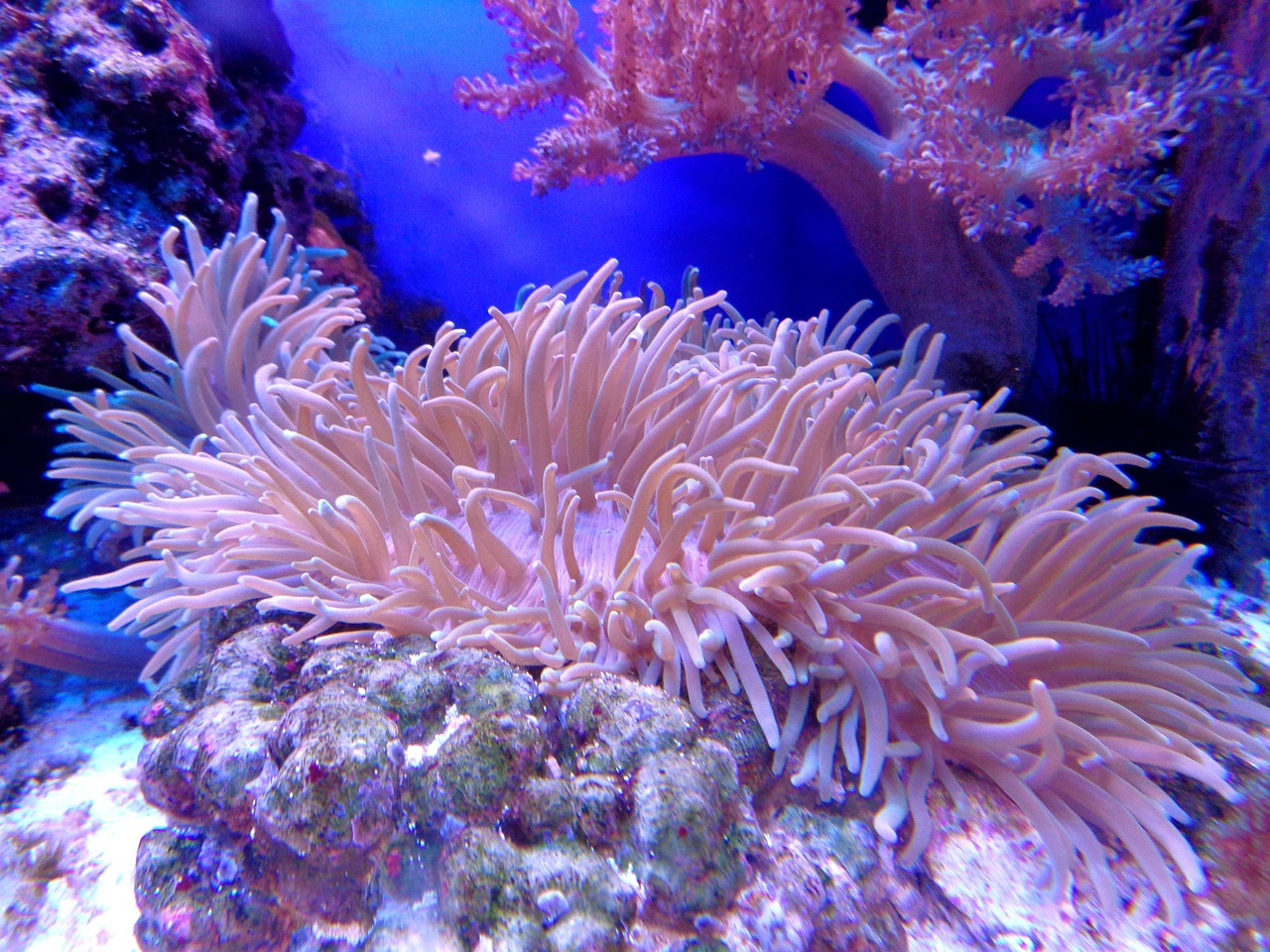
The consequence for reef tourism is real. Bleached anemones are less attractive to fish, which means poorer snorkel and dive experiences. If the anemone dies, the fish and crustaceans that depended on it also leave. Entire dive spots can degrade within a season. That’s why protecting anemones is an economic interest for dive operators, not just an environmental one.
Practical Gear and Tools for Observing Anemones Safely
If you plan to spend time watching anemones, a few pieces of gear make the experience safer and more rewarding. Here’s what I recommend based on years of reef dives.
- Reef-safe sunscreen. Standard sunscreens contain oxybenzone and octinoxate, which harm anemones and corals. Use a mineral-based sunscreen (zinc oxide or titanium dioxide). A search for ‘reef-safe sunscreen’ on Amazon reveals affordable options under $15.
- Underwater camera or smartphone housing. Anemones are symmetrical and photogenic. A simple GoPro or waterproof case for your phone is enough for great ID shots. Search ‘underwater phone case diving’ on Amazon for budget-friendly cases.
- Marine life ID book. Not all anemones look alike. A laminated or waterproof ID guide helps you distinguish species on the spot. Look up ‘reef fish and invertebrate ID card’ on Amazon.
- Dive light. Anemones at deeper depths or in crevices need light to be seen. A small LED light with a wide beam works perfectly. Amazon has reliable brands like Underwater Kinetics.
- Protective gloves (where allowed). In some locations, gloves are banned to prevent touching. But if they’re permitted, a pair of thin neoprene gloves prevents accidental stings. Search ‘dive gloves for reef’ on Amazon.
None of these are expensive. They just make observation easier and safer for both you and the animal.
How Conservation Efforts Are Protecting Anemone Populations
Anemone conservation isn’t as flashy as saving sea turtles, but it’s happening. Marine protected areas (MPAs) limit collection and anchor damage, allowing anemone populations to recover. In some places, artificial reef modules designed with anemone-friendly surfaces have been deployed to provide new habitat.
Breeding programs for captive anemones are also growing. Several aquaculture facilities now produce bubble-tip anemones in captivity, reducing pressure on wild stocks. For tourists, the best way to support this is to choose dive operators that follow responsible practicesâno feeding, no touching, no collecting. You can also donate to organizations like the Coral Reef Alliance or Reef Check, which fund monitoring and restoration projects.
Citizen science apps like iNaturalist allow you to upload anemone sightings, which researchers use to track distribution and health changes. It takes thirty seconds and helps build real data. That’s the kind of local insider action that actually makes a difference.
The Tradeoff: Anemones in Home Aquariums vs. Wild Reefs
This is a tough one. Keeping anemones in a home tank can be rewarding, but the ethics aren’t simple. Wild-caught anemones are cheap and widely available, but the collection process often damages reef habitat. Captive-bred anemones are harder to find and cost more, but they’re significantly more resilient and don’t impact wild populations.
If you’re considering an anemone for your aquarium, here’s my honest advice: unless you have a mature, stable tank with strong lighting and at least six months of experience, don’t do it. Anemones are not for beginners. A bubble-tip anemone in a 20-gallon tank with low light is a recipe for a dead anemone and a crashed tank. If you are ready, source captive-bred if at all possible. Check with local reef clubs or reputable online retailers that specifically state ‘captive-bred’ or ‘aquacultured.’
For most people, the best way to appreciate anemones is to see them in the wild. It’s cheaper, easier, and doesn’t require you to keep a living organism in a glass box. That’s not judgmentâit’s practicality.
Final Checklist: What We Got Wrong About Anemones for Years

Let’s wrap with a few misconceptions that need to die.
Misconception #1: Anemones are just for clownfish. Wrong. Anemones host crabs, shrimp, gobies, and even act as cleaning stations. They’re a general-purpose resource on the reef.
Misconception #2: Anemones are easy to keep. See above. They die quickly in unstable tanks. They need specific lighting, flow, and feeding.
Misconception #3: Anemones don’t move. They absolutely move. Slowly, but they do. If yours is on the move, it’s trying to tell you something.
Misconception #4: Bleached anemones are dead. Not immediately. They can recover if conditions improve, but they’re vulnerable. Don’t assume a white anemone is a goner.
Misconception #5: Touching an anemone is harmless. It can injure both the anemone and you. Just don’t.
Anemones are complex, mobile, and ecologically irreplaceable. Next time you see one on a dive or in a friend’s tank, you’ll know exactly why they matter. Pass it on to your dive buddy or your local reef club.