Best Time of Year to Dive for Clownfish Sightings: A Practical Guide
Why Timing Matters for Clownfish Sightings
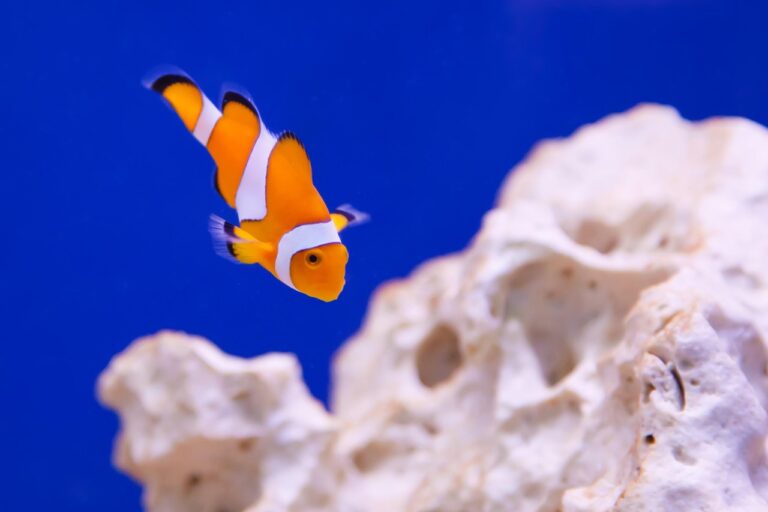
If you’ve ever bobbed around a reef scanning every anemone in sight, you know it can be hit or miss. You can drop in on a famous clownfish site and see nothing but a shrunken anemone. Or you can hit it during the right window and watch a whole family darting around, eggs rippling in the current, the male fanning them like he’s got a payroll to protect. That difference isn’t luck. It’s timing.
Clownfish are territorial and don’t go far. They don’t migrate. But their visibility and activity levels change across the year based on three things: water temperature, breeding cycles, and host anemone health. Breeding often kicks in with rising temperatures and longer daylight hours. When the adults are guarding eggs, they’re more active, more visible, and generally more cooperative for photographers. Outside breeding windows, they’re less conspicuous—especially in cooler water when they retreat deeper into the anemone.
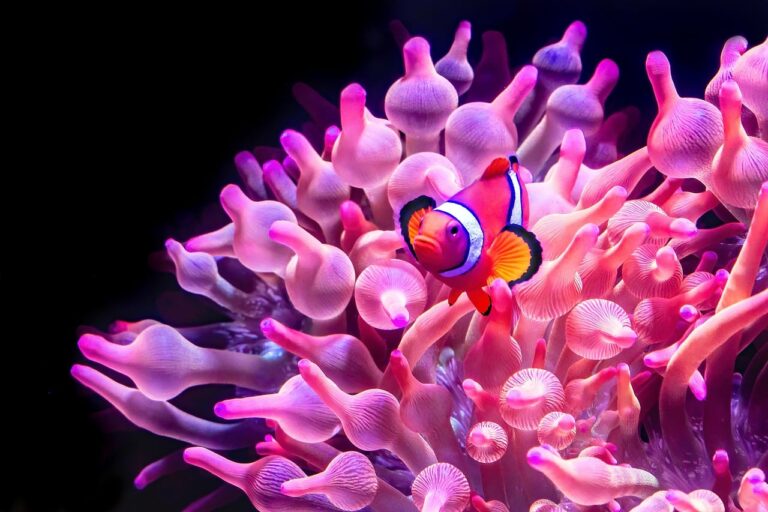
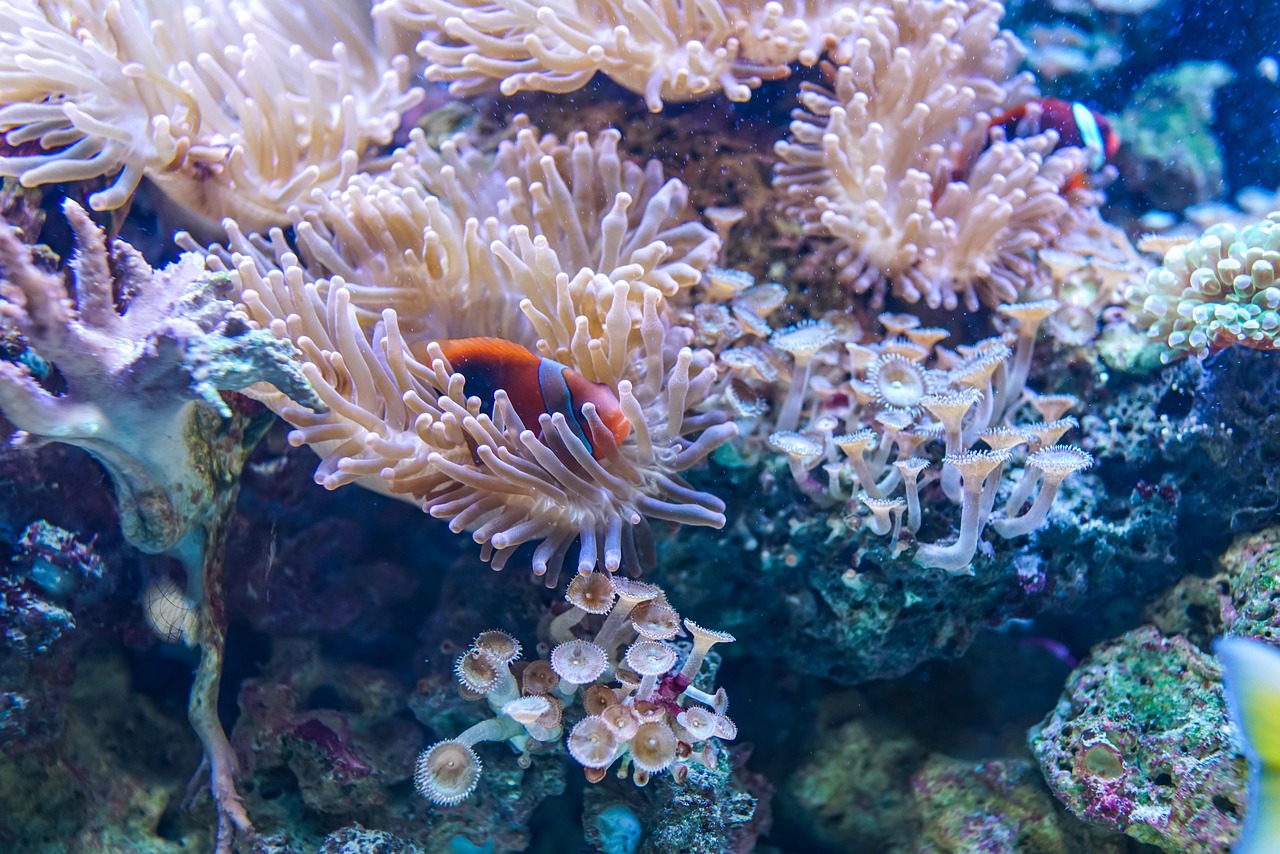
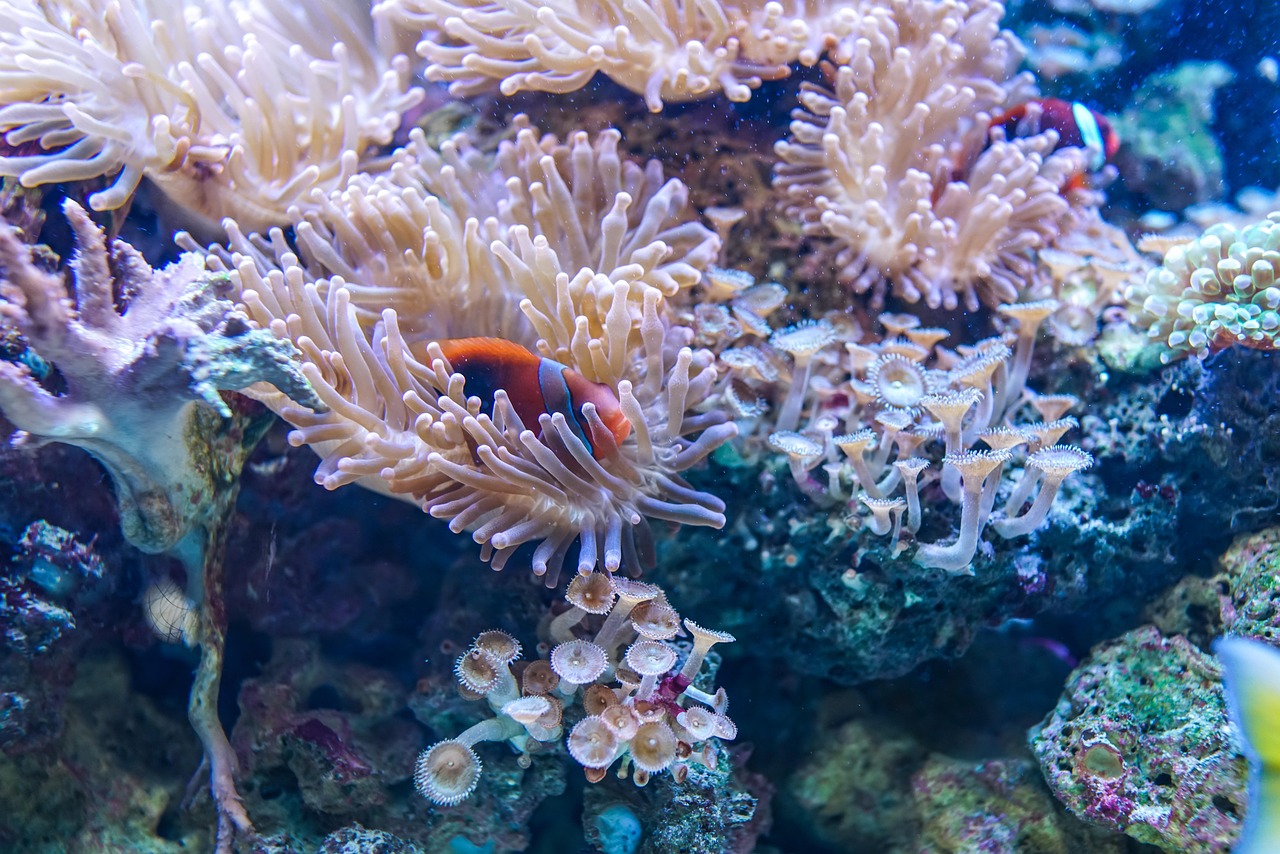
Anemones themselves respond to water temperature. Warmer water (within reason) makes them expand and look more vibrant, which makes spotting a clownfish easier. Cold water shrinks them. Murky water from seasonal runoff buries them. This is why the best time dive clownfish season isn’t the same for every destination. It’s driven by local oceanography, not just calendar dates.
This article covers what you actually need to know: when to go, where to go, and what tradeoffs you’re making. Just practical timing advice for anyone planning a dive trip with clownfish high on the list.

Global Clownfish Seasonality: A Quick Overview
Before we get into specific destinations, here’s a broad look at when conditions align across the major clownfish regions. Use this as a starting point to narrow down options based on your travel window.
- Coral Triangle (Indonesia, Philippines, Papua New Guinea): Year-round sightings, but peak conditions run March through November. Best visibility and calmest seas are April through October.
- Great Barrier Reef (Australia): May to November is prime. Dry season means stable weather, clear water, and healthy anemones.
- Red Sea (Egypt): Good visibility year-round. Best activity and comfort are April through November. July and August get crowded.
- Caribbean (Bahamas, Bonaire, Cayman Islands, Florida): Clownfish are present year-round. Best anemone health and fish activity from June through September. Early summer avoids hurricane peak.
- Maldives: December to May is the dry northeast monsoon with best visibility. June to November is wetter but still possible with fewer crowds.
Most regions follow a similar pattern: the best time to visit is during the dry season when water is warm, visibility is high, and currents are manageable. But there are nuances. Let me walk through each major area so you can match your schedule to the best possible conditions.
Best Time to Dive for Clownfish in the Coral Triangle
The Coral Triangle is the epicenter of clownfish diversity. You can find multiple species—percula, ocellaris, pink skunk, tomato, Clarkii—sometimes all within one dive site. The region is massive, spanning eastern Indonesia, the Philippines, eastern Malaysia, Papua New Guinea, Timor-Leste, and the Solomon Islands. Conditions vary slightly between these areas, but the overall picture holds.
Year-round sightings: Yes. Clownfish live here all year. But the best time dive clownfish season in the Coral Triangle falls between March and November, with April through October offering the most reliable experience. Why April through October? Dry season. Less rain means less runoff. Visibility jumps from 10-15 meters up to 25-30 meters in many sites. Seas are calmer. Currents are more predictable. Dive schedules aren’t getting canceled by monsoon squalls.
Specific locations worth your time:
- Raja Ampat (West Papua): Peak months are October through April. Water temps hover around 28-30°C. The biodiversity here is absurd. You’ll find clownfish on almost every reef, but the best spots are around the Dampier Strait. A liveaboard is the way to go unless you’re basing out of Sorong.
- Lembeh Strait (North Sulawesi): Known for muck diving, but the clownfish are excellent here too. The strait is protected, so conditions are more forgiving year-round. Best months are March through November. Water temps are 27-29°C. Shore diving is easy here if you stay at one of the local resorts.
- Komodo National Park: April through October is prime. Water temps drop slightly to 25-28°C. Currents can be strong, but that’s what makes the reefs so healthy. Expect to see a lot of Clarkii and pink skunk clownfish. Liveaboard or land-based from Labuan Bajo both work.
Practical advice: If you’re booking a liveaboard, aim for April or May. Those months offer the best balance of visibility, water temp, and lower tourist numbers. If you’re shore-based from a resort in Lembeh or Manado, you can dive year-round, but skip January and February if possible—those are peak wet season months with reduced visibility.
Great Barrier Reef: When to Go for the Best Encounters
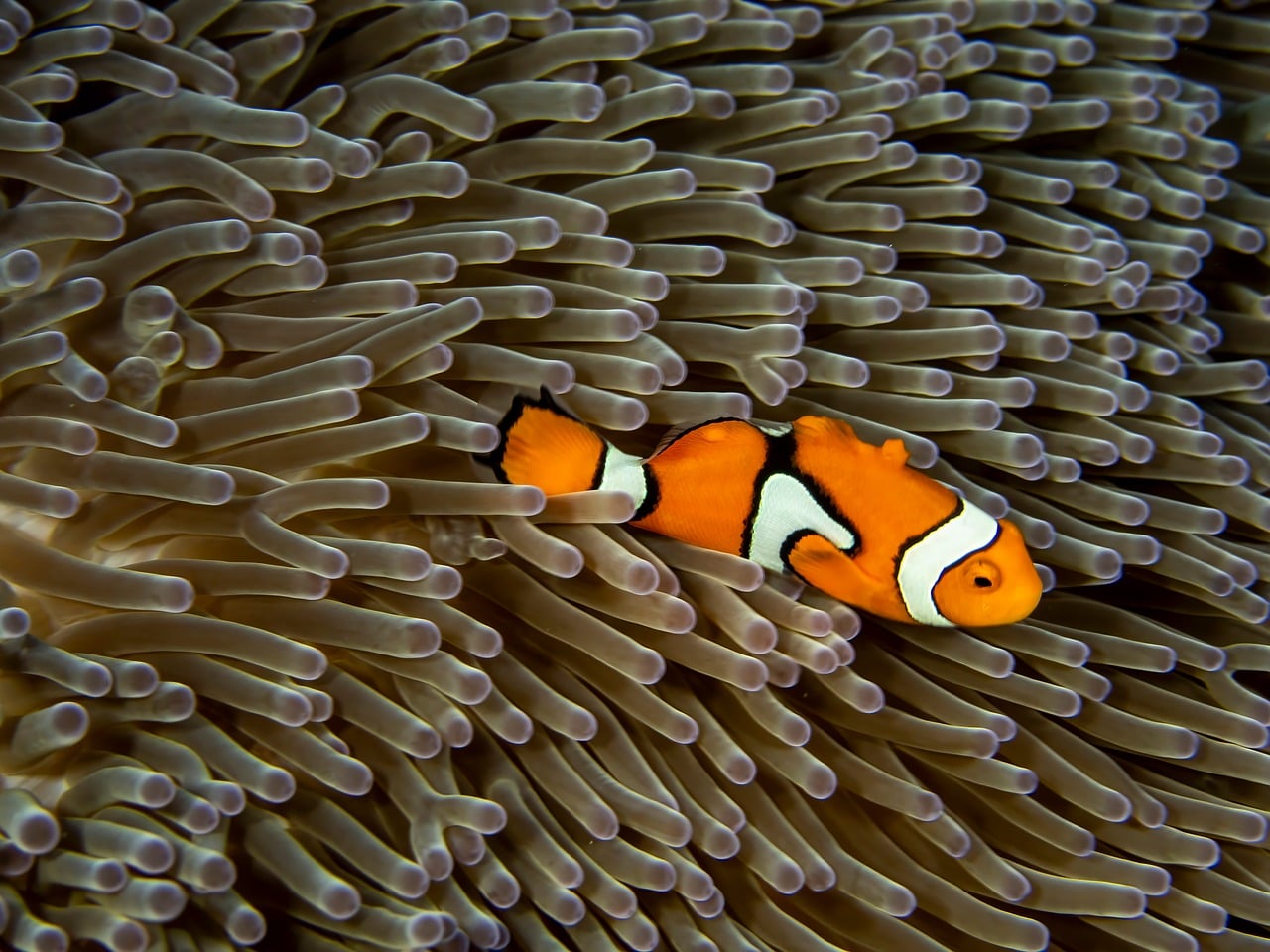
The Great Barrier Reef is where many divers first encounter clownfish. It’s home to the iconic orange ocellaris (Nemo), along with pink skunk, Clarkii, and others. Clownfish are resident year-round here, but the viewing experience changes significantly with the season.
Prime window: May through November. This is the dry season. Rainfall is low, visibility is typically 15-25 meters, and water temps range from 23-27°C depending on how far north you go. Anemones are expanded and healthy. Clownfish are active and visible.
Avoid: December through February. This is the wet season and the start of cyclone season. Visibility drops. Dive trips get canceled. It’s not impossible to see clownfish, but the experience is worse and the risk of weather disruption is high.
Specific sites worth targeting:
- The Ribbon Reefs: North of Cairns. Excellent for ocellaris. Anemones are dense here. The reefs are pristine. Liveaboard is the best option.
- Cod Hole: Famous for potato cod, but the clownfish populations are solid too. It’s deeper, so good visibility matters more.
- Flynn Reef and Moore Reef: Good options for day trips from Cairns. Clownfish are predictable on the shallower bommies around 5-15 meters.
Practical advice: Book your trip for June or July. The water is warm enough, visibility is at its peak, and the tourist crowds are still manageable. August and September are more crowded but still excellent.

Red Sea Clownfish: Year-Round Diving with Seasonal Peaks
The Red Sea is a reliable destination for clownfish sightings almost any time of year. Water temps range from 22-28°C depending on the season. Visibility is famously good—often 30 meters or more. The clownfish here are mostly Clarkii and two-banded anemonefish, but they’re abundant and easy to find.
Best time: April through November. Water temps are comfortable (24-28°C). Fish activity is high. Anemones are fully expanded. This includes the classic Egyptian dive areas: Ras Mohammed, the Brothers Islands, and the reefs around Hurghada and Marsa Alam.
What to watch for: July and August are peak tourist season. Dive sites get crowded. Boats line up. If you want quieter conditions, go in May or September. The water is still warm, the crowds aren’t at their worst, and the fish activity is just as good.
Practical advice: A good dive mask with close-focus design helps you spot anemones in crevices. A rash guard or thin wetsuit is fine here year-round. If you bring an underwater camera, the clarity of the water makes macro shots of clownfish stand out nicely. Just be mindful of currents around the Brothers Islands—they can be strong even in good conditions.
Caribbean Clownfish Timing: Atlantic Variations
Caribbean clownfish are a different group. Maroon anemonefish and Clarkii are the main species you’ll encounter. They’re present year-round, but the best viewing is during warmer months when anemones are at their fullest.
Prime window: June through September. Water temps hit 28°C or higher. Anemones expand and look healthy. Clownfish are more active and visible. This holds for Bonaire, the Bahamas, Grand Cayman, and the Florida Keys.
The hurricane tradeoff: June through November is technically hurricane season. Early summer (June) is generally safer. By August and September, the risk increases. If you want to avoid storm season entirely, target May or late April. Water temps are slightly cooler (25-27°C) but still good, and anemones are starting to wake up.
Where to go: Bonaire is the most reliable. Shore diving is easy. The clownfish on the west coast reefs are consistent. The Bahamas offers excellent sightings around the Exumas. The Cayman Islands have good populations too, though the dive sites are boat-only in many cases.
Practical advice: If you’re comparing Caribbean vs. Pacific, the Pacific wins for biodiversity. But the Caribbean wins for convenience, especially for divers in North America. Just don’t book in September if you can help it—that’s the statistical peak of hurricane activity.
Monsoon vs. Dry Season: How Weather Affects Clownfish Sightings
This is the single most important planning factor for tropical dive destinations. Monsoon season (wet season) changes everything:
- Visibility drops: Rain runoff from land brings sediment into the water. Expect 5-10 meters or less in many areas. That makes scanning for anemones harder.
- Seas get rough: Dive boats cancel trips. Liveaboards adjust routes. You might spend more time getting to sites than diving.
- Anemones shrink: Cooler water and lower light make anemones contract. Clownfish are still there, but they’re harder to spot.
Real example: Thailand’s Andaman Sea (Phuket, Similan Islands) has a clear dry season from November to April. The Gulf of Thailand (Koh Tao, Koh Samui) has a different pattern—best from March to September. If you go to the Similan Islands in June, you’re likely to hit monsoon conditions and poor vis. The clownfish are still around, but you won’t enjoy the dive as much.
Some divers chase discounts during monsoon. Operators lower prices because conditions are worse. Is it worth it? If you’re on a tight budget and happy to gamble on visibility, sure. But if clownfish sightings are your priority, stick with dry season. The extra cost usually pays for itself in better diving.
How Water Temperature Drives Clownfish Behavior
Clownfish are tropical fish. They thrive in water temperatures between 24-29°C. Below 20°C, they slow down. They retreat into the anemone. They stop feeding as actively. They aren’t going to die (clownfish are fairly hardy), but they won’t be the lively, territorial fish you’re hoping to see.
This matters most in:
- Japan’s Izu Peninsula: The northernmost extent of clownfish range. Water temps drop to 15°C in winter. The best time is June through October when temps are above 20°C.
- Great Barrier Reef southern sites: Winter water temps can dip to 21-22°C. Not terrible, but the fish are less active than in the northern reefs where temps stay around 26°C.
- Red Sea in winter: Water temps drop to 22°C. Still fine, but don’t expect the manic activity you see in summer.
Practical tip: Before booking, check average sea surface temperatures for your target location and month. If they’re below 22°C, reduce expectations for active clownfish behavior. If they’re above 26°C, you’re in the sweet spot.
Breeding Cycles and Juvenile Sightings: What to Look For
This is where timing really pays off. Clownfish breeding is triggered by rising water temperatures and longer daylight hours. In most tropical regions, breeding peaks from late spring through early summer. That means more juvenile fish, more egg-guarding behavior, and more visual activity around the anemone.
What you’ll see: The female lays eggs on a flat surface near the anemone. The male guards them aggressively. You’ll see him dart out at anything that gets close. The eggs are bright orange and look like a tiny carpet. After about 6-10 days, the eggs hatch. Juveniles are more brightly colored than adults, with clearer white bars and more vivid orange.
Real example: In Raja Ampat during April and May, I’ve seen males guarding egg clutches on almost every healthy anemone. It’s the best time for photography. The fish are positioned at the edge of the anemone, not buried inside. You can get clean shots without disturbing them. A compact underwater camera with macro capability is worth bringing.
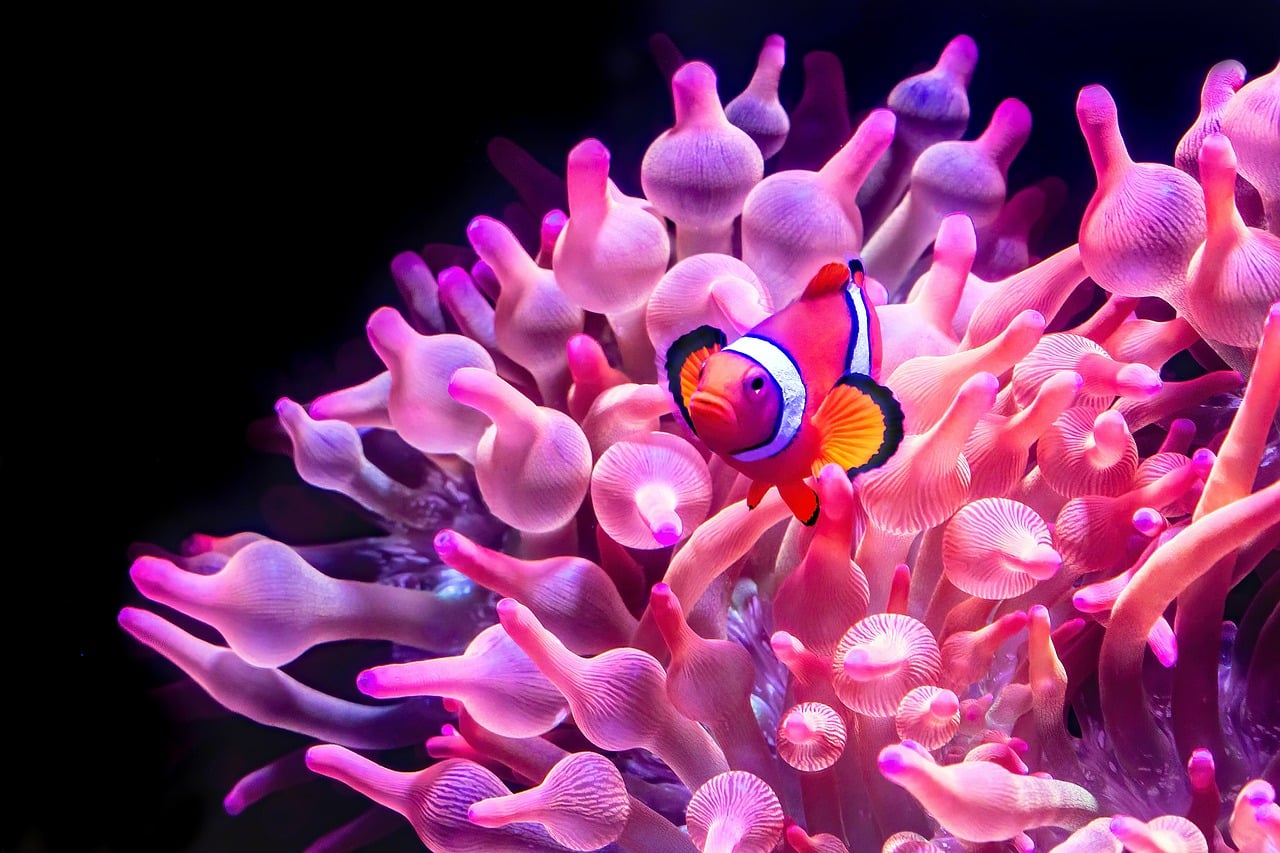
Caution: Don’t touch the eggs. Don’t shine lights directly on them at night. Don’t block the male’s escape route. Some dive guides will push you closer for a photo. Politely refuse. Disturbing a nest can cause the parents to abandon it.
If you’re specifically hoping to see juvenile fish, plan your trip for early summer. That’s when the first wave of hatchlings from spring breeding is big enough to be visible but still small enough to be photogenic.

Common Mistakes When Planning a Clownfish Dive Trip
I’ve seen divers make the same errors repeatedly. Here are the ones that cost them sightings:
1. Assuming any warm destination works year-round. Not all warm water is equal. Even within the same country, microseasons matter. The Andaman Sea and Gulf of Thailand have opposite wet/dry cycles. The Coral Triangle has local variations. Do your homework on your specific destination before booking.
2. Booking during a full moon expecting high activity. Lunar cycles affect many reef fish, but clownfish are less sensitive to them. They spawn around a week after a new moon in some populations, but it’s not as reliable as other triggers. Don’t base your trip timing on the moon phase alone.
3. Ignoring water visibility data. You can still see clownfish in 5-meter visibility if you know where to look. But it’s harder. And it’s less enjoyable. Check historical visibility charts for your destination before committing. If July has 20+ meters of vis and August has 8 meters, you want July.
4. Choosing the cheapest dive operator without asking about anemone sites. Not all dive operators prioritize macro life. Some only take you to big-wall reefs and drift dives. If clownfish are your focus, ask directly: ‘Do you have anemone dive sites? Are they healthy? Which season is best?’ A good operator will tell you. A bad one will say yes to get your money.
Real example: I’ve spoken to divers who went to Koh Tao in November, booked the cheapest liveaboard, and ended up at sites with zero anemones. They saw turtles, but no clownfish. They could have found them if they’d gone to the right sites in the right season. Operator research would have saved them the disappointment.
Best Time vs. Best Destination: How to Make the Tradeoff
You can’t always choose both. Maybe you have fixed vacation dates. Maybe your budget limits where you can go. Here’s a decision-making framework based on common scenarios.
Scenario A: The goal is the best possible sightings, no compromise.
Go to the Coral Triangle in April or May. Raja Ampat, Lembeh, or Komodo. That’s the gold standard. Peak conditions, peak diversity, peak activity. You will see more clownfish per dive than anywhere else on the planet.
Scenario B: Budget is tight.
Caribbean in June is your best bet. Bonaire or the Bahamas. Flights are cheaper from North America. Liveaboards are more affordable. Clownfish are present in good numbers. The tradeoff is less species diversity, but the per-dollar sighting ratio is solid.
Scenario C: You have fixed dates and must choose a destination.
Match your dates to a region that’s in its dry season. If your available window is November, go to Thailand’s Andaman Sea or the Similan Islands. If it’s June, go to the Great Barrier Reef or the Coral Triangle. If it’s August, the Red Sea or the Maldives will work. Use the table earlier in this article as a cross-reference.
Scenario D: You’re bringing non-diving family members.
Choose a destination with consistent conditions and non-dive activities. The Great Barrier Reef (Cairns/Port Douglas) or the Red Sea (Hurghada/Marsa Alam) offer lots to do above water. Avoid remote liveaboards unless everyone is a diver.
Gear Recommendations for Clownfish Diving Trips
Nothing here is mandatory. But the right gear makes a noticeable difference when you’re spending time on a reef looking for small, well-camouflaged fish.
- A good dive mask: Clarity matters. Clownfish anemones are often in crevices or under ledges. A mask with good peripheral vision and a close-focus optical design helps you spot them. Silicone skirts seal better in cold water. A reputable brand like Mares or Cressi is fine. A clear vision dive mask can make a real difference on an active reef.
- Reef-safe wetsuit or rash guard: You’ll be near anemones and coral. Avoid fabrics that snag or absorb sunscreen. A 3-5mm wetsuit works for most tropical temps. In the Coral Triangle, a shorty or rash guard is enough.
- Compact underwater camera: Clownfish are cooperative subjects. A GoPro or a compact Tough camera will get solid results. If you want macro shots, consider a dedicated underwater housing with a macro lens. The detail in clownfish eyes and anemone tentacles is worth the investment.
- Dive logbook or app: Track your sightings. Note conditions, species, and behavior patterns. This helps you refine your timing for future trips.
Final Tips for Planning Your Clownfish Dive Schedule
This is the practical takeaway. Use it as a quick checklist before booking.
- Best time dive clownfish season is region-dependent. For the Coral Triangle, April through October. For the Great Barrier Reef, May through November. For the Red Sea, April through November. For the Caribbean, June through September.
- Check local conditions two weeks before departure. Weather patterns can shift. Confirm visibility forecasts with your dive operator.
- Book early for peak months. April, May, June, and September fill up fast. Liveaboards in Raja Ampat and the Great Barrier Reef sell out months in advance.
- Ask your operator about specific anemone sites. Not all guides know which sites are reliable. Ask directly: ‘Which reefs have consistent clownfish populations?’ A good operator will tell you. A bad one won’t.
- Bring the right gear. A good mask, a wetsuit that fits, and a camera if you want photos. It’s worth it.
Now you have the information to plan a trip that delivers reliable clownfish sightings. Pick your region, match it to your schedule, and go dive. The fish are waiting.