Best Dive Destinations to See Clownfish in the Wild
Introduction
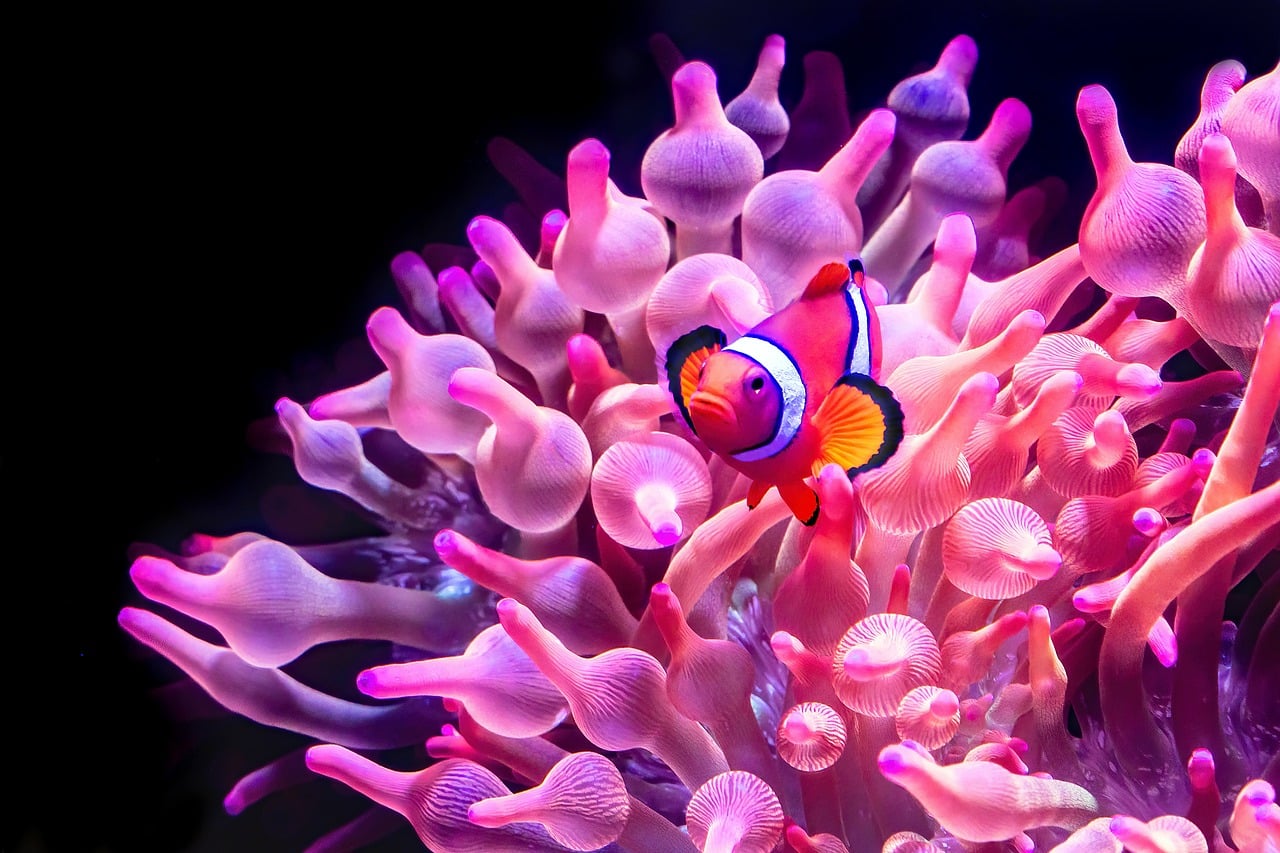
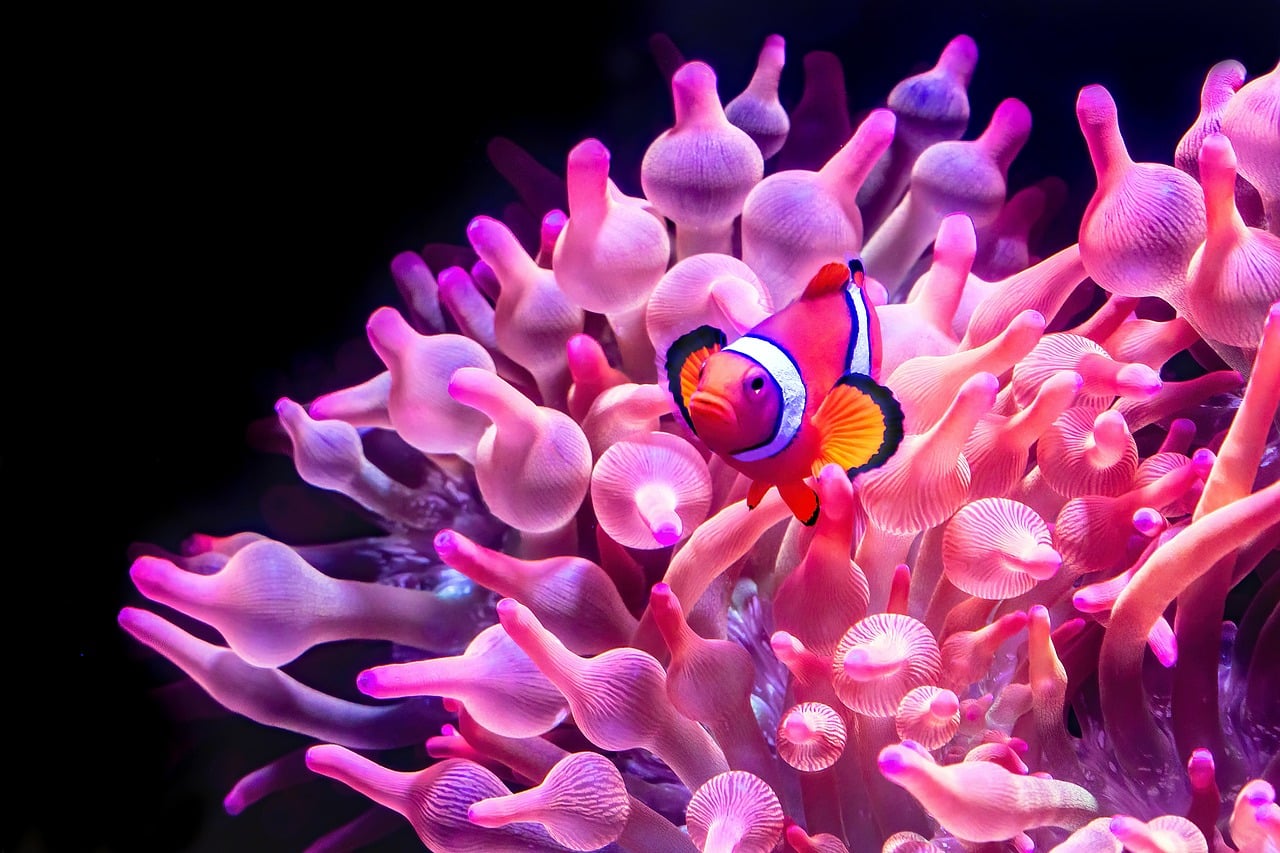
If you dive or keep aquariums, seeing clownfish in the wild is likely on your list. Their bright orange personality is hard to beat. This guide covers the best dive destinations clownfish enthusiasts keep coming back to.
I’ve spent years exploring Indo-Pacific reefs, and tracking down clownfish is always a highlight. Not every dive site delivers, though. Some spots have degraded habitat or just one skittish pair hiding in a lone anemone. Others—like the ones here—are known for healthy anemone fields and the fish that call them home.
Whether you’re planning a dedicated dive trip or just adding reef dives to a vacation, this article focuses on practical decisions. We’ll cover prime locations, what species to expect, the best times to go, and gear that helps. No fluff, just what you need to plan a successful trip.

What Makes a Great Clownfish Dive Destination?
Before we get into specific locations, it helps to know what separates a good spot from an exceptional one. You want high anemone density, clear water, and healthy reef structure.
Water temperature and depth matter. Clownfish are common in warm tropical waters between 24°C (75°F) and 29°C (84°F). Most host anemones need strong sunlight for their symbiotic algae, so you’ll find them in shallow water—typically 3–20 meters. Deeper anemone gardens exist but are less common. If you’re a newer diver, many good sites are in 12–18 meters, well within Open Water limits.
Reef health is non-negotiable. Bleached or damaged reefs support far fewer anemones. The best destinations have strong marine protected areas and decent coral cover. Look for dive operations that mention healthy anemone fields or specific clownfish species in their site descriptions.
The Indo-Pacific is where it’s at. The vast majority of clownfish species live in this region. The Coral Triangle (Indonesia, Philippines, Papua New Guinea, parts of Malaysia) is the biodiversity epicenter. You’ll see multiple species on a single reef—sometimes several in one dive. This is where you reliably find everything from the common orange clownfish to rarer ones like the pink anemonefish or the bold Clark’s anemonefish.
Visibility and current also play a role. You don’t need gin-clear water for clownfish—they’re not subtle—but good visibility (15–30 meters) makes photography and observation easier. Strong currents can make hovering near an anemone tricky, but they also bring nutrients for healthy reefs. The best spots have a mix of protected sites and drift dives where you float past dozens of anemones.
1. Raja Ampat, Indonesia – The Undisputed Clownfish Capital
If you want to see clownfish in the wild, Raja Ampat should be near the top of your list. It’s not a beginner destination—most sites need some current experience and liveaboard diving—but the payoff is unmatched.
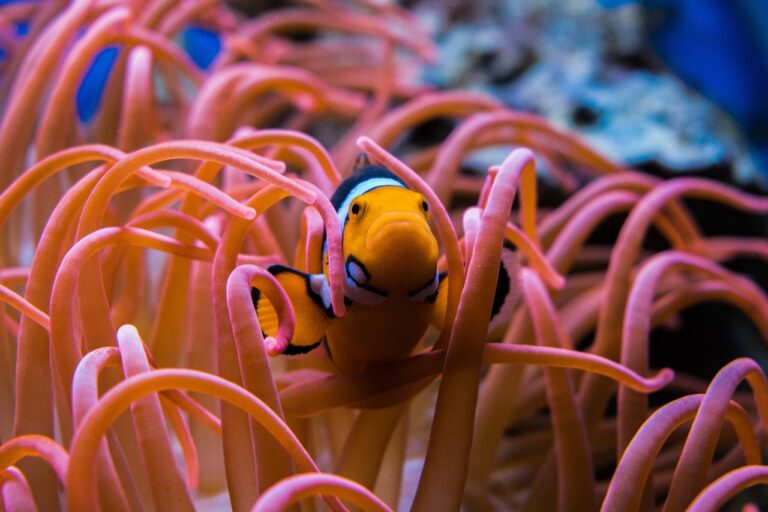
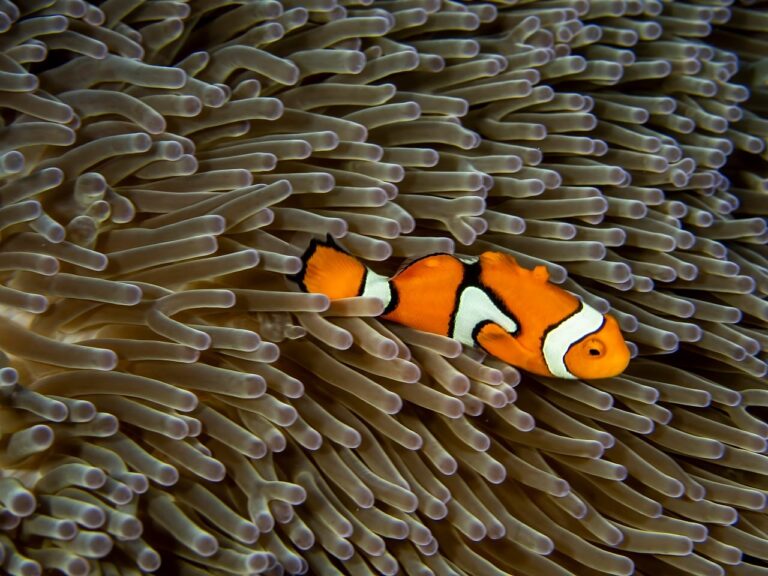
Why it’s the best. Raja Ampat sits in the heart of the Coral Triangle. Marine biodiversity here is staggering. You can see four or five different clownfish species on a single dive. The orange clownfish (Amphiprion percula) is abundant, but you’ll also find the striking Clark’s anemonefish (Amphiprion clarkii), the pink anemonefish (Amphiprion perideraion), and the tomato clownfish (Amphiprion frenatus). Anemone densities in places like the Dampier Strait and Misool are the highest I’ve seen anywhere.
Logistics and best time. Dry season runs October to April, with peak visibility November to March. Water temps sit around 27–29°C (80–84°F), so a 3mm wetsuit works for most divers. You’ll likely need a liveaboard from Sorong or Jayapura. Popular ones run 7- to 14-day itineraries. Because sites are spread across a large archipelago, liveaboards give you the most efficient access to multiple anemone fields.
Depth and difficulty. Most clownfish dives here are in the 5–20 meter range. Some sites have mild to moderate currents, so good buoyancy control helps. If you’re into macro, bring a camera with a decent macro lens—the anemone shrimp and porcelain crabs alongside the clownfish are also impressive.
Best For: Experienced divers who want maximum biodiversity and are comfortable on liveaboards.
2. The Great Barrier Reef, Australia – Iconic and Accessible
The Great Barrier Reef (GBR) is the world’s most famous reef system, and for good reason. It offers consistent clownfish sightings in an environment that’s well-managed and accessible to divers of all levels.
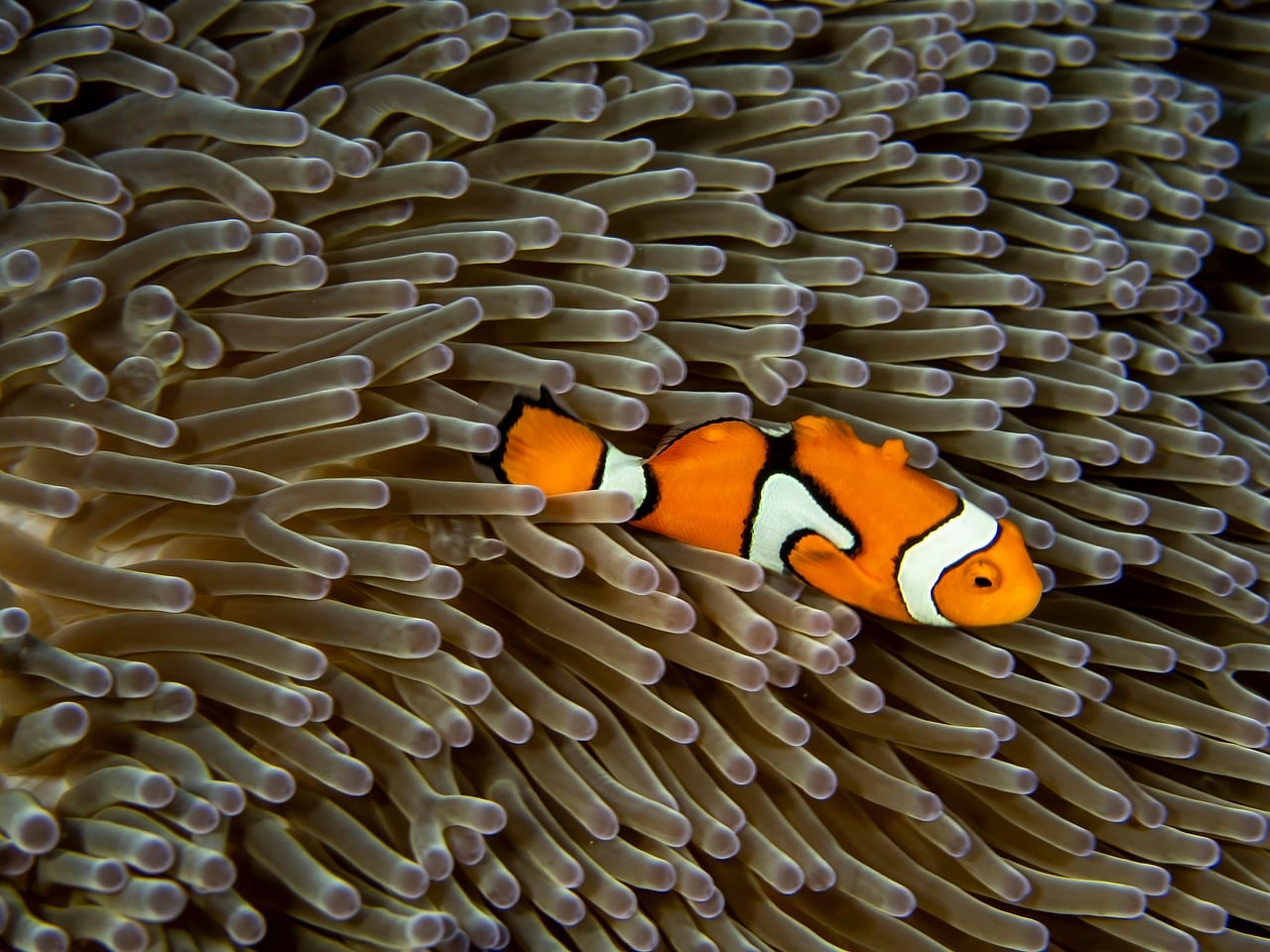
What to expect. The common clownfish (Amphiprion ocellaris) is the star here. You’ll find resident pairs in almost every healthy anemone. The Ribbon Reefs, Flynn Reef, and the Cod Hole are all excellent. The sheer number of dive sites means you can usually find active anemones even on busy days. Visibility averages 15–25 meters, and water temps range from 24–28°C (75–82°F) depending on the season.
Dive logistics. Most divers base themselves in Cairns or Port Douglas. Day trips are common and well-organized. Boats go out for 2–3 dives, and you can often hit two or three different reefs in a single day. If you want more time, liveaboards are excellent—they access outer reefs that get less traffic. A typical 3-day liveaboard covers the Ribbon Reefs and provides solid clownfish encounters.
Seasonal factors. Best diving is June to October (winter), when visibility is highest and stinger season is over. Summer (November–May) is warmer but has more rain and marine stingers. Operators provide stinger suits during this period, so you can still dive comfortably.
Who is it for? This works well for intermediate divers and families. The reef has a developed tourism infrastructure. Best For: Divers who want reliable sightings, easy logistics, and a mix of day dives and liveaboard options.

3. Egypt – Red Sea Clownfish Hotspots
The Red Sea is an often-overlooked clownfish destination. It offers good diving, lower costs, and the advantage of shore diving—which means you’re not stuck on a boat all day if currents kick up.
Where to go. Sharm El Sheikh, Hurghada, and Marsa Alam are the main hubs. The clownfish population is dominated by Clark’s anemonefish (Amphiprion clarkii), with striking white bands on a dark body. You’ll also see the two-band anemonefish (Amphiprion bicinctus) and occasionally the orange clownfish.
Visibility and conditions. The Red Sea is known for visibility—often 30–40 meters on good days. Water temperatures range 22–27°C (72–80°F), so a 5mm wetsuit is recommended, especially in winter. Diving is generally easy with mild currents at most reef sites, though some drift dives can be brisk. Beginners can stick to protected house reefs near Sharm.
Why choose Egypt? Cost. A week of diving in Egypt can cost less than a few days in Australia or Indonesia. Accommodation is affordable, and liveaboard trips are widely available for more exposed sites like the Brothers Islands or Daedalus Reef. Shore diving is a big plus—you can be in the water within minutes of arriving and still find healthy anemones.
A pro tip: Check anemone health before booking a site. Some areas near Hurghada have suffered from coral bleaching. Stick to well-regarded dive centers that rotate their sites to protect sensitive areas.
Best For: Budget-conscious divers and those who want shore diving convenience.
4. Fiji – Cloudy Reefs and Anemone Fields
Fiji is known as the soft coral capital of the world, but it also has some of the richest anemone fields you’ll find. The reefs in the Somosomo Strait and around Taveuni are particularly productive.
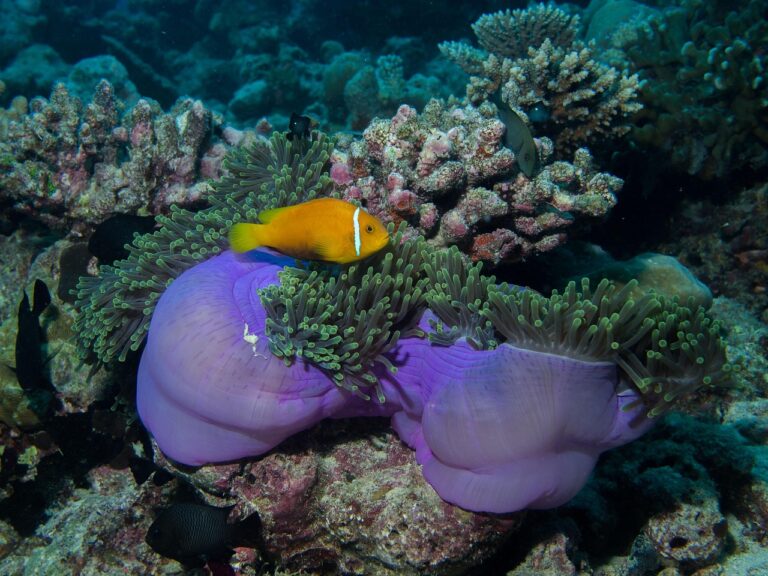
What makes it special. The diving here features thriving soft corals and healthy anemone populations. You’ll find multiple species, but Clark’s anemonefish and the pink anemonefish (Amphiprion perideraion) are most common. The pink anemonefish stands out against bright green or purple anemones. Anemone fields in places like the Rainbow Reef are extensive—you can easily spend a full dive exploring just the anemone gardens.
Dive conditions. Water temperatures are warm year-round, ranging 25–29°C (77–84°F). A 3mm wetsuit is fine for most divers. Visibility can be variable—sometimes 20 meters, sometimes more. Best time to visit is May to October, when the weather is drier and seas calmer.
Logistics. Two main options: stay at a dive resort on Taveuni or Vanua Levu, or join a liveaboard exploring the Somosomo Strait. Both work. Resorts tend to be more relaxed and allow multiple dives per day. Liveaboards cover more ground but are pricier. Dive costs in Fiji are moderate compared to Australia but slightly higher than Indonesia or the Philippines.
Who is it for? Divers who appreciate pristine reef ecosystems and want a less commercial experience. Best For: Macro photographers and divers who enjoy long, relaxed dives on healthy reefs.
5. Philippines – The Anilao and Tubbataha Experience
The Philippines is arguably the most budget-friendly serious dive destination out there. It offers a mix of muck diving and pristine reef environments, both excellent for clownfish sightings.
Anilao (Batangas). This is a short drive from Manila and famous for muck diving. Anemone fields here are densely packed with multiple species. The false clownfish (Amphiprion ocellaris) and orange clownfish (Amphiprion percula) are abundant. The water is relatively shallow (5–15 meters) and usually calm, so Anilao is ideal for beginners or macro photographers. Visibility can vary (sometimes 10–15 meters), but the density of anemones makes up for it.
Tubbataha Reefs Natural Park. If you’re more experienced, Tubbataha is a liveaboard-only destination in the Sulu Sea. It’s a UNESCO World Heritage site with pristine coral and massive anemone gardens. Visibility can exceed 30 meters. Best time is March to June. Tubbataha is expensive compared to other Philippine diving, but the reef quality is exceptional. You can see multiple species including Clark’s anemonefish and the pink anemonefish.
Cost and logistics. Diving in the Philippines is affordable. A week in Anilao can cost $500–800 including accommodation. Liveaboards to Tubbataha run $1,200–2,000 for a 7-day trip. Best time for Anilao is November to May (dry season). Tubbataha’s season is shorter—March to June.
Best For: Budget travelers, muck divers, and experienced liveaboard enthusiasts.
Comparison Table: Best Dive Destinations to See Clownfish
| Destination | Best Time to Go | Typical Species | Visibility | Difficulty | Cost | Best For |
|---|---|---|---|---|---|---|
| Raja Ampat | Oct–Apr | Orange, Clark’s, Pink, Tomato | 15–30m | Intermediate+ | $$$$ | Biodiversity, Liveaboard |
| Great Barrier Reef | Jun–Oct | Common Clownfish | 15–25m | All levels | $$$ | Family, Accessible |
| Egypt (Red Sea) | Mar–May, Sep–Nov | Clark’s, Two-Band | 20–40m | Beginner+ | $$ | Budget, Shore Diving |
| Fiji | May–Oct | Clark’s, Pink | 15–25m | All levels | $$$ | Reef Health, Macros |
| Philippines | Nov–May (Anilao), Mar–Jun (Tubbataha) | False, Orange, Clark’s | 10–30m | Beginner+ (Anilao), Intermediate+ (Tubbataha) | $$ (Anilao), $$$$ (Tubbataha) | Budget, Muck Diving |
Honorable Mentions – Lesser-Known Clownfish Hotspots
If the top destinations are out of reach or you want to avoid the crowds, these locations are worth investigating.
Maldives. Central and southern atolls have healthy anemone fields, particularly South Male Atoll and Ari Atoll. You’ll mainly see Clark’s anemonefish. Water temps are warm year-round, visibility is excellent. Downside is cost—Maldives is expensive, especially liveaboards.
Papua New Guinea. PNG offers incredibly remote and pristine reefs with high clownfish diversity. You’ll see many of the same species as Raja Ampat. But logistics are harder and costs are higher. This is for serious divers with remote travel experience.
Sulawesi (Lembeh Strait), Indonesia. Lembeh is the muck diving capital, but it also has excellent anemone gardens. Clownfish here include the orange clownfish and the spine-cheek clownfish. Visibility is often lower (5–15 meters), but biodiversity is exceptional. If you’re into macro photography, Lembeh is a paradise.

Essential Gear for Clownfish Diving
The right gear makes a real difference. You don’t need a lot of expensive equipment, but a few items will enhance your dives significantly.
An underwater camera. Clownfish aren’t shy, so you can get close. Travelers who want a capable macro setup often choose a compact like the Olympus TG-6 for its versatility, while others prefer a Sony RX100 in a housing. Both are small enough to travel with easily. If you’re serious about photography, consider a tray and a good macro wet lens for even tighter shots.
A reliable dive light. Even on sunny days, shadows can hide clownfish tucked deep into anemones. A small, powerful torch like an Orcatorch D520 or a quality primary dive light helps you spot them and brings out their colors. Look for a light with a wide beam for video and a tighter spot for macro.
A dive computer. Because you’re often in shallow water, it’s easy to stay down too long and rack up nitrogen. A computer like the Suunto Zoop Novo or the Shearwater Perdix 2 (for advanced divers) helps you manage your bottom time safely.
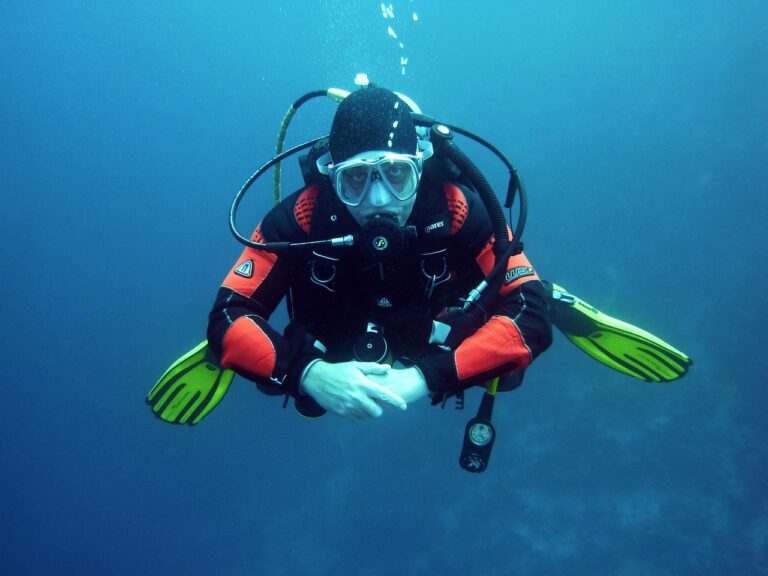
A comfortable wetsuit. Water temps vary, but a 3mm full wetsuit works for most tropical destinations. For Egypt or the Red Sea in winter, a 5mm is better. A well-fitting suit reduces fatigue and keeps you warm. Consider a neoprene vest for extra insulation without extra bulk.
A surface marker buoy (SMB). Because clownfish dives are often shallow, you may be doing multiple ascents. An SMB is essential for boat traffic and currents. Get one you can deploy easily, especially if you’re doing drift dives over anemone fields.
Common Mistakes to Avoid on a Clownfish Dive Trip
Even experienced divers make errors. Here are the most common ones and how to avoid them.
Mistake 1: Booking during the wrong season. Many destinations have a rainy season that reduces visibility or brings rough seas. Check the best time before you book. For example, July is rainy in Raja Ampat and often has reduced visibility. Plan accordingly.
Mistake 2: Not checking anemone health. If you just read “Clownfish at site X” and book without checking recent reports or reviews, you might end up at a bleached reef with no anemones. Ask the dive operator specifically about the condition of the anemone fields. Look for recent photos from other divers.
Mistake 3: Moving too fast. Clownfish are small. If you swim at a normal pace, you’ll miss many of them. Slow down, especially near anemones. Hover for at least 30 seconds and watch. You’ll often see a pair poke out from the tentacles.
Mistake 4: Not having a macro lens. You can shoot clownfish with a wide-angle lens, but it won’t capture their detail or the relationship with the anemone. A macro lens or a cheap wet lens attachment makes a world of difference. Even a simple close-up filter works well.
Mistake 5: Touching the anemone. This harms the animal and is dangerous for you. Anemones have stinging cells that can cause a reaction. More importantly, touching them damages the delicate tissue and stresses the resident clownfish. Always maintain neutral buoyancy and stay at least 30 cm away.
How to Choose the Right Liveaboard or Resort for Clownfish Dives
Your accommodation or boat choice can make or break a trip. Here’s how to vet options for clownfish-specific diving.
Check the number of dives per day. For clownfish spotting, you want 3 dives minimum, ideally 4. That lets you cover multiple sites in a day. Liveaboards with flexible schedules often let you request specific reef types.
Ask about site selection. Not all dive sites are equal. A good operator will rotate through different anemone fields. Ask if they have a “clownfish site” or “anemone garden” in their rotation. If they don’t know what you’re talking about, they may not prioritize it.
Group size matters. Larger groups can stir up sediment and scare fish. For the best photography and observation, look for small groups (4–6 divers per guide). Many high-end liveaboards and resorts offer this.
Guide expertise. An experienced guide who knows where the anemones are can save you time. Ask for a guide with local knowledge of the reef. In the Philippines, for instance, local guides know exactly which Anilao sites have the densest anemone fields.
Pro-tip: Read recent reviews specifically mentioning “clownfish” or “anemone.” If multiple recent reviews talk about large healthy anemone gardens, you’re in good shape. If they mention bleached reefs or lack of diversity, consider another option.
Sustainable Clownfish Diving – What You Need to Know
Clownfish aren’t currently endangered, but their habitat is under threat. Sensible diving practices ensure these reefs stay healthy for future visits.
Don’t touch the anemones. This is the single most important rule. Anemones are fragile and take a long time to recover from damage. Never put your finger or a light inside the tentacles. Keep a safe distance.
Maintain your buoyancy. Overhead fins and poor trim can damage coral and anemones. Practice in a pool or shallow water before diving on busy reefs. A simple fin kick can crush a small anemone.
Choose eco-friendly operators. Look for dive centers that are Green Fins certified or actively participate in reef conservation. They often enforce no-touch policies and avoid feeding wildlife. Avoid operators that let divers stand on the reef or chase animals for photos.
Don’t collect anything. Even if you see a dead anemone or a lost shell, leave it. Removing items disrupts the ecosystem and can harm clownfish habitat. Take only photos, leave only bubbles.
Why it matters: Healthy reefs support healthy clownfish populations. By diving responsibly, you help ensure future divers can enjoy the same encounters. It also builds trust with local communities who rely on tourism.
Final Thoughts
Choosing the right destination for clownfish diving comes down to your budget, experience level, and what you want from a trip.
If you’re after maximum biodiversity and are comfortable on liveaboards, Raja Ampat is the gold standard. For accessible dive sites and family-friendly logistics, the Great Barrier Reef works well. Budget-conscious divers get good value in Egypt or the Philippines. If you prioritize pristine reefs and fewer crowds, Fiji is a solid choice.
No matter which destination you choose, doing your homework pays off. Check recent conditions, plan for the right season, and gear up appropriately. A good camera, a reliable dive light, and patience will reward you with great encounters with these charismatic fish.
If you’re still planning your gear list, I’ve linked a few recommendations above. They’re practical tools that solve real problems underwater. Start there, then book your trip. Your next clownfish dive is waiting.