Coral Reef Biodiversity: Why Every Species Counts
What Exactly Is Coral Reef Biodiversity?
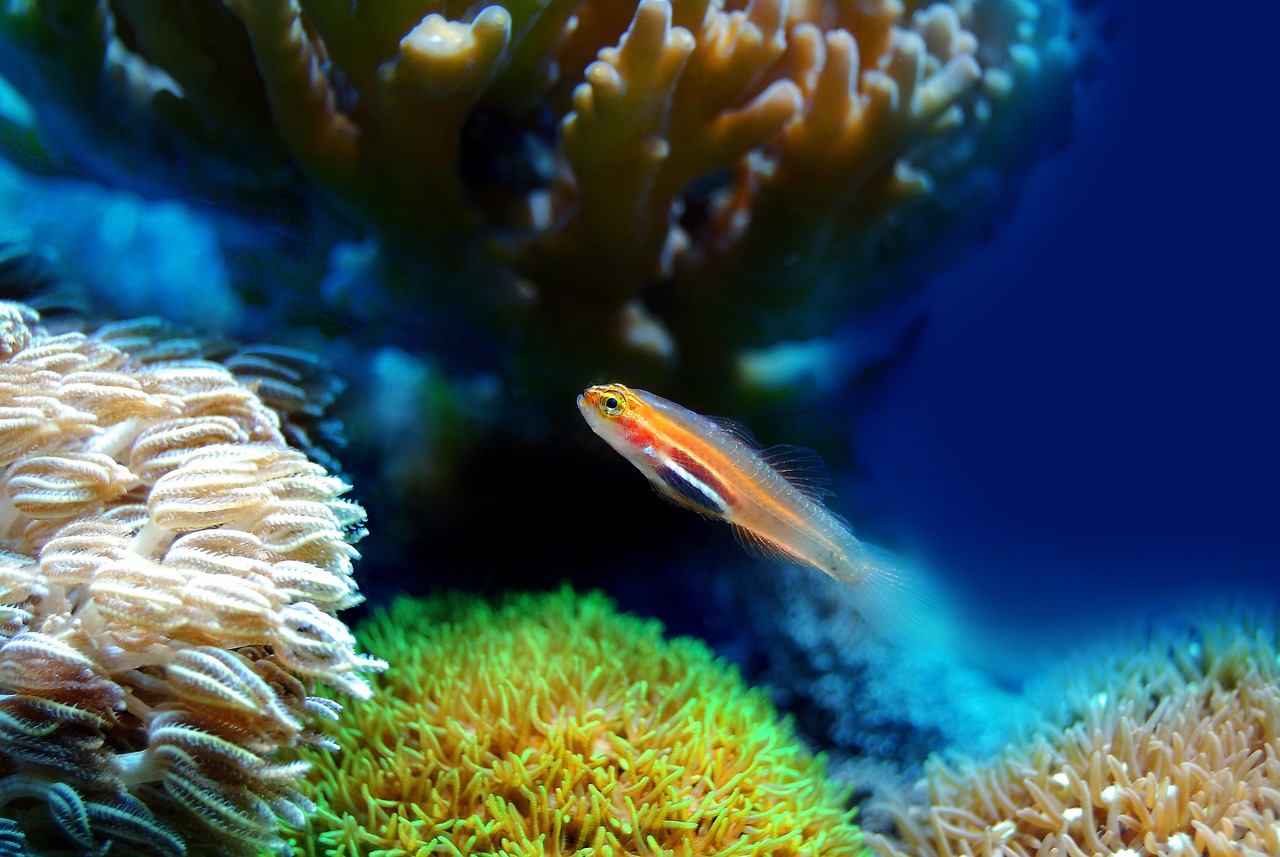
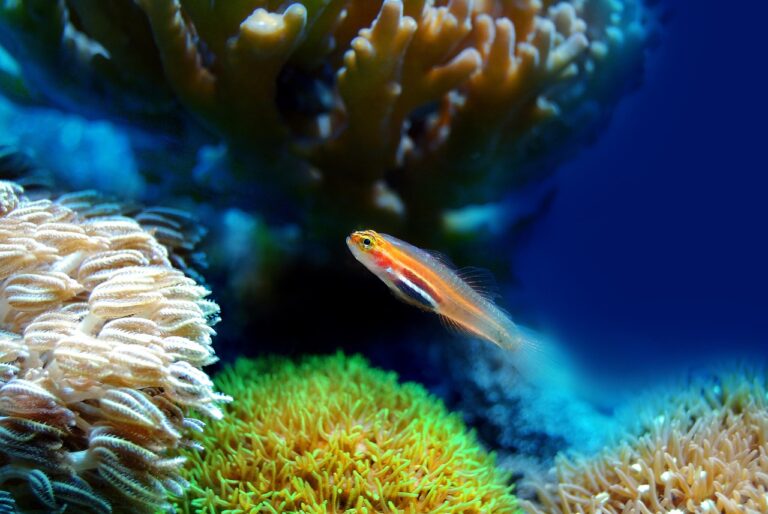
When people talk about coral reef biodiversity species, they aren’t usually thinking of one number. They mean the whole cast of characters living on and around the reef. Corals, obviously. But also the fish that nibble on algae, the crabs that scuttle between branches, the worms that burrow into dead coral heads, and the plankton that drifts through at night. A single healthy reef can host thousands of species in a space smaller than a football field.
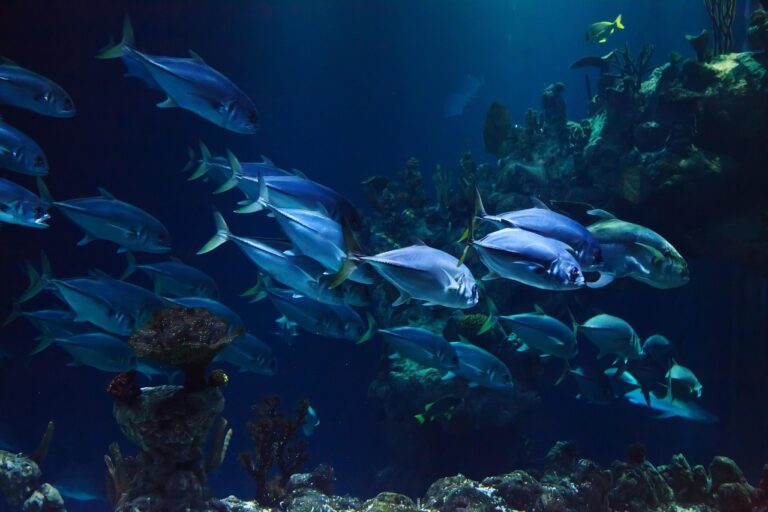
Biodiversity here isn’t just a scientific term. It’s a practical reality of what you see when you put your mask on. A reef with high biodiversity looks busy. Fish of different sizes and colours move in patterns. Corals grow in overlapping shapes. Invertebrates hide in plain sight. A low-biodiversity reef looks quiet, empty, or overgrown with algae. That difference matters for your trip.
From a biological standpoint, biodiversity is survival insurance. Different species fill different roles. Some clean the reef. Some create shelter. Some control populations of other creatures. When you lose one species, the whole system gets weaker. That is why every species counts, even the ones you might not notice on your first dive.

Why a High Number of Species Matters for You
You do not need a marine biology degree to appreciate high biodiversity. It translates directly into a better experience. More species means more to look at, more interactions to watch, and more variety on every dive or snorkel. A reef with 300 fish species simply provides more entertainment than a reef with 30.
There is also a resilience factor. Reefs with high biodiversity recover faster from storms, bleaching events, and disease outbreaks. When you visit a high-biodiversity site, you are more likely to see a healthy reef that looks similar to what it did five or ten years ago. Compare that to a degraded site where branching corals have broken apart and the only fish left are territorial damselfish.
I have dived both types. On one reef in the Coral Triangle, I saw a new species every few minutes for an entire week. On a degraded reef in the Caribbean, I spent an afternoon and could count the fish species on one hand. The difference was not subtle. If you are booking a reef trip specifically to see marine life, prioritise biodiversity. Your camera roll will thank you.
Key Players: Corals, Fish, and Invertebrates
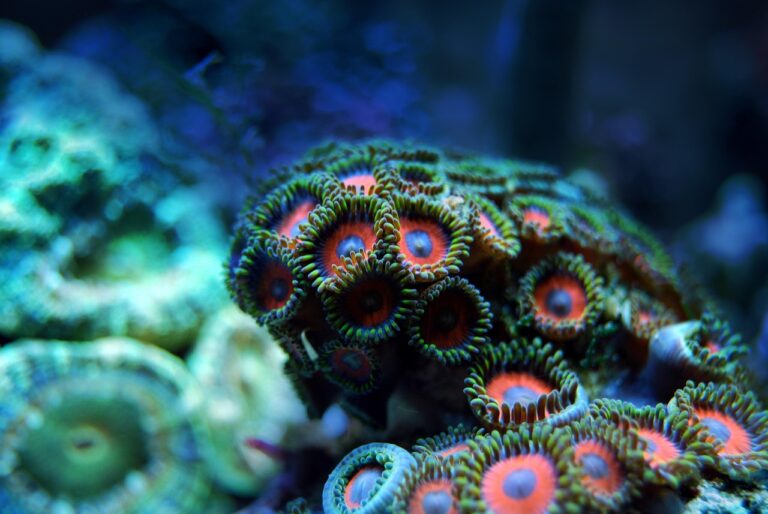
To understand a reef, start with the foundation. Stony corals are the architects. They build the hard calcium carbonate structure that everything else depends on. Without them, there is no reef. Different coral shapes create different habitats. Branching corals offer hiding spots for small fish. Massive boulder corals provide stable surfaces for algae and sponges. Table corals create shaded areas where fish rest.
Herbivorous fish like parrotfish and surgeonfish are the maintenance crew. They graze on algae that would otherwise smother corals. Parrotfish also produce sand when they grind up coral skeletons to eat algae. A single parrotfish can produce hundreds of kilograms of sand per year. That sand eventually becomes beaches. Travelers who need a reliable field companion for identifying these fish may benefit from a reef fish identification guide to use during or after dives.
Invertebrates are the cleaners and recyclers. Shrimp pick parasites off fish. Crabs scavenge dead material. Worms break down organic matter. Sea cucumbers process sediment. Each one plays a role that keeps the reef functioning. When you see a cleaner shrimp station, you are watching a tiny but essential service in action.
Common Mistake: Ignoring the Small Things
The biggest mistake new reef visitors make is focusing only on big fish. Sharks, rays, and groupers are exciting, but they are not the whole story. The tiny species are often the ones that matter most for biodiversity. Nudibranchs, cleaner shrimp, coral polyps, and juvenile fish are indicators of reef health. If the small things are present, the reef is likely functioning well.
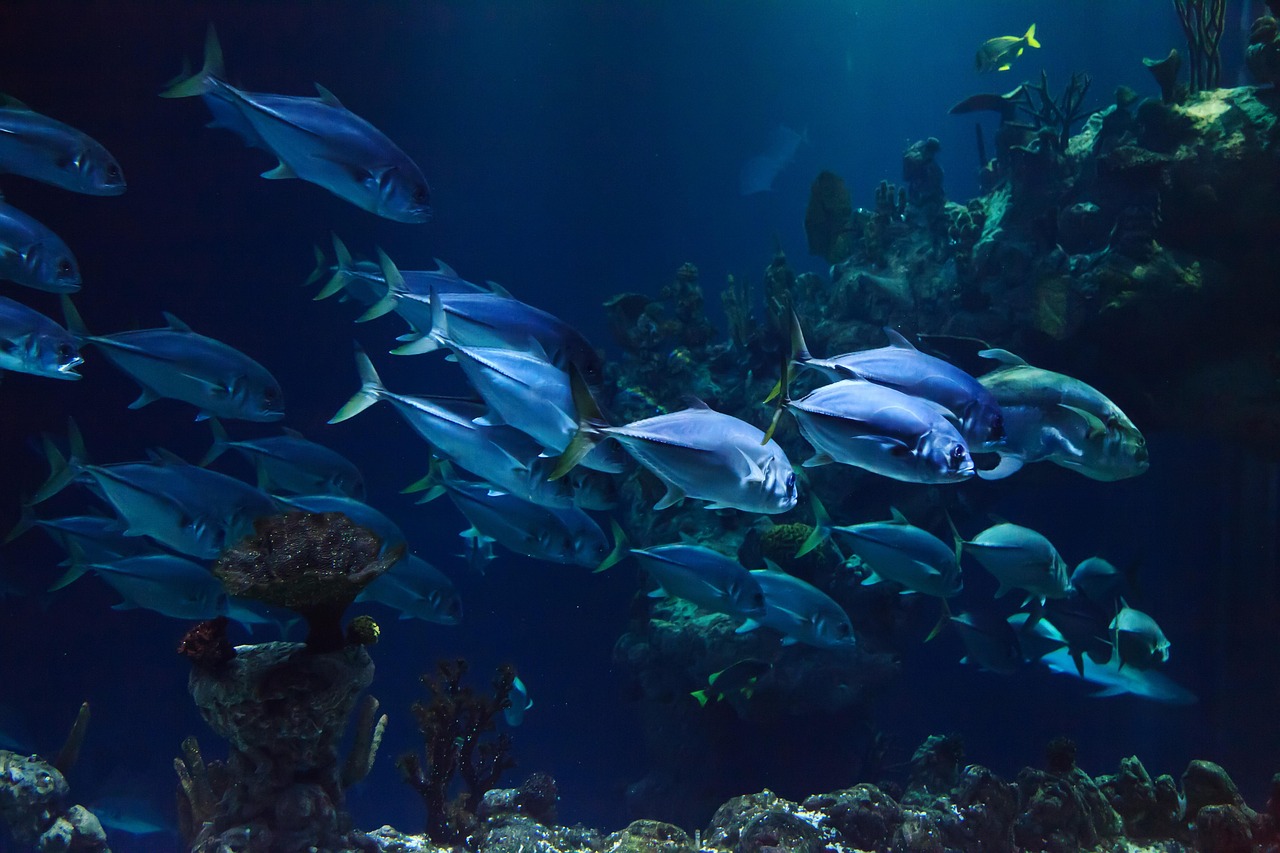
Spotting them requires a different approach. Instead of swimming fast, slow down. Look under coral ledges. Check the base of coral heads. Peer into crevices. Night dives are especially good for seeing small nocturnal species like crabs, shrimp, and octopuses that hide during the day. A good flashlight reveals a whole different world. For nighttime observation, a dive flashlight is a simple way to improve visibility and uncover hidden life.
I once spent an entire dive watching a single cleaner shrimp work on a moray eel. The eel opened its mouth wide while the shrimp picked bits of dead skin and parasites from inside. That interaction lasted twenty minutes. Most divers swam right past it because they were scanning for larger animals. Do not be that diver.
Comparing Reef Types: High Biodiversity vs. Low
Not all coral reefs are created equal. The Coral Triangle, centred around Indonesia, Malaysia, and Papua New Guinea, holds the highest marine biodiversity on Earth. It has over 75% of the world’s coral species and more than 2,000 reef fish species. The Great Barrier Reef is impressive but has fewer species per square metre. The Caribbean has even less. This is not about quality. It is about density.
High-biodiversity reefs tend to be in remote areas with strong currents and good water quality. They are often protected as marine reserves or national parks. The tradeoff is accessibility. You may need a liveaboard, a longer boat ride, or a flight to a small island to reach them. That adds cost and time. But if your goal is seeing the widest variety of species, it is worth it.
Low-biodiversity reefs are easier to reach. They are often closer to resorts, population centres, and shore dives. You can still enjoy them, but your expectations should adjust. You will see fewer species, and the reef may show signs of stress like bleached corals or algae overgrowth. Choose based on your priorities. If species variety is your main driver, go remote.

Best Gear for Observing Reef Biodiversity
Good gear makes a real difference in what you see. A clear mask with a proper fit is non-negotiable. If your mask fogs or leaks, you will spend your dive fixing it instead of watching fish. Spend a bit more here. It directly affects your experience.
Reef-safe sunscreen is not just marketing. Standard sunscreens contain oxybenzone and octinoxate, which damage coral larvae and promote bleaching. Mineral-based sunscreens using zinc oxide or titanium dioxide are better. They still protect your skin without harming the reef. Several reliable brands offer these without the harmful chemicals. Beginners may want to purchase reef safe sunscreen before heading to the coast.
A waterproof camera lets you document what you see. You do not need a professional setup. A compact action camera with a good underwater mode is fine. For identification, bring a small dive slate or a waterproof guidebook. Some apps work offline and help you match fish to names. Having a reference in the water makes the experience more educational and satisfying.
How to Plan a Trip Focused on Biodiversity
Planning a reef trip for species diversity requires research. Start with location. The Coral Triangle and parts of the Maldives, Fiji, and the Philippines offer high counts. Within those areas, look for marine protected areas or no-take zones. These restrictions allow populations to recover and maintain high biodiversity.
Seasonality matters. Water temperature, currents, and visibility change throughout the year. In many tropical regions, the dry season offers the best conditions. Calm seas mean less plankton bloom and clearer water. That makes spotting species easier. Rainy season can bring runoff that reduces visibility and stresses corals.
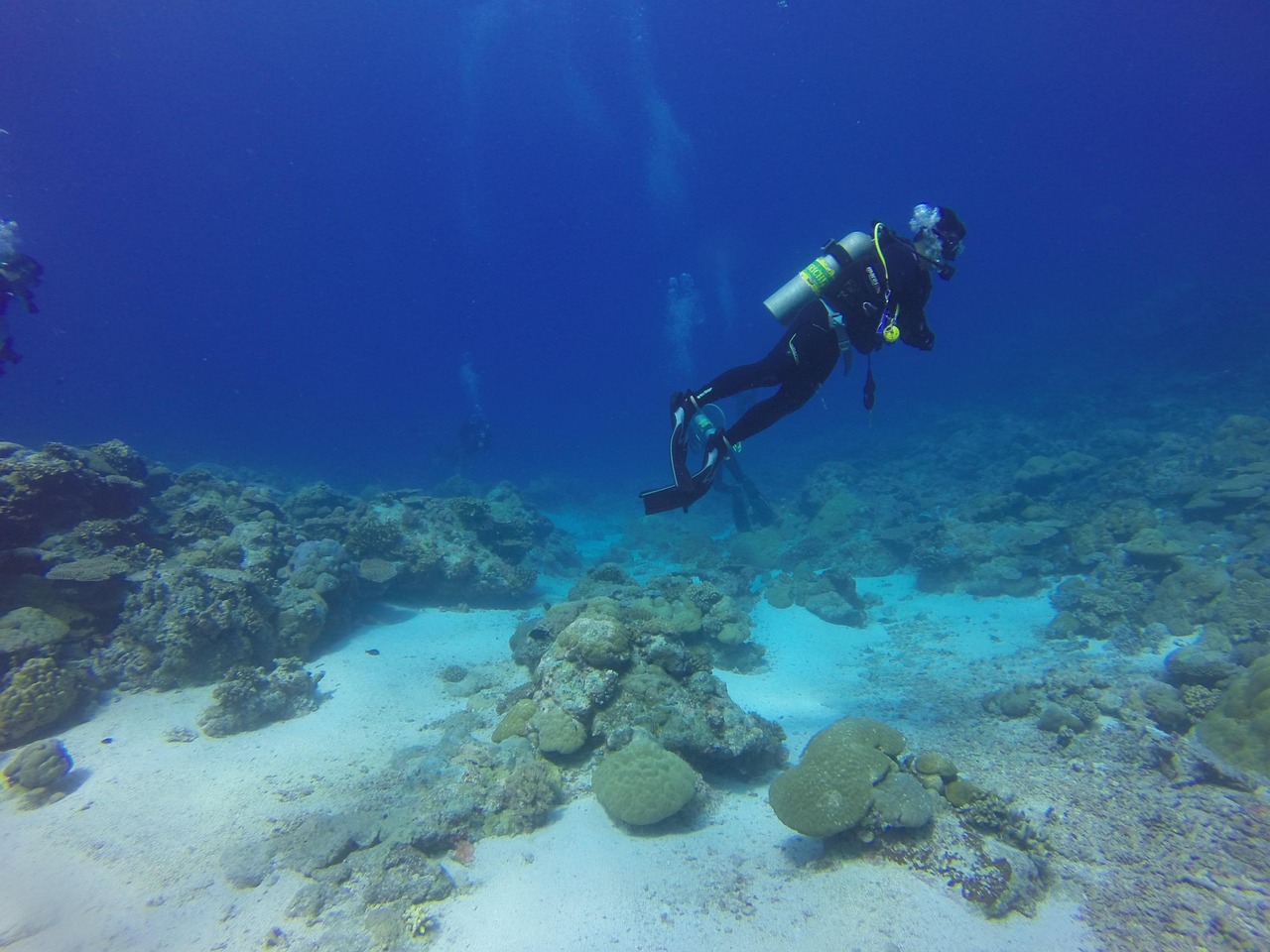
Choose tour operators that emphasise conservation. Ask about their policies on anchoring, reef touching, and fish feeding. Responsible operators will have a briefing on reef etiquette. If they do not, that is a red flag. Snorkeling is less disruptive than diving because there is no contact with the reef, but both can be done responsibly. Book with groups that actively support reef health through cleanups, monitoring, or education.
The Real Tradeoff: Tourism and Reef Health
Here is the honest truth. Every visitor to a reef has an impact. Boat anchors break corals. Sunscreen washes off and damages polyps. Touching coral kills it. Feeding fish changes their natural behaviour. The more people visit a reef, the more stress it accumulates.
That does not mean you should stop visiting reefs. It means you should visit responsibly. Choose eco-certified tours. Use reef-safe sunscreen. Never touch or stand on coral. Do not chase or feed fish. These actions seem small, but they compound across thousands of visitors per year. A single careless diver can undo years of regrowth in a protected area.
There is also a larger pattern. High-biodiversity reefs attract more tourists. That creates revenue for local communities, which can fund conservation. But it also degrades the resource if not managed. The best destinations have entry fees, mooring buoys, and visitor limits. Support those places. Your money helps maintain the reef for the next person.
What to Do If You Visit a Degraded Reef
Not every reef you visit will be pristine. You might check into a resort and find the house reef is mostly rubble with a few hardy coral colonies. Do not be disappointed. Use it as a learning experience. A degraded reef still has things to show you.
Focus on what is present. Look for the hardiest species, like massive Porites corals or certain algae-eaters like parrotfish. Notice where the damage is. Is it from bleaching, storm damage, or anchor scars? Understanding the causes helps you make better choices on the next trip. A degraded reef also makes you appreciate a healthy one more.
Your decision framework should be simple. If the reef is severely damaged and there is no active conservation, consider skipping that site. Your presence does not help. If there is ongoing restoration work, your visit can support it through entry fees or donations. Either way, keep your expectations realistic. A degraded reef is not a total waste. It is a reminder of why every species counts.

How to Identify Species on Your Own
You do not need a marine biology degree to identify what you see. Start with the obvious ones. Clownfish live in anemones and are easy to spot. Angelfish have distinctive colours and body shapes. Butterflyfish are similarly recognisable. Branching corals like Acropora grow in antler-like shapes. Table corals form flat platforms.
A waterproof guidebook or a laminated identification card helps. Some dive resorts provide them. For phone users, apps like Reef Life Survey guide work offline once downloaded. Just remember to keep your phone in a waterproof case. Do not rely on cellular signal underwater.
Take notes after your dive. Write down key features like colour, shape, and behaviour. Compare with your guide later. Over time, you will build a mental database. That makes future dives more rewarding because you recognise patterns. You start noticing the differences between similar species. That is when reef observation becomes truly engaging.
Final Tips for a Rewarding Reef Visit
Plan ahead. Bring the right gear. Choose your destination based on what you want to see. Slow down in the water. Look at the small things. Support responsible operators. Respect the reef.
Every species on a coral reef serves a purpose. The ones you notice and the ones you miss. A healthy reef with high biodiversity is a privilege to see. It takes years to build and seconds to damage. Your choices matter from the sunscreen you wear to the tour you book.
If you want the best experience, go where the biodiversity is highest. Invest in gear that lets you see more. And always leave the reef exactly as you found it. That is how you make sure it stays there for the next diver.