Coral Reefs and Coastal Protection: The Science Behind Nature’s Best Storm Barrier
Introduction
You might think of coral reefs as just pretty places for snorkeling. And they are that. But look a little deeper—no pun intended—and you’ll find they’re one of the most cost-effective natural barriers against storm surge and erosion. The science of coral reefs coastal protection is increasingly important for homeowners, coastal planners, and even the curious diver who’s noticed how a healthy reef changes the surf. The idea is simple: a reef acts like a submerged breakwater. But the mechanics are fascinating, and surprisingly few people get them right. This article unpacks how reefs work as wave breakers, compares them to engineered seawalls, and explains how reef health determines your safety. We’ll stick to practical insights, not magazine fluff. By the end, you’ll know whether the reef near you is pulling its weight.

What Makes Coral Reefs Effective Wave Breakers
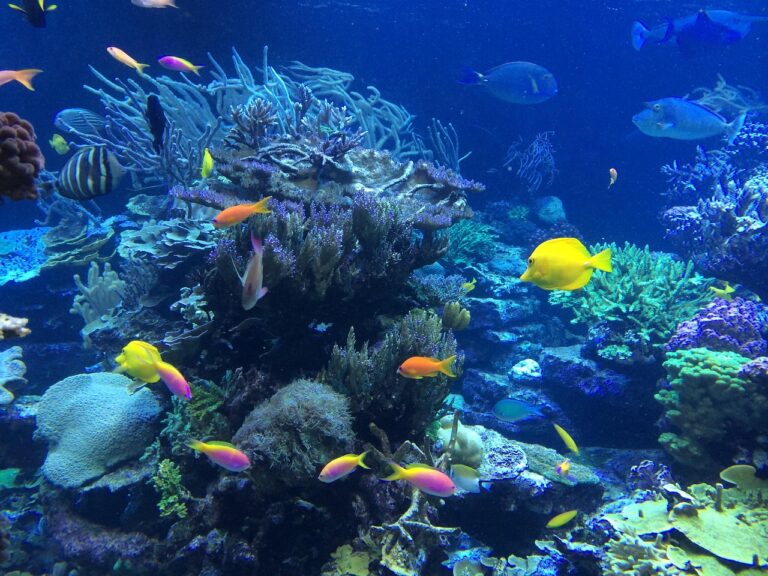
The first thing to understand is that a reef isn’t a flat lump. It has structure. A healthy coral reef has three main zones: the reef crest, the reef flat, and the reef slope. The crest is the shallowest part, often exposed at low tide. That’s the real workhorse. When a wave hits the crest, it undergoes friction, refraction, and turbulence. The energy gets ripped apart. The wave breaks, loses height, and the remaining water sloshes over the flat with far less force. It’s more or less like a submerged seawall that builds itself.
Studies have shown a healthy reef can reduce wave energy by 70 to 90 percent. Think about that. A ten-foot storm surge hitting a reef might arrive at the shore as a two-foot slosh. That’s the difference between a nuisance flood and a building collapse. The physics behind it is straightforward. The roughness of the coral creates drag, the slope forces the wave to shoal and break, and the flat absorbs the residual energy over a wide area. Compare that to a smooth concrete wall, which can reflect wave energy and even make erosion worse in adjacent areas. A reef dissipates. A seawall deflects. That’s why natural infrastructure often outperforms hard engineering.
There’s a nuance, though. The effectiveness depends on the reef’s profile. A gently sloping reef with a wide flat and a rough surface will outperform a steep, narrow reef. That’s why you can’t just claim a reef exists and expect full protection. You need to look at the shape and health of the reef itself.
The Cost Comparison: Reef Restoration vs. Engineered Seawalls
Money talks, and in coastal protection, it talks loudly. Building a concrete seawall is expensive—often running $10,000 to $30,000 per linear foot. It also needs maintenance. Seawalls crack, corrode, and eventually fail. And they offer no co-benefits. No fish. No tourism. No biodiversity.
Reef restoration, on the other hand, is cheaper in the long run but requires patience. A typical restoration project might cost $100,000 to $500,000 per hectare, but that’s a one-time investment plus monitoring. And the returns go beyond protection. A healthy reef supports fisheries and draws visitors willing to pay for diving. That’s revenue that offsets the cost of conservation.
But let’s be honest: reefs aren’t always enough. For a community exposed to hurricane-force waves and high storm surges, a reef alone won’t cut it. The best solution is often hybrid—restore the reef to reduce baseline wave energy, then use a lower, less expensive engineered structure behind it for extreme events. That’s how you get the best of both worlds.
Here’s a simple way to think about it:
- Seawall: High upfront cost, continuous maintenance, no co-benefits, reflects wave energy, can worsen erosion.
- Healthy Reef: Lower long-term cost, natural maintenance (if protected), supports fisheries and tourism, dissipates energy and reduces erosion.
- Hybrid: Moderate cost, highest overall protection, capitalizes on the reef’s natural function, minimizes seawall height and expense.
The key is to evaluate your specific risks. If you’re in a low-energy environment, a restored reef may be enough. If you’re in a high-energy zone, plan for a combined approach.

How Reef Health Directly Affects Coastal Safety
Here’s where it gets real. A bleached, dead reef doesn’t protect you the same way a living one does. The difference is structural complexity. Live coral builds three-dimensional frameworks that increase roughness. Dead coral, especially after bioerosion from sponges and urchins, becomes crumbly and flat. It loses surface area. Think of the difference between a forest and a parking lot. A forest stops wind. A parking lot just lets it blow through.

The 2017 hurricane season in the Caribbean made this painfully clear. Reefs battered by previous bleaching events had lower live coral cover. When Hurricanes Irma and Maria hit, communities behind degraded reefs experienced more flooding and erosion than those behind healthier reefs. The numbers are stark: reefs with less than 10 percent live coral cover provided up to 50 percent less wave energy reduction compared to reefs with 50 percent cover.
Of course, a degraded reef isn’t useless. It still provides some friction. But the protection degrades fast. This is why monitoring reef health isn’t just an environmental concern—it’s a safety concern. If you’re a homeowner or planner, you need to know the condition of the reef in front of your coast. A healthy reef with high coral cover and diverse species is your best shield.
Common Mistakes in Evaluating Reef Protection Benefits
People make errors all the time when assessing reef protection. Here are the ones I see most frequently:
- Assuming all reefs offer equal protection. They don’t. A shallow, wide, and rough reef is far better than a deep, narrow, and smooth one. Check the depth profile.
- Ignoring reef depth and slope. A reef that’s too deep won’t break waves effectively. Wave energy reduction falls off significantly once the crest is more than about 2 meters below low tide.
- Confusing storm surge with wave action. A reef reduces wave energy, but storm surge is a long-period ocean rise. For surge, you need land elevation and drainage. Don’t assume a reef protects you from both equally.
- Forgetting about direction. A reef oriented perpendicular to prevailing waves will offer less protection than one parallel to the shoreline. Aspect matters.
Here’s a quick checklist. Before claiming a reef is protecting you, ask yourself:
- How close is the reef crest to the surface?
- How wide is the reef flat?
- What’s the live coral cover?
- What’s the dominant species? Branching corals are rougher than massive boulders.
- What’s the incident wave climate? Reefs work best in moderate energy environments.
Practical Tools to Measure Reef-Based Coastal Protection
You don’t need a PhD to get a rough estimate of a reef’s protective capacity. Several tools are available to anyone with a computer and a little patience. Satellite imagery from Landsat or Sentinel-2 can give you reef extent and depth approximations. Open-source wave models like SWAN (Simulating Waves Nearshore) can be run on a decent laptop with basic training. For the DIY crowd, simple field observations—measuring wave height on the reef versus the shore—go a long way.
If you’re a local planner or a concerned citizen, start with Google Earth and look at the reef’s width. Then cross-reference with local tide charts. If the reef is wide, shallow, and visible at low tide, it’s likely doing real work. If it’s deep or narrow, you need a professional assessment.
For those who want to take it further, a waterproof notebook and a dive slate are essential gear. Documenting reef changes over time gives you data no satellite can replace. Some organizations offer online courses on reef monitoring. If you’re interested, a good field manual on reef ecology is worth the investment.
What Coastal Planners Get Wrong About Reef Conservation Priorities
I’ve seen it happen too many times. A funding round for reef restoration targets the easiest accessible patches near the beach. They’re visible to tourists and politicians. But those shallow patches often have low protection value. The real priority should be reefs that naturally reduce wave energy most efficiently—usually the outer reef crests. They’re harder to reach and less photogenic, but they do the heavy lifting.
Another common mistake is ignoring adaptive management. Restoration isn’t a one-and-done project. You need to monitor survival, growth, and wave attenuation. A reef planted and forgotten is a reef that will likely fail. Planners often underestimate the time and budget needed for ongoing maintenance.
And then there’s the belief that more corals always equals more protection. Not exactly. Diversity and structural complexity matter more than sheer number. A reef dominated by a single species is vulnerable to disease and bleaching. Diversity is insurance. If you’re advising a planner, push for monitoring metrics that include species richness and three-dimensional complexity.
The fix is simple: map the wave energy distribution along your coastline, then prioritize restoration on the reefs that absorb the most energy. If you can’t restore the whole reef, focus on the high-value patches.
The Best Gear for Reef Monitoring and Restoration Work
If you’re serious about reef protection, you need the right tools. You don’t need a research vessel—just start with the essentials.
- Underwater camera: A rugged, waterproof camera for documenting reef structure and coral health. Think of it as evidence for your claims. A good GoPro or a dedicated underwater compact works well.
- Reef-safe sunscreen: This is non-negotiable. Standard sunscreens kill coral larvae and contribute to bleaching. Look for mineral-based formulas with non-nano zinc oxide.
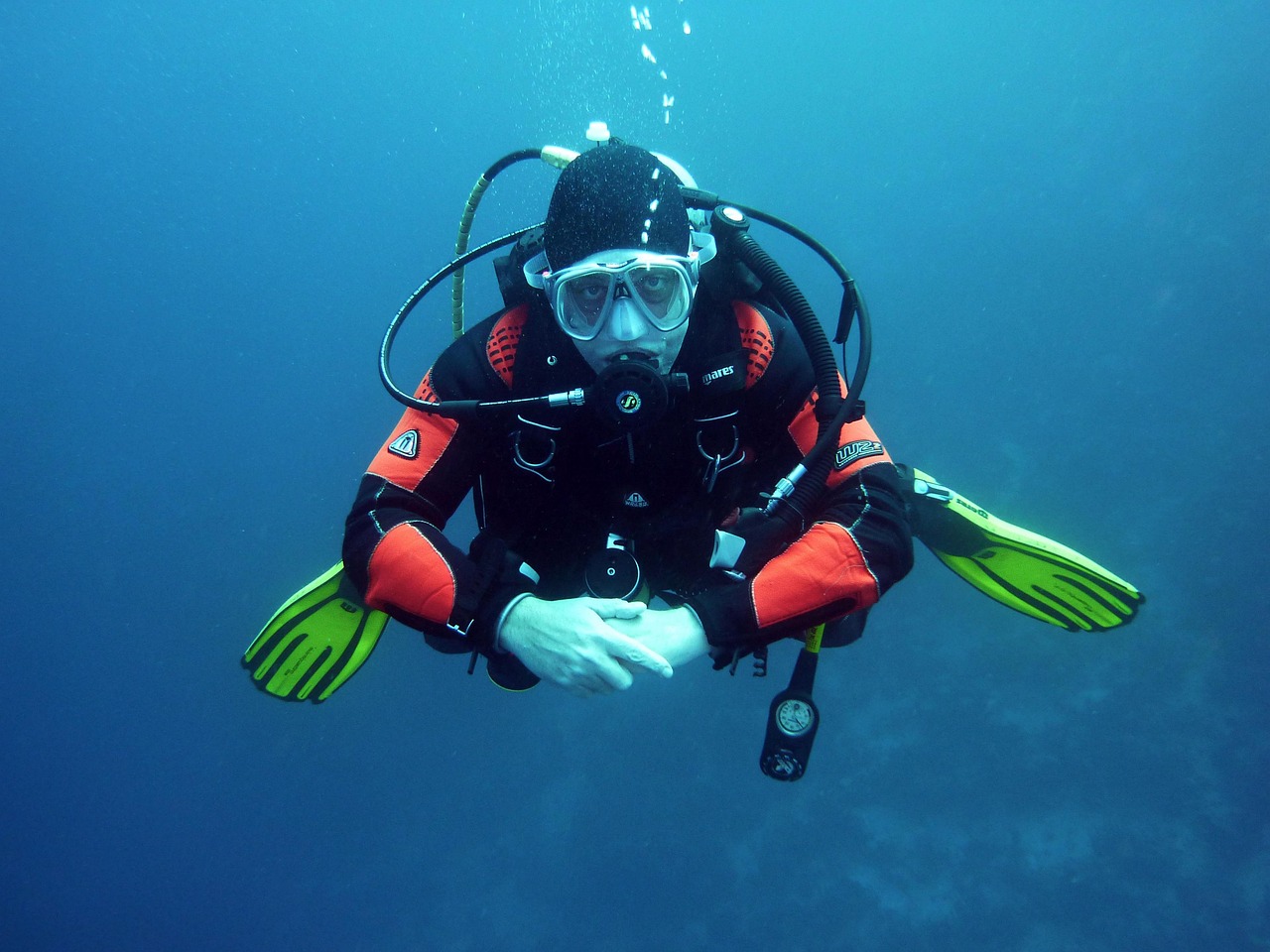
- Dive computer: For depth mapping and ensuring safety during surveys. It helps you record the precise depth of the reef crest, which is critical for protection calculations.
- Coral propagation kits: Many organizations sell simple kits for transplanting coral fragments. They’re useful for restoration projects and also for hobbyists wanting to contribute to local efforts.
- Waterproof notebook and dive slates: For field data collection. Document species, cover, and rugosity. It’s the backbone of any monitoring program.
These are tools you’ll actually use. Don’t buy a cheap waterproof camera that floods on the first dive. Invest in gear that holds up. Check reviews from diving professionals, not casual users.

Where to See Working Reef Protection in Action
If you want to see a reef doing its job, head to places with high live coral cover and observable wave reduction. The Belize Barrier Reef is a classic example. It’s a wide, shallow barrier reef that reduces wave energy significantly, allowing the mainland coast to support mangrove forests and low-lying settlements. The Maldives rely entirely on their house reefs for protection. Many islands would be uninhabitable without their surrounding reef crests. The Great Barrier Reef, though under pressure, still provides billions of dollars in flood protection benefits to the Queensland coast.
These locations aren’t just pretty. They’re case studies in how natural infrastructure functions. Spend a day snorkeling on a well-protected reef and you’ll notice the difference in wave height between the ocean side and the lagoon side. That’s the protection in action. If you go, book with conservation-focused tour operators. Many donate a portion to reef monitoring or restoration. Your visit can directly support the science.
Why This Science Matters for Property Owners and Communities
This isn’t just academic. Understanding reef protection can influence property decisions. If you’re buying coastal property, check the health of the offshore reef. A degraded reef means higher erosion risk and potentially higher insurance premiums. Some insurers are starting to factor in natural defenses like reefs. The same applies to local planning. A community that invests in reef health can reduce storm damage costs and maintain property values.
Actionable steps are straightforward. Join or support local reef monitoring groups. Many accept volunteers for surveys. Advocate for marine protected areas, especially those that preserve reef crests. And if you’re investing in property, consider distance from degraded reefs—a healthy reef is an asset, but a dying one can be a liability.
Final Thoughts and Next Steps
Coral reefs are not just a tourist attraction. They are cost-effective, self-maintaining infrastructure that reduces wave energy, prevents erosion, and keeps people safe. But they require active stewardship. A healthy reef is an investment. A neglected reef is a hidden risk. If you found this article useful, share it with a local planner or a property owner. Check your local reef health data online. And if you want to see it in action, plan a low-impact visit to a well-managed reef. The science matters, but your next step matters more.