Diving in Raja Ampat: The Ultimate Clownfish Paradise for Divers
Why Raja Ampat Is a Clownfish Hotspot
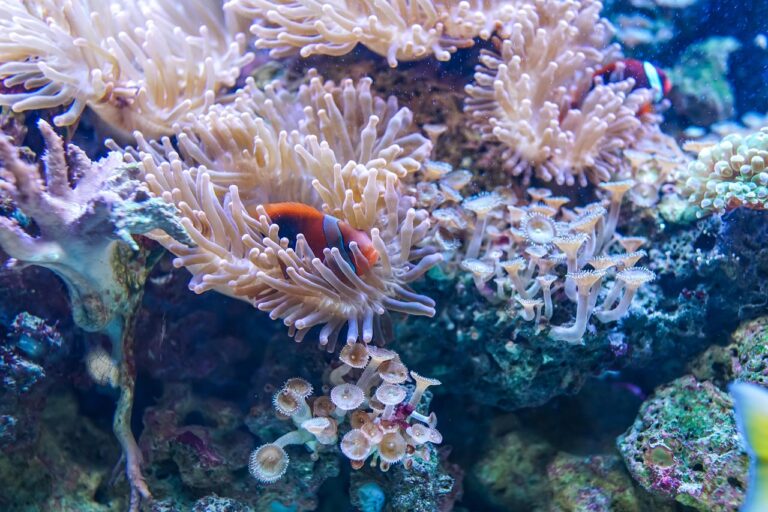
Raja Ampat sits at the center of global marine biodiversity. The coral reefs here are old, healthy, and structurally complex. This is not the kind of bleached, stressed reef you see in many other places. The density of living coral creates perfect habitat for sea anemones, and sea anemones draw clownfish. Simple ecology.

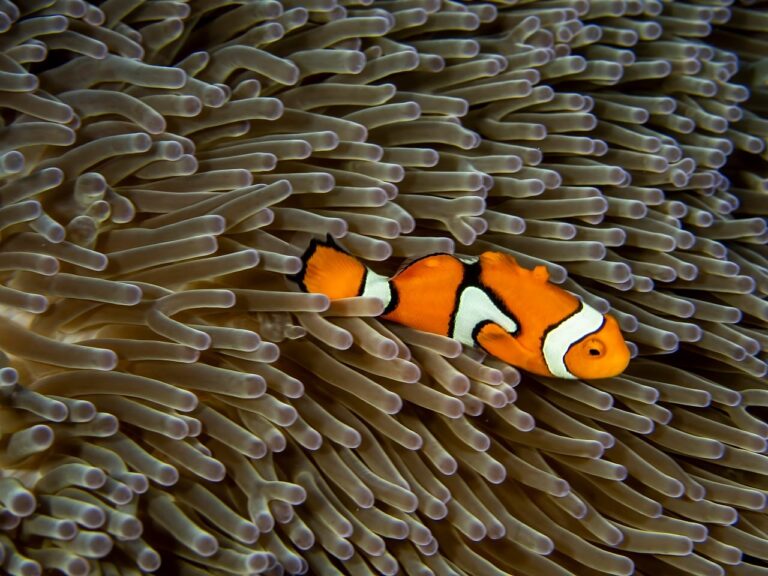
Seven species of anemonefish have been documented in Raja Ampat. The familiar false clownfish, the orange-fin anemonefish, and Clark’s anemonefish are all common here. For any diver interested in raja ampat clownfish diving, this is the best starting point in the Indo-Pacific. The protected status of the marine park, along with limited coastal development, means these fish are not just presentâthey are abundant across multiple reef systems. You will find them in shallow lagoons, on steep walls, and even under jetty pilings. The diversity is real, not just something in a brochure.
Best Dive Sites for Clownfish in Raja Ampat
You cannot hit every site in a single trip, and you shouldn’t try. Here is a straight comparison of dive sites most likely to deliver reliable clownfish encounters. Each site has its own character.
Cape Kri
This is the famous site, for good reason, but not for the reasons most people think. Cape Kri holds a record for fish species counted on a single dive. For clownfish, you will find large colonies of false clownfish in magnificent sea anemones at depths between 8 and 18 meters. Current can be moderate to strong, so reasonable buoyancy control helps. Visibility is typically excellentâ25 to 30 meters in calm season. Best for: divers who want volumeâlots of fish, lots of anemones, and a reliable clownfish show.
Manta Sandy
Despite the name, this cleaning station for manta rays also hosts anemonefish. The clownfish here are often in deeper anemones (15 to 18 meters) attached to the bommies on the sandy slope. Lighting is tricky because of the sandy bottom, but the fish seem less disturbed by divers than at some other sites. Bring a dive light even for daytime dives. Currents can be tricky during tide changes. Best for: photographers who want cleaner backgrounds and fewer divers.
Blue Magic
A seamount in the Dampier Strait. This is a current-dependent site. When the flow is right, the soft corals and anemones are spectacular. The orange-fin anemonefish is common here, and they tend to be in deeper water (20 meters plus). This is not a beginner site. The current can sweep you off the reef if you are not paying attention. But for experienced divers, the payoff is large, healthy anemones with active fish. Best for: technical divers comfortable with drift diving.
Arborek Jetty
The village jetty at Arborek. This is a muck-diving site with hard structure. The anemones here are mostly in the shallows, 2 to 6 meters. You can spend an entire dive with a single family of Clark’s anemonefish without going deep. The jetty pilings also host frogfish and seahorses, making it a good site for macro enthusiasts. Visibility is lowerâ8 to 12 metersâbut that is fine for this type of diving. Best for: photographers and divers who want extended bottom time with specific fish.
Sardine Reef
Do not let the name mislead you. This is a wall dive with huge schools of fish, but also consistent anemone gardens at the base of the wall (18 to 22 meters). The clownfish here are less easily spooked because of the moderate current. You will see the false clownfish and the spine-cheeked anemonefish. The reef slope is steep, so watch your depth. Best for: wall-dive enthusiasts who want clownfish encounters as part of a larger reef spectacle.
When to Go: Seasonal Tradeoffs for Clownfish Viewing
The dry season runs from October to April. The wet season is May to September. Neither is a hard block, and rain can hit any month. The tradeoffs matter more than the label.
Dry season gives you calmer seas, better visibility (25 to 35 meters), and lighter currents across most dive sites. Water temperature sits around 28 to 30°C. This is the easiest time to spot clownfish because you can get close without fighting surge, and the still water makes photography significantly easier. The downside is more divers. Liveaboards and resorts book up months ahead.
Wet season brings stronger currents and variable visibility. Wind can make the crossing from Sorong rough, and some sites become undiveable. But the water is clear enough on calm days, and the clownfish are still present. You get a tradeoff: fewer boats, cheaper prices, and the chance to have a site entirely to yourself. If you are a competent diver and do not mind some weather uncertainty, the wet season works fine.
For the best chance at specific species, plan for April. The water is still calm from the end of the dry season, visibility is high, and the transition period often aligns with spawning activity. You will see more fish interacting with each other rather than just hovering in the anemone.
Essential Gear for Clownfish Diving in Raja Ampat
Packing right makes a real difference. Here is what I recommend specifically for a clownfish-focused trip.
- Reef-safe sunscreen â The coral here is alive and sensitive. Standard sunscreen damages it. Use a mineral-based, non-nano zinc oxide formula. Your skin will thank you after 3 days of 4-dive days.
- Dive light or video light â Even on sunny days, the underside of anemones is dim. A small LED torch lets you see the fish’s color patterns properly. The difference is especially noticeable with orange-fin anemonefish. If you need a reliable option, consider a dive light with adjustable brightness.
- Macro lens or GoPro with close-up diopter â Clownfish are small. You need to get close. A wet-mount macro lens for your GoPro or a compact camera with a macro setting will give you keepable shots. Do not expect phone cameras in a housing to cut it.
- Waterproof notebook and pencil â Log your sightings. Raja Ampat has multiple clownfish species that look similar at a glance. Noting bar count and tail color helps identify them later.
- Rash guard or sun hoodie â The sun in Raja Ampat is intense, and you will be on a boat for hours between dives. A rash guard protects your shoulders and neck. Look for a UPF 50+ sun hoodie for full coverage.
Liveaboard vs. Resort: Which Is Better for Clownfish Diving?
This is the question that determines your entire trip. Liveaboards and resorts serve different styles of diving.
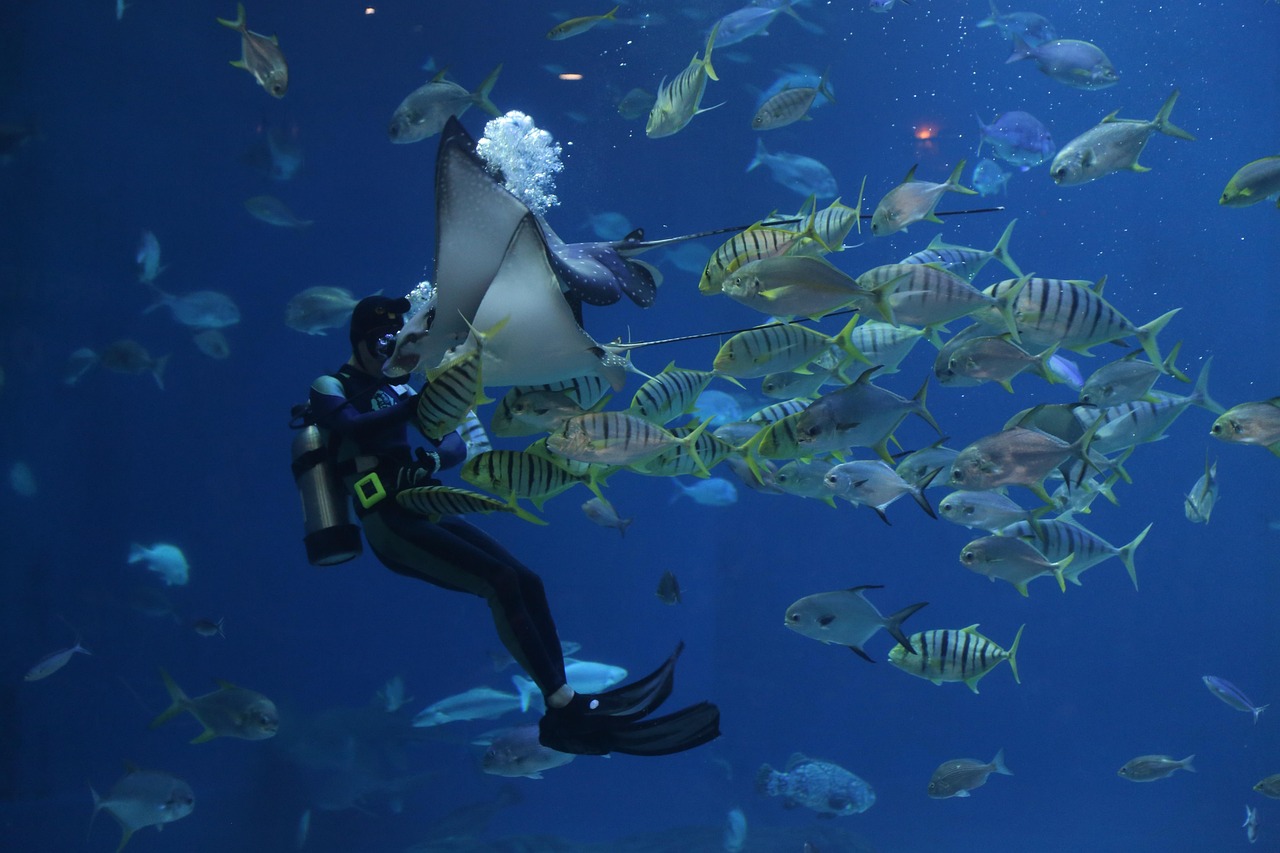
Liveaboard: You sleep on the boat and move between sites overnight. Over a week, you will hit 15 to 20 distinct sites across the entire archipelago. For clownfish diving, this means you can specifically target the best anemone sites and revisit them at different times of day. Most liveaboard itineraries include Cape Kri, Blue Magic, and Arborek Jetty. The catch: you have limited flexibility. If a site has strong current, the captain decides whether to skip it. Also, no phone signal for the entire trip. Some divers love that. Others hate it. Liveaboards start around $250 per person per night for budget options and go well above $500 per night for luxury. Equipment rental is usually included.
Resort: A fixed base with day boats. You return to the same room each night. The advantage is comfort, consistent food, and the ability to choose your dives daily. If a certain anemone garden is working, you can dive it every day. Resorts are generally quieter at night and easier for photographers who need to manage gear and batteries. The tradeoff is that you are limited to the sites within a reasonable boat ride of the resort. Some resorts have excellent house reefs (like Papua Explorers resort). Expect to pay $200 to $400 per person per night depending on the level, plus extra for daily diving fees and gear rental.
Best for: If you want maximum site diversity and can handle being on a boat constantly, take the liveaboard. If you want to settle in, get comfortable, and spend extended time at one or two productive sites, choose the resort.
Common Mistakes Divers Make in Raja Ampat
I have seen the same errors repeated every trip. Avoid these.
- Touching or hovering over anemones. The tentacles sting your exposed skin, and the pressure of your hover can collapse the anemone. The fish disappear for 20 minutes. Just wait. Let the fish come back on their own.
- Ignoring currents. Some sites have ripping currents that can push you past the target spot quickly. Check the tide schedule before you jump. If you are not comfortable with drift diving, tell your guide early.
- Assuming every anemone has a clownfish. Not all do. In healthy reefs, many anemones are vacant. That is normal. Do not waste time staring at empty anemones. Move on and check the next one.
- Not checking your gear for O-ring leaks in warm water. Warm water expands O-rings. A dusty or worn O-ring will leak when you dunk your camera in 30°C water. Grease your O-rings before every trip.
- Underestimating the sun’s effect on cameras. Direct tropical sunlight can overheat a GoPro or camera housing. If you leave it on the boat table for 20 minutes, you will come back to a fogged lens. Keep gear in a shade or a cooler bag.

How to Identify Clownfish Species in Raja Ampat
You will see four species commonly. Here is how to tell them apart visually, without a textbook.
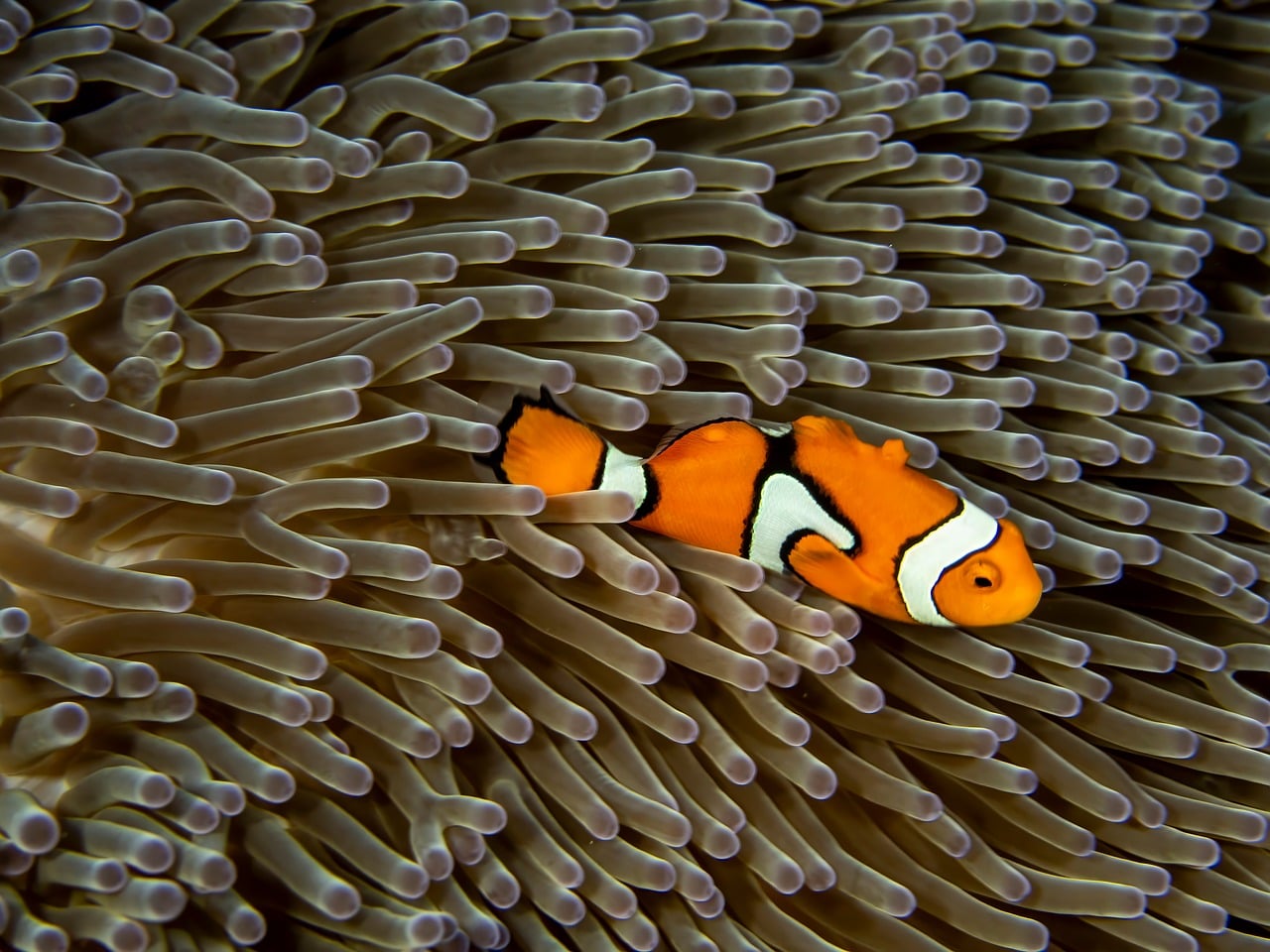
Orange-fin anemonefish: The classic. Three white bars on an orange body. But the tail is orange, not white. That is the key difference from the false clownfish. Look for the tail first.
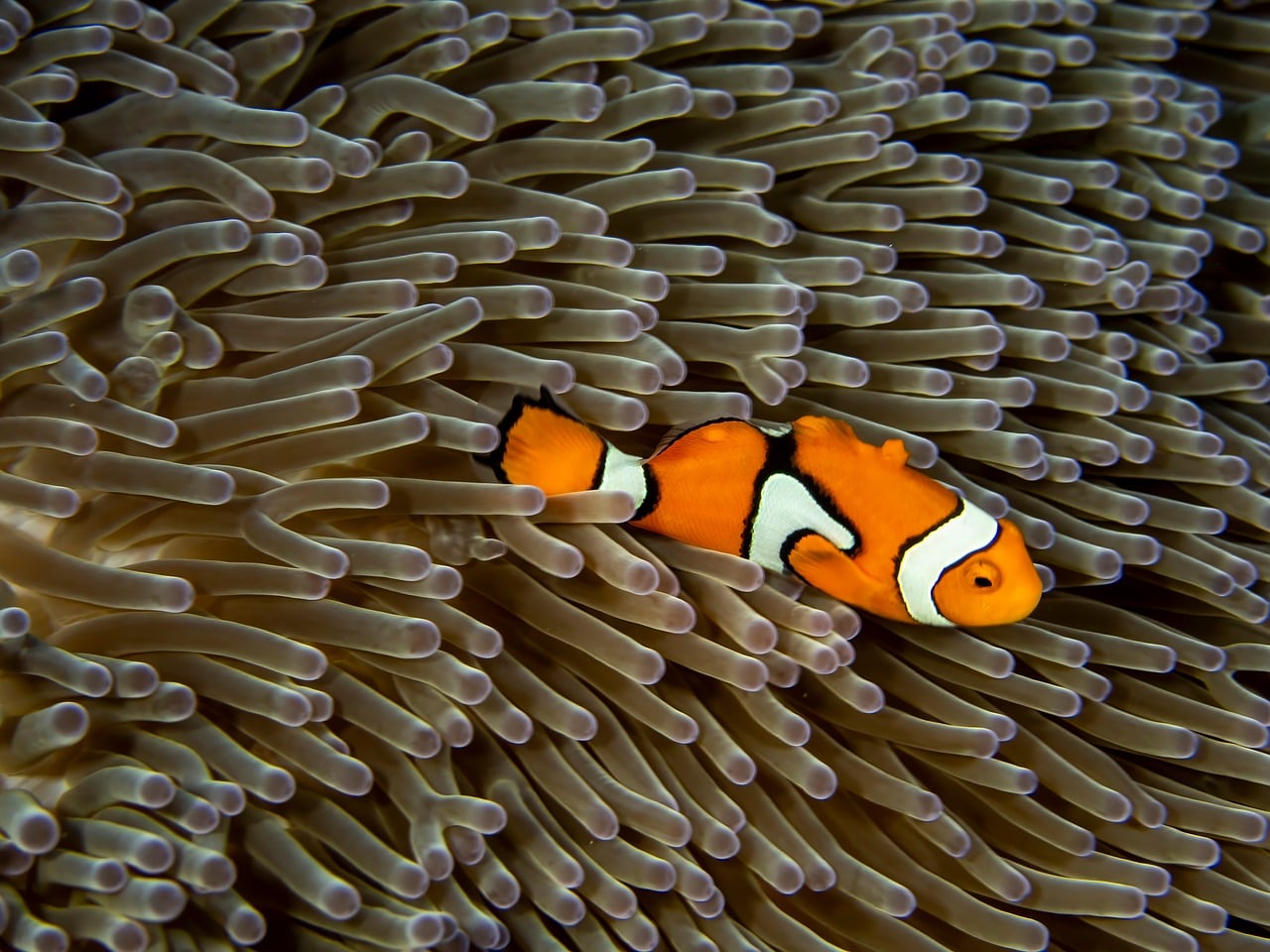
False clownfish: Nearly identical to the orange-fin, except the tail is white, not orange. This is the Nemo species. In Raja Ampat, they host primarily in the magnificent sea anemone.
Clark’s anemonefish: Dark body with two white bars. The tail is yellow to orange. This fish is smaller and scrappier. They will often defend their anemone aggressively, even against divers.
Spine-cheeked anemonefish: A small, shy species with a yellowish body and three white bars. The spine on the cheek is visible if you get close. They tend to stay deep in the anemone. Less commonly photographed, but present.
If you are logging species, write down the anemone type too. Some fish are picky about host anemones. That is a clue for positive identification.
Photographing Clownfish: Tips and Gear Recommendations
Raja Ampat’s water is generally clear, but the challenge is managing light. The sun is high and bright, which creates harsh shadows inside the anemone. Here is what works.
Use a diffused strobe or video light positioned at a 45-degree angle above your subject. This softens the light and reveals the fish’s color without blowing out the white bars. A single external light source is better than the camera’s built-in flash, which creates flat, harsh images.
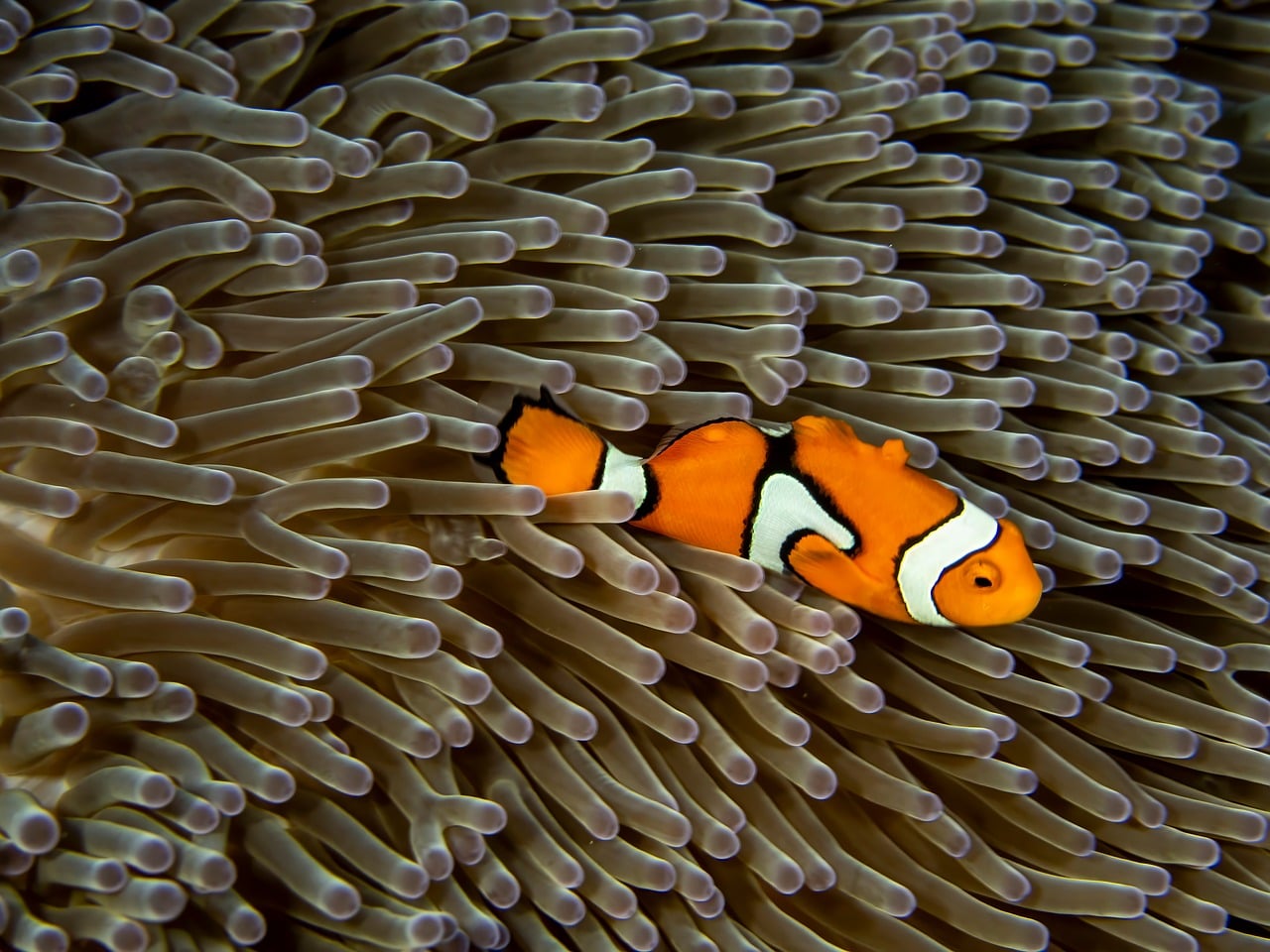
Get low. The anemone’s tentacles will sting your exposed skin, so wear a full wetsuit or dive skin. Lie on the sand or rock and approach at eye level with the fish. They are accustomed to divers who stay stable. Move slowly and deliberately.
For gear, a compact camera with a 1-inch sensor and a macro wet lens is the best compromise between quality and portability. The Olympus TG-6 or TG-7 with a PT-059 housing remains the workhorse for fish photography. Pair it with a Backscatter MacroMate Mini diopter for closer focus. If you are on a GoPro, the GoPro Hero12 Black with a SuperSuit housing and a Backscatter FLIP10 filter gives decent results for the weight and cost. For a reliable macro lens for underwater photography, check the options that suit your housing. This setup works best for divers with a tolerance for carrying extra gear. If you want to stay minimal, your phone in a waterproof case will not get you publishable shots of clownfish. Accept that limitation.
Budgeting for a Raja Ampat Clownfish Dive Trip
Let us be direct. Raja Ampat is not cheap, but it is also not unreachable if you plan realistically.
Flights to Sorong from Jakarta or Bali run about $250 to $400 round trip in economy. Once in Sorong, you need a speedboat or ferry to the islands. That is another $40 to $100 per person for a one-way transfer. Park fees are mandatory: the Raja Ampat Marine Park fee is about $100 per person for the year, plus a separate village fee of $20 to $40.
Accommodation and diving costs are the biggest variable. A liveaboard trip for 7 nights starts at $1,700 to $2,500 for a budget operator and goes to $4,000 to $7,000 for luxury. A resort package (room, all meals, daily diving) usually lands between $1,500 and $3,000 for a week. Gear rental adds $100 to $200 per week if you do not bring your own.
Money-saving tips: book in the wet season (May to September) for 20 to 30 percent discounts. If you are flexible, last-minute liveaboard cancellations can be snagged for half price. Skip the extra photo gear rental if your camera is already in good shape. And consider working with a dive operator that offers a house reef; you can do unlimited shore dives for a lower daily rate.
Top Dive Operators for Clownfish Focused Trips
Some dive operators specifically cater to marine biology and photography groups. If clownfish are your focus, these are worth looking into.
Raja Ampat Biodiversity runs eco-friendly liveaboard trips with marine guides. They emphasize fish identification and logging, which helps with the species-spotting aspect of your trip. Their boats are small (8 to 12 guests), so you get attentive service.
Meridian Adventure Dive is based at the Waisai Harbor on Waigeo Island. They have a house reef with reliable anemonefish. They offer daily dive trips to Cape Kri and surrounding sites. Their guides are knowledgeable about local species.
Indo Pacific Diving operates a liveaboard focused on small groups and extended bottom times. They schedule night dives specifically for pygmy seahorses and anemonefish behavior. If you want to see clownfish hunting behavior, night dives are your best bet. Their photo-friendly boat sets up charging stations and a drying room.
Always confirm the guide-to-diver ratio before booking. For photography, ask if they offer an underwater camera workshop or a guided photo session. Some operators include this in their premium packages.
What to Expect: Realistic Clownfish Encounters vs. Instagram
Instagram shows you a fish perfectly posed in an anemone, backlit by sunlight, with zero current and empty background. That image took 15 minutes of waiting and three attempts to get the lighting right. In real life, you are drifting, the anemone is bobbing, and the fish darts away when your shadow falls.
Raja Ampat has abundant clownfish. You will see them on almost every dive. But they are not always in postcard poses. Juveniles hide in the tentacles. Adults sometimes forage away from the anemone. Currents make close approach difficult. And sometimes the fish is just having a lazy day, sitting still. That is normal. The key is patience, good trim, and accepting that a 4-second encounter might be the best you get that dive. That is not a failure. It is a real dive.
Manage your expectations, and you will enjoy the trip more. The reef itself is spectacular regardless of how many keeper shots you get.

Final Recommendations: Choosing Your Raja Ampat Clownfish Dive Trip
Here is a simple decision framework based on what we have covered.
If you want maximum dive sites and fewer crowds, choose a liveaboard. You will see Cape Kri, Blue Magic, and the outer islands in a week. The tradeoff is less personal comfort and no ability to repeat a site 3 days in a row. But for a broad survey of raja ampat clownfish diving, this is the best route.
If you prefer comfort, base camp photography, and extended time at specific anemone gardens, go with a resort. You will have consistent food, stable WiFi for photo editing, and the freedom to dive the same site every morning. This works better for learning the fish behavior and getting the patient shots.
Whichever route you choose, invest in the basic gear we covered earlier. A good dive light and a macro setup are not luxuries. They are the tools that turn a good trip into a productive one. For those needing a compact underwater photo light, look for one with adjustable brightness. Check the recommended items on Amazon before you leave. Your future self, hovering over a perfect clownfish at Cape Kri, will thank you.