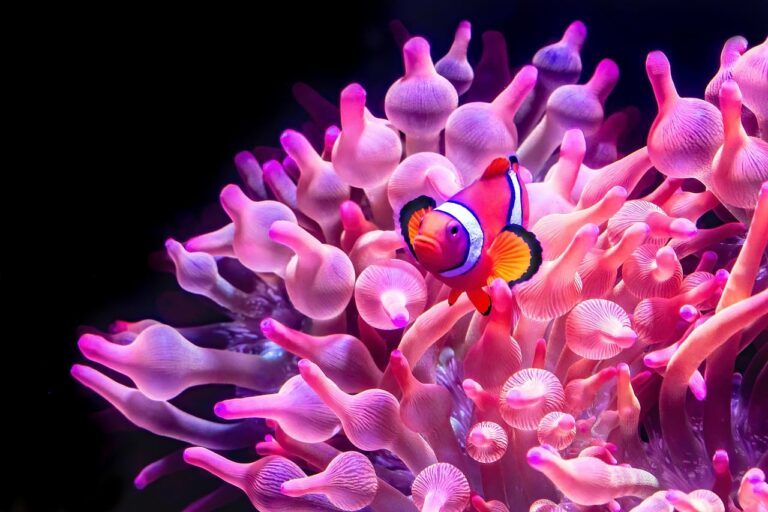
Skunk Clownfish: A Complete Care Guide
Introduction
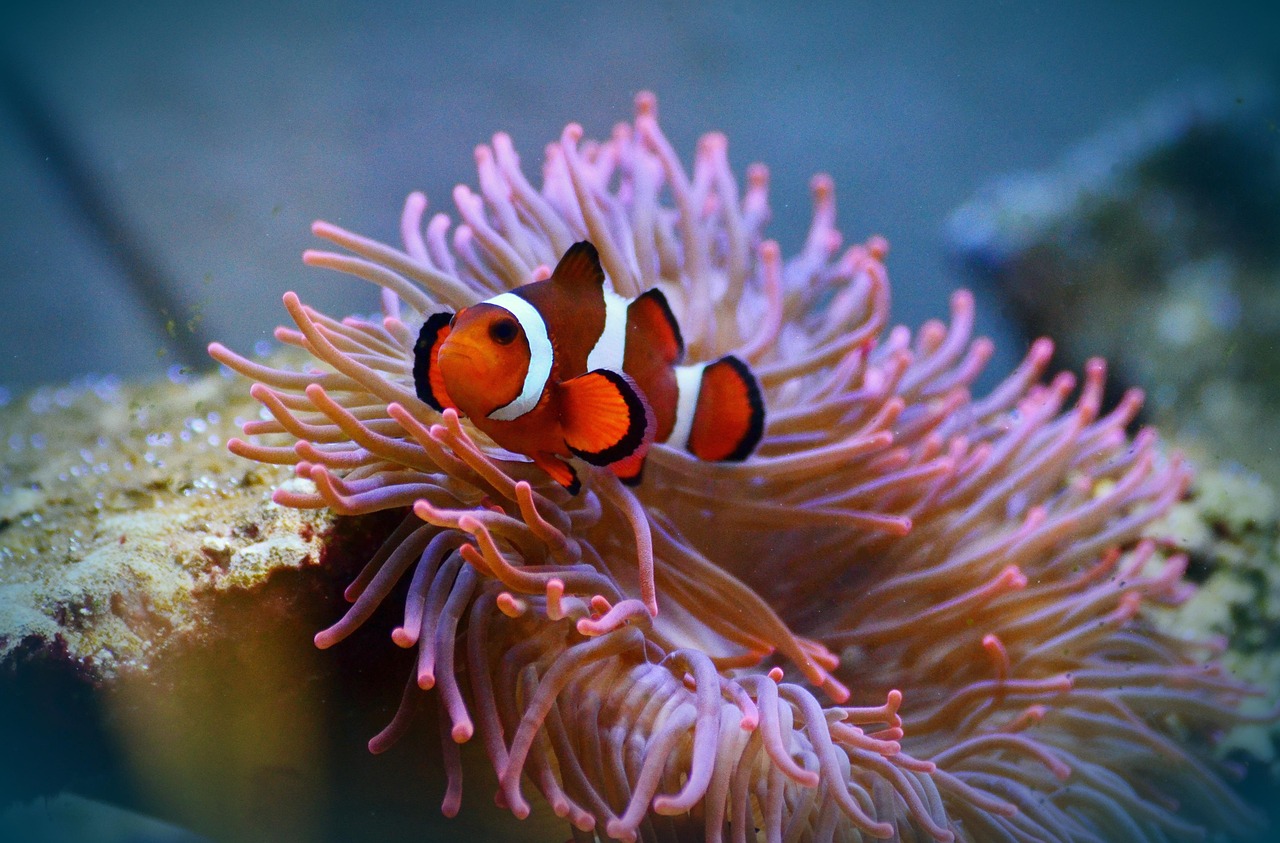
If youâve kept ocellaris clownfish and want something a bit different, the skunk clownfish is worth a look. This care guide covers what Iâve learned keeping Amphiprion akallopisos in community tanks and breeding setups. Theyâre not like the standard clownfish youâre used to. Their temperament, host preferences, and care needs put them in a more intermediate category. This guide covers tank setup, feeding, breeding, and the real tradeoffs youâll run into.

What Is a Skunk Clownfish? Quick Species Overview
The skunk clownfish (Amphiprion akallopisos) comes from the Indian Ocean, from the coast of East Africa to Indonesia and the Andaman Sea. You can identify them by the single, continuous white stripe that runs from the upper lip along the dorsal ridge to the tail. The body is warm orange with white pelvic fins. They usually reach about 4 inches in captivity, and with good care, you can expect a lifespan of 6 to 10 years, sometimes more.
In the wild, theyâre almost always found with large carpet anemones (Stichodactyla gigantea and Stichodactyla mertensii), which matters for tank setup. Theyâre part of the âskunk complex,â which includes species like the orange skunk clownfish (A. sandaracinos). Skunk clownfish are slimmer and have a slightly more pointed snout compared to the chunkier ocellaris. Expect a more streamlined fish with a different personality.
Skunk Clownfish vs. Other Clownfish: Key Differences
Here are the practical differences that matter when choosing fish. Compared to ocellaris or percula clownfish, skunks are less hardy â more sensitive to shipping stress and poor water quality. Not fragile, but not bulletproof either.
The real difference is temperament. Skunk clownfish are more aggressive within their own species, especially when paired. Theyâre territorial and can be bullies in smaller tanks. Maroon clownfish hold the title for aggression, but skunks are a notch below that. Ocellaris are generally docile, and percula sit somewhere in the middle.
Hereâs a practical breakdown:
- Aggression: Skunks are moderately aggressive. Theyâll defend territory against other clownfish and can intimidate shy tankmates.
- Hardiness: Ocellaris win here. Skunks need stable conditions but are robust once settled.
- Host preferences: Ocellaris will host almost anything. Skunks are more selective, preferring large anemones. Without one, they may host powerheads or not host at all.
- Tank size: A pair of skunks needs at least a 30-gallon tank. Ocellaris can do fine in a 20-gallon.
For a beginner wanting something âdifferent,â skunks can create extra work. For the intermediate hobbyist with a larger tank and stable system, theyâre a rewarding species with real personality.
Tank Size and Setup Requirements
The minimum tank for a single skunk clownfish is 20 gallons. For a pair, go with 30 gallons at minimum. Iâve kept a pair in a standard 29-gallon, and they used every inch. Theyâre active swimmers that also stake out a territory, usually a corner or under a rock overhang. If you add a large anemone, youâll want at least a 40-gallon to give it room and the fish space to patrol.
Filtration is straightforward but important. A good hang-on-back filter or canister filter rated for your tank volume is fine, but a sump setup helps with larger tanks. Skunk clownfish are sensitive to ammonia and nitrite spikes. Overfilter rather than underfilter. Live rock is essential â aim for 1 to 1.5 pounds per gallon. It handles biological filtration, provides hiding spots, and gives them a surface to graze.
Standard LED fixtures work for lighting unless youâre keeping anemones. For substrate, fine aragonite sand is fine and mimics their natural environment. Avoid large crushed coral that traps detritus.
If youâre setting up a new tank, a reliable canister filter like a Fluval canister filter is solid for tanks under 50 gallons. For heaters, Eheim Jager heaters are a trustworthy option to maintain stable temperatures.
Water Parameters for Skunk Clownfish
Stable water parameters are the most important factor for long-term health. Here are the targets:
- Temperature: 75-82°F (24-28°C). I keep mine at 78°F year-round.
- Salinity: 1.020-1.025 specific gravity. Aim for 1.024 for a natural reef environment.
- pH: 8.1-8.4
- Ammonia: 0 ppm
- Nitrite: 0 ppm
- Nitrate: Below 20 ppm, ideally under 10 ppm
Consistency beats perfection. A swing of 0.5 in pH over a day is fine. A rapid drop from 8.2 to 7.8 will stress the fish. Use a reliable refractometer for salinity. Cheap hydrometers drift and give inaccurate readings. A refractometer costs more upfront but saves headaches.
A salinity refractometer is accurate and easy to calibrate, much better than a plastic hydrometer.
Feeding Skunk Clownfish: Diet and Nutrition
Skunk clownfish are omnivores. In the wild, they eat copepods, algae, and small crustaceans. In the aquarium, variety is key. Hereâs what I feed:
- Staple pellet: New Life Spectrum Thera+A or Hikari Marine-S. Balanced with immune support.
- Frozen foods: Mysis shrimp, brine shrimp (enriched), and cyclopeeze. Rotate these through the week.
- Algae: Spirulina-based pellets or nori sheets. They donât eat much algae, but itâs a good occasional supplement.
For juveniles under 2 inches, feed 2-3 small meals per day. Adults do well on one feeding per day, though I still offer two small feedings if Iâm around. Overfeeding is the most common mistake. Theyâll eat until they look bloated. Feed only what they can consume in 2-3 minutes, and remove leftovers after 5 minutes.
Variety prevents nutritional deficiencies and keeps them active. Stick to just pellets and youâll see duller colors and less energy over time.

Host Anemones: Do Skunk Clownfish Need One?
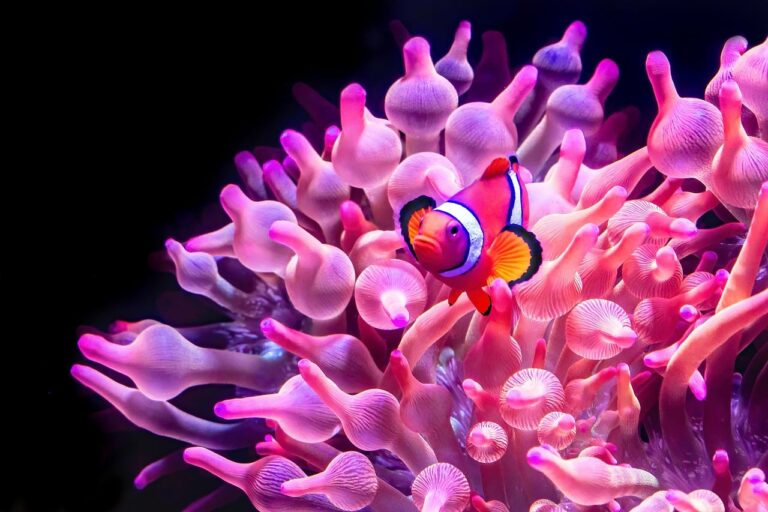
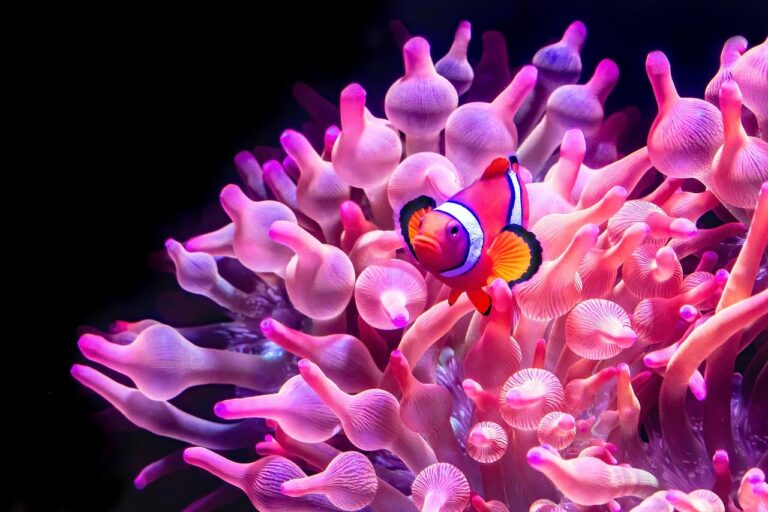
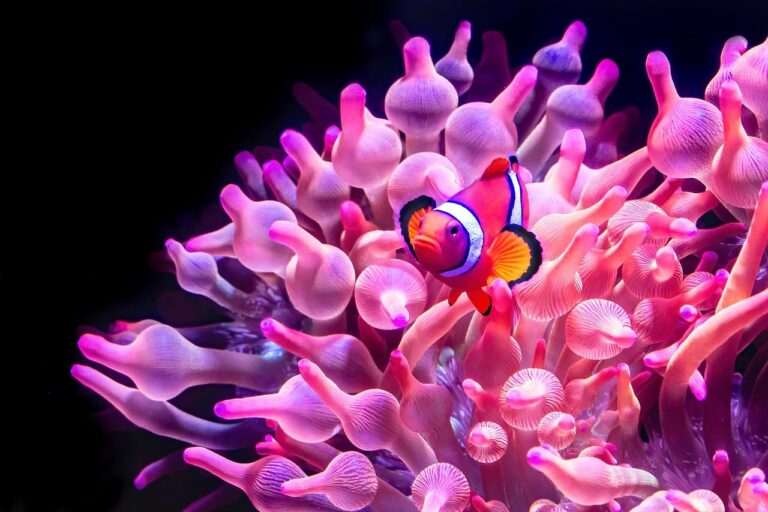
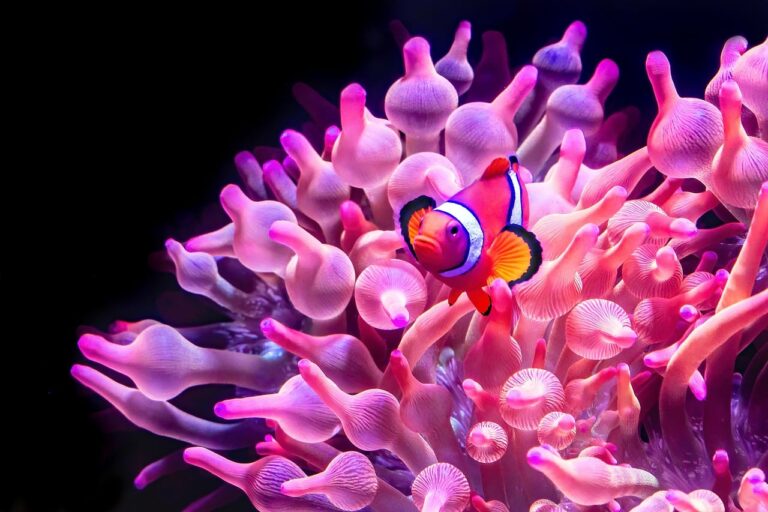
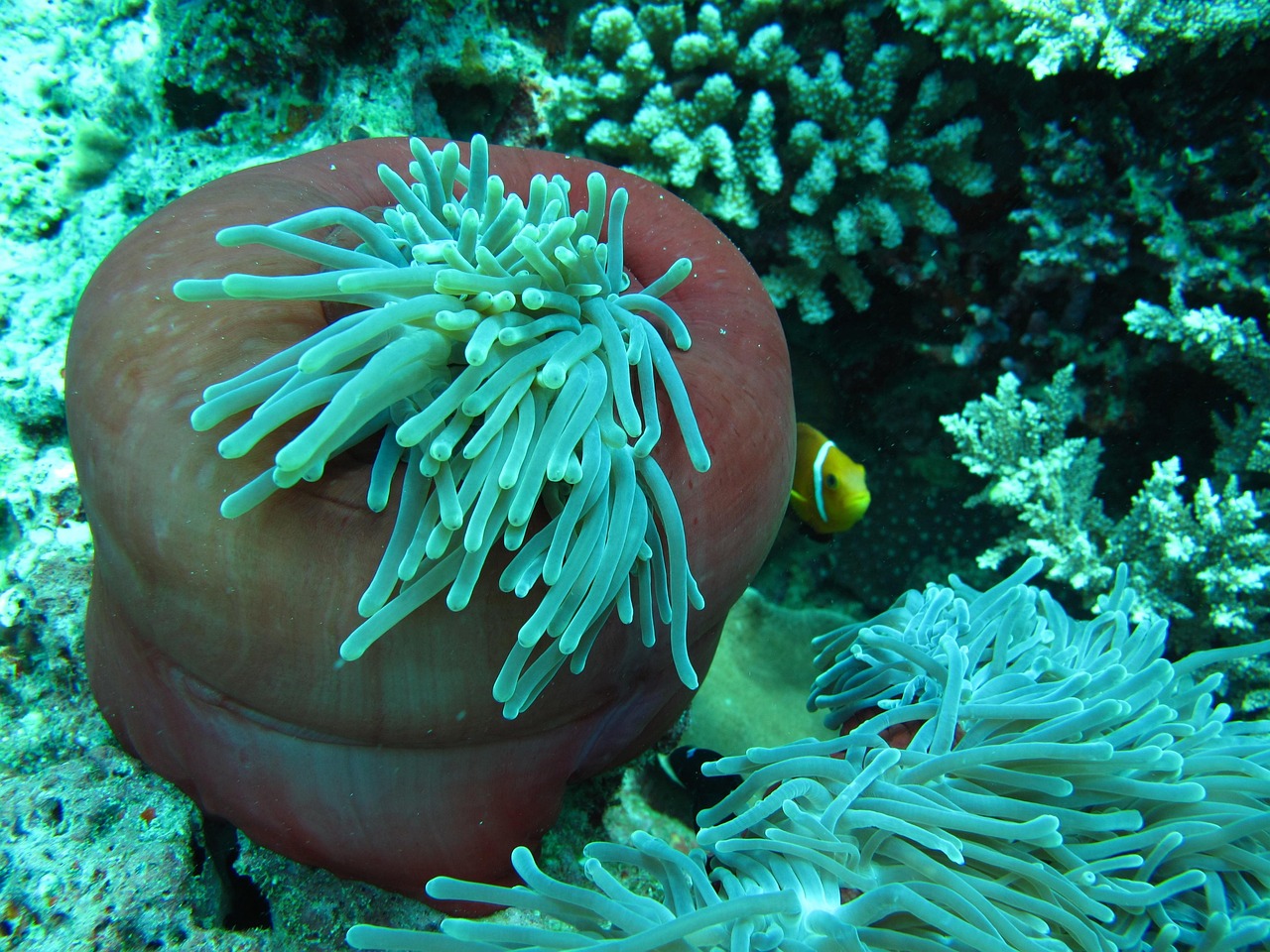
This question comes up a lot. The short answer: no, they donât need an anemone. Skunk clownfish live perfectly fine without one as long as they have hiding spots in rockwork. But many owners want that symbiotic pairing, and skunks are a tougher species to get hosting.
In the wild, they almost exclusively host Stichodactyla gigantea (giant carpet anemone) or Stichodactyla mertensii (Mertensâ carpet anemone). Both are demanding in captivity. They need intense lighting, stable water, and a mature tank â at least 6-12 months old. A bubble-tip anemone (Entacmaea quadricolor) is easier to keep and may be accepted, but skunks are less likely to host it than ocellaris.
If you want the hosting behavior, hereâs what I recommend:
- Use a mature tank with stable parameters for at least 6 months.
- Try a bubble-tip anemone first. Itâs more forgiving than a carpet anemone.
- Place the anemone in a low-flow area with moderate light.
- Feed the anemone weekly with small pieces of shrimp or fish.
The risk is that a stressed or dying anemone can crash your tank. Iâve lost a carpet anemone to bacterial infection, and it took weeks to get water quality back in line. Consider if the visual payoff is worth the risk. For many it is, but go in with your eyes open. Skip the anemone and your skunk will still be active and healthy.
Tankmates: Who Can Live With Skunk Clownfish?
Skunk clownfish are territorial but can coexist with the right species. Iâve had success with:
- Gobies: Small, bottom-dwelling fish like watchman gobies or firefish. They stay out of the skunkâs territory.
- Blennies: Tailspot blennies or bicolor blennies spend most of their time in rockwork or perching.
- Cardinalfish: Banggai cardinalfish are peaceful and slow-moving. They ignore each other.
- Small wrasses: Six-line wrasses are active but generally donât bother clownfish.
Avoid aggressive species that will bully the skunks: triggerfish, large angelfish, pufferfish, or groupers. Also avoid mixing multiple clownfish species. Skunks will harass other clownfish relentlessly, especially if similar in size. I tried adding a small ocellaris to a tank with a skunk pair once. The skunks cornered it within an hour, and I had to pull it.
Tank size matters. In a 40-gallon breeder, you have more room for docile fish without territorial conflicts. In a 20-gallon, stick to just the skunk pair and maybe a shrimp goby. Individual personalities vary â some skunks are more aggressive than others. Watch their behavior the first week and be ready to adjust.
Common Skunk Clownfish Diseases and Prevention
The diseases youâll likely see with skunk clownfish are the same ones that affect most saltwater fish, but theyâre particularly susceptible to Brooklynella. This protozoan infection causes heavy mucus production, flashing, and rapid breathing. It can be fatal within days if untreated.
Other common issues:
- Marine ich: White spots, scratching. Caused by Cryptocaryon irritans.
- Velvet: Fine golden dust on the skin, lethargy, loss of appetite. More aggressive than ich.
Prevention is your best bet.
- Quarantine everything. Every new fish should spend at least 4 weeks in a separate quarantine tank. Iâve lost entire tanks skipping this step.
- Stable water parameters. Stress lowers immunity.
- Quality diet. A fish in good condition fights off infections better.
If you see symptoms, act fast. Copper-based medications treat ich and velvet but wonât help Brooklynella. For Brooklynella, formalin baths or metronidazole are more effective. A quarantine setup doesnât need to be expensive â a 10-gallon tank, sponge filter, and heater are enough for most small fish.
A 10-gallon glass aquarium kit can get you started on a simple quarantine tank.
Breeding Skunk Clownfish: A Beginnerâs Guide
Skunk clownfish are protandrous hermaphrodites â all are born male, and the largest, dominant individual becomes female. A pair will bond in captivity and lay eggs if conditions are right. Iâve successfully bred them in a 29-gallon tank, and itâs one of the most rewarding parts of keeping this species.
Pairing: Start with a small group (4-6 juveniles) and let them pair naturally. Once a female emerges (sheâll grow larger and more aggressive), remove the others. A mated pair is easy to spot â they stay close together and the female is clearly dominant.
Egg laying: Theyâll lay eggs on a flat surface near the femaleâs chosen spot â often a flat rock or the underside of a powerhead. The male guards and fans them. Eggs hatch in 6-8 days, usually at night.
Fry care: This is where it gets hard. Fry need live rotifers and phytoplankton for the first 2-3 weeks. Youâll need a separate rearing tank with stable water, gentle aeration, constant food supply, and very low ammonia. Iâve raised a few batches, and itâs labor-intensive. Water changes must be small and frequent.
The biggest tradeoff: breeding takes space, time, and equipment. If you want a challenge, itâs a fantastic project. If you just want a mated pair for the visual, theyâll still spawn even if you donât raise the fry. Most will get eaten by tankmates or the parents, which is natural.
If you decide to try raising fry, look for a breeder net for fish eggs to separate them from the main tank.
5 Common Mistakes New Skunk Clownfish Owners Make
- Adding to an uncycled tank. Iâve seen this more times than I can count. Wait for ammonia and nitrite to read zero. A fishless cycle takes 4-6 weeks.
- Putting them with aggressive tankmates. Skunks can hold their own, but a triggerfish or large angel will stress them to death.
- Overfeeding. Itâs the leading cause of poor water quality. Stick to the 2-3 minute rule.
- Ignoring water changes. A 10-15% weekly water change keeps nitrates down and replenishes trace elements. Skip it for two weeks and you risk a crash.
- Not quarantining new fish. This single practice saves more tanks than any medication. A 4-week quarantine is non-negotiable if you want to avoid disease outbreaks.
Is a Skunk Clownfish Right for You?
Letâs break it into pros and cons.
Pros:
- Hardy once established with stable water
- Striking appearance with the single white stripe
- Active and interesting to watch
- Breeds relatively easily compared to many marine fish
Cons:
- Moderately aggressive, especially in pairs
- Needs a larger tank than smaller species
- Selective about host anemones
- More sensitive to water quality than ocellaris
Best for: Hobbyists with at least 6 months of saltwater experience who have a 30+ gallon tank, a stable system, and want a species with more personality than an ocellaris. Beginners can manage them, but youâll need to be diligent about water testing and quarantining.
Not for: Those with nano tanks under 20 gallons, heavy bioloads, or who want a peaceful community. Theyâre also a poor choice if you want to mix clownfish species.

Final Thoughts
Skunk clownfish are a fantastic species for the right setup. Theyâre not the easiest clownfish, but they reward you with unique behavior and striking looks. The keys are stable water, proper feeding, and good tankmate choices. Hit those three, and youâll have a healthy, active fish that can live close to a decade.
Take your time setting up the tank. Cycle it fully. Quarantine new fish. Donât rush the anemone. If problems come up, address them early â disease moves fast in saltwater. If youâre serious about getting one, the recommended gear linked throughout this guide can make the process smoother and your skunk happier.